
HANG LUNG PPT(00101)

Search documents
大摩:豪宅印花税上调不利九龙仓集团等公司 料今年楼价升10%
Xin Lang Cai Jing· 2026-02-26 06:43
Group 1: Tax Changes and Impact on Companies - The Hong Kong government's new budget has raised the stamp duty rate on residential properties valued over HKD 100 million to 6.5% [1][3] - Morgan Stanley estimates that such properties will account for 0.3% of total transaction volume but 8% of total transaction value by 2025, predicting a negative impact on Wharf Holdings (00004) [1][3] - Other companies exposed to similar property risks include Hang Lung Properties (00101), Cheung Kong Holdings (01113), Henderson Land Development (00012), and Sun Hung Kai Properties (00016) [1][3] Group 2: Commercial Land and Market Conditions - For the second consecutive year, no commercial land has been released for sale, which is expected to support the office and retail property markets through improved supply and demand conditions [1][3] - Various talent programs have attracted 270,000 people to Hong Kong, with over 100,000 coming through the high-skilled talent pass, creating additional housing demand [1][3] Group 3: REITs and Regulatory Changes - The government is seeking to include Real Estate Investment Trusts (REITs) in the mutual market access mechanism and is introducing a bill to facilitate the privatization or restructuring of REITs [1][3] - There may be exemptions for stamp duty on the transfer of non-residential properties for REITs seeking to go public, which is viewed positively for Link REIT (00823) [1][3] Group 4: Market Outlook and Price Predictions - Morgan Stanley maintains a constructive view on the recovery of property prices, forecasting a 10% increase this year without expecting any tightening measures [2][4] - Local property stocks have risen approximately 20% to 50% year-to-date, indicating that some upside potential has already been absorbed [2][4] - Upcoming earnings periods may bring volatility due to declining profit margins and weak earnings outlook for 2026 [2][4]





大行评级丨小摩:对港府上调豪宅印花税感惊讶但不担心,看好新地、恒地和信置
Ge Long Hui· 2026-02-26 06:17
Group 1 - The core viewpoint of the report is that the increase in stamp duty for properties valued over HKD 100 million in the Hong Kong government's 2026/27 budget is surprising but not concerning, as it will only affect 0.3% of transactions [1] - The report indicates that in 2025, there were only 169 transactions exceeding HKD 100 million, suggesting that the impact on the market will be minimal [1] - The additional cost of 2.25% for ultra-wealthy buyers is considered negligible, as property prices could rise enough in a month or two to offset this cost [1] Group 2 - The policy is viewed not as a measure to suppress the real estate market but rather as a redistribution fiscal policy aimed at taxing the ultra-wealthy to subsidize low-income groups [1] - The report suggests that this policy may actually trigger a stronger "fear of missing out" (FOMO) sentiment among buyers of properties priced between HKD 50 million and HKD 99 million, who may worry about future higher stamp duties [1] - Following the announcement, the real estate sector experienced a pullback of 1% to 2%, which the report interprets as a profit-taking excuse after strong performance year-to-date [1] Group 3 - The report identifies the most favored developers as Sun Hung Kai Properties, Henderson Land Development, and Sino Land [1] - Rental stocks highlighted include Hang Lung Properties and Swire Properties [1]


华福证券:2H25国内高端消费显著提升 关注高端商业地产及奢侈品标的
Zhi Tong Cai Jing· 2026-02-26 03:36
Group 1 - The high-end consumption market is stabilizing and showing signs of recovery, with strong momentum in the Greater China region [1][2] - From the second half of 2025, major luxury goods groups are expected to see significant improvement in sales growth in the Asia-Pacific region (excluding Japan), with LVMH and Richemont experiencing their first positive growth after seven consecutive quarters [1] - The improvement in the Chinese market is a key variable for the performance recovery of global luxury goods groups, with major brands optimistic about the long-term potential of the Chinese market [1] Group 2 - The retail sales growth of high-end shopping malls in China has significantly increased in the second half of the year, with retail sales of tenants in Hang Lung Properties' mainland malls expected to grow by 4% year-on-year in 2025 [1] - Swire Properties' malls have also seen a notable acceleration, with the Shanghai Xinyi Swire City benefiting from the iconic project "Louis" leading to a 49.6% increase in retail sales [1] - The wealth effect is driving a rebound in high-end consumption demand, with high-frequency indicators such as the growth of wealthy individuals' assets, duty-free data from Hainan, and Macau gaming data confirming this recovery [2]
港股通红利低波ETF基金(159118)涨1.76%,成交额1803.28万元
Xin Lang Cai Jing· 2026-02-24 07:16
Group 1 - The core viewpoint of the news is the performance and characteristics of the Huaxia S&P Hong Kong Stock Connect Low Volatility Dividend ETF (159118), which has seen a significant decrease in both share count and total assets since the beginning of the year [1][2] - As of February 13, 2025, the fund's latest share count was 132 million, with a total size of 136 million yuan, reflecting a 57.06% decrease in shares and a 54.36% decrease in size compared to December 31, 2025 [1] - The fund's management fee is 0.15% annually, and the custody fee is 0.05% annually, with its performance benchmark being the S&P Hong Kong Stock Connect Low Volatility Dividend Index adjusted for valuation exchange rates [1] Group 2 - The current fund manager is Yan Xiaoxian, who has managed the fund since its inception on November 17, 2025, achieving a return of 3.06% during her tenure [2] - The fund's top holdings include Far East Horizon, China Shenhua, China Petroleum, CNOOC, Jiangxi Copper, Hang Lung Properties, Hengan International, Sino Land, PCCW, and Sinopec, with each holding representing a small percentage of the total portfolio [2] - The cumulative trading amount for the fund over the last 20 trading days was 297 million yuan, with an average daily trading amount of 14.87 million yuan [1]



港资守擂、内资突围、区域龙头割据,商业版图谁主沉浮?
Xin Lang Cai Jing· 2026-02-24 05:27
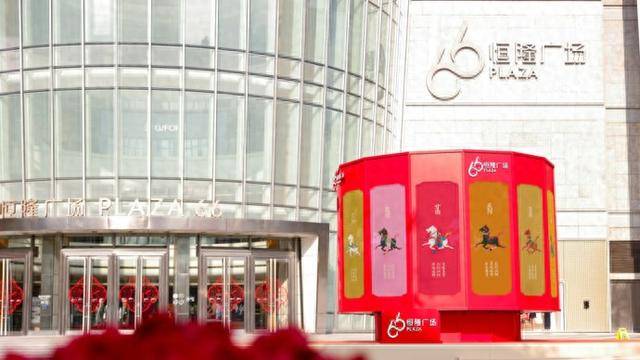
Core Insights - The retail commercial property market in 2025 is undergoing a profound structural adjustment due to macroeconomic headwinds and changing consumer habits, leading to varied survival scenarios among companies with different backgrounds and strategies [3][30] Group 1: Hong Kong Property Companies - Sun Hung Kai Properties remains the "rental king," recording net rental income of HKD 18.392 billion for the fiscal year 2025, demonstrating strong resilience [4][31] - The company maintains a high mall occupancy rate of 95% in Hong Kong by introducing popular mainland brands and optimizing public spaces [4][31] - Swire Properties reported a 20% year-on-year revenue increase in the first half of 2025, with retail sales in mainland China up 70% compared to 2019, but faced significant market differentiation [7][34] - Hang Lung Properties experienced mixed results, with overall income stable but significant city-level disparities, prompting a shift to more refined operational strategies [9][36] - Link REIT adopts a pragmatic approach to stabilize its operations amid structural changes in consumer behavior, enhancing its asset portfolio in Hong Kong and mainland China [11][38] - Kerry Properties shows financial discipline with a 22% drop in net profit but maintains a controlled debt ratio of 40% [13][40] - Shui On Land's resilience heavily relies on its Shanghai projects, which contribute 78% of rental income, highlighting the challenges in its national expansion [16][43] Group 2: Mainland Property Companies - Longfor Properties is focusing on revitalizing older projects, reducing interest-bearing debt by HKD 60 billion over three and a half years, and achieving a historical low financing cost of 3.58% [20][45] - China Resources' commercial segment reported a revenue of CNY 3.267 billion, a 14.6% increase, with a gross margin of 66.1% [21][48] - The average opening rate of new projects in the first half of 2025 exceeded 91%, with significant retail sales growth from third-party managed projects [22][49] Group 3: Regional Leaders - Hisense Plaza in Qingdao has maintained its status as Shandong's top luxury venue for 28 years, achieving annual sales exceeding CNY 6 billion [26][51] - Lihua Group represents a different path in regional commerce with its "department store + supermarket" model, facing challenges in national expansion and declining performance since 2019 [28][53]




地产及物管行业双周报(2026/2/7-2026/2/20):春节期间新房成交同比小增,商业不动产REITs半月申报12单-20260223
Shenwan Hongyuan Securities· 2026-02-23 07:36
Investment Rating - The report maintains a "Positive" rating for the real estate and property management sectors, highlighting the potential for recovery in quality real estate companies and commercial properties [3]. Core Insights - The report indicates that new home sales during the Spring Festival period saw a year-on-year increase of 5.4%, with a total of 9.3 million square meters sold across 16 major cities [3][13]. - The overall sentiment in the real estate market is improving, driven by recent government policies aimed at stabilizing the market and addressing local government debt risks [3]. - The report emphasizes that the fundamental bottom of the real estate sector is approaching, with expectations for quality companies to recover profits more quickly and flexibly [3]. Summary by Sections 1. Industry Data - New home sales in 34 key cities during the week before the Spring Festival totaled 192.3 million square meters, a decrease of 1.1% week-on-week, but an increase of 56.6% compared to the average weekly sales this year [4]. - In February, new home sales in 34 cities increased by 88.5% year-on-year, with first and second-tier cities showing a 96.8% increase [9]. - The inventory of new homes in 15 cities was reported at 8,870.4 million square meters, with a slight decrease of 0.1% week-on-week [54]. 2. Policy News - The report notes that the government has reiterated its commitment to stabilizing the real estate market, with various local policies being introduced to optimize housing supply and manage existing stock [3]. - Specific measures include the promotion of REITs in commercial real estate, with 12 applications submitted recently [3]. 3. Company Dynamics - Sales data for major real estate companies in January showed mixed results, with China Jinmao reporting a 13.6% increase in sales, while other companies like Poly Developments saw a 13.3% decrease [3]. - The report highlights the performance of the property management sector, which has shown resilience compared to the broader market [3]. 4. Market Performance - The SW Real Estate Index fell by 0.69%, underperforming the Shanghai and Shenzhen 300 Index, which rose by 0.36% [3]. - The report suggests that the current valuation levels for quality real estate companies are at historical lows, making them attractive for investment [3].

上海恒隆广场做对了什么?2025年商场收入和租户销售额逆势双增长
Sou Hu Cai Jing· 2026-02-14 05:12
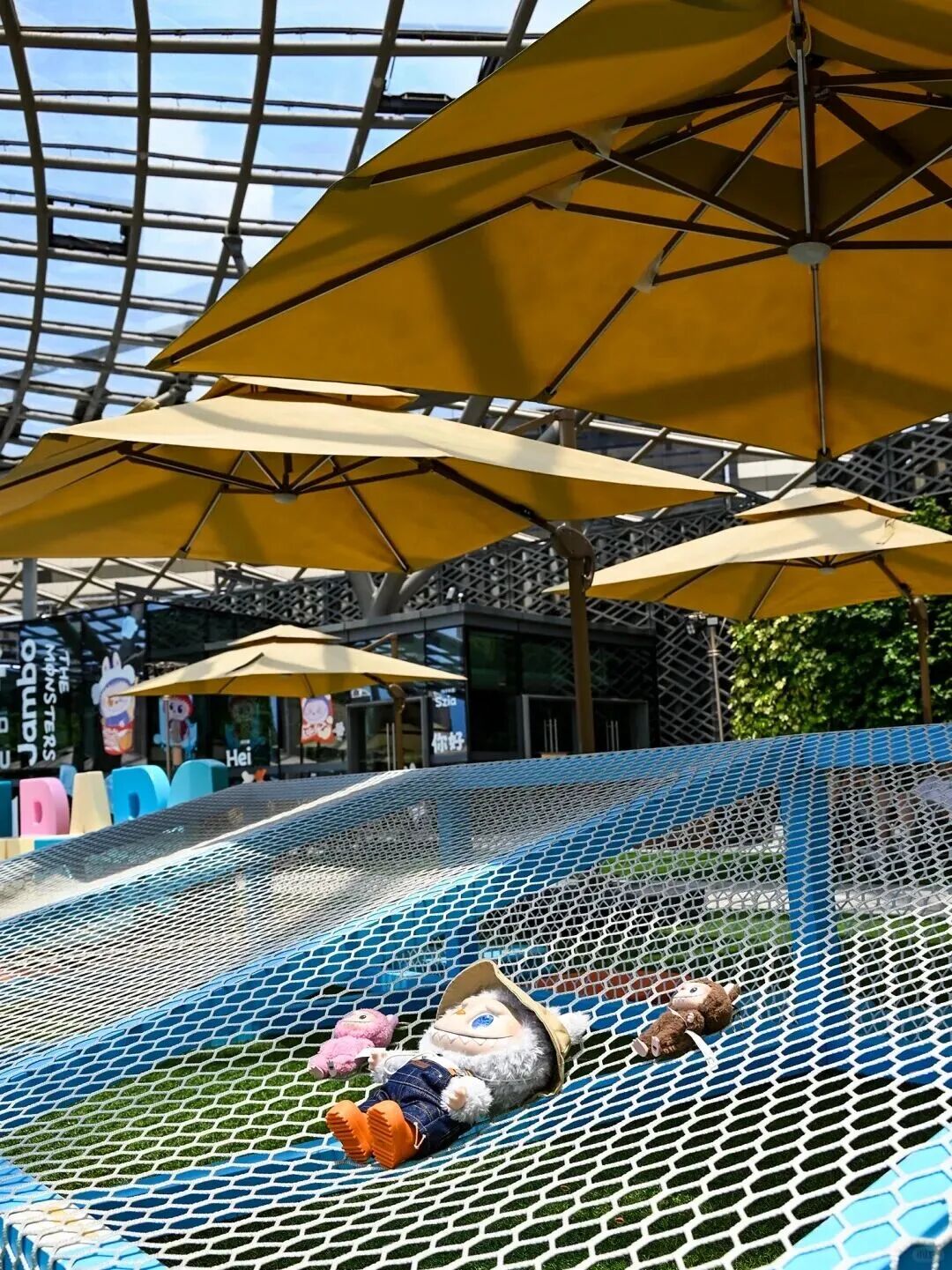
Core Insights - Shanghai Hang Lung Plaza has demonstrated resilience in the luxury retail market, achieving a 1% increase in revenue and a 4% rise in tenant sales despite challenges in 2025 [3][4] - The annual "HOME TO LUXURY" event significantly boosted tenant sales by nearly 50%, showcasing the effectiveness of strategic marketing initiatives [3][4] Group 1: Business Strategy - The mall's strategy includes introducing high-end domestic brands like Laopuyuan, which enhances its traditional jewelry offerings and attracts affluent customers [6][10] - A focus on dining and experiential retail is aimed at increasing foot traffic and customer dwell time, with new high-end restaurants and trendy light dining options being introduced [6][10] Group 2: Target Audience - The mall is actively engaging younger consumers, with initiatives like the Murakami Ohana Hatake exhibition and Jellycat Café attracting a 23% increase in visitors under 30 years old [8][9] - The introduction of pop-up stores for designer brands allows for mutual exploration between the mall's clientele and new brands, enhancing customer engagement [9] Group 3: Expansion and Innovation - The ongoing Phase III expansion will add 13% more leasable space, aiming to redefine the mall's spatial logic and functionality to create a more inviting lifestyle environment [10][12] - The new outdoor space will facilitate community experiences and events, enhancing the mall's appeal as a social destination and allowing for a wider range of activities [11][12]
港股通红利低波ETF华宝(159220)跌0.78%,成交额3158.09万元
Xin Lang Cai Jing· 2026-02-13 10:01
Core Viewpoint - The Huabao S&P Hong Kong Stock Connect Low Volatility Dividend ETF (159220) has experienced a decline in both share count and total assets since the beginning of the year, indicating potential challenges in attracting investor interest [1]. Group 1: Fund Performance - As of February 12, 2025, the fund's latest share count is 444 million, with a total size of 287 million yuan, reflecting a decrease of 13.29% in shares and 6.82% in size compared to December 31, 2025 [1]. - The fund's management fee is set at 0.50% annually, while the custody fee is 0.10% annually [1]. Group 2: Trading Activity - The cumulative trading amount over the last 20 trading days reached 1.038 billion yuan, with an average daily trading amount of approximately 51.88 million yuan [1]. Group 3: Fund Management - The current fund managers are Yang Yang and Hu Yijiang, both of whom have managed the fund since its inception on April 29, 2025, achieving a return of 28.46% during their tenure [2]. Group 4: Top Holdings - The fund's top holdings include Jiangxi Copper Co. (4.48%), Far East Horizon (3.36%), China National Offshore Oil Corporation (3.11%), and China Shenhua Energy (3.07%), among others, with significant positions in various sectors [2][3].

评论 | 稳住了2025年业绩,恒隆下一张王牌在哪里?
Xin Lang Cai Jing· 2026-02-12 12:13
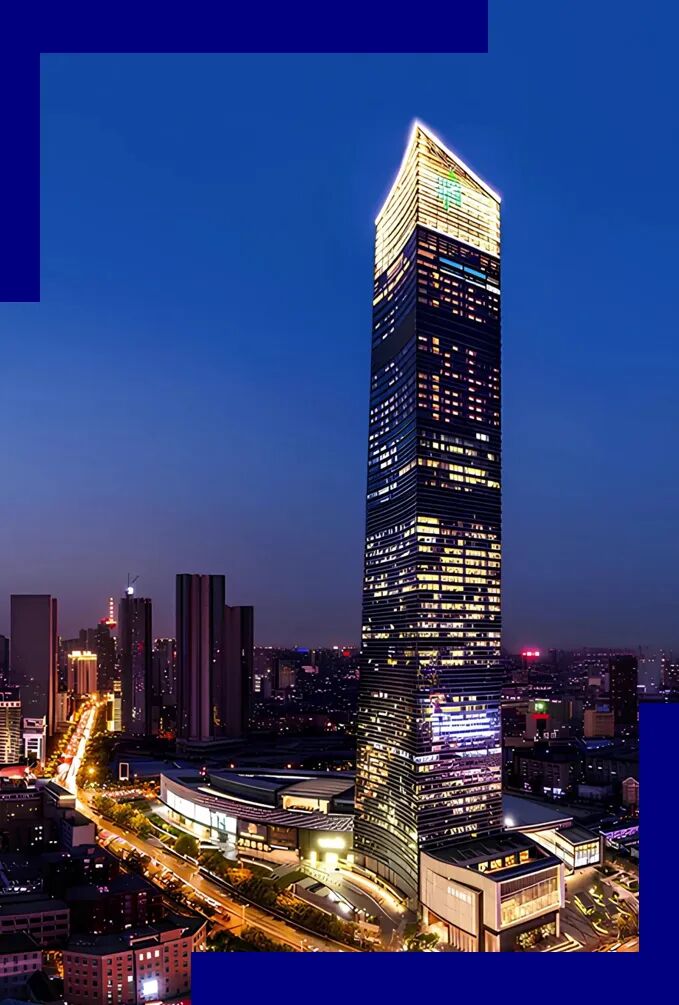
Core Insights - Henglong Real Estate reported a total revenue of HKD 99.50 billion for the year ending December 31, 2025, reflecting an 11% year-on-year decline, primarily due to a significant drop in property sales. However, rental income from mainland shopping malls increased slightly by 1% to HKD 48.71 billion, indicating resilience in this segment [2][19][18] Financial Performance - Despite the overall revenue decline, the company's net profit attributable to shareholders rose by 3% to HKD 32.02 billion, showcasing a complex performance where rental income remains the mainstay, contributing over 94% to total revenue [2][18] - The overall rental income saw a minor decrease of 1%, yet rental income from mainland malls experienced a 1% increase, highlighting a contrasting performance within different segments [2][19] Rental Market Dynamics - The rental income from key projects such as Shanghai Henglong Plaza and Hongqiao Henglong Plaza grew by 1% and 2% respectively, together accounting for nearly 60% of the total rental income from mainland malls [19][3] - The overall occupancy rate for mainland malls increased by 2 percentage points to 96%, with tenant sales rising by 4%, indicating a recovery in the malls' operational performance [21][5] Strategic Adjustments - The company is adapting to changing consumer trends, shifting focus from luxury goods to more popular dining and sports brands, which are now seen as growth drivers. This has led to a strategic adjustment in tenant mix, reducing supermarket space to accommodate more dining options [22][6] - Henglong is also enhancing customer experience by learning from successful experiential retail models, aiming to transform malls into more engaging spaces for consumers [22][6] Office Space Challenges - In contrast to the retail sector, the office rental income in mainland China fell by 8% to HKD 10.05 billion, with an overall occupancy rate dropping by 4 percentage points to 79%. The Shanghai Henglong Plaza office space faced significant pressure, with an 11% decline in rental income [24][8] - Management remains pragmatic, prioritizing tenant retention and negotiating lower rents to maintain occupancy during this challenging period, which is expected to last 18 to 24 months [24][8] Future Outlook - Despite short-term pressures, management expresses confidence in a potential market recovery within the next two years. The introduction of the "V.3" strategy marks a shift in focus towards existing projects rather than expansion into new cities, aiming for incremental growth through targeted investments [26][10] - Upcoming projects, such as the expansion of the Hangzhou Henglong Plaza, are anticipated to drive future growth, with a pre-leasing rate of 77% as of mid-2025 [30][14] Market Segmentation - Performance varies significantly across different cities, with strong results in Shanghai, Wuxi, Dalian, and Kunming, while cities like Tianjin, Wuhan, and Shenyang are experiencing declines in rental income exceeding 30% [28][10] - This disparity reflects local market conditions and competitive pressures, necessitating a tailored approach to each city's strategy [28][10]
港股通红利低波ETF(159117)跌0.46%,成交额223.62万元
Xin Lang Cai Jing· 2026-02-12 07:15
Core Viewpoint - The Penghua Hong Kong Stock Connect Low Volatility Dividend ETF (159117) has experienced a decline in both share count and total assets since the beginning of the year, indicating potential challenges in attracting investment [1][2]. Fund Overview - The fund was established on September 30, 2025, with an annual management fee of 0.30% and a custody fee of 0.10% [1]. - As of February 11, 2025, the fund's total shares stood at 83.40 million, with a total size of 91.23 million yuan, reflecting a decrease of 42.64% in shares and 38.38% in size compared to December 31, 2025 [1]. Liquidity Analysis - Over the last 20 trading days, the cumulative trading amount for the ETF reached 129 million yuan, with an average daily trading amount of 6.44 million yuan [1]. Fund Management - The current fund managers are Yan Dong and Yu Zhanchang, both of whom have managed the fund since its inception, achieving a return of 8.57% during their tenure [2]. Top Holdings - The ETF's major holdings include Jiangxi Copper Co. (4.39%), Far East Horizon (3.33%), China Shenhua Energy (3.09%), CNOOC (3.04%), and others, with the respective market values and share counts detailed [3].