KUAISHOU(01024)

Search documents
快手3月上新季加码商达激励,瓜分千万流量及补贴焕新商机
Sou Hu Cai Jing· 2026-02-26 09:00
Core Insights - The consumption market is shifting from "stocking up for the New Year" to "refreshing life" with increased attention on spring apparel, home goods, fashion beauty, and outdoor products after the Spring Festival [1] - Kuaishou is launching a series of promotional activities for the March new season, emphasizing early broadcasting and layout to capture platform resources and drive sales [1] Group 1: Promotional Activities - Kuaishou's March new season will feature a "Broadcasting Rush Ranking Competition" from March 1 to 10, where merchants can share in millions of traffic and consumer subsidies by meeting activity thresholds [2] - The top 30 broadcasters in each industry will share in a traffic reward pool, while the top 20 overall will split a total budget of 1 million in consumer subsidies, with the highest individual reward being 200,000 [2] Group 2: Short Video Incentives - The March new season will also focus on incentivizing short video content, where merchants can participate by posting videos with the hashtag MarchNewSeason, gaining additional platform support for quality new product videos [5][6] - Content directions for short videos include product reviews, promotional mechanisms, live broadcast previews, and highlight reports, with daily exposure rankings announced the day after video release [6] Group 3: Overall Strategy - Kuaishou is enhancing its resource incentives across all merchants during the March new season from March 1 to 31, providing various promotional tools to help merchants meet the refreshed consumer demand [8] - Early broadcasting and strategic layout are emphasized as key to seizing business opportunities during this promotional period [8]



快手磁力引擎推出3月上新季金牛投放指南,助力商家抢占春日商机
Sou Hu Cai Jing· 2026-02-26 08:48
Group 1 - Kuaishou's Maglev Engine launched a promotional guide for the March new season, aiming to assist merchants in seizing spring business opportunities and improving operational efficiency [1] - The event registration is open for active accounts with cash consumption greater than 0 from January 5, 2026, to March 10, 2026, and new accounts created between January 15 and March 10, with registration starting on February 25 and ending on March 10 [1] - The promotional activities are structured in three phases: preheating, formal, and public announcement, utilizing the "Flow Red and Blue Sea" tool for precise flow trend insights [11] Group 2 - The "Flow Red and Blue Sea" tool provides insights into flow trends over different time frames, helping clients make informed advertising decisions [4] - Merchants are encouraged to stock potential trending products for the March new season, focusing on items that are expected to see rapid growth in GMV [5] - The promotional guide includes specific participation rules for new and existing customers, with incentives such as discount red envelopes for meeting cash consumption targets during the event [6][8] Group 3 - The event features a reward system where users can earn cash consumption rewards based on their performance compared to a baseline period, with specific thresholds for different reward tiers [7] - The promotional activities aim to empower merchants comprehensively, from inventory preparation to incentive support and infrastructure optimization, to capture new growth during the March sales period [11]

美银:重申快手-W“买入”评级 目标价94港元
Zhi Tong Cai Jing· 2026-02-26 08:08
该行预计快手2025年第四季业绩将符合预期,并维持先前的预测。预期收入同比增10%至389亿元人民 币(下同),调整后净利同比增15%至54亿元。预计广告/电商收入将同比增13%及17%。预期快手可灵 (Kling)业务第四季营收为3.7亿元,高于先前预测的3.3亿元。 美银发布研报称,重申快手-W(01024)"买入"评级,予目标价94港元,认为市场对竞争的担忧可能有些 过头。 ...
美银:重申快手-W(01024)“买入”评级 目标价94港元
智通财经网· 2026-02-26 08:07
智通财经APP获悉,美银发布研报称,重申快手-W(01024)"买入"评级,予目标价94港元,认为市场对 竞争的担忧可能有些过头。 该行预计快手2025年第四季业绩将符合预期,并维持先前的预测。预期收入同比增10%至389亿元人民 币(下同),调整后净利同比增15%至54亿元。预计广告/电商收入将同比增13%及17%。预期快手可灵 (Kling)业务第四季营收为3.7亿元,高于先前预测的3.3亿元。 ...
港股互联网ETF博时(159568)跌2.18%,成交额7274.44万元
Xin Lang Cai Jing· 2026-02-26 07:33
Core Viewpoint - The BoShi Hong Kong Internet ETF (159568) has experienced a decline of 2.18% in its closing price, with a trading volume of 727.44 million yuan on February 26, 2024. The fund has shown significant growth in both share count and total assets since the beginning of the year [1][2]. Fund Overview - The BoShi Hong Kong Internet ETF was established on February 8, 2024, with an annual management fee of 0.50% and a custody fee of 0.10%. Its performance benchmark is the adjusted return of the China Securities Hong Kong Internet Index [1]. - As of February 25, 2024, the fund's total shares stood at 333 million, with a total asset size of 521 million yuan. This represents a 31.12% increase in shares and a 22.96% increase in total assets since December 31, 2023, when the shares were 254 million and total assets were 424 million yuan [1]. Liquidity Analysis - Over the last 20 trading days, the cumulative trading amount for the ETF reached 1.85 billion yuan, with an average daily trading amount of 92.48 million yuan. In the 33 trading days of the year, the cumulative trading amount was 3.83 billion yuan, averaging 116 million yuan per day [1]. Fund Management - The current fund manager, Li Qingyang, has managed the BoShi Hong Kong Internet ETF since its inception, achieving a return of 63.13% during his tenure [2]. Top Holdings - The ETF's major holdings include Tencent Holdings (15.35%), Alibaba-W (14.43%), Xiaomi Group-W (13.96%), Meituan-W (12.30%), SenseTime-W (4.08%), Kuaishou-W (3.77%), Beike-W (3.73%), JD Health (3.71%), Bilibili-W (3.30%), and Kingdee International (3.25%). The total market value of these holdings reflects the fund's strategic focus on leading internet companies in Hong Kong [2].




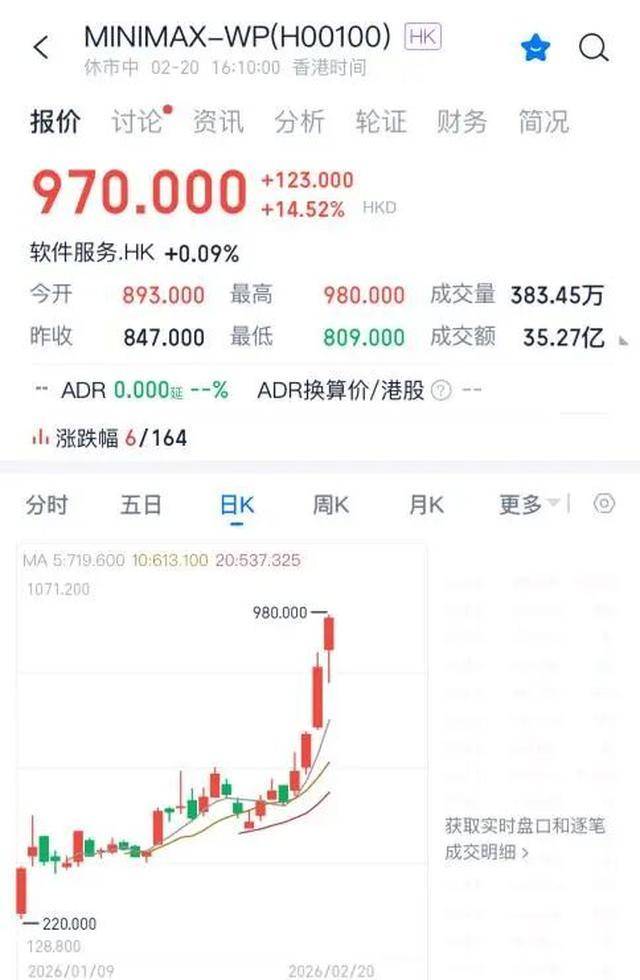
【窩輪透視】快手RSI 39接近超賣,支撐位企穩可期
Ge Long Hui· 2026-02-26 05:12
Core Viewpoint - Kuaishou's stock shows signs of potential technical rebound despite recent adjustments, with overall technical indicators leaning towards a positive outlook [1][3]. Group 1: Kuaishou's Technical Analysis - On February 25, Kuaishou's closing price was HKD 66.35, down 0.45% with a trading volume of HKD 1.711 billion, indicating moderate activity without significant fluctuations [1]. - The closing price was below the 10-day moving average (MA10) of HKD 68.51 and the 30-day moving average (MA30) of HKD 74.87, suggesting short to medium-term pressure, but remained above the 60-day moving average (MA60) of HKD 71.30, indicating long-term support [1]. - The Relative Strength Index (RSI) was at 39, approaching oversold territory, suggesting a potential for short-term technical rebound [1]. - Support levels are identified at HKD 58.4 and HKD 63.9, with the stock trading above the first support level, while resistance levels are at HKD 71.6 and HKD 79.2, with HKD 71.6 being a critical short-term resistance [1]. - Overall technical signals indicate a "buy" recommendation with a strength rating of 10, supported by multiple moving averages and indicators suggesting a potential bottoming out [1]. Group 2: Performance of Peer Technology Stocks - On February 25, peer technology stocks exhibited mixed performance, with Tencent, Meituan, Alibaba, and JD.com showing slight increases, while Kuaishou, Xiaomi, Bilibili, NetEase, and Baidu experienced minor declines, all within 1% [3]. - Most stocks closed below their MA10 and MA30, indicating a short to medium-term correction phase, while many approached or were slightly below their MA60, showing long-term support [3]. - The RSI for most stocks ranged between 30-47, indicating relative low levels and potential for oversold rebounds [3]. - Meituan and Xiaomi had the highest technical signal strength at 12, while Bilibili had a lower strength of 7, reflecting a generally positive sentiment towards the technology and internet sector [3]. Group 3: Review of Kuaishou-Related Products - A review of Kuaishou-related structured products from February 23 showed that bearish products performed well following Kuaishou's recent adjustments, with HSBC's bear certificate rising by 24% and JPMorgan's by 21% over two days [4]. - The selected Kuaishou products include a call option from Bank of China with a strike price of HKD 77.05 and a leverage of 5.9, suitable for investors anticipating a short-term rebound [7]. - A put option from Macquarie with a strike price of HKD 57.688 and a leverage of 6.7 is recommended for those expecting a decline in Kuaishou's short-term performance [7].
大行评级丨高盛:春节线下娱乐呈现分化趋势,优质内容供应是娱乐消费的核心驱动力
Xin Lang Cai Jing· 2026-02-26 04:14
Core Insights - The report from Goldman Sachs indicates a divergence in offline entertainment trends during the Spring Festival, with quality live content being the core driver of entertainment consumption [1] - Travel consumption increased by 19% year-on-year during this year's Spring Festival, while box office revenue for movies was disappointing at 5.7 billion, a 40% decline compared to the previous year, returning to pre-pandemic levels [1] - The lack of quality films this year is highlighted, contrasting with the 4.8 billion box office revenue from the film "Nezha 2" during the Spring Festival in 2025 [1] Company Analysis - Recent stock price corrections due to concerns over the disruptive impact of artificial intelligence and competition have brought some companies' stock prices close to the lower end of their five-year price-to-earnings (P/E) ratios, such as Tencent at 15x, NetEase at 13x, and Kuaishou at 10x [1] - It is anticipated that earnings per share will achieve high single-digit to low double-digit year-on-year growth by 2026 [1] Industry Outlook - In the gaming sector, Tencent and NetEase are expected to maintain strong performance due to their enduring IP advantages, despite the increasing supply of new games and the importance of overseas expansion as a key growth engine [1] - The impact of AI models on game publishing and operations is considered limited [1] - In terms of competitive landscape in the entertainment industry, Kuaishou and Bilibili have solid business foundations and AI potential, while the music and live streaming sectors face more intense competition [1]


港股半导体、科网股,集体上涨
Di Yi Cai Jing Zi Xun· 2026-02-26 01:48
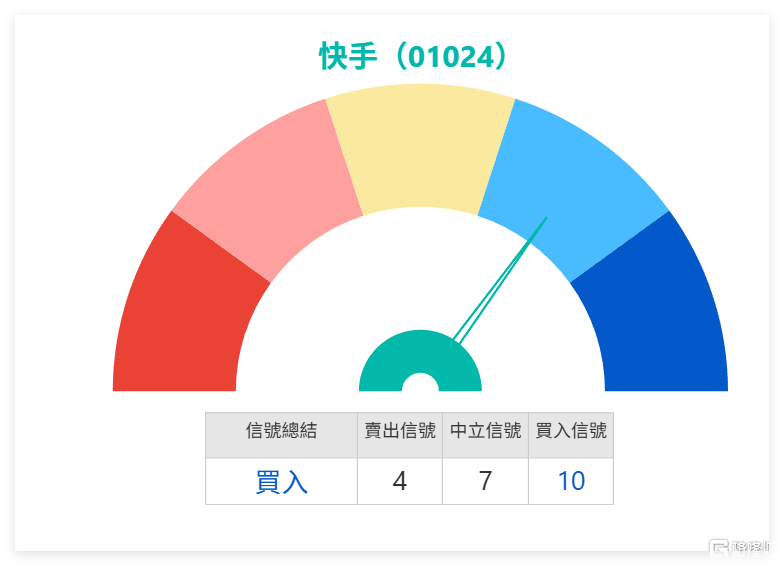
Market Overview - The Hang Seng Index opened up by 0.95%, reaching 27,019.74, with an increase of 254.02 points [2] - The Hang Seng Technology Index rose by 0.46%, closing at 5,284.51 [2] Sector Performance - The technology sector saw a general increase, with notable gains from JD Health, which rose over 2%, and other major companies like Tencent, SMIC, Alibaba Health, Kuaishou, and Baidu also experiencing collective gains [2] - The semiconductor sector strengthened, with companies like Zhaoyi Innovation increasing by over 3%, alongside other firms such as Lattice Semiconductor and Tianxu Zhixin also showing positive performance [3][4] Individual Stock Highlights - JD Health: Current price at 58.30, up by 2.82% [3] - Tencent Holdings: Current price at 529.00, up by 1.24% [3] - Zhaoyi Innovation: Current price at 425.00, up by 3.01% [4] - MINIMAX-WP: Current price at 779.00, up by 3.38% [5] Emerging Trends - The large model concept stocks collectively rose, with companies like Zhiyu and MINIMAX-WP both increasing by over 3% [5]




百度、网易、快手、小米,再度下跌
Di Yi Cai Jing Zi Xun· 2026-02-25 08:39
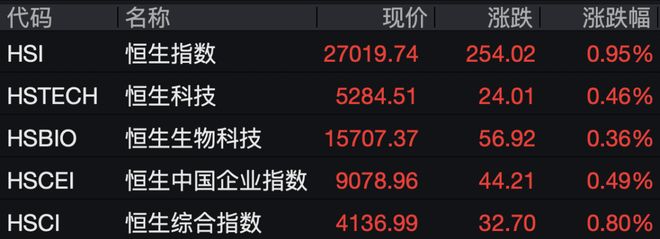
Market Performance - The Hang Seng Index closed up by 0.66% at 26,765.72, gaining 175.40 points [2] - The Hang Seng Tech Index decreased by 0.19%, closing at 5,260.50, down by 10.20 points [2] Sector Performance - The Hang Seng Biotech Index fell by 0.02% to 15,650.45, with a decline of 3.74 points [2] - The Hang Seng China Enterprises Index rose by 0.30%, closing at 9,034.75, up by 26.89 points [2] - The Hang Seng Composite Index increased by 0.63%, closing at 4,104.29, gaining 25.63 points [2] Notable Stock Movements - SenseTime (商汤-W) dropped by 5.36% to 2.470, down by 0.140 [3] - Tongcheng Travel (同程旅行) fell by 4.97% to 21.020, down by 1.100 [3] - Leapmotor (零跑汽车) decreased by 3.71% to 43.060, down by 1.660 [3] - Horizon Robotics (地平线机器人-W) declined by 3.41% to 8.510, down by 0.300 [3] - NIO (蔚来-SW) fell by 2.64% to 40.640, down by 1.100 [3] - Alibaba Health (阿里健康) decreased by 2.53% to 5.790, down by 0.150 [3] GEO Concept Stocks - MINIMAX-WP experienced a significant drop of 14.38%, closing at 753.500 [4] - Zhiyuan (智谱) fell by 10.75% to 560.500 [4] - XunCe (迅策) decreased by 3.72% to 86.650 [4]
反差强烈!美股AI惨遭抛售,中国AI疯涨超四倍,市值碾压京东快手
Sou Hu Cai Jing· 2026-02-25 07:54
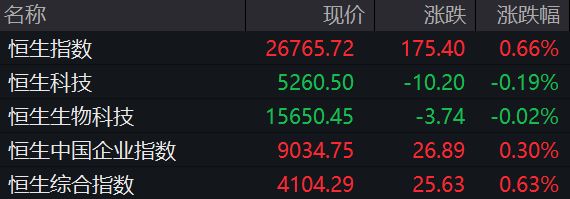
Group 1 - The US AI sector has faced significant institutional sell-offs since 2026, with the "Magnificent Seven" tech giants dragging down the S&P 500 index, while OpenAI's financial sustainability is questioned by Wall Street [1][6] - In contrast, Chinese AI companies like Zhiyu Technology and MiniMax have seen substantial stock price increases, with Zhiyu rising 42.72% to HKD 725 and MiniMax increasing 14.52% to HKD 970, both reaching new highs since their listings [1][4] - Both companies have achieved market capitalizations exceeding HKD 300 billion, comparable to established mid-to-large tech firms, surpassing the valuations of companies like JD.com and Kuaishou [1] Group 2 - Investors are drawn to Zhiyu and MiniMax due to their perceived scarcity and growth potential, with Zhiyu focusing on B2B solutions and MiniMax leveraging multi-modal technology for C-end products, with over 70% of its revenue coming from overseas [2] - The limited float of shares for both companies (1.7 million for MiniMax and 1.17 million for Zhiyu) suggests a potential for price volatility as lock-up periods expire [2] - The contrasting narratives of the US and Chinese AI markets highlight a significant difference in operational costs, with China's lower electricity costs providing a competitive edge [8] Group 3 - OpenAI, despite having around 1 billion users and generating nearly USD 10 billion in subscription revenue in 2025, faces substantial losses, with projected losses nearing USD 40 billion for 2026 [7] - The success of Zhiyu and MiniMax's IPOs marks a pivotal moment for the Chinese AI industry, shifting focus from mere technological aspirations to financial sustainability and profitability [18] - The commercial viability of both companies remains under scrutiny, with Zhiyu's revenue growth expected to slow and MiniMax's revenue projections indicating a potential increase to USD 209 million by 2026 [19][20] Group 4 - MiniMax's business model focuses on a combination of C-end cash flow and B-end growth, with a significant portion of its revenue derived from overseas markets [11] - The rapid pace of AI IPOs mirrors the internet bubble of 2000, with companies like MiniMax and Zhiyu being exceptions in terms of their short time to market [12][14] - The competitive landscape for AI models is intensifying, with both companies needing to navigate challenges such as user retention and potential copyright litigation [10][11]