CHINA RES LAND(01109)

Search documents
华润置地:上半年归母净利润118.8亿元人民币,同比增长16.2%
Xin Lang Cai Jing· 2025-08-27 12:00
华润置地8月27日在港交所公告,上半年营收949.2亿元人民币,同比增长19.9%;净利润118.8亿元人民 币,同比增长16.2%。 ...
宝通证券港股每日策略-20250827
宝通证券· 2025-08-27 03:05
Market Overview - The Hang Seng Index (HSI) closed at 25,524 points, down 304 points or 1.2%[1] - The Shanghai Composite Index fell 15 points or 0.39%, closing at 3,868 points[1] - The total market turnover for the day was 317.871 billion HKD[1] Economic Indicators - The People's Bank of China conducted a 405.8 billion CNY reverse repurchase operation at a steady rate of 1.4%[1] - The CNY/USD midpoint was adjusted down by 27 points to 7.1188[1] Corporate Earnings - China Petroleum reported a net profit of 84.007 billion CNY, a year-on-year decline of 5.4%[3] - Nongfu Spring's revenue increased by 15.6% to 25.622 billion CNY, with a net profit rise of 22.2% to 7.622 billion CNY[3] - China Ping An's total revenue was 546.469 billion CNY, down 1.4% year-on-year, with a net profit of 68.047 billion CNY, down 8.8%[3] - China Duty Free's revenue decreased by 10% to 28.151 billion CNY, with a net profit decline of 20.7% to 2.622 billion CNY[4] Other Corporate Results - Zijin Mining reported a revenue increase of 11.5% to 167.711 billion CNY, with a net profit growth of 54.4% to 23.292 billion CNY[4] - Conch Cement's revenue fell by 9.4% to 41.292 billion CNY, while net profit rose by 32.8% to 4.631 billion CNY[4] - China Resources Land's revenue increased by 19.9% to 94.921 billion CNY, with a net profit growth of 16.2% to 11.88 billion CNY[4]

华润置地:2025年上半年公司股东应占溢利118.8亿元,同比增长16.2%丨财面儿
Cai Jing Wang· 2025-08-27 01:09
报告显示,上半年综合营业额为人民币949.2亿元,同比增长19.9%。其中,开发销售型业务营业额为人 民币743.6亿元,同比增长25.8%;经营性不动产业务营业额为人民币121.1亿元,同比增长5.5%,轻资 产管理业务营业额为人民币60.0亿元,同比增长1.1%,生态圈要素型业务营业额为人民币24.5亿元,同 比下降7.7%。经常性收入合计为人民币205.6亿元,同比增长2.5%,占总营业额21.7%。 上半年综合毛利率为24.0%,同比提升1.8个百分点。其中,开发销售型业务毛利率为15.6%,同比提升 3.2个百分点;经营性不动产业务毛利率为72.9%,同比提升1.4个百分点,经营性不动产业务(不含酒 店)毛利率为77.8%,同比提升0.4个百分点。 上半年,公司股东应占溢利为人民币118.8亿元,同比增长16.2%;股东应占核心溢利为人民币100.0亿 元。其中,经常性核心净利润达人民币60.2亿元,核心净利润贡献占比为60.2%。 上半年,集团实现物业签约销售额人民币1,103.0亿元,实现签约面积412万平方米。截至2025年6月30 日,集团已销售尚未结算的签约额约为人民币2,513.7亿元, ...
华润置地发布中期业绩,股东应占溢利118.8亿元 同比增加16.21%
Zhi Tong Cai Jing· 2025-08-26 23:17
Core Viewpoint - China Resources Land (01109) reported a significant increase in revenue and profit for the first half of 2025, indicating strong performance in its core business segments [1] Financial Performance - The company achieved a revenue of RMB 94.921 billion, representing a year-on-year increase of 19.86% [1] - Profit attributable to shareholders was RMB 11.88 billion, up 16.21% year-on-year [1] - Earnings per share stood at RMB 1.67 [1] Business Segments - Revenue from development and sales business reached RMB 74.36 billion, a year-on-year growth of 25.8% [1] - Operating property business revenue was RMB 12.11 billion, increasing by 5.5% year-on-year [1] - Light asset management business revenue amounted to RMB 6.0 billion, with a slight increase of 1.1% [1] - Revenue from ecosystem factor business declined to RMB 2.45 billion, down 7.7% year-on-year [1] - Recurring income totaled RMB 20.56 billion, a growth of 2.5%, accounting for 21.7% of total revenue [1] Sales and Land Reserves - The company achieved contracted sales of RMB 110.3 billion, with a signed area of 4.12 million square meters in the first half of 2025 [1] - As of June 30, 2025, the company had unrecognized contracted sales of approximately RMB 251.37 billion, with an expected RMB 159.53 billion to be recognized in the second half of 2025 [1] - The company added land reserves of 1.48 million square meters in the first half of 2025, bringing total land reserves to approximately 48.95 million square meters as of June 30, 2025 [1]
华润置地(01109.HK):上半年核心净利润达到100亿元 中期息每股0.2元
Ge Long Hui· 2025-08-26 23:17
格隆汇8月27日丨华润置地(01109.HK)发布公告,2025年上半年综合营业额为人民币949.2亿元,同比增 长19.9%。其中,开发销售型业务营业额为人民币743.6亿元,同比增长25.8%;经营性不动产业务营业 额为人民币121.1亿元,同比增长5.5%,轻资产管理业务营业额为人民币60.0亿元,同比增长1.1%,生 态圈要素型业务营业额为人民币24.5亿元。经常性收入合计为人民币205.6亿元,同比增长2.5%,占总 营业额21.7%。 2025年上半年,集团实现物业签约销售额人民币1,103.0亿元,实现签约面积412万平方米。截至2025年6 月30日,集团已销售尚未结算的签约额约为人民币2,513.7亿元,预计其中人民币1,595.3亿元将于2025年 下半年结算。2025年上半年,集团新增土储储备148万平方米。截至2025年6月30日,集团的总土地储备 约为4,895万平方米。 2025年上半年综合毛利率为24.0%,同比提升1.8个百分点。其中,开发销售型业务毛利率为15.6%,同 比提升3.2个百分点;经营性不动产业务毛利率为72.9%,同比提升1.4个百分点,经营性不动产业务(不 含 ...
华润置地(01109)发布中期业绩,股东应占溢利118.8亿元 同比增加16.21%
智通财经网· 2025-08-26 23:17
Core Viewpoint - China Resources Land (01109) reported a significant increase in revenue and profit for the first half of 2025, indicating strong performance in its core business segments [1] Financial Performance - The company achieved a total revenue of RMB 94.921 billion, representing a year-on-year increase of 19.86% [1] - Profit attributable to shareholders was RMB 11.88 billion, up 16.21% year-on-year, with earnings per share at RMB 1.67 [1] - The comprehensive operating revenue for the first half of 2025 was RMB 94.92 billion, reflecting a growth of 19.9% [1] Business Segments - Revenue from development and sales business reached RMB 74.36 billion, marking a 25.8% increase year-on-year [1] - Operating property business revenue was RMB 12.11 billion, up 5.5% year-on-year [1] - Light asset management business revenue totaled RMB 6.0 billion, with a modest growth of 1.1% [1] - Revenue from ecosystem factor business declined to RMB 2.45 billion, down 7.7% year-on-year [1] Recurring Income - Total recurring income amounted to RMB 20.56 billion, a year-on-year increase of 2.5%, accounting for 21.7% of total revenue [1] Sales and Land Reserves - The company achieved property contracted sales of RMB 110.3 billion, with a contracted area of 4.12 million square meters [1] - As of June 30, 2025, the company had approximately RMB 251.37 billion in unsold contracted sales, with an expected RMB 159.53 billion to be recognized in the second half of 2025 [1] - The company added land reserves of 1.48 million square meters in the first half of 2025, bringing total land reserves to approximately 48.95 million square meters as of June 30, 2025 [1]
华润置地(01109) - 截至二零二五年六月三十日止六个月的中期股息
2025-08-26 22:46
EF002 第 1 頁 共 2 頁 v 1.1.1 | 代扣所得稅信息 | | | --- | --- | | 股息所涉及的代扣所得稅 | 不適用 | | 發行人所發行上市權證/可轉換債券的相關信息 | | | 發行人所發行上市權證/可轉換債券 | 不適用 | | 其他信息 | | | 其他信息 | 不適用 | | 發行人董事 | | | 於本公告日期,本公司執行董事為李欣先生、徐榮先生、張大為先生、郭世清先生及陳偉先生;本公司非執行董事為黃挺先生、魏 | | | 成林先生及王宇航先生;以及本公司獨立非執行董事為鐘偉先生、孫哲先生、陳帆先生、梁國權先生及秦虹女士。 | | 第 2 頁 共 2 頁 v 1.1.1 | 香港交易及結算所有限公司及香港聯合交易所有限公司對本公告的內容概不負責,對其準確性或完整性亦不發表任何聲明,並明確表示,概不對因 | 公告全部或任何部份內容而產生或因倚賴該等內容而引致的任何損失承擔任何責任。 | | --- | --- | | | 股票發行人現金股息(可選擇貨幣)公告 | | 發行人名稱 | 華潤置地有限公司 | | 股份代號 | 01109 | | 多櫃檯股份代號及貨幣 | 不 ...
华润置地(01109) - 2025 - 中期业绩
2025-08-26 22:45
香 港 交 易 及 結 算 所 有 限 公 司 及 香 港 聯 合 交 易 所 有 限 公 司 對 本 公 告 的 內 容 概 不 負 責,對 其 準 確 性 或 完 整 性 亦 不 發 表 任 何 聲 明,並 明 確 表 示,概 不 對 因 本 公 告 全 部 或 任 何 部 分 內 容 而 產 生 或 因 依 賴 該 等 內 容 而 引 致 的 任 何 損 失 承 擔 任 何 責 任。 (於開曼群島註冊成立的有限公司) (股份代號:1109) 二 零 二 五 年 中 期 業 績 公 告 摘 要 – 1 – • 董 事 會 決 議 宣 派 二 零 二 五 年 中 期 股 息 每 股 人 民 幣0.20元(折 合 每 股 港 幣0.219元),與 二 零 二 四 年 中 期 股 息 每 股 人 民 幣0.20元 持 平。 • 二 零 二 五 年 上 半 年,本 集 團 實 現 物 業 簽 約 銷 售 額 人 民 幣1,103.0億 元, 實 現 簽 約 面 積412萬 平 方 米。截 至 二 零 二 五 年 六 月 三 十 日,本 集 團 已 銷售尚未結算的簽約額約為人民幣2,513.7億元,預計其中人民幣1 ...
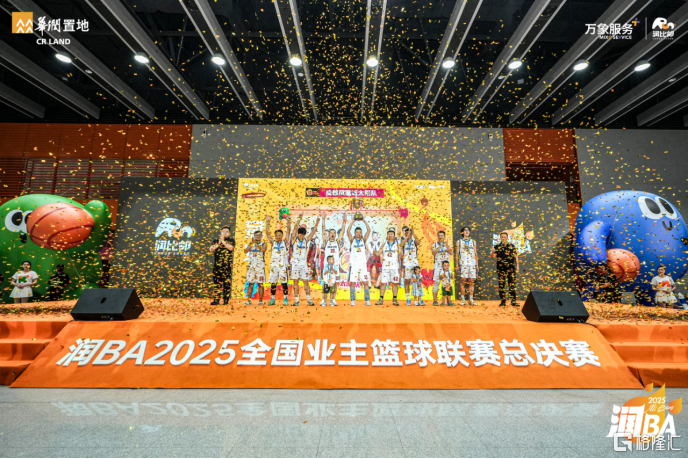
践行国家战略,共创美好生活!华润置地润BA2025全国业主篮球联赛圆满收官
Ge Long Hui· 2025-08-26 12:41
Core Viewpoint - The "Run BA 2025 National Homeowner Basketball League" initiated by China Resources Land aims to promote community sports and align with national health strategies, showcasing the company's commitment to creating better living environments and community services [1][6][24]. Group 1: Event Overview - The event took place on August 24 at Chengdu Dong'an Lake Sports Park, concluding with the Chengdu Phoenix City Sun team winning the championship [1]. - The league involved 14 cities, over 500 matches, and approximately 24,500 participants, effectively implementing national health strategies at the community level [7][20]. Group 2: Innovative Community Sports Model - The league adopted an innovative model of "government guidance, corporate platform, homeowner co-creation, and multi-industry collaboration" to enhance community sports participation [8]. - The initiative addressed grassroots challenges such as lack of venues and organization for sports activities, making fitness more accessible to homeowners [8]. Group 3: Community Engagement and Feedback - Participants and spectators praised the event for fostering community connections and providing a platform for interaction among homeowners [9]. - The event was recognized for its professional organization, with comparisons made to high-level basketball leagues [9]. Group 4: Brand and Resource Integration - The event served as a platform for deep collaboration among various business units under China Resources, enhancing brand synergy and community engagement [12]. - The league's marketing strategies included live broadcasts and interactive online campaigns, significantly increasing visibility and engagement [14][15]. Group 5: Long-term Vision and Future Initiatives - The company aims to continue promoting community health and engagement through initiatives like the "Healthy China" strategy, with plans for ongoing sports events across over 2,000 communities [25]. - The president of China Resources Land emphasized the importance of creating a sense of belonging and community through these initiatives, aligning with the company's long-term goals [24].

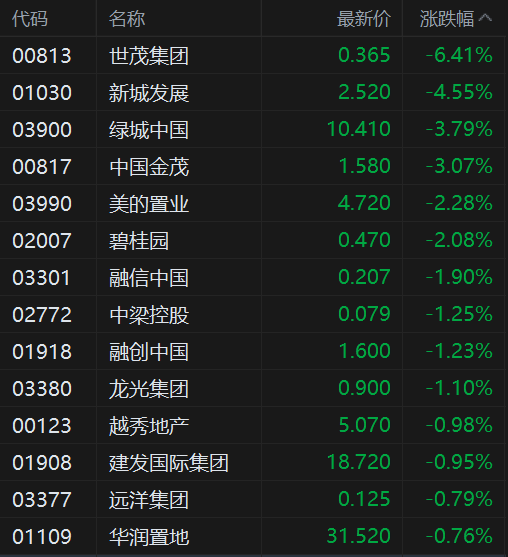
港股异动丨内房股普跌 昨日上海调整限购 分析指市场更需要的是“持续添柴”
Ge Long Hui· 2025-08-26 03:41
Core Viewpoint - The Hong Kong property stocks experienced a collective decline after a brief rise, indicating market skepticism about the sustainability of recent policy changes aimed at boosting the real estate sector [1] Group 1: Market Performance - Major property stocks such as Shimao Group, New World Development, and Greentown China saw significant declines, with Shimao Group dropping by 6.4% and New World Development by 4.55% [1] - Other companies like China Jinmao, Midea Real Estate, and Country Garden also faced losses, with declines exceeding 2% [1] Group 2: Policy Impact - The recent policy adjustment in Shanghai, known as "Six Measures," allows unlimited purchases for eligible buyers outside the outer ring and treats single buyers as families, which initially boosted market confidence [1] - Despite the short-term positive impact, there are ongoing doubts about the long-term effectiveness of these policies and the actual improvement in the market fundamentals [1] Group 3: Future Outlook - The market requires continuous support beyond initial policy changes, with a focus on whether more cities will follow suit and how existing policies will be implemented, particularly regarding credit support [1]