
PING AN OF CHINA(02318)

Search documents
中国平安今日大宗交易平价成交527万股,成交额3.5亿元
Xin Lang Cai Jing· 2026-01-16 09:45
Group 1 - On January 16, China Ping An executed a block trade of 5.27 million shares, with a transaction value of 350 million yuan, accounting for 3.73% of the total trading volume for the day [1] - The transaction price was 66.33 yuan, which was in line with the market closing price of 66.33 yuan [1]


价值700亿美元的AI+医疗仍有很长的路要走丨ToB产业观察
Tai Mei Ti A P P· 2026-01-16 09:38
Core Insights - The Chinese government has officially launched the "Artificial Intelligence +" initiative, focusing on enhancing the healthcare sector through AI applications, aiming to improve the quality of life and healthcare services [2] - The healthcare industry is becoming a primary area for AI technology implementation, transitioning from optional to essential applications, with significant growth expected in the AI healthcare market [2][3] Industry Overview - The healthcare sector faces critical challenges such as uneven resource distribution, high physician workloads, and low research translation efficiency, creating ample opportunities for AI applications [3] - By 2025, the global AI application market is projected to reach $127 billion, with the healthcare sector accounting for 20% of this total [2] - The "AI + healthcare" market is expected to grow at a compound annual growth rate of over 29%, reaching $70 billion by 2032 [2] AI Applications in Healthcare - AI applications in healthcare have evolved through various stages, with clinical decision support systems (CDSS) being a key area of focus, addressing the knowledge gap between medical advancements and physician expertise [3][4] - The introduction of large language models has significantly improved the capabilities of CDSS, allowing for real-time updates and broader disease coverage, with accuracy rates surpassing 91% in some cases [5][11] - Medical imaging AI has matured, transitioning from basic disease screening to advanced multi-modal analysis, enhancing diagnostic precision and patient outcomes [6][7] Business Models and Commercialization - The commercialization of medical imaging AI is shifting from product sales to service-based models, driven by the integration of AI into healthcare workflows [7][10] - Companies like Ping An are leveraging AI to enhance patient services, streamline processes, and improve healthcare accessibility, with AI assisting in over 50% of family doctor tasks [8][11] - The AI healthcare market is facing challenges related to high development costs, long return on investment periods, and difficulties in monetization due to varying payment capabilities across healthcare institutions [21][22] Challenges and Future Outlook - Despite advancements, the integration of AI in healthcare faces hurdles such as data quality, regulatory issues, and the need for explainability in AI decision-making [16][19] - The lack of standardized, high-quality data across healthcare institutions hampers the training of AI models, necessitating improvements in data governance and sharing mechanisms [18][19] - The AI + healthcare sector is expected to enter a new phase of large-scale implementation by 2026, driven by collaborative efforts and continuous technological innovation [22]


物理AI专利竞争力:中企包揽前三
日经中文网· 2026-01-16 08:00
Core Viewpoint - The article discusses the competitive landscape of patents in the field of "physical AI," which integrates humanoid robots and artificial intelligence, highlighting China's leading position in this sector [2][4]. Group 1: Patent Competitiveness - China ranks first globally in the comprehensive strength of patents related to physical AI, followed closely by the United States [2]. - The analysis was conducted with the assistance of LexisNexis, focusing on the integration of robotics and AI technologies [2]. Group 2: Leading Companies - The top three companies in terms of comprehensive patent strength in the physical AI sector are Baidu (4126 points), Huawei (3645 points), and Tencent (3043 points), all from China [5][6]. - Samsung Electronics from South Korea ranks fourth with 2734 points, followed by NVIDIA from the United States with 2154 points [5]. Group 3: Comparative Analysis - Chinese companies, while leading in quantity, still face challenges in patent quality compared to American firms like Intel, NVIDIA, and Alphabet, although Huawei is reportedly nearing their level [6]. - Japan's highest-ranked company in this field is Fanuc, which is positioned at 13th place [6].





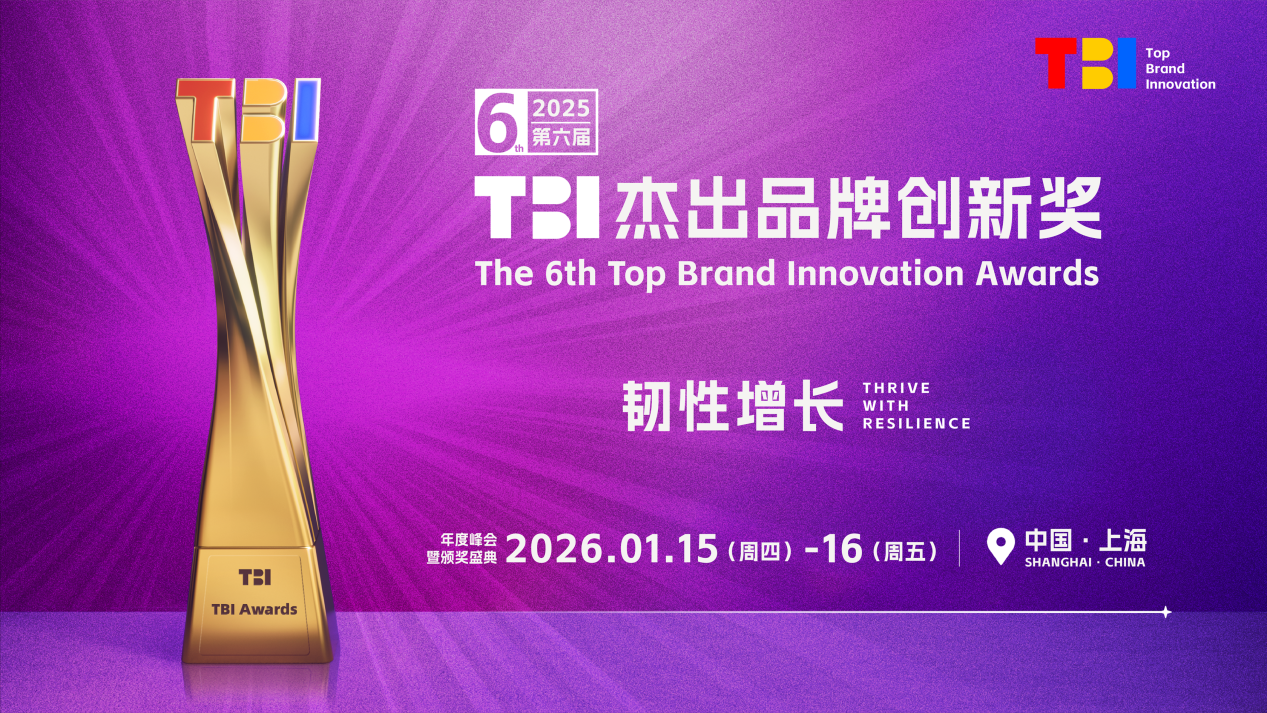
中国平安营销短剧《霞客行》获2025第六届TBI杰出品牌创新奖“金奖”
Jin Rong Jie· 2026-01-16 06:02
Core Insights - The 2025 Sixth TBI Outstanding Brand Innovation Festival was held in Shanghai, where the TBI Outstanding Brand Innovation Award winners were announced [1] - China Ping An's marketing short drama "Xia Ke Xing" won the Gold Award in the Integrated Marketing Group for its exceptional performance in short drama marketing [3] Group 1: Award Overview - The award selection involved participation from 331 brands and 247 service providers, totaling 578 companies and 1,744 innovative works [3] - The TBI Outstanding Brand Innovation Award focuses on brand growth paths in the digital age, emphasizing innovation in building, maintaining, and increasing value [3] Group 2: Evaluation Process - The evaluation committee consisted of 136 industry experts from renowned companies, with 79% being brand representatives and 66% being C-level executives or above [5] - The rigorous evaluation process ensured that winning works could withstand industry consensus and serve as beacons of "resilient growth" [5] Group 3: Content and Marketing Strategy - "Xia Ke Xing" creatively combines modern insurance services with the adventurous spirit of the ancient traveler Xu Xiake, allowing viewers to learn about his life while experiencing Ping An's innovative travel insurance product [7][10] - The series represents a new direction in financial content creativity, integrating insurance services into engaging storylines rather than traditional product pitches [7][10] Group 4: User Engagement and Brand Exposure - The success of "Xia Ke Xing" lies in its ability to deeply integrate product functions with user scenarios, showcasing the benefits of Ping An's services through storytelling [10] - The series has significantly increased brand exposure and customer engagement, with a viewing-to-liking ratio of over 150, indicating a high level of natural audience interest [13]
伊犁金融监管分局同意平安产险特克斯支公司变更营业场所
Jin Tou Wang· 2026-01-16 04:15
Core Viewpoint - The approval from the Yili Financial Regulatory Bureau allows China Ping An Property & Casualty Insurance Company to change the business location of its Tekes branch to a new commercial complex in Xinjiang Uygur Autonomous Region [1] Group 1 - The new business location for Ping An's Tekes branch is specified as A1 Hotel A1-104, A1-105, A1-106 in the comprehensive commercial square of Jiugong New City, Tekes County, Yili Kazak Autonomous Prefecture, Xinjiang [1] - The approval requires Ping An's Yili Central Branch to timely handle the change and obtain the necessary permits as per relevant regulations [1]
港股通净卖出15.15亿港元
Zheng Quan Shi Bao Wang· 2026-01-15 14:49
Market Overview - On January 15, the Hang Seng Index fell by 0.28%, closing at 26,923.62 points, with a total net sell of 1.515 billion HKD through the southbound trading channel [1] - The total trading volume for the southbound trading was 119.834 billion HKD, with a net sell of 1.515 billion HKD [1] Southbound Trading Details - In the Shanghai-Hong Kong Stock Connect, the trading volume was 74.697 billion HKD with a net buy of 1.930 billion HKD, while the Shenzhen-Hong Kong Stock Connect had a trading volume of 45.137 billion HKD with a net sell of 3.446 billion HKD [1] - The top traded stock in the Shanghai-Hong Kong Stock Connect was Alibaba-W, with a trading amount of 84.25 billion HKD and a net buy of 17.90 billion HKD, despite a closing price drop of 2.60% [1] - In the Shenzhen-Hong Kong Stock Connect, Alibaba-W also led with a trading amount of 44.51 billion HKD, followed by Tencent Holdings and Xiaomi Group-W with trading amounts of 17.26 billion HKD and 14.74 billion HKD respectively [2] Stock Performance - The stock with the highest net buy was China National Offshore Oil Corporation, with a net buy of 3.00 billion HKD and a closing price increase of 2.49% [2] - The stock with the highest net sell was Xiaomi Group-W, with a net sell of 4.91 billion HKD, while its closing price increased by 0.21% [2] - Other notable stocks included China Mobile, which had a net sell of 7.91 billion HKD and a closing price drop of 0.25% [1][2]





筑牢养老金融基石 书写保险强国答卷 ——深刻领会中央经济工作会议精神,推动养老保险行业高质量发展
Jin Rong Jie· 2026-01-15 13:37
Core Viewpoint - China is accelerating towards a deeply aging society, with over 20% of the population aged 60 and above, making pension security a critical issue for family welfare, economic stability, and national security [1][2][3] Group 1: Strategic Necessity for Multi-Pillar Pension System - The aging population and declining birth rates have increased the old-age dependency ratio to 22.8%, necessitating the establishment of a "third pillar" commercial pension insurance system [4] - The basic pension replacement rate has dropped to around 45%, significantly below the international standard of 70%, indicating that reliance on the first pillar is insufficient [5] - With per capita GDP exceeding $12,000, the demand for life insurance is expected to grow, highlighting the potential for the pension annuity market in China [6][7][8] Group 2: Development of Third Pillar Pension Annuities - The third pillar pension system, centered on voluntary savings, is projected to reach a scale of 13.6 trillion yuan by 2035, indicating vast future growth potential [10] - Insurance companies are exploring diversified products and services, with pension annuity insurance becoming a key product due to its strong certainty and long-term protection features [11] - Ping An Life has launched the "Yuxiang Xinrui 2.0" pension annuity insurance, which has already served over 40,000 customers and generated over 10 billion yuan in first-year premiums [6][11] Group 3: Industry Dynamics and Collaboration - The synergy between banks and insurance companies is crucial for the development of pension finance, leveraging banks' extensive customer base and insurance companies' asset-liability management capabilities [9] - The integration of medical and health services with pension finance is emphasized as a strategic path for high-quality development in the industry [4] Group 4: Future Directions and Recommendations - The government is incorporating "pension finance" into its financial strategy, requiring a systematic approach to policy support and market supply [4] - To enhance the attractiveness of pension annuity products, it is recommended to include more eligible products in personal pension tax rebate accounts and gradually increase the contribution limits [10] - Ping An Life aims to continue supporting the high-quality development of the Chinese economy while safeguarding the pension welfare of millions of families [11]
智通港股通活跃成交|1月15日
智通财经网· 2026-01-15 11:03
Core Insights - On January 15, 2026, Alibaba-W (09988), Tencent Holdings (00700), and SMIC (00981) were the top three companies by trading volume in the Southbound Stock Connect, with trading amounts of 84.25 billion, 33.70 billion, and 28.12 billion respectively [1][2] - In the Shenzhen-Hong Kong Stock Connect, Alibaba-W (09988), Tencent Holdings (00700), and Xiaomi Group-W (01810) also ranked as the top three, with trading amounts of 44.51 billion, 17.26 billion, and 14.74 billion respectively [1][2] Southbound Stock Connect Trading Activity - The top three active companies in the Southbound Stock Connect by trading amount were: - Alibaba-W (09988): 84.25 billion with a net buy of +17.90 billion - Tencent Holdings (00700): 33.70 billion with a net buy of +6.63 billion - SMIC (00981): 28.12 billion with a net buy of +3.57 billion [2] - Other notable companies included: - China Mobile (00941): 17.74 billion with a net sell of -7.91 billion - China National Offshore Oil (00883): 14.80 billion with a net sell of -6.66 billion [2] Shenzhen-Hong Kong Stock Connect Trading Activity - The top three active companies in the Shenzhen-Hong Kong Stock Connect by trading amount were: - Alibaba-W (09988): 44.51 billion with a net buy of +1.86 billion - Tencent Holdings (00700): 17.26 billion with a net sell of -2042.91 million - Xiaomi Group-W (01810): 14.74 billion with a net sell of -4.91 billion [2] - Other notable companies included: - China National Offshore Oil (00883): 11.74 billion with a net buy of +3.00 billion - Meituan-W (03690): 7.07 billion with a net buy of +1.28 billion [2]

沈思深:30年坚守一线,用品格诠释保险的意义
Jin Rong Jie· 2026-01-15 10:31
Core Viewpoint - The article highlights the journey of Shen Sidshen, a pioneer in the insurance industry, who has dedicated over 30 years to his role at Ping An Life, emphasizing the importance of long-term commitment and professional integrity in the insurance business [1][10]. Group 1: Career Journey - Shen Sidshen started his career at Ping An Life in 1994 as the first insurance agent, demonstrating resilience by reapplying after initially being rejected [3][4]. - He recognized the potential of the insurance industry and sought to explore its opportunities, leveraging his previous experience in sales management [4]. Group 2: Team Management and Development - In 1996, despite rapid team growth, Shen faced challenges due to a lack of experience and management methods, leading to a chaotic environment [5][6]. - He decided to slow down and focus on building a solid foundation for his team, emphasizing the importance of customer trust and long-term relationships [7][9]. - After attending a training program in Hong Kong, he implemented systematic reforms in team management, resulting in a threefold increase in performance [8]. Group 3: Professional Ethics and Client Trust - Shen maintains a strict principle that every insurance policy must be transparent and compliant, fostering trust with clients [9][10]. - He believes that long-term success in the insurance industry relies on adherence to professional ethics and a commitment to client service [10]. Group 4: Evolution of Ping An Life - Over the years, Ping An Life has evolved from a life insurance provider to a comprehensive financial service platform, offering a wide range of solutions including health care, retirement, and family wealth management [10][12]. - The company invests significantly in talent development, creating a learning ecosystem that supports continuous improvement for its agents [8][12]. Group 5: Legacy and Future Aspirations - Shen aims to build a learning-oriented team, attracting talented individuals from diverse backgrounds to enhance the industry [12][13]. - He emphasizes the importance of professionalism and ethical conduct in achieving respect and success in the insurance field [13][14]. - The article concludes with a reflection on the values that have guided Shen's career: foresight, professionalism, courage, determination, and integrity [15][16].
资负共振驱动保险板块估值修复
Huafu Securities· 2026-01-15 10:10
Group 1 - The insurance sector has entered a valuation recovery phase since 2025, with a cumulative increase of 31.31% in the insurance sector, continuing strong momentum into 2026, driven by improved capital market sentiment and rising equity markets, leading to a collective strength in insurance stocks, with major companies like China Ping An reaching multi-year highs [1][7]. - The new individual insurance premium growth for major insurers such as China Life, Ping An, Taikang, and Xinhua has exceeded expectations, with first-day growth rates reaching 40-60%, driven by the "deposit migration" effect, product structure optimization, and the ongoing reinforcement of anti-involution policies in the insurance industry [1][8][16]. Group 2 - Regulatory measures have opened up space for asset-side expansion, with significant potential for increasing equity allocation by insurance funds. The total investment return rate for listed insurance companies has shifted to a range of 5%-6%, with a systematic increase in investment yield driven by regulatory policy collaboration [2][22]. - The insurance sector is expected to benefit from the recovery of the real estate market, with improved financing conditions for property companies and a narrowing of credit risk premiums, enhancing the valuation framework for the insurance sector [2][27]. Group 3 - The recent strong performance of the insurance sector reflects a resonance repair driven by multiple positive factors on both the asset and liability sides. The "deposit migration" trend has brought continuous incremental premiums, while the adjustment of product interest rates has effectively controlled long-term cost pressures [3][27]. - The regulatory adjustments have significantly expanded the equity allocation space for insurance funds, allowing for a more flexible allocation of equity assets and enhancing overall portfolio returns [21][22].

