CPIC(02601)

Search documents
ETF主力榜 | A500ETF华泰柏瑞(563360)主力资金净流出4.21亿元,居股票型ETF基金前3-20260107
Xin Lang Cai Jing· 2026-01-07 08:59
与此同时,该基金最新成交量为112.47亿份,最新成交额跌破150.00亿元,当日主力资金净流出成交额 占比达2.86%。 A500ETF华泰柏瑞(563360.SH),场外联接(A类:022438;C类:022439;I类:022742;Y类: 022947)。 2026年1月7日,A500ETF华泰柏瑞(563360.SH)收跌0.38%,主力资金(单笔成交额100万元以上)净 流出4.21亿元,居股票型ETF基金前3。(数据来源:Wind) ...
ETF主力榜 | 科创债ETF易方达(551500)主力资金净流入36.85亿元,居可比基金第一-20260107
Xin Lang Cai Jing· 2026-01-07 08:59
Group 1 - The core viewpoint of the article highlights the performance of the E Fund Science and Technology Bond ETF (551500.SH), which saw a slight increase of 0.06% on January 7, 2026, with a significant net inflow of 3.685 billion yuan from major funds (transactions over 1 million yuan) [1] - Over the past 30 trading days, the fund experienced net inflows on 20 days, totaling 57.507 billion yuan, ranking it among the top two in the entire market [1] - The latest trading volume for the fund reached 37.3426 million units, with a transaction amount exceeding 3.7 billion yuan, placing it in the first tier of the market [1]
ETF主力榜 | 黄金基金ETF(518800)主力资金净流出2721.71万元,居可比基金前2-20260107
Xin Lang Cai Jing· 2026-01-07 08:59
Group 1 - The core viewpoint of the article highlights a decline in the performance of the Gold ETF (518800.SH), with a drop of 0.53% on January 7, 2026, and significant net outflows of main funds totaling 27.22 million yuan [1] - Over the past four days, the Gold ETF has experienced continuous outflows of main funds amounting to 81.38 million yuan, ranking it among the top three in comparable funds [1] - The latest trading volume for the Gold ETF is reported at 48.71 million shares, with the latest transaction amount falling below 470 million yuan, placing it in the bottom three among comparable funds [1] Group 2 - The article provides information on the fund's off-market connections, including Class A (000218), Class C (004253), and Class E (022502) [1]
从田野绽放,到心间生香 中国太保持续传递金融温度
Jin Rong Jie· 2026-01-07 06:10
Core Insights - The articles highlight the role of China Pacific Insurance (CPIC) in supporting agricultural development through innovative insurance solutions and community engagement [1][2][3] Group 1: Agricultural Insurance Innovations - CPIC's Yunnan branch launched the first policy-based meteorological index insurance in the province, featuring automated claims triggered by specific weather conditions [1] - The insurance product is designed with a focus on the unique growth characteristics of flowers, offering differentiated compensation based on historical data and specific planting patterns [1] - Claims processing is made transparent through the use of immutable public meteorological data, enhancing trust in the insurance process [1] Group 2: Community Engagement and Financial Education - In Guangdong, CPIC's Chaozhou branch initiated a rapeseed flower planting project as part of a collaborative effort to revitalize idle farmland and promote agricultural tourism [2] - The project aims to explore various integration models such as "rapeseed flower + tourism" and "rapeseed flower + education," enhancing both ecological and economic value [2] - CPIC's Guizhou branch organized a unique event combining floral art and financial education for the elderly, transforming them from financial consumers into safety advocates [2][3]

进击的保险:不只是交易“开门红”,长债2%关口与重返1倍P/EV
Hua Er Jie Jian Wen· 2026-01-07 05:08
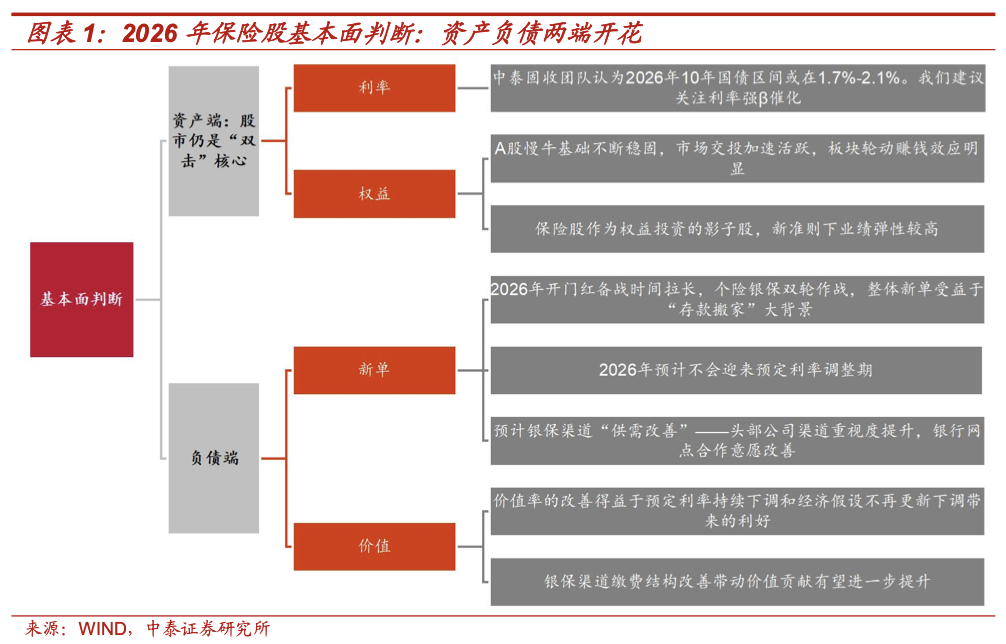
Core Viewpoint - The insurance sector experienced a significant rise of over 6% on January 5, 2026, with Xinhua Insurance and China Pacific Insurance reaching historical highs, driven by a cyclical logic of improved expectations, rising long-term interest rates, and reinforced profit elasticity since December 2025 [1] Group 1: Market Performance and Expectations - The current stock prices reflect an optimistic outlook for the "opening red" period of 2026, with Q1 2026 expected to be a peak for value and profit growth [2] - The average new business growth rate for listed insurance companies in Q1 2026 is projected to be 30%, with bancassurance and individual insurance growth rates at 50% and 20% respectively [2] - The low base from 2025 for individual insurance and the increasing focus on bancassurance channels by leading companies are expected to drive growth in new business [2] Group 2: Interest Rates and Valuation - The significance of long-term interest rates breaking the 2.0% mark is highlighted, with market expectations showing divergence on future trends [3] - If long-term rates exceed 2.0%, it could lead to a gradual approach of P/EV valuations towards 1x, benefiting insurance stock valuations [3] - The 10-year government bond yield is anticipated to range between 1.7% and 2.1% in 2026, with a favorable environment for insurance stock valuations due to improving credit spreads and term spreads [3] Group 3: Business Value and Growth Projections - The internal value (EV) credibility is gradually recovering, with expectations of a return to growth in EV for listed insurance companies from 2025 to 2027, averaging 10.6%, 10.9%, and 10.8% respectively [4] - The new business value (NBV) growth rates are projected at 34.7%, 21.7%, and 10.0% for the same period, indicating a positive outlook for the sector [4] - The insurance companies are expected to improve profitability through refined management of liability costs and benefit from upward catalysts in the asset side [4] Group 4: Strategic Recommendations - Investment in cyclical insurance stocks with strong performance support is recommended, as 2026 is expected to see growth in new business and value alongside continued management of liability costs [4] - The focus on bancassurance channels and the improvement in payment structures are likely to enhance value contributions from these channels [6]



健康险风险减量能否破局
Jin Rong Shi Bao· 2026-01-07 02:25
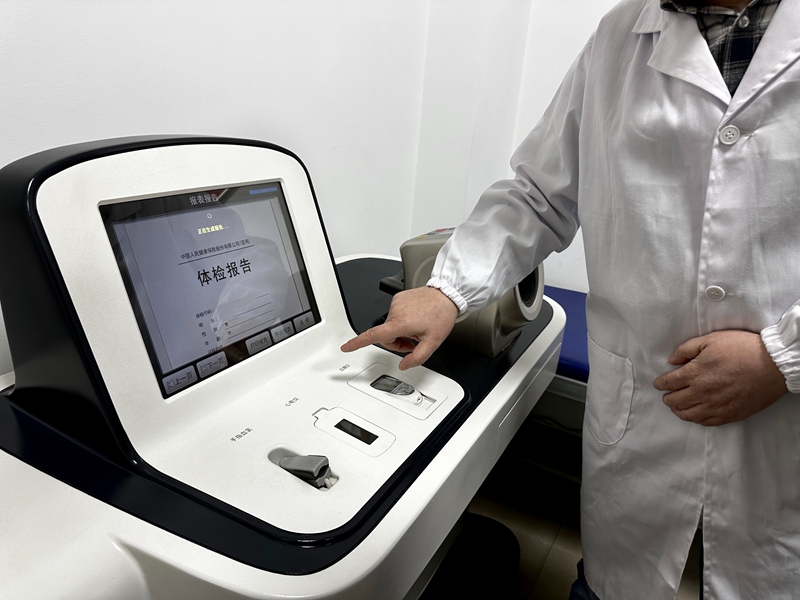
Core Insights - The insurance industry is transitioning from traditional financial compensation models to a customer-centric service model, driven by aging populations and diverse health needs [1][2] - The establishment of health management companies is becoming a standard configuration in health insurance, with companies like Renbao Health and China Pacific Insurance leading the way [2][3] - Health management services are essential for sustainable development in health insurance, focusing on proactive risk reduction and customer engagement [5][6] Group 1 - Renbao Health's health management subsidiary was officially established in Beijing, aiming to integrate health management services as a key method for risk reduction [1] - In the first half of 2025, Renbao Health's health management services generated revenue of 159 million yuan, serving over 4.8 million customers, reflecting a year-on-year growth of 21.4% [2] - The integration of health management services into insurance products is becoming standard, even for basic insurance offerings [2][3] Group 2 - Major insurance companies are enhancing their core business through health management, with China Pacific Insurance focusing on high-end customer needs in health management and rehabilitation [3][5] - The shift from passive claims to active health management is crucial for the health insurance sector, aiming to lower claim rates and improve customer retention [5][6] - The low user awareness and service utilization rates present significant challenges for the industry, despite the recognized importance of health management [6][7] Group 3 - Regulatory guidance has been issued to promote the integration of health insurance and health management, emphasizing a new health service guarantee system [7] - Artificial intelligence (AI) is seen as a key solution to enhance health management efficiency and effectiveness, with applications in personalized health interventions [8] - The deep integration of AI technology into health management services is expected to address challenges in service delivery and improve overall health outcomes [8]
本周热点前瞻20260107
Qi Huo Ri Bao Wang· 2026-01-07 01:40
Group 1 - China's foreign exchange reserves and gold reserves data for December 2025 will be released on January 7 at 16:00 [1] - The Eurozone's preliminary CPI for December 2025 is expected to be 2.0%, slightly down from the previous value of 2.1% [1] - The Eurozone's core harmonized CPI for December 2025 is expected to remain stable at 2.4% [1] Group 2 - The ADP employment change for the US in December 2025 is anticipated to show an increase of 50,000 jobs, a recovery from the previous decrease of 32,000 jobs [2] - If the ADP employment figures exceed expectations, it may positively impact the prices of non-ferrous metals and crude oil [2] Group 3 - The Eurozone's unemployment rate for November 2025 is expected to remain unchanged at 6.4% [2] Group 4 - The US initial jobless claims for the week ending January 3, 2025, are projected to be 195,000, slightly down from 199,000 [3] - A lower than expected jobless claims figure may support non-ferrous metals and crude oil prices [3] Group 5 - China's CPI for December 2025 is expected to grow by 0.90%, up from the previous 0.70%, while the PPI is expected to decline by 2.05%, a slight improvement from the previous decline of 2.20% [4] - A higher CPI and a lower PPI could positively influence industrial product futures while potentially suppressing stock index and government bond futures [4] Group 6 - The US non-farm payroll report for December 2025 is expected to show a seasonally adjusted increase of 53,000 jobs, down from 64,000 [5] - The unemployment rate is projected to decrease to 4.5% from 4.6%, and average hourly earnings are expected to rise by 3.6% year-on-year [5] - A lower non-farm payroll figure could reduce expectations for a Federal Reserve rate cut in January 2026 [5] Group 7 - The preliminary consumer confidence index for January 2026 from the University of Michigan is expected to be 53.2, slightly up from 52.9 [5] - A higher consumer confidence index may support non-ferrous metals and crude oil prices while potentially suppressing precious metals prices [5]
资金动态20260107
Qi Huo Ri Bao Wang· 2026-01-07 01:07
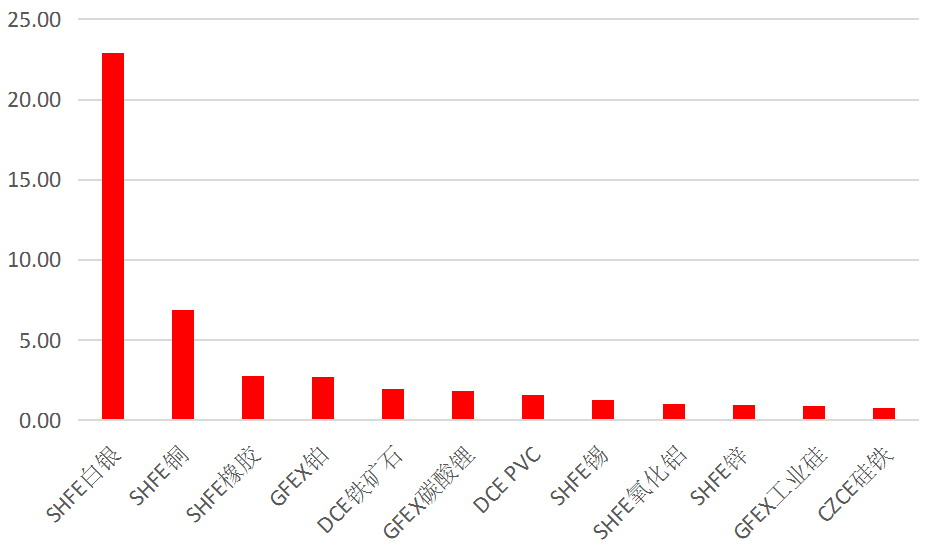
Core Viewpoint - The article highlights the recent capital inflows and outflows in commodity futures, indicating a mixed market sentiment with specific focus on metals and agricultural products [1]. Group 1: Capital Inflows - Major inflows were observed in silver (¥2.289 billion), copper (¥0.690 billion), rubber (¥0.278 billion), platinum (¥0.269 billion), and iron ore (¥0.193 billion) [1]. - The black and non-ferrous metal sectors showed a positive inflow trend, particularly in silver, copper, platinum, iron ore, and lithium carbonate [1]. - Financial futures, specifically the CSI 500 index futures and 30-year treasury futures, are highlighted as areas of interest for capital inflows [1]. Group 2: Capital Outflows - Significant outflows were noted in cotton (¥1.154 billion), PTA (¥0.587 billion), white sugar (¥0.422 billion), vegetable oil (¥0.270 billion), and rapeseed meal (¥0.270 billion) [1]. - The chemical and agricultural sectors are experiencing outflows, with particular attention to cotton, PTA, white sugar, vegetable oil, methanol, and paraxylene [1]. - Conversely, rubber and PVC are noted for their unexpected inflows despite the overall outflow trend in the chemical and agricultural sectors [1].
险企开门红数据向好,行业迎资产负债双向改善阶段
Jin Rong Jie· 2026-01-07 01:00
Core Viewpoint - The individual insurance sector has shown strong performance in new policy premium growth, with leading companies like China Life, Ping An, Taikang, and Xinhua experiencing a growth rate of 40-60% in new individual insurance premiums as of January 1, 2026 [1][2] Market Environment - The continuous decline in bank deposit rates and the scarcity of medium to long-term deposit supply have made insurance products more attractive as low-risk savings alternatives, leading to a "deposit migration" effect [1] - A significant amount of fixed-term deposits will mature in 2026, further enhancing the appeal of insurance products [1] Product Structure - The introduction of a dynamic adjustment mechanism for the guaranteed interest rate in 2025 has led to a rapid rise in participating insurance products, which combine guaranteed returns with floating dividends [1] - From September to December 2025, participating insurance products accounted for 46% of newly launched life insurance, becoming a core driver of new policy growth [1] Policy Environment - The "reporting and operation integration" policy in the life insurance sector has curbed vicious price competition, shifting the focus of industry competition towards value-added services [1] - Regulatory adjustments have reduced the risk factors associated with equity investments for insurance companies, laying a foundation for improvements in the asset side of the industry [1] Future Outlook - The liability side of insurance companies is expected to maintain high prosperity, with strong demand for participating and savings-type insurance continuing [1] - The asset side is anticipated to benefit from a slow bull market in equities, with institutions predicting that new equity allocations by insurance funds in A-shares could reach between 300 billion to 770 billion yuan in 2026 [1] - The industry is entering a phase of "dual resonance" development on both the liability and asset sides [1]
十年首现,沪指连续站稳关键位置!高盛:建议高配中国股票
Mei Ri Jing Ji Xin Wen· 2026-01-06 22:55
Market Overview - The A-share market opened strongly in 2026, with the Shanghai Composite Index surpassing 4000 points for the first time since 2016, closing above 4020 points for two consecutive trading days [1][2] - Analysts are optimistic about the market's ability to maintain this level, with many institutions predicting a potential upward trend towards 4500 points in the near future [3][21] Institutional Insights - Major brokerage firms have expressed bullish sentiments, with predictions for the Shanghai Composite Index to reach levels as high as 5000 points, reminiscent of the 2015 bull market [2][3] - Foreign investment banks like Goldman Sachs and JPMorgan have forecasted annual increases of 15% to 20% for Chinese stocks in 2026 and set target points for major indices [2][3] Sector Performance - The insurance sector has shown significant strength, with major companies like China Ping An and New China Life reaching historical highs, contributing to market stability at the 4000-point level [13][18] - The insurance sector's performance is attributed to its role as a stabilizing force in the market, benefiting from rising stock prices and favorable regulatory conditions [18][19] Fund Flows - Insurance companies have increased their equity investments significantly, with a reported 37.46 trillion yuan in total funds, marking a 16.5% year-on-year growth [19][20] - The influx of long-term capital from insurance funds is expected to enhance market stability and investor confidence, creating a positive feedback loop for further investment [19][22] Trading Activity - Margin trading has seen a gradual increase, with the total margin balance reaching 2.56 trillion yuan by January 2026, reflecting a steady recovery rather than a speculative surge [23][24] - The current trading environment is characterized by a cautious yet optimistic approach from investors, contrasting sharply with the rapid growth seen during the 2015 bull market [23][24]