MEITUAN(03690)

Search documents
美团在福建惠安成立新科技公司,注册资本1000万
Zhong Guo Neng Yuan Wang· 2026-01-16 01:17
Group 1 - Huian Moki Technology Co., Ltd. has been established with a registered capital of 10 million RMB [1] - The legal representative of the company is Sun Keqing [1] - The company's business scope includes network and information security software development, information technology consulting services, social and economic consulting services, internet data services, information consulting services, enterprise management consulting, supply chain management services, and shared bicycle services [1] Group 2 - The company is wholly owned by Meituan's subsidiary, Hanhai Information Technology (Shanghai) Co., Ltd. [1]

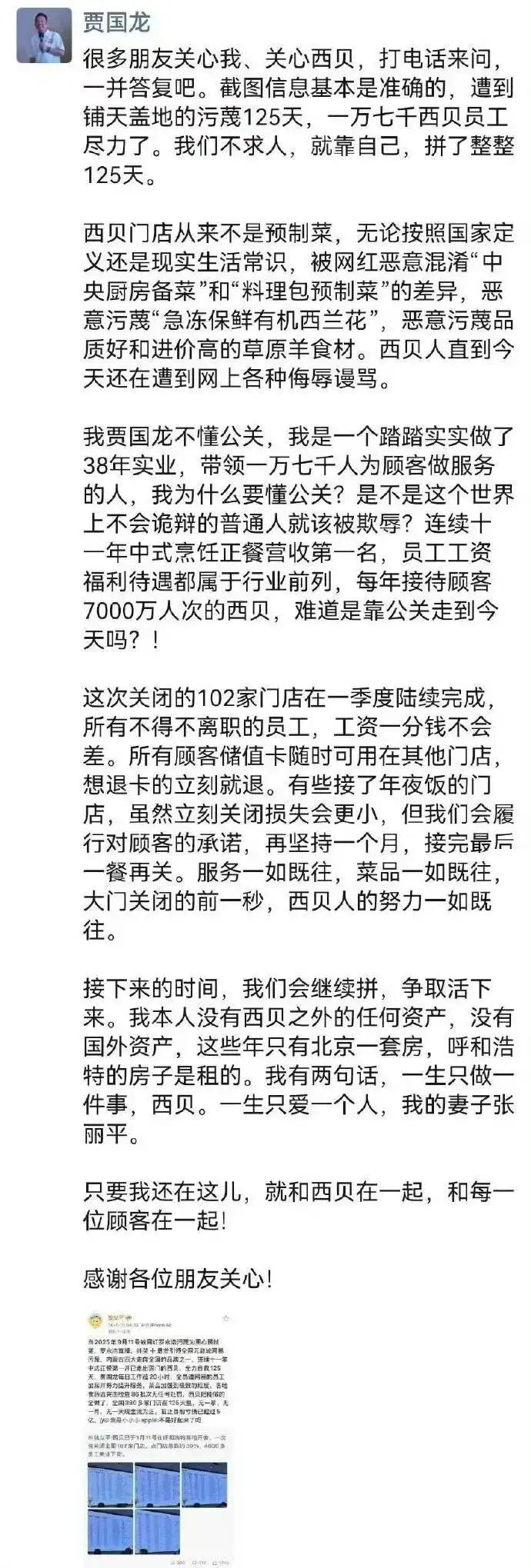
美团也要卖车了;贾国龙回应西贝关闭102家;千问App接入支付宝,上线AI付款;雷军:新一代小米SU7将提供9款配色丨邦早报
Sou Hu Cai Jing· 2026-01-16 00:44
Group 1: Company Developments - Xibei Restaurant confirmed the closure of 102 stores, which accounts for 30% of its total outlets, and assured customers that stored value cards can be used at other locations or refunded [1] - Thunder restarted litigation against former CEO Chen Lei, claiming damages of up to 200 million yuan due to alleged hidden asset extraction through a shadow company [3] - Xiaomi's new SU7 model will offer nine color options and is expected to launch in April 2026 with a starting price of 229,900 yuan [4] - Ideal Auto appointed Zhan Kun to lead the base model business, focusing on the development of the VLA (Vision-Language-Action) model [5] - Meituan entered the car sales market by signing a strategic cooperation agreement with Shanghai Xiche Future Intelligent Technology [5] - Wang Jian's company, Bawang Tea, is suing a netizen for defamation related to personal matters, with a court date set for March 3 [5] - Citigroup's CEO Jane Fraser indicated potential layoffs as part of efforts to improve company culture and profitability [7] - Former CEO of Weilong, Sun Yinan, has joined Dayao as CEO [7] - OpenAI's former research vice president is returning to the company following a leadership change at Thinking Machines [7] Group 2: Market Trends and Financial Data - The pickup market in China is projected to sell 589,000 units in 2025, reflecting a year-on-year growth of 11.8% [12] - Omdia's research indicates a slight decline of 1% in China's smartphone market for 2025, with Huawei regaining the top position with 46.8 million units sold [12][13] - The total smartphone shipments in China for 2025 are estimated at 282.3 million units, with Huawei, Vivo, and Apple leading the market shares [13]





智通港股沽空统计|1月16日
智通财经网· 2026-01-16 00:28
Group 1 - The top short-selling ratios are led by China Resources Beer (100.00%), Lenovo Group (95.24%), and JD Health (94.15%) [1] - The highest short-selling amounts are recorded for Alibaba (3.923 billion), Tencent Holdings (2.552 billion), and Trip.com Group (1.172 billion) [1][2] - Meituan, Kanglong Chemical, and Haitong Securities have the highest deviation values at 55.33%, 50.16%, and 48.65% respectively [1] Group 2 - The top ten short-selling ratios include China Resources Beer (100.00%), Lenovo Group (95.24%), and JD Health (94.15%) with respective amounts of 11,700, 7,019,200, and 150,000 [2] - The top ten short-selling amounts show Alibaba at 39.23 billion, Tencent at 25.52 billion, and Trip.com at 11.72 billion with respective short-selling ratios of 17.78%, 15.59%, and 7.41% [2] - The top ten deviation values highlight Meituan (55.33%), Kanglong Chemical (50.16%), and Haitong Securities (48.65%) with their respective short-selling amounts [2]



回眸2025丨探寻中国市场的活力与秩序
Jing Ji Ri Bao· 2026-01-16 00:19
Group 1: Economic Overview - In the past year, China's economy faced challenges, with retail sales exceeding 45.6 trillion yuan, growing by 4.0%, indicating consumer spending remains a stabilizing force [1] - By the end of December, the number of business entities reached 195 million, with over 100 million tax-related entities, reflecting robust market vitality [1] Group 2: Platform Economy Regulation - The competition among major platforms like JD, Taobao, and Meituan in the food delivery sector involved nearly 100 billion yuan in investments, leading to improved service quality and better treatment for delivery riders [2][3] - Regulatory bodies played a crucial role in maintaining fair competition, shifting the focus from subsidy wars to enhancing service quality and ensuring food safety [2][3] Group 3: Addressing Deep-rooted Issues - Regulatory efforts in 2025 targeted the "algorithmic hegemony" and unreasonable rules imposed by platforms, leading to the cancellation of controversial refund policies and promoting fairer trading practices [3] - Major platforms committed to creating a win-win ecosystem for consumers, merchants, and delivery riders, with initiatives like eliminating penalties for late deliveries and increasing social security coverage for riders [3][4] Group 4: Combating "Involution" Competition - "Involution" competition emerged as a significant challenge in 2025, characterized by price wars that compromised product quality and safety, as seen in the drastic decline of profit margins for brands like Laiyifen [6][7] - The government emphasized the need to shift competition from price-cutting to value creation, with regulatory measures aimed at addressing unfair practices and enhancing product quality [6][7][8] Group 5: Food Safety and Standards - The "pre-made dish" controversy highlighted public concerns over food safety, prompting regulatory bodies to accelerate the establishment of national standards for the industry [10][11] - Regulatory measures included comprehensive food safety oversight and the introduction of transparency in food production processes to restore consumer trust [11][12] Group 6: Market Dynamics and Innovation - The regulatory framework aims to create a balanced market environment where quality and innovation are prioritized over low prices, allowing businesses to thrive without compromising standards [9][12] - The response from the industry includes innovative dining experiences and significant investments in product development, indicating a shift towards higher quality offerings [9][12]

8点1氪丨西贝关店102家,贾国龙最新发声;爱马仕客服回应一个悠悠球售价超1.8万;霸王茶姬及创始人起诉网民,公司回应
3 6 Ke· 2026-01-16 00:05
Group 1 - The People's Bank of China indicates there is still room for interest rate cuts this year, with the current average reserve requirement ratio at 6.3% [6] - Xiaomi launches a 7-year low-interest car purchase policy for its new electric SUV, with monthly payments starting at 2,593 yuan [10] - The Philippines announces visa-free entry for Chinese citizens starting January 16, 2026, allowing a stay of up to 14 days [10] Group 2 - Xunlei restarts litigation against former CEO Chen Lei, claiming he secretly siphoned off company assets, seeking 200 million yuan in damages [10] - Golden Dragon Fish plans to transfer 50% stakes in its Shanghai and Kunshan subsidiaries to Mars China for a total consideration of 60 million USD [11] - SF Express and Jitu Express announce a strategic mutual shareholding agreement, with a total investment amounting to 8.3 billion HKD [8] Group 3 - Wang's Restaurant announces the closure of 102 stores, representing 30% of its total outlets, while ensuring all employees will receive their wages and customers can refund their prepaid cards [1] - The luxury brand Hermès responds to the controversy over an 18,000 yuan yo-yo, stating it is a new product with thoughtful design [4] - The Louvre Museum increases ticket prices for non-European Economic Area visitors by approximately 45% to fund infrastructure upgrades [13] Group 4 - KKR completes fundraising of 2.5 billion USD for a private credit fund focused on high-quality credit assets in the Asia-Pacific region [21] - TSMC forecasts Q1 2026 revenue between 34.6 billion to 35.8 billion USD, indicating a 4.4% quarter-over-quarter increase [17] - Li Ning reports a low single-digit decline in retail sales for the fourth quarter, with a total of 6,091 sales points in China [18]


智通港股通资金流向统计(T+2)|1月16日
智通财经网· 2026-01-15 23:34
Group 1 - The top three companies with net inflows of southbound funds are Alibaba-W (09988) with 1.05 billion, Tencent Holdings (00700) with 752 million, and Pop Mart (09992) with 678 million [1] - The top three companies with net outflows of southbound funds are SMIC (00981) with -836 million, China Mobile (00941) with -729 million, and Meituan-W (03690) with -378 million [1] - In terms of net inflow ratios, Jiangsu Ninghu Expressway (00177) leads with 53.75%, followed by Cheung Kong Infrastructure Group (01038) at 52.00%, and Mao Geping (01318) at 48.07% [1] Group 2 - The top ten companies by net inflow include Alibaba-W (09988) with 1.05 billion and a closing price of 159.90 (+3.63%), Tencent Holdings (00700) with 752 million and a closing price of 627.50 (+0.72%), and Pop Mart (09992) with 678 million and a closing price of 191.30 (-2.89%) [2] - The top ten companies by net outflow include SMIC (00981) with -836 million and a closing price of 74.45 (-1.13%), China Mobile (00941) with -729 million and a closing price of 80.95 (-0.25%), and Meituan-W (03690) with -378 million and a closing price of 104.90 (-0.10%) [2] - The top three companies by net inflow ratio also include Baiaosaitu-B (02315) at 46.69% and Wei Long Delicious (09985) at 45.51% [3] Group 3 - The top three companies by net outflow ratio include Southern Hong Kong Stock Connect (03432) at -100.00%, E Fund Hang Seng ESG (03039) at -93.75%, and Country Garden Services (06098) at -58.59% [3] - The data reflects the net inflow and outflow trends in the Hong Kong stock market, indicating investor sentiment towards specific companies [1][2][3]


【聚焦新就业形态劳动者】社保“护身”近一年,外卖小哥的生活藏着这些变化!
Xin Lang Cai Jing· 2026-01-15 18:26
Core Insights - The article highlights the ongoing efforts of food delivery platforms to provide social security benefits to their riders, aiming to enhance job security and retention in the industry [1][2][7] Group 1: Social Security Initiatives - Major food delivery platforms have begun subsidizing social security contributions for riders, which has increased their willingness to participate in the system [1][2] - As of December 2025, platforms like Meituan have issued social security subsidies to riders, with amounts reaching 487.9 yuan for those who first enrolled in April 2025 [5][6] - The initiative is part of a broader government push to integrate flexible employment groups into the social security system, as emphasized in the 2025 Central Economic Work Conference [1][2] Group 2: Employment Dynamics - The number of food delivery riders in China has surpassed 10 million, making it challenging to incorporate such a large flexible workforce into the social security framework [2] - The industry has seen a shift from insufficient labor rights protection to platforms taking responsibility for riders' social security, indicating a positive change in the sector [2][3] Group 3: Company-Specific Actions - JD Logistics has a long-standing tradition of signing formal labor contracts with its delivery personnel, ensuring they receive comprehensive benefits, including social security [3] - Meituan has tailored its social security subsidy program to accommodate both full-time and part-time riders, allowing for greater flexibility in participation [4][6] Group 4: Rider Perspectives - Riders have expressed concerns about the financial impact of social security contributions on their take-home pay, which has been a barrier to participation [6] - The introduction of subsidies has encouraged riders to enroll in social security, with many reporting a sense of stability and improved job satisfaction [7][8] Group 5: Future Directions - The exploration of social security for new employment groups has been ongoing, with pilot programs for occupational injury insurance starting in July 2022 [8] - As the scope of insurance expands to include various types of coverage, platforms face increasing cost pressures, prompting discussions on potential subsidies and tax incentives to alleviate financial burdens [8]
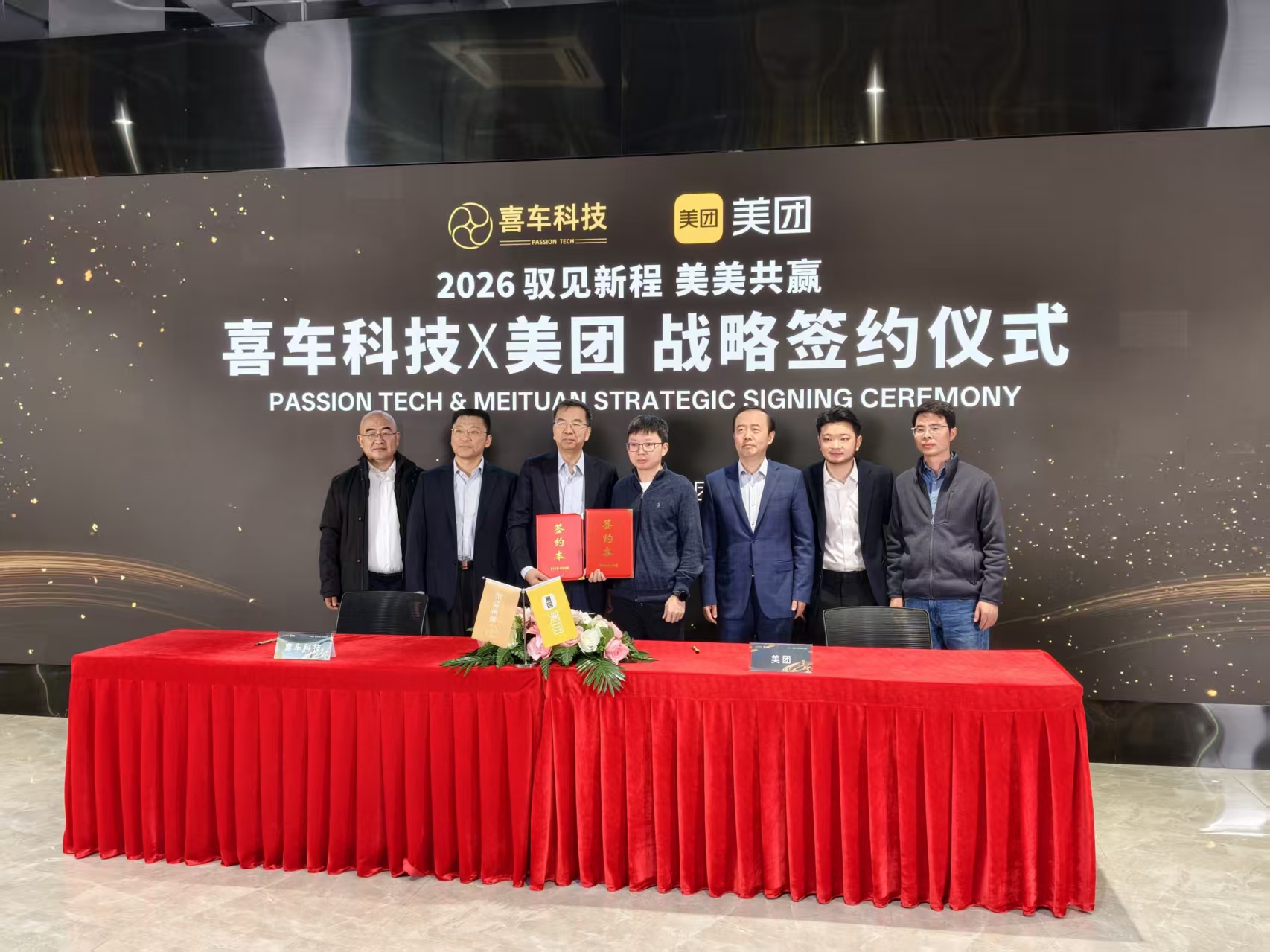
美团也要卖车了
Di Yi Cai Jing· 2026-01-15 15:25
Group 1 - The core viewpoint is that internet companies are increasingly entering the automotive sector, with Meituan signing a strategic cooperation agreement with Shanghai Xiche Future Intelligent Technology Co., aiming to create a one-stop service platform for car buying and local living services [1] - Meituan's platform will allow consumers to browse and compare different 4S stores, facilitating online transactions and reviews, while enhancing service transparency and protecting user privacy [1] - The automotive industry is shifting towards a stock competition phase, where service experience becomes crucial, and traditional sales services face challenges like information opacity and fragmented channels [1] Group 2 - Meituan has previously conducted a pilot cooperation with SAIC Motor Group, with over a hundred dealers already on the platform, utilizing a "second online store" model for digital operations and user accumulation [2] - The competition in the local service sector has intensified, and Meituan's expansion into high-ticket automotive sales is expected to open new growth avenues [2] - Meituan aims to systematically develop automotive transaction services, leveraging its operational experience from the food and service sectors to boost automotive sales [2]
港股通净卖出15.15亿港元
Zheng Quan Shi Bao Wang· 2026-01-15 14:49
Market Overview - On January 15, the Hang Seng Index fell by 0.28%, closing at 26,923.62 points, with a total net sell of 1.515 billion HKD through the southbound trading channel [1] - The total trading volume for the southbound trading was 119.834 billion HKD, with a net sell of 1.515 billion HKD [1] Southbound Trading Details - In the Shanghai-Hong Kong Stock Connect, the trading volume was 74.697 billion HKD with a net buy of 1.930 billion HKD, while the Shenzhen-Hong Kong Stock Connect had a trading volume of 45.137 billion HKD with a net sell of 3.446 billion HKD [1] - The top traded stock in the Shanghai-Hong Kong Stock Connect was Alibaba-W, with a trading amount of 84.25 billion HKD and a net buy of 17.90 billion HKD, despite a closing price drop of 2.60% [1] - In the Shenzhen-Hong Kong Stock Connect, Alibaba-W also led with a trading amount of 44.51 billion HKD, followed by Tencent Holdings and Xiaomi Group-W with trading amounts of 17.26 billion HKD and 14.74 billion HKD respectively [2] Stock Performance - The stock with the highest net buy was China National Offshore Oil Corporation, with a net buy of 3.00 billion HKD and a closing price increase of 2.49% [2] - The stock with the highest net sell was Xiaomi Group-W, with a net sell of 4.91 billion HKD, while its closing price increased by 0.21% [2] - Other notable stocks included China Mobile, which had a net sell of 7.91 billion HKD and a closing price drop of 0.25% [1][2]


千问接入淘宝闪购:这场“降维”打击,真的来了
Xin Lang Cai Jing· 2026-01-15 14:14
Core Insights - The emergence of AI-driven platforms like Taobao Flash Purchase signifies a paradigm shift in the food delivery industry, moving from a graphical interface to a language-based interaction model [1][2][4][5] Group 1: AI Integration and Competitive Landscape - Taobao Flash Purchase leverages the Qwen AI model, enabling it to understand user intent and execute complex orders seamlessly, positioning it ahead of competitors like Meituan, which lacks a comparable AI framework [5][7][8] - The integration of AI allows Taobao Flash Purchase to proactively anticipate user needs, contrasting with Meituan's reactive approach [8][9] Group 2: User Experience Transformation - Natural language processing eliminates the need for users to navigate complex app interfaces, making the ordering process more intuitive and accessible for all demographics, including the elderly and visually impaired [9][20] - The AI-driven service model transforms user interaction from a transactional experience to a personalized service, enhancing user loyalty and engagement [14][24] Group 3: Ecosystem Synergy - The Qwen AI model not only connects Taobao Flash Purchase but also integrates with other Alibaba services, creating a comprehensive local life operating system that addresses both spatial and temporal needs [10][12][23] - This interconnected ecosystem allows for smarter decision-making, as the AI can suggest dining options based on user preferences and real-time conditions [23][25] Group 4: Market Dynamics and Future Outlook - The shift towards AI-driven services marks a transition from subsidy-based competition to value creation, with Taobao Flash Purchase showing significant growth in non-food categories and improved unit economics [25] - If Meituan fails to develop a comparable AI capability quickly, it risks losing its competitive edge in the evolving market landscape [25]