BABA(09988)

Search documents
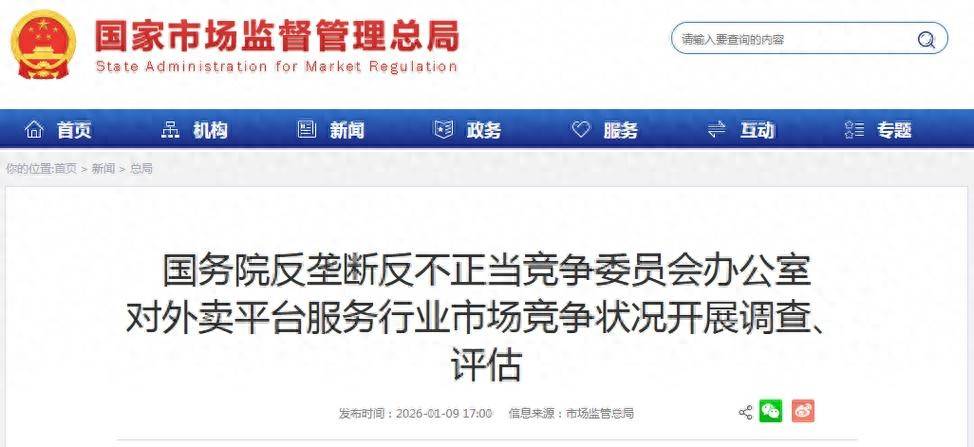
国务院点名,744亿补贴叫停,行业迎来新变化,廉价外卖将终结
Sou Hu Cai Jing· 2026-02-04 08:52
Core Insights - The Chinese internet food delivery industry has officially ended the "money-burning for market share" era, with a significant intervention from the State Administration for Market Regulation, halting a year-long subsidy war involving major players like Meituan, Taobao Flash, and JD Delivery [1][2][12] Group 1: Industry Changes - The subsidy war, which saw a total investment of 744 billion yuan, has been characterized as a "suicidal attack" on the industry, leading to severe financial losses for major platforms [8][12] - In 2025, the intense competition resulted in a staggering 89% year-on-year drop in adjusted net profit for Meituan and a 78% decline in adjusted EBITA for Alibaba's instant retail business [8][10] - Over 12% of small and medium-sized restaurants succumbed to the pressure of forced low-price promotions, highlighting the detrimental effects of the subsidy war [10][12] Group 2: Regulatory Actions - The regulatory body has identified "subsidy wars, price competition, and traffic control" as critical issues that require immediate rectification [12][20] - The intervention marks a significant correction of the internet business logic, emphasizing the need for sustainable practices rather than short-term gains through subsidies [14][32] Group 3: Market Dynamics - Following the regulatory intervention, JD Delivery has shifted to a model charging a 5% service fee, indicating a return to a more sustainable business model focused on providing technical services [22] - The end of the subsidy war is expected to lead to a focus on quality and safety in the food delivery market, moving away from price as the primary competitive factor [33][35] Group 4: Consumer Impact - Consumers have begun to notice price increases, with average delivery prices rising by approximately 0.8 yuan, reflecting the end of artificially low prices [28][30] - The previous low-price model is described as a bubble that compromised food safety, with the new pricing structure aimed at ensuring better quality and service [30][38]



內房股大涨,融创中国涨超8%,万科涨超6%!恒生科技跳水,大型科技股齐跌 | 港股收盘
Mei Ri Jing Ji Xin Wen· 2026-02-04 08:44
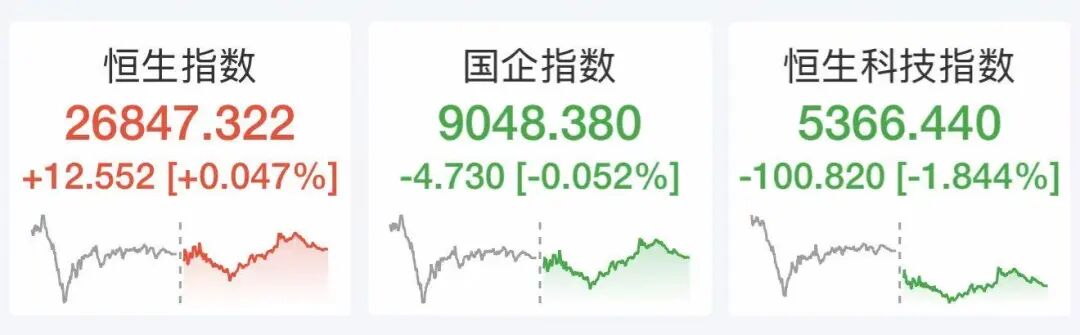
Group 1 - The Hong Kong stock market experienced fluctuations, with the Hang Seng Index closing at 26,847.322, a slight increase of 0.047% [1] - Real estate stocks saw significant gains, with Shimao Group rising over 14%, Sunac China up over 8%, Vanke Enterprises increasing over 6%, and Yuexiu Property up over 6% [1] - Coal stocks also performed well, with Yanzhou Coal Mining rising over 10% and China Shenhua Energy increasing over 5% [1] Group 2 - The Hang Seng Tech Index dropped by 1.844%, with major tech companies showing poor performance [3] - Tencent Holdings fell nearly 4%, Baidu Group declined nearly 3%, Xiaomi Group dropped over 1.8%, JD Group decreased over 1.6%, and Alibaba fell nearly 1% [3][4] - Semiconductor stocks were sluggish, with Fudan Shanghai falling over 5%, Hua Hong Semiconductor down nearly 5%, GigaDevice down over 3%, and SMIC down over 2% [5]



腾讯入局AI社交,AI竞赛已无旁观者
3 6 Ke· 2026-02-04 08:34
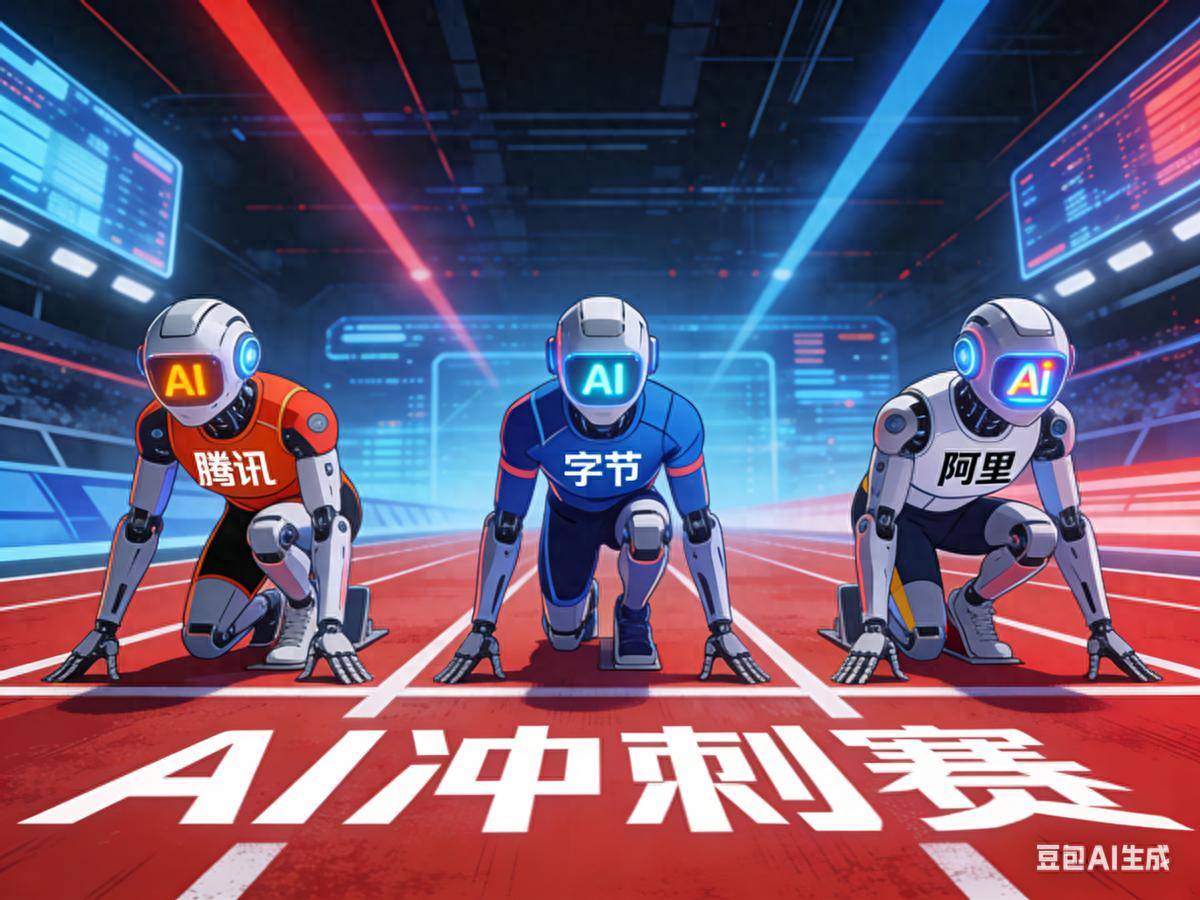
Group 1 - Major tech companies are intensifying their competition in the AI sector, with Tencent, Baidu, Alibaba, and ByteDance launching various promotional activities and investments ahead of the Spring Festival [1] - Tencent plans to distribute 1 billion yuan in cash through its Yuanbao app, while Baidu is offering 500 million yuan in cash rewards via its Wenxin assistant [1] - ByteDance has secured sponsorship for the 2026 CCTV Spring Festival Gala, integrating AI into the event's interactive segments [1] Group 2 - The competition among tech giants can be categorized into three main areas: AI empowerment, independent AI applications, and AI hardware [2] - AI empowerment involves integrating AI capabilities into traditional business models, with companies like Alibaba and Tencent enhancing their existing services with AI features [3][4][5] - Despite the integration of AI, the competitive landscape among major players remains largely unchanged, with established leaders in various sectors still holding their positions [10] Group 3 - The independent AI application battle has emerged as companies seek to disrupt existing market dynamics, with Alibaba's Qianwen app gaining significant traction [11] - Current usage statistics indicate that even the most popular AI applications have limited daily engagement, suggesting that the competition for user attention is still ongoing [13][14] - The future of user engagement in AI applications remains uncertain, with many variables at play [15] Group 4 - The competition has shifted from software to hardware, with ByteDance's Doubao phone selling out rapidly, indicating a strong market interest [16] - AI glasses have also gained popularity, with significant sales growth reported in the global smart glasses market [20][21] - The potential for AI hardware to revolutionize user interaction is being recognized, with AI glasses positioned as a new frontier in human-computer interaction [22] Group 5 - Each major player has a distinct approach to AI, with Alibaba focusing on practical tools, Tencent emphasizing social value, and ByteDance targeting emotional engagement [25][26][27] - Alibaba's Qianwen app aims to streamline user tasks across various services, while Tencent's Yuanbao app seeks to innovate social interactions [31][32] - ByteDance's AI products prioritize emotional connection and user engagement, differentiating their offerings from those of competitors [39][41] Group 6 - The competition for the "super entrance" in the AI era is fierce, with each company leveraging its strengths to capture market share [42] - The uncertainty surrounding the future of AI technology and its applications leads to a common goal among companies: to remain relevant in the evolving landscape [43]
腾讯、阿里再加码,二线AI大模型可以写悼词了
Sou Hu Cai Jing· 2026-02-04 06:37
Core Insights - The technology industry is experiencing renewed excitement in early 2026, particularly around AI innovations from major players like Tencent and Alibaba [1][2][3] Group 1: AI Innovation and Industry Dynamics - The public appearances of Ma Huateng and Jack Ma discussing AI signal a critical phase in the AI innovation race, indicating a shift towards more aggressive experimentation [3][4] - Major companies are now more cautious about innovation, focusing on ROI and budget considerations, which has led to a decrease in risk-taking [5][6] - The need for influential voices to encourage innovation is emphasized, as companies may fear the risks associated with AI development [6][7] Group 2: Company Strategies and Developments - Alibaba's Qianwen AI initially aimed at internal technology trials before pivoting to consumer-facing applications, showcasing a strategic shift in its business model [9][10] - ByteDance's Doubao AI has emerged as a significant player, leveraging its existing app ecosystem to enhance its AI capabilities [13][14] - Tencent's new AI social product, Yuanbao, is seen as a strategic move to protect its core social media business while exploring new revenue streams [18][19] Group 3: Competitive Landscape and Market Challenges - The AI industry is entering a new phase of competition, with major players intensifying their efforts, potentially making it harder for mid-tier AI companies to survive [20][21] - Data indicates a significant number of AI-related companies are facing closure, highlighting the challenges for smaller players in the market [22] - The market is increasingly favoring large tech companies, which are better positioned to absorb costs and innovate, leaving independent AI firms at risk of being marginalized [32][40] Group 4: Future Outlook and Trends - The ongoing AI arms race is shifting from a focus on absolute performance to cost-effectiveness, which may impact the viability of smaller players [41][42] - The concept of an "AI slaughter line" suggests that many companies may not survive the competitive pressures of the evolving landscape [23][24] - The narrative of AI innovation continues to evolve, with the potential for new breakthroughs that could reshape the industry dynamics [43]
资金持续抄底港股!恒生互联网ETF(513330)单日净申购17.68亿份,规模最大的恒生科技指数ETF(513180)去年10月以来“吸金”146亿
Ge Long Hui· 2026-02-04 05:14
Group 1 - The Hong Kong stock market continues to weaken, influenced by a decline in US AI stocks, with the Hang Seng Internet ETF dropping by 3% and the Hang Seng Technology Index ETF falling by 2% [1] - The Hang Seng Technology Index has accumulated a 20% decline since its peak last October, entering a technical bear market, while the Hang Seng Technology Index ETF has seen a net inflow of 14.638 billion yuan since last October, ranking first among its peers [1] - Recent pullbacks in the Hong Kong market are attributed to increased risk aversion due to the hawkish stance of Fed chair nominee Waller, rather than fundamental policy changes [1] Group 2 - The Hang Seng Internet ETF has a weight of over 80% in leading internet stocks, with an AI application content exceeding 90%, including major companies like Alibaba, Tencent, and JD.com [2] - The latest scale of the Hang Seng Internet ETF is 36.3 billion yuan, ranking first among its peers [2]
阿里国际站帮外贸商家解决了“老外过年不放假”的“千古难题”
Cai Jing Wang· 2026-02-04 05:08
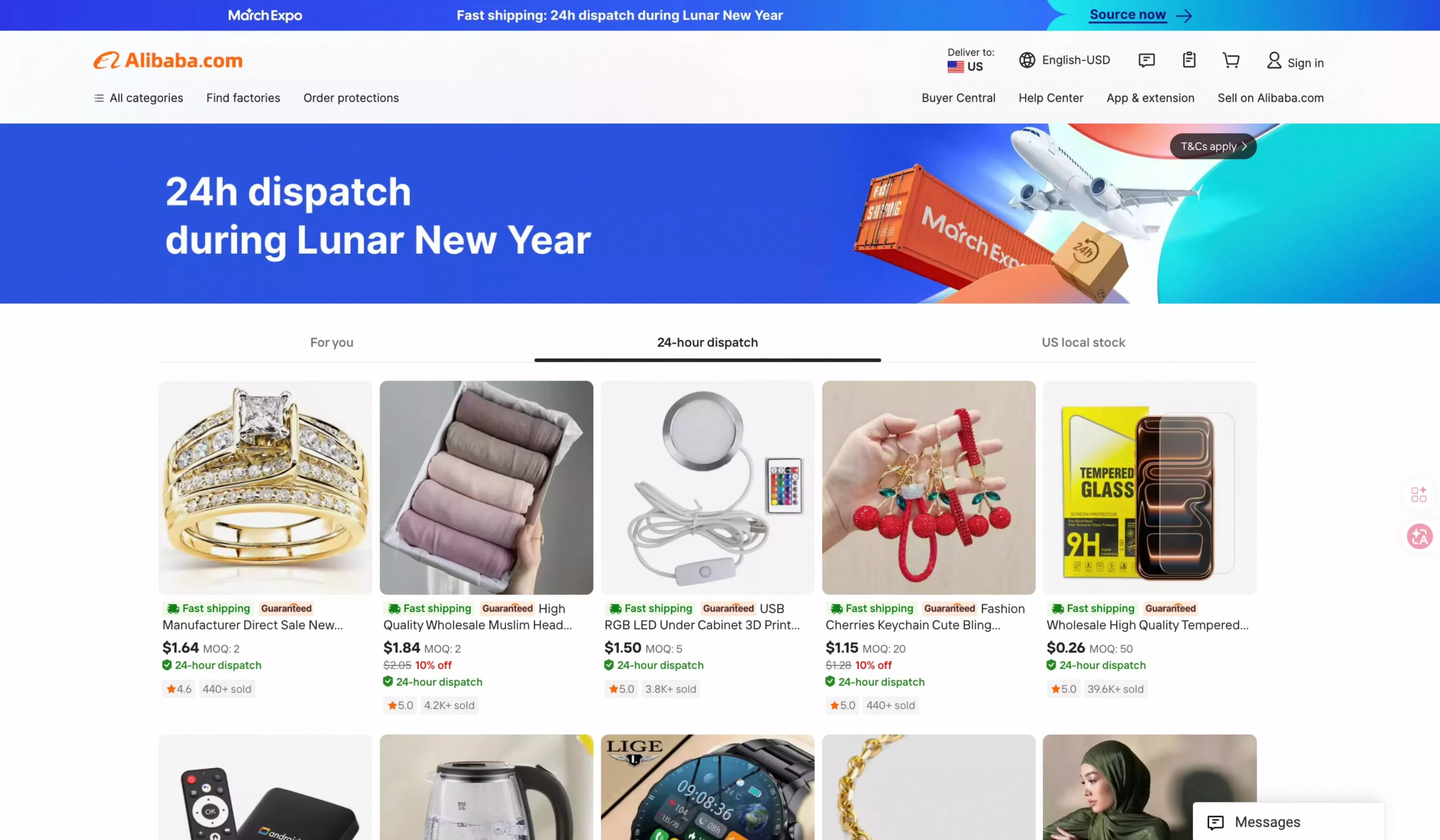
Group 1 - The core idea is that Alibaba International Station, in collaboration with Cainiao, has introduced a one-stop management service for foreign trade merchants, allowing them to continue receiving orders during the Chinese New Year while automating the shipping process [1][6] - Merchants can participate in the "Spring Festival No Shutdown" activity by completing two steps: signing up and pre-storing goods in the warehouse, enabling them to manage their operations with minimal involvement [1] - The initiative aims to transform the traditionally slow sales period during the Spring Festival into a "cross-border golden week" by ensuring stable logistics through the establishment of emergency response centers nationwide [6] Group 2 - Alibaba International Station has launched a "three-free policy," which includes waiving collection fees, operation fees, and storage fees, allowing merchants to store goods at zero cost [6] - Products registered under this initiative will receive enhanced visibility through dedicated traffic pools and special exposure during the Spring Festival, marked with labels like "24-hour dispatch" and "Fastshipping" to reassure overseas buyers [6] - Early results show significant increases in store traffic and order placements, with one company reporting a 60% increase in visitors and another securing two orders within a day after marking products with the "24-hour dispatch" label [6]
阿里巴巴-W(9988.HK)FY2026Q3财报前瞻:传统电商略疲软 即时零售持续投入 关注“云+AI+芯片”全栈战略下的增长潜力
Ge Long Hui· 2026-02-04 04:34
Core Viewpoint - Alibaba is expected to face challenges in its traditional e-commerce segment while showing growth in its cloud and international digital business, leading to a mixed financial outlook for FY2026Q3 [1][2][3] Group 1: Financial Projections - Total revenue for Alibaba in FY2026Q3 is projected to be 291 billion yuan, representing a year-over-year increase of 4% and a quarter-over-quarter increase of 17% [1] - Adjusted EBITA is expected to decline by 47% to 29.1 billion yuan, with an adjusted EBITA margin of 10% [1] - The Chinese e-commerce group is anticipated to generate revenue of 166 billion yuan, reflecting a year-over-year growth of 10% [1] - The cloud intelligence group is projected to achieve revenue of 43.2 billion yuan, with a year-over-year growth of 36% [1][2] Group 2: Segment Analysis - The traditional e-commerce segment is expected to see a slowdown in customer management revenue (CMR) growth, projected at 2.5% year-over-year, due to weakening market demand and increased compliance costs [1] - The adjusted EBITA for the Chinese e-commerce group is forecasted to decline by 40% to 36.2 billion yuan, primarily due to negative growth in traditional e-commerce profits [1] - The cloud intelligence group is optimistic about long-term revenue and profit growth, with a strategic focus on "cloud + AI + chips" [2] Group 3: International and Other Businesses - The international digital business is expected to grow by 10% year-over-year, with an adjusted EBITA forecast of -1.3 billion yuan [2] - Other business segments are projected to incur an adjusted EBITA loss of 8 billion yuan, significantly impacted by investments in AI and model training [2] - The company aims to capture 80% of the incremental AI cloud market in China by 2026, indicating a strong growth strategy for its cloud services [2] Group 4: Investment Outlook - Revenue forecasts for FY2026-2028 are set at 1,036.4 billion yuan, 1,132.7 billion yuan, and 1,235.2 billion yuan respectively, with net profits expected to be 108.7 billion yuan, 116.6 billion yuan, and 149.3 billion yuan [3] - The target market capitalization for Alibaba in FY2027 is estimated at 3,177.6 billion yuan, with a target price of 166 yuan per share [3] - The company maintains a "buy" rating despite short-term profit disruptions due to ongoing investments in instant retail and AI exploration [3]
微信屏蔽元宝红包链接,元宝回应:正在紧急优化调整机制
2 1 Shi Ji Jing Ji Bao Dao· 2026-02-04 04:02
Group 1 - WeChat has blocked the red envelope link for Tencent's Yuanbao due to user complaints about excessive marketing and inducement to share links, which disrupts platform order and user experience [1] - Yuanbao's red envelope activity, launched on February 1, allows users to participate in a "distributing 1 billion cash" event, with a maximum reward of 10,000 yuan [1][2] - The cash acquisition methods for Yuanbao include sharing red envelopes with friends and completing tasks for lottery chances, with a winning probability of about 30% [2] Group 2 - Tencent's internal discussions revealed differing opinions on Yuanbao's design logic, which initially aimed for "no-threshold acquisition" but later shifted to address concerns about inducement and excessive marketing [2] - Alibaba's AI-native app Qianwen announced a 3 billion yuan "Spring Festival Treat Plan" to attract users through free meals and high-value red envelopes, with specific rules to be announced on February 6 [3] - The trend of integrating AI into consumer decision-making is growing, with companies like Google exploring direct offers based on AI assessments of user purchasing intent [3]
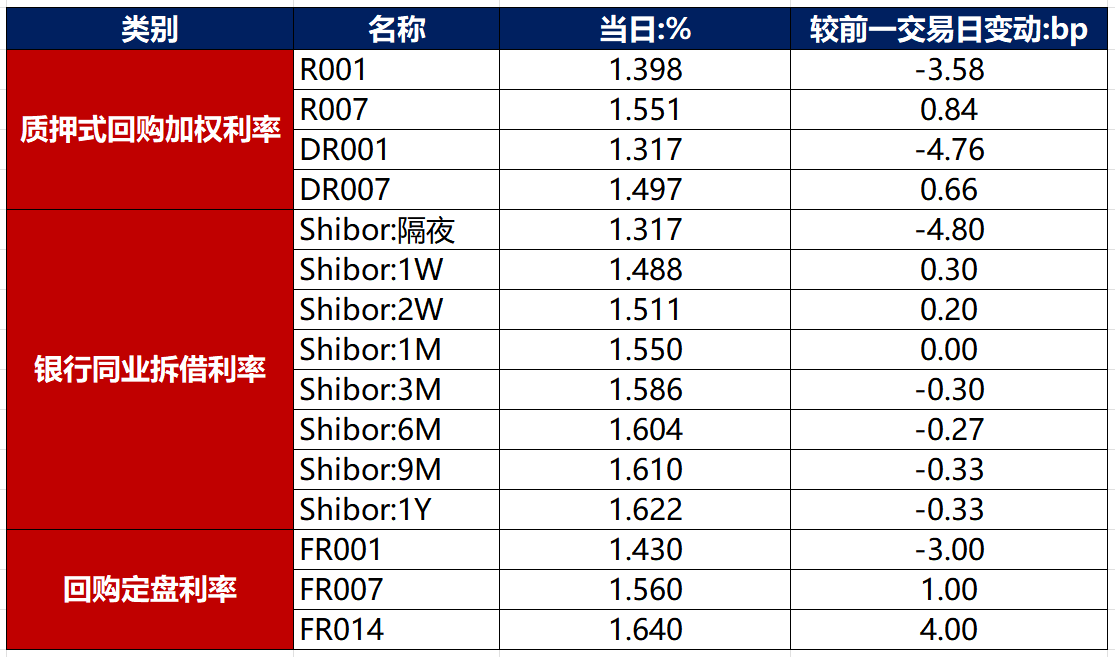
债市早报:资金面整体平稳;债市以震荡为主
Jin Rong Jie· 2026-02-04 03:26
Group 1: Domestic News - The 2026 Central Document was released, focusing on agricultural modernization and rural revitalization, emphasizing the need for reforms in rural collective property rights and controlling new village-level debts [2] - The document encourages the use of special bonds and long-term treasury bonds to support major projects in agriculture and rural areas, enhancing the effectiveness of financial support for agriculture [2] Group 2: Monetary Policy - The central bank announced an increase in the amount of 3-month reverse repos, conducting an operation of 800 billion yuan, resulting in a net injection of 100 billion yuan after accounting for maturing repos [3] - The central bank's Shanghai headquarters is actively promoting financial reforms in the free trade zone, aiming to enhance cross-border financial services and the convenience of cross-border RMB business [3] Group 3: International News - The U.S. House of Representatives approved a funding bill to end a partial government shutdown, with a vote of 217 to 214, sending the bill to the President for signature [4] - Despite the approval, a funding shortfall risk remains, particularly for the Department of Homeland Security, which has funding only until February 13 [4] Group 4: Commodity Market - International crude oil prices rose, with WTI crude up 1.72% to $63.21 per barrel and Brent crude up 1.56% to $67.33 per barrel [5] - Gold futures increased by 6.94% to $4975.30 per ounce, while natural gas prices rose by 3.49% to $3.377 per million British thermal units [5] Group 5: Bond Market Dynamics - The bond market showed mixed performance, with short-term bonds weaker and medium to long-term bonds slightly stronger; the yield on the 10-year government bond fell by 0.40 basis points to 1.8110% [9] - The central bank conducted a 7-day reverse repo operation with a total of 1055 billion yuan at a rate of 1.40%, resulting in a net withdrawal of 2965 billion yuan due to maturing repos [6][7] Group 6: Credit Bonds - No credit bonds showed price deviations exceeding 10% on February 3, indicating stable trading conditions in the secondary market [11] - Companies like Zhongjun Group and Yida China are facing financial difficulties, with Zhongjun unable to repay a bond and Yida receiving a lawsuit for debt recovery [11][12] Group 7: Convertible Bonds - The convertible bond market saw a collective rebound, with major indices rising between 2.51% and 2.79%, and trading volume increasing significantly [13] - Notable individual bonds like Baichuan Convertible Bond surged over 17%, while some bonds experienced declines, such as Huazheng Convertible Bond, which fell over 4% [14] Group 8: Overseas Bond Market - U.S. Treasury yields showed mixed movements, with the 10-year yield down 1 basis point to 4.28%, while the 2-year yield remained unchanged at 3.57% [16] - European government bond yields generally increased, with Germany's 10-year yield rising by 2 basis points to 2.89% [18]

1月行业月报:AI应用催化密集,同时关注春节档表现
Zhong Guo Yin He Zheng Quan· 2026-02-04 02:50
Investment Rating - The report maintains a positive outlook on the media and internet industry, particularly highlighting the growth potential driven by AI applications and content quality [1]. Core Insights - The media and internet industry index rose by 17.94% in January 2026, outperforming the Shanghai and Shenzhen 300 index, which increased by 1.65% [6][8]. - The film industry experienced a significant decline in box office revenue, with January 2026 box office at 1.965 billion yuan, down 69.15% year-on-year and 47.08% month-on-month [16][18]. - The gaming industry saw record-high user revenue, with actual sales revenue reaching 350.789 billion yuan in 2025, a year-on-year increase of 7.68% [30][34]. - The advertising market grew by 5.4% year-on-year in 2025, with notable increases in sectors such as telecommunications and personal goods [16]. - AI applications are rapidly advancing, with companies like Zhihui and Minimax listing in Hong Kong, indicating a strong market interest in AI commercialization [1][4]. Market Dynamics - The media industry index showed a strong performance in January 2026, with all sub-sectors experiencing growth, particularly advertising marketing, which rose by 35.73% [7][8]. - The film industry is expected to see a rebound in February 2026 due to the release of new films during the Spring Festival [25][29]. - The gaming market continues to expand, with a user base of 683 million, marking a historical high [30][34]. Sub-industry Data Tracking Film Industry - January 2026 saw a total of 41 films released, with a box office champion being "Zootopia" at 423 million yuan, accounting for 21.5% of the total box office [16][26]. - The average ticket price in January 2026 was 38.84 yuan, down 17.45% year-on-year [18]. Gaming Industry - The domestic mobile gaming market generated 257.076 billion yuan in revenue in 2025, a 7.92% increase year-on-year [30][34]. - The number of approved domestic game licenses increased significantly, with 177 games approved in January 2026, indicating a stable supply for the market [42][44]. Advertising Industry - The advertising market's total expenditure increased by 5.4% in 2025, with significant growth in sectors like telecommunications and IT products [16].