BABA(09988)

Search documents
阿里这次出招具身智能,剑指深度环境理解力
Hua Er Jie Jian Wen· 2026-02-10 08:31
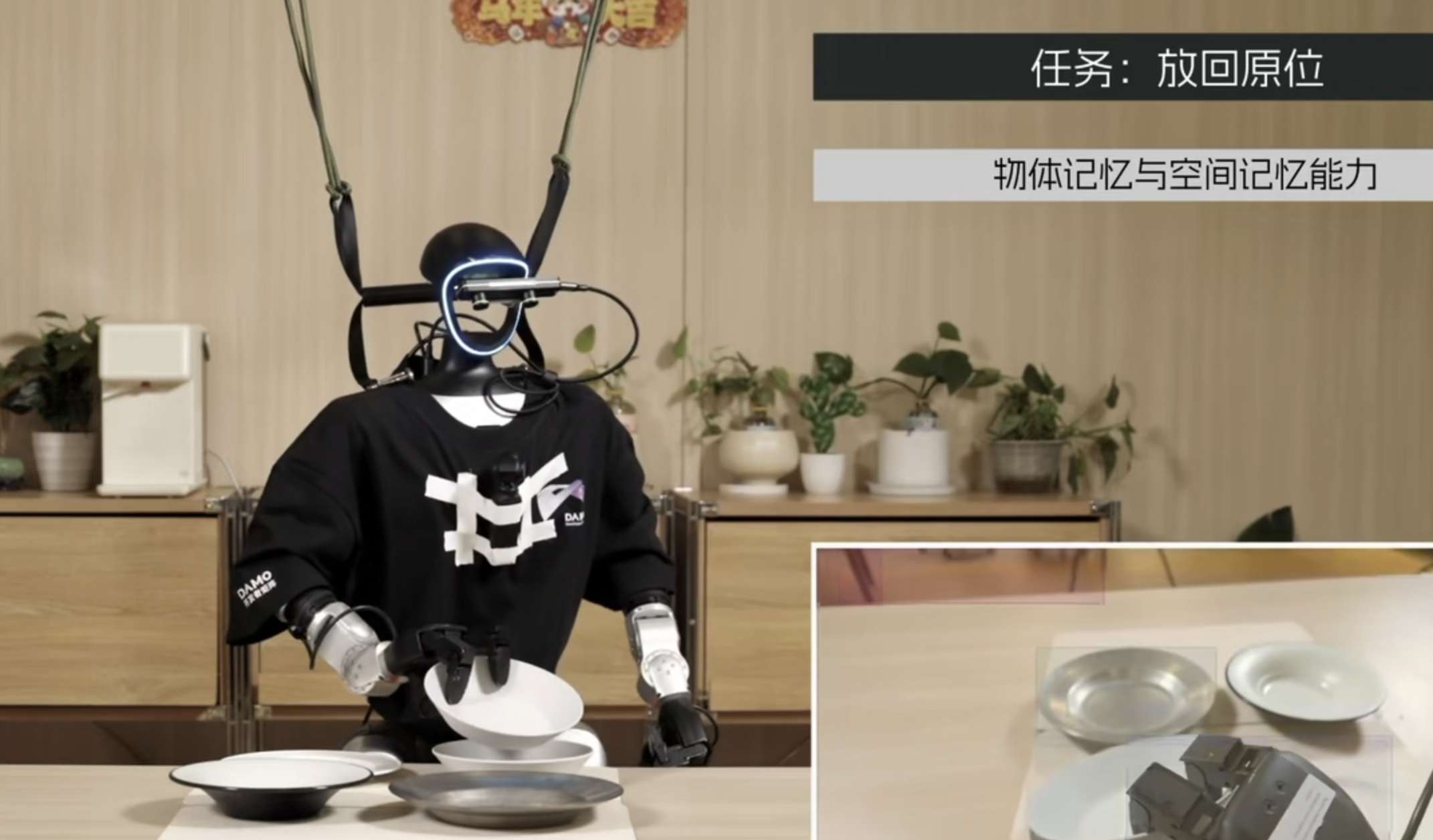
作者 | 黄昱 具身智能领域那堵长期存在的"智力高墙",正在被一点点打破。 2月10日,阿里巴巴达摩院正式发布具身智能大脑基础模型 RynnBrain,并一次性开源了包括业界首个 30B MoE(混合专家模型)架构在内的 7 个全系列模 型。 这一动作具有一定的里程碑意义。据介绍,RynnBrain首次让机器人拥有了时空记忆和空间推理能力,同时在16项具身开源评测榜单上刷新纪录(SOTA), 超越谷歌Gemini Robotics ER 1.5等行业顶尖模型。 这意味着,具身智能长期面临的"时空遗忘"与"物理幻觉"枷锁正被努力解开,机器人大脑有望从简单的指令接收器进化为具备深度环境理解能力的智能实 体。 长期以来,具身模型的智能水平已成为制约机器人走向通用化的重要瓶颈,尤其是泛化能力的短板极大地限制了其在复杂物理场景中的应用。 为了突破这一瓶颈,业界形成了多条技术探索路线。 据华尔街见闻了解,一类是侧重于动作输出的 VLA 模型,虽然能直接操作物理世界,但由于高质量机器数据稀缺,极难实现跨场景的泛化;另一类则是引 入具备泛化潜力的 VLM 等大脑模型,但这类模型普遍缺乏记忆能力,动态认知受限,且普遍存在物理幻 ...


豆包官宣“参战”!互联网大厂狂砸超45亿元,AI“红包大战”白热化!
证券时报· 2026-02-10 08:07
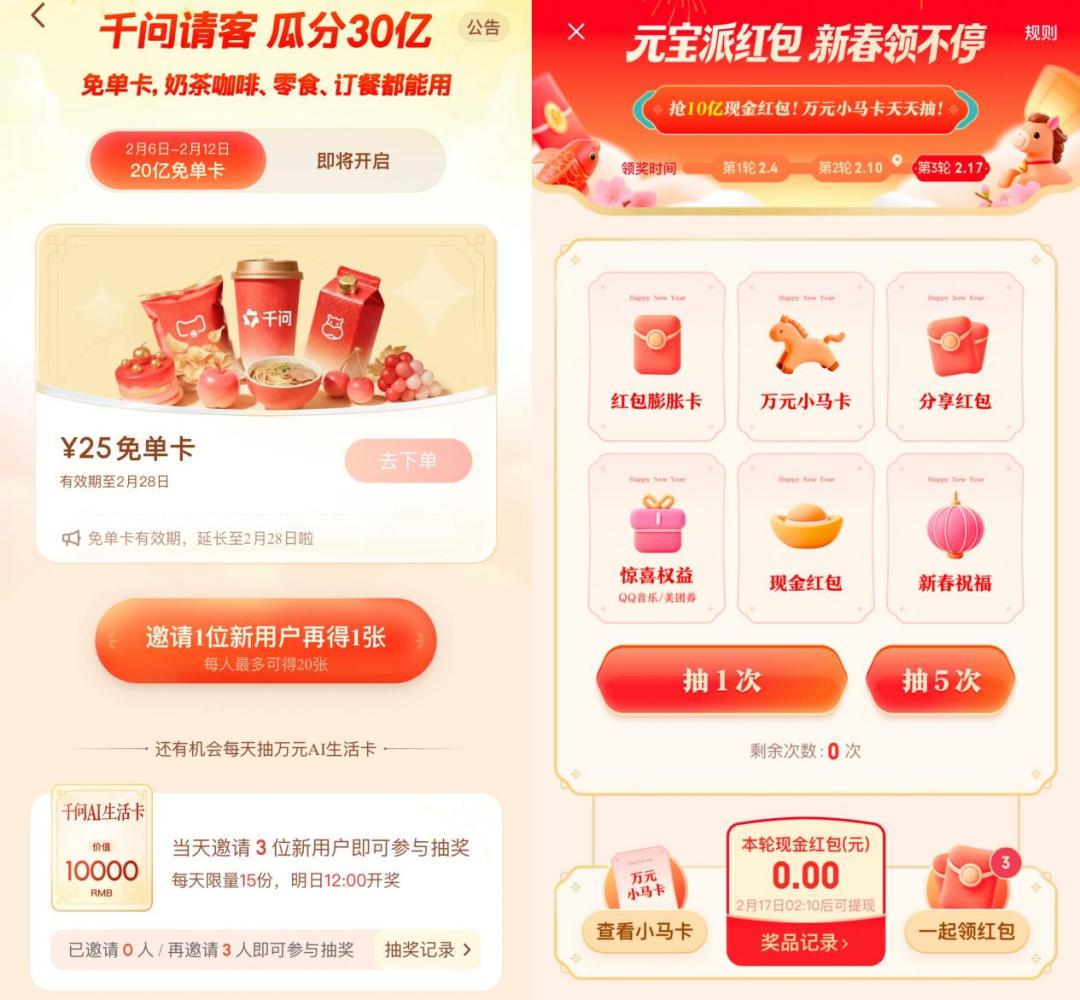
AI"红包大战"已白热化! AI应用已占领苹果应用商店前三 2月10日,字节跳动旗下的AI应用豆包官宣"要上春晚了",并称将通过春晚,为全国观众送出超过10万份科技好 礼,以及最高8888元新春现金红包。 除豆包外,在同一天,腾讯旗下的AI应用元宝则宣布,春节红包活动玩法升级,元宝派掉落红包玩法正式上 线,聊天就能领红包。春节期间,用户创建元宝派、在派内聊天、@元宝互动、派内发起一起听一起看活动, 都有机会触发拼手气红包,派内全员都能领,并可快速到账微信钱包。同时,2月10日至2月16日期间,在微信 对话框输入特定关键词,也可以触发元宝定制红包雨,有机会抽中现金红包。 2月10日,字节跳动官宣"参战"。当天,字节跳动旗下AI应用豆包宣布,"豆包过年"新春活动正式开启。活动期 间,豆包将向用户发放新春红包;在除夕夜中央广播电视总台2026年春晚直播过程中,还将面向全国观众送出 超过10万份接入豆包大模型的科技好礼及现金红包。 此前,百度旗下的文心一言、腾讯旗下的元宝和阿里巴巴旗下的千问均宣布了新春红包活动。据了解,今年的 AI"红包大战"分外激烈,目前各家大厂已公布的红包金额已超过45亿元(元宝10亿元、千问3 ...



测评超谷歌英伟达!阿里发布RynnBrain机器人大模型:让机器人具备“思考大脑”
Hua Er Jie Jian Wen· 2026-02-10 07:48
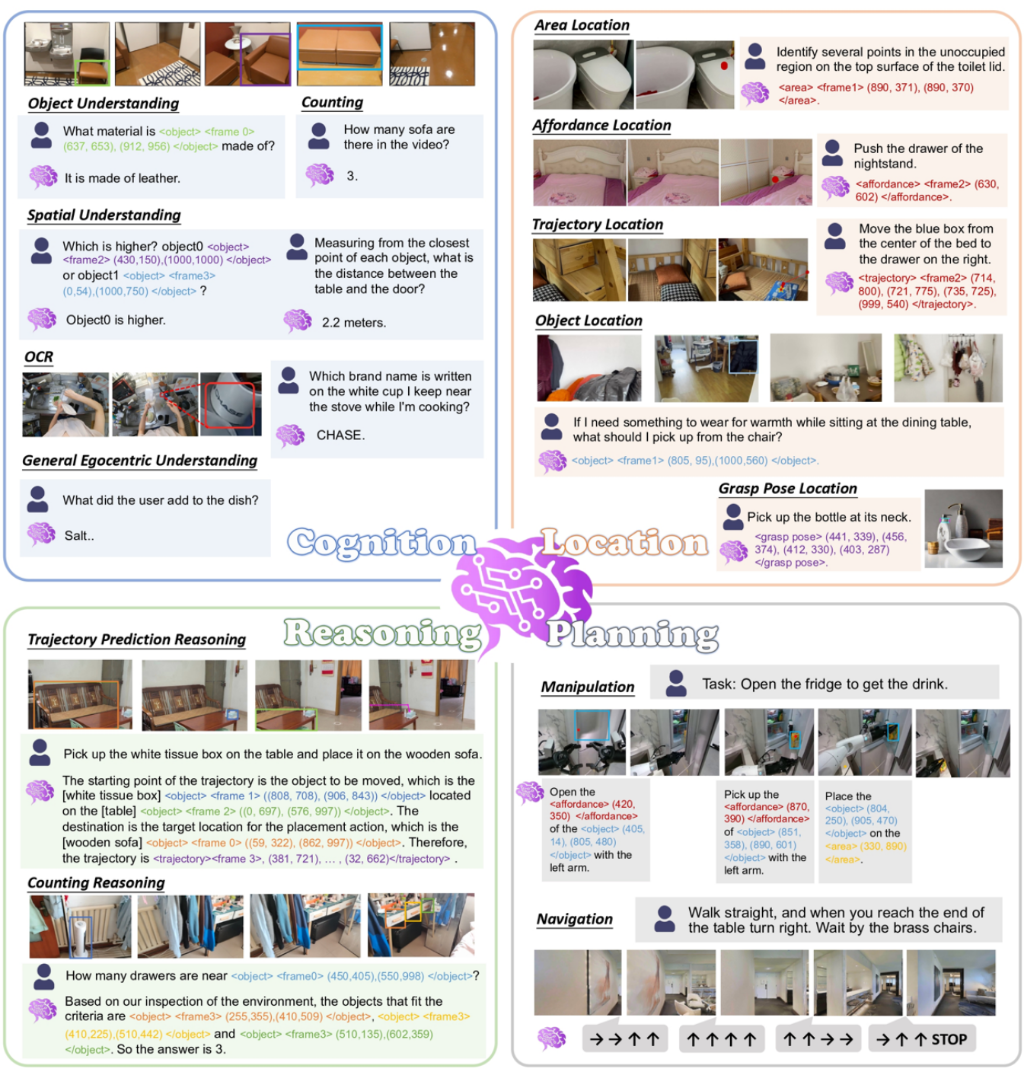
Core Insights - Alibaba has officially launched the RynnBrain AI foundational model aimed at enhancing robots' perception, decision-making, and execution capabilities for autonomous task completion in real-world scenarios [1][3] - The RynnBrain model, developed by Alibaba's Damo Academy, demonstrates superior performance in various authoritative evaluations, surpassing mainstream models like Google's Gemini Robotics-ER 1.5 and NVIDIA's Cosmos-Reason2 [1][3] Group 1: Technological Advancements - RynnBrain integrates spatiotemporal memory and spatial reasoning capabilities, allowing robots to maintain continuity and consistency in task execution even when interrupted [4] - The model combines environmental cognition, precise localization, logical reasoning, and task planning, showcasing strong scalability for developers to efficiently train specialized models for various applications with minimal data [5] Group 2: Open Source Strategy - Damo Academy has open-sourced all seven models in the RynnBrain series, ranging from a 2 billion parameter version to a 30B mixture of experts (MoE) architecture, available on platforms like Hugging Face and GitHub [6] - The introduction of the RynnBrain-Bench evaluation benchmark aims to standardize assessment criteria for spatiotemporal tasks, addressing a gap in the current industry evaluation landscape [6] Group 3: Industry Implications - The release of RynnBrain reflects Alibaba's ongoing investment in core AI technologies and its commitment to driving standardization and practical application in the industry [3][6] - Robotics technology is recognized as a key area for industrial upgrade, with policies emphasizing the development of intelligent robots, including humanoid robots, to innovate operational models in manufacturing and service sectors [6][7]

“准多齐美真”,阿里发布图像模型Qwen-Image-2.0
Xin Jing Bao· 2026-02-10 07:16
Core Insights - Alibaba has officially launched its next-generation image generation and editing model, Qwen-Image-2.0, which is described as having capabilities that are "accurate, versatile, aesthetically pleasing, authentic, and well-structured" [1][3] - The model supports up to 1K tokens for text output and demonstrates advantages in rendering Chinese characters, as evidenced by a demonstration of generating an image based on the ancient text "Lantingji Xu" [1] - In the AI Arena evaluation, Qwen-Image-2.0 scored 1029 points, surpassing models like Seedream 4.5 and Flux 2-Max, and is only behind Google's Nano Banana Pro and GPT Image 1.5 [3] - Concurrently, ByteDance's image generation model Seedream has been upgraded to version 5.0, indicating an impending direct competition between Alibaba and ByteDance in the image generation space [3]

淘宝Vision“未来试衣间”亮相米兰冬奥会
Xin Lang Cai Jing· 2026-02-10 07:01
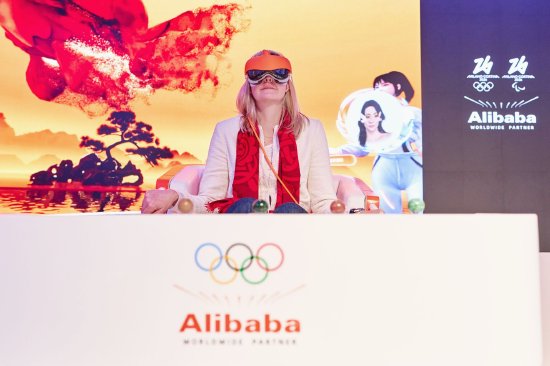
Core Insights - The Milan-Cortina Winter Olympics officially opened on February 6, showcasing Alibaba's innovative "Alibaba Wonder on Ice" experience, which integrates AI digital shopping [1][4] Group 1: Alibaba's Technological Innovations - Taobao Vision has created a futuristic shopping space that combines AI, 3D, and XR technologies, allowing visitors to create personalized digital avatars with the help of AI assistants [3][6] - The immersive experience enables users to select clothing, makeup, and fragrances, participating in a unique virtual snowball event [3][6] - The experience is built on Alibaba's cloud and AI technology, utilizing self-developed 3D Gaussian digital human technology for real-time rendering and spatial interaction [3][6] Group 2: Experience Venue Details - The "Alibaba Wonder on Ice" venue is located in front of the Sforza Castle in Milan, featuring an 8.8-meter diameter transparent crystal ball and a 30-meter long ice crystal dome [3][6] - The crystal ball serves as an interactive space during the day and transforms into a projection surface for AI-generated visual content at night [3][6] Group 3: Strategic Partnerships and Future Outlook - The International Olympic Committee (IOC) values Alibaba as a crucial partner, emphasizing the role of AI technology in shaping the future of the Olympics [4][7] - Alibaba is the first Chinese e-commerce application to launch on Apple Vision Pro, enhancing the shopping experience through 3D immersive space [3][6]
港股策略观点更新:恒生科技:战略配置区间已至,逆势布局正当时-20260210
EBSCN· 2026-02-10 06:59
Group 1 - The current Hong Kong stock market is in a phase of oscillation and correction, with the Hang Seng Technology Index dropping from a peak of around 6000 points in mid-January to 5346.2 points by February 6, marking a weekly decline of 6.51%, the largest in recent weeks [1] - The adjustment within the sector shows significant differentiation, with semiconductor and internet leaders experiencing larger declines, while new energy vehicles and home appliances showed relative resilience, indicating that funds are concentrating on quality core assets rather than exiting the market entirely [1][2] - The report emphasizes that the current market conditions represent a "golden layout window" for investors, characterized by oversold valuations, counter-cyclical capital inflows, and improving fundamentals [1][10] Group 2 - Southbound capital has shown a "buy the dip" behavior, with a net inflow of 560.7 billion HKD in the week of February 6, the highest weekly net inflow in three months, indicating strong confidence from domestic investors in the Hong Kong technology sector [2] - The concentration of capital flows has increased, with technology ETFs becoming key tools for domestic investors, reflecting a shift from traditional high-dividend sectors to technology growth sectors [2][3] - The report notes that the Hang Seng Technology Index's PE (TTM) is at 22.1 times, significantly below its historical average of 32.1 times and the global comparable technology indices, highlighting a valuation discount of over 35% [4] Group 3 - The report identifies four solid support dimensions for the Hang Seng Technology Index: technical, valuation, capital, and fundamental aspects, which collectively create a "margin of safety" for the sector [3] - The technical indicators show that the index is severely oversold, with a strong support level around 5400 points, which has not been effectively breached despite recent declines [3][4] - The fundamental outlook is bolstered by the sector's deep integration with the AI wave, with over 70% of the index's components related to AI, indicating strong growth potential as the industry transitions from R&D to commercialization [6][7] Group 4 - The report attributes the recent decline in the Hang Seng Technology Index to short-term emotional disturbances rather than a reversal of fundamental trends, driven by external tightening expectations, internal profit-taking, and unfounded rumors [7][8] - It emphasizes that the current market downturn is a valuable opportunity for investors to acquire quality assets, as the emotional "panic low" often represents a "golden buying point" [9][10] - The report suggests a strategy of "buying in batches and holding long-term," focusing on core stocks that are rapidly commercializing AI applications and have stable cash flows [9][10]



快手也来「凑热闹」,春晚红包到底有什么「魔力」?
3 6 Ke· 2026-02-10 06:50
Core Insights - Kuaishou has officially announced a partnership with CCTV's Spring Festival Gala, utilizing live streaming, on-demand, and short video formats to present the 2026 gala content, with users able to receive cash red envelopes through interaction [1] - The competition for user engagement during the Spring Festival has shifted significantly, with major companies like Tencent, Baidu, and Alibaba investing a total of at least 4.5 billion yuan in cash red envelopes for AI product user acquisition [2][4] - This year's marketing strategy marks a fundamental shift in focus from mobile payment and short video traffic to positioning in the AI era, indicating a new competitive landscape [4] Group 1: Red Envelope War Evolution - The red envelope tradition has evolved through four distinct phases over the past decade, starting with the "payment entry competition" phase from 2015 to 2018, where Tencent and Alipay battled for dominance [5][6] - The second phase from 2019 to 2023 focused on "traffic ecosystem expansion," with companies like Baidu, Kuaishou, and Douyin increasing red envelope amounts to drive user engagement and ecosystem growth [6] - The current phase from 2023 to 2026 is characterized by a decline in red envelope activities, with companies now prioritizing more direct marketing strategies and user conversion [6] Group 2: AI Integration and Strategic Positioning - The 2026 red envelope activities are deeply integrated with AI products, requiring users to interact with AI assistants to earn rewards, marking the beginning of the "AI entry positioning phase" [6][10] - Major companies are investing heavily in AI to secure a foothold in the rapidly growing AI consumer market, projected to reach $1.3 trillion by 2030, with an annual growth rate exceeding 35% [12] - The Spring Festival serves as a critical opportunity for companies to establish user habits and expand their user base, as it is the only time of year that can achieve nationwide reach [15] Group 3: Challenges and User Retention - Despite the significant investments, companies face challenges related to user retention, as past experiences show that cash incentives often lead to low long-term engagement [21][23] - The quality of user interaction data is also a concern, as simplified motivations for engagement can lead to poor data quality, which negatively impacts AI model performance [23][24] - Ultimately, the success of AI assistants will depend on their inherent value and ability to solve real user problems, rather than solely on financial incentives [24]
阿里千问推出新一代图像生成基础模型Qwen-Image-2.0
Di Yi Cai Jing· 2026-02-10 06:39
Core Viewpoint - Alibaba's Qwen has launched a new generation image generation foundational model, Qwen-Image-2.0, which is now available for API testing on Alibaba Cloud's Bailian platform and can be experienced for free through Qwen Chat [1] Group 1 - The new model, Qwen-Image-2.0, represents an advancement in image generation technology [1] - Developers can access the model via API for testing purposes [1] - Users can experience the new model for free through the Qwen Chat platform [1]
淘宝闪购:三四线城市年货订单增幅超580%
Xin Lang Cai Jing· 2026-02-10 06:33
责任编辑:杨赐 新浪科技讯 2月10日下午消息,临近小年,即时零售平台年货旺销,今日新浪科技获悉,淘宝闪购年货 销量同比增长超347%,三四线城市年货订单同比增长超580%,其中大庆、咸阳、宜昌、潍坊、湛江等 城市订单同比增长超一二线主流城市。返乡潮下,下沉市场逐渐成为当下年货节的消费主场。 新浪科技讯 2月10日下午消息,临近小年,即时零售平台年货旺销,今日新浪科技获悉,淘宝闪购年货 销量同比增长超347%,三四线城市年货订单同比增长超580%,其中大庆、咸阳、宜昌、潍坊、湛江等 城市订单同比增长超一二线主流城市。返乡潮下,下沉市场逐渐成为当下年货节的消费主场。 此外,今年春节,淘宝闪购携手全国零售商超及品质仓门店全程"不打烊",营业商户数同比增长 32.9%,年货节商品总量较去年显著提升,乡县地区30分钟送达已成常态,全国重点城市连锁商超及淘 宝便利店等合作门店,春节期间线上门店营业率超过九成。 此外,今年春节,淘宝闪购携手全国零售商超及品质仓门店全程"不打烊",营业商户数同比增长 32.9%,年货节商品总量较去年显著提升,乡县地区30分钟送达已成常态,全国重点城市连锁商超及淘 宝便利店等合作门店,春节期 ...
速卖通转型,蒋凡添了一把火?
Sou Hu Cai Jing· 2026-02-10 05:47
Core Viewpoint - Alibaba has restructured its business into four main categories, indicating a strategic shift towards focusing on its core strengths in Chinese e-commerce and cloud intelligence, while the international digital commerce segment appears to be less prioritized [2][3]. Group 1: Business Structure and Strategy - Alibaba has officially divided its operations into four major business segments: Alibaba China E-commerce Group, Alibaba International Digital Commerce Group, Cloud Intelligence Group, and Other Businesses [2]. - The strategic focus is primarily on Alibaba China E-commerce Group, which is positioned to capitalize on consumer trends and instant retail, while the Cloud Intelligence Group is leveraging AI advancements [3]. Group 2: International Digital Commerce - The Alibaba International Digital Commerce Group, while showing some growth through platforms like AliExpress, is overshadowed by the more aggressive strategies of Alibaba's other segments [3]. - AliExpress has recently reported rapid growth, ranking among the top 10 in terms of comprehensive platform growth in developed markets like the US and UK, but this success is seen as secondary to Alibaba's main strategic focus [3]. Group 3: Competition and Market Dynamics - Alibaba is pursuing two distinct consumer-facing international strategies: the well-known AliExpress and the emerging Taobao overseas business, which has recently gained traction [5]. - The Taobao overseas strategy has been upgraded to the "Taobao Tmall Overseas Growth Plan," which includes subsidies for overseas shipping, aiming to enhance its competitive edge [5]. Group 4: Internal Dynamics and Leadership - The return of Jiang Fan to Alibaba has led to increased support for the Taobao overseas business, raising questions about the future of the AliExpress platform and its competitive positioning [10][11]. - Jiang Fan's dissatisfaction with the performance of the international digital commerce segment may be driving the push for Taobao's overseas expansion, as he seeks to demonstrate results following his return to leadership [10][11]. Group 5: Future Outlook and Challenges - The performance of the international digital commerce segment has seen a decline in revenue growth rates, dropping from 45% in Q1 2024 to 22% in Q1 2025, indicating potential challenges ahead [11]. - The competition between Taobao overseas and AliExpress is expected to intensify, with both platforms vying for market share in the international e-commerce landscape [6][9].