
FOTON(600166)

Search documents
主机厂品牌反超第三方!电机榜:汇川第一还能守多久?
Xin Lang Cai Jing· 2026-01-04 01:29
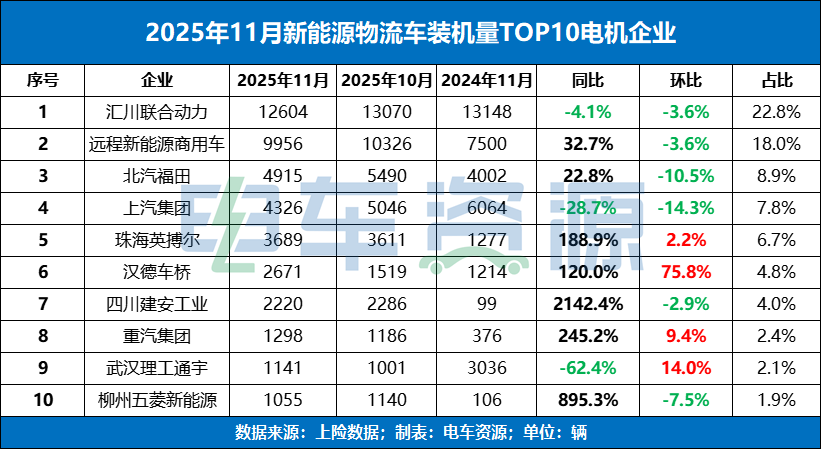
Core Insights - The electric motor market for new energy logistics vehicles is undergoing a significant transformation, with the market share of OEM (Original Equipment Manufacturer) brands surpassing that of third-party brands for the first time [1][10] Group 1: Market Dynamics - From January to November 2025, the market structure has shifted, with OEM brands capturing 40.2% of the market share, while third-party brands dropped to 39.5% [4][12] - The top three companies in terms of installed electric motors in November 2025 are Huichuan United Power, Remote New Energy Commercial Vehicles, and Beiqi Foton, with respective shares of 22.8%, 18.0%, and 8.9% [2][11] - The overall installed capacity in November 2025 saw a decline compared to previous months, indicating volatility influenced by vehicle sales [1][10] Group 2: Company Performance - Huichuan United Power remains the leader in installed capacity with 123,017 units, despite a year-on-year decline of 7.7% [3][13] - Remote New Energy Commercial Vehicles and Beiqi Foton have shown impressive growth rates of 66.3% and 125.8% respectively, highlighting the strong performance of OEM brands [3][12] - Third-party brands like Wuhan University of Technology have experienced a significant decline, with a year-on-year drop of 46.8% [3][12] Group 3: Competitive Advantages - The growth of OEM brands is attributed to their ability to adapt technology to meet the increasing demands for long-range and heavy-load capabilities in the logistics sector [8][17] - OEMs benefit from vertical integration of the supply chain, allowing for collaborative development of the electric motor, battery, and control systems, which enhances performance and reduces costs [9][18] - Policy support and market positioning have enabled OEMs to quickly launch models equipped with self-developed motors, giving them a competitive edge over third-party brands [9][18] Group 4: Future Outlook - The market concentration in the electric motor sector is expected to increase, with OEM brands likely to maintain and expand their lead [10][18] - Third-party brands need to focus on technological innovation and deepen collaboration with OEMs to carve out competitive advantages in niche areas [10][18]





瞄准5万亿美元市场:跨界布局机器人,时代的新共识
3 6 Ke· 2026-01-04 00:26
Core Insights - The Chinese robotics industry is poised for significant growth by the end of 2025, with humanoid robots transitioning from experimental concepts to practical applications, achieving over 50% growth and indicating a trillion-yuan industry on the horizon [1] - The entry of major players from various sectors such as automotive, electronics, and the internet into the robotics field marks a shift from niche exploration to widespread competition, creating a unique trend of "cross-industry integration" [1] Group 1: Market Dynamics - In the first eight months of 2025, the primary market financing in the robotics sector reached 38.624 billion yuan, 1.8 times the total for 2024, highlighting the blue ocean effect attracting significant investment [2] - The global industrial robot sales are projected to reach 542,000 units in 2024, with China accounting for 295,000 units, representing 54% of the global market [2] - By 2025, the Chinese robotics market is expected to exceed 150 billion yuan, capturing 35% of the global market share, with predictions suggesting the market for embodied intelligence could reach 400 billion yuan by 2030 and over a trillion yuan by 2035 [2] Group 2: Industry Trends - At least 20 automotive companies have entered the humanoid robot market by the end of 2025, with notable developments including Chery's humanoid robot Mocha and BYD's production line for core robot components [3] - The automotive industry's supply chain overlaps significantly with robotics, with a 60% compatibility rate, driving car manufacturers to invest in robotics as they view vehicles as "mobile intelligent robots" [3] - Home appliance manufacturers are transitioning from traditional manufacturing to smart ecosystems, with companies like Midea establishing dedicated innovation centers for humanoid robots and developing comprehensive R&D systems [7] Group 3: Strategic Shifts - The automotive sector is seen as a key player in the transition to robotics, with companies like Geely planning to invest 5 billion yuan over three years to develop critical components and establish an ecosystem covering all robotics applications [6] - Internet giants are leveraging their technological and capital advantages to enter the robotics space, with ByteDance and Huawei making significant investments in developing advanced robotic models and systems [8] - The competition in the robotics sector is viewed as a strategic restructuring driven by technological advancements, with companies aiming to activate existing technological capabilities and build new ecosystems [9] Group 4: Challenges Ahead - Despite the enthusiasm for entering the robotics market, cross-industry players face challenges such as adapting core competencies to the robotics field, where technology paths are still being defined [10] - The high precision and stability required for industrial applications pose significant challenges for companies transitioning from other sectors, as they may struggle to meet the diverse demands of various operational environments [11] - Cost remains a critical issue, with companies like BYD and GAC aiming to reduce the production cost of humanoid robots to below 200,000 yuan, which requires overcoming substantial supply chain and process optimization challenges [11]




从这里读懂中国车企老大们的心思
汽车商业评论· 2026-01-03 23:04
Core Viewpoint - The Chinese automotive industry in 2025 is characterized by a focus on "progress" rather than just sales figures, emphasizing product quality and brand value enhancement [5][10][13]. Group 1: Sales and Market Position - BAIC Group announced that its self-owned brand sales have returned to over one million units after six years, highlighting a significant increase in the proportion of new energy vehicles [5]. - Changan Automobile reported that its new energy vehicle sales have surpassed one million units for the first time, marking the establishment of its three-brand matrix: Avita, Deep Blue, and Qiyuan, which target different market segments [7]. - Dongfeng Motor also achieved over one million new energy vehicle sales, with its self-owned brand accounting for over 60% of total sales, driven by strategic adjustments [10]. Group 2: Technological Advancements - The industry is focusing on technological breakthroughs, with companies like GAC and Dongfeng establishing solid-state battery pilot lines and achieving significant advancements in key components such as high-efficiency engines and hybrid transmission systems [13][15]. - Companies are enhancing their AI technology capabilities, with Geely and GAC developing comprehensive AI systems to improve vehicle decision-making and environmental understanding [14]. - The progress in autonomous driving is notable, with BAIC and Changan receiving the first L3 autonomous driving licenses in China, indicating a new phase in regulatory acceptance [15]. Group 3: Global Expansion and Collaboration - Chinese automakers are shifting from merely selling cars abroad to establishing roots in foreign markets, exemplified by Geely's technical cooperation with Renault in Brazil [16]. - Companies like CATL are making strides in overseas manufacturing, while Chery is focusing on cultural integration in international markets [17]. - The industry is moving towards collaborative efforts, with BAIC easing financial pressures on suppliers and GAC partnering with major tech firms to build a smart electric vehicle ecosystem [17][18]. Group 4: Internal Reforms and Strategic Focus - Automakers are undergoing significant internal reforms, transitioning from broad growth strategies to lean operations and collaborative efforts [26][30]. - GAC has relocated its headquarters to its manufacturing base to enhance operational efficiency, while BAIC is implementing top-down management strategies to improve marketing and quality [29][30]. - The focus is on building resilient and efficient systems rather than just increasing sales, with companies emphasizing user-centric approaches in product development [30][35]. Group 5: Future Outlook - The competition in the automotive industry is evolving from individual companies to ecosystems, where collaboration and strategic partnerships will determine success [20][24]. - The industry is at a critical juncture, with companies emphasizing the importance of strategic determination amidst changing external environments and user expectations [22][23]. - The long-term winners will be those who focus on core values and sustainable growth rather than opportunistic trends [24][35].




中国车畅销以色列市场
中国能源报· 2026-01-03 14:13
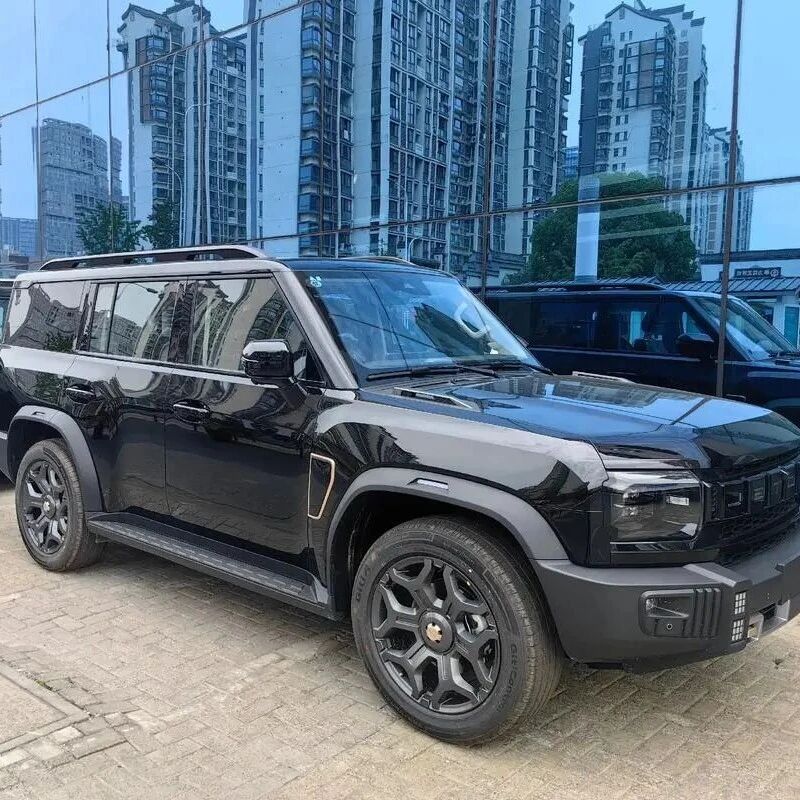
Core Insights - The Chery-produced Jietu 7 has become the best-selling model in Israel for 2025, with approximately 13,000 units sold [1] - The second best-selling model is the Hyundai Kona, with around 12,000 units sold [1] - Chinese automotive brands sold a total of 101,000 units in Israel in 2025, leading the market, while Korean brands sold 52,000 units and Japanese brands sold 41,000 units [1] - In the electric vehicle segment, Chinese brands hold a dominant market share of 79.2%, with total sales of 46,000 units [1]

以色列销量最高车型,来自中国
中国基金报· 2026-01-03 07:31
Group 1 - The core viewpoint of the article highlights that the Chery-produced Jetour 7 is projected to be the best-selling car model in Israel for 2025, with an estimated sales volume of approximately 13,000 units [2] - In 2025, Chinese automotive brands are expected to achieve total sales of 101,000 units in Israel, leading the market, while Korean brands are forecasted to sell 52,000 units, and Japanese brands 41,000 units [2] - In the electric vehicle sector, Chinese brands dominate with a market share of 79.2%, selling a total of 46,000 units throughout the year [2]
以色列销量最高车型,来自中国
Xin Lang Cai Jing· 2026-01-03 05:55
Core Insights - Chinese automaker Chery's model Jetour 7 is projected to be the best-selling vehicle in Israel for 2025, with approximately 13,000 units sold [1] - Chinese brands collectively sold 101,000 vehicles in Israel in 2025, leading the market, while Korean brands sold 52,000 and Japanese brands sold 41,000 [1] - In the electric vehicle segment, Chinese brands hold a dominant market share of 79.2%, with 46,000 units sold [1]
【环球财经】中国插电式车型登顶以色列2025年汽车销量榜
Xin Hua Cai Jing· 2026-01-03 02:47
Core Insights - The Chery-produced plug-in hybrid compact crossover SUV, Jetour 7, is projected to be the best-selling vehicle in Israel for 2025, with total sales of 13,166 units, surpassing all gasoline, hybrid, and electric vehicle models [1] Group 1: Market Performance - Chinese automotive brands dominated the Israeli market in 2025, selling a total of 101,346 vehicles, significantly outpacing Korean brands, which sold 52,468 units, and Japanese brands, which sold 41,120 units [1] - In the pure electric vehicle segment, Chinese brands captured a remarkable 79.2% market share, with total sales of 46,075 units [1] Group 2: Leading Brands - BYD led the sales in the pure electric vehicle category with 8,134 units across 8 models, followed by Chery with 6,620 units and Xpeng with 6,114 units [1] - Other Chinese automotive companies, including Geely, Lynk & Co, Dongfeng, and Deep Blue, also achieved strong sales performance in the Israeli market [1]

福田投产“原生纯电”轻卡,商用车开始抛弃“油改电”路线
Jing Ji Guan Cha Wang· 2026-01-02 14:21
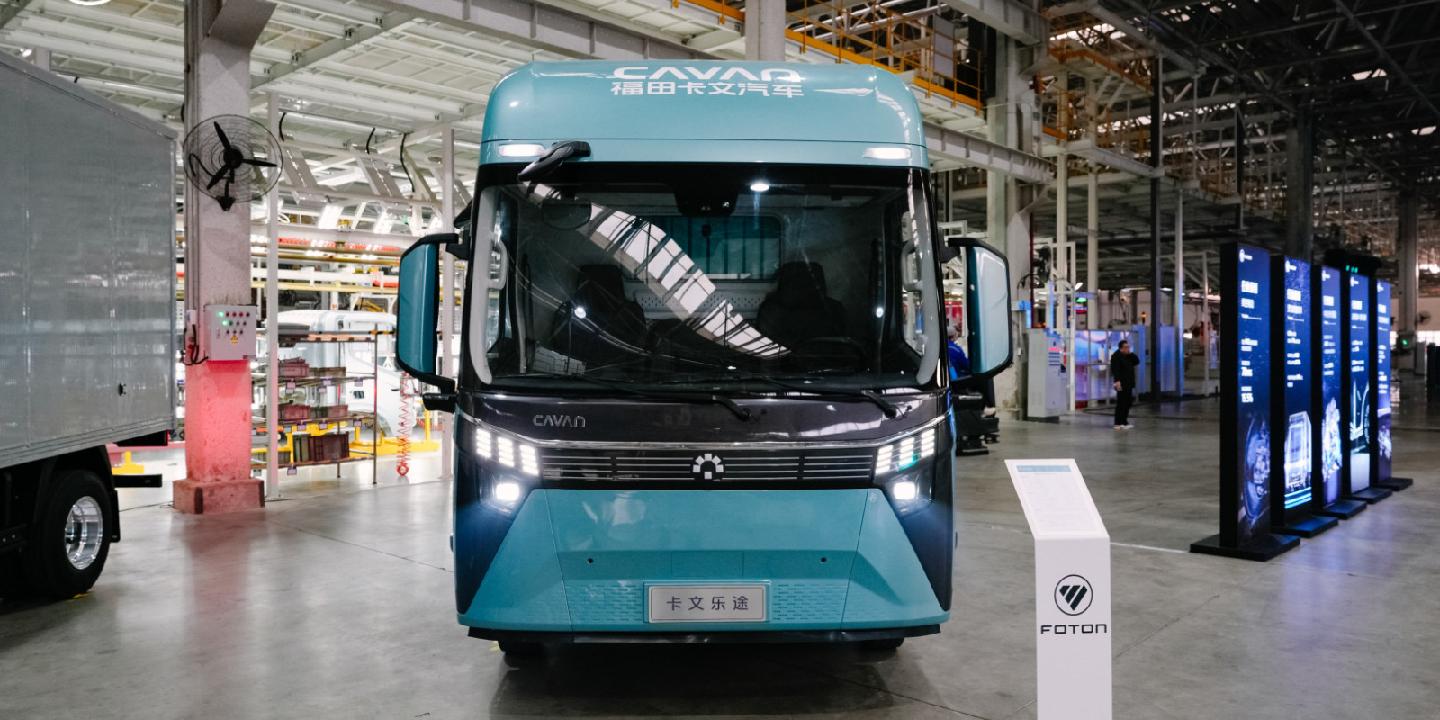
Core Insights - Foton Motor has launched its new product, the "Qimingxing" pure electric light truck, marking a transition from "oil-to-electric" to "native pure electric" vehicles [2] - The Qimingxing product is based on a dedicated platform developed over three years with an investment of 1.7 billion yuan, representing a significant advancement in customer value compared to previous "oil-to-electric" models [2] - The "oil-to-electric" approach has been a strategic compromise in the early stages of industrial electrification, allowing manufacturers to quickly introduce electric products with lower development costs [3] Industry Trends - The domestic sales of new energy commercial vehicles in China reached 750,000 units from January to November 2025, a year-on-year increase of 62.4%, with a market share of approximately 20% [3] - Foton Motor's new energy sales during the same period amounted to 92,000 units, reflecting a year-on-year growth of 89.1% [3] - The limitations of the "oil-to-electric" models hinder their ability to meet the industry's demands for large-scale and high-quality development [3] Product Development - The Qimingxing product utilizes a completely new platform architecture designed from the perspective of vehicle electrification and intelligence, enhancing lightweight data, intelligence levels, and operational efficiency [3] - The design of "oil-to-electric" vehicles often compromises battery placement and vehicle stability, which the new platform aims to address by eliminating unsuitable structures [3] Market Engagement - Foton Motor has signed bulk orders for three major brands, totaling 1,682 vehicles, with significant orders for the Oumake Z, Aoling Jidian, and Kaven Letu products [4] - The Oumake Z product secured 666 units, targeting diverse scenarios including leasing and cold chain logistics [4] - The Aoling Jidian product signed 616 units, focusing on the green logistics market, while the Kaven Letu product secured 400 units from various logistics companies [4]
奇瑞在越南汽车市场发起攻势
日经中文网· 2026-01-02 00:33
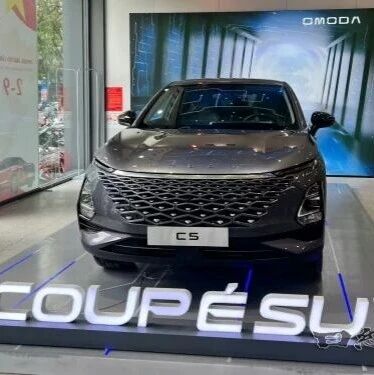
Core Viewpoint - Chery Automobile is entering the Vietnamese market in 2024, opting for a cooperative approach rather than direct competition with local EV leader VinFast, which currently holds about 30% market share [2][9]. Group 1: Investment and Production Plans - Chery plans to establish a factory in Vietnam's Hai Duong Province with a total investment of approximately $800 million, focusing on producing its main brand "Omoda" and other models [4]. - The initial production capacity of the new factory is set to be between 30,000 to 60,000 vehicles per year, with expectations to increase to 200,000 by 2030 [4]. - The factory is strategically located about two hours from Hanoi and near the major export port of Haiphong, allowing for potential exports to Southeast Asia and Europe [6]. Group 2: Sales and Market Strategy - Chery aims to enhance its sales operations in Vietnam, targeting over 10,000 vehicle sales by 2026 and increasing its dealership network from approximately 40 to 75 [6]. - The current offerings include plug-in hybrid vehicles (PHVs) and gasoline cars, with plans to introduce pure electric vehicles (EVs) and hybrid vehicles (HVs) by 2026 [6]. - Chery has a history of exporting vehicles, having sold over 13 million cars in more than 100 countries, but is entering the Vietnamese market later than competitors [8]. Group 3: Competitive Landscape - The Vietnamese new car market saw over 500,000 vehicle sales from January to November 2025, with VinFast selling 147,450 EVs, showcasing its strong presence [8]. - Chery is exploring potential collaborations with VinFast, including shared EV charging infrastructure, to attract consumer demand without direct competition [9]. - As Chinese automakers like BYD and Geely also plan to enter the Vietnamese market, the competitive environment is expected to intensify, prompting Japanese automakers to possibly adjust their strategies [9].
网传与追觅达成战略合作,奇瑞汽车否认
Xin Lang Cai Jing· 2026-01-01 11:23
Core Viewpoint - Recent rumors suggested a strategic cooperation agreement between Zhaomi and Chery Automobile regarding the Jetour Traveler model, which Chery has denied, stating that no such agreement exists [1] Group 1: Company Developments - Zhaomi's main partner in the automotive sector is reported to be Chery, with a collaborative model named Jetour Zongheng G700 expected to launch in the first quarter of 2026 [1] - In August 2025, Zhaomi announced its entry into the automotive market, planning to unveil its first ultra-luxury electric vehicle, which aims to compete with the Bugatti Veyron, in 2027 [1]