HAIER SMART HOME(600690)

Search documents
极端高温来袭!这个市场爆了!
格隆汇APP· 2025-07-11 09:35
Core Viewpoint - The air conditioning industry is facing significant challenges despite the current high temperatures, which have led to increased demand and sales. However, the market is also experiencing intense competition and changing consumer behavior, necessitating a shift in strategy for manufacturers [1][28]. Group 1: Market Trends and Sales Growth - In 2023, the global market has experienced unprecedented heat waves, with regions like Northeast China recording temperatures exceeding 35°C, prompting many households to purchase air conditioners for the first time [3][5][6]. - Data from JD Logistics indicates that from June 24 to July 7, 2023, air conditioning orders in Heilongjiang Province surged over 300% compared to the previous year, with a peak increase of 400% on July 4 [7][8]. - The air conditioning market has historically been linked to the real estate sector, but the current high temperatures may provide a new growth avenue as the initial installation market fills the gap left by a sluggish real estate market [9][14]. Group 2: Industry Competition and Challenges - The air conditioning market in China is becoming increasingly saturated, with a reported ownership rate of 145.9 units per hundred households by the end of 2023, significantly higher than other household appliances [29]. - Despite a strong sales performance during promotional events like the 618 shopping festival, there are signs of market fatigue, with sales and average prices declining in the fourth week of the event due to intensified price competition [32][34]. - New entrants in the air conditioning market, such as Xiaomi, have disrupted the traditional dominance of established brands like Gree and Haier, indicating a shift in market dynamics [35][36]. Group 3: Future Directions and Strategies - The air conditioning industry must evolve beyond reliance on weather patterns and government policies, as these factors are becoming less predictable and effective in driving sales [39][40]. - Companies are encouraged to focus on user experience and international expansion as key strategies for sustainable growth, with examples like Haier establishing a significant presence in overseas markets [49][51]. - The global demand for air conditioning is expected to rise, particularly in regions with historically low penetration rates, suggesting that international markets may become crucial battlegrounds for domestic manufacturers [60][62]. Group 4: Climate Impact and Long-term Outlook - The ongoing trend of rising global temperatures is likely to continue, with projections indicating that the coming years will see increasingly hot summers, impacting various industries, including air conditioning [64][66]. - The air conditioning market must adapt to these changes, as relying solely on high temperatures for sales may not be sustainable in the long run [68][69].



东北高温空调制冷差?海尔空调15秒速冷被疯抢
Sou Hu Wang· 2025-07-11 09:30
Group 1 - The core viewpoint of the articles highlights a significant surge in air conditioning demand in Northeast China due to unprecedented high temperatures exceeding 30°C since June, with first-time installations accounting for 70% of the new demand [1] - The local climate and lifestyle in Northeast China contribute to a strong preference for rapid cooling capabilities in air conditioning units, as residents are accustomed to cooler summers and have lower heating needs due to centralized heating systems [1] - Haier air conditioning has been frequently mentioned in discussions on social media, with users praising its quick cooling feature, particularly the "15-second quick cooling" function, which has received positive feedback from customers [1] Group 2 - In July, Haier air conditioning sales in the three northeastern provinces continued to rise significantly, with retail sales in Jilin increasing by 355%, Heilongjiang by 333%, and Liaoning by 518% year-on-year [3] - According to data from Aowei Cloud Network, Haier's cumulative online sales in 2025 have increased by 74.1% as of week 26 [3]

海尔磁气悬浮空调中标北京首个万象城,连下6城
Sou Hu Wang· 2025-07-11 09:30
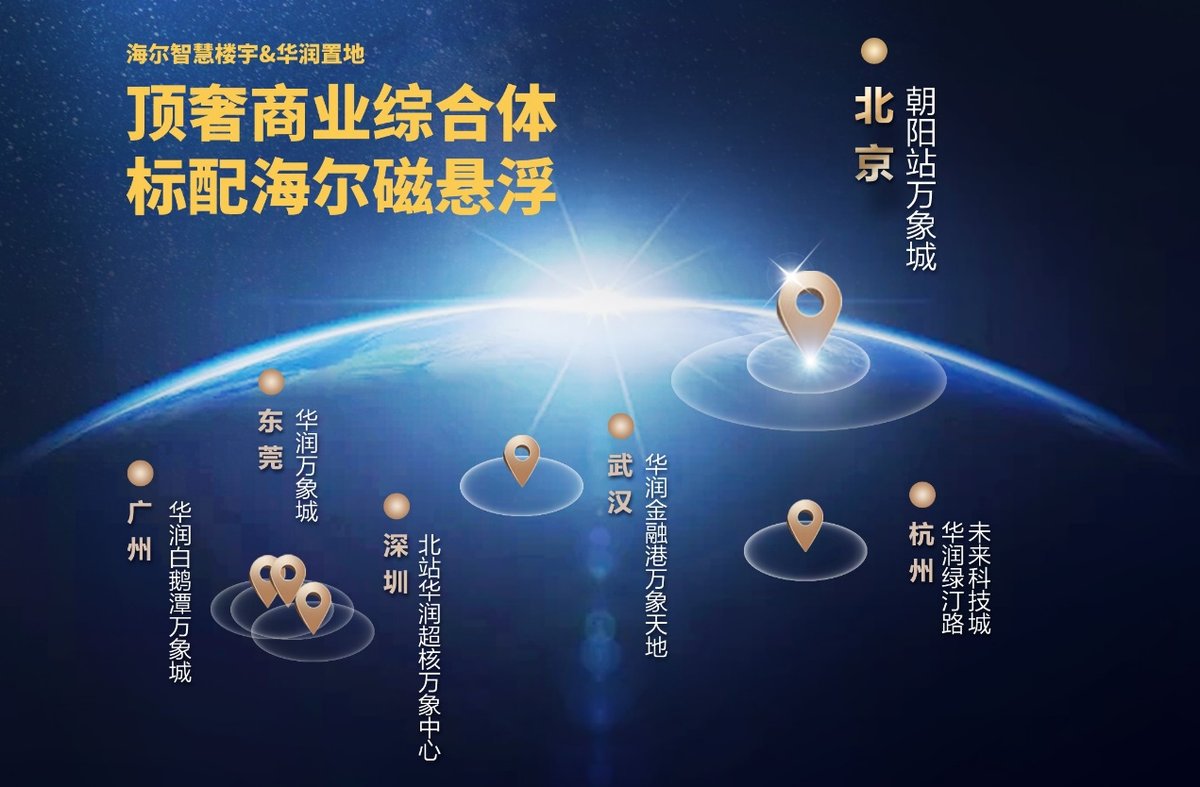
Core Insights - Haier has secured the central air conditioning solution for the first Wanjing City in Beijing, following its success in winning projects in five major cities including Guangzhou and Shenzhen, with an expected operational date in 2027 [1][3] Group 1: Product and Technology Strength - Haier's magnetic levitation air conditioning system is noted for its rigorous energy efficiency, achieving a 50% reduction in energy consumption compared to traditional systems, with features such as zero-friction bearings and AI algorithm management [3][5] - The durability of Haier's systems is highlighted, with a lifespan of 30 years compared to the typical 15 years for standard air conditioning units, and minimal cooling decline of only 2.8% over 19 years in a unit installed in Shenzhen [3][5] Group 2: Market Position and Collaboration - Haier has a long-standing partnership with China Resources Land, spanning 11 years, and has completed over a thousand high-quality projects, reinforcing its market presence [5] - The company holds a dominant position in the Chinese market, capturing nearly 50% of the market share and maintaining the top global market share for seven consecutive years [5] Group 3: Innovation and Future Outlook - Haier continues to innovate with products like air suspension air conditioning and AI multi-connected systems, aligning with future building development trends and market demands [5] - The collaboration with China Resources Land aligns with ESG goals, aiming for 100% of new projects to meet green building standards by 2025, potentially creating a "Haier effect" in the commercial real estate sector [7]
全国高温为什么都在选海尔空调?邳州16所中小学又加购2210 套
Zheng Quan Zhi Xing· 2025-07-11 08:33
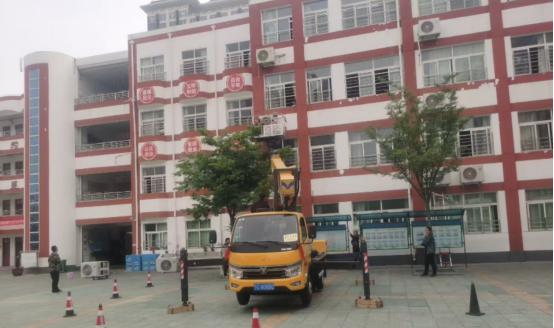
Group 1 - The article highlights the increasing concern over the lack of air conditioning in schools amid rising summer temperatures, with specific reference to the installation of Haier air conditioners in 16 primary and secondary schools in Pizhou City, totaling 2,210 units [1][3] - Pizhou experiences frequent high summer temperatures, often exceeding 38°C, which affects students' concentration and health. The selected Haier 1.5 HP wall-mounted air conditioners can cool classrooms to a comfortable 26°C within approximately 3 minutes [3] - The project includes upgrades to electrical facilities to ensure stable operation of the air conditioning units, with a completion timeline of 45 days, benefiting over 32,000 teachers and students by the new school term in September [3] Group 2 - Haier has become the preferred choice for air conditioning in over half of the schools planning installations nationwide, attributed to its strong cooling performance and good service [3] - In addition to primary and secondary schools, Haier has also secured air conditioning projects at several universities, including Qilu University of Technology and Huazhong University of Science and Technology, capturing over 50% market share in the public bidding for university air conditioning projects, which totaled over 450 million yuan [3] - According to data from Aowei Cloud Network, Haier's cumulative online sales of air conditioners increased by 74.1% year-on-year as of week 26 of 2023 [3]
锚定行业发展方向,2025中国家电健康趋势高峰论坛在京举办
Xin Lang Cai Jing· 2025-07-11 01:49
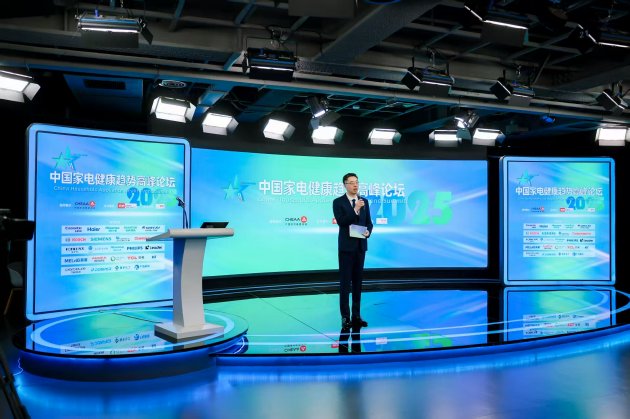
Core Viewpoint - The "2025 China Home Appliance Health Trend Summit" emphasizes the integration of health and innovation in the home appliance industry, aiming to stimulate consumer demand and promote health-oriented consumption trends [1][3][19]. Group 1: Health as a Driving Force - Health is identified as a "renewal engine" for the home appliance market, with new policies encouraging consumers to replace old appliances, making health features a core decision factor [3][6]. - The home appliance industry is aligning with the "Healthy China 2030" initiative, indicating a shift towards health-oriented product development and innovation [3][12]. - The launch of the "Health Home Appliance Shopping Festival" aims to enhance consumer recognition of health-oriented products [10][19]. Group 2: Challenges in Health Technology Innovation - The industry faces challenges such as distinguishing genuine health needs from marketing gimmicks, requiring a focus on practical health benefits rather than mere statistics [6]. - There is a need for interdisciplinary collaboration to overcome barriers in health technology innovation, integrating fields like life sciences and environmental engineering [6]. - The market is shifting from price competition to value competition, emphasizing the importance of health in product offerings [6][31]. Group 3: Market Trends and Consumer Behavior - The demand for health-oriented appliances is growing, with products like air purifiers and water purifiers becoming essential for consumers [27][28]. - Sales of health-labeled appliances are increasing significantly, with a reported growth trend in categories such as air conditioning and refrigeration [8][19]. - The search volume for health appliances on platforms like JD.com is projected to be 4.9 times higher than the overall product search index from 2022 to 2025, indicating a strong consumer interest [8][19]. Group 4: Innovations and Product Development - Companies are developing innovative products that address health concerns, such as air quality and food safety, with examples including advanced refrigerators and cooking appliances [7][14][15]. - The introduction of new technologies, such as electrochemical hydrogen peroxide production, is enhancing the health functionalities of home appliances [17][20]. - The release of the "2025 China Home Appliance Health Trend White Paper" outlines nine health scenarios and product trends, guiding the industry towards a more health-focused future [19][22]. Group 5: Industry Collaboration and Standards - The industry is encouraged to adopt standards that promote health features in appliances, fostering collaboration across the supply chain [31]. - Companies are urged to focus on long-term strategies that prioritize health innovation as a core asset for brand development [31]. - The recognition of health-oriented products through awards highlights the industry's commitment to advancing health standards in home appliances [22][25].





净水器大战,2025转向“冰块自由”
3 6 Ke· 2025-07-11 01:46
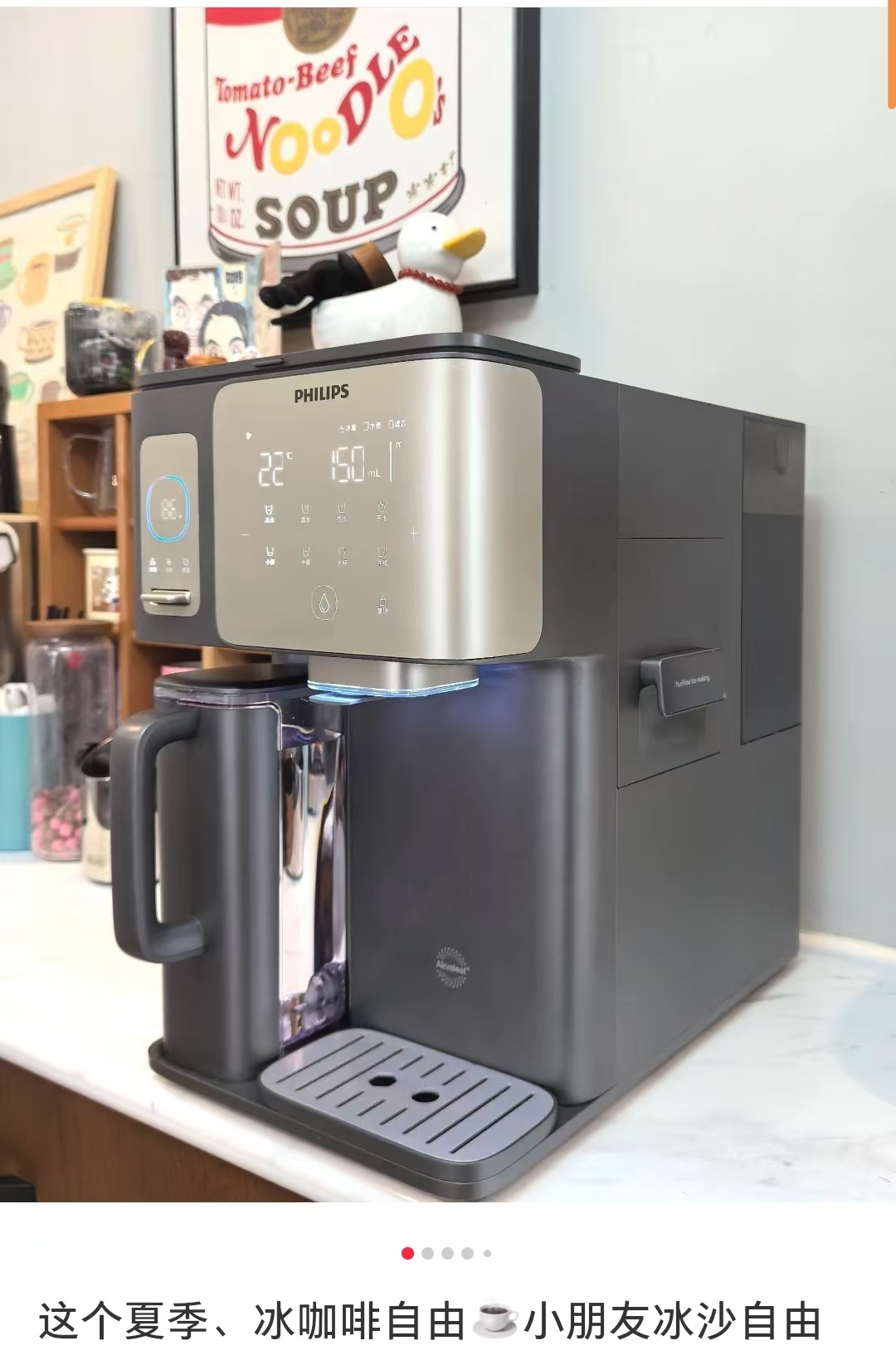
Core Insights - The article highlights the rising trend of ice-making water purifiers in response to consumer demand for convenience and quality during the summer heat, especially with the inclusion of water purifiers in national subsidy policies starting in 2025 [1][5][10] Market Trends - The market for ice-making water purifiers is experiencing significant growth, with online sales of products featuring ice-making capabilities reaching 32.5% for countertop purifiers and 16.1% for built-in models from January to May 2025 [1][5] - During the 618 shopping festival, sales of ice-making water purifiers surged by 260% year-on-year, indicating a strong consumer interest [1] Consumer Behavior - The shift in consumer preferences, particularly among the younger generation, is driving the demand for ice-making water purifiers, as they seek to replicate high-quality beverage experiences at home [2][5] - The rise in orders for iced coffee and cold brew tea by 180% and a 350% increase in searches for homemade drinks reflect changing consumption patterns [5] Competitive Landscape - Major brands such as Philips, Haier, Midea, and Xiaomi are competing in the ice-making water purifier market, focusing on features like ice-making speed, quality, and integration of multiple functions [6][9] - Philips' ice-making purifier can produce ice in 8 minutes, while Haier's model can do it in 7 minutes, showcasing the emphasis on speed as a key purchasing factor [6][7] Product Innovation - The quality of ice produced is becoming a competitive differentiator, with brands implementing advanced technologies to enhance the clarity and melting resistance of ice [7][9] - The integration of multiple functionalities, such as heating and cooling, is transforming ice-making water purifiers into comprehensive beverage solutions [9][10] Industry Dynamics - The growth of the ice-making water purifier market is driven by evolving consumer demands for health, convenience, and quality, moving beyond basic hydration needs [10][12] - Technological advancements in cooling and filtration systems are crucial for improving product efficiency and user experience [12][13] - The competitive landscape is pushing brands to innovate and differentiate their products to capture market share in this emerging segment [12][13]


山东18条措施助力机器人产业“加速跑”
Da Zhong Ri Bao· 2025-07-11 01:07
Core Viewpoint - The Shandong Provincial Government has launched an action plan to accelerate the development of the robotics industry, aiming for the manufacturing scale to exceed 50 billion yuan by 2027 [2][3]. Group 1: Action Plan Overview - The "Shandong Province Robotics Industry High-Quality Development Action Plan (2025-2027)" includes 18 measures to support the robotics industry comprehensively [2][4]. - The plan aims to cultivate more than three leading robotics manufacturing enterprises with an output value exceeding 2 billion yuan each [3]. Group 2: Key Tasks - The action plan outlines five major tasks: promoting key technology innovation, accelerating the cultivation of industry entities, facilitating industrial agglomeration, expanding application scenarios, and enhancing support for essential elements [3][4]. - Specific initiatives include the establishment of innovation centers across four fields: industrial robots, service robots, special robots, and humanoid robots [3]. Group 3: Regional Development Focus - The plan includes tailored development tasks for each city, such as creating a leading testing and verification platform for robots in Jinan and advancing humanoid robot development [4]. - The strategy emphasizes the cultivation of innovative small and medium-sized enterprises and "little giant" companies to strengthen the industry ecosystem [4]. Group 4: Application and Impact - The robotics industry in Shandong is increasingly integrated into various sectors, with notable advancements in efficiency and precision across multiple applications, such as medical robotics and industrial automation [5][6]. - The government is promoting the adoption of innovative robotic products and software to reduce risks for enterprises, with several products already gaining market recognition [5].

高盛:中国耐用消费品_白色家电 2025 年第二季度预览_韧性转向国内市场,龙头表现优异;买入美的
Goldman Sachs· 2025-07-11 01:05
Investment Rating - The report assigns a "Buy" rating to Midea, Gree, Haier, and Hisense, indicating a positive outlook for these companies in the white goods sector [27][28]. Core Insights - The white goods industry is expected to show resilience with a projected revenue growth of +9% and net profit growth of +11% year-over-year for the covered companies in 2Q25, driven by domestic demand and trade-in programs [1][25]. - Midea is highlighted as the leading player in the market, benefiting from a diversified revenue base and strong profitability, while facing manageable competition from smaller players [1][6]. - The report anticipates that domestic demand will become a more significant growth driver, particularly supported by trade-in programs and promotional events like "618" [1][5]. Summary by Sections Domestic Market Dynamics - Domestic demand is expected to accelerate in 2Q25, following a brief slowdown earlier in the year, with trade-in programs resuming and promotional events boosting sales [1][5]. - The National Development and Reform Commission (NDRC) plans to disburse trade-in subsidies starting in July, which is expected to stabilize funding and support growth [1][5]. Competitive Landscape - Increased competition in the online channel is noted, particularly from smaller players like Xiaomi, which may impact revenue growth and margins for these companies [1][4]. - Despite the competition, the report suggests that the risk of a full-blown pricing war is limited, as premium products continue to grow faster than entry-level offerings [1][4]. Company Performance Expectations - Midea, Haier, and Gree are expected to report approximately 10% revenue growth and 10%-12% net profit growth in 2Q25, while Hisense is projected to face more challenges due to a slowdown in its central AC business [4][24]. - The report fine-tunes earnings forecasts for the covered companies, adjusting estimates by -6% to 2% to reflect recent operational data [4][21]. Price Target Revisions - Price targets for the covered companies have been revised down by -11% to 2% to reflect changes in earnings per share (EPS) and target multiples [21][27]. - Midea is expected to maintain its leading position due to its diversified revenue streams and strong market presence, while Gree is anticipated to benefit from strong domestic demand for air conditioning [6][27].
韧性与弹性——家电行业2025年度中期投资策略
2025-07-11 01:05
Summary of Key Points from the Conference Call on the Home Appliance Industry Industry Overview - The home appliance sector is influenced by both U.S. tariff policies and domestic subsidy policies, with a positive impact from the easing of tariffs in May 2025 and a subsequent pullback due to the suspension of subsidies in some regions in June 2025 [1][4] - The sector's various subfields, including white goods, kitchen appliances, black goods, lighting equipment, and components, are generally undervalued, with public fund holdings in the home appliance sector at 6.28%, a slight increase of 0.14 percentage points [1][5][6] Core Insights and Arguments - Domestic demand has been significantly stimulated by subsidy policies, particularly for high-priced small appliances, with notable growth in categories such as photography equipment, which saw a year-on-year increase of 38.8% in April 2025 [1][7] - The two-wheeler market has also benefited from subsidy policies, with over 600,000 new vehicles sold by May 20, 2025, generating sales of 17.8 billion yuan [1][8] - The air conditioning market has experienced a notable decline in average prices, with a controlled year-on-year decrease, indicating rational demand [1][9][10] Subsector Performance - In the first half of 2025, the home appliance sector performed well overall, with positive returns in all subfields except for black goods. The home appliance index rose by 1.2 percentage points, outperforming the CSI 300 index [2] - The air conditioning market is undergoing structural adjustments, with an increase in the proportion of low-priced models and more promotional activities [3][12] - The refrigerator, washing machine, and television markets are trending towards high-end specifications, with increased demand for multi-door refrigerators and large-capacity washing machines [3][14] Export and International Market Dynamics - The U.S. tariffs on Chinese home appliances remain high, with most categories exceeding 40%, leading to a decline in exports to the U.S. [15][21] - The overseas market significantly contributes to China's home appliance exports, with air conditioning exports nearing 60% and refrigerators over 40% [17] - The sales scale in overseas markets is approximately 50% of that in China, with potential for higher domestic growth driven by international demand [18] Future Outlook - The home appliance sector may face risks of a downturn in the second half of 2025, but strong domestic demand supported by subsidies is expected to provide resilience [19][22] - Companies like Gree and Midea are recommended for investment due to their stable dividend yields and potential for recovery in the face of tariff impacts [21][22]
增超800%!东北罕见高温令空调需求爆棚,空调进校园市场潜力大
Di Yi Cai Jing· 2025-07-11 00:32
Core Insights - The unprecedented high temperatures in Northeast China have led to a surge in demand for air conditioning units in schools, prompting several universities to expedite procurement processes [2][4][5] - The air conditioning market in educational institutions is expected to continue growing, driven by climate change and increasing awareness of energy efficiency and smart technology [3][12] Group 1: Market Demand and Trends - The demand for air conditioning in Northeast China has skyrocketed, with sales in Heilongjiang and Jilin provinces showing year-on-year increases of 817.68% and 128.76% respectively during specific weeks [2][5] - Schools across various regions, including Fujian, Sichuan, and Hubei, are actively seeking to procure air conditioning units, indicating a broadening market potential [2][4] - The increase in air conditioning procurement is not limited to universities; it spans across primary and secondary schools, reflecting a significant market opportunity [4][6] Group 2: Procurement and Installation Requirements - Educational institutions are now placing higher demands on air conditioning procurement, including price limits, energy efficiency standards, and smart technology features [8][9] - The procurement process has become more systematic, with schools emphasizing safety, noise control, and after-sales service capabilities [10][12] - There are new requirements for installation, such as pre-existing electrical modifications and the need for corrosion-resistant units in specific environments [9][10] Group 3: Industry Response and Future Outlook - Major air conditioning manufacturers, such as Midea and Haier, have reported significant increases in sales, with Midea's sales in Heilongjiang and Jilin increasing nearly fourfold [5][6] - The educational sector is seen as a crucial growth area for the air conditioning industry, with expectations of continued demand driven by the need for comfortable learning environments [12] - The trend towards energy-efficient and low-carbon solutions is becoming a procurement standard, indicating a shift in market dynamics [8][12]