GAC GROUP(601238)

Search documents
以变革驱动高质量发展 广汽集团多品牌协同筑就新优势
Bei Jing Ri Bao Ke Hu Duan· 2025-11-26 03:45
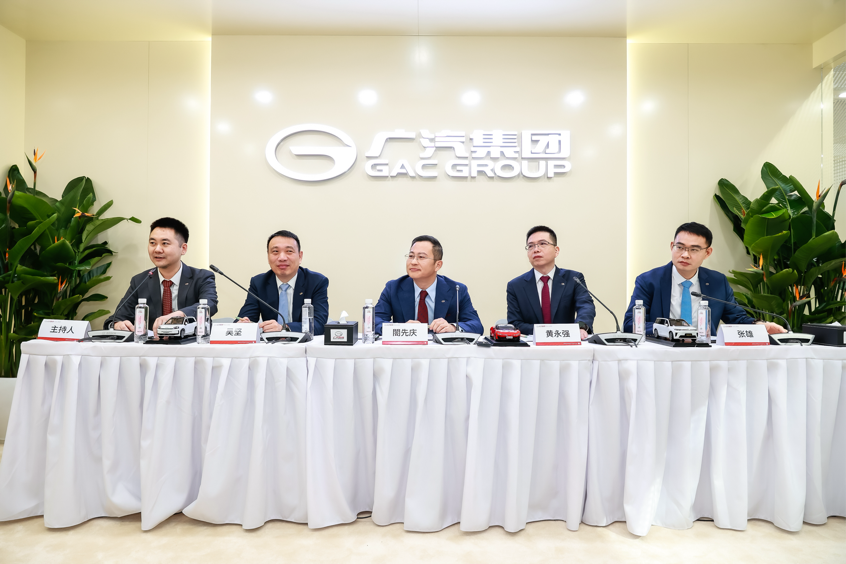
广汽集团产品本部本部长张雄表示,面对市场同质化竞争,广汽通过三大举措构建差异化优势:一是变革产品开发体 系,导入IPD聚焦用户痛点,提前预判未来需求;二是强化各品牌产品特色,要形成差异化,埃安主打高性价比国民 2025年11月21日,广汽集团总经理閤先庆、广汽集团副总经理黄永强、广汽集团执委会委员吴坚、广汽集团产品本部本 部长张雄出席了媒体群访活动,围绕企业转型、品牌合作、技术创新、产品规划及营销变革等热点问题与媒体深度交 流。 广汽集团总经理閤先庆表示,"新广汽"发展核心是实现以"市场+技术"双轮驱动向科技型企业转型,关键在于"四大引 擎"协同发力。新技术是基础支撑,在产品开发上广汽的技术有非常丰厚的底子,同时聚焦新能源与AI智能化两大方 向,持续迭代整车平台集成能力;新产品是给客户价值兑现,需从功能开发转向满足用户情绪价值与场景化需求,打造 兼具品质与体验的竞争力产品;新服务聚焦新能源用户的补能体验,推进"可充可换"补能体系建设,全国布建超21000 根自营充电桩,与宁德时代深化换电合作,同时通过OTA持续升级软件服务,今年已完成45次OTA,优化超300项功 能;新生态则依托与华为、宁德时代、京东等头部 ...


从造车到造“人”,这些车企发出人形机器人量产信号!
Zheng Quan Shi Bao Wang· 2025-11-26 03:10
Core Insights - The automotive industry is increasingly investing in humanoid robots, viewing them as a new growth engine and a strategic positioning battle in the smart industry landscape [1][3][7] - Major automotive companies like GAC Group and Xpeng Motors are showcasing their humanoid robots and have announced production timelines, indicating a shift towards mass production [2][4] - The market for humanoid robots is projected to reach $20 trillion, highlighting the significant potential for growth in this sector [3] Group 1: Industry Trends - Automotive companies are leveraging their expertise in mechanical engineering, power systems, and artificial intelligence to enter the humanoid robot market [1][2] - The integration of humanoid robots into automotive production is seen as a way to enhance efficiency and reduce manufacturing costs [2][4] - The competition in the humanoid robot space is characterized by a long-term race focused on technology, cost, and compliance [1][8] Group 2: Production and Development Strategies - Companies are adopting various strategies to enter the humanoid robot market, including self-research and investment partnerships [4][5] - Self-research allows companies to reuse core technologies, while investment partnerships provide flexibility and reduce risks associated with technology uncertainty [4][5] - The timeline for mass production of humanoid robots is set for 2026, with companies like Tesla and Xpeng leading the charge [7] Group 3: Application Scenarios - Humanoid robots are envisioned for various applications, including industrial manufacturing and customer service roles [6][8] - Current applications are primarily in the testing phase, with significant challenges remaining in achieving the necessary perception, decision-making, and interaction capabilities for home use [6][8] - The industry is still in the exploratory stage, with many companies yet to generate substantial revenue from humanoid robots [7][8]


广汽集团、上海佛吉亚成立汽车科技公司
Qi Cha Cha· 2025-11-26 02:11
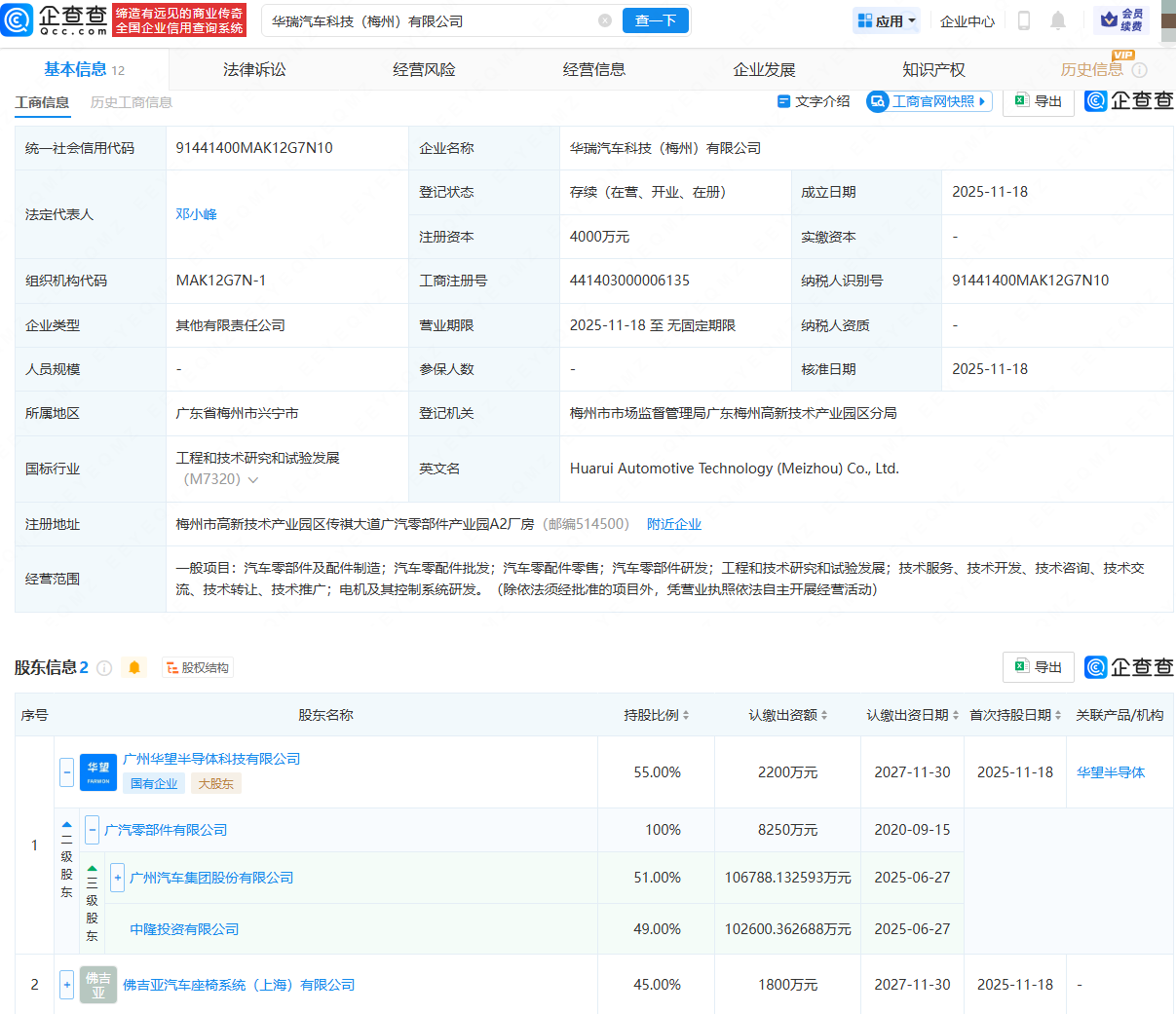
| 序号 | | 股东各称 | 持股比例 ÷ | 认缴出资额 ÷ | 认缴出资日期 = 首次持股日期 # | | | --- | --- | --- | --- | --- | --- | --- | | स्त्र हो | | 广州华望半导体科技有限公司 | 55.00% | | 2027-11-30 | 2025-11-18 | | FARMOS | 国有企业 | 大股东 | | 2200万元 | | | | | | 广汽零部件有限公司 | 100% | 8250万元 | 2020-09-15 | | | রহ | | | | | | | | 服 = | | + 广州汽车集团股份有限公司 | 51.00% | 106788.132593万元 | 2025-06-27 | | | 与 级 | | | | | | | | 时 贺 | | 中隆投资有限公司 | 49.00% | 102600.362688万元 | 2025-06-27 | | | 2 年 | | 佛吉亚汽车座椅系统(上海)有限公司 | 45.00% | 1800万元 | 2027-11-30 | 2025-11-18 | 企查查APP显示,近 ...
广汽集团跌2.11%,成交额4.78亿元,主力资金净流出417.40万元
Xin Lang Zheng Quan· 2025-11-26 02:06
Core Viewpoint - GAC Group's stock has experienced a decline of 10.52% year-to-date, with a recent drop of 2.11% on November 26, 2023, indicating potential challenges in the automotive market [1] Financial Performance - For the period from January to September 2025, GAC Group reported a revenue of 669.29 billion, a year-on-year decrease of 10.45%, and a net profit attributable to shareholders of -43.12 billion, reflecting a significant decline of 3691.33% [2] - Cumulative cash dividends since the A-share listing amount to 256.39 billion, with 39.74 billion distributed over the past three years [3] Stock Market Activity - As of November 26, 2023, GAC Group's stock price was 8.34 yuan per share, with a market capitalization of 850.44 billion [1] - The stock has seen a trading volume of 4.78 billion, with a turnover rate of 0.76% [1] - The major funds showed a net outflow of 417.40 million, with significant buying and selling activity from large orders [1] Shareholder Information - As of September 30, 2025, the number of GAC Group's shareholders was 127,600, a decrease of 6.03% from the previous period [2] - The top ten circulating shareholders include Hong Kong Central Clearing Limited and various ETFs, with notable reductions in their holdings [3]
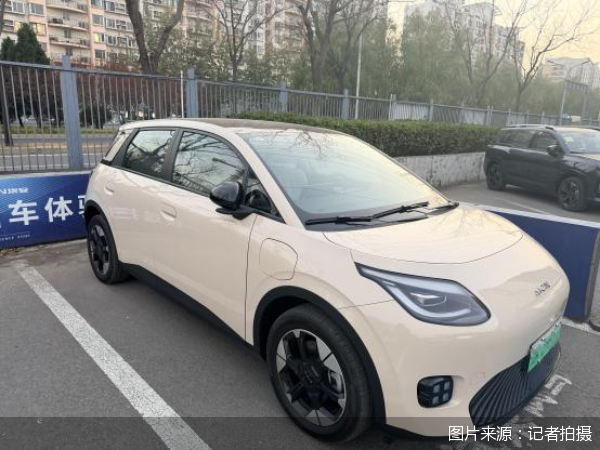
上市16天后 京东“国民好车”开启交付 车主:没想到首辆车能在京东上买 京东:希望更多合作伙伴加入|一探
Di Yi Cai Jing· 2025-11-26 01:56
Core Insights - JD.com, in collaboration with CATL and GAC Group, has launched the "National Good Car" in Beijing, marking a significant step in the automotive market [1] Group 1: Company Collaboration - The delivery center and related processes have been co-built with GAC, ensuring a seamless experience for customers [1] - GAC has provided official authorization, original factory parts, and maintenance support, aligning after-sales service standards with those of the original manufacturer [1] Group 2: Customer Experience - Customers expressed surprise at purchasing their first car through JD.com, highlighting the platform's growing influence in the automotive sector [1] - The collaboration has enabled GAC to pre-produce vehicles and position them at delivery centers, ensuring a smooth pickup process for car owners [1]


从造车到造“人”车企发出人形机器人量产信号
Zheng Quan Shi Bao· 2025-11-25 23:44
Group 1 - The automotive industry is increasingly investing in humanoid robots, viewing them as a new growth engine and a strategic positioning battle in the smart technology sector [1][3][6] - Major companies like Xpeng Motors and GAC Group have announced plans for mass production of humanoid robots, with Xpeng aiming for 2026 and GAC for 2025 [2][3] - Analysts highlight the synergy between automotive technology and humanoid robotics, suggesting that the transition from automotive to robotics can be smoother due to shared technologies [2][4] Group 2 - Companies are adopting different strategies to enter the humanoid robot market, with self-research and investment partnerships being the most common approaches [4][5] - Tesla's Optimus robot utilizes technology from its Full Self-Driving (FSD) system, showcasing the reuse of existing technologies to expedite development [4] - The humanoid robot market is projected to reach a scale of 20 trillion USD, indicating significant future potential [3][6] Group 3 - Despite the promising outlook, many companies have yet to generate substantial revenue from humanoid robots, facing technical and commercialization challenges [6][7] - High costs associated with software training and integration pose a significant barrier to mass production, making it difficult for consumers to accept robots priced similarly to cars [7] - The industry is still in the exploratory phase, with a lack of mature supply chain systems for humanoid robots [6][7]
车企加速布局人形机器人
Zheng Quan Shi Bao Wang· 2025-11-25 23:13
Core Insights - The automotive industry is entering a competition in humanoid robotics, leveraging expertise in mechanical engineering, power systems, and artificial intelligence [1] - Companies like GAC Group and Xpeng Motors showcased new humanoid robots at the 23rd Guangzhou International Auto Show, indicating a growing interest in this sector [1] - The integration of humanoid robots by automotive companies is seen as a strategy to find new growth opportunities and establish a presence in the smart industry [1] - The development of humanoid robots is characterized as a long-term competition focused on technology, cost, and compliance, with significant challenges remaining before widespread application and delivery can be achieved [1]
京东首车遭退定!天窗消失,下定才知“租电限3000公里”
Bei Jing Shang Bao· 2025-11-25 13:43
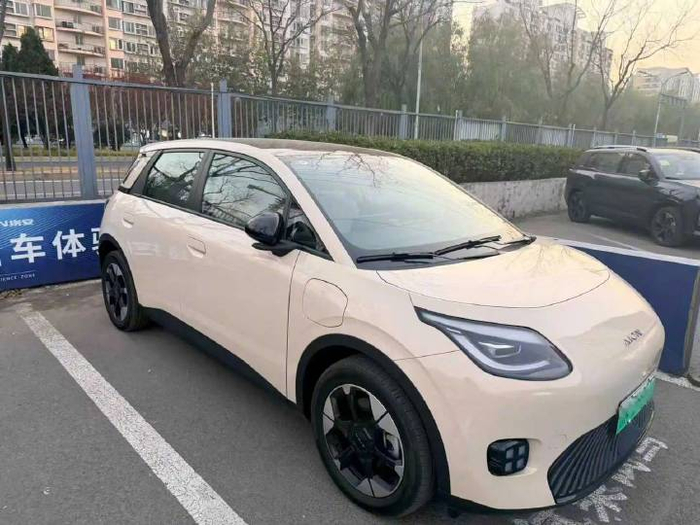
Core Viewpoint - The launch of the Aion UT Super by JD.com has faced significant consumer backlash due to discrepancies between advertised features and actual vehicle specifications, leading to a wave of order cancellations and legal discussions regarding consumer rights [1][3][9]. Group 1: Product Discrepancies - Consumers reported that the Aion UT Super was advertised with a sunroof, which was not present in the actual vehicle, leading to dissatisfaction and requests for refunds [3][5][10]. - JD.com acknowledged that some promotional images were outdated and did not reflect the current model's specifications, resulting in confusion among consumers [5][6]. - The sales staff provided inconsistent information regarding the availability of the sunroof, further complicating consumer trust [5][6]. Group 2: Rental and Mileage Limitations - The rental battery service was marketed at a low monthly fee, but consumers later discovered a mileage cap of 3,000 kilometers per month, which was not disclosed during the initial sales pitch [6][7]. - JD.com stated that the mileage limit was based on average private vehicle usage, aiming to cater to the majority of family users, but this has raised concerns among consumers with higher commuting needs [7][8]. - The inability to issue local invoices for subsidies also contributed to consumer dissatisfaction, as it limited access to regional purchase incentives [8][9]. Group 3: Legal and Trust Issues - The "no refund" policy after placing an order has sparked legal discussions about the adequacy of consumer information disclosure and the potential for misleading practices [9][10]. - Legal experts indicated that if consumers were not adequately informed about critical terms, such as mileage limits and refund policies, it could constitute a violation of consumer rights [9][10]. - The situation highlights the need for companies to prioritize transparent communication and trust-building in their sales processes, especially in the context of online vehicle sales [13].
我为什么退定京东首车:租电用户设限、发票地仅上海广州均未明示
Bei Jing Shang Bao· 2025-11-25 13:31
Core Viewpoint - The launch of the Aion UT Super by JD.com has faced significant consumer backlash due to discrepancies between advertised features and actual vehicle specifications, particularly regarding the absence of a sunroof and undisclosed rental terms for battery usage [1][3][6]. Group 1: Product Features and Consumer Expectations - Consumers reported that the Aion UT Super was advertised with a sunroof, which was not present in the actual vehicle, leading to dissatisfaction and requests for refunds [3][5]. - JD.com acknowledged that some promotional materials were outdated and did not accurately reflect the vehicle's specifications, which contributed to consumer confusion [5][6]. - The Aion UT Super's available configurations were limited to exterior color, interior color, and wheel design, with no options for additional features like a sunroof [5][6]. Group 2: Rental Terms and Consumer Rights - The rental battery service was marketed at a low monthly fee but included a significant limitation of 3000 kilometers per month, which was not disclosed during the initial sales pitch [6][7]. - Consumers expressed concerns about the rental terms, particularly regarding the mileage cap, which they felt was insufficient for their needs [6][7]. - Legal experts highlighted that the enforceability of non-refundable deposit clauses depends on whether consumers were adequately informed about key terms, such as mileage limits and pricing structures [10][11]. Group 3: Legal and Industry Implications - The discrepancies in advertising and actual vehicle features may constitute false advertising, potentially violating consumer protection laws [11][14]. - The shift from traditional dealership sales to online platforms has increased the risk of information asymmetry, leading to consumer dissatisfaction and negative feedback [14]. - Industry experts emphasized the need for transparency and trust in the sales process, suggesting that companies must prioritize consumer value over marketing gimmicks to foster long-term relationships [14].
国泰海通|汽车:广州国际车展召开,机器人成“新主角”
国泰海通证券研究· 2025-11-25 13:04
Core Insights - The 2025 Guangzhou International Auto Show opened on November 21, focusing on the latest achievements in electrification and intelligence, showcasing 1,085 vehicles, of which 629 are new energy vehicles, accounting for 58% of the total [2][4] - The event highlighted the emergence of humanoid robots as a new focal point, with companies like Xpeng, Changan, and GAC demonstrating their latest advancements in embodied intelligence [2][4] Group 1: Electric and Intelligent Vehicles - The auto show featured multiple new energy models, including Xpeng's first super-range model X9, which was launched on November 20, priced between 309,800 and 329,800 yuan, equipped with a 1.5T range extender system and a 63.3 kWh battery, offering a pure electric range of 452 km and a comprehensive range exceeding 1,600 km [3][4] - Leap Motor showcased its ABCD series, with the A10 model making its debut, designed with a focus on "technological natural aesthetics 2.0," featuring a body length exceeding 4,200 mm and a wheelbase over 2,600 mm, with a space utilization rate of 88.1% [3][4] Group 2: Robotics and Future Technologies - Xpeng introduced the humanoid robot IRON, designed with a "skeleton-muscle-skin" structure, featuring an AI chip with a computing power of 2,250 TOPS and a solid-state battery, with plans for mass production by the end of 2026 [2][4] - Changan plans to release its first vehicle-mounted robot by 2026, focusing on four scenarios: factory, store, home, and special applications, while GAC Group unveiled its fourth-generation GoMate Mini humanoid robot, expected to be mass-produced by 2027 [2][4] Group 3: Industry Trends - The concentration of new energy vehicles and cutting-edge technologies like humanoid robots and flying cars at the auto show reflects the ongoing commitment of automakers to electrification and intelligence [4] - As the industry moves towards standardization and high-quality development, the competitive focus is shifting towards product definition, technological self-research, and systematic capabilities [4]