QIANHE(603027)

Search documents
千禾味业(603027) - 千禾味业食品股份有限公司第五届董事会第十次会议决议公告
2026-03-20 09:45
经审议,董事会同意使用额度不超过人民币10亿元的自有资金进行现金管理, 投资范围包括购买中低风险、流动性好的理财产品以及国债逆回购等品种。在上 述额度内,该类资金可以自该事项经公司董事会审议通过之日起12个月内滚动使 用,并授权公司管理层在上述额度范围内具体批准实施。 证券代码:603027 证券简称:千禾味业 公告编号:临 2026-006 千禾味业食品股份有限公司 第五届董事会第十次会议决议公告 本公司董事会及全体董事保证本公告内容不存在任何虚假记载、误导性陈述 或者重大遗漏,并对其内容的真实性、准确性和完整性承担个别及连带责任。 一、董事会会议召开情况 千禾味业食品股份有限公司(以下简称"公司")第五届董事会第十次会议通知 于2026年3月16日以书面、电子邮件、电话形式通知了全体董事,会议于2026年3 月20日在公司会议室以现场结合通讯方式召开。本次会议应参加表决董事9名,实 际参加表决董事9名。会议由公司董事长伍超群先生主持,公司高级管理人员列席 了本次会议。本次会议的召集和召开符合《公司法》等有关法律、行政法规、部 门规章、规范性文件和《公司章程》的相关规定,会议形成的决议合法、有效。 二、董事 ...

需求侧温和复苏,供给侧持续优化
East Money Securities· 2026-03-19 08:35
Investment Rating - The overall investment rating for the food and beverage industry is "Outperform the Market" [3] Core Insights - The demand side is experiencing a mild recovery, with notable trends in chain operations and online services. Supply-side enterprises are actively transforming, driving category and channel innovation, and capital expenditures are generally contracting, which is expected to improve supply-demand dynamics [2][19] - The frozen and prepared food sectors are becoming increasingly standardized and are benefiting from the trend towards restaurant chain operations. Key companies to watch include Anjuke Foods and Qianwei Central Kitchen [2] - The seasoning industry is stabilizing with basic seasonings providing a foundation, while clean label trends are emerging. Compound seasonings are convenient and cater to consumers with less cooking experience, with chain restaurants demanding standardization and specialization. Recommended companies include Haitian Flavor Industry, Qianhe Flavor Industry, Yihai International, and Baoli Foods [2] - The baking industry is expected to gradually shift towards retail channels and cross-industry restaurant channels, with a focus on companies like Lihigh Foods that can capitalize on these channel changes [2] Summary by Sections 1. Demand Recovery and Trends - The restaurant sector is showing signs of mild recovery, with monthly year-on-year growth rates fluctuating between 0.9% and 6.9% post-pandemic. The total revenue for the restaurant sector is projected to grow from 3.23 trillion to 5.80 trillion yuan from 2015 to 2025, with a CAGR of 6.02% [19][20] - The chain operation rate in the restaurant sector is increasing, from 15% in 2020 to an expected 25% in 2025. The penetration rate of takeaway services has also risen significantly, indicating a shift in consumer behavior [30][31] 2. Supply-Side Transformation - Capital expenditures in the food processing and seasoning sectors have contracted in recent years, with significant declines noted in 1H25. For instance, capital expenditures in the seasoning sector dropped by 24% year-on-year [41][46] - Supply chain companies are evolving from mere supporters to co-creators and drivers, necessitating proactive consumer demand exploration and product innovation [19][41] 3. Industry Segmentation - The frozen food sector is the second largest globally, but per capita consumption in China remains low compared to other countries. The industry is characterized by low concentration [19] - The prepared food sector is becoming more standardized, enhancing food safety and health standards [19] - The seasoning sector is seeing a rise in compound seasonings, with clean label soy sauce emerging as a new market segment [19] - The baking industry is witnessing a shift towards short-shelf-life products in retail and cross-industry channels [19]



千禾味业(603027) - 千禾味业食品股份有限公司关于使用闲置自有资金购买理财产品的公告
2026-03-18 10:15
证券代码:603027 证券简称:千禾味业 公告编号:临 2026-005 千禾味业食品股份有限公司 关于使用闲置自有资金购买理财产品的公告 本公司董事会及全体董事保证本公告内容不存在任何虚假记载、误导性陈述 或者重大遗漏,并对其内容的真实性、准确性和完整性承担个别及连带责任。 重要内容提示: ●基本情况: | 委托理财受托方 | 投资金额 | | 投资种类 | 资金来源 | | --- | --- | --- | --- | --- | | 招商证券股份有限公司 | 15,000 | 万元 | 收益凭证 | 自有资金 | | 中信证券股份有限公司 | 10,000 | 万元 | 收益凭证 | 自有资金 | | 华泰证券股份有限公司 | 5,000 | 万元 | 收益凭证 | 自有资金 | ●履行的审议程序:公司第五届董事会第五次会议审议通过了《关于使用闲 置自有资金进行现金管理的议案》,同意公司使用额度不超过 5 亿元的自有资金 购买中低风险、流动性好的理财产品及国债逆回购等品种。该事项经公司董事会 审议通过之日起 12 个月内,上述自有资金现金管理额度可滚动使用并授权公司董 事长具体批准实施。公司监事会、 ...
涨价预期下的大众品投资机会
GUOTAI HAITONG SECURITIES· 2026-03-18 05:05
Investment Rating - The report rates the food and beverage industry as "Overweight" [1] Core Insights - The report highlights that the CPI (Consumer Price Index) has shown signs of recovery, with a year-on-year increase of 1.3% in February 2026, marking the highest growth since January 2023. This recovery is expected to benefit companies with strong pricing power in the food and beverage sector [2][15] - The report emphasizes the importance of companies that can effectively pass on costs to consumers, particularly in the condiment and restaurant supply chain sectors, as the industry transitions from a cost dividend phase to an initial stage of price increases [3][40] Summary by Sections CPI and Economic Recovery - The CPI has rebounded, indicating a shift towards moderate inflation, with the government targeting a CPI growth of around 2% for 2026. This is supported by fiscal policies aimed at stabilizing economic growth and reasonable price increases [6][15] - The service sector has become a key driver of growth, with significant increases in service prices contributing to the overall CPI rise [20][23] CPI-PPI Dynamics - The report discusses the narrowing of the CPI-PPI (Producer Price Index) gap, which is currently at 2.2 percentage points. This gap indicates that consumer prices are rising faster than production costs, benefiting companies with strong pricing power [28][30] - The report notes that the PPI has shown signs of improvement, with a year-on-year decline of 0.9% in February 2026, suggesting a stabilization in raw material prices [27][29] Cost Transmission and Pricing Power - The report identifies key raw materials that constitute 65%-85% of the operating costs for leading companies in the food and beverage sector, including soybeans, sugar, and dairy products. The ability to manage these costs effectively will be crucial for maintaining profitability [41][44] - Companies in the condiment and restaurant supply chain are highlighted as having strong pricing power, with expectations for a new round of price increases due to rising costs and improved demand conditions [3][40] Investment Recommendations - The report recommends focusing on leading companies with strong channel and product capabilities, clear price increase expectations, and high dividend attributes, such as Haidilao, Anjoy Foods, and Mengniu Dairy [3][40] - It also suggests investing in leading beer companies and high-growth regional leaders, as well as companies in the dairy and snack sectors that possess category and channel advantages [3][40]



食品饮料上游:行情强化,辨明主次
Orient Securities· 2026-03-15 07:28
Investment Rating - The report maintains a "Positive" outlook for the food and beverage industry, indicating a strong performance relative to market benchmarks [9]. Core Insights - The report emphasizes the importance of upstream supply chain dynamics, highlighting that the core logic of performance in the upstream sector revolves around "cost" and "supply-demand" factors, exhibiting clear cyclical characteristics [9]. - It identifies two main drivers for the current uptrend in the upstream food and beverage sector: the rising prices of bulk agricultural products and the ability of companies to directly pass on costs to consumers [9]. - The report suggests prioritizing investments based on geographical and supply-demand logic, with a focus on corn and soybean chains due to their strong price increase expectations [9]. Summary by Sections Upstream Investment Focus - Recommended upstream investment targets include: 1. Agricultural processing: COFCO Technology (000930), Crown Agricultural (600251), Andeli (605198), Jinlongyu (300999), and Zunming (003030) [4]. 2. Food raw material suppliers: Huakang (605077), Morning Light Bio (300138), and Fufeng Group (00546) [4]. 3. Livestock: Recommended Yuran Livestock (09858) and Modern Animal Husbandry (01117) [4]. Downstream Investment Focus - Recommended downstream investment targets include: 1. Baijiu: Shanxi Fenjiu (600809), Kweichow Moutai (600519), Jinshiyuan (603369), and Shede Liquor (600702) [4]. 2. Catering supply chain: Yihai International (01579) and Qianwei Central Kitchen (001215) [4]. 3. Snack foods: Recommended Yanjinpuzi (002847), Qiaqia Food (002557), and Miaokelando (600882) [4]. 4. Health products: Focus on valuation, with related targets including Minsheng Health (301507) and H&H International Holdings (01112) [4].





食品饮料行业周度更新:餐饮需求回暖,调味品格局良性奠定改善契机-20260310
Changjiang Securities· 2026-03-09 23:30
Investment Rating - The industry investment rating is "Positive" and maintained [10] Core Insights - The liquor sector is experiencing a weak recovery in demand, with inventory reduction ongoing during the Spring Festival period. Moutai and Wuliangye are leading the industry, and a price-for-volume strategy is expected to accelerate inventory reduction [2][8] - The overall demand for consumer goods is expected to improve marginally, with the Spring Festival demand showing signs of recovery, leading to a positive start for the year [2][8] - The condiment industry is entering a stable phase, with structural demand recovery expected to drive industry prosperity. The leading company, Haitian, maintains a significant market share and is transitioning into a platform-type condiment enterprise [4][27] Summary by Sections Weekly Focus - The condiment industry is stabilizing, with a recovery in restaurant demand providing improvement opportunities. The overall beta improvement has been weak over the past three years, influenced by product and inventory cycles [4][19] - The leading company, Haitian, has maintained a strong market position, while Qianhe has shown higher growth than the industry until 2024 Q2, when it is expected to lag behind [4][19] Downstream Demand Analysis - The overall demand remains stable, but structural demand recovery is anticipated to drive industry growth. The restaurant sector accounts for approximately 50% of industry sales, with growth expected as urbanization increases [21] - The processing sector represents about 20% of industry sales, with demand increasing as the restaurant sector continues to grow. The household retail sector accounts for around 30% of sales, with a focus on health and quality driving growth [21] Short-term Investment Opportunities - The industry is expected to enter a new growth phase as the operating cycle stabilizes and inventory reduction nears completion. The recommended companies in the condiment sector include Qianhe, Haitian, and Zhongju [6][39] Market Review - The food and beverage index has seen a decline of 1.74% since the beginning of 2026, lagging behind the Shanghai and Shenzhen 300 index, which increased by 0.66%. However, beer and condiment sectors have shown leading growth in recent weeks [7][41] Latest Views - The liquor sector continues to show weak recovery, with marginal improvements in restaurant demand. The overall market is expected to see a positive start to the year, with recommendations including Qianhe, Guizhou Moutai, and Mengniu Dairy [2][8]

食饮行业周报(2026年3月第1期):食品饮料周报:多赛道风起,精选强α个股
ZHESHANG SECURITIES· 2026-03-09 00:25
Investment Rating - The industry rating is maintained as "Positive" [5] Core Insights - The food and beverage sector experienced a decline of 2.48% during the week from March 2 to March 6, 2026, compared to a drop of 0.93% in the Shanghai Composite Index and 1.07% in the CSI 300 Index [1][16] - The report highlights the performance of various segments, with meat products (+1.10%) and beer (+0.91%) showing positive growth, while categories like snacks (-3.88%) and health products (-4.01%) faced significant declines [1][16] - The report emphasizes the importance of upcoming events, such as the sugar and wine fair, which may influence market sentiment and consumer behavior in the high-end liquor segment [2][10] Summary by Sections Weekly Market Review - The food and beverage sector's performance was notably weak, with the white liquor segment declining by 3.32% [1][10] - Key stocks in the liquor sector, such as Shanxi Fenjiu and Wuliangye, saw declines of 0.3% and 1.6%, respectively [2][10] Sector Insights - In the liquor segment, the report suggests that the high-end liquor prices remain stable during the off-season, with a focus on potential catalysts such as the upcoming sugar and wine fair [2][10] - The report recommends stocks with strong alpha characteristics in the consumer goods sector, particularly in the meat, beer, and seasoning categories, highlighting companies like New Dairy, Chongqing Beer, and Shuanghui [11][12] Investment Recommendations - For the liquor sector, the report recommends Guizhou Moutai and suggests monitoring brands with strong beta attributes like Luzhou Laojiao and Yingjia Gongjiu [3][10] - In the consumer goods sector, the report highlights the potential for growth in snack foods and functional beverages, recommending companies such as Weilong and Yuyuan Group [3][11] - The dairy segment is expected to benefit from favorable supply and demand dynamics, with recommendations for New Dairy and Yili Group [3][14] Valuation Metrics - As of March 6, 2026, the dynamic price-to-earnings ratio for the food and beverage sector is 20.37, with specific segments like liquor at 17.91 and dairy at 23.15 [23][24]


食品饮料行业周报:批价维持合理,估值吸引力提升-20260307
Shenwan Hongyuan Securities· 2026-03-07 14:57
Investment Rating - The report maintains a positive outlook on the food and beverage sector for 2026, particularly focusing on cyclical opportunities in the liquor and restaurant supply chain [3][8]. Core Insights - The report indicates a recovery in demand for various sub-sectors including liquor, restaurant chains, dairy, convenience foods, and meat products during January and February, with a cautious optimism for sustained recovery [3][8]. - The liquor sector is expected to stabilize after a high price adjustment, with Moutai prices maintaining above 1500 RMB, indicating a potential turning point in the current cycle [3][9]. - The industry is experiencing a trend of consolidation, with larger companies gaining market share at the expense of smaller ones, leading to a bifurcation in performance among listed companies [3][8]. - Key recommendations for liquor include Moutai, Luzhou Laojiao, Shanxi Fenjiu, and Wuliangye, while for consumer goods, companies like Anjijia, Haitian Flavoring, and Yili are highlighted [3][8][10]. Summary by Sections 1. Weekly Perspective on Food and Beverage - The food and beverage sector saw a decline of 2.48% last week, with liquor down 3.32%, underperforming the broader market [7]. - The top performers in the sector included Zhongxin Niya and New Dairy, while the biggest losers were ST Yanshi and Jiu Gui Jiu [7]. 2. Market Performance of Food and Beverage Sub-sectors - The report notes that the food and beverage industry underperformed the Shenwan A index by 0.14 percentage points, with beer and seasoning outperforming the index [45]. 3. Liquor Sector Analysis - Moutai's price for loose bottles is reported at 1590 RMB, with a weekly decrease of 60 RMB, while the price for a case is 1610 RMB, down 70 RMB [9][23]. - The overall sales volume for the liquor industry during the Spring Festival is estimated to have decreased by 10%-20% year-on-year, slightly better than market expectations [9]. - High-end liquor brands, particularly Moutai, are expected to see significant sales growth, with Moutai's sales projected to increase by over 30% year-on-year during the Spring Festival [9]. 4. Consumer Goods Sector Analysis - The consumer goods sub-sector is showing structural improvements, with competition shifting from price to quality, and a gradual balance in supply and demand [10]. - Key recommendations include Anjijia, Tianwei Food, and Haitian Flavoring, with expectations of double-digit revenue growth for Anjijia due to seasonal effects [10][11]. 5. Dairy Sector Insights - The dairy supply-demand landscape is expected to improve, with long-term growth potential in processed products and low-temperature milk [11]. - Companies like Yili and New Dairy are recommended, with a focus on the domestic replacement potential for processed dairy products [11]. 6. Cost and Pricing Trends - The average price of fresh milk is reported at 3.03 RMB per kilogram, showing a year-on-year decrease of 1.9% [24][43]. - The report highlights the current valuation levels of the food and beverage sector, with a dynamic PE of 19.47x and a premium rate of 12% [24].



食品饮料行业研究:预期逐步筑底,关注顺周期&餐饮链配置契机
SINOLINK SECURITIES· 2026-03-01 07:50
Investment Rating - The report maintains a positive outlook on the current white liquor sector, suggesting it has configuration value and a favorable win rate under low expectations [2][11] Core Insights - The overall sales performance of white liquor during the Spring Festival met market expectations, with a projected year-on-year decline in total channel sales of 10-15%. Notably, the price of Feitian Moutai remained stable, and there were signs of replenishment for some mass-market products [1][10] - The report indicates that the white liquor industry is currently in a price stabilization phase, with companies actively working on inventory reduction. The strong sales performance of Feitian Moutai during the Spring Festival has helped stabilize market expectations and ease industry pressures [1][10] - The report highlights a gradual transition towards a bottoming phase for the white liquor industry, with expectations of improved consumer sentiment and spending as macroeconomic policies evolve [2][11] Summary by Sections White Liquor - The report suggests that the white liquor sector is experiencing a stabilization in pricing, with Feitian Moutai's current price around 1690 RMB, showing a slight decline [1][10] - Recommendations include focusing on high-end brands with strong market positions, such as Guizhou Moutai and Wuliangye, as well as regional leaders benefiting from robust demand [2][11] Beer - The beer sector is showing signs of recovery in on-premise consumption, with companies expanding into non-drink channels and diversifying their product offerings. The report suggests continued attention to beer companies due to their solid performance and dividend levels [2][11] Yellow Wine - The yellow wine industry is witnessing price increases among leading brands, indicating a potential for improved competitive dynamics. The report notes the importance of marketing and product innovation to attract younger consumers [2][12] Snacks - The snack sector is expected to maintain high growth due to strong sales during the Spring Festival, with recommendations for companies like Wancheng Group and Weilian Meishi, which are well-positioned for growth in Q1 [3][13] Soft Drinks - The soft drink sector is entering a sales lull, facing challenges from the rise of ready-to-drink tea beverages. However, the report remains optimistic about brands like Dongpeng Beverage and Nongfu Spring, which have strong brand potential [3][13] Condiments - The condiment sector is currently stabilizing after a challenging period, with recommendations for companies like Angel Yeast and Qianhe Flavor, which are expected to benefit from improving fundamentals and dividend yields [3][14]


调味品企业跨界,是主动破圈还是被动续命?
3 6 Ke· 2026-02-27 13:17
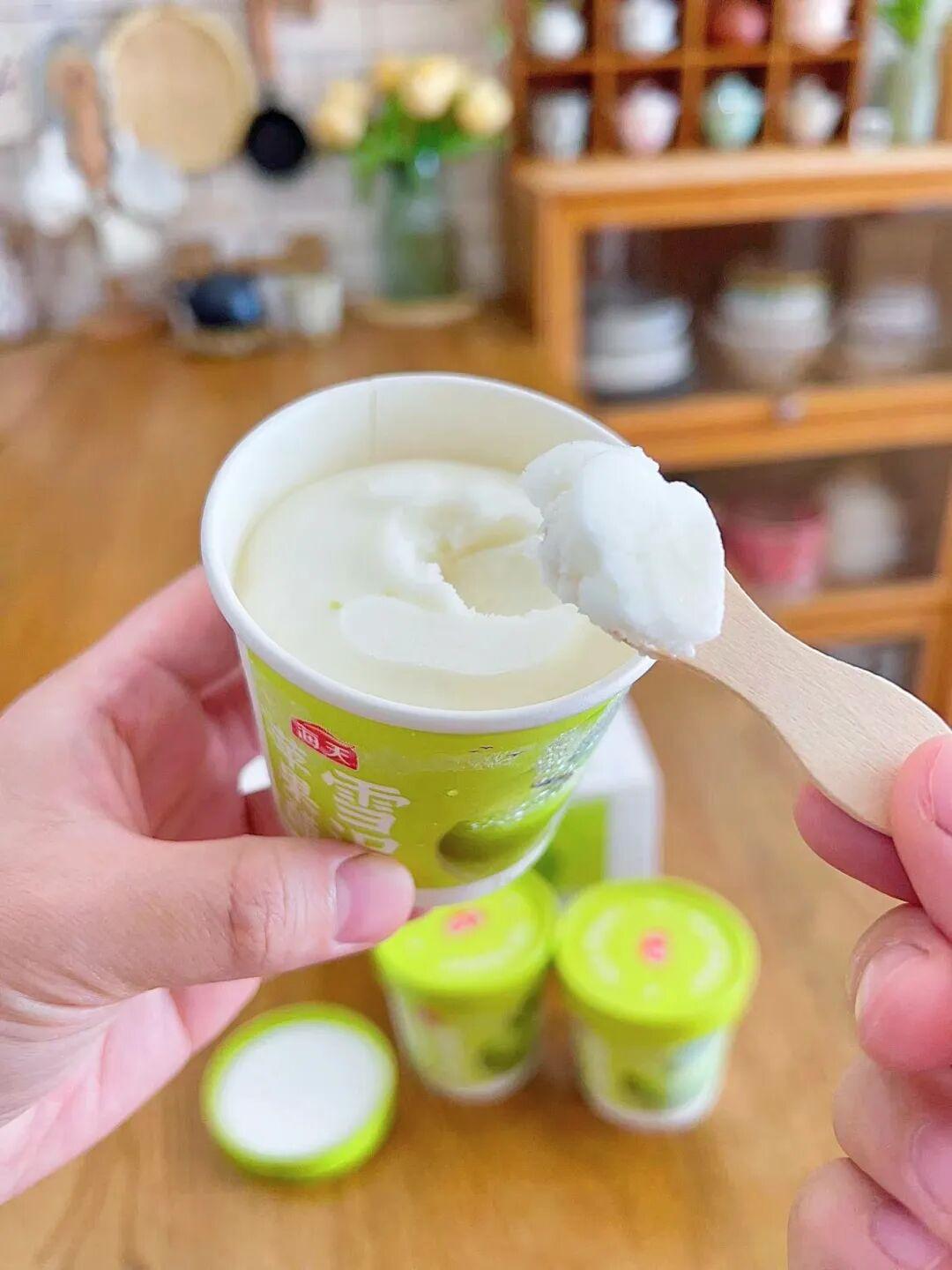
Core Insights - The condiment industry is witnessing significant cross-industry activities, with companies like Zhongju Gaoxin acquiring a 55% stake in Sichuan Weizimei, Hengshun Vinegar launching a new product, and Richen Co. investing in big data software [1] - The trend of cross-industry expansion reflects a common strategy among condiment companies to explore new markets and products, driven by either the desire to capture future opportunities or the need to survive current challenges [1] Group 1: Cross-Industry Preferences - Companies prefer to enter high-margin businesses, focusing on categories with higher added value to enhance their product portfolios, such as soy sauce, which has a gross margin exceeding 38% for leading firms [2] - The trend of entering the soy sauce market is evident, with companies like Fufeng Group and Jialong Co. diversifying into this profitable segment [2] Group 2: Emerging Fields - Some companies are targeting emerging sectors like big data and renewable energy, which offer lower entry barriers and broader growth potential compared to mature markets [3][4][5][6] Group 3: Familiar Territory - Many companies are also experimenting within their existing domains, such as Hengshun producing vinegar drinks and ice cream, and Haitian developing soy sauce-flavored ice cream, to increase visibility among consumers [7] Group 4: Motivations Behind Cross-Industry Moves - Cross-industry moves can be driven by necessity, as seen with Fuling Mustard, which is facing stagnation in its core business, leading to a decline in revenue and profit [10][12] - Jialong Co. is also experiencing revenue declines in its chicken essence products, prompting a search for new growth avenues [10][14] Group 5: Strategic Advantages - Companies like Haitian and Zhongju Gaoxin leverage their existing strengths, such as distribution channels and brand reputation, to facilitate their cross-industry expansions [15][17] - The acquisition of Weizimei by Zhongju Gaoxin is a strategic move to fill gaps in its product offerings and enhance its market presence in the southwestern region [17] Group 6: Future Outlook - The industry is characterized by two types of cross-industry strategies: one aimed at future growth and the other focused on immediate survival, with varying levels of investment and innovation [18]