ECOVACS(603486)

Search documents
未知机构:财通家电孙谦团队美国关税点评关于美国对等关税的裁定-20260224
未知机构· 2026-02-24 03:55
Summary of Conference Call Notes Industry Overview - The discussion focuses on the home appliance industry, particularly regarding the impact of U.S. tariffs on exports from China and other countries [1][2]. Key Points and Arguments 1. **Tariff Changes**: - The effective export tariff for Chinese home appliances has decreased from a potential 45% (25% in 2018 + 10% for equal tariffs starting June 2025 + 10% for fentanyl tariffs starting June 2025) to 40% (25% in 2018 + 15% under Section 122) [1]. - However, starting June 2025, a separate 50% tariff on steel and aluminum (non-U.S. sourced) will apply, resulting in a higher effective tariff for complete appliance exports [1]. 2. **Tariff Adjustments for Other Countries**: - Countries like Vietnam, Indonesia, and Thailand are expected to see a slight decrease in tariffs from 20%/19% to 15% [1]. - Mexico is anticipated to maintain a 0% tariff if it complies with the USMCA (United States-Mexico-Canada Agreement) [1]. 3. **Impact on Export Costs**: - The ruling that equal tariffs are illegal is expected to lower the export costs to the U.S., which is beneficial for exporting companies [2]. - Despite the tariff changes, the tax differentials between China and Southeast Asian countries or Mexico remain largely unchanged, indicating ongoing uncertainties [2]. 4. **Global Production Strategy**: - The necessity for global production capacity layout remains a trend, with companies that adopt this strategy likely to gain export advantages [2]. Recommended Companies - The following companies are recommended for investment in the home appliance sector: - TCL Electronics - Haier Smart Home - Midea Group - Roborock Technology - Ecovacs Robotics [2].




开年有序接单 家电行业步入理性增长通道
Zheng Quan Ri Bao Wang· 2026-02-23 13:32
Group 1 - The home appliance industry is experiencing a stable recovery after the Spring Festival, characterized by year-end inventory clearance and orderly order-taking at the beginning of the year [1] - Major brands and offline channels are launching promotional activities such as holiday sales, bundled discounts, and trade-in offers to optimize inventory structure and accelerate capital turnover [1] - The overall production and sales of home appliances have entered a phase of mild recovery, with production enterprises flexibly adjusting output based on market demand, focusing on mainstream products like green energy-saving and smart appliances [1] Group 2 - The market structure is becoming more rational, with green energy-saving, smart health, and integrated home appliance sets gaining popularity, driving market transactions [2] - Companies are focusing on brand and product value, steadily advancing high-end and integrated product layouts while continuing to penetrate lower-tier markets [2] - The home appliance market's stable order-taking reflects a rational return of business and channel strategies, with expectations for further supply-side vitality and quality growth driven by inventory optimization and product upgrades [2]
经济越来越差,这八大行业越赚爆!
创业家· 2026-02-23 09:33
Core Insights - The article emphasizes that despite the prevailing narrative of economic hardship, certain industries are thriving and generating substantial profits, particularly in the context of Japan's "lost 30 years" and its implications for various sectors [3]. Group 1: Economic Trends and Opportunities - The concept of a "low-desire society" does not equate to a lack of opportunities, as there are still significant business prospects available [4]. - The article identifies "consumption stratification" and "demand migration" as the largest commercial opportunities in the current market [5]. - As consumers shift away from purchasing homes and luxury goods, money is flowing into alternative markets, such as the second-hand economy, which has seen significant growth in both Japan and China [6][7]. Group 2: Emerging Industries - The second-hand luxury market is booming, with brands like "大黑屋" in Japan and "红布林" in China experiencing substantial revenue increases [6][7]. - The pet economy is thriving, with young consumers spending on high-quality pet products despite having fewer children, indicating a shift in spending priorities [11][12][15]. - The adult care market is expanding, particularly in Japan, where the adult diaper market has surpassed $10 billion, suggesting a similar potential in China [16][17][18]. - Health food and beverage sectors are growing due to changing demographics and rising health consciousness, with products like sugar-free tea and functional drinks gaining popularity [21]. Group 3: Consumer Behavior and Preferences - The "beauty economy" is on the rise, with consumers investing in beauty products and treatments, even if they cannot afford high-end cosmetic procedures [23]. - Outdoor leisure activities are gaining traction, with brands in China seeing rapid sales growth in camping and outdoor equipment [25][26]. - The "emotional economy" is emerging, where consumers are willing to spend on products that provide emotional comfort, such as low-alcohol beverages [28][29]. - The "lazy economy" reflects a trend where younger generations prefer convenience, leading to increased demand for frozen foods and smart home appliances that save time [33][35][36]. Group 4: Market Outlook - The article posits that the current economic climate, often viewed as a "winter," presents opportunities for those willing to invest in counter-cyclical sectors [39].




美国1750亿美元关税退税,对A股的影响(附50股)
Sou Hu Cai Jing· 2026-02-21 11:41
Group 1 - The core point of the article is that the recent US Supreme Court ruling on the $175 billion tariff refund has significant implications for both China and the A-share market, despite the refund being an internal US matter [2][6][28] - The $175 billion in tariffs was primarily collected from imports, including a 10% tariff on Chinese goods, and is now being refunded to US importers [8][10] - The refund will indirectly benefit Chinese companies as US importers, who have been financially strained by tariffs, will use the refunded money to pay off debts to Chinese suppliers and resume orders [12][14][28] Group 2 - The immediate impact on the A-share market is expected to be positive, with a potential "opening red" for A-shares as market sentiment improves following the ruling [40][46] - The ruling is seen as a signal that the previous high tariffs on Chinese goods may not be a permanent state, which could lead to a more favorable environment for Chinese exports [20][48] - Structural opportunities in the A-share market are identified, focusing on five main lines: export-oriented sectors, domestic substitution, strategic resources, domestic consumption, and new energy [51][62][88] Group 3 - Export-oriented sectors, particularly those with high exposure to the US market, are expected to benefit directly from the tariff refunds, with companies like Midea Group and Haier expected to see improved performance [52][72][73] - Domestic substitution and self-sufficiency in sectors like semiconductors and military equipment are highlighted as long-term strategic focuses, with companies like SMIC and AVIC Shenyang Aircraft being key players [53][78][86] - Strategic resources such as rare earths and gold are also expected to see price support due to ongoing global supply chain disruptions, benefiting companies like Northern Rare Earth and Shandong Gold [56][87]



中国消费名品名单公布,江苏+20
Sou Hu Cai Jing· 2026-02-14 12:12
Core Viewpoint - Jiangsu Province has 20 brands recognized in the latest 2025 China Consumer Brand List, highlighting the province's commitment to high-quality consumer goods and brand development [1][3]. Group 1: Brand Recognition - The "China Consumer Brand" list includes 276 brands, consisting of 165 enterprise brands, 76 regional brands, and 35 brands for specific demographics [1][3]. - Notable brands from Jiangsu include Yanghe and Hengshun as "Historical Classics," while brands like Shenghong, Hongdou, and Saint Elephant are recognized as "Era Quality Products" [3]. Group 2: Regional Brands - Five regional brands from Jiangsu are recognized: Danyang Glasses, Changshu Outdoor Sportswear, Yixing Ceramics, Hangji Toothbrush, and Xinghua Condiments [3][13]. Group 3: Specific Demographic Brands - Brands catering to specific demographics include Goodbaby and Gong An Kang for "Maternal and Child Products," and Su Yun for "Assistive Products" [3][19]. Group 4: Compliance and Support - Companies on the list are required to operate with integrity, fulfill social responsibilities, and continuously provide high-quality products and services [3][19]. - Local governments will enhance promotion and support for these recognized brands, aiming to cultivate distinctive industries and quality consumer brands [3].




智能硬件公司觉得自己无所不能|TMT年度盘点
Jing Ji Guan Cha Wang· 2026-02-13 12:40
Core Insights - The technology and internet sectors are experiencing rapid changes in 2025, with companies aggressively competing in computing power and large model applications, while e-commerce is reshaping its foundations amidst regulatory pressures [2][3] - The era of easy financing through simple presentations is over; companies must demonstrate technological, commercial, and ecological advantages to survive in the TMT industry [3] Industry Dynamics - The smart hardware industry is characterized by a collective confidence among manufacturers, leading to innovations such as multifunctional cleaning robots and cross-industry expansions by companies like DJI and others [4][6] - The underlying logic for the explosive growth in the smart hardware sector is the urgent need for AI to find physical world applications, prompting a re-evaluation of all product categories in the AI era [5][6] Strategic Shifts - Major hardware companies are increasingly diversifying their product lines, with firms like DJI and others venturing into new markets, including automotive and robotics, reflecting a trend of "not sticking to one's main business" [6][7] - The competitive landscape is marked by a rush to establish ecosystems, with companies striving to integrate their core technologies into various electronic devices [6][7] Investment Trends - The influx of capital into the smart hardware sector is driven by a belief that hardware is essential for AI applications, leading to a surge in investments from various funding sources [8][9] - Startups emerging from established companies are attracting significant investment, with former employees of leading firms being particularly sought after for their experience and potential [8][9] Competitive Environment - The competition in the smart hardware industry has intensified, with companies employing unconventional strategies, including aggressive marketing tactics and patent disputes [10][11] - The market for smart rings and AI glasses has become saturated, leading to fierce price wars and diminishing profit margins, with some products seeing prices drop significantly [11]




家用电器行业双周研究观点:把握龙头α:治理提效和海外扩张-20260213
GF SECURITIES· 2026-02-13 12:01
Core Insights - The report emphasizes the importance of governance improvement and overseas expansion for leading companies in the home appliance industry, particularly in the white goods sector [2][11]. Group 1: White Goods - The governance improvements in leading white goods companies are expected to enhance market confidence in sustainable growth, which can lead to a higher valuation [16]. - Midea Group has experienced a significant valuation increase from a PE of 8x to over 20x due to governance reforms and market conditions, despite recent performance challenges [17]. - Haier Smart Home's privatization has led to a notable stock price increase, with a 59% rise following the announcement of its restructuring plan [22][23]. Group 2: Black Goods - Japanese brands like Sony and Samsung are facing significant challenges, with Sony's ET&S department reporting an 8.2% decline in revenue and a 22.6% drop in operating profit [47][49]. - Chinese brands are expected to continue gaining market share globally, with TCL Electronics forming a joint venture with Sony to enhance their market presence [48]. - The Mini LED segment is seeing increased penetration, with a 32.25% online market share, indicating a positive trend for domestic competition [50][56]. Group 3: Small Appliances - The robotic vacuum cleaner market has shown a 10% year-on-year increase in online sales, driven by a low base effect from the previous year and seasonal factors [7]. - The competitive landscape in the small appliance sector is improving, with leading brands like Ecovacs and Roborock increasing their market shares [7]. Group 4: Investment Recommendations - The report recommends investing in white goods companies like Midea Group, Haier Smart Home, Gree Electric, and Hisense Home Appliances due to their stable growth and high dividend yields [7]. - For black goods, TCL Electronics and Hisense Visual are highlighted as beneficiaries of product iteration and improved domestic competition [7]. - In the cleaning appliance sector, Ecovacs and Roborock are expected to see profit margin recovery in 2026, making them attractive investment options [7].

扫地机器人“鼻祖”谢幕,中国品牌占据C位
Qi Lu Wan Bao· 2026-02-13 11:30
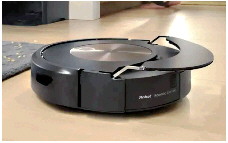
Core Viewpoint - The global smart cleaning industry is undergoing a historic transformation, with Chinese brands dominating the market following the decline of iRobot, the pioneer of robotic vacuum cleaners [1][6]. Group 1: Market Dynamics - iRobot, once holding over 80% market share at its peak, has seen its share plummet to 7.9% by Q3 2025, with total liabilities reaching $508 million and cash flow nearly depleted [1]. - Chinese brands such as Ecovacs, Roborock, and others have captured over 65% of the global market share, with significant presence in various regions, including the U.S. and Europe [2][6]. - The online sales revenue of China's robotic vacuum industry reached 16.6 billion yuan in the first ten months of 2025, marking a 17% year-on-year increase [2]. Group 2: Technological Advancements - The industry has evolved from basic cleaning functions to incorporating AI and embodied intelligence, allowing products to understand complex user intentions [3][4]. - Innovations such as the "active water roller" technology have addressed core cleaning issues, with the market for these products expected to exceed 80% share by 2026 [3]. Group 3: Cross-Industry Expansion - Chinese brands are transitioning from single cleaning device manufacturers to comprehensive smart ecosystem enterprises, with companies like Roborock and Ecovacs expanding into various home appliance categories [4][5]. - Roborock plans to launch a range of smart home products, including air conditioners and refrigerators, while Ecovacs is diversifying into window cleaning robots and air purifiers [5]. Group 4: Competitive Landscape - The entry of cross-industry players, such as DJI with its ROMO robotic vacuum, intensifies competition, indicating a shift from traditional home appliance logic to robotic logic [5][6]. - The ongoing competition is characterized by technological innovation and global capabilities, with Chinese brands leading in R&D investment and market adaptability [6].

整个社会都在喊没钱了,为什么这些公司反而年赚百亿?
创业家· 2026-02-13 10:10
Core Insights - The article discusses how certain industries are thriving despite a general perception of economic downturn, highlighting eight key sectors that present significant business opportunities in a low-desire society [3][4]. Group 1: Key Industries - **Second-Hand Economy**: The second-hand luxury market in Japan, represented by companies like Daikokuya, has seen a surge in revenue. In China, platforms like Hongbulin and Panghu are experiencing similar growth, indicating a shift in consumer spending towards second-hand goods [6][7][8][9]. - **Pet Economy**: With a decline in birth rates, young consumers are increasingly spending on pets, leading to significant growth in pet food and healthcare products. Companies like Inaba in Japan and Guobao in China are capitalizing on this trend [12][13][15][16]. - **Adult Care Products**: The adult diaper market in Japan has surpassed $10 billion, showcasing the potential of the aging population as a lucrative market segment [17][18][19]. - **Health Food and Beverages**: Changing demographics and rising health awareness have led to the growth of sugar-free beverages and functional foods in both Japan and China, with brands like Suntory and Dongpeng gaining traction [21][22]. - **Beauty and Aesthetic Products**: The demand for beauty products, including collagen supplements and at-home beauty devices, remains strong, indicating that consumers prioritize personal care even in economic downturns [23][24][26]. - **Outdoor Recreation**: Companies in the outdoor equipment sector, such as Snow Peak in Japan and various Chinese brands, are benefiting from increased interest in outdoor activities as a form of stress relief [29][31][32]. - **Convenience Economy**: The rise of frozen foods and smart home appliances reflects a shift towards convenience, with brands like Anjijia and Kewell seeing steady growth as consumers seek time-saving solutions [39][40][42]. - **Lazy Economy**: The trend of reduced cooking time among younger generations has led to a preference for ready-to-eat meals and smart appliances that automate household tasks, indicating a shift in consumer priorities [39][40][42]. Group 2: Market Dynamics - The article emphasizes that even in a low-desire economy, there are significant opportunities for those willing to invest in counter-cyclical sectors. Companies that can identify and act on these opportunities are likely to emerge as winners [44].


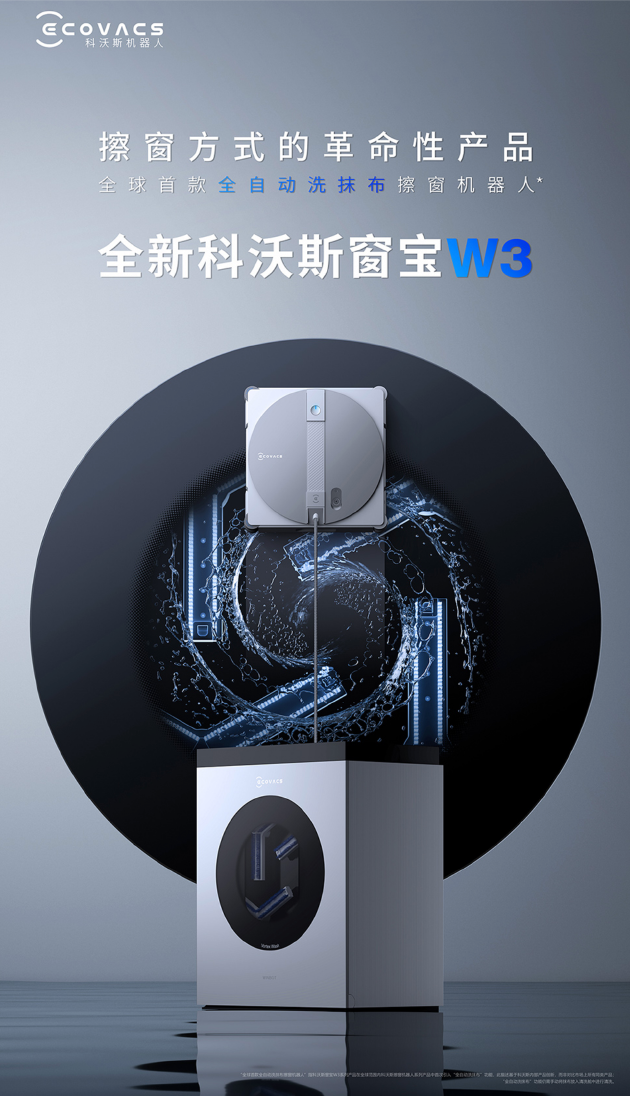
科沃斯窗宝 W3 深度测评:卖点变槽点,口碑两极反转
Xin Lang Cai Jing· 2026-02-12 07:50
Core Viewpoint - Ecovacs, a leading brand in the home service robot sector, has long held a significant market share in the domestic window-cleaning and floor-cleaning robot markets, promoting the slogan "Technology liberates hands" [1][21]. Product Launch and Initial Reception - In early 2026, Ecovacs launched the Window Cleaning Robot W3, marketed as the "world's first fully automatic cloth-washing window-cleaning robot," which initially garnered considerable consumer interest and was seen as a benchmark for high-end window-cleaning robots [3][24]. - However, as user experiences began to surface, the actual performance of the W3 was found to be starkly different from its promotional claims [3][24]. Product Features and User Feedback - The W3 was designed with three main selling points: "fully automatic cleaning, no hand-washing of cloths, and efficient window cleaning," priced at 2999 yuan, targeting the mid-to-high-end market. Yet, user feedback indicated a significant disconnect between the product's performance and its marketing, leading many to label it as a "smart tax" [4][25]. - Key areas of negative feedback included the design of the machine, core functionality, and ease of use [4][25]. Design and Usability Issues - Users reported that the W3's weight and storage design contradicted Ecovacs' claims of "convenient operation." Weighing over 22 pounds without water, the W3 was significantly heavier than its predecessor, the W2S. Its separate design from the base station made it cumbersome to transport, particularly for elderly and female users, leading to many stating they only used it once before it was set aside [7][28]. - Additionally, the W3's anti-fall hook design was criticized for being too small, making it difficult to secure on smooth surfaces, which required users to spend excessive time adjusting it [9][30]. Core Functionality and Quality Issues - The stability of the window-cleaning effect is a critical factor for users, yet the W3 frequently failed in this regard. Reports indicated that users experienced severe noise, malfunctioning spray functions, and other quality issues shortly after purchase, leading to an inability to use the product effectively. Complaints about slow after-sales service further exacerbated consumer losses [12][33]. - The issues with the W3 were not isolated; a review of complaints across various platforms revealed that Ecovacs' other products, including floor-cleaning and air-purifying robots, also faced numerous quality complaints, indicating systemic problems in product development, quality control, and after-sales service [16][37]. Broader Implications - The recurring quality issues across Ecovacs' product lines suggest significant shortcomings in their overall product development and customer service processes, which could impact the company's reputation and market position in the competitive home service robot industry [16][37].