
GOTION(002074)

Search documents
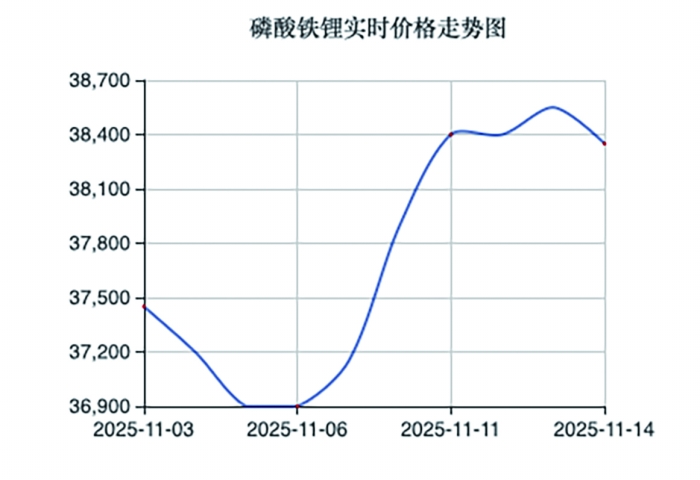
磷酸铁锂价格回暖 技术迭代改变产能结构
Shang Hai Zheng Quan Bao· 2025-11-16 17:55
Core Insights - The price of lithium iron phosphate (LFP) has rebounded, increasing approximately 10% since early October, driven by strong demand from automotive manufacturers and battery producers, as well as a surge in global energy storage needs [2][3] - Major companies in the LFP sector are experiencing high order volumes, with production lines operating at full capacity, indicating a robust market environment [3][5] - The development of high-pressure compact LFP technology is prompting material companies to upgrade their technology and adjust production capacity structures [2][6] Price Trends - As of November 14, the average price of LFP reached approximately 38,400 yuan per ton, reflecting a cumulative increase of 3,300 yuan per ton since early October, which corresponds to a 10% rise [3] - Leading LFP producers have initiated a new round of price negotiations, increasing prices by 1,000 to 2,000 yuan per ton for certain customers, signaling a potential bottoming out of prices [3] Demand and Production - The domestic power battery installation volume in China reached 84.1 GWh in October, marking a year-on-year increase of 42.1%, with LFP battery installations at 67.5 GWh, up 43.7%, capturing an 80.3% market share [4] - Companies such as Hunan Youneng and Deyang Nano are reporting full order books and continuous full-capacity production, with LFP orders extending into the first half of next year [5][6] Technological Advancements - The shift towards high-pressure compact LFP technology is changing the competitive landscape, with leading firms holding technological advantages in advanced product iterations [6][7] - Companies are actively innovating and iterating their products, with Hunan Youneng's new series of high-pressure compact LFP products gaining market traction [6][7]



光启技术20251116
2025-11-16 15:36
Summary of Conference Call Records Industry Overview: Solid-State Battery Market - The solid-state battery market is driven by policies, corporate R&D, and technological breakthroughs, including a 6 billion RMB R&D initiative by the Ministry of Industry and Information Technology (MIIT) in 2024, and advancements by companies like SAIC and CATL [2][3] - CATL plans to begin small-scale production of solid-state batteries by 2027 and aims for mass production by 2030, claiming a global leadership position in solid-state battery research and industrialization [2][5] - Guoxuan High-Tech has completed its first experimental line for solid-state batteries with a design capacity of 0.2 GWh and plans to establish a 12 GWh quasi-solid-state production line [2][6] - Qingtao Energy is collaborating with SAIC to mass-produce solid-state vehicles by 2027 [2][7] Key Developments in Solid-State Battery Technology - The solid interface contact issue is being addressed through interface engineering modifications and breakthroughs in materials and processes [2][8] - Companies recommended for attention in this sector include Rongqi Technology and Xikuang Co., as well as Naknor and Kexin Electromechanical [2][8] Market Demand and Production Capacity - It is expected that orders for lithium battery equipment will significantly increase by the end of this year and into next year, benefiting companies like Rongqi Technology and Xikuang Co. [4][9] - By 2030, global shipments of power batteries and energy storage batteries are projected to reach 5.1 TWh, necessitating over 6 TWh of lithium equipment production capacity [4][9] - Current lithium equipment capacity utilization is at 91%, with a forecasted global lithium capacity of 2.2 TWh by the end of 2025, indicating a need for an additional 2.8 TWh of capacity before 2030 [4][10] Financial Insights and Capital Expenditure - Major companies in the lithium battery sector, including CATL, have reported significant capital expenditures, with a total exceeding 49 billion RMB in the first three quarters of 2025, marking a 35% year-on-year increase [10] - CATL's construction investment reached 37.366 billion RMB, a 48% increase year-on-year, reflecting optimistic expectations for the power and energy storage battery sectors [10] Military Industry Trends and Company Positioning - The military industry, particularly in domestic demand, is currently underappreciated but is at a critical transition point [11] - Guangqi Technology is a leader in the metamaterials sector, with a strong foundation in R&D and a significant share of the global market for related publications [11][12] - The company has diversified into drone technology and automotive testing, achieving notable progress and securing a 2 billion RMB procurement contract [12] - Revenue projections for Guangqi Technology over the next three years are 2.5 billion RMB, 5.6 billion RMB, and 7.5 billion RMB, with corresponding profits of 960 million RMB, 1.88 billion RMB, and 2.35 billion RMB [12]

光启技术 (1)
2025-11-16 15:36
Summary of Conference Call Records Industry Overview: Solid-State Battery Market - The solid-state battery market is driven by policies, corporate R&D, and technological breakthroughs, including a 6 billion RMB R&D initiative by the Ministry of Industry and Information Technology (MIIT) in 2024, and advancements from companies like SAIC and CATL [2][3] - CATL plans to begin small-scale production of solid-state batteries by 2027 and aims for mass production by 2030, claiming a global leadership position in solid-state battery research and industrialization [2][5] - Guoxuan High-Tech has completed its first experimental line for solid-state batteries with a design capacity of 0.2 GWh and plans to establish a 12 GWh quasi-solid-state production line [2][6] - Qingtao Energy is collaborating with SAIC to mass-produce solid-state vehicles by 2027 [2][7] Key Developments in Solid-State Battery Technology - The solid interface contact issue is being addressed through interface engineering modifications and breakthroughs in materials and processes [2][8] - Companies recommended for attention in this sector include Rongqi Technology and Xikuang Co., as well as Naknor and Kexin Electromechanical [2][8] Market Demand and Production Capacity - It is expected that orders for lithium battery equipment will significantly increase by the end of this year and into next year, benefiting companies like Rongqi Technology and Xikuang Co. [4][9] - By 2030, global shipments of power batteries and energy storage batteries are projected to reach 5.1 TWh, necessitating over 6 TWh of lithium battery equipment capacity [4][9] - Current lithium battery equipment capacity utilization is at 91%, with a forecasted capacity of 2.2 TWh by the end of 2025, indicating a need for an additional 2.8 TWh of capacity before 2030 [4][10] Financial Insights and Capital Expenditure - Major domestic companies, including CATL, EVE Energy, and Guoxuan High-Tech, have reported a total capital expenditure exceeding 49 billion RMB in the first three quarters of 2025, reflecting a 35% year-on-year increase [10] - CATL's investment in construction projects reached 37.366 billion RMB, a 48% increase year-on-year, indicating a strong optimistic outlook for the power and energy storage battery sectors [10] Military Industry Trends and Company Positioning - The military industry, particularly in domestic demand, is currently underappreciated but is at a critical transition point [11] - Guangqi Technology is a leader in the metamaterials sector, with a significant share of the global market and a strong focus on developing artificial composite materials for defense applications [11][12] - The company has made significant advancements in drone technology and has secured a 2 billion RMB procurement contract, indicating its competitive edge in military equipment and emerging applications [12] Financial Projections for Guangqi Technology - Revenue projections for Guangqi Technology over the next three years are 2.5 billion RMB, 5.6 billion RMB, and 7.5 billion RMB, with corresponding profits of 960 million RMB, 1.88 billion RMB, and 2.35 billion RMB, highlighting its strong technological barriers and leadership in the domestic military and civilian sectors [12]
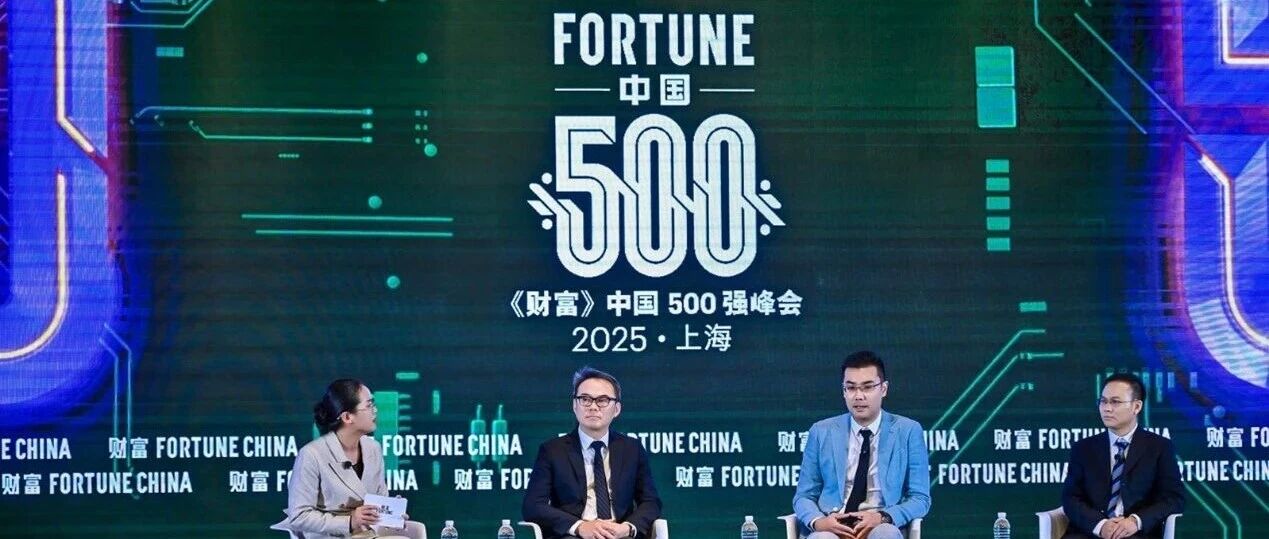
内卷破局:从光伏“资产化”到新能源价值链重构
财富FORTUNE· 2025-11-14 13:11
Core Insights - The article emphasizes that the global climate crisis is no longer just an environmental issue but a core driver for a new industrial revolution and economic transformation, leading to the formation of an industrial cluster covering solar energy, storage, AI, and finance [1][3]. Industry Transformation - The solar industry is undergoing profound changes, with a shift in China's market demand for renewable energy, particularly solar and wind power, moving from quantitative growth to qualitative enhancement [3]. - The National Energy Administration has set clear policy guidelines, aiming for integrated development of renewable energy by 2030, emphasizing collaboration with computing facilities to enhance the reliability of renewable energy [3]. Assetization in Solar Energy - The transition from "project era" to "asset era" in distributed solar energy is significant, characterized by standardization, scalability, and tradability [3]. - The current competitive landscape in the solar sector is marked by a three-way struggle among owners, investors, and suppliers, leading to suboptimal returns for investors and quality compromises for owners [4]. Value Chain Restructuring - To address the "involution" phenomenon in the solar industry, there is a need to reshape the value chain, ensuring reasonable returns for all stakeholders, including owners, investors, and suppliers [4]. - The focus is shifting from relying on "green premiums" to achieving a balance in the "impossible triangle" of economic viability, reliability, and safety in renewable energy [4]. Storage Sector Challenges - The energy storage sector faces technical challenges, particularly in balancing long cycle life, high energy density, and rapid charge/discharge capabilities [4]. - Companies are innovating business models, transitioning from equipment suppliers to integrators and investors, as demonstrated by Guoxuan High-Tech's zero-carbon factory project [4]. Collaborative Ecosystem - The article highlights the importance of "technology-driven" and "cooperative win-win" strategies in promoting industry chain collaboration [4]. - The renewable energy sector is moving from isolated technological breakthroughs to systemic collaboration and from price competition to value co-creation, aiming to build an open, cooperative, and profit-sharing industrial ecosystem [4].
2025年前三季度 全球户储(含便携式)出货量 Top10
鑫椤锂电· 2025-11-14 09:35
Core Insights - The article highlights a significant growth in global household energy storage shipments, which reached 39 GWh from January to September 2025, representing an 86% year-on-year increase [1]. Company Rankings - The top 10 companies in the global household energy storage market include: 1. Ruipu Lanjun 2. Yiwei Lithium Energy 3. Penghui Energy 4. Fudi Battery 5. Ganfeng Lithium 6. Pylon Technologies 7. Aoxin Wanda 8. New Energy Security 9. Guoxuan High-Tech 10. LG Energy Solution (LGES) [1][3]




电池行业月报:11月锂电行业排产环比提升,关注供需改善后产业链盈利边际变化-20251114
BOCOM International· 2025-11-14 08:43
Investment Rating - The report assigns a "Buy" rating to several companies in the battery industry, including Ningde Times, Yiwei Lithium Energy, Guoxuan High-Tech, and others, with target prices indicating potential upside [1][10]. Core Insights - The report highlights a month-on-month increase in lithium battery production in November, indicating a positive trend in supply and demand dynamics within the industry [2]. - In October, the retail sales of new energy vehicles in China reached 1.28 million units, reflecting a year-on-year increase of 7.3% [2]. - The report emphasizes the robust growth in battery installation, with a total of 84.1 GWh installed in October, marking a year-on-year increase of 42.1% [2]. - The report notes that the prices of upstream lithium battery materials have risen recently, with lithium hexafluorophosphate exceeding 120,000 RMB per ton and battery-grade lithium carbonate surpassing 80,000 RMB per ton [2]. - The report suggests that the upcoming adjustments to the new energy vehicle purchase tax exemption policy in 2026 may stimulate consumer purchases before the end of 2025, maintaining high demand for lithium batteries [2]. Summary by Sections Company Ratings - Ningde Times (300750 CH): Buy, Target Price: 458.75 RMB, Current Price: 415.60 RMB [1]. - Yiwei Lithium Energy (300014 CH): Buy, Target Price: 94.74 RMB, Current Price: 87.37 RMB [1]. - Guoxuan High-Tech (002074 CH): Buy, Target Price: 54.84 RMB, Current Price: 43.40 RMB [1]. - Zhongxin Innovation (3931 HK): Buy, Target Price: 24.77 HKD, Current Price: 35.20 HKD [1]. - Ruipu Lanjun (666 HK): Buy, Target Price: 15.46 HKD, Current Price: 16.48 HKD [1]. Market Performance - The report indicates that the battery industry has shown a significant performance improvement compared to the Hang Seng Index over the past year [1]. - The report provides a detailed analysis of the battery installation volume and export performance, with exports reaching 28.2 GWh in October, a year-on-year increase of 33.5% [2][7]. Production and Demand Trends - The report notes that the production of lithium batteries is expected to continue increasing, with a forecasted production of 138.6 GWh in November, a month-on-month increase of 1.5% [2]. - The report highlights the strong performance of leading lithium battery companies, with Ningde Times reporting a revenue of 104.2 billion RMB in Q3, a year-on-year increase of 12.9% [2].

国轩高科:关于2025年度第一期中期票据发行结果的公告
Zheng Quan Ri Bao· 2025-11-13 08:35
(文章来源:证券日报) 证券日报网讯 11月12日晚间,国轩高科发布公告称,近日,公司已成功发行2025年度第一期中期票 据,发行总额为人民币6亿元,募集资金已于2025年11月12日全额到账。 ...
1秒涨停!这一概念,大爆发!
Zheng Quan Shi Bao· 2025-11-13 02:25
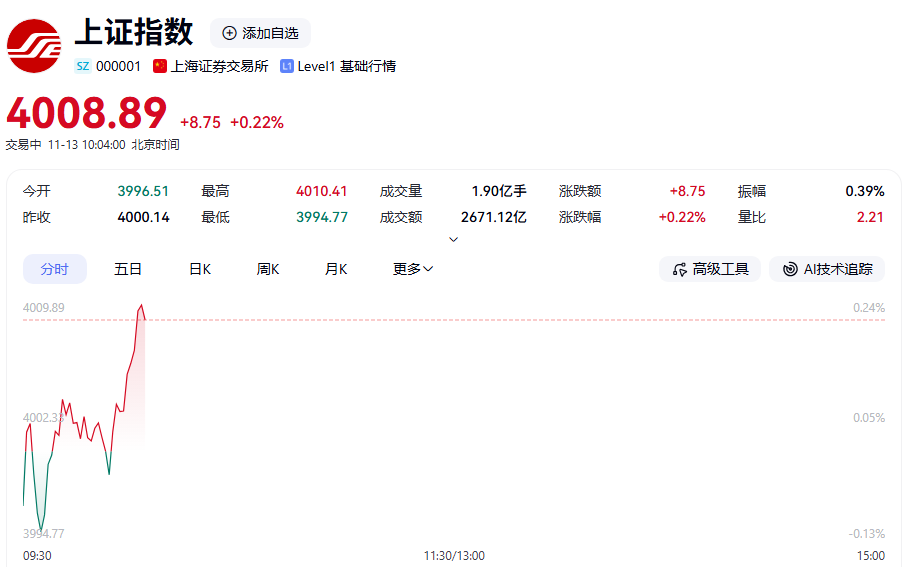
Core Viewpoint - The lithium battery sector is experiencing a significant surge, with major indices in the A-share market showing positive performance, particularly driven by the lithium battery concept stocks which have seen substantial gains [1][2][6]. Market Performance - On November 13, the A-share market opened lower but rebounded, with the Shanghai Composite Index rising by 0.22% to 4008.89 points, and the Shenzhen Component Index increasing by 0.68% [1]. - The lithium battery concept index rose over 2%, marking it as one of the highlights of the market on that day [2]. Stock Highlights - Specific stocks within the lithium battery sector saw remarkable increases, with Fuxiang Pharmaceutical (300497) and Huasheng Lithium Battery both hitting the daily limit up of 20% [3][4]. - Other notable performers included Haike Xinyuan (301292) up over 18%, Taihe Technology (300801) up over 17%, and Xinjubang (300037) up over 16% [3][4]. Industry Recovery - The lithium battery industry has seen a comprehensive recovery since the third quarter, with price stabilization, large orders, and growth in performance, particularly highlighted by the doubling of lithium hexafluorophosphate prices within a month [6]. - The current market recovery is attributed to a combination of demand, technology advancements, and supportive policies [6]. Future Outlook - The lithium battery industry is expected to transition towards rational development, focusing on technological innovation and value competition, moving away from homogeneous competition [7]. - The demand for lithium batteries is driven by the explosive growth in the electric vehicle sector, with domestic power battery installation reaching 578 GWh from January to October, a year-on-year increase of 42.4% [7]. - Supply-side adjustments have improved the industry landscape, with many low-quality capacities exiting the market, leading to a more balanced supply-demand situation [7]. - Continuous technological advancements are shifting the focus from mere functionality to durability and overall value, with leading battery manufacturers launching differentiated products [7].



多维共振 锂电产业链进入价值制胜新阶段
Zheng Quan Shi Bao· 2025-11-12 23:59
Core Insights - The lithium battery industry chain has experienced a comprehensive recovery since the third quarter, with stabilized prices, frequent large orders, and significant performance growth, indicating a notable improvement in industry prosperity [1] - The current recovery in the lithium market is driven by a combination of demand, technology, and policy factors [1] Demand Side - There has been explosive growth in demand, particularly in the new energy vehicle sector, with domestic power battery installation reaching 578 GWh from January to October, a year-on-year increase of 42.4% [1] - The energy storage sector has shown even more remarkable growth, with global energy storage battery shipments reaching 428 GWh from January to September 2025, marking a year-on-year increase of 90.7% [1] - Emerging applications such as low-altitude economy and humanoid robots are opening up a second growth curve for the lithium battery industry [1] Supply Side - The exit of a large number of small and low-quality production capacities due to previous years of significant losses has injected momentum into the industry's recovery [1] - The industry has seen a rationalization of capacity expansion, leading to a significant improvement in supply-demand dynamics, with some material capacities showing a tight balance [1] - The rapid increase in industry concentration has led leading companies to reach a consensus on capacity expansion, suggesting that future supply releases will be more orderly and controllable [1] Technological Development - Continuous technological iteration is enabling stable and sustainable industry development, with market-driven forces becoming mainstream in the new energy sector [2] - The focus of downstream lithium battery products has shifted from "usable" to "good to use" and "durable," indicating a shift in competitive dimensions from price to comprehensive value throughout the product lifecycle [2] - Leading battery manufacturers such as CATL, BYD, EVE Energy, and Guoxuan High-Tech are accelerating the launch of differentiated flagship products, while phosphate iron lithium manufacturers are betting on high-pressure density and long-cycle series products [2] - The industry is expected to move towards a new stage of high-quality development centered on technological innovation and value competition, gradually stepping out of homogeneous competition [2]
时报观察 多维共振 锂电产业链进入价值制胜新阶段
Zheng Quan Shi Bao· 2025-11-12 18:29
Group 1 - The lithium battery industry chain has experienced a comprehensive recovery since the third quarter, with price stabilization, large orders, and performance growth, significantly enhancing industry prosperity [1] - Lithium hexafluorophosphate has seen its price double within a month, leading the price increase in the sector [1] - The current recovery in the lithium battery market is driven by a combination of demand, technology, and policy factors [1] Group 2 - Explosive growth in demand, particularly in the electric vehicle sector, has laid a solid foundation for the recovery of the industry chain, with domestic power battery installation reaching 578 GWh from January to October, a year-on-year increase of 42.4% [1] - The energy storage sector has shown even more remarkable growth, with global energy storage battery shipments reaching 428 GWh from January to September 2025, a year-on-year increase of 90.7% [1] - Emerging applications such as low-altitude economy and humanoid robots are opening up a second growth curve for the lithium battery industry [1] Group 3 - Supply-side capacity clearance has injected momentum into the industry's recovery, with many small and low-quality capacities exiting the market after years of losses [1] - The industry concentration is rapidly increasing, and leading companies have reached a consensus on capacity expansion, leading to more orderly and controllable supply releases in the future [1] Group 4 - Continuous technological iteration is stabilizing the industry's long-term development, with market-driven forces becoming mainstream in the new energy sector [2] - The focus of downstream attention has shifted from "usable" to "good to use" and "durable," indicating a shift in competitive dimensions from price to comprehensive value throughout the product lifecycle [2] - Leading battery manufacturers are accelerating the launch of differentiated star products, while various manufacturers are investing in high-pressure density and long-cycle series products, fast charging, and silicon-carbon anode fields [2]