
Drinda(002865)

Search documents
光伏设备:低轨星座竞赛与太空算力革命,引爆太空光伏需求新周期
国盛证券有限责任公司· 2026-02-01 10:24
Investment Rating - The report provides a positive investment rating for solar equipment suppliers, specifically recommending "Buy" for companies like Gaoce Co., Ltd. and "Increase" for Maiwei Co., Ltd. and Mingyang Smart Energy [7][33]. Core Insights - The demand for space photovoltaic systems is expected to surge due to the explosive growth in satellite deployment and AI computing power in space. The competition between China and the U.S. for low Earth orbit resources is intensifying, with China planning to submit applications for 203,000 satellites by the end of 2025, while the U.S. has already launched over 10,000 satellites [1][10]. - New technological pathways such as P-type HJT and perovskite tandem cells are emerging, which promise lower costs and improved performance compared to traditional gallium arsenide batteries. These technologies are seen as the future of space photovoltaic systems [2][16]. - The global manufacturing landscape is shifting, presenting historic opportunities for Chinese equipment and battery manufacturers to expand internationally, particularly in the context of the growing demand for space energy [3][29]. Summary by Sections Section 1: Satellite Deployment and Space AI Computing - The report highlights the critical period for low Earth satellite deployment, emphasizing the fierce competition between China and the U.S. for orbital resources. The U.S. has launched a significant number of satellites under the SpaceX Starlink program, while China is advancing its national satellite constellation plans [1][10]. - The AI computing power explosion is creating a new paradigm for space-based data centers, which can operate continuously in sunlight and utilize the cold of space for cooling, leading to a substantial increase in demand for space photovoltaic systems [1][10]. Section 2: Technological Advancements - The report discusses the advantages of P-type HJT cells and perovskite tandem cells, which are expected to dominate the future of space photovoltaic technology due to their high efficiency and lower production costs. These technologies are particularly suited for the harsh conditions of space [2][16][27]. - The report notes that traditional gallium arsenide batteries, while efficient, are too costly for large-scale deployment in satellite constellations, thus paving the way for new technologies [2][26]. Section 3: Global Manufacturing Opportunities - The report identifies a mismatch in global manufacturing capabilities, with U.S. companies lacking the necessary equipment for HJT and perovskite production. Chinese manufacturers are positioned to benefit from this gap, as they have already established leadership in these technologies [3][29]. - The report suggests that the increasing demand for space energy, coupled with the restructuring of supply chains between China and the U.S., will create significant growth opportunities for Chinese photovoltaic companies [3][29]. Section 4: Key Companies and Recommendations - The report recommends several key companies for investment, including Maiwei Co., Ltd., Gaoce Co., Ltd., and others that are well-positioned to capitalize on the growing demand for space photovoltaic systems [7][33]. - It emphasizes the importance of companies with aerospace certification and proven technology in the context of the expanding space energy market [3][29].




低轨星座竞赛与太空算力革命,引爆太空光伏需求新周期
GOLDEN SUN SECURITIES· 2026-02-01 10:08
Investment Rating - The report provides a positive investment rating for solar equipment suppliers, particularly highlighting companies like Maiwei Co., Ltd. and others with potential capabilities in the solar photovoltaic sector [7][33]. Core Insights - The demand for space photovoltaic systems is expected to surge due to the explosive growth in satellite deployment and AI computing power in space, with China planning to submit applications for 203,000 satellites by the end of 2025, while the U.S. has already launched over 10,000 satellites [1][10]. - New technological pathways such as P-type HJT and perovskite tandem cells are emerging, offering lower costs and improved performance compared to traditional gallium arsenide batteries, which are currently too expensive for large-scale deployment [2][27]. - The global manufacturing landscape is shifting, presenting historic opportunities for Chinese equipment and battery manufacturers to expand internationally, especially as the U.S. lacks capabilities in HJT and perovskite production lines [3][29]. Summary by Sections Section 1: Satellite Deployment and Space AI - The global low Earth orbit satellite deployment is entering a critical phase, with intense competition between China and the U.S. for orbital resources and frequency bands [10]. - The AI computing explosion is creating a new paradigm for space-based data centers, which can operate continuously under sunlight and utilize the cold of space for cooling, leading to exponential growth in demand for space photovoltaic systems [1][10]. Section 2: Technological Advancements - P-type HJT batteries and silicon/perovskite tandem cells are identified as the main directions for future space photovoltaic technology, with significant advantages in efficiency and cost [2][16]. - The report highlights the limitations of traditional gallium arsenide batteries, which are costly and reliant on scarce materials, making them unsuitable for large-scale satellite constellations [2][26]. Section 3: Global Market Dynamics - The report emphasizes that the demand for solar photovoltaic systems in space is set to enter a new cycle, benefiting domestic equipment and battery manufacturers as they transition from ground support to core space applications [29][30]. - Companies like Junda Co., Ltd., Trina Solar, and others are noted for their advancements in space-grade batteries and solar technologies, positioning them well for future growth in the space photovoltaic market [30][33].
“十五五”碳达峰路径展望:绿电应用构建减碳基石,看好新一代能源技术突破
Orient Securities· 2026-02-01 05:35
Investment Rating - The report maintains a "Positive" outlook on the power equipment and new energy industry [6] Core Viewpoints - The "14th Five-Year Plan" period saw slower-than-expected carbon reduction, prompting high-energy-consuming industries to accelerate carbon reduction commercialization during the "15th Five-Year Plan" period, leading to a growth inflection point for green fuels [3][8] - The demand for energy storage is expected to grow significantly, with a forecasted 50% increase in energy storage installations by 2025, driven by the rapid growth of new energy [3][19] - The offshore wind power, perovskite, and space photovoltaic sectors are anticipated to exhibit high growth potential during the "15th Five-Year Plan" period [3][8] Summary by Sections 1. Wind and Solar Power Entering Maturity with High Growth in Sub-markets - The demand for new energy installations in China is expected to remain robust, with a target of 360 million kilowatts of wind and solar power capacity by 2035 [12] - The average annual installation space for wind and solar power is projected to exceed 400 GW from 2026 to 2035 [12][13] 2. Energy Storage and Nuclear Power with Stable Supply Attributes - By the end of 2025, China's energy storage installations are expected to reach 66.43 GW, with a year-on-year growth of 52% [19] - The construction speed of nuclear power is expected to accelerate, with a target of 70 million kilowatts of operational capacity by 2025 [21] 3. Carbon Reduction Goals and the Emergence of Green Fuels - The actual carbon reduction progress during the "14th Five-Year Plan" is expected to fall short of the target, necessitating increased efforts in the "15th Five-Year Plan" [26] - Policies are encouraging the integration of green electricity with hydrogen, ammonia, and zero-carbon parks [29] 4. New Photovoltaic Technologies and Nuclear Fusion - Perovskite technology is expected to achieve mass production during the "15th Five-Year Plan" period, with efficiency improvements anticipated [32] - The BEST project aims for completion by 2027, with significant investment expected in nuclear fusion technology [34]


“太空光伏”概念走热,业内:目前仍处于0到1阶段
Di Yi Cai Jing Zi Xun· 2026-01-30 13:27
Core Insights - The "space photovoltaic" concept has gained significant attention in the secondary market, largely influenced by Tesla CEO Elon Musk's endorsements [2] - The Wind Space Photovoltaic Index has risen by 19.83% over the past month, outperforming the Shanghai and Shenzhen 300 Index, which increased by 1.18% [2] - Several photovoltaic companies have experienced substantial stock price increases, with JunDa Co., Ltd. rising by 84.62% and Mingyang Smart Energy increasing by 60.22% in the last 20 days [2] Market Performance - The stock prices of companies like Dongfang Risen and Laplace have shown abnormal fluctuations, with price deviations exceeding 30% over consecutive trading days [3] - The space photovoltaic sector is characterized by its potential to harness solar energy in outer space, providing power to satellites and space stations [3] Industry Challenges - Despite the market enthusiasm, the commercialization of space photovoltaics faces significant uncertainties related to technology maturity and economic viability [4] - Industry insiders indicate that the application scenarios for space photovoltaics are still in the exploratory phase, with many companies not yet supplying products to commercial satellite firms [4] Technological Considerations - Current leading materials for space photovoltaics include gallium arsenide, which is costly at approximately 1000 RMB per watt, and perovskite, which faces stability issues in extreme space conditions [5] - The cost of electricity generated from space photovoltaics is estimated to be 2-3 USD per kilowatt-hour, significantly higher than the ground-based photovoltaic cost of 0.03-0.05 USD per kilowatt-hour [5] Future Outlook - Several A-share listed companies express optimism about the future of space photovoltaics, with potential market size reaching trillions as technology advances [5] - Companies like Trina Solar and HaiMuxing are actively collaborating with leading aerospace institutions to develop practical applications for space solar energy [5] - The commercialization of space photovoltaics is projected to gradually occur over the next 10 to 15 years as launch costs decrease and battery technologies improve [6]





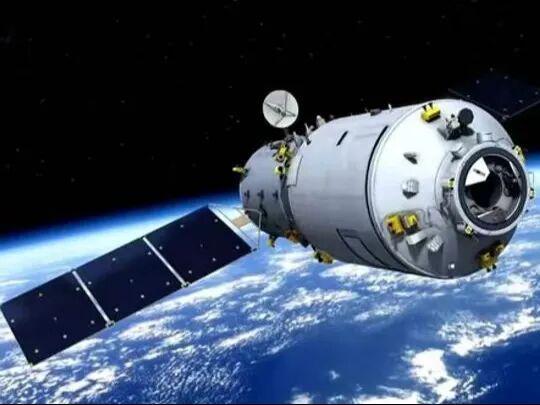
“太空光伏”概念走热 部分企业触发交易异常 业内:目前仍处于0到1阶段
Di Yi Cai Jing· 2026-01-30 12:05
Core Viewpoint - The "space photovoltaic" concept has become a major focus in the secondary market, significantly influenced by Tesla CEO Elon Musk's endorsements, with the relevant index rising 19.83% in the past month, outperforming the CSI 300 index by 18.65% [1] Market Performance - The space photovoltaic concept index has shown strong performance, with notable stock increases: JunDa Co., Ltd. up 84.62%, Mingyang Smart Energy up 60.22%, Jiejia Weichuang up 44.04%, Dier Laser up 41.54%, and Tuori New Energy up 35.94% over the past 20 days [1] - Several photovoltaic companies have experienced significant stock price surges, triggering trading anomalies, such as Dongfang Risheng and Laplace, both exceeding a cumulative price deviation of 30% within a short period [2] Industry Insights - Space photovoltaic energy refers to utilizing solar photovoltaic technology in outer space to generate and supply energy, with the potential to transmit power wirelessly to Earth or supply satellites and space stations [2] - The rationale for space photovoltaics includes abundant sunlight in space and the feasibility of deploying photovoltaic components on satellites, with near-Earth satellites experiencing over 60% sunlight exposure [2] Challenges in Industrialization - Despite the rising stock prices, the industry faces significant uncertainties regarding the industrialization of space photovoltaics, including technological maturity and economic viability for large-scale commercialization [3] - Current applications of space photovoltaics are still exploratory, with many companies in the secondary market not yet supplying products to commercial space satellite companies [3] - Analysts indicate that space photovoltaics are in the early stages of development, requiring validation of technology and economic benefits for large-scale applications [3] Technological Considerations - Gallium arsenide is the mainstream material for space photovoltaics, but its high cost (approximately 1000 RMB per watt) poses challenges for large-scale deployment [4] - Perovskite technology shows promise but has stability concerns in extreme space conditions, necessitating further validation [4] - Multiple technological routes are being explored, with a focus on solving power and cost issues as critical for the commercialization of space energy solutions [4] Cost Analysis - Current estimates suggest that the cost of electricity from space photovoltaics is around $2-3 per kilowatt-hour, compared to $0.03-0.05 per kilowatt-hour for ground-based photovoltaics, indicating a potential cost disparity of up to 100 times [5] - Companies like Trina Solar and HaiMuxing express optimism about the future of space photovoltaics, citing collaborations with leading aerospace institutions and advancements in reusable rocket technology [5] Commercialization Timeline - Predictions indicate that space photovoltaics may gradually commercialize over the next 10 to 15 years, contingent on decreasing launch costs and breakthroughs in battery technology [6]
“太空光伏”概念走热,部分企业触发交易异常,业内:目前仍处于0到1阶段
Di Yi Cai Jing Zi Xun· 2026-01-30 11:37
Core Viewpoint - The "space photovoltaic" concept has gained significant attention in the secondary market, largely influenced by Tesla CEO Elon Musk's endorsements, with the relevant index rising 19.83% in the past month, outperforming the CSI 300 index by 18.65% [1] Market Performance - The space photovoltaic concept index has seen a notable increase, with specific stocks like JunDa Co., Ltd. rising by 84.62%, Mingyang Smart Energy by 60.22%, and Jiejia Weichuang by 44.04% over the past 20 days [1] - Several photovoltaic companies have experienced stock price surges, triggering trading anomalies, such as Dongfang Risheng and Laplace, which saw price deviations exceeding 30% [3] Technology and Feasibility - Space photovoltaic energy involves utilizing solar photovoltaic technology in outer space to generate and supply energy, with the potential for direct power transmission to Earth [3] - The advantages of space photovoltaic systems include abundant sunlight and reduced atmospheric interference, making them a viable option for satellite power supply [3] Industry Challenges - Despite the market enthusiasm, the space photovoltaic industry faces significant uncertainties regarding technological maturity, long-term reliability, and economic viability for large-scale commercialization [4][5] - Current applications are still in the exploratory phase, with many companies not yet supplying products to commercial space satellite firms [5] Technological Development - Various technological routes are being explored, with gallium arsenide being the mainstream material, but its high cost poses challenges for large-scale deployment [5][6] - The cost of space photovoltaic energy is currently estimated at $2-3 per kilowatt-hour, significantly higher than ground-based photovoltaic costs of $0.03-0.05 per kilowatt-hour, indicating a need for cost reduction and efficiency improvements [6] Future Outlook - Companies like Trina Solar and HaiMuxing express optimism about the future of space photovoltaic technology, citing collaborations with leading aerospace institutions and advancements in reusable rocket technology [6][7] - The commercial viability of space photovoltaic systems is projected to develop over the next 10 to 15 years, contingent on decreasing launch costs and breakthroughs in battery technology [7]
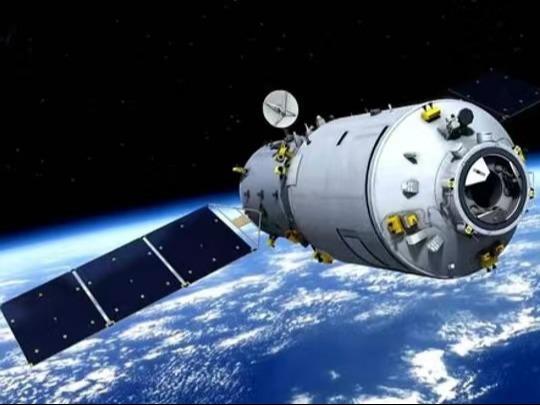
钧达股份上涨,公司率先布局低轨与太空光伏
Zhi Tong Cai Jing· 2026-01-29 05:32
Group 1 - JunDa Co., Ltd. (02865) experienced a significant stock increase, rising over 14% at one point and closing up 12.33% at HKD 32.98, with a trading volume of HKD 473 million [1] - The China Aerospace Science and Technology Corporation held a 2026 annual work meeting, emphasizing the importance of successfully launching and recovering main rockets and advancing reusable technology to fulfill commercial launch missions [1] - Dongwu Securities highlighted the rapid competition for space resources in China, noting that the number of satellite applications has exceeded 250,000, indicating a vast commercial aerospace market with projections of over USD 800 billion by 2030 [1] Group 2 - China’s commercial aerospace development is accelerating, with JunDa Co., Ltd. taking the lead in low Earth orbit and space photovoltaic initiatives [1] - The company recently announced a cash investment of HKD 30 million to acquire a 16.67% stake in Shanghai Xingyi Chip Energy, becoming its second-largest shareholder, and plans to establish a joint venture focusing on CPI films and products combining CPI films with crystalline silicon batteries [1] - JunDa Co., Ltd. is expanding from terrestrial photovoltaic to space photovoltaic, leveraging its advantages in large-scale crystalline silicon manufacturing and deep industry experience, which is expected to drive new growth in the global low Earth orbit satellite and space computing power sectors [1]
港股商业航天概念回暖 钧达股份涨11.53%
Mei Ri Jing Ji Xin Wen· 2026-01-29 03:10
每经AI快讯,港股商业航天概念回暖,截至发稿,钧达股份(02865.HK)涨11.53%,报38.64港元;亚太 卫星(01045.HK)涨6.33%,报4.37港元;中国技术集团(01725.HK)涨1.15%,报0.88港元;金风科技 (02208.HK)涨0.58%,报15.67港元。 ...
港股钧达股份一度涨超14%

Mei Ri Jing Ji Xin Wen· 2026-01-29 02:41
每经AI快讯,钧达股份(02865.HK)一度涨超14%,截至发稿,涨12.33%,报32.98港元,成交额4.73亿港 元。 ...
太空光伏概念震荡回升 钧达股份6天3板
Mei Ri Jing Ji Xin Wen· 2026-01-29 02:35
Group 1 - The space photovoltaic concept has experienced a rebound, with JunDa Co., Ltd. (002865) hitting the daily limit up and achieving three consecutive trading days of gains within six days [1] - Liancheng CNC has seen an increase of over 10% in its stock price, indicating strong market interest [1] - Other companies in the sector, including TCL Zhonghuan (002129), Jiejia Weichuang (300724), Shuangliang Energy (600481), and Jingsheng Mechanical & Electrical (300316), have also shown upward movement in their stock prices [1]