Workflow
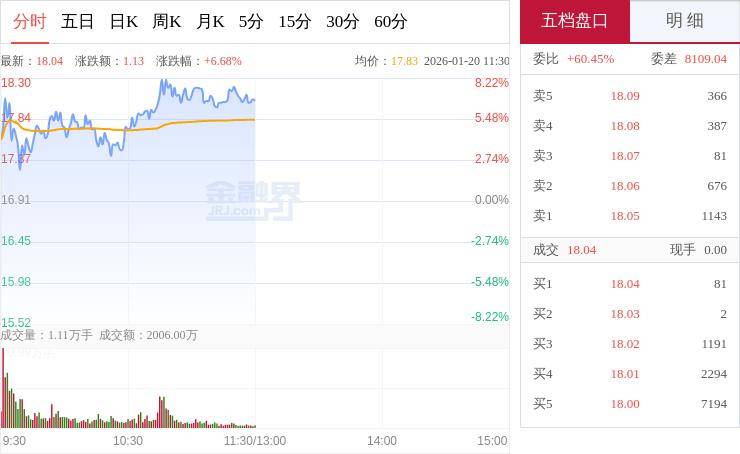
Blue Focus(300058)
icon
Search documents
快手概念下跌1.52%,主力资金净流出39股
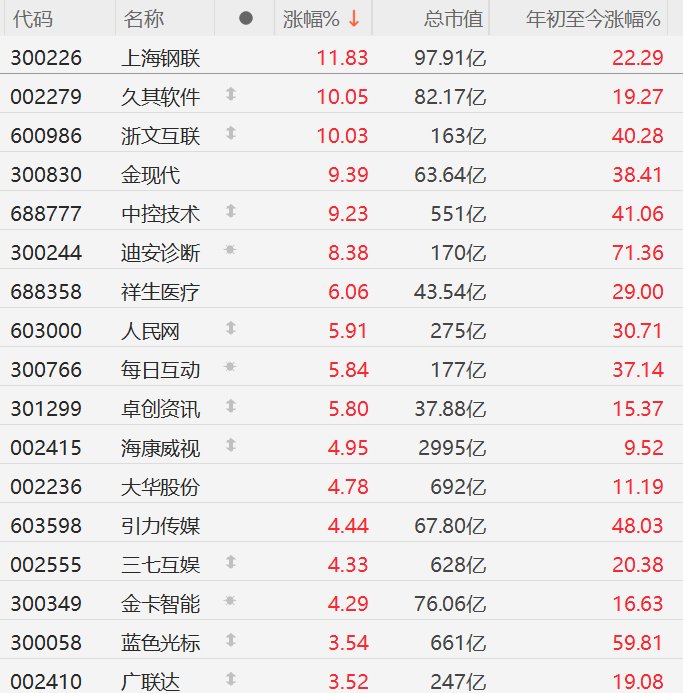
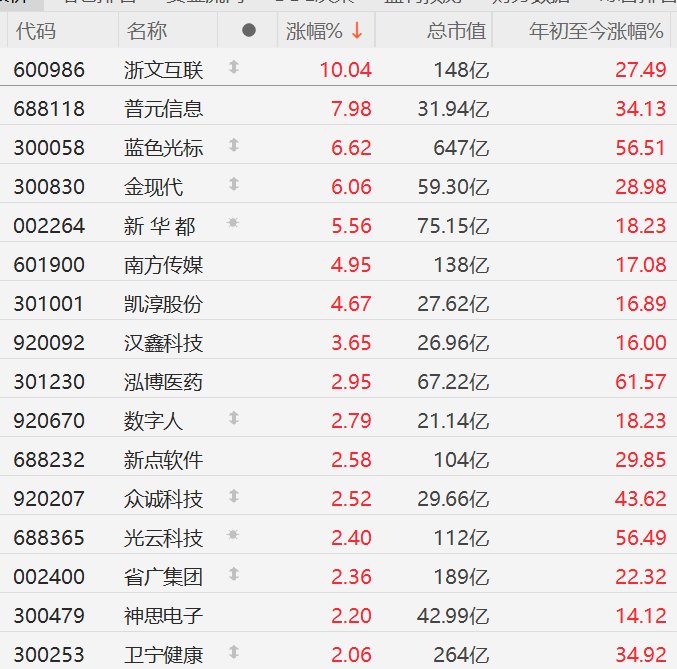
Group 1 - Kuaishou concept declined by 1.52%, ranking among the top declines in the concept sector, with stocks like Ingravity Media and Vision China hitting the limit down [1] - The concept sector saw a net outflow of 2.762 billion yuan, with 39 stocks experiencing net outflows, and 8 stocks seeing outflows exceeding 100 million yuan [2] - The top net outflow stock was BlueFocus, with a net outflow of 555 million yuan, followed by Shengguang Group and Zhejiang Wenlian [2][3] Group 2 - Among the stocks in the Kuaishou concept, the top gainers included Baina Qiancheng, Tian Di Online, and Lishang Guochao, with increases of 12.81%, 9.99%, and 6.04% respectively [4] - The stocks with the largest net outflows included BlueFocus, Shengguang Group, and Zhejiang Wenlian, with net outflows of 555 million yuan, 409 million yuan, and 379 million yuan respectively [2][3] - The overall market performance showed that 15 stocks within the Kuaishou concept sector experienced price increases, while others faced significant declines [1][2]
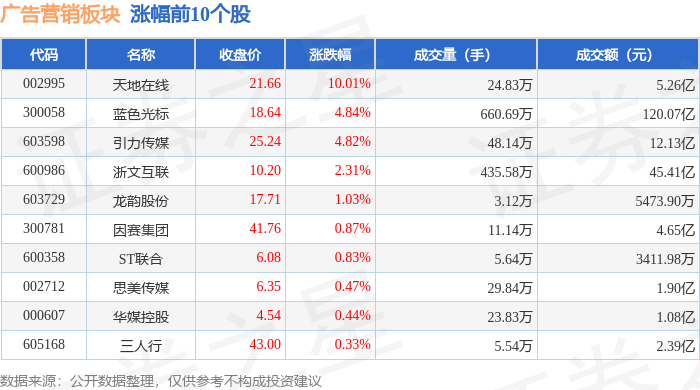
广告营销板块1月19日跌1.01%,引力传媒领跌,主力资金净流出20.47亿元
Group 1: Market Overview - The advertising and marketing sector experienced a decline of 1.01% on January 19, with Inertia Media leading the drop [1] - The Shanghai Composite Index closed at 4114.0, up 0.29%, while the Shenzhen Component Index closed at 14294.05, up 0.09% [1] Group 2: Individual Stock Performance - Tian Di Online (002995) saw a significant increase of 9.99% in its closing price at 20.26, with a trading volume of 86,600 shares and a transaction value of 171 million [1] - BlueFocus Communication Group (300058) rose by 3.81% to close at 16.91, with a trading volume of 5.85 million shares and a transaction value of 9.929 billion [1] - Inertia Media (603598) led the decline with a drop of 10.01%, closing at 25.52, with a trading volume of 169,700 shares and a transaction value of 433 million [2] - Zhejiang Literature and Media (600986) fell by 9.76% to 9.06, with a trading volume of 3.3197 million shares and a transaction value of 3.060 billion [2] Group 3: Capital Flow Analysis - The advertising and marketing sector experienced a net outflow of 2.047 billion from institutional investors, while retail investors saw a net inflow of 1.508 billion [2] - Major stocks like Tian Di Online and Sanrenxing (605168) had mixed capital flows, with Tian Di Online seeing a net inflow of 66.15 million from institutional investors [3] - Retail investors showed a net inflow of 15.08 billion, indicating a strong interest from individual investors despite the overall sector decline [2]

掘金AI应用-GEO有望驱动广告代理商商业模式变革-关注AI-广告投资机会
2026-01-19 02:29
Summary of Conference Call on AI Applications in Advertising Industry Industry Overview - The focus is on the AI applications in the advertising industry, particularly the transformation of advertising agencies' business models driven by AI technologies [1][2]. Core Insights and Arguments - AI applications are expected to thrive in 2026, with domestic C-end applications likely to lead over international counterparts. The shift in traffic distribution from traditional search engines to AI presents opportunities for advertising agencies [1]. - Advertising agencies like BlueFocus are leveraging AI tools to enhance ROI, with gross margins significantly increasing to 40%-50%, making their stock performance reasonable and worthy of investment [1][3]. - The relationship between advertising agencies and AI tools is competitive yet cooperative. Middle service providers can optimize ad effectiveness through AB testing without facing significant threats to their survival and profitability [4]. - Success in the AI advertising paradigm (GU paradigm) hinges on technology, data, industry chain closure, and information acquisition capabilities. Companies with scale advantages and resource endowments are emerging as leaders [5]. Investment Opportunities - Potential investment targets include advertising agencies with substantial scale and significant gross margin improvement potential, such as BlueFocus. Companies with data resource endowments like Xinhua Net, People’s Daily, and Blue Ocean Media, as well as those with technological barriers and data monitoring capabilities like Yidian Tianxia and HuiLiang Technology, are also worth considering [5]. - The AI application trend is expected to expand into e-commerce (notable companies include ZhiDeMai and JiaoDian Technology), animation and drama (Kuaishou, Huanrui Century, and Rongxin Culture), and gaming (Giant Network, Century Huatong, Perfect World, and 37 Interactive Entertainment) [1][6]. Additional Insights - The gaming sector is identified as the most undervalued and high-certainty area, with companies like Giant Network and Century Huatong showing strong potential, while Perfect World and 37 Interactive Entertainment may launch blockbuster products by 2026 [6].
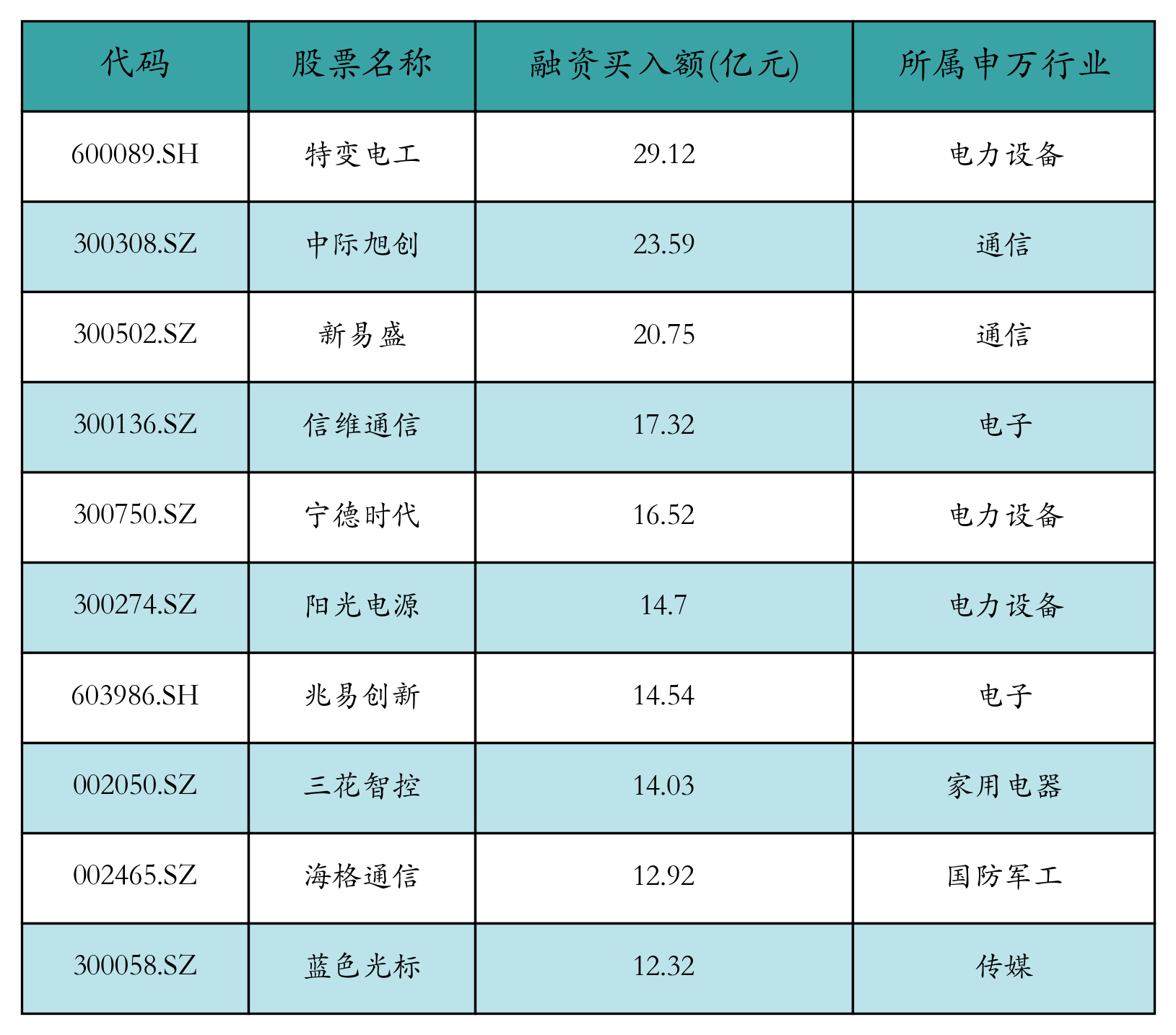
站上2.7万亿元,杠杆资金最新动向曝光!下周这些板块获投资者看好
Xin Lang Cai Jing· 2026-01-18 10:09
Group 1 - A-shares financing balance has reached a new high of 27,012.4 billion yuan, with a net buy of 1,006.51 billion yuan this week [2][20] - The electronics and computer sectors saw net purchases exceeding 10 billion yuan, with amounts of 16.445 billion yuan and 11.438 billion yuan respectively [2][20] - The power equipment sector is expected to benefit from increased fixed asset investments by the State Grid Corporation, projected to reach 400 billion yuan during the 14th Five-Year Plan, a 40% increase from the previous plan [4][21] Group 2 - Notable stocks with significant net purchases include China Ping An (3.343 billion yuan), TBEA (2.279 billion yuan), and Zhongji Xuchuang (1.979 billion yuan) [4][24] - The storage chip sector is experiencing a "super bull market," with DDR5 memory prices rising over 300% since September 2025, and DDR4 prices increasing over 150% [23] - Investors are optimistic about the power sector, with 9% of surveyed investors expressing confidence in this area, driven by the anticipated investments in the power grid [15][33]
开年最热赛道突然刹车
Ge Long Hui· 2026-01-17 02:34
Core Viewpoint - The AI application sector has recently experienced a significant downturn, despite being one of the hottest areas at the beginning of the year, driven by the recent performance of large model companies and the introduction of new technologies [1][2][5][6]. Group 1: Market Dynamics - The recent surge in AI applications was fueled by the successful listings of large model companies like MiniMax and Zhipu, which improved market sentiment and expectations for AI application growth [5]. - The acquisition of the AI application company "Butterfly Effect" by Meta for billions of dollars has increased the recognition of AI applications in China [5]. - The introduction of domestically developed inference chips has drastically reduced AI invocation costs, leading to price reductions by large model companies [5]. Group 2: Marketing and GEO - The marketing and media sector has been the primary focus of the AI application boom, particularly following Elon Musk's announcement to open-source the latest content recommendation algorithm for the X platform [6][10]. - Generative Engine Optimization (GEO) has emerged as a new trend, aiming to enhance brand content visibility in AI-generated responses, with a projected market size of $11.2 billion globally and ¥2.9 billion in China by 2025 [8][14]. - The shift from traditional SEO to AI-driven marketing strategies is transforming the marketing landscape, with AI expected to replace 50% of search engine traffic by 2028 [11][12]. Group 3: Company Performance - BlueFocus has shown impressive performance, with a 12.5% year-on-year revenue growth to ¥51.098 billion in the first three quarters of 2025, and a significant 85.53% increase in net profit [15]. - AI-driven revenue for BlueFocus surged by 310%, although it still represents less than 5% of total revenue, indicating potential for future growth if the company can establish a self-sustaining marketing model [15][16]. - The competitive landscape for BlueFocus includes major players like ByteDance and Alibaba, which have developed their own marketing tools, necessitating BlueFocus to demonstrate the unique capabilities of its self-developed AI [17]. Group 4: Future Outlook - The year 2026 is anticipated to be pivotal for AI applications, with advancements in model capabilities and supportive policies driving demand [20][21]. - The marketing sector is expected to benefit significantly from AI, with companies like AppLovin reporting a 71% increase in advertising revenue due to AI integration [22]. - The rise of AI-generated content, such as AI manga, is creating new market opportunities, with significant production and consumption potential [23][25]. - The integration of AI into traditional industries like manufacturing and finance is expected to yield substantial efficiency gains, enhancing companies' willingness to invest in AI solutions [29].
爆火的GEO,到底是个啥?
吴晓波频道· 2026-01-17 00:29
Core Viewpoint - The rise of AI assistants is transforming consumer behavior and advertising strategies, leading to the emergence of a new business model known as Generative Engine Optimization (GEO) [3][30]. Group 1: Understanding GEO - GEO (Generative Engine Optimization) is a new advertising strategy that focuses on ensuring products are positively mentioned by AI when users ask questions, contrasting with traditional SEO which aims for high click-through rates [10][12]. - The shift from traditional advertising mediums like television and search engines to AI platforms reflects a significant change in how brands reach their audiences [26][28]. Group 2: Market Trends and Growth - The GEO market is experiencing rapid growth, with China's GEO service market exceeding 4.2 billion RMB and a compound annual growth rate of 38% [33]. - Globally, the GEO market is projected to surpass $33.6 billion by 2034, indicating a substantial opportunity for businesses to adapt to AI-driven consumer behavior [33]. Group 3: Consumer Behavior Changes - Over 80% of Chinese consumers now seek shopping information through AI, with nearly 35% consulting AI multiple times daily [34]. - Despite the high engagement with AI, the actual conversion from AI recommendations to purchases remains low, suggesting significant potential for growth in this area [34][35]. Group 4: Strategies for Effective GEO - Effective GEO strategies include using authoritative endorsements, incorporating statistics, and optimizing content for clarity and structure to appeal to AI preferences [22][23]. - Companies are increasingly creating websites specifically designed for AI consumption, bypassing traditional user experience considerations to enhance AI visibility [23]. Group 5: Industry Implications - The emergence of GEO signifies a shift in advertising paradigms, where companies must learn to optimize their content for AI to remain competitive [40]. - As AI continues to proliferate, the competition for visibility and recommendation by AI will become a standard practice across industries [41].
全线回调,开年最热赛道突然刹车
3 6 Ke· 2026-01-16 12:12
Core Insights - The AI application sector experienced a significant downturn on January 16, with major stocks like Visual China hitting their daily limit down, despite being one of the hottest sectors at the beginning of the year [1][2]. Group 1: Recent Trends in AI Applications - The recent surge in AI applications was driven by the successful listings of large model companies MiniMax and Zhipu on the Hong Kong stock market, which boosted overall market enthusiasm [4]. - The listing of large model companies indicates a maturing commercial ecosystem for AI applications, leading to growth expectations [5]. - The acquisition of the AI application company "Butterfly Effect" by Meta for billions of dollars has increased the recognition of AI applications in China [6]. - The large-scale deployment of domestically developed inference chips has drastically reduced AI invocation costs, prompting many large model companies to lower their prices [7]. Group 2: Marketing and GEO - The initial excitement in AI applications has been concentrated in the marketing and media sector, particularly following Elon Musk's announcement to open-source the latest content recommendation algorithm for the X platform [9]. - Generative Engine Optimization (GEO) has emerged as a key focus, defined in a Princeton University paper as a method to enhance the visibility of optimized content in AI-generated responses [11]. - The shift towards AI search is expected to replace traditional search engines, with Gartner predicting that AI search will capture 50% of search engine traffic by 2028 [13]. Group 3: Market Potential and Growth - The global GEO market is projected to reach $11.2 billion and $1 billion in China by 2025, with compound annual growth rates (CAGR) of 55% and 53%, respectively [16]. - BlueFocus, a marketing company, reported a revenue of 51.098 billion yuan in the first three quarters of 2025, with a significant 310% increase in AI-driven business revenue [19]. - The AI-driven revenue for BlueFocus reached 1.57 billion yuan in the first half of the year, surpassing the total for the previous year, although it still accounted for less than 5% of total revenue [20]. Group 4: Future Outlook - The year 2026 is anticipated to be pivotal for AI applications, with advancements in model capabilities and the maturation of agent technology providing a fertile ground for AI applications [25]. - The Chinese government is promoting AI application implementation through various initiatives, aiming to cultivate influential enterprises and enhance industrial networks by 2028 [25]. - Companies like AppLovin have demonstrated the potential of AI in marketing, with a 71% year-on-year increase in advertising revenue in Q1 2025, validating AI's impact on the industry [26]. - The AI content production chain is being reshaped, leading to new content forms like AI-generated animated series, which are expected to create significant market opportunities [28][30]. Group 5: Conclusion - The AI sector is poised for continued growth, especially with the recent advancements in large models and the expected rise in AI application revenues [35]. - The investment logic in AI applications will focus on companies that can demonstrate a significant increase in AI revenue as a proportion of overall earnings [36].
数据复盘丨电子、汽车等行业走强 163股获主力资金净流入超1亿元
Market Overview - The Shanghai Composite Index closed at 4101.91 points, down 0.26%, with a trading volume of 13,380 billion yuan [1] - The Shenzhen Component Index closed at 14,281.08 points, down 0.18%, with a trading volume of 16,883.05 billion yuan [1] - The ChiNext Index closed at 3361.02 points, down 0.2%, with a trading volume of 8,463.56 billion yuan [1] - The STAR 50 Index closed at 1514.07 points, up 1.35%, with a trading volume of 1,168 billion yuan [1] - Total trading volume for both markets reached 30,263.05 billion yuan, an increase of 1,207.57 billion yuan compared to the previous trading day [1] Sector Performance - Strong sectors included electronics, automotive, machinery, power equipment, and home appliances [2] - Weak sectors included media, computer, oil and petrochemicals, agriculture, steel, pharmaceuticals, defense, insurance, and banking [2] - The electronic industry saw the highest net inflow of funds, amounting to 105.68 billion yuan [5] Stock Performance - A total of 2,251 stocks rose, while 2,808 stocks fell, with 114 stocks remaining flat and 11 stocks suspended [2] - 67 stocks hit the daily limit up, while 61 stocks hit the daily limit down [2] - The stock with the highest net inflow was Sanhua Intelligent Controls, with a net inflow of 1.65 billion yuan and a price increase of 5.26% [7][8] - The stock with the highest net outflow was BlueFocus, with a net outflow of 2.01 billion yuan and a price decrease of 11.52% [10][11] Institutional Activity - Institutions had a net sell of approximately 6.6 billion yuan, with 21 stocks seeing net purchases and 15 stocks seeing net sales [13] - The stock with the highest net purchase by institutions was Snowman Group, with a net purchase of approximately 234 million yuan [13][14]
本周沪深两市成交额超17万亿元,创历史单周新高
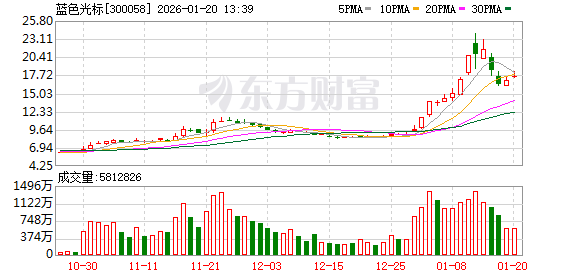
Group 1 - The A-share market experienced active trading this week, with total trading volume exceeding 17 trillion yuan, reaching 17.1 trillion yuan, setting a record for the highest weekly trading volume in history [1] - The average daily trading volume for the week was approximately 3.42 trillion yuan, marking the first time the average daily trading volume surpassed 3 trillion yuan [1] - The previous record for weekly trading volume was 14.8 trillion yuan, recorded during the week of August 25 to 29, 2025, with an average daily trading volume that did not exceed 3 trillion yuan [1] Group 2 - The stock with the highest trading volume this week was Zhongji Xuchuang, with a total trading volume of 116.922 billion yuan [2] - BlueFocus Media followed closely with a trading volume of 112.793 billion yuan, both stocks exceeding 100 billion yuan in trading volume for the week [2] - Other notable stocks in the top ten by trading volume included Aerospace Electronics, Goldwind Technology, China Satellite, and Xinwei Communication, all related to the commercial aerospace theme [1][2]
全线回调!开年最热赛道突然刹车
Ge Long Hui· 2026-01-16 09:37
Group 1 - The AI application sector experienced a significant decline on January 16, with major stocks like Vision China hitting the limit down, following a period of rapid growth at the beginning of the year [1] - The recent surge in AI applications was driven by the successful listings of large model companies MiniMax and Zhipu on the Hong Kong stock market, which increased market enthusiasm [3] - The acquisition of the AI application company "Butterfly Effect" by Meta for billions of dollars at the end of last year has enhanced the recognition of AI applications in China [4] Group 2 - The large-scale deployment of domestically developed inference chips has led to a drastic reduction in AI invocation costs, prompting large model companies to lower their prices [5] - AI application companies with established user bases and traffic pools have become new market hotspots as hardware valuations have soared [6] - The recent collective drop in AI applications raises questions about the sustainability of the initial enthusiasm, particularly in the marketing and media sector [7] Group 3 - Elon Musk's recent announcement to open-source the latest content recommendation algorithm for the X platform has sparked interest in Generative Engine Optimization (GEO), which aims to enhance brand content visibility in AI-generated responses [8][9] - Gartner predicts that by 2028, AI search will capture 50% of search engine traffic, indicating a significant shift in marketing dynamics [9] - The global GEO market is projected to reach $11.2 billion and $1 billion in China by 2025, with compound annual growth rates (CAGR) of 55% and 53% respectively [10] Group 4 - BlueFocus has shown impressive performance, with a revenue of 51.098 billion yuan in the first three quarters of 2025, reflecting a year-on-year growth of 12.5%, and a significant increase in AI-driven business revenue by 310% [13] - Despite the growth, AI-driven revenue still accounted for less than 5% of BlueFocus's total revenue of 32.36 billion yuan in the first half of the year [15] - The company's AI-driven revenue is currently small relative to its overall operations, indicating that while growth is notable, it does not yet significantly impact the company's financial health [16] Group 5 - The GEO model is expected to reshape the marketing industry, but it may take time for marketing companies to see significant performance improvements [13] - BlueFocus's proprietary marketing model, BlueAI, focuses on enhancing marketing efficiency, and if it can establish a closed-loop system, it may significantly elevate the company's profitability [17] - The competition with major tech firms for AI marketing capabilities poses a challenge for BlueFocus, as it relies on foundational models from companies like ByteDance and Alibaba [18] Group 6 - The year 2026 is anticipated to be pivotal for AI applications, driven by advancements in model capabilities and supportive policies [20] - The demand for AI applications is growing across various sectors, including marketing, where AI can generate personalized advertising materials and optimize strategies in real-time [23] - Companies like AppLovin have demonstrated the potential of AI in marketing, with a 71% year-on-year increase in advertising revenue in Q1 2025 [23] Group 7 - AI is transforming the entire content production chain, lowering creative barriers and increasing productivity, with new forms of content emerging [27] - AI-generated animated series are becoming a new trend, with significant production and consumption potential in the market [28] - The global AI visual generation application market is projected to reach $16.6 billion by 2027, indicating substantial growth opportunities [32] Group 8 - The integration of AI with traditional industries such as manufacturing and finance is expected to lead to a surge in AI applications, with companies showing a strong willingness to invest in AI for efficiency gains [34] - The focus on vertical applications that address specific industry pain points is becoming increasingly valuable, countering initial fears that large model giants would dominate the market [34] - The upcoming years will likely see significant investment opportunities in AI applications, particularly in niche markets that leverage unique technologies and data [35]