BABA(BABA)
Search documents
阿里巴巴:出售Trendyol GO 85%股权事项产生收益约60亿元
Xin Lang Cai Jing· 2025-12-04 01:37
Core Viewpoint - Alibaba disclosed in its mid-term report for the fiscal year 2026 that it sold 85% of its subsidiary Trendyol GO, which operates local life services in Turkey, for approximately $700 million (RMB 5 billion) [1] Group 1: Sale Details - The sale agreement was established in May 2025, and the cash consideration was completed within the six-month period ending September 30, 2025 [1] - The proceeds from the sale generated approximately RMB 6 billion, which was included in the unaudited condensed consolidated income statement for the six months ending September 30, 2025, primarily considering cash received, the net asset book value of Trendyol GO, and the fair value of the retained 15% equity [1] Group 2: Background Information - Uber announced in May 2025 that it would acquire 85% of Trendyol GO for about $700 million in cash [1] - Trendyol GO was established in 2010 and is operated by the Turkish e-commerce platform Trendyol, which is majority-owned by Alibaba [1]
阿里巴巴(09988) - 2026 - 中期财报

2025-12-04 00:19
Financial Performance - Revenue for the six months ended September 30, 2025, was RMB 495,447 million (USD 69,595 million), representing a 3% increase compared to RMB 479,739 million in the same period of 2024[7] - Adjusted EBITDA for the same period was RMB 62,991 million (USD 8,848 million), reflecting a 36% decrease year-over-year[7] - Operating profit decreased to RMB 40,353 million (USD 5,668 million), a decline of 43% compared to the previous year[7] - Net profit attributable to ordinary shareholders was RMB 64,106 million (USD 9,005 million), down 6% year-over-year[7] - The adjusted EBITDA margin decreased from 21% to 13%[7] - The diluted earnings per share decreased to RMB 3.34 (USD 0.47), a decline of 5% compared to the previous year[7] - The company reported a significant decrease in adjusted EBITA, which contributed to the overall decline in operating profit[7] - The adjusted EBITA for the six months ended September 30, 2025, was RMB 47,917 million (USD 6,731 million), a decrease of 44% compared to RMB 85,596 million in the same period of 2024, mainly due to investments in instant retail, user experience, and technology[34] - The total comprehensive income for the six months ended September 30, 2025, was RMB 57,874 million, down from RMB 64,280 million in 2024, a decrease of approximately 9.5%[146] Revenue Breakdown - Alibaba's e-commerce business revenue for the six months ended September 30, 2025, was RMB 221,510 million (USD 31,116 million), an increase of 9% compared to RMB 202,988 million in the same period of 2024[12] - Customer management revenue grew by 10%, primarily due to an increase in the take rate[13] - Instant retail revenue reached RMB 37,690 million (USD 5,294 million), a significant increase of 37% compared to RMB 27,517 million in the same period of 2024, driven by the launch of "Taobao Flash Sale"[15] - The revenue from the cloud intelligence group was RMB 73,222 million (USD 10,285 million), representing a 30% increase from RMB 56,159 million in the same period of 2024, mainly due to growth in public cloud services[22] - International retail business revenue increased by 15% to RMB 56,463 million (USD 7,931 million) compared to RMB 49,309 million in the same period of 2024, driven by growth from AliExpress and other international operations[19] - The international wholesale business revenue grew by 12% to RMB 13,077 million (USD 1,837 million) from RMB 11,656 million in the same period of 2024, mainly due to increased revenue from value-added services related to cross-border business[20] Expenses and Costs - Operating costs for the six months ended September 30, 2025, were RMB 287,210 million (USD 40,344 million), accounting for 58.0% of revenue, down from 60.5% in the same period of 2024, primarily due to the disposal of low-margin direct operations and improved operational efficiency[27] - Product development expenses for the six months ended September 30, 2025, were RMB 32,096 million (USD 4,509 million), representing 6.5% of revenue, an increase from 5.7% in the same period of 2024, attributed to increased investment in technology development[27] - Sales and marketing expenses for the six months ended September 30, 2025, were RMB 119,674 million (USD 16,811 million), accounting for 24.2% of revenue, up from 13.6% in the same period of 2024, mainly due to investments in user experience for Alibaba's China e-commerce group[28] - General and administrative expenses for the six months ended September 30, 2025, were RMB 14,778 million (USD 2,076 million), representing 3.0% of revenue, down from 4.8% in the same period of 2024, primarily due to improved cost control measures[28] Cash Flow and Investments - Net cash flow from operating activities for the six months ended September 30, 2025, was RMB 30,771 million (USD 4,322 million), a 53% decrease from RMB 65,074 million in 2024[47] - Free cash flow for the six months ended September 30, 2025, was an outflow of RMB 40,655 million (USD 5,711 million), compared to an inflow of RMB 31,107 million in 2024[47] - The net cash flow used in investing activities for the six months ended September 30, 2025, was RMB 51,324 million (USD 7,209 million), primarily reflecting capital expenditures of RMB 70,177 million (USD 9,858 million) and an increase in short-term investments and other financial investments of RMB 11,119 million (USD 1,562 million), partially offset by net cash inflows from investment and acquisition activities of RMB 29,710 million (USD 4,173 million)[48] - The company believes its current cash levels and operating cash flow are sufficient to meet anticipated cash needs over the next 12 months[64] Debt and Financing - The company issued zero-coupon convertible bonds totaling approximately HKD 12 billion due in 2032 in July 2025[64] - In September 2025, the company issued zero-coupon unsecured senior notes totaling approximately $3.2 billion due in 2032[64] - The syndicated loan size was reduced from $4 billion to $3.17 billion after repaying $830 million in January 2025[65] - The interest rate for the revised loan agreement was lowered to SOFR plus 66 basis points, effective November 28, 2025[65] - The maturity date for the revolving credit facility was extended to September 30, 2028, with an option to further extend to September 30, 2030[65] Corporate Governance - The board of directors includes independent members with extensive experience in finance and corporate governance, such as Wu Gangping, who has served as the chairman of the audit committee since December 2022[94] - The audit committee is currently composed of Wu Gangping, Wan Ling Martello, and Shan Weijian, with Wu serving as the chairman[98] - The compensation committee is led by Yang Zhiyuan and includes Wu Gangping and Kabir Misra[99] - The nomination and corporate governance committee is chaired by Li Yunlian, with Yang Zhiyuan as a member[100] - The compliance and risk committee is chaired by Li Yunlian and includes Wu Gangping, Kabir Misra, and J. Michael Evans[102] Shareholder Information - The total number of shares outstanding is 19,088,280,284 as of September 30, 2025[110] - The CEO holds a total of 275,744,064 shares, representing 1.44% of the total shares outstanding as of September 30, 2025[106] - The company has granted unvested restricted stock units corresponding to 76,667 shares to the CEO[109] - The company repurchased a total of 73,300,000 shares on the NYSE during the reporting period, with a total cost of $1 billion[126] - The company did not recommend the distribution of an interim dividend for the reporting period[133] Strategic Initiatives - The company is focusing on sustainability initiatives, with plans to invest $JJ million in green technologies by 2025[10] - Alibaba is investing heavily in new technologies, with a budget of $DD billion allocated for R&D in AI and cloud computing[4] - The company plans to expand its market presence in Southeast Asia, targeting a growth rate of EE% in that region over the next year[5] - The launch of a new e-commerce platform is expected to contribute an additional $GG billion in revenue by the end of 2024[7]
AI初创Anthropic启动IPO筹备工作,最早或于2026年上市;OpenAI被曝正开发全新AI大模型“大蒜”丨AIGC日报
创业邦· 2025-12-04 00:18
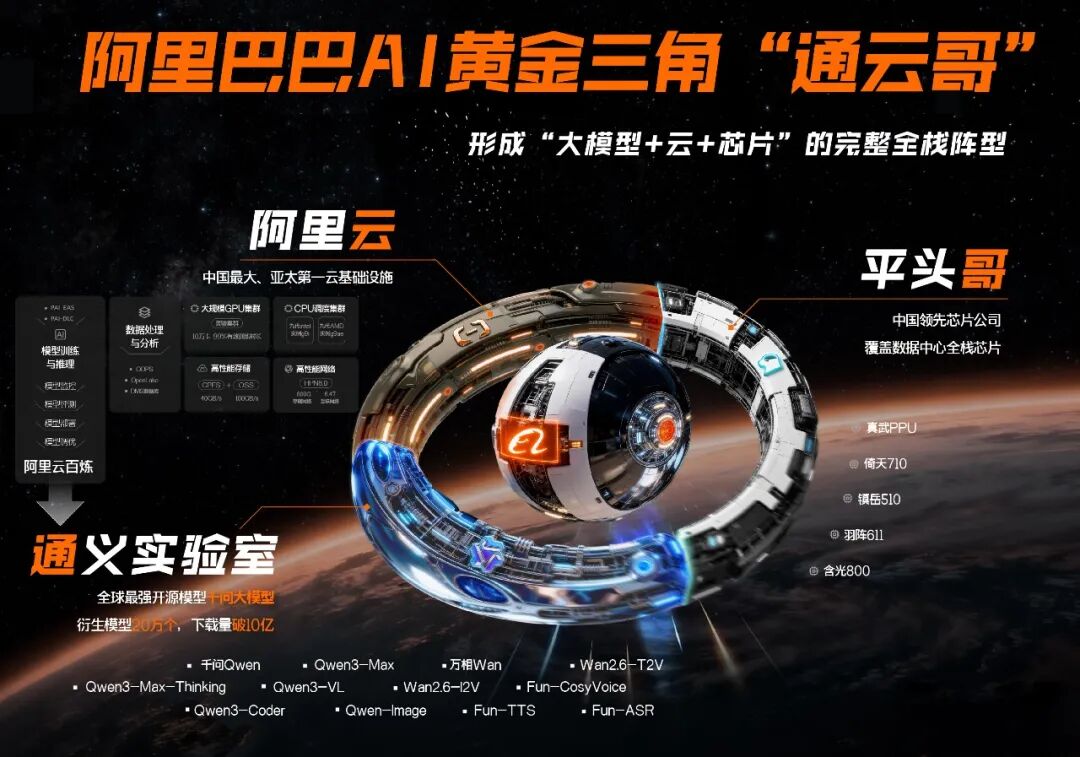
1.【Anthropic启动IPO筹备工作,最早或于2026年上市】12月3日消息,据报道,人工智能初创公 司Anthropic已聘请律师事务所Wilson Sonsini,开始筹备有史以来规模最大的IPO之一,最早或于 2026年进行。据知情人士透露,该公司正在就一轮私人融资进行谈判,估值将超过3000亿美元。据 多位人士透露,该公司也已与多家大型投行讨论了潜在的IPO计划。不过,相关讨论仍处于初步和非 正式阶段,该公司尚未接近选定IPO承销商。Anthropic发言人表示:"对于我们这样规模和收入水平 的公司来说,像上市公司一样有效地运营是相当标准的做法。""我们还没有就何时上市甚至是否上市 做出任何决定,目前也没有任何消息要分享。"(华尔街见闻) 2. 【Mistral AI正式发布Mistral 3模型】12月3日消息,法国人工智能初创公司Mistral AI正式发布 Mistral 3模型。Mistral 3模型包含3个小型密集模型 (14B、8B和3B)以及Mistral Large 3。所有 模型均基于Apache 2.0开源协议发布。(第一财经) 5.【千问接入阿里学习模型】12月3日,阿里千 ...
陆家嘴财经早餐2025年12月4日星期四
Wind万得· 2025-12-04 00:14
Group 1 - China's self-developed reusable launch vehicle Zhuque-3 successfully completed its maiden flight, marking a new milestone in the country's commercial space industry, with predictions that the industry could reach a scale of 7-10 trillion yuan by 2030 [2] - The U.S. ADP employment report for November showed a decrease of 32,000 private sector jobs, the largest drop in two and a half years, leading to increased expectations for a Federal Reserve rate cut [2] Group 2 - The Chinese government is promoting new urbanization as a key driver for expanding domestic demand and upgrading industries, emphasizing the need for urban renewal and addressing the urban-rural dual structure [3] - The Chinese Ministry of Commerce reported that the trade-in program for consumer goods has generated over 2.5 trillion yuan in sales, benefiting over 360 million people [3] Group 3 - The A-share market experienced a decline, with the Shanghai Composite Index down 0.51% and the Shenzhen Component down 0.78%, while the coal sector saw gains [5] - The Hong Kong Hang Seng Index fell 1.28%, with significant net buying from southbound funds, particularly in Alibaba [5] Group 4 - New active equity funds have shown signs of building positions, with over 80% of newly established funds experiencing net value fluctuations, while the consensus is to focus on AI applications for future allocations [6] - Morgan Stanley upgraded its rating on the Chinese stock market to "overweight," citing a higher risk of significant gains compared to losses [6] Group 5 - The Chinese government has initiated a parenting subsidy program for families with children under three years old, with over 30 million applications submitted and approved [4] - Cambodia will implement a visa-free policy for Chinese citizens from June to October 2026, allowing for multiple entries [4] Group 6 - The cultural and tourism sector in China is set to integrate with the civil aviation industry through a new action plan aimed at enhancing domestic travel accessibility and developing low-altitude tourism [9] - The Chinese passenger car market saw retail sales of 2.263 million units in November, a year-on-year decline of 7%, while the new energy vehicle market grew by 7% [9] Group 7 - The China Internet Finance Association is enhancing self-regulation for financial applications and mini-programs, aiming to mitigate risks associated with digital financial channels [10] - Binance appointed co-founder He Yi as co-CEO to expand its global business and strengthen compliance efforts [10] Group 8 - The U.S. stock market saw slight gains, with the Dow Jones up 0.86%, while the tech sector faced declines, particularly in Chinese concept stocks [15] - European stock indices showed mixed results, with the French market benefiting from consumer sector resilience [15] Group 9 - The domestic bond market experienced narrow fluctuations, with most interest rates rising, while the central bank conducted a reverse repurchase operation [17] - The U.S. Treasury yields collectively fell, indicating a shift in investor sentiment [17] Group 10 - International precious metals futures generally rose, supported by expectations of a Federal Reserve rate cut and positive economic data from Europe [18] - Crude oil prices increased amid ongoing geopolitical tensions, particularly related to the Russia-Ukraine conflict [18]
中概股普跌,阿特斯太阳能跌超9%,蔚来跌近5%,铜、锡狂飙创新高
21世纪经济报道· 2025-12-03 23:31
Market Performance - US stock indices showed a mixed performance with the S&P 500 index only 71 points away from its October high despite weak labor market data [1] - Major technology stocks had varied results, with Tesla rising over 4% and Microsoft falling over 2% [2] Sector Movements - Lithium stocks led the market rally, with companies like Albemarle and Livent showing significant gains, while major tech stocks struggled [3] - Chinese concept stocks mostly declined, with the Nasdaq China Golden Dragon Index dropping 1.38% [3] Commodity Trends - Base metals experienced a broad increase, with LME tin rising nearly 4.4% and LME copper up 2.7%, reaching historical highs [4][6] - A report from JPMorgan suggests that supply disruptions and global inventory mismatches could push copper prices to $12,500 per ton by mid-2026 [5] Cryptocurrency Market - The cryptocurrency market saw a collective rise, with Bitcoin surpassing $93,000, marking a 1.8% increase [6][7] - Significant liquidation occurred in the market, with over $360 million in total liquidations reported in the last 24 hours [8] Economic Indicators - The US private sector unexpectedly lost approximately 32,000 jobs in November, raising expectations for further interest rate adjustments by the Federal Reserve [8] - The probability of a 25 basis point rate cut by the Federal Reserve in December surged to 89% according to CME FedWatch [8]
决战端侧:AI应用加速“硬”着陆
Shang Hai Zheng Quan Bao· 2025-12-03 18:45
Core Insights - The focus of AI development is shifting towards terminal applications, with companies like Li Auto, Alibaba, and ByteDance launching AI glasses, indicating a competitive landscape for the next generation of interactive devices [1][2] - The AI end-side market is expected to grow significantly, with predictions that by 2027, over 70% of new intelligent terminals and applications will be widely adopted in key sectors [2] - The integration of AI models with hardware is seen as a crucial path for commercialization, as hardware provides a clear monetization channel for AI capabilities [3][4] Group 1: Industry Dynamics - Major tech companies are accelerating their investments in AI end-side applications, with notable collaborations such as OpenAI partnering with Foxconn for next-gen AI infrastructure [2] - The AI end-side market is projected to be one of the fastest-growing tech sectors globally, with a potential market size increase from hundreds of billions to trillions [2] - AI glasses are viewed as revolutionary devices that can capture over 80% of human sensory input, marking a significant shift in human-computer interaction [2] Group 2: Supply Chain and Innovation - The AI hardware sector is heavily reliant on the mature supply chain of consumer electronics, with companies like Alibaba forming alliances to create an ecosystem for AI glasses [6][7] - There is a growing demand for components such as sensors and processors, leading to increased orders for companies involved in the AI supply chain [6][7] - New technologies like bone conduction and optical waveguides are emerging as opportunities within the AI hardware space, with companies actively developing innovative products [7] Group 3: Challenges and Considerations - The AI end-side industry faces challenges such as matching market demand, overcoming manufacturing bottlenecks, and building user trust [8] - The quest for a "killer application" remains a pressing question, with the need for improved ecosystem support and further advancements in AI technology [8] - Ethical considerations, data security, and privacy protection are critical issues that need to be addressed for the long-term development of the AI industry [8]
三巨头“外卖大战”烧掉超770亿元,即时零售的“持久战”才刚开始
Sou Hu Cai Jing· 2025-12-03 17:45
Core Viewpoint - The intense competition among Meituan, Alibaba, and JD.com in the instant retail sector has resulted in a combined loss exceeding 77 billion yuan, reshaping the competitive landscape of the industry [1][4]. Financial Performance - Meituan reported Q3 revenue of 95.5 billion yuan, a 2% year-on-year increase, but faced a core local business operating loss of 14.1 billion yuan [2]. - Alibaba's Q3 revenue was 247.8 billion yuan, with an operating profit of 5.4 billion yuan, down 85% year-on-year, and net profit decreased by 53% to 20.6 billion yuan [2][3]. - JD.com achieved Q3 revenue of 299.1 billion yuan, with a net profit of 5.3 billion yuan, a 54.7% decline from the previous year, including a loss of 15.7 billion yuan from its new business in the food delivery sector [3]. Market Dynamics - The fierce competition has led to significant financial losses, but it has also resulted in a notable shift in market dynamics, with Meituan holding a 47.1% market share in instant transactions, followed by Alibaba at 42.3% and JD.com at 8.4% [5]. - The instant retail market is projected to grow significantly, with estimates suggesting it will exceed 1 trillion yuan by 2026, driven by a 20.15% year-on-year growth in 2024 [6][10]. Strategic Adjustments - Meituan's CEO indicated that the price war in food delivery is unsustainable, suggesting a potential strategic pause in the ongoing competition [4]. - Alibaba's CFO announced a significant reduction in investment for its flash purchase business in Q4, interpreted as a signal for a possible truce in the competitive landscape [4]. Consumer Trends - The primary consumer demographic for instant retail is the younger generation, with individuals aged 31 to 45 making up 55% of the market in 2024, reflecting a 5 percentage point increase from 2023 [8]. - The report indicates that the instant retail sector is evolving from mere product transactions to a comprehensive service model, emphasizing speed, reliability, and multi-scenario coverage [10].
阿里Z-image实测:不虚Banana,堪称开源界扛把子?
Sou Hu Cai Jing· 2025-12-03 16:43
Core Insights - The article discusses the recent launch of Z-image, an open-source image generation model developed by Alibaba's Tongyi team, which has quickly gained popularity in the open-source community [4][6]. - Z-image is positioned as a lightweight yet high-performance AI image solution, with 6 billion parameters, aimed at competing with larger closed-source models that often exceed 20 billion parameters [7][8]. - The model's low hardware requirements allow it to run on consumer-grade graphics cards, making it accessible for a wider audience [13][14]. Group 1 - Z-image has topped the open-source community's popularity charts shortly after its release [4]. - The model's 6 billion parameters are considered relatively small compared to competitors, which often have parameters in the tens or hundreds of billions [6][8]. - The model is designed to be efficient, allowing users with older graphics cards, such as the RTX 3060, to utilize it effectively [13]. Group 2 - Initial tests comparing Z-image with other models like Byte's Doubao and Nano-Banana Pro show that while Z-image performs well in consistency and aesthetic quality, it still lags behind in complex reasoning and editing capabilities [20][45]. - Z-image demonstrates strong performance in generating images that align with Chinese aesthetic preferences, making it suitable for local users [26][45]. - The open-source nature of Z-image allows for potential future enhancements and specialized models to be developed by the community [46][49]. Group 3 - The article emphasizes the significance of Z-image for small to medium enterprises and individual users looking to explore AI-generated content without incurring high costs [45]. - The expectation is set that advancements in technology may soon allow similar models to run on mobile devices, democratizing access to AI tools [50]. - The article concludes with a positive outlook on the future of AI-generated content creation, suggesting that it could lead to a new era of creativity for everyday users [51].
美股异动 | 热门中概股普跌 理想汽车(LI.US)跌近4%
Zhi Tong Cai Jing· 2025-12-03 15:52
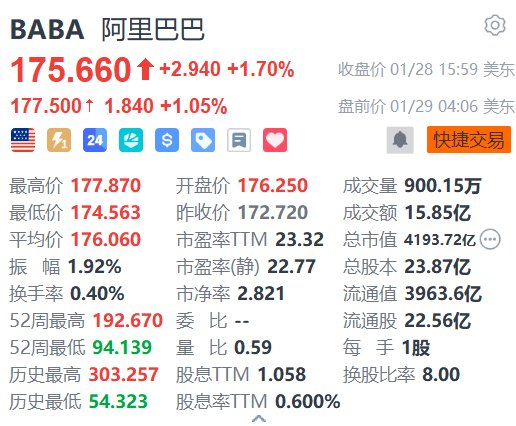
Group 1 - The Nasdaq Golden Dragon Index fell by 1%, indicating a decline in popular Chinese concept stocks [1] - Li Auto (LI.US) dropped nearly 4%, while XPeng Motors (XPEV.US) and Niu Technologies (NIU.US) fell over 3% [1] - Alibaba (BABA.US) experienced a decline of nearly 2% [1]
纳斯达克中国金龙指数盘初跌0.77%
Mei Ri Jing Ji Xin Wen· 2025-12-03 14:40
Core Viewpoint - The majority of popular Chinese concept stocks experienced a decline, with the Nasdaq Golden Dragon China Index falling by 0.77% on December 3rd [1] Company Performance - Alibaba and Bilibili both saw their stock prices drop by over 2% [1] - NIO, NetEase, Baidu, and JD.com all experienced declines of over 1% [1]