Citi(C)

Search documents
美股Q3财报季将迎开门红?投行业务复苏料助推六大银行业绩强势增长
智通财经网· 2025-10-10 13:32
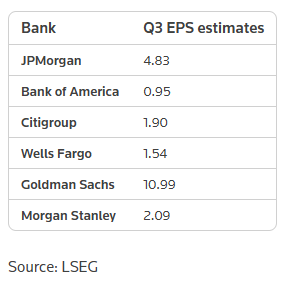
Core Viewpoint - The upcoming earnings season for major U.S. banks is expected to show strong performance driven by a recovery in investment banking and resilient economic conditions supporting consumer and commercial lending [1][2]. Group 1: Earnings Expectations - JPMorgan is projected to see a more than 10% increase in earnings per share (EPS) for Q3, with investment banking revenues expected to grow in the low double digits [1]. - Bank of America anticipates nearly a 17% year-over-year increase in EPS, with investment banking revenues expected to rise by 10% to 15% [2]. - Citigroup's EPS is expected to surge by 26%, primarily driven by capital markets activities [2]. - Goldman Sachs forecasts a 31% increase in EPS, benefiting from a rebound in investment banking and trading [2]. - Morgan Stanley expects over an 11% increase in EPS, supported by its strengths in capital markets and wealth management [2]. - Wells Fargo's EPS is projected at 1.54, while other banks have specific EPS estimates as well [3]. Group 2: Investment Banking Activity - Investment banking activities have rebounded due to regulatory easing and expectations of further interest rate cuts, with JPMorgan describing the summer as one of its busiest merger seasons [4]. - As of mid-September, 49 merger deals were announced in Q3, up from 39 in Q2 and 32 in the same period last year, with a total global merger volume reaching $2.6 trillion, the highest since the pandemic peak in 2021 [4]. Group 3: Trading and Interest Income Outlook - Trading revenues are expected to grow, with analysts noting that Q3 typically sees lower trading activity, but 2025 appears to break this trend [6]. - Net interest income (NII) is anticipated to remain robust due to the resilient U.S. economy, with banks reporting that consumer financial conditions are stable [6]. - Concerns are emerging regarding potential increases in default rates among small businesses, despite the overall positive outlook for investment and commercial banking [6].


三个月涨幅30%!美股散户最爱股票跑赢标普
Hua Er Jie Jian Wen· 2025-10-10 13:20
Core Insights - Retail investors in the U.S. are buying stocks at an unprecedented scale, with their favorite stocks significantly outperforming the market, rising 30% since early September compared to the S&P 500's 4.3% increase [1] - Retail trading volume has surged to a historical high, with Citigroup reporting the highest level of retail trading activity since tracking began in 2018 [2] - The current buying frenzy is linked to renewed optimism in AI stocks, alongside expectations of corporate transactions, interest rate cuts, and earnings resilience [1][2] Retail Trading Activity - Citigroup's data shows that retail trading volume has broken seasonal trends, reaching the highest level since 2018 [2] - Retail investors accelerated their weekly stock purchases to $7 billion from October 2 to October 8, up from an average of $5.3 billion over the previous two months [2] - The market is driven by a combination of FOMO (fear of missing out) and MOMO (momentum investing), with every dip seen as a buying opportunity [2] AI Stocks as a Focus - AI-related stocks remain the center of retail enthusiasm, with Dell experiencing its largest capital inflow in nearly five months, and significant buying in major companies like Tesla, Nvidia, and Meta [2] Options Market Sentiment - The options market reflects a risk-seeking sentiment, with retail gamma supply reaching a historical high of $93 billion, primarily driven by growth stocks, especially in technology and communications [3] - Retail inflows into ETFs reached $5.8 billion, the highest in nearly five months, with increased positions in precious metals ETFs [3] Quantum Computing Stocks as a Risk Point - Analysis indicates that some stocks in the retail favorite basket have shown signs of overextended momentum, particularly in the technology sector, which contributed 77% of the returns since early September [4] - Three quantum computing stocks—Rigetti Computing Inc., D-Wave Quantum Inc., and IonQ Inc.—have significantly influenced the basket's performance, and any adjustments in these stocks could disproportionately affect broader indices [4]


数据模糊不清之际,华尔街将目光转向银行财报寻求方向
Hua Er Jie Jian Wen· 2025-10-10 12:32
Group 1 - The upcoming quarterly earnings reports from major banks like JPMorgan and Goldman Sachs are crucial for assessing the health of the U.S. economy, especially in light of the government shutdown affecting economic data releases [1][4] - Analysts expect an overall year-on-year earnings growth of 8.8% for S&P 500 companies in the third quarter, which is vital for maintaining the upward momentum of the stock market [1][3] - The current high market valuations and investor enthusiasm for technology and AI sectors make the performance of the third-quarter earnings season particularly significant [1][3] Group 2 - The earnings reports from banks will provide insights into consumer spending and credit demand, which are essential for understanding economic trends amid concerns over a weakening labor market [2][4] - The government shutdown has delayed the release of key economic data, including the non-farm payroll report and consumer price index, which heightens the importance of bank earnings as an economic indicator [3][4] - Market sentiment is heavily reliant on expected earnings growth, and any signs of weakness could negatively impact overall market conditions [3]
Citi rejects Grupo Mexico’s $9.3B offer for Banamex
Yahoo Finance· 2025-10-10 10:09
This story was originally published on Banking Dive. To receive daily news and insights, subscribe to our free daily Banking Dive newsletter. Citi on Thursday rejected mining and transportation conglomerate Grupo Mexico’s offer to buy Banamex for roughly $9.3 billion. “After careful consideration of the proposal, including but not limited to financial considerations and transaction certainty, we have advised Grupo Mexico that Citi rejects the offer,” the bank said Thursday in a statement seen by Bloomberg. ...
花旗拒绝Grupo Mexico出价93亿美元收购其墨西哥零售银行部门的要约
Ge Long Hui A P P· 2025-10-10 02:41
格隆汇10月10日|花旗集团发布声明称,拒绝墨西哥矿业和运输集团Grupo Mexico对其在墨西哥零售银 行部门Banamex的收购要约,转而选择推进此前达成的一项交易。Grupo Mexico上周意外提出以93亿美 元收购Banamex,而此前两年多前,该集团曾放弃谈判。这一消息震惊了当地市场,导致该公司市值蒸 发数十亿美元。上个月,花旗宣布计划向墨西哥亿万富翁、机场运营商ASUR董事长Fernando Chico Pardo出售Banamex 25%的股份,交易金额约为23亿美元。 ...
抄底?美国输血阿根廷后,花旗看多该国“BONTE 30”债券
Hua Er Jie Jian Wen· 2025-10-10 02:40
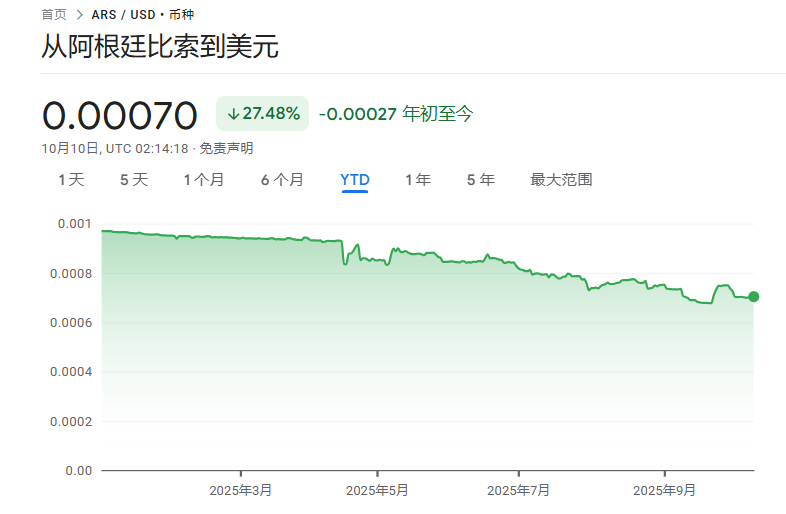
Core Insights - The intervention by the U.S. Treasury to support the Argentine peso has led to a shift in Wall Street's attitude towards Argentine assets [1][2] - Citigroup has recommended a long position on Argentina's BONTE 30 bonds, citing external support as a catalyst for potential recovery ahead of the upcoming elections [1][2] - Despite the improved outlook, the upcoming midterm elections on October 26 pose a significant risk to the market, keeping local assets in a vulnerable state [1][2] Group 1: U.S. Treasury Intervention - The U.S. Treasury's intervention is viewed as a key external force stabilizing the Argentine currency, thereby reducing some of the currency risk for investors [2] - The positive market reaction indicates that investors are responding to the actual intervention actions taken [2] - The U.S. Treasury has directly purchased Argentine pesos in the spot market to support President Milei's economic reform agenda [6] Group 2: BONTE 30 Bonds - Citigroup's focus is on the BONTE 30 bonds, which are 30-month notes denominated in Argentine pesos but require subscription in U.S. dollars [2] - These bonds are attractive for investors looking to hedge against local currency fluctuations while investing in Argentina [2] Group 3: Market Reactions - Following the U.S. intervention announcement, Argentina's 2035 sovereign bonds rose by 4.3 cents to over 60 cents, marking a two-week high [6] - The Argentine peso appreciated by 0.7%, reversing a previous decline of up to 2.7% [6] - Investor confidence was shaken after President Milei's party faced unexpected losses in local elections, leading to a sell-off of the peso [2]
全球系统重要性银行的机遇与挑战
Sou Hu Cai Jing· 2025-10-10 02:31
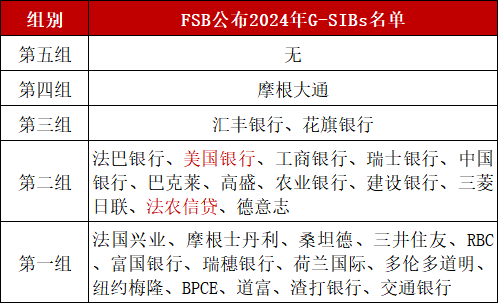
Core Insights - Global systemically important banks (G-SIBs) are undergoing a critical transformation, driven by industrialization and middle-class expansion in emerging markets, which present new opportunities in retail, corporate, and cross-border businesses. Financial technology is enhancing digital risk control and customer acquisition. However, challenges such as stagflation risks, geopolitical conflicts, and interest rate differentiation are intensifying pressure on interest margins and asset quality. The application of artificial intelligence also brings challenges related to model interpretability and compliance. Capturing the emerging market dividend and completing digital upgrades will be key to determining the future competitive advantage of G-SIBs [1]. Background - The 2008 global financial crisis highlighted the "too big to fail" issue of large international financial institutions. In 2011, the Financial Stability Board (FSB) released regulatory measures for G-SIBs, publishing the first list of G-SIBs, which included most global systemically important banks. According to the FSB's 2024 G-SIBs list, there are 29 banks globally [2][3]. Current Operations - In the current interest rate cut cycle, financial services have become the main revenue driver for banks. Since the Federal Reserve began lowering rates, traditional lending has faced pressure, leading to significant revenue growth in investment banking, financial markets, and wealth management. In Q1 2025, revenues from financial services for JPMorgan, Citigroup, and Bank of America grew by 12.0%, 10.0%, and 7.1%, respectively, with contributions exceeding 50% of total revenues, an increase of 3-6 percentage points from pre-rate cut levels [5]. - Investment banking has cooled down, with uncertainty in the market due to aggressive policy changes under the Trump administration. In Q1 2025, the growth rate of investment banking revenues for the four major U.S. banks dropped from an average of around 40% to less than 10%. Bank of America saw a year-on-year decline of -0.35% in investment banking revenue, while JPMorgan's growth slowed to 2.4% [5]. - Trading business has emerged as a new revenue driver, with significant increases in trading revenues for major U.S. banks in Q1 2025, attributed to heightened market volatility and geopolitical tensions. Trading revenues for JPMorgan, Citigroup, and Bank of America grew by 21%, 12%, and 11%, respectively, with stock trading revenues increasing by 48%, 23%, and 17% [6]. - Payment and settlement services have shown weak performance, with revenues for JPMorgan, Citigroup, Bank of America, and Wells Fargo growing by only 2.2%, 3.6%, 0.5%, and -10.9%, respectively, contrasting sharply with the growth in investment banking and trading revenues [6]. Opportunities - Expansion in emerging markets presents significant opportunities, particularly in retail banking, as the growing middle class demands diverse financial services. G-SIBs can meet these needs by offering various savings products and consumer loans. Additionally, the rising high-net-worth population increases demand for wealth management services [7]. - The demand for cross-border financial services is increasing, driven by globalization. G-SIBs can provide efficient cross-border payment solutions, financing, and risk management services to support businesses in their international activities [7]. - Regulatory changes may create potential opportunities, as the new U.S. administration's policies could support the cryptocurrency and digital asset markets, allowing G-SIBs to explore new business areas [8]. - Financial technology is enabling digital transformation, allowing G-SIBs to innovate in cross-border services and enhance customer experiences through personalized financial products [8]. Challenges - The uncertain macroeconomic environment in 2025 poses risks, with geopolitical tensions and trade protectionism affecting global economic activity. The U.S. government's tariff policies may lead to a new round of global trade disputes, increasing external risks for G-SIBs [9]. - The potential return of laissez-faire financial policies under the Trump administration could elevate systemic financial risks, as regulatory changes may reduce banks' liquidity requirements, impacting their ability to absorb potential losses [10]. - The application of AI in banking faces challenges, including the reliability and accuracy of AI outputs, which may conflict with the low tolerance for error in banking services [11]. Strategies and Recommendations - To address the challenges posed by low interest rates and regulatory costs, G-SIBs should build a multi-layered governance framework. This includes meeting total loss-absorbing capacity (TLAC) requirements and optimizing capital structures through asset securitization and diversifying capital tools [15][16]. - Business transformation and revenue diversification are crucial for balancing regulatory costs and profitability. G-SIBs should focus on expanding light-capital businesses and enhancing non-interest income through wealth management and advisory services [16]. - Governance and technology should work in tandem to improve risk management and operational resilience, including the implementation of real-time monitoring platforms for cross-border risks [16][17].
美股三大股指集体收跌;以色列政府批准加沙停火协议,以军将撤至新防线
Di Yi Cai Jing Zi Xun· 2025-10-10 01:21
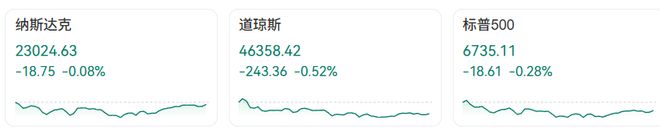
Market Overview - US stock indices closed lower on Thursday, with the Dow Jones Industrial Average recording its largest single-day drop in a month, down 243.36 points to 46358.42, a decline of 0.52% [1] - The S&P 500 index fell 18.61 points to 6735.11, down 0.28%, while the Nasdaq Composite dropped 18.75 points to 23024.63, a decrease of 0.08% [1] - Among the 11 sectors of the S&P 500, the materials sector saw the largest decline, while the consumer staples sector was the only one to rise [1] Earnings Season Insights - The upcoming earnings season is anticipated to show whether corporate profits can continue the stable growth seen in the past two quarters, with analysts expecting an 8.8% year-over-year increase in S&P 500 earnings for Q3, down from 13.8% in the previous quarter [2] - Major banks including JPMorgan Chase, Goldman Sachs, Citigroup, and Wells Fargo are set to report their earnings next week [2] Economic Indicators - The yield on the US 10-year Treasury rose by 1.7 basis points to 4.15%, while the 2-year Treasury yield increased by 1.3 basis points to 3.60% [3] - The futures market indicates a 94.6% probability of a 25 basis point rate cut by the Federal Reserve in October, as the job market may weaken further [2] Commodity Prices - International oil prices fell, with WTI crude oil futures down 1.66% to $61.51 per barrel, and Brent crude down 1.55% to $65.22 per barrel [3] - Gold prices also retreated, with spot gold down 1.62% to $3976.76 per ounce, and COMEX gold futures down 1.96% to $3990.9 per ounce [3] Corporate Developments - Delta Air Lines reported stronger-than-expected Q3 earnings and raised its guidance for the current quarter, resulting in a 4.3% increase in its stock price [2] - The Keator Group's partner noted that the market is adjusting due to a lack of new economic data and clear policy signals, which is a natural occurrence [2]




Forget Bitcoin & Ethereum — Citi's Stablecoin Bet Could Spark A $1.9 Trillion Boom By 2030 - Citigroup (NYSE:C)
Benzinga· 2025-10-09 18:50
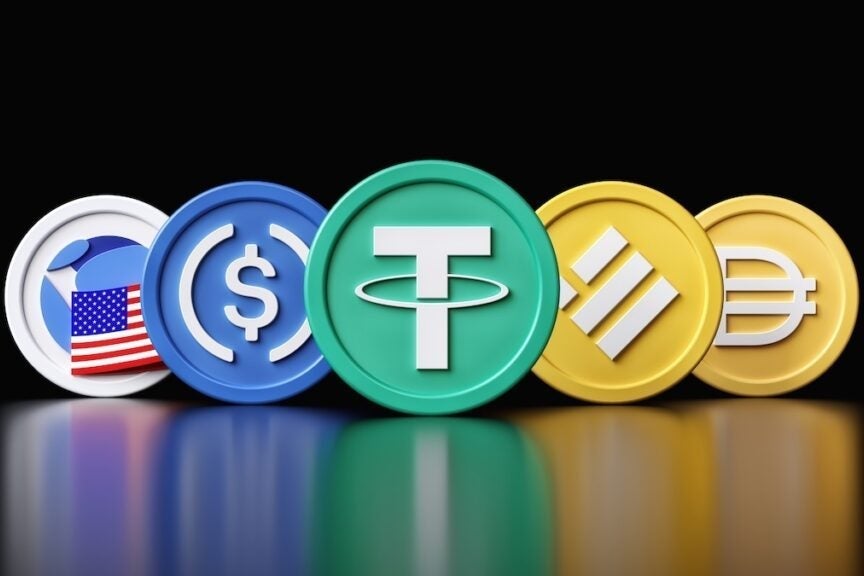
Core Insights - Citigroup Inc. has entered the stablecoin market by investing in U.K.-based BVNK, anticipating a potential $1.9 trillion market for tokenized dollars [1][2] - The investment was made through Citi Ventures, with BVNK processing over $20 billion in annual transactions for notable clients [2] - The GENIUS Act, effective since July, allows U.S. banks to issue and manage payment stablecoins under Treasury oversight, prompting banks to accelerate their involvement in the regulated stablecoin sector [3][7] Group 1: Market Dynamics - Citi's investment reflects a shift from speculative crypto trading to practical dollar tokenization, with plans for a Citi-branded stablecoin aimed at enhancing global settlement and digital custody services [4] - The in-house research division of Citi has raised its 2030 forecast for stablecoin issuance to $1.9 trillion, indicating significant potential for institutional adoption [5] - Current global stablecoin supply is approximately $289.3 billion, primarily led by Tether (USDT) and USD Coin (USDC) [5] Group 2: Competitive Landscape - Competitors like JPMorgan and Goldman Sachs are also advancing in the stablecoin space, with JPM Coin facilitating billions in daily wholesale transfers and Goldman developing tokenized cash settlement tools [6] - The GENIUS Act is considered a pivotal U.S. financial law for digital assets, formalizing the issuance and supervision of stablecoins by insured depository institutions [7] Group 3: Future Implications - Stablecoins are evolving from mere crypto tools to essential components of global finance, with the potential to become the primary medium for cross-border transactions, challenging traditional systems like SWIFT [9] - The forecasted $1.9 trillion market signifies a transformative shift in how value is exchanged globally among nations, banks, and corporations [9] - If Wall Street embraces this model, stablecoins could transition from a niche application to a foundational element of the financial system [9]
Citigroup Unusual Options Activity - Citigroup (NYSE:C)
Benzinga· 2025-10-09 18:01
Core Insights - Investors are showing a bullish stance on Citigroup, with significant options trading activity indicating potential upcoming developments [1] - The sentiment among large investors is split, with 40% bullish and 40% bearish positions observed [2] - Projected price targets for Citigroup range from $50.0 to $120.0 based on recent trading activity [3] Options Trading Analysis - A total of 40 uncommon options trades for Citigroup were identified, with 13 puts totaling $1,832,421 and 27 calls totaling $2,462,840 [2] - The volume and open interest data for Citigroup's options indicate liquidity and interest within the strike price range of $50.0 to $120.0 over the last 30 days [4] Company Overview - Citigroup operates globally in over 100 countries, providing services across five primary segments: services, markets, banking, US personal banking, and wealth management [11] - Recent expert opinions from analysts suggest an average price target of $122.25 for Citigroup, with individual targets ranging from $112 to $129 [13][14] Current Market Position - Citigroup's trading volume stands at 5,944,076, with the stock price at $96.79, reflecting a slight increase of 0.09% [16] - The stock is currently neutral according to RSI indicators, positioned between overbought and oversold [16]