
Ford Motor(F)

Search documents
美股前瞻 | 三大股指期货齐跌 美国政府停摆倒计时
Zhi Tong Cai Jing· 2025-09-30 12:17
Market Overview - U.S. stock index futures are all down, with Dow futures down 0.14%, S&P 500 futures down 0.14%, and Nasdaq futures down 0.09% as of the report [1] - European indices show mixed results, with Germany's DAX down 0.05%, UK's FTSE 100 up 0.11%, France's CAC40 down 0.37%, and the Euro Stoxx 50 down 0.07% [1] Oil Market - WTI crude oil is down 0.88% at $62.89 per barrel, while Brent crude oil is down 0.83% at $66.53 per barrel [2] Economic Outlook - The potential U.S. government shutdown could lead to a "data fog" affecting economic outlook, with key economic data releases, including the non-farm payroll report, likely to be delayed [2] - The delay in economic data could impact critical policy decisions, such as whether the Federal Reserve should cut interest rates again in the upcoming meeting [2] Investor Sentiment - Despite the looming government shutdown, investor sentiment remains optimistic, focusing on strong U.S. economic performance and corporate earnings rather than the shutdown risk [3] - UBS suggests that investors should not be overly concerned about the shutdown but should focus on other market drivers like continued Fed rate cuts and strong corporate earnings [3] Federal Reserve Commentary - St. Louis Fed President James Bullard expresses an open attitude towards future rate cuts but emphasizes the need for caution due to current inflation rates being above the 2% target [4] - Bullard highlights the importance of resisting inflation rates slightly above the target, regardless of the causes [4] Copper Market - Several investment banks have raised their copper price forecasts due to expected supply shortages, with JPMorgan increasing its Q4 LME copper price forecast from $9,350 per ton to $11,000 per ton [5] - Bank of America has also raised its 2026 copper price forecast by 11% to $11,313 per ton, while Goldman Sachs has revised its annual supply-demand balance from a surplus to a shortage of 5.5 million tons [5] Company News - Boeing is planning to develop a new single-aisle aircraft to replace the 737 MAX, aiming to regain market share lost due to safety and quality issues [7] - Ford and General Motors have extended the $7,500 electric vehicle lease tax credit, allowing dealers to offer this incentive to customers [8] - CenterPoint Energy plans to invest $65 billion over the next decade to expand its electric grid capacity, anticipating a significant increase in electricity demand [9] - ExxonMobil is planning to cut approximately 2,000 jobs globally as part of its long-term restructuring plan, which represents about 3% to 4% of its total workforce [9]




福特(F.US)与通用汽车(GM.US)延长7500美元电动汽车租赁税收抵免
智通财经网· 2025-09-30 11:08
这些计划旨在减轻税收抵免政策到期所带来的影响。该政策原定于 9 月 30 日到期,而这一期限是根据 特朗普总统的税改法案确定的。这项补贴政策已经实施了超过 15 年。 通用汽车向媒体表示:"我们与经销商合作,推出了一个针对客户的延长优惠方案,以使他们能够享受 税收抵免优惠。"福特则表示,其正通过福特信贷为电动汽车客户争取具有竞争力的租赁费用,该优惠 将持续到 12 月 31 日。 据知情人士透露,福特和通用汽车是在与美国国税局官员进行讨论后才制定了这些计划的。美国国税局 近期指出,于 9 月 30 日之前购买的电动汽车将有资格享受该项税收抵免。该机构补充道:"你可以通过 签订具有约束力的书面合同并于 9 月 30 日之前支付车辆款项来证明车辆的购置情况。" 智通财经APP获悉,据报道,福特汽车(F.US)和通用汽车(GM.US)近日已为汽车经销商推出相关计划, 此举将使 7500 美元的电动汽车租赁税收抵免的有效期限得以延长。据了解相关计划的经销商以及相关 公司提供的文件,每家汽车制造商的融资部门将通过支付预付款的方式从经销商处购买其库存中的电动 汽车。 这些预付款将使汽车金融公司有资格获得 7500 美元的 ...
【快讯】每日快讯(2025年9月30日)
乘联分会· 2025-09-30 09:36
Domestic News - In the first eight months of 2025, state-owned enterprises reported total profits of 27,937.2 billion yuan, a year-on-year decrease of 2.7% [5] - In August, the value added of major equipment manufacturing and high-tech manufacturing industries grew by 8.1% and 9.3% year-on-year, respectively, outpacing the overall industrial growth rate by 2.9 and 4.1 percentage points [6] - The total import and export value of automotive goods in August was 25.81 billion USD, with exports amounting to 21.64 billion USD, a year-on-year increase of 13.2% [7] - The electric vehicle and battery industries have become new hotspots for economic cooperation between China and Nordic countries, with several Chinese EV brands successfully entering Nordic markets [8] - Beijing Hyundai's first pure electric platform SUV has been named "EO羿欧" [10] - Dongfeng Motor's new generation Mahle power engine has achieved a thermal efficiency exceeding 48%, setting a new industry record [11] - Chery's O&J division plans to launch three new models in Thailand, including the OMODA C3 EV next year [12] - CATL plans to build 100 battery swap stations in Hainan over the next three years to enhance the battery swap network coverage [13] International News - California has 201,180 public and shared EV charging stations, surpassing the number of gas pumps by 68% [14] - Ford and GM are working together to extend the $7,500 EV tax credit by allowing dealers to lease vehicles purchased before the credit expires [15] - Toyota's global sales in August increased by 2.2% year-on-year, driven by strong demand in the U.S. market [16] - Tesla is preparing to enter the Colombian market, with job postings indicating plans for operations in Medellin and Bogota [17] Commercial Vehicles - Xiamen Golden Dragon has been selected as one of the first national-level manufacturing digital transformation promotion centers [18] - BYD's Hungarian factory has produced its 1,000th electric bus, marking a significant milestone in local production [19] - Times Automotive celebrated the production of its 6.8 millionth vehicle, highlighting its long-standing success in the commercial vehicle sector [20] - Jianghuai New Energy's pickup trucks participated in the FIA Eco Rally Cup, showcasing China's technological strength in new energy vehicles [21]





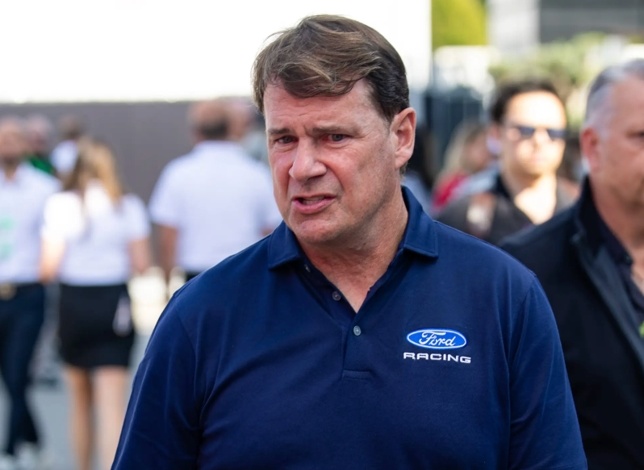
福特CEO说中国堪称电动汽车行业“700磅重大猩猩”:中美车企实力对比“毫无可比性”
Huan Qiu Wang· 2025-09-30 07:51
Group 1 - The CEO of Ford, Jim Farley, stated that Chinese automakers dominate the global electric vehicle (EV) market, and the competitive strength comparison between Chinese and American automakers is "not comparable" [1][3] - Farley referred to the competitive landscape in the EV industry, describing China as a "700-pound gorilla," indicating that American companies like Tesla, General Motors, and Ford cannot compete effectively with Chinese firms [3] - Farley has previously expressed concerns about China's advancements in the EV sector, noting that 70% of the world's electric vehicles are manufactured in China, with superior cost and quality compared to Western counterparts [3] Group 2 - According to data from the China Association of Automobile Manufacturers, in the first half of this year, China's new energy vehicle production and sales reached 6.968 million and 6.937 million units, respectively, representing year-on-year growth of 41.4% and 40.3% [4] - The market share of new energy vehicles in China's total vehicle sales reached 44.3% [4] - In Europe, the sales of Chinese electric vehicles increased by 47.5% in June, achieving a market share of 5.5%, and by the end of July, the registration of Chinese electric vehicles in Europe grew by 91%, nearly doubling their market share to 5.1% [4] Group 3 - In contrast, the growth rate of electric and hybrid vehicle sales in the U.S. has been slower, increasing from 12% of light vehicle sales at the beginning of 2022 to 20% by the end of the year [4] - High inventory levels of electric vehicles at U.S. dealerships indicate a potential cap on market demand [4] - The U.S. Congress is moving to eliminate tax credits for electric vehicle purchases to allocate funds for other priorities [4]
合资反攻潮中的“一个福特”
远川研究所· 2025-09-30 07:34
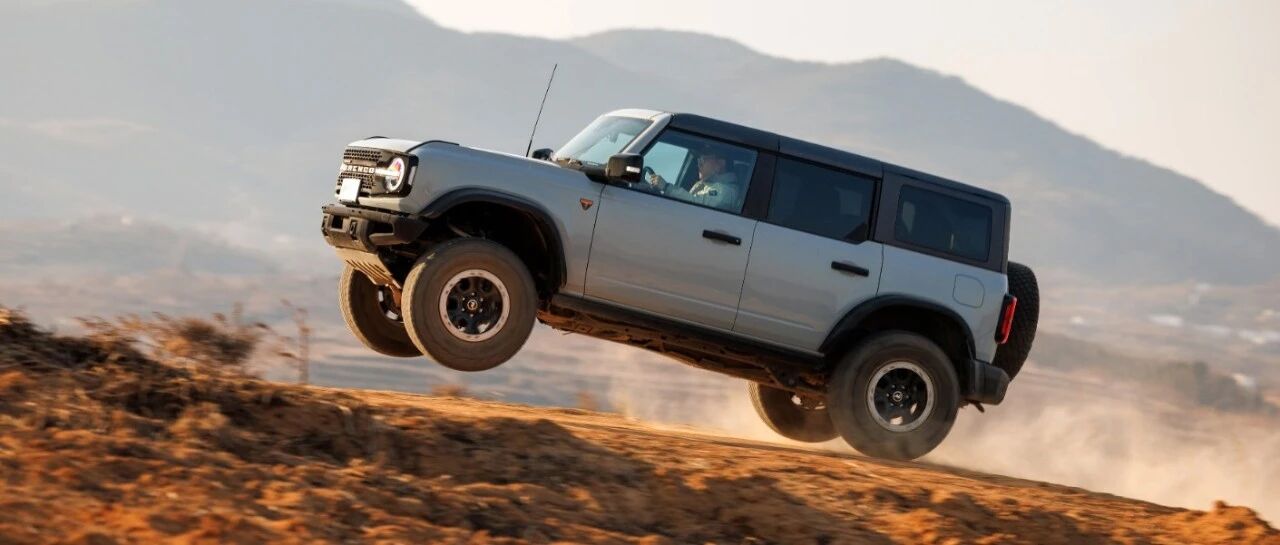
Core Viewpoint - The article discusses Ford's strategic transformation in the Chinese market, emphasizing the integration of its sales and service channels to enhance brand image and operational efficiency in a competitive environment [6][9][28]. Market Dynamics - In recent years, the market share of joint venture brands in China has declined from 63% in 2020 to approximately 35% last year, indicating a shift in competitive dynamics [4]. - Some foreign car manufacturers are seeking local technology partnerships, while Ford is opting for internal reforms to strengthen its market position [5][6]. Ford's Strategic Moves - Ford China announced the establishment of the "Ford Automotive Sales Service Company" to manage its marketing, sales, and service operations, with a focus on unifying the brand experience for consumers [6][9]. - The "One Ford" strategy aims to consolidate the sales channels of Changan Ford and Jiangling Ford, addressing internal conflicts and enhancing brand coherence [17][19]. Historical Context - Ford's previous success in China was marked by significant sales, peaking at 1.27 million units in 2016, but the company faced cumulative losses of $2.5 billion by 2022 due to market saturation and competition [10][11]. - The "One Ford" strategy has historical precedence, having previously helped the company navigate financial crises and improve operational efficiency [18]. Product Strategy - Ford has shifted its product focus from smaller, less profitable vehicles to larger models like the Explorer and Edge, while also introducing high-performance variants [12][14]. - The integration of sales channels will allow for a broader product offering, enhancing customer choice and dealership profitability [22][23]. Brand Positioning - The unified sales strategy will enable Ford to sharpen its brand image, emphasizing its heritage of performance and exploration [25][26]. - The brand's messaging will be consolidated under the theme "Fun nature, go wild," aiming to eliminate previous ambiguities in brand identity [27]. Future Outlook - Ford is accelerating its transition to electric vehicles, with the highly anticipated launch of the new domestic electric Mustang expected to bolster sales [24]. - The integration of channels and product offerings is seen as essential for Ford's survival and competitiveness in the evolving automotive landscape in China [28].
Ford, GM Working On Extending $7500 EV Credit Extension Beyond Trump's September 30 Deadline: Report - General Motors (NYSE:GM)
Benzinga· 2025-09-30 04:44
Group 1: EV Credit Extension Efforts - Ford Motor Co. and General Motors Co. are reportedly working on programs to extend the IRA EV credit beyond the September 30 deadline set by President Trump [1][2] - The companies' financing arms are initiating purchases of EVs by making down payments to dealers, allowing retailers to offer leases with the EV credit included [2] - Ford plans to provide incentives to customers until the end of the year, while GM is collaborating with dealers to offer EV incentives [3] Group 2: Political and Market Reactions - California Governor Gavin Newsom criticized GM for opposing the state's EV initiatives, stating that GM CEO Mary Barra "sold us out" [4] - Honda Motor Co. announced the cancellation of the Acura ZDX EV due to decreased EV demand, despite clarifying that this decision does not reflect on GM's commitment or the workforce at the Spring Hill plant [4][5] Group 3: Financing Strategies - Ford is offering low-interest loans on the F-150 pickup truck to customers with below-average credit scores (FICO scores below 620) through September, aiming to mitigate the impact of Trump's auto tariffs [6]
福特CEO明确拒绝苹果CarPlay Ultra 称Android Auto更优
Huan Qiu Wang Zi Xun· 2025-09-30 04:41
Core Viewpoint - Ford's CEO Jim Farley stated that the company has no intention of adopting Apple's CarPlay Ultra and believes Google's Android Auto performs better [1][3] Group 1: Company Position on Car Connectivity Solutions - Ford will continue to offer vehicles that support the basic version of CarPlay to meet some user demands, but has firmly rejected Apple's latest CarPlay Ultra [3] - Farley expressed dissatisfaction with the current performance of CarPlay Ultra, criticizing its concept of "completely controlling the car" as problematic and potentially leading to a confusing user experience [3] Group 2: Future Development Plans - Ford may consider developing its own vehicle connectivity software to gain more control in the connected vehicle technology space [3] - Farley praised the automotive systems from Huawei (HarmonyOS) and Xiaomi for their seamless experience, describing the overall experience as "very impressive" [3]

Ford CEO Jim Farley says China is 'completely dominating' Tesla, GM, and Ford in EVs
Business Insider· 2025-09-30 04:24
Core Viewpoint - The Chinese automakers are dominating the electric vehicle (EV) industry, with little competition from American companies like Tesla, GM, or Ford [1][3][4]. Group 1: Chinese Dominance in EVs - Ford CEO Jim Farley emphasized that the competitive reality shows China as the "700-pound gorilla" in the EV market, indicating a significant lead over American counterparts [1]. - Farley noted that China's success is attributed to substantial government support and subsidies for local automakers, which has fostered innovation at low costs [3][4]. - The Chinese EV market features hundreds of companies, including new entrants like BYD, Geely, Nio, and Xiaomi, all benefiting from local government sponsorship [4]. Group 2: Technological Advancements - Farley highlighted that Chinese automakers possess superior in-vehicle technology, with companies like Huawei and Xiaomi integrating advanced features that enhance user experience [5]. - The seamless integration of digital life into vehicles, such as automatic phone pairing, is a significant advantage for Chinese brands [5]. Group 3: Economic Factors - The Centre for Strategic & International Studies reported that the Chinese government has invested at least $230 billion in local EV manufacturers from 2009 to 2023, showcasing the scale of support for the industry [12]. - Rivian's CEO RJ Scaringe pointed out that the competitive edge of Chinese EVs comes from lower labor costs and favorable capital conditions rather than any secret technology [13].
Exclusive: Ford, GM launch programs to extend use of $7,500 EV lease credit
Reuters· 2025-09-30 00:51
Ford and General Motors are racing to sign up car dealers for programs that would effectively extend the use of a $7,500 U.S. tax credit on leases of electric vehicles beyond the Tuesday expiration of the federal subsidy, according to dealers and documents. ...
Exclusive-Ford, GM launch programs to extend use of $7,500 EV lease credit
Yahoo Finance· 2025-09-30 00:51
Core Viewpoint - Ford and General Motors are implementing programs to extend the benefits of a $7,500 U.S. tax credit on electric vehicle leases beyond its expiration date, aiming to mitigate the anticipated decline in EV sales and leasing following the subsidy expiration [1][5]. Group 1: Programs and Initiatives - Both Ford and GM have introduced programs that involve their financing arms making down payments on electric vehicles in dealer inventories, allowing these vehicles to qualify for the federal tax credit [2][3]. - The down payments made by the automakers' financing arms will enable dealers to offer leases on these vehicles to retail customers for several more months, incorporating the $7,500 subsidy into the lease rates [3][4]. - GM stated that it collaborated with its dealers to create an extended offer for customers to benefit from the tax credit for EV leases, while Ford is working to ensure competitive lease payments for Ford EV customers through Ford Credit until December 31 [4]. Group 2: Market Impact and Predictions - Industry experts predict a significant drop in EV sales and leasing following the tax credit's expiration, as there has been a surge in EV purchases in recent months from consumers trying to take advantage of the subsidy before the deadline [5]. - The expiration of the tax credit was set by a tax bill signed by U.S. President Donald Trump, which established September 30 as the cutoff date for the subsidy [5]. - It remains uncertain whether other automakers are pursuing similar strategies to extend the benefits of the tax credit for their EV sales [5][6].