Honda Motor(HMC)

Search documents
Honda cuts full-year profit forecast over tariffs and chip shortages
Yahoo Finance· 2025-11-13 10:00
Core Viewpoint - Honda Motor Co. has revised its profit forecast downward for the fiscal year ending March 31, 2026, due to a significant drop in operating profit attributed to one-off expenses related to electric vehicles, semiconductor shortages, and U.S. tariffs [1] Financial Performance - The company has reduced its operating profit forecast for 2026 by 21% to 550 billion yen ($3.65 billion) from 700 billion yen, and has also lowered its 2030 global EV sales target from 30% to 20% [2] - For the six months ending September 30, 2025, Honda reported sales revenue of 10.63 trillion yen ($70.9 billion), marking a modest 1.5% decrease compared to the same period last year [2] - Operating profit for the period fell by 41% to 438.1 billion yen, while profit before income taxes decreased by 28.9% to 527.4 billion yen [3] Electric Vehicle Strategy - The company recorded 237.3 billion yen in combined losses and expenses related to EV model cancellations and manufacturing reductions, indicating significant restructuring costs associated with its revised electric vehicle strategy [3] - Honda has experienced lower EV sales units and higher sales incentives per unit than initially expected due to a slowdown in the electric vehicle market in North America and Europe [4] Market Conditions - The U.S. government's policy changes, including the abolition of tax incentives for EV purchases and the easing of emissions regulations, have prompted Honda to realign its strategy, anticipating a further slowdown in the U.S. EV market [5] - Despite these challenges, Honda remains committed to expanding its production capabilities in the U.S., emphasizing the importance of procuring batteries through a sustainable value chain [6] Production Plans - Honda plans to designate its existing auto plants in Ohio as the Honda EV Hub, which includes retooling existing facilities and constructing a new joint venture EV battery facility with LG Energy Solution [7] - The company is on track to ship 3.34 million vehicles by the end of the fiscal year on March 31, 2026, reflecting a reduction of 110,000 units in the North American region due to semiconductor shortages [7]

财经观察:关税损失近百亿美元,日车企齐喊“状况严峻”
Huan Qiu Shi Bao· 2025-11-12 22:58
Core Points - Japanese automakers are collectively facing significant profit warnings due to U.S. import tariffs, marking the first time since 2020 that all seven major companies reported profit declines, totaling nearly $10 billion in losses [1][2] - The impact of U.S. tariffs, yen depreciation, supply chain disruptions, and intensified competition are creating a complex environment for Japanese automotive companies, with many executives indicating that the current "severe situation" may become the "new normal" [1][2][3] Group 1: Financial Impact - The seven major Japanese automakers reported a combined profit decline of 27.2% year-on-year, with Nissan, Mazda, and Mitsubishi posting losses, while the remaining four companies also experienced varying degrees of profit declines [2] - Toyota's operating profit in Japan and the U.S. decreased by approximately $4.32 billion, with expected losses from U.S. tariffs reaching about $9.4 billion for the fiscal year, exceeding previous estimates [3] - Honda anticipates a profit reduction of around $2.5 billion for the entire fiscal year due to U.S. tariffs, with executives acknowledging that the profit decline has become a "normal" situation [3] Group 2: Tariff and Trade Agreements - The recent performance warnings from Japanese automakers come shortly after a U.S.-Japan trade agreement, where Japan agreed to invest $55 billion in exchange for a reduction of tariffs on exports to the U.S. [6] - Despite the agreement, the high tariff rates remained applicable for most of the April to September period, leading to an estimated total profit loss of over ¥2.5 trillion for the fiscal year [6] - Executives express concerns that even a reduced tariff rate of 15% will further erode already thin profit margins, with fears that tariffs may persist beyond the current administration [6][8] Group 3: Market Challenges - The Japanese automotive industry is facing multiple challenges, including an unexpected depreciation of the yen, which is currently around 154 yen to the dollar, exceeding initial forecasts [9] - Supply chain disruptions, particularly in semiconductor availability, have led to production halts in various factories, further complicating the operational landscape for Japanese automakers [10] - The competitive landscape is intensifying, especially in the Chinese market, where Japanese brands have seen their market share drop significantly, from 24.1% in 2020 to 11.6% recently [11]


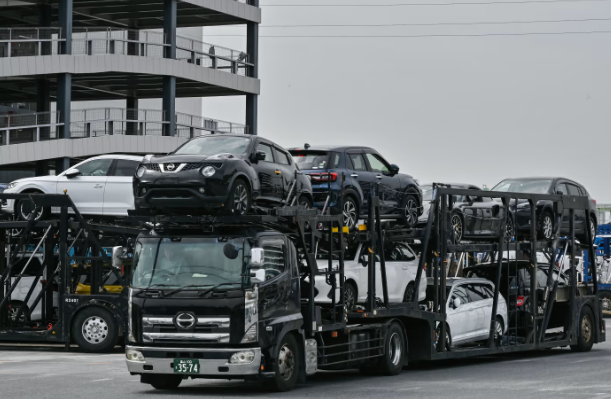
Honda recalls 406,000 vehicles for potentially deadly flaw
Yahoo Finance· 2025-11-12 18:07
Core Points - Honda has issued a recall for over 406,000 vehicles in the U.S. due to a defect that could increase the risk of crashes, injuries, or death [1][2] - The defect involves wheels that may come loose or detach from the vehicle, potentially leading to serious safety issues [2][6] - The recall affects Honda Civic models from 2016 to 2021, specifically involving 18-inch alloy wheels [6][7] Recall Details - The defect originated from a manufacturing error at a wheel supplier's facility in Italy, where unfinished wheels were mistakenly shipped as completed products [4][5] - Honda first learned of the issue in July 2024 during a routine inspection in Japan, prompting a global investigation [5] - Owners will be notified by mail and can visit local Honda dealers for inspection and free replacement wheels [6][7] Industry Context - This recall highlights the significant safety and financial consequences that can arise from small manufacturing errors, especially in popular vehicle models [2][8] - The Honda recall is part of a broader trend of large-scale vehicle recalls in 2025, as automakers face challenges related to complex global supply chains and increased regulatory scrutiny [8]
本田汽车2025年利润预期大幅下调21%
Xi Niu Cai Jing· 2025-11-12 01:01
Core Insights - Honda has significantly lowered its annual profit forecast by 21% due to rising one-time costs for electric vehicles, declining sales in China and other Asian markets, and a shortage of semiconductor components [2][3] - The operating profit forecast for the fiscal year ending March 2026 has been revised down from 700 billion yen to 550 billion yen (approximately 25.56 billion yuan) [2] - Honda's electric vehicle-related one-time expenses reached 224 billion yen in the first half of the fiscal year, leading to an operating loss in its automotive business [2] Financial Performance - For the quarter from July to September, Honda's operating profit fell by 25% year-on-year to 194 billion yen [2] - Revenue for the first half of the fiscal year (April to September) was 10.6 trillion yen, a slight decline of 1.5% year-on-year [2] - Operating profit for the first half was 438.1 billion yen, a significant decrease of 41% year-on-year [2] Market Challenges - Honda has reduced its annual sales forecast for the Asian market (including China) from 1.09 million units to 925,000 units, a decline of over 15% [3] - The semiconductor shortage is expected to result in a loss of approximately 150 billion yen for Honda [3] - The impact of U.S. tariff policies is projected to cause a loss of 385 billion yen (approximately 17.89 billion yuan), although the high localization of production in North America and strong demand for hybrid vehicles have somewhat mitigated this impact [3] Strategic Adjustments - Honda has lowered its global vehicle sales forecast for the fiscal year from 3.62 million units to 3.34 million units due to the semiconductor shortage and weak demand in the Asian market [3] - Despite challenges, Honda's motorcycle business has performed well, with strong demand in Brazil and Thailand offsetting declines in the Vietnamese market, achieving record sales and operating profit in the first half of the fiscal year [3] - The company is actively adjusting its strategy by slowing down the electrification of its automotive business and optimizing market layout while relying on the stable performance of its motorcycle business to seek steady development in a complex market environment [3]

财报显示美国加征关税严重冲击日本七大车商
Xin Hua Wang· 2025-11-11 13:14
Core Insights - Japanese automakers are experiencing collective performance declines due to U.S. tariffs on imported cars, with an estimated total loss of 1.5 trillion yen (approximately 9.74 billion USD) for the seven major manufacturers [1][2] Group 1: Financial Performance - Nissan reported a net loss of 221.9 billion yen, Mazda a net loss of 45.2 billion yen, and Mitsubishi a net loss of 9.2 billion yen for the first half of the fiscal year [1] - Honda faced a revenue loss of 164.3 billion yen and a 37% decline in net profit due to the tariffs [1] - Subaru, which derives 80% of its sales from the U.S. market, suffered a loss of 154.4 billion yen and a 45% drop in net profit [1] Group 2: Impact of Tariffs - The U.S. government imposed a 25% tariff on imported cars starting in April, significantly impacting Japanese automakers reliant on the U.S. market [1] - Toyota's operating profit declined by 18.6% despite a 5.8% increase in revenue, marking its first operating loss in North America since the 2008 financial crisis [2] - Toyota anticipates a 29.1% drop in operating profit and a 38.5% decline in net profit for the fiscal year, with tariffs expected to reduce operating profit by 1.45 trillion yen [2] Group 3: Future Outlook - Despite a reduction in U.S. tariffs on Japanese car imports to 15%, the situation remains challenging for Toyota and other manufacturers [2] - Analysts suggest that the performance decline among automakers may also hinder domestic investment in Japan, affecting the broader Japanese economy [2]

本田中国全面掉队:前十月销量下滑超20% 新能源被丰田、日产甩开
Jing Ji Guan Cha Wang· 2025-11-11 11:52
Core Viewpoint - Honda's automotive sales in China have significantly declined, with a 20.6% drop in October 2025 and a 20.5% decrease in cumulative sales from January to October 2025, indicating a challenging market position for the company in the region [2]. Sales Performance - Honda's terminal automotive sales in China for October 2025 were 59,886 units, down 20.6% year-on-year [2]. - Cumulative sales from January to October 2025 reached 527,740 units, reflecting a 20.5% decline compared to the previous year [2]. - Dongfeng Honda sold 29,678 vehicles in October, a 15.2% decrease, and 257,755 vehicles from January to October, down 24.7% [2]. - GAC Honda's October sales were 35,671 units, down 15.8%, with cumulative sales of 259,576 units, a 26.2% decline [2]. - In comparison, Toyota's sales in China showed growth, with GAC Toyota and FAW Toyota achieving year-on-year increases of 4.4% and 7%, respectively [2]. Market Position and Competition - Honda ranks last among Japanese joint venture brands in terms of sales performance in China [2]. - The company's struggles are attributed to a failed transition to electric vehicles, despite launching the e:N series and the Yae brand specifically for the Chinese market [2]. Strategic Adjustments - Honda has initiated several measures to address its poor market performance, including layoffs, production capacity optimization, supply chain restructuring, and the introduction of more Chinese smart technologies [3]. - By July 2024, Honda plans to reduce its total production capacity in China from 1.49 million to 1.2 million vehicles [3]. Supply Chain Developments - GAC Honda has agreed to acquire 50% of Dongfeng Honda Engine for approximately 1.172 billion yuan, enhancing its control over engine supply and improving operational efficiency [4]. - GAC Honda's registered capital will increase from $541 million to $867 million, with a total investment of about $326 million from GAC Group, Honda, and Honda China [4]. Management Changes - In September, Dongfeng Motor Group adjusted the management of Dongfeng Honda, appointing a new executive vice president to leverage experience in new energy technology and marketing [5]. Future Outlook - Honda's global strategy indicates a slowdown in its electrification process, potentially impacting its electric vehicle offerings in China [5]. - The launch of the second model under the Yae brand has been postponed to 2026, raising questions about Honda's ability to navigate the Chinese market effectively [5].
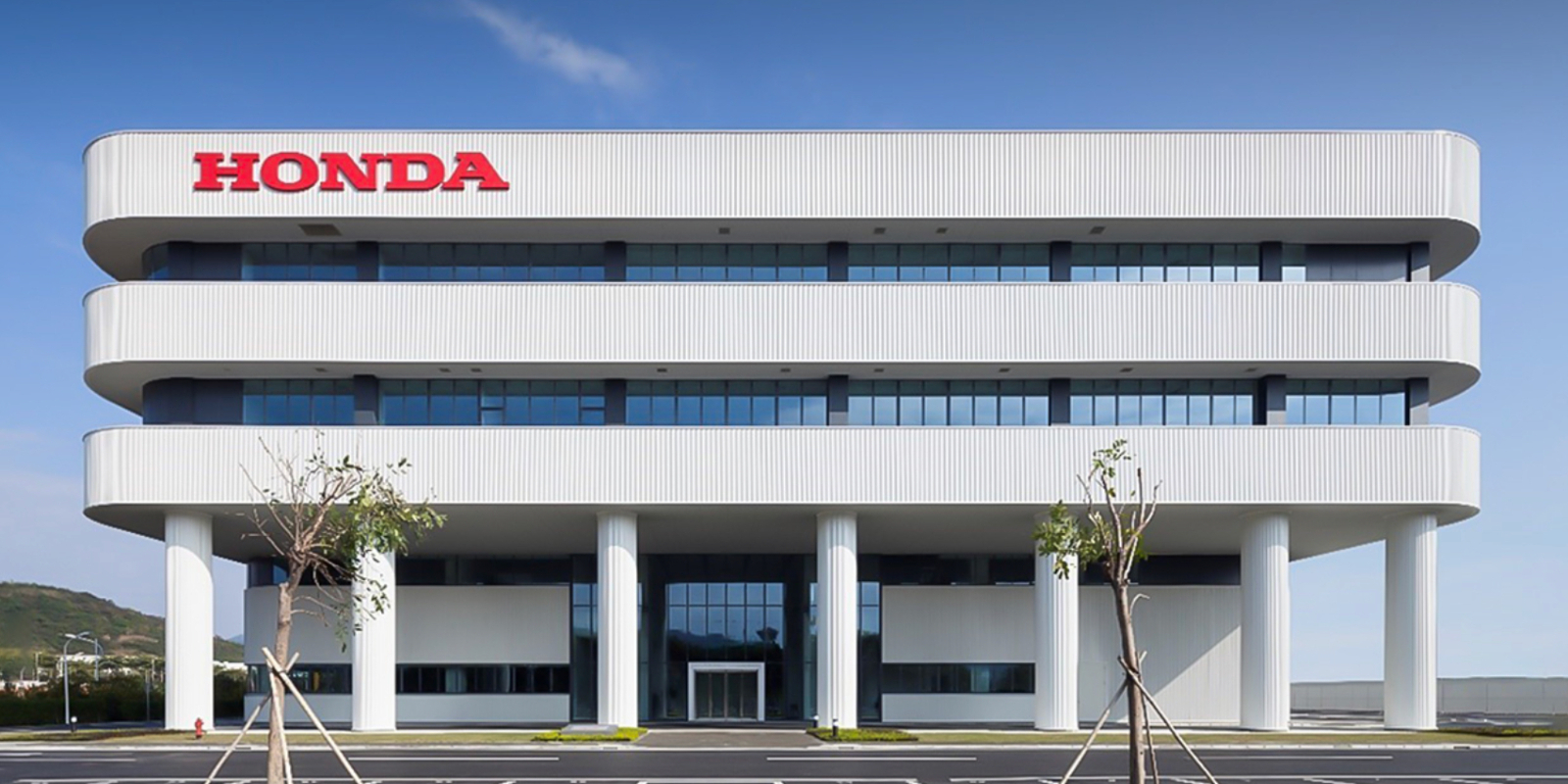
“日本车企还以为不会重蹈中国市场覆辙,结果...”
Guan Cha Zhe Wang· 2025-11-11 03:19
本田将本财年(截至2026年3月)营业利润预期从7000亿日元(约322亿元人民币)下调21%至5500亿日 元(约253亿元人民币),并将全年汽车销量预期从之前的362万辆下调至334万辆。原因包括电动汽车 相关的一次性成本,以及半导体零部件供应短缺,其中11万辆的预期销量减少与安世半导体供应短缺直 接相关。 本田还预估,美国关税将使其蒙受3850亿日元(约177亿元人民币)的损失,不过这一数字低于最初预 警的4500亿日元(约207亿元人民币)。 【文/观察者网 柳白】日本第二大车企本田的日子不好过。路透社11月11日报道称,本田上周宣布财年 利润预期大砍五分之一,这凸显了来自美国关税和全球芯片短缺的直接压力,但更深层次、更长期的挑 战在于中国汽车制造商日益激烈的竞争。 本田股价10日暴跌4.7%。然而,对本田乃至其他日本车企而言,更紧迫的担忧是其在东南亚市场份额 的持续萎缩,该地区曾是日本车企几乎毫无挑战的主导领域。 直到最近,日本车企仍认为,他们可以在中国以外的亚洲市场维持稳定,不会重演在中国市场的下滑。 但这种假设如今已不再成立。 10月29日,2025日本移动展媒体日期间,本田超级一号原型车在东京 ...
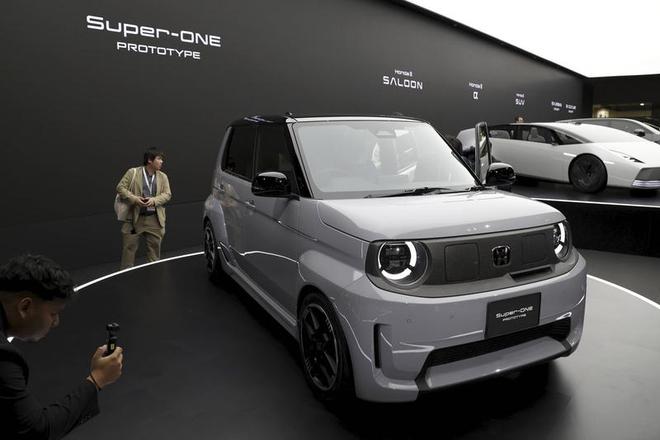
11月11日你需要知道的隔夜全球要闻
Sou Hu Cai Jing· 2025-11-10 23:29
Group 1 - Trump has stated he will adhere to the spending agreement reversing government layoffs and revealed he is close to reaching a trade agreement with India, planning to lower tariffs on India in the future, though no specific timeline was disclosed [1] - Microsoft is collaborating with TikTok influencers to promote Copilot, aiming to position it as the next generation ChatGPT, targeting the young consumer market to narrow the gap with competitors [2] - Rumble has signed an AI infrastructure agreement and expanded its collaboration with Tether, while planning to acquire the German AI company Northern Data for approximately $767 million to accelerate its AI cloud business [3] Group 2 - Monday.com released disappointing financial forecasts, leading to a 12% drop in its stock price; Marriott is scaling back its 2025 expansion plans due to Sonder's default, adjusting its hotel business development pace [4] - Western Oil reported third-quarter revenue of $6.717 billion; U.S. Treasury yields rose collectively, with the 30-year Treasury yield increasing by 0.78 basis points, and the 3-year Treasury auction yield at 3.579% [5] - The U.S. dollar index rose by 0.07%, with mixed performance among non-U.S. currencies; the Federal Reserve's overnight reverse repurchase agreement (RRP) usage on Monday was $7.152 billion, an increase of $2.249 billion from the previous trading day [6] Group 3 - Berkshire Hathaway has increased donations to its children's foundation to support successors, converting 1,800 shares of Class A stock into 2.7 million shares of Class B stock for donations [7] - The effects of the U.S. government shutdown continue, with over 1,600 flights canceled in a single day; Federal Reserve Governor Milan stated that the potential for the government shutdown to end has not significantly changed the economic outlook [8] - Samsung's Galaxy S26 series is set to launch in February next year, with differences in chip configurations; Honda is reportedly adjusting its new car development in China, delaying the launch of its flagship electric vehicle GT [9] Group 4 - Elon Musk's release of an AI-generated video has sparked controversy, with writer Oates criticizing his lack of cultural literacy; Valve plans to unveil a new VR headset and controllers this Wednesday, potentially revealing Half-Life 3 simultaneously [10] - U.S. stock indices collectively rose, with the Dow Jones up 0.85%, Nasdaq rebounding by 2.3%, and the S&P 500 increasing by 1.3%. Notably, Nvidia surged over 5%, and the Nasdaq Golden Dragon China Index rose by 2.83%, with popular Chinese concept stocks generally increasing [11] - COMEX gold futures rose by 2.76%, closing at $4,120.60 per ounce; international oil prices increased by 0.6% on the 10th, as risk appetite rebounded, overshadowing concerns over supply surplus [12]




Honda: The Good And The Bad From Recent Results
Seeking Alpha· 2025-11-10 17:15
Core Insights - The article emphasizes the focus on value investing in Asia, particularly in Hong Kong, targeting stocks with significant discrepancies between market price and intrinsic value [1] - It highlights two main categories of investment opportunities: deep value balance sheet bargains and wide moat stocks, which are characterized by their strong competitive advantages [1] Group 1: Investment Strategy - The research service aims to identify deep value stocks, such as net cash stocks and low price-to-book (P/B) ratio stocks, which are available at a discount [1] - It also seeks wide moat stocks, which are high-quality businesses with sustainable competitive advantages, often referred to as "Magic Formula" stocks [1] Group 2: Market Focus - The primary focus is on the Asian equity market, with a particular emphasis on the Hong Kong market, leveraging over a decade of experience in both buy and sell sides of the market [1] - The service provides monthly updates and watch lists to assist value investors in identifying potential investment opportunities [1]
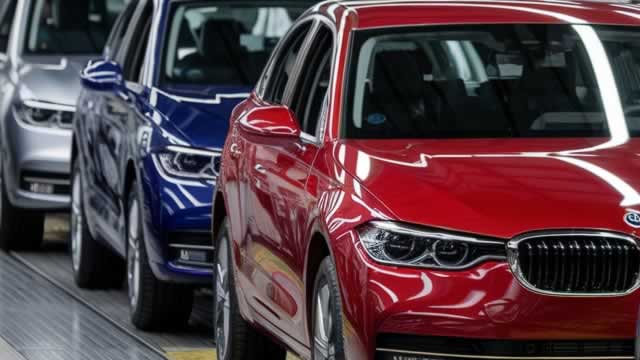
Honda's bigger threat comes from China's EV makers, not tariffs or chips
Reuters· 2025-11-10 13:29
Core Viewpoint - Honda's downgrade of its full-year profit outlook highlights the immediate pressures from U.S. tariffs and global chip shortages, while also indicating deeper, long-term challenges due to intensifying competition in the automotive industry [1] Group 1: Financial Outlook - Honda has revised its full-year profit forecast downward, reflecting the impact of external pressures such as tariffs and supply chain issues [1] - The company faces significant challenges in maintaining profitability amid these pressures, which could affect its market position [1] Group 2: Industry Challenges - The automotive industry is experiencing intensified competition, which poses a long-term threat to Honda's market share and profitability [1] - Global chip shortages are a critical issue affecting production capabilities across the industry, further complicating Honda's operational landscape [1]