Honda Motor(HMC)

Search documents
Honda to recall over 256,000 U.S. vehicles over software error, NHTSA says
Reuters· 2025-11-18 08:14
Core Point - Honda is recalling 256,603 Accord hybrid vehicles in the U.S. due to a software error that may lead to loss of drive power [1] Company Summary - The recall affects a significant number of vehicles, specifically 256,603 Accord hybrids [1] - The issue is related to a software error, which poses a risk of losing drive power while operating the vehicle [1] Industry Summary - This recall highlights ongoing challenges in the automotive industry regarding software reliability and vehicle safety [1] - The incident may impact consumer confidence in hybrid vehicles and the brand's reputation [1]


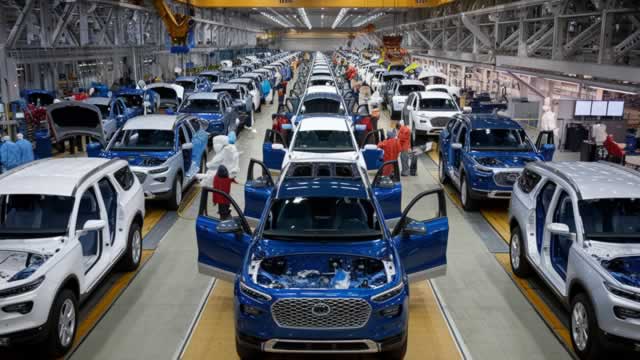
Honda to resume regular output at N. America plants after chip supply disruptions
Reuters· 2025-11-18 05:52
Core Viewpoint - Honda Motor is set to gradually resume normal operations at its North American vehicle assembly plants starting Monday, indicating a recovery from production disruptions caused by a shortage of Nexperia chips [1] Group 1 - Honda Motor's North American vehicle assembly plants will begin normal operations again, signaling a positive shift in production capabilities [1] - The production disruptions were primarily due to a shortage of Nexperia chips, which affected the automotive supply chain [1]
日本这些产业仰仗中国
Di Yi Cai Jing Zi Xun· 2025-11-17 15:08
Core Viewpoint - The recent provocative remarks by Japanese politicians regarding Taiwan have negatively impacted Japanese retail and consumer goods companies, leading to significant stock price declines, particularly for Shiseido, which saw an 11% drop [2]. Automotive Industry - Japanese automotive brands, particularly Lexus, Toyota, and Subaru, are increasingly reliant on the Chinese market, with Lexus imports reaching 138,412 units in the first nine months of the year, a 4% increase, although overall imports have been declining over the past four years [2]. - The market share of Japanese automakers in China has decreased to 11.2% in 2024, down 3.2 percentage points from 2023, with Toyota's sales dropping by 6.9% to 1.776 million units, Honda's sales down 30.9% to 852,000 units, and Nissan's sales down 12.2% to 696,000 units, marking the lowest levels since 2008 [3]. - If political tensions continue, Japanese automotive exports and local sales in China are expected to be significantly affected, with a noted decline in competitiveness for Japanese brands [4]. Consumer Electronics and Appliances - Japan's exports of home appliances to China have sharply decreased, with only about 50,000 units exported annually, including 30,000 refrigerators and 20,000 washing machines [5]. - The value of home appliance imports from Japan has declined from $1.016 billion in 2022 to $785 million in 2023 and is projected to be $708 million in 2024, indicating a downward trend in demand [5]. Sportswear Industry - ASICS, a prominent Japanese sports brand, has experienced rapid growth in China, with projected sales of approximately 5 billion yuan in 2024 and a sales growth rate of nearly 30%, outpacing most other major markets [6]. Alcohol and Beverage Industry - Japan ranks fourth in the import of spirits to China, with a total value of $3.0737 million in the first eight months of 2025, primarily driven by whiskey imports, which saw a 41.9% increase [7]. - Japanese sake exports to China have significantly increased over the past decade, with exports to mainland China and Taiwan growing by 495.9% and 165.9%, respectively, indicating a strong market presence [7]. Tourism Industry - The number of Chinese tourists visiting Japan is projected to exceed 6.98 million in 2024, a 187.9% increase, with Chinese tourists accounting for 20%-25% of total visitors [8]. - Chinese tourists are the largest spenders in Japan, contributing 1.73 trillion yen to the economy, which is 21.3% of total foreign tourist spending [9]. - The potential decline in Chinese tourists due to political tensions could lead to an estimated economic loss of 2.2 trillion yen for Japan, equivalent to approximately 101.16 billion yuan [9].



日本汽车、家电边缘化,这些产业仰仗中国
Di Yi Cai Jing· 2025-11-17 13:30
Group 1: Japanese Automotive Industry in China - Japanese automotive brands are experiencing a decline in competitiveness in the Chinese market, with potential further market share shrinkage if the Japanese government does not correct its course [1][3] - The market share of Japanese automakers in China has dropped to 11.2% in 2024, a decrease of 3.2 percentage points from 2023, with major companies like Toyota, Honda, and Nissan facing significant sales declines [3] - Toyota's sales in China for 2024 are projected at 1.776 million units, down 6.9%, while Honda's sales have plummeted by 30.9% to approximately 852,000 units, marking the lowest level since 2014 [3] Group 2: Impact of Political Relations - The deterioration of Sino-Japanese political relations, influenced by provocative statements from Japanese politicians, is expected to adversely affect Japanese industries reliant on the Chinese market, including automotive, alcohol, and tourism [1][8] - Analysts suggest that if political tensions continue, Japanese automotive exports and local sales in China will be significantly impacted [3][4] Group 3: Japanese Consumer Goods and Retail - Japanese retail and consumer goods companies are seeing stock price declines due to their reliance on Chinese consumers, with Shiseido's stock dropping by 11% following political tensions [1] - The import of Japanese household appliances to China has been decreasing, with a drop from $1.016 billion in 2022 to an estimated $708 million in 2024 [5] Group 4: Japanese Alcohol and Tourism - Japan's whiskey imports to China have shown significant growth, with a 41.9% increase in import value in the first eight months of 2025, amounting to $2.436 million [6] - Chinese tourists are a major consumer of Japanese sake, with exports to China growing by 495.9% over the past decade, making China the largest export market for Japanese sake [7] Group 5: Economic Impact of Reduced Tourism - A significant reduction in Chinese tourists visiting Japan could lead to a 0.36% decrease in Japan's GDP, equating to an estimated economic loss of 2.2 trillion yen (approximately 101.16 billion yuan) [9]
本田在华电动化转型遇阻 战略调整寻求破局
Xi Niu Cai Jing· 2025-11-17 08:18
Core Insights - Honda is facing significant challenges in its electrification efforts in China, with disappointing sales figures for its newly launched electric SUVs S7 and P7 [2][3] - The company has decided to delay the launch of its flagship electric model, the 烨GT, to 2026 to allow for better design and configuration adjustments [2] - Honda's overall vehicle sales in China have declined sharply, with a 20.62% drop in October 2025 compared to the previous year [2] Group 1: Market Performance - Honda's electric models, including e:NS1, e:NP1, and others, have shown lackluster sales, with e:NP2 selling only 735 units in September [3] - The S7 and P7 have sold just over 1,000 and 1,400 units respectively since their launch, indicating a weak market reception [2][3] - The competitive landscape is intensifying, with local brands gaining market share and offering more attractive pricing and features [3] Group 2: Strategic Adjustments - Honda is optimizing its production capacity, reducing total capacity from 1.49 million to 1.2 million vehicles, while also launching two new energy factories [4] - A significant acquisition is underway, with GAC Honda set to acquire 50% of Dongfeng Honda's engine division for approximately 1.172 billion yuan, enhancing supply chain stability [4] - Honda is pursuing strategic partnerships with local firms like Momenta and CATL to bolster its electric and intelligent vehicle capabilities [4] Group 3: Global Strategy Changes - Honda has revised its global electrification strategy, lowering its target for electric vehicle sales from 30% to 20% by 2030 and pausing some EV model developments [5] - This strategic shift may impact Honda's future electric vehicle offerings in the Chinese market, raising concerns about its competitiveness [5]

AUTOMOBILITY LA OPENS 2025 LOS ANGELES AUTO SHOW WITH EXPANDED INNOVATION PLAZA AND GLOBAL INDUSTRY FOCUS
Prnewswire· 2025-11-15 00:45
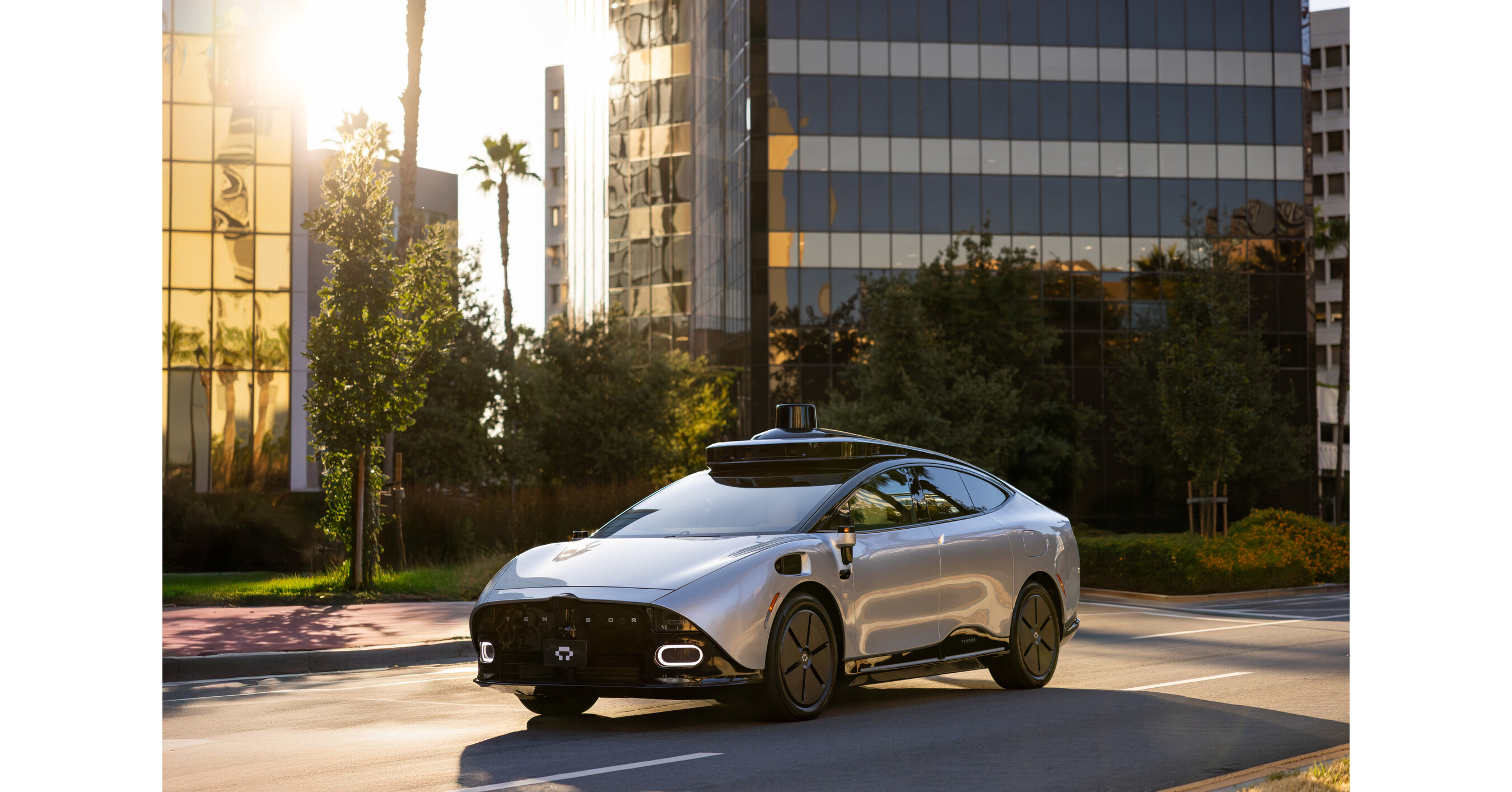
Core Insights - AutoMobility LA, a key event for the automotive industry, will take place on November 20, 2025, at the Los Angeles Convention Center, featuring Innovation Plaza as the main hub for vehicle demonstrations and announcements [1][9]. Event Highlights - The event will showcase a variety of vehicle demonstrations, including personal flying aircraft, autonomous technology, and electric boats, with notable exhibitors such as Pivotal, ARC Boats, and Tensor AI [3][4]. - The Fleet Innovation Showcase will expand programming to include zero-emission fleet vehicles and hydrogen innovations, highlighting advancements in commercial delivery platforms and integrated fleet services [3][4]. Featured Exhibitors - Pivotal will present Helix, an all-electric personal flying aircraft designed for commuter air mobility [4]. - ARC Boats will showcase the Arc Sport, a fully electric wake boat with advanced battery architecture and zero emissions [4]. - Tensor AI will unveil the world's first personal Level-4 Robocar, engineered for real-world autonomy and luxury fleet operations [4]. - Honda will feature the production CR-V e:FCEV, the first production plug-in hydrogen fuel cell electric vehicle in the U.S. [4]. Additional Activities - Attendees can participate in guided ride and drive experiences with brands like Honda, Kia, Lucid, and Rivian, and will see the debut of Scout Motors' concept vehicles [6]. - The AutoMobility LA Main Stage will host keynote presentations, discussions, and Q&A sessions throughout the day [5]. Economic Impact - The Los Angeles Auto Show, which includes AutoMobility LA, is one of the most influential automotive events globally, attracting hundreds of thousands of attendees and generating significant economic impact for the city [8].

日产与本田讨论在美国合作开发汽车
3 6 Ke· 2025-11-14 05:53
Core Insights - Nissan's President, Ivan Espinosa, indicated discussions with Honda regarding joint vehicle and powertrain development in the U.S. market, amidst increasing tariffs and a challenging market environment [2][3] - Both companies are motivated by a sense of urgency due to Nissan's underperformance in the North American market and Honda's recent losses in its automotive business [3] - Espinosa emphasized the potential benefits of collaboration, including improved competitiveness and the possibility of alleviating tariff impacts [3][4] Group 1: Joint Development and Market Conditions - Nissan and Honda are exploring the possibility of collaborating on vehicle and powertrain development, although specific vehicle types (EV or HV) have not been disclosed [2] - The collaboration is driven by the need to enhance competitiveness in the U.S. market, where high tariffs and a challenging business environment have been noted [2][3] - Honda acknowledged ongoing discussions about various cooperation possibilities, but no definitive agreements have been reached yet [3] Group 2: Financial and Operational Strategies - Nissan has faced challenges in launching popular hybrid vehicles in North America, leading to poor sales performance [3] - Both companies are under pressure to improve cost competitiveness, particularly in the electric vehicle segment, as Honda reported losses in its automotive business during the April to September 2025 period [3] - Espinosa mentioned that Nissan is considering various options, including potentially producing pickup trucks for Honda at underutilized U.S. factories [3][4] Group 3: Capital Cooperation and Restructuring - Previous attempts at business consolidation between Nissan and Honda failed due to a lack of trust, and there are currently no discussions regarding capital cooperation [4] - Nissan is also reassessing its capital relationship with Renault, with plans to reduce mutual investment obligations from 15% to 10% by 2025 [5] - The company is undergoing significant restructuring, including a global workforce reduction of 20,000 and the closure of seven factories, with Espinosa affirming that factory reductions will proceed as planned [5]

日产与本田讨论在美国合作开发汽车
日经中文网· 2025-11-14 03:08
Core Viewpoint - Nissan and Honda are discussing potential collaboration in vehicle and powertrain development in the U.S. market, driven by increasing market challenges such as high tariffs [2][4]. Group 1: Collaboration and Market Challenges - Nissan's president, Ivan Espinosa, indicated that discussions are ongoing regarding joint vehicle and powertrain development with Honda, without specifying whether the focus will be on electric vehicles (EV) or hybrid vehicles (HV) [2][4]. - The collaboration is seen as a response to the challenging market environment in the U.S., where Nissan has struggled with low sales due to delays in launching popular HV models [4][5]. - Both companies aim to enhance their competitiveness in the U.S. market, which is critical for their survival amid rising tariffs and operational challenges [2][4]. Group 2: Financial Performance and Strategic Moves - Honda's automotive business reported losses between April and September 2025, highlighting the urgent need to improve cost competitiveness centered around electric vehicles [5]. - Espinosa emphasized the strong production systems and supply chain coverage of both companies in the U.S., suggesting that collaboration could mitigate tariff impacts and open opportunities in other markets [5]. - Nissan is also considering producing pickup trucks for Honda at its underutilized U.S. factories, although no definitive plans have been announced [5]. Group 3: Corporate Restructuring and Future Prospects - Nissan is undergoing significant restructuring, including a global workforce reduction of 20,000 employees and the closure of seven factories [6]. - Espinosa confirmed that factory reductions will proceed as planned, while expressing no intention for further layoffs [6]. - The future of Nissan's capital relationship with Renault is under review, with both companies agreeing to reassess their investment obligations, potentially reducing them from 15% to 10% by 2025 [5].

Honda Q2 Earnings Miss Expectations, Revenues Decline Y/Y
ZACKS· 2025-11-13 16:16
Core Insights - Honda reported earnings of 60 cents per share for Q2 of fiscal 2026, missing the Zacks Consensus Estimate of 62 cents, but up from 43 cents in the same quarter last year [1] - Quarterly revenues were $35.9 billion, below the Zacks Consensus Estimate of $37.1 billion and down from $36.2 billion year-over-year [1] Segment Performance - The Automobile segment's revenues decreased by 4.6% year-over-year to ¥3.46 trillion ($23.3 billion), with an operating loss of ¥43.4 billion ($292.4 million) compared to an operating income of ¥35.2 billion in the same quarter last year [2] - Motorcycle segment revenues increased by 11% year-over-year to ¥969 billion ($6.53 billion), with an operating profit of ¥179.3 billion ($1.21 billion), up 21% year-over-year [3] - Financial Services segment revenues totaled ¥846.2 billion ($5.7 billion), down 3.3% year-over-year, with an operating profit of ¥58.2 billion ($392 million), down 25% year-over-year [3] - Power Products and Other Businesses generated revenues of ¥100.3 billion ($675 million), up 2% year-over-year, with a narrowed operating loss of ¥78 million compared to ¥3.2 billion in the same period last year [4] Financial Overview and Outlook - As of September 30, 2025, consolidated cash and cash equivalents were ¥4.64 trillion ($31.2 billion), and long-term debt was approximately ¥8.13 trillion ($54.7 billion) [5] - For fiscal 2026, Honda projects consolidated sales volumes of 14.25 million units for Motorcycles, 2.64 million units for Automobiles, and 3.67 million units for Power Products, indicating a 4.1% growth in Motorcycles but declines of 7% and 0.8% in Automobiles and Power Products, respectively [6] - Honda forecasts fiscal 2026 revenues of ¥20.7 trillion, a decline of 4.6% year-over-year, with an operating profit of ¥550 billion, indicating a contraction of 54.7% year-over-year, and a pretax profit forecast of ¥590 billion, suggesting a drop of 55.2% year-over-year [7] Market Position - Honda currently holds a Zacks Rank of 3 (Hold) [8] - Competitors with better rankings include General Motors Company (Rank 1), OPENLANE, Inc. (Rank 1), and Garrett Motion Inc. (Rank 1) [8]

Nissan considering car development with Honda in US, Nikkei quotes Nissan CEO as saying
Reuters· 2025-11-13 11:06
Nissan Motor is considering a joint vehicle and powertrain development with Honda Motor in the United States, Nissan CEO Ivan Espinosa told the Nikkei business daily on Thursday. ...