HP(HPQ)

Search documents
戴尔、联想及惠普具备足够应对个人电脑DRAM市场冲击的能力
Ge Long Hui· 2025-12-19 02:27
Group 1 - The core viewpoint is that leading PC manufacturers such as Dell, Lenovo, HP, Apple, and Acer have the capability to withstand the impact of DRAM price increases expected in the second half of 2026 due to healthy inventory levels and procurement scale advantages [1] - These manufacturers are expected to gain slight market share increases, supported by their strong positions in the server, smartphone, and enterprise storage markets, which enhance their procurement capabilities and likelihood of securing memory supply priority [1] - The remaining manufacturers, holding about 25% of the market share, are projected to face challenges in competitive pricing strategies due to the need to purchase memory at higher premiums, creating opportunities for leading manufacturers to expand their market share in the mid-to-low price segments [1] Group 2 - The upgrade to Windows 11 is anticipated to be a major catalyst for the shipment volumes of Dell, Lenovo, and HP in 2026, as approximately 35%-40% of Windows PCs are still using older operating systems [2] - Over the past 12 months, Dell, Lenovo, and HP collectively accounted for 75% of global commercial PC shipments, indicating strong brand loyalty among commercial customers and a focus on optimizing configurations to maximize sales [2] - The demand elasticity in the commercial segment is lower than in the consumer market, which may support sustained demand despite rising PC prices [2]



美股异动 | 电脑硬件股下跌 惠普(HPQ.US)跌逾5%
Xin Lang Cai Jing· 2025-12-18 15:10
Core Viewpoint - The report from Morgan Stanley indicates that IT hardware companies will face increasing cyclical challenges by 2026, leading to cautious outlooks for companies like Dell Technologies and HP due to significant exposure to memory chip risks [1] Group 1: Company Performance - HP's stock fell over 5% and Dell Technologies' stock dropped nearly 4% on Thursday [1] - Analysts are particularly cautious about hardware original equipment manufacturers (OEMs) like Dell and HP [1] Group 2: Market Risks - The rising costs of memory chips in 2026 may lead to substantial price increases for both enterprise and consumer market products [1] - There is an increased risk of demand elasticity, which could pressure hardware procurement budgets [1]
电脑硬件股下跌 惠普(HPQ.US)跌逾5%
Zhi Tong Cai Jing· 2025-12-18 15:00
周四,电脑硬件股下跌,惠普(HPQ.US)跌逾5%,戴尔科技(DELL.US)跌近4%。摩根士丹利在周三的一 份报告中表示,IT硬件公司将在2026年面临日益严峻的周期性挑战。分析师对戴尔科技和惠普等硬件原 始设备制造商最为谨慎,原因是对内存芯片的风险敞口较大。分析师指出,2026年内存芯片成本上升可 能导致企业级与消费级市场产品价格大幅上涨,需求弹性风险加剧,硬件采购预算面临下调压力。 ...
新亚电子:公司产品高频高速铜缆连接线已通过安费诺进入戴尔、惠普、谷歌等知名服务器制造商供应链
Mei Ri Jing Ji Xin Wen· 2025-12-18 10:51
Core Viewpoint - The company is expanding its market strategy from "internal line" core suppliers to "external line" markets, including partnerships with major tech companies for its high-frequency, high-speed copper cable products [1]. Group 1: Market Expansion Strategy - The company has successfully integrated its high-frequency, high-speed copper cable products into the supply chains of renowned server manufacturers such as Dell, HP, Google, Amazon, Microsoft, Oracle, Meta, Inspur, H3C, and Zhongke Shuguang [1]. - The company is actively pursuing the development of the external line market while maintaining steady growth in its internal line business [1]. Group 2: Industry Context - The ongoing surge in computing power and the rapid upgrade cycle of artificial intelligence servers are driving demand for the company's products [1].



超117万人被裁!
商业洞察· 2025-12-18 09:23
Core Viewpoint - The article discusses the alarming rise in layoffs in the U.S. job market, with over 1.17 million employees laid off by November 2025, a 54% increase from the previous year, drawing parallels to the 2008-2009 financial crisis [4][5]. Group 1: Causes of Layoffs - The primary cause of layoffs is attributed to the efficiency revolution led by the DOGE department, resulting in 293,753 federal employees and contractors losing their jobs, with an additional 20,976 in the private and non-profit sectors, an eightfold increase compared to 2024 [15]. - The macroeconomic environment, characterized by high costs and tariffs, is also a significant factor, as many companies face debt repayment pressures from loans taken during the low-interest period of 2020-2021 [18][19]. - Companies, particularly those owned by private equity, are cutting jobs at a rate 1.5 times higher than publicly traded firms due to high leverage costs and cash flow constraints [21][22]. Group 2: Impact on Various Industries - The retail sector is the hardest hit, with a significant drop in consumer confidence and companies like Target and Starbucks announcing substantial layoffs due to decreased sales [27][28]. - The service industry has seen a 64% increase in layoffs, with UPS cutting 14,000 management positions to improve efficiency [30][31]. - The food industry has also been affected, with 34,165 job losses throughout the year, particularly in beef processing due to rising costs [32][33]. Group 3: Technology and Management Changes - The technology sector has contributed significantly to layoffs, with 35% of the total layoffs coming from this industry, primarily affecting middle management roles [46][47]. - A new corporate mantra has emerged: "Every employee generates revenue," leading to layoffs becoming a normalized management tool rather than a crisis response [51]. - Companies like Amazon and IBM have reported increased profits while simultaneously announcing significant layoffs, indicating a trend where cost-cutting measures are prioritized over workforce stability [53][54]. Group 4: Future Implications - The trend of layoffs is expected to continue, with predictions that the technology sector will see a peak in cost-cutting benefits by 2026, potentially reducing operational costs significantly [58]. - However, the loss of middle management, which often holds critical technical knowledge, could extend product development cycles and hinder innovation [62][71]. - The article warns that excessive cost-cutting may erode the foundation of innovation within the technology sector, leading to long-term negative consequences [72].





美国超117万人被裁,原因何在?
虎嗅APP· 2025-12-16 13:38
Core Viewpoint - The article discusses the alarming rise in layoffs in the U.S., with over 1.17 million employees laid off as of November, marking a 54% increase from the previous year, reminiscent of the 2008-2009 financial crisis [5][6]. Group 1: Causes of Layoffs - The primary cause of layoffs is attributed to the efficiency revolution led by the DOGE department, resulting in 293,753 federal employees and contractors losing their jobs, with an additional 20,976 in the private and non-profit sectors, an eightfold increase compared to 2024 [15]. - The macroeconomic environment, characterized by high costs and tariffs, is also a significant factor, as many companies face debt repayment pressures from loans taken during the low-interest period of 2020-2021 [18][19]. - Retail, service, and food industries are the hardest hit, with retail experiencing a 20% drop in consumer confidence and significant job cuts from companies like Target and Starbucks due to rising prices and reduced consumer spending [27][30][32]. Group 2: Impact on Different Sectors - The retail sector has seen massive layoffs, with companies like Target cutting 1,800 jobs and Starbucks 900 due to decreased consumer spending [30]. - The service industry has also been affected, with 69,089 layoffs, a 64% increase, as companies like UPS cut 14,000 management positions to improve efficiency [30]. - The food industry faced 34,165 layoffs, with rising costs leading to job cuts in beef processing companies [32]. Group 3: Technology and Management Changes - The technology sector has contributed significantly to layoffs, with 35% of the total layoffs coming from this industry, particularly affecting middle management roles [47][48]. - Companies are increasingly using layoffs as a management tool to improve profitability, with a new focus on revenue per employee as a key performance indicator [50]. - The trend of cutting middle management has led to immediate operational cost savings, with companies like Amazon and Verizon reporting significant efficiency improvements after layoffs [57]. Group 4: Future Outlook - The technology sector is expected to continue this trend, with predictions of a peak in cost-cutting benefits by 2026, potentially reducing operational costs and increasing profit margins [60]. - However, the loss of middle management, which often holds critical technical knowledge, may extend product development cycles and hinder innovation [65][74]. - The article warns that excessive cost-cutting could erode the foundation of innovation in the tech industry, leading to a talent shortage and reduced research and development investment [75][73].

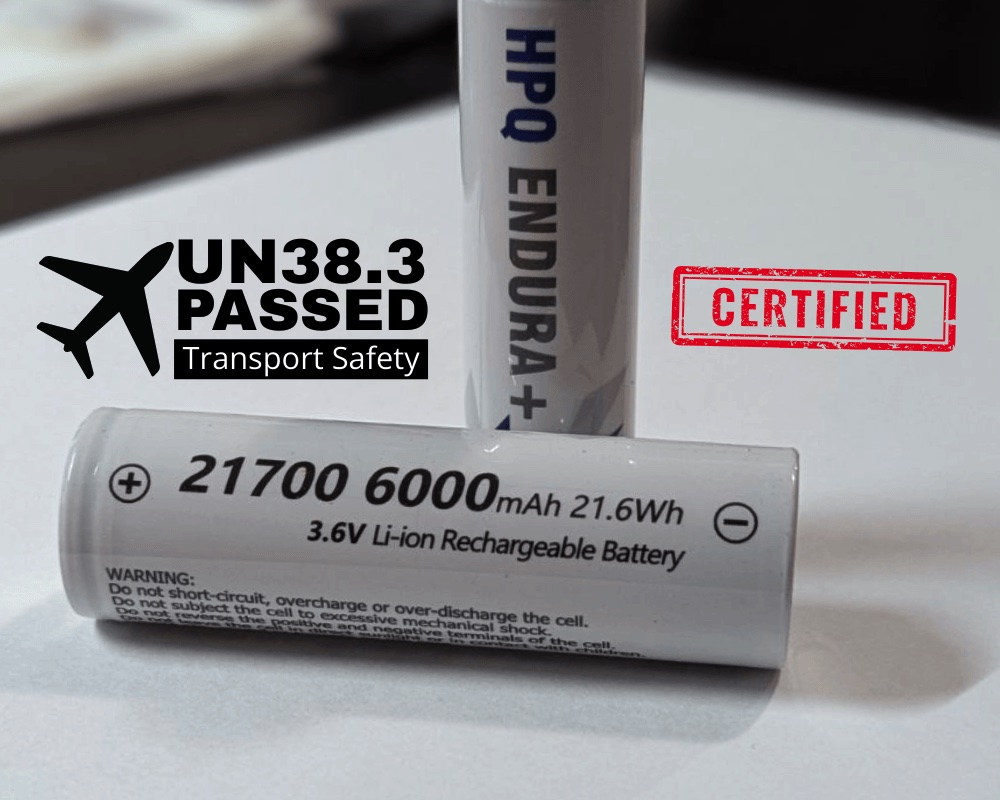
HPQ Silicon Secures UN 38.3 Certification for HPQ ENDURA+ 18650 & 21700 Cells
Globenewswire· 2025-12-16 12:00
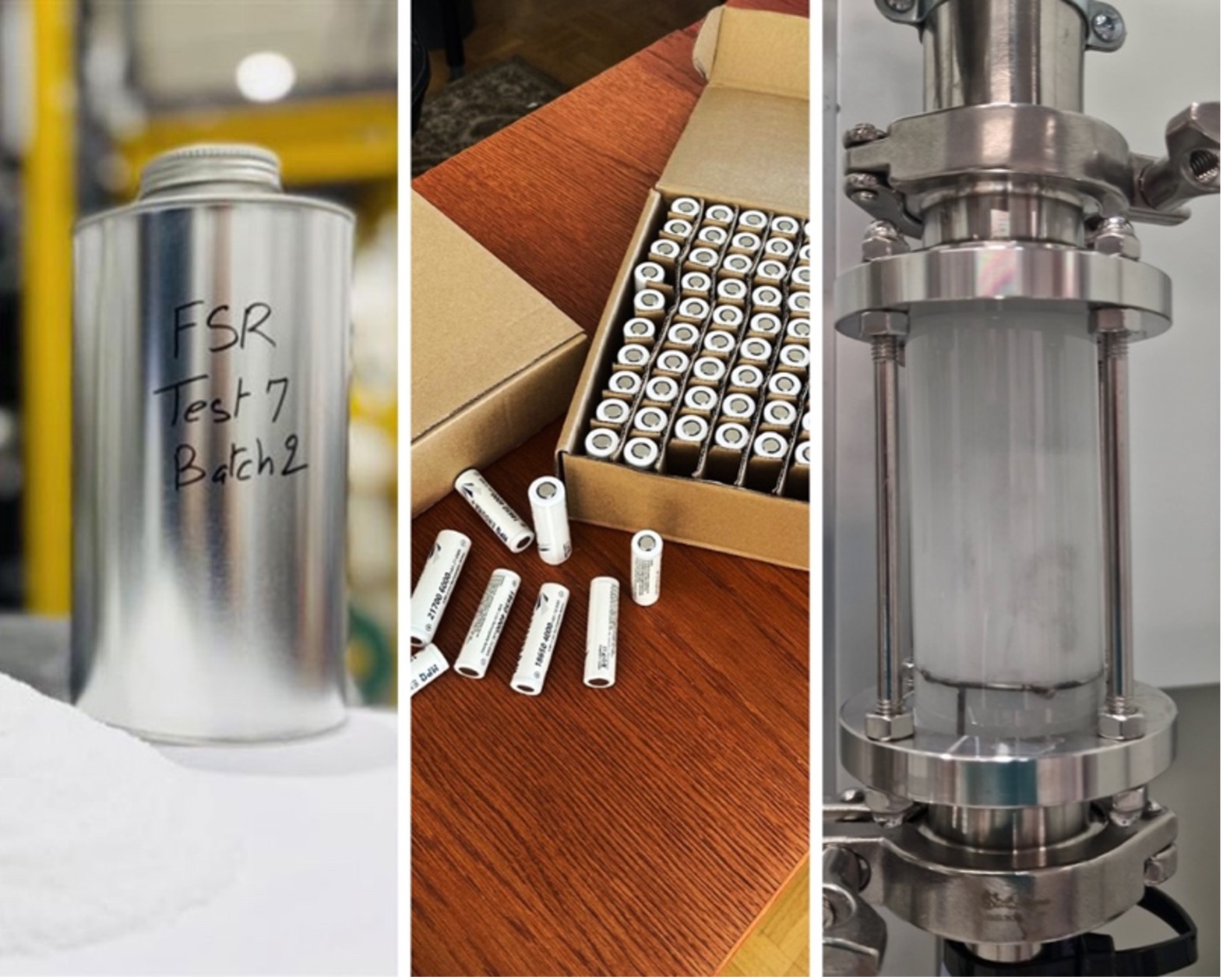
Core Viewpoint - HPQ Silicon Inc. has achieved UN 38.3 certification for its high-performance lithium-ion cells, marking a significant step in its commercialization strategy and enabling global shipping and industrial adoption of its products [1][3][4]. Regulatory Compliance - The UN 38.3 certification confirms that HPQ's lithium-ion cells meet international safety and transport requirements, validating their design robustness and quality standards [2][7]. - The certification allows HPQ to ship ENDURA+ cells to customers and industrial partners across North America and internationally, facilitating commercial discussions and supply agreements [8]. Product Specifications - The HPQ ENDURA+ line includes two formats: 18650 (4,000 mAh) and 21700 (6,000 mAh), both offering high energy density (>300 Wh/kg) and approximately 1,000 charge-discharge cycles [9]. - The cells have successfully passed all eight mandatory UN 38.3 tests, ensuring they can withstand various stress tests such as altitude simulation, thermal cycling, and shock [6][15]. Industrial Strategy - HPQ aims to produce up to 1.5 million cells per year through its partnership with Novacium SAS, utilizing established third-party production lines to scale its operations [10]. - The company is preparing for UL1642 certification, which is necessary for commercial deployment in the U.S. market, with most related tests already completed internally [11]. Company Overview - HPQ Silicon Inc. is focused on innovation in advanced materials and critical process development, including next-generation silicon-based anode materials and clean-hydrogen technologies [12][13].
涨势已定,存储缺货潮下全球五大PC厂商都将涨价
3 6 Ke· 2025-12-16 07:56
12月16日,据智通财经消息,受存储缺货涨价潮影响,宏碁、华硕双双证实将上调PC产品价格。华硕 共同执行长胡书宾表示,华硕会依据市场动态变化,决定最适合的(涨价)时机,非常机动的调整产品 组合跟售价。 谈及如何应对存储成本飙升,郑孝明透露,联想采用了包括合约、期货、长期供应合同在内的多种方 式,确保内存整体供应充足。此外,联想也在囤货,关键元器件库存水平已比平常高出50%。 加入涨价队伍的还有戴尔。 据央视财经援引美媒报道,由于芯片供应紧张、价格上涨,戴尔计划于12月17日起全面提高 商用电脑售价,涨价幅度在10%-30%之间。消息人士透露,配备32GB内存的戴尔Pro和Pro Max笔记本及台式机每台将涨价130至230美元;顶配128GB内存的机型,每台价格将上涨 520至765美元。戴尔销售部门表示,去年商用客户业务销售额占比高达85%,此次涨价将覆 盖所有商用电脑客户。 对于中国区方面是否会同步涨价,智通财经向戴尔方面求证,截至发稿暂未有回应。 "还是要看通路客户和消费者情况,每家厂商进货成本不太一样,每家品牌发动(涨价)时机也不同, 但品牌商还是要适度反映(成本),这是免不了的。"胡书宾说。 而宏碁 ...
Dell and HP Are Raising Prices—And Investors Should Take Note
Investing· 2025-12-16 05:39
Group 1 - The article provides a market analysis focusing on Dell Technologies Inc and HP Inc, highlighting their performance and market trends [1] - It discusses the competitive landscape between Dell and HP, emphasizing their strategies in the technology sector [1] - The analysis includes financial metrics and projections for both companies, indicating potential growth areas and challenges [1] Group 2 - Dell Technologies is noted for its strong performance in the enterprise solutions segment, which is driving revenue growth [1] - HP Inc is highlighted for its focus on personal systems and printing, with a significant market share in these areas [1] - The article mentions the impact of global supply chain issues on both companies, affecting their operational efficiency and product availability [1]

HPQ Silicon Closed over $1.0 Million Non-Brokered Private Placement
Globenewswire· 2025-12-15 21:00
Core Insights - HPQ Silicon Inc. has successfully closed a non-brokered private placement of 6,170,442 common shares at a price of $0.1625 per share, raising gross proceeds of $1,002,696.83 [1] - The funds will be used to advance the commercialization of HPQ's core technology platforms, including Fumed Silica Reactor, HPQ ENDURA+™, and METAGENE™ [4][6] Private Placement Details - All securities issued under the private placement are subject to a statutory hold period of four months and one day from the closing date [2] - HPQ will pay commissions by issuing 333,303 warrants to CI Investment Services Inc., with each warrant allowing the purchase of one common share at an exercise price of $0.18 for 48 months [3] Management Participation - Bernard Tourillon, the Chairman, President, and CEO, subscribed for 615,384 common shares, representing an investment of $99,999.90, increasing his ownership to approximately 5.29% of the company's shares [4][5] Technology Development Focus - The company is focusing on client-driven commercial scale-up opportunities and revenue generation pathways through its Fumed Silica Reactor [6] - HPQ ENDURA+™ aims to commercialize lithium-ion cells and advance silicon-based anode material programs [6] - The METAGENE™ platform is focused on developing autonomous green hydrogen production technology [6] Strategic Vision - Tourillon expressed confidence in the company's ability to execute its near-term priorities and create long-term value, emphasizing the importance of the funds in maintaining momentum and advancing milestones [7] - HPQ Silicon is positioned to capture growth opportunities in energy storage, clean hydrogen, and advanced materials markets, which are essential for achieving global net-zero goals [10]