Intel(INTC)

Search documents
印度塔塔集团与英特尔达成协议
Jing Ji Guan Cha Wang· 2025-12-09 07:40
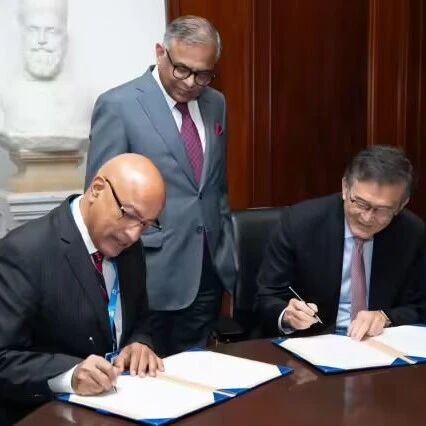
经济观察网12月8日,印度塔塔集团与英特尔宣布建立战略联盟,将探索半导体和系统制造等领域合 作,以支持印度本土半导体生态系统的发展。 根据谅解备忘录,英特尔和塔塔集团计划在塔塔电子即将投产的晶圆厂和外包半导体封装测试(OSAT) 工厂探索为印度市场制造和封装英特尔产品,并在印度开展先进封装合作。 ...

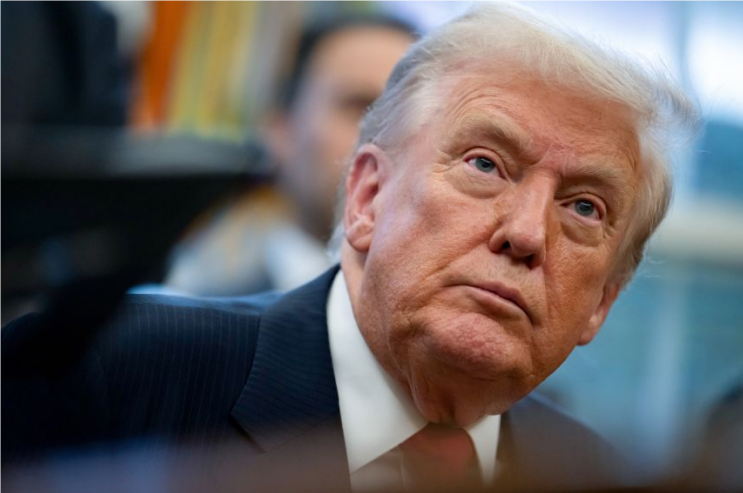
特朗普:将允许英伟达向中国出售H200芯片,收入的25%上缴美国政府
2 1 Shi Ji Jing Ji Bao Dao· 2025-12-09 06:29
Core Viewpoint - The U.S. government will allow Nvidia to sell H200 AI chips to "approved customers" in China, with 25% of sales revenue going to the U.S. government, aiming to create jobs and maintain U.S. leadership in AI [1] Group 1: Government Policy - President Trump announced that the U.S. Commerce Department is finalizing details for the sale of H200 chips to approved customers in China [1] - Similar policies will apply to other U.S. companies such as AMD and Intel [1] Group 2: Company Response - Nvidia expressed support for the decision, stating it will help U.S. high-paying jobs and manufacturing [1] - The company noted that supplying H200 chips to approved commercial customers is beneficial for the U.S. [1] Group 3: Chip Specifications - The H200 chip has higher performance than the H20 but is not Nvidia's top-end product [1] - In August, Nvidia and AMD agreed to pay 15% of their chip sales revenue from China to the U.S. government in exchange for the ability to export specific chips [1]


印度首座晶圆厂签下大客户!
国芯网· 2025-12-09 04:38
国芯网[原:中国半导体论坛] 振兴国产半导体产业! 不拘中国、 放眼世界 ! 关注 世界半导体论坛 ↓ ↓ ↓ 12月9日消息,英特尔与印度塔塔电子签署了一份谅解备忘录。双方宣布建立战略联盟,在印 度构建芯片和计算生态系统。 双方计划基于塔塔电子即将投产的前端晶圆厂和后端 OSAT 工厂, 探索在印度本地生产和封 装面向印度市场的英特尔产品 和在印 AVP(先进封装)技术合作。 而在终端设备方面,这两家巨头还计划 探索在印度的消费和企业市场快速扩展定制化 AI PC 解决方案的机遇 。 据悉,塔塔电子正投资约140亿美元,在古吉拉特邦建设印度首个半导体制造厂,并在阿萨姆邦建设芯 片组装和测试工厂。尽管初期遭遇挫折,印度总理纳伦德拉·莫迪一直致力于推动印度与中国台湾等全 球半导体中心展开竞争,力争将印度打造成为世界芯片制造中心。 英特尔和塔塔电子还将探索在印度快速推广面向消费者和企业市场的AI PC解决方案的机会。双方预 计,到2030年,印度市场将跻身全球前五。 ***************END*************** 半导体公众号推荐 半导体论坛百万微信群 加群步骤: 第一步:扫描下方二维码,关注 ...

赌上美国半导体未来,英特尔能否重铸万亿帝国?
3 6 Ke· 2025-12-09 04:17
Core Insights - Intel's recovery has evolved into a geopolitical necessity, moving beyond a purely commercial narrative, with its foundry (IFS) seen as the last hope for advanced manufacturing in the U.S. Investing in Intel essentially means investing in its national security premium [1][2] - CEO Lip-Bu Tan is driving the IDM 2.0 strategy, focusing on Intel's 18A/14A nodes, which are critical for the company's survival. To achieve economies of scale, IFS must adopt "loss-leading pricing" to capture market share. NVIDIA's $5 billion investment marks the beginning of this high-risk, high-reward capital gamble [1][2] - Intel's success hinges on overcoming TSMC's "trust barrier" and cost advantages. If IFS can transition from a "cost center" to a profitable "manufacturing plant," Intel could transform from a declining CPU giant to a trillion-dollar company. Conversely, failure would mean a permanent loss of advanced manufacturing capabilities [1][2] Historical Context - Intel was once the dominant player in the semiconductor industry, but its vertically integrated IDM model has shown fatal weaknesses in the face of rapid technological changes and market dynamics [3] - The decline of Intel can be traced back to two major missteps: missing the mobile internet wave by refusing to produce chips for Apple’s iPhone and failing to develop a competitive GPU for AI, ceding a trillion-dollar market opportunity to NVIDIA [4][6] Current Financial Landscape - Intel is currently experiencing a historical inventory bottom rebound after a sharp decline following a peak revenue in 2021. The rebound is partly due to the end of deep inventory destocking in core businesses [6][7] - The current stock price recovery is not merely cyclical but reflects the market's recognition of Intel's aggressive strategic transformation under CEO Lip-Bu Tan and its potential national security premium [7] Geopolitical Implications - Intel's revival has transcended commercial competition, becoming a core element of U.S. national security and geopolitical strategy. The concentration of advanced chip production in TSMC and Samsung poses significant geopolitical risks for the U.S. [8] - The U.S. military and AI sectors rely heavily on chips produced by TSMC, highlighting the urgent need for a domestic, reliable supply chain for advanced chips [8][9] Strategic Initiatives - Intel has received substantial government support, including $8 billion from the CHIPS Act and $3 billion from the Department of Defense, affirming IFS's strategic importance for U.S. semiconductor independence [8][9] - The company is undergoing a cultural and managerial transformation under CEO Lip-Bu Tan, adopting a "Day 1 mentality" to foster agility and customer-centricity, moving away from its historically bureaucratic culture [11][12] Financial Restructuring - Tan has initiated aggressive financial measures, including laying off 15,000 employees and postponing major factory projects to address capital expenditure and cash flow pressures [15] - The company is also pursuing asset monetization strategies, such as selling stakes in its Altera and Mobileye businesses, and there are discussions about potentially spinning off its foundry business for value re-evaluation [15][16] Key Catalysts - External capital injections from clients are becoming a viable funding source, with NVIDIA's $5 billion investment signaling a shift towards customer-driven capital support [16] - Intel is focusing on critical process nodes (18A/14A) and reshaping its AI strategy, aiming to regain competitiveness in the semiconductor market [17][18] Conclusion - Intel's recent stock rebound reflects initial market confidence in its IDM 2.0 strategy, geopolitical value, and financial discipline under new leadership. However, the investment logic remains high-risk, high-reward [20] - If successful, Intel could emerge as one of the few companies capable of providing advanced foundry services, particularly within the U.S. supply chain, potentially leading to a significant increase in its overall valuation [20]
Tata, Intel deepen India semiconductor push with pact on chip supply chain and AI PCs
CNBC· 2025-12-09 03:00
Core Insights - Tata Electronics is collaborating with Intel to enhance India's domestic electronics and semiconductor supply chain through a Memorandum of Understanding [1][2] - The partnership aims to develop tailored artificial intelligence PC solutions for both consumers and businesses in India [2] - Tata Electronics is investing significantly to establish India's first pure-play foundry, focusing on semiconductor products for various industries including AI and automotive [4] Group 1: Collaboration and Strategy - The collaboration with Intel is seen as a pivotal step towards creating a resilient electronics and semiconductor supply chain in India [2][3] - Tata Electronics and Intel will explore manufacturing and packaging Intel products for local markets at Tata's upcoming plants [1][2] - The partnership is expected to drive an expanded technology ecosystem and capitalize on the growing AI opportunity [3] Group 2: Market Context and Government Initiatives - India is one of the largest consumers of electronics but currently lacks chip design and fabrication capabilities [4] - The Indian government is actively working to reduce dependence on chip imports and increase its share of the global electronics market, especially as it shifts away from China [5] - Under the "India Semiconductor Mission," at least 10 semiconductor projects have been approved with a total investment exceeding $18 billion [5] Group 3: Market Potential - The partnership is viewed as a tremendous opportunity to grow rapidly in one of the fastest-growing computer markets, driven by increasing PC demand and rapid AI adoption in India [6]
美股异动丨英伟达夜盘涨超2%,获准向中国出售H200芯片
Ge Long Hui· 2025-12-09 01:54
Core Viewpoint - The U.S. government has announced that it will allow NVIDIA to sell H200 AI chips to qualified customers in China and other countries, with a requirement to pay 25% of sales revenue to the U.S. government. This rule also applies to AMD and Intel [1]. Group 1 - NVIDIA's stock rose over 2% in after-hours trading [1]. - AMD's stock increased by 1.6% in the same trading session [1]. - Intel's stock saw a 0.4% rise during after-hours trading [1]. Group 2 - The announcement was made by U.S. President Trump on social media on the 8th [1]. - The H200 AI chips are based on the Hopper architecture [1]. - The new sales regulation applies to other U.S. companies, including AMD and Intel [1].
这些芯片,面临涨价潮
半导体行业观察· 2025-12-09 01:50
Core Insights - The intense investment competition among global tech giants in the AI infrastructure sector is expected to significantly impact memory configurations in personal computers [2] - Memory packaging technology (MoP) offers notable advantages in high performance, low power consumption, and design efficiency, which has been recognized and adopted by companies like Apple, Intel, and Qualcomm [2][3] - The rising demand for high-performance memory is leading to increased costs and procurement burdens, affecting companies like Apple and Qualcomm, particularly with Qualcomm's upcoming Snapdragon X2 Elite Extreme processor [2][4] Memory Packaging Technology - Memory-on-Package (MoP) integrates memory closely with CPUs or SoCs, reducing latency and increasing memory bandwidth compared to traditional methods [2] - The Core Ultra 200V processor from Intel incorporates a tile-based SoC and LPDDR5X memory, offering memory capacities ranging from 16GB to 32GB [3] - Qualcomm plans to implement a similar architecture in its Snapdragon X2 Elite Extreme processor, which will support up to 128GB of LPDDR5X memory, providing high bandwidth and low latency [3] Market Dynamics - The pricing of memory is determined through negotiations between suppliers and customers, with processor manufacturers having less bargaining power than PC manufacturers [4] - The authority over computer memory capacity and speed is shifting from PC manufacturers to processor manufacturers, limiting the flexibility of PC manufacturers in component selection [4] - Intel's Core Ultra 200V is a one-time product, and future products will separate memory from the processor SoC, allowing PC manufacturers to regain control over memory specifications [4] Supply Chain Challenges - The supply and demand issues for memory and flash storage that began in the second half of this year are expected to significantly impact processors utilizing packaging memory technology [5] - Qualcomm's Snapdragon X2 Elite Extreme processor aims to expand its product line into the high-performance market, but rising memory prices and supply shortages may lead to decreased shipments of PCs equipped with this processor [5] - Apple has increased the standard memory capacity of its PCs from 8GB to 16GB, facing significant cost pressures that may lead to substantial price increases for new PC products next year [5]


Top Business & Market Headlines Today — BL Morning Report, Dec 09, 2025
BusinessLine· 2025-12-09 01:30
A Crisis Management Group (CMG) of IndiGo officials, set up on December 4, is meeting daily to monitor the ongoing disruption. A sufficient number of pilots, fewer flights and better preparation helped Air India to implement the new flight duty time norms. According to sources, Air India initiated the process to configure crew rostering software two-three months before the November 1 deadline and rolled out the changes a fortnight before the deadline, writes Aneesh Phadnis.As IndiGo airline flight cancellat ...

特朗普宣布:允许英伟达向中国出售H200芯片
Huan Qiu Wang· 2025-12-09 01:01
【环球网报道 记者 闫珮云】据路透社、彭博社等媒体报道,美国总统特朗普当地时间8日在社交媒体上 发文宣布,美国政府将允许英伟达向中国出售其H200人工智能芯片,但对每颗芯片收取一定费用。 《纽约时报》称,H200芯片为英伟达"性能第二强"的芯片。特朗普表示,美方将从相关芯片出口中收取 25% 的分成。他还称,美国商务部正在敲定相关安排细节,同样的安排也将适用于超微半导体公司、英 特尔等其他人工智能芯片公司。 路透社称,在特朗普宣布这一消息后,英伟达股价在盘后交易中上涨了1.2%。 路透社称,此举标志着特朗普政府政策的转变,其政府最初限制向中国出售人工智能芯片,对英伟达首 席执行官黄仁勋来说则是一场"重大胜利",他曾花费数月时间游说白宫放宽出口限制。 黄仁勋曾多次公开表态强调中国市场的重要性。据美国福克斯新闻20日报道,黄仁勋敦促美国和中国稳 定贸易关系。他认为,进入中国市场对于美国在人工智能领域的竞争力至关重要。黄仁勋10月在接受采 访时还表示,"伤害中国的事情,往往也可能伤害美国,甚至会更严重。" 在10月29日中国外交部例行记者会上,有记者就"黄仁勋表示,希望美国生产的人工智能芯片能够在华销 售"一事提问 ...
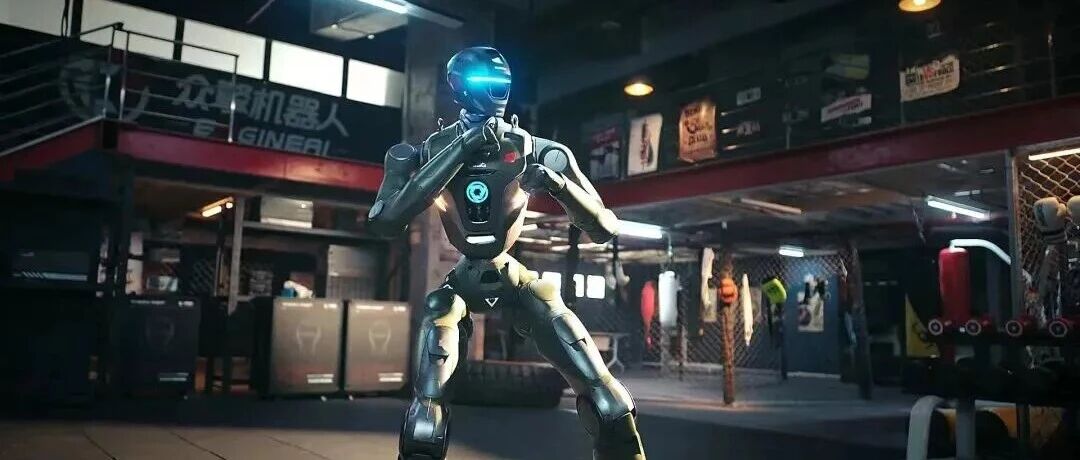
残暴!众擎T800机器人一脚踹翻老板,网友:多少带点私人恩怨;罗永浩硬件研发出意外,为「补贴家用」做播客;张予彤出任月之暗面总裁
雷峰网· 2025-12-09 00:49
Group 1 - Tesla's Optimus humanoid robot fell during a demonstration, raising concerns about its claimed autonomy as it appeared to mimic a "remove headset" action, suggesting possible remote control involvement [5][6] - The incident has been interpreted as a significant blow to Tesla's narrative of AI-driven independence, as the robot struggled with a simple task [6] - The CEO of a competing company, Zhongqing Robotics, was kicked by their T800 robot during a promotional video, which sparked discussions about workplace dynamics and safety [7][8] Group 2 - Zhang Yutong has been appointed as the president of Moonshot AI, taking charge of strategic planning and commercialization, amidst ongoing disputes with former associates [10][11] - The AI chip company Moer Thread recently went public, achieving a 425% increase on its first day, creating several billionaires in the process [17][18] - ByteDance's former public relations director Yang Jibin has joined Li Auto, indicating a trend of talent movement within the tech industry [15] Group 3 - The U.S. Senate has proposed a bill to ban the export of advanced AI chips to China and Russia for at least 30 months, which could significantly impact companies like NVIDIA and AMD [17][18] - The IPO of Jiangsu-based chip company Naxin Micro raised approximately 170 billion RMB, with significant backing from major investors including BYD and Xiaomi [23][24] - Midea Group has completed a 10 billion RMB share buyback, with plans to cancel a substantial portion of the repurchased shares, reflecting strong financial health [24][25] Group 4 - OpenAI's ChatGPT is currently serving over 800 million users weekly, highlighting the rapid growth and adoption of AI technologies across various sectors [45][46] - The upcoming GAIR Global AI and Robotics Conference will focus on cutting-edge topics in AI, showcasing the industry's commitment to innovation and collaboration [47]