Coca-Cola(KO)

Search documents
十载IP再回归,【可口可乐】“分享瓶”和你“乐在一起”
Sou Hu Wang· 2025-05-14 09:16
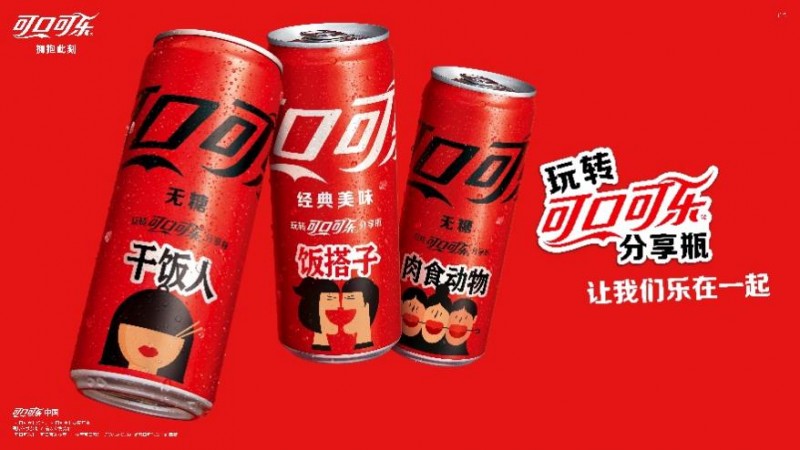
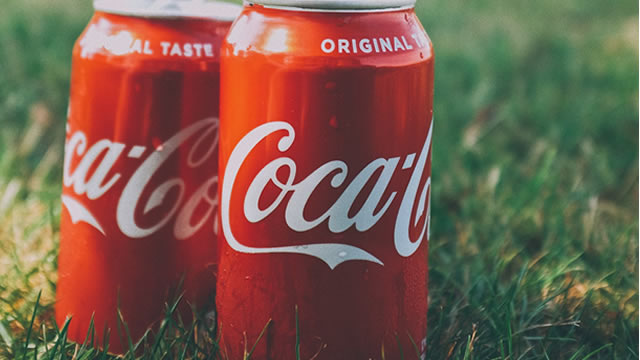
Core Insights - Coca-Cola's "Share a Coke" campaign is making a significant return this summer, focusing on the desire for authentic social interactions among consumers, particularly the younger generation [1][4][11] - The campaign incorporates popular social personas familiar to Generation Z, aiming to break social barriers and foster genuine connections [1][4][11] Group 1: Consumer Trends - Generation Z is increasingly seeking deeper emotional connections, with over 50% having friends they only interact with online, and 72% desiring real, meaningful relationships [4] - The campaign leverages this trend by integrating local social culture into the bottle designs, featuring terms like "I person," "E person," and "comedy person" to facilitate social interactions [4][10] Group 2: Marketing Strategy - The "Share a Coke" bottles serve as conversation starters, encouraging consumers to initiate dialogues and share emotions, thus creating memorable experiences [4][10] - The campaign will be present in various summer consumption scenarios, including travel, dining, and home gatherings, enhancing social interactions across multiple contexts [10] Group 3: Long-term Innovation - Coca-Cola has a history of adapting to consumer preferences in China, with previous successful campaigns like the "nickname bottle" and "lyric bottle," demonstrating a commitment to innovation [11] - The "Share a Coke" initiative has evolved into a cultural phenomenon, reflecting the changing social dynamics across generations and serving as a platform for social engagement during major events [11]


敏捷设计、“字”有新意…2025食品饮料包装如何进行创新?
FBIF食品饮料创新· 2025-05-13 16:22
Core Viewpoint - The article discusses innovative trends in food packaging design showcased at the FBIF2025 Food and Beverage Innovation Forum, emphasizing the importance of agility, sustainability, and cultural relevance in packaging strategies. Group 1: Agile Design - Flexibility is a passive adjustment, while agility is the proactive ability to anticipate and construct solutions in advance [6] - Brands should abandon outdated design guidelines and establish scalable modular design frameworks, as demonstrated by Coca-Cola's minimalist template for activities across 11 countries during the pandemic [6] - Agile design is not a one-size-fits-all approach; it incorporates local cultural elements through localized teams while maintaining brand core style [7] - Coca-Cola integrates recyclable materials and consumer education within its agile design system to balance global consistency with local applicability [9] Group 2: Sustainable Packaging - Chris White introduced the "no packaging protein bar" project, which challenges traditional packaging definitions and merges sustainability with brand storytelling and consumer experience [11] - Sustainable packaging can be both eco-friendly and aesthetically pleasing, as shown by This Way Up's edible film and rice paper label, which can be consumed after washing [13] - Examples like Ecover's reusable packaging and Tony's Chocolonely's vibrant recyclable packaging illustrate that environmental friendliness and beauty can coexist [13] Group 3: Typography in Packaging - Chinese food brands are rapidly entering the global market, with typography playing a crucial role in brand success [15] - Typography is often the most prominent element on packaging, recognized before colors and graphics, as seen in Coca-Cola's Spencerian script and Starbucks' custom font system [19] - The case of Bubble Up soda illustrates how typography can bridge cultural gaps, requiring designers to be cultural scholars and brand strategists [19] Group 4: Cultural Integration in Packaging Design - Successful packaging design must act as a cultural translator rather than merely conveying information [21] - The design of "Zhe'er Gen Mixed Noodles" by Bai Xiang Food Group exemplifies how to respect local food culture while engaging younger generations through humor and local dialects [21]
Coca-Cola Stock Slips Below 50-Day SMA: Time to Buy or Exit?
ZACKS· 2025-05-13 14:31
Core Viewpoint - Coca-Cola's stock has recently slipped below its 50-day simple moving average (SMA), indicating a potential short-term bearish trend, with a notable decline of 3.9% since the earnings report on April 29, 2025 [1][4][25]. Stock Performance - KO stock closed at $69.53, below the 50-day SMA of $70.88, and has been on a downtrend since May 9, 2025 [1][4]. - The stock has lost 4% in the past month, slightly outperforming the Zacks Beverages – Soft Drinks industry's decline of 4.7% but underperforming the broader Zacks Consumer Staples sector's decline of 1.4% and the S&P 500's growth of 4.4% [4][5]. - KO stock reflects a 6.5% discount from its 52-week high of $74.38 and a 14.7% premium to its 52-week low of $60.62 [8]. Financial Performance - The first quarter of 2025 saw a 2% decline in revenues and a modest 1% growth in earnings per share (EPS), with underwhelming results across most operating segments except North America and EMEA [9]. - The Zacks Consensus Estimate for KO's 2025 revenues and EPS implies year-over-year growth of 2.3% and 2.8%, respectively, with estimates for 2026 suggesting 5.2% and 8.2% growth [18]. Competitive Positioning - Coca-Cola's performance is weaker than competitor Monster Beverage, which rallied 4.8% in the past month, but it outperformed PepsiCo and Keurig Dr Pepper, which declined by 10.3% and 6.1%, respectively [5]. - KO trades at a forward 12-month price-to-earnings (P/E) multiple of 22.8X, significantly higher than industry peers like PepsiCo and Keurig, which trade at 16.37X and 16.04X, respectively [20][21]. Strategic Initiatives - Coca-Cola is focusing on innovation and strategic expansion, diversifying its portfolio to include healthier options and entering the ready-to-drink alcoholic beverage market [11][13]. - The company aims to balance volume growth with price/mix optimization while anticipating a tapering impact from inflation-driven pricing pressures [14]. Market Outlook - Despite short-term headwinds, Coca-Cola's strong market leadership, diversified product portfolio, and strategic emphasis on innovation support its long-term growth trajectory [26]. - The company's proactive approach to navigating economic volatility is crucial for sustaining performance, making it an attractive option for long-term investors [27].

雪碧悄悄换了配方?客服:2019年已改
新华网财经· 2025-05-13 13:36
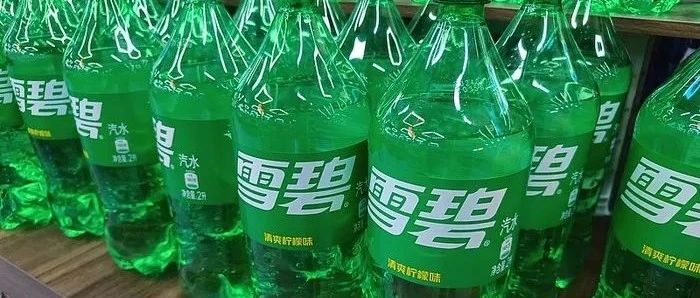
Core Viewpoint - Sprite has quietly changed its formula by adding ingredients such as fructose syrup, sucralose, and aspartame, which has sparked discussions on social media about the taste difference compared to the past [2]. Group 1: Product Changes - Sprite's formula was modified in 2019, and the current ingredients are clearly labeled on the packaging [2]. - In 2023, Sprite launched a limited edition "Tribute to 1982 Lemon Flavor Soda" in the Chinese market, which features a different formula without fructose syrup and sweeteners, only containing water and granulated sugar [2]. Group 2: Company Performance - Coca-Cola's Q1 2025 financial report shows revenue of $11.129 billion, with an organic revenue growth of 6% [3]. - The net profit for the same period was $3.335 billion, reflecting a 5% increase, and the earnings per share (non-GAAP) was $0.73, up by 1% [3]. Group 3: Sales Growth - Global single-box sales increased by 2%, with the Chinese market experiencing high single-digit growth in Q1 [4]. - Carbonated beverage sales globally grew by 2%, driven by markets in Europe, the Middle East, Africa, and Asia-Pacific [4]. - Coca-Cola expects a comparable currency-neutral earnings per share growth of 7% to 9% for 2025, with an organic revenue growth forecast of 5% to 6% [4].
品类变革促饮料多企收入再抬高,快闪、音乐节加速品牌年轻化
Cai Jing Wang· 2025-05-13 10:29
Group 1: Market Performance - The beverage business in China has shown strong performance in Q1 2025, with PepsiCo reporting net revenue of $17.92 billion and organic revenue growth of 1.2%, while Coca-Cola achieved revenue of $11.129 billion with a 6% organic revenue increase and a net profit of $3.335 billion, up 5% [2] - Domestic beverage companies such as Master Kong, Uni-President, and Nongfu Spring reported significant revenue growth, with Master Kong's beverage revenue at 51.621 billion yuan (up 1.3%), Uni-President at 19.241 billion yuan (up 8.2%), and Nongfu Spring at 42.896 billion yuan [4] Group 2: Product Trends - The beverage industry is experiencing a shift with a decline in packaged drinking water production, which has dropped below 50% market share, while tea beverages and other categories are gaining traction, with tea beverage revenue growth rates of 8.2%, 13.1%, and 32.3% for Master Kong, Uni-President, and Nongfu Spring respectively [4][5] - Juice products are also seeing growth, with Nongfu Spring's juice revenue reaching 4.085 billion yuan (up 15.6%) and Uni-President's juice revenue at 3.605 billion yuan (up 5.9%) [5] Group 3: Marketing Strategies - Beverage brands are increasingly focusing on engaging with younger consumers through innovative marketing strategies, including pop-up stores, music festivals, and interactive campaigns [6][10] - Coca-Cola's "Share a Coke" campaign has been revitalized to resonate with younger consumers, incorporating social elements into its packaging and marketing [9] - Brands like Xiangpiaopiao are also adopting new marketing approaches, such as opening physical stores and leveraging social media to enhance brand visibility and engagement with young audiences [8][11] Group 4: Consumer Insights - The beverage market is characterized by a high penetration rate among younger consumers, particularly those aged 21-25, indicating a need for brands to align their marketing strategies with the preferences of this demographic [7] - The 2024 China Youth Marketing Strategy Report highlights that brands that resonate with young consumers' values and lifestyles are more likely to succeed in the competitive landscape [7][10]



汇丰:美国股票策略_为不确定、波动环境挑选的十只股票
汇丰· 2025-05-12 01:48
Investment Rating - The report highlights ten stock picks rated as "Buy" that are expected to be resilient in the current uncertain economic environment [11][23]. Core Insights - The initial sell-off in the market was broad-based, with 99% of S&P 500 stocks declining, but the recovery has been uneven, primarily driven by technology stocks [3][11]. - A bottom-up approach is recommended to understand how policies impact individual companies, especially in light of ongoing macroeconomic and policy uncertainties [4][11]. - The report anticipates continued volatility in equity markets as macro and micro data worsen, with a focus on defensive sectors [4][11]. Summary by Relevant Sections Market Overview - The S&P 500 has outperformed the equal-weighted index, with a significant contribution from technology stocks, while many sectors, particularly recession-resilient ones like healthcare, remain below pre-sell-off levels [3][22][19]. - Only 35% of S&P 500 stocks have recovered to pre-Liberation Day levels, indicating a challenging recovery landscape [3][11]. Stock Picks - **AIG (AIG US)**: Rated "Buy" with a target price of USD 93.00, expected to benefit from its solid risk management and low leverage [6][23]. - **American Tower (AMT US)**: Rated "Buy" with a target price of USD 245.00, noted for its geographical diversification and resilience in a high-tariff environment [6][24]. - **Coca-Cola (KO US)**: Rated "Buy" with a target price of USD 82.00, positioned to leverage its brand strength and local sourcing to mitigate tariff impacts [6][29]. - **Johnson & Johnson (JNJ US)**: Rated "Buy" with a target price of USD 184.00, recognized for its diversified portfolio and strong R&D pipeline [6][30]. - **McDonald's (MCD US)**: Rated "Buy" with a target price of USD 343.00, expected to benefit from its franchise model and focus on affordability [6][34]. - **Oracle (ORCL US)**: Rated "Buy" with a target price of USD 246.00, anticipated to capitalize on AI demand and improve revenue growth [6][37]. - **Procter & Gamble (PG US)**: Rated "Buy" with a target price of USD 185.00, noted for its strong brand equity and global supply chain [6][40]. - **TechnipFMC (FTI US)**: Rated "Buy" with a target price of USD 36.00, positioned to benefit from its operational efficiencies [6][43]. - **Walmart (WMT US)**: Rated "Buy" with a target price of USD 108.00, expected to maintain its market position amid economic challenges [6]. - **Waste Management (WM US)**: Rated "Buy" with a target price of USD 265.00, recognized for its stable revenue model [6].




投资一生学习一生,世间不会有第二个巴菲特
Di Yi Cai Jing· 2025-05-11 12:33
Group 1 - Warren Buffett announced his intention to retire by the end of the year, with Abel set to take over as CEO in 2026, marking the end of Buffett's 60-year investment career [1] - Buffett's net worth has seen remarkable growth, reaching $134.9 billion by April 2024 and projected to hit $168 billion by May 2025 [2] - Berkshire Hathaway's stock market value has grown at an average annual rate of 19.9% from 1965 to 2024, significantly outperforming the S&P 500's average return of 10.4% during the same period [3] Group 2 - Buffett's investment philosophy emphasizes continuous learning and the importance of avoiding foolish mistakes over mere talent [4] - Value investing, a strategy learned from Benjamin Graham, has been a cornerstone of Buffett's success, exemplified by his long-term investment in Coca-Cola, which is valued at approximately $25 billion by the end of 2024 [5] - Buffett's investment in Apple, initiated in 2016, has become one of his most profitable ventures, with the value of shares exceeding $150 billion when half were sold in 2024 [6][7] Group 3 - Buffett's strategy of holding cash during uncertain times, particularly in anticipation of market volatility, has proven effective, with Berkshire holding $325.2 billion in cash and equivalents by the third quarter of 2024 [9] - The stock market's performance following Trump's election highlighted the wisdom of Buffett's cash strategy, as major indices experienced significant declines [10] - Acknowledging mistakes and learning from them is a key aspect of Buffett's investment approach, with numerous documented errors leading to valuable lessons [11][12] Group 4 - Buffett's unique investment framework through Berkshire Hathaway allows for a diverse range of asset holdings, providing structural advantages that are not available to typical investors [14] - The combination of Buffett's innate investment acumen, the timing of his career, and the distinctive structure of Berkshire Hathaway contribute to his unparalleled success in the investment world [13][14]

Is Following Buffett's Lead With Staples Like Coca-Cola the Secret to a Recession-Proof Portfolio?
The Motley Fool· 2025-05-11 07:46
Group 1: Investment Philosophy and Strategy - Investors often seek ways to make their stock portfolios more resilient to recessions, with Warren Buffett's investment philosophy being a focal point [1] - Berkshire Hathaway's strategy includes maintaining approximately $348 billion in liquidity while holding a significant stock portfolio, including Coca-Cola [1][4] Group 2: Coca-Cola Investment Overview - Berkshire Hathaway first invested in Coca-Cola in 1988, with no additional purchases since 1994, raising questions about the stock's current viability for recession-proofing [2][8] - The initial investment of just under $1.3 billion has grown to a position of 400 million shares valued at approximately $28.8 billion [4] - Coca-Cola has increased its dividend for 63 consecutive years, with the current payout at $2.04 per share, leading to an expected $816 million in dividends for Berkshire this year [5][13] Group 3: Market Position and Performance - Coca-Cola's products are considered essential, making the company attractive during recessions, as consumers may opt for its beverages over more expensive alternatives [6] - Despite a strong dividend yield of about 2.75% for new investors, the stock's growth potential is limited, with a P/E ratio of 29, slightly above its five-year average of 27 [8][11] - Coca-Cola's stock rose 15% over the last year and 61% over the previous five years, but faced a correction in 2022, indicating potential vulnerability in a recession [10][12] Group 4: Investment Outlook - Current market conditions suggest that Coca-Cola may not be the best choice for investors looking to recession-proof their portfolios, as Berkshire Hathaway has indicated a hold rather than a buy [12][13] - The high P/E ratio combined with single-digit profit growth forecasts raises concerns about the stock's resilience in a downturn [11][14]
解析巴菲特商业成功的秘籍:理性、长期主义与价值创造的底层逻辑
Sou Hu Cai Jing· 2025-05-09 04:39
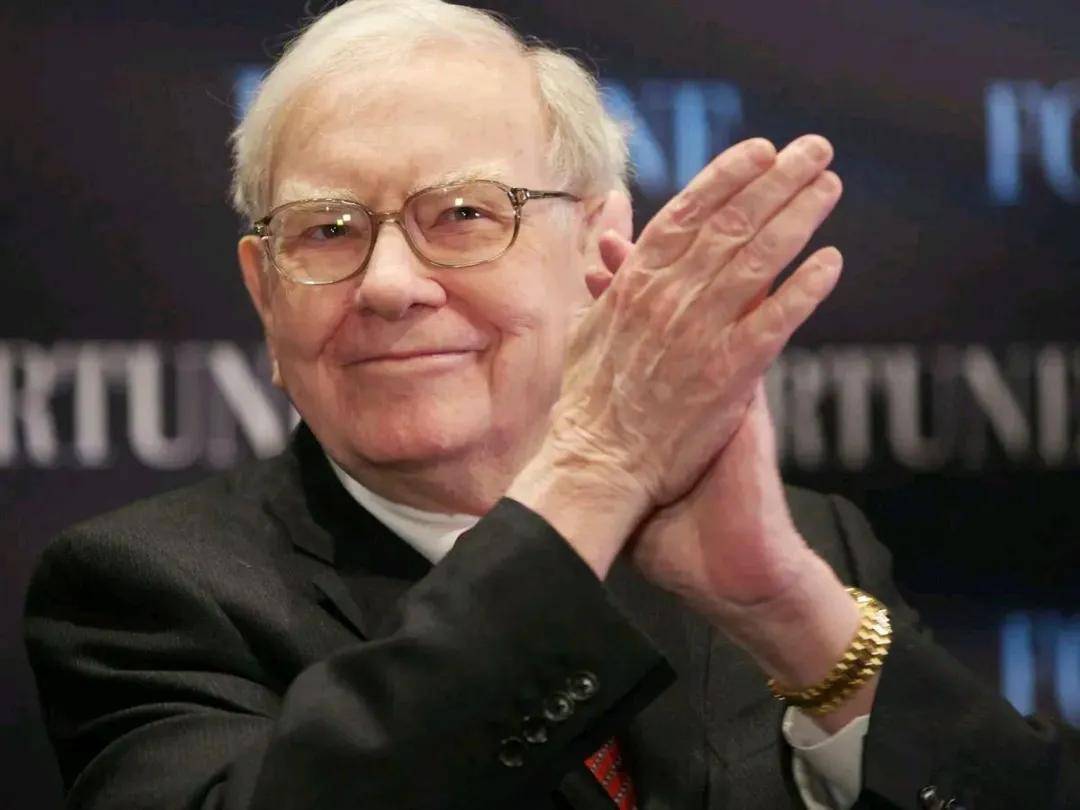
Core Insights - The essence of Warren Buffett's business philosophy is a belief in "value creation" [1] - Buffett's investment success is attributed to a combination of investment wisdom, business philosophy, human insight, and rational decision-making [1] Value Investment Philosophy - The core principles of Buffett's investment philosophy include the margin of safety and the circle of competence [2][3] - The margin of safety principle emphasizes buying assets at prices significantly below their intrinsic value, focusing on high-quality companies at reasonable prices [2] - Buffett avoids high-volatility sectors and invests only in areas he understands, such as insurance and consumer goods [3] Market Behavior - Buffett views market fluctuations as emotional expressions of "Mr. Market," advising investors to focus on intrinsic value rather than short-term noise [4] Business Model Focus - The business model is the primary consideration in investment decisions, with a preference for companies with strong economic moats [6] - Economic moats include brand effects, cost advantages, network effects, and economic franchises, which allow companies to maintain pricing power [6] - Buffett favors companies that generate stable cash flows, such as insurance and utilities, which provide a foundation for investment expansion [7] Long-Term Strategy - Buffett's long-term holding strategy is a key driver of wealth accumulation, emphasizing the power of compounding [10] - He has held stocks like Coca-Cola and American Express for over 30 years, demonstrating confidence in their long-term value [11] - Buffett capitalizes on economic cycles, making strategic investments during downturns for significant returns [12] Financial Leverage and Capital Allocation - Buffett utilizes float from insurance operations as a source of low-cost long-term capital, with over $140 billion in float as of 2024 [14] - Efficient capital allocation focuses on maximizing returns, investing in high-return sectors [15] - Maintaining cash reserves allows Buffett to seize opportunities during market downturns, with $189 billion in cash reserves in Q1 2024 [16] Rationality and Emotional Management - Buffett's success is rooted in extreme restraint against greed and fear, emphasizing independent thinking and emotional isolation [18][19] - He acknowledges mistakes and demonstrates rational correction, as seen in his decision to exit airline stocks [20] Diversified Structure - Berkshire Hathaway's success is attributed to its diversified business structure, which includes insurance, energy, and manufacturing [22] - The combination of full acquisitions and minority stakes balances control and liquidity [23] - Recent investments in Japanese trading companies and Canadian firms reflect a global perspective to mitigate U.S. market risks [24] Conclusion - Buffett's success is not based on complex models but on a value-driven philosophy that integrates rationality, patience, and long-term thinking [26]
巴菲特最被低估的演讲:段永平看了10遍
Sou Hu Cai Jing· 2025-05-08 14:11
Group 1 - The core idea of the article revolves around Warren Buffett's investment philosophy, emphasizing the importance of integrity, long-term value creation, and understanding the businesses one invests in [5][13][24] - Buffett highlights that integrity is more crucial than intelligence in assessing potential partners or employees, as a lack of integrity can lead to detrimental outcomes [6][7][10] - The article discusses the significance of time as a friend to good companies and an enemy to poor ones, suggesting that long-term investments in quality businesses yield better returns [13][14][15] Group 2 - Buffett prefers investing in companies that are easy to understand, which allows him to filter out a significant portion of potential investments [16][17][21] - The concept of a "moat" is introduced, where companies with strong competitive advantages are more likely to succeed over time [20][19] - The article emphasizes the importance of recognizing the long-term potential of companies, such as Coca-Cola, which has a strong market presence and consistent consumer demand [31][32][33] Group 3 - The article discusses the importance of understanding one's investment circle of competence, suggesting that investors should only invest in businesses they fully comprehend [28][29][30] - Buffett stresses the need for a rational approach to investment timing, focusing on the intrinsic value of companies rather than short-term market fluctuations [35][36][37] - The narrative includes a cautionary tale about the risks of overconfidence in investment decisions, highlighting that both ignorance and overestimation of knowledge can lead to financial failure [42][43][44]