Micron Technology(MU)

Search documents
美股存储概念股夜盘续涨,西部数据涨超2%,美光科技涨近2%
Mei Ri Jing Ji Xin Wen· 2025-12-08 07:01
每经AI快讯,12月8日,美股存储概念股夜盘续涨,SanDisk涨超3%,西部数据涨超2%,美光科技涨近 2%。 (文章来源:每日经济新闻) ...


PCB、存储、被动元件...这些芯片大厂都在涨价!
芯世相· 2025-12-08 06:30
Core Viewpoint - The article discusses the ongoing price increases across the semiconductor supply chain, driven by rising raw material costs and surging demand from AI applications, leading to a widespread tightening of supply and price hikes across various components [3][4][6]. Group 1: Price Increases in PCB and Wafer Manufacturing - The price increase trend has spread to the PCB industry, with major players like 建滔 and 南亚 raising prices by 5% to 10% and 8% respectively due to rising raw material costs [8][9]. - TSMC has announced price hikes for advanced process nodes, with increases expected to be in the range of 8% to 10% starting in 2026, and potentially up to 50% for 2nm wafers [12][11]. Group 2: Storage Market Dynamics - The storage market is experiencing significant price increases, with DRAM and NAND prices rising by 20% to 30% due to AI demand and supply constraints [15][19]. - Major manufacturers like 三星 and SK海力士 have suspended pricing for certain products, indicating a tightening supply situation [17][18]. - Flash memory prices have surged, with companies like 闪迪 announcing a 50% increase in NAND flash contract prices [21]. Group 3: Passive Components Price Adjustments - Passive component manufacturers are also raising prices, with increases driven by raw material costs and heightened demand from AI applications [32][33]. - Companies like 国巨 and 风华高科 have issued price hikes for various components, with increases ranging from 5% to 30% [35][36]. Group 4: Power Devices and Other Components - The power semiconductor market is seeing price increases, particularly following the 安世事件, which has led to a surge in demand for alternative products [42][44]. - 华润微 has confirmed price increases for certain IGBT products, citing rising raw material costs and strong order performance as key factors [45]. Group 5: Market Sentiment and Future Outlook - The overall sentiment in the semiconductor market remains optimistic, with expectations of continued price increases and strong demand driven by AI and other emerging technologies [26][27][28]. - The storage market is anticipated to maintain a tight supply situation, with companies like 兆易创新 predicting further price increases in the coming quarters [23].





内存价格乱象:AI热潮卷走产能,玩家消费级市场何去何从?
Sou Hu Cai Jing· 2025-12-08 05:49
类似的局面并非首次上演。2018年比特币暴涨时,显卡工厂产能几乎全数被区块链矿场吞噬,最终造成零售缺货、价格飞涨。 今年则在AI算力战下重复发生。行业人士承认,如今各大代工厂即便满负荷运转,仍填不满数据中心和企业对DRAM、NAND 的胃口,比如十铨管理层就坦言,现在不只是台式机内存,连GDDR6、GDDR7、LPDDR5几乎都买不上,在东南亚的部分电 商平台,发货时间甚至被拉长至半年以上。 事实上,冷数据存储方式也在近期出现变化。由于硬盘制造商未扩产,越来越多的数据中心将冷数据转移至固态硬盘,这进一 步加剧了NAND闪存的紧俏状况。假如某地突然增加机械硬盘生产,或许对固态盘供应有正向影响,但目前看来距离这种转折 还很遥远。 也有极少数反向案例可供参考。去年日本市场的DDR4库存意外过剩,偶然导致本地用户短时间享受了平价内存。然而仅两个 月之后,全球行情一体化依旧将价格拉升到高位,证明区域性"小阳春"难以长久。从整体趋势看,只要AI赛道继续狂奔,大众 购买力就只能被动等待新一轮市场变革带来的再平衡。 未来几年,除非有技术突破降低DRAM/NAND生产难度,否则对于绝大多数玩家和消费级用户,攒机和升级的窗口期只 ...
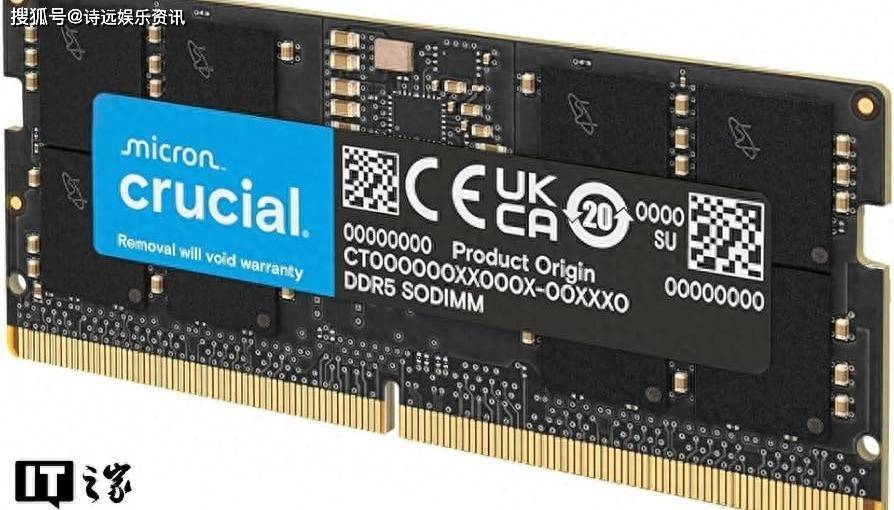
Micron Exits Crucial Consumer Memory Business to Focus on High-Growth AI Data Center Chips Amid Supply Shortage
Yahoo Finance· 2025-12-08 05:31
Group 1 - Micron Technology Inc. is exiting its consumer memory business, including the Crucial brand, to focus on advanced memory chips for AI data centers due to a global supply shortage [1][3] - The company will stop selling Crucial products at various retail and distribution channels but will continue shipments until the end of FQ2, February 2026, reflecting a strategic shift towards more profitable enterprise segments [2][3] - Micron is concentrating on High-Bandwidth Memory (HBM), a type of DRAM that is crucial for AI development, as it offers higher margins and is essential for processing large data volumes [3] Group 2 - Micron Technology designs, develops, manufactures, and sells memory and storage products across multiple countries, including the US, Taiwan, and China [4]
2 Super Semiconductor Stocks to Buy Hand Over Fist in 2026
The Motley Fool· 2025-12-08 05:30
Core Insights - The semiconductor industry is crucial for the AI revolution, providing essential components for AI model development [1] - Nvidia's CEO predicts data center operators could invest up to $4 trillion annually by 2030 to upgrade infrastructure for AI demands [2] - Companies like Corning and Micron Technology are positioned to benefit from this spending boom [3] Corning - Corning's stock has increased by 83% this year, driven by high demand for its fiber optic cables, which outperform traditional copper cables in speed and distance [5] - The transition to fiber optics is accelerating as data center operators scale up their infrastructure, with Corning's CEO suggesting the market opportunity could double or triple [6] - In Q3 2025, Corning reported total revenue of $4.27 billion, a 14% year-over-year increase, with its optical communications segment growing by 33% to $1.65 billion, largely due to AI-related demand [7][8] - The optical communications segment generated $295 million in net income, a 69% increase year-over-year, highlighting the significance of AI for Corning's profitability [8] - Corning's stock is trading at a P/E ratio of 35.9, making it relatively attractive compared to AI chip giants like Nvidia and AMD [10] Micron Technology - Micron is a leading supplier of memory and storage chips, with its high-bandwidth memory (HBM) crucial for optimizing GPU performance in data centers [11] - Micron's HBM3E solution offers 50% more capacity and 30% less energy consumption than competitors, making it appealing for data center operators [12] - The company has nearly sold out its entire 2026 supply of HBM3E and is introducing a new HBM4 solution that provides up to 60% more capacity and 20% better energy efficiency [13] - In fiscal year 2025, Micron's total revenue reached $37.3 billion, a 49% year-over-year increase, with its Cloud Memory business unit experiencing a remarkable 257% growth to $13.5 billion [14] - Micron's stock is trading at a P/E ratio of 27.3, making it cheaper than Corning and significantly less expensive than Nvidia and AMD [16]


Interested in Micron Technology (MU)? Mark Your Calendars for Dec. 17, 2025.
The Motley Fool· 2025-12-08 00:31
Core Insights - Micron Technology is set to report its fiscal first-quarter 2026 earnings on December 17, with analysts anticipating significant growth driven by demand from AI software companies [2][3] - The company is expected to post earnings of $3.79 per share on revenue of $12.61 billion, representing a year-over-year increase of over 100% in earnings and a 45% rise in revenue compared to $8.71 billion last year [3][9] Company Developments - In November, Micron began shipping its automotive UFS 4.1 solution, which doubles bandwidth to 4.2 GB/s, catering to the data needs of AI models in next-generation vehicles [4] - The company announced its exit from the Crucial consumer business by February 2026 to focus on the more profitable AI server chip market, indicating a strategic shift towards higher-margin products [5] Market Position - Micron's stock is currently valued at 31 times trailing earnings and 160 times free cash flow, which may appear high but reflects the company's recovery from previous low earnings [8] - The memory chip industry is experiencing rising unit prices due to strong demand for high-bandwidth memory, positioning Micron favorably for continued growth [9]
HBM,新变局,搅动存储江湖
3 6 Ke· 2025-12-07 23:40
Core Insights - The PC DIY market is facing significant challenges with rising prices for DDR4 and DDR5 memory, SSDs, and graphics cards, leading to increased assembly costs and consumer frustration [1] - Micron Technology announced the closure of its Crucial consumer brand by February 2026, marking a strategic shift to focus on higher-margin data center products due to increased demand driven by AI [1][2] - Micron plans to invest 1.5 trillion yen (approximately $96 billion) in a new HBM chip production facility in Hiroshima, Japan, with the aim to enhance its HBM production capacity and secure a competitive edge in the market [3] Group 1: Micron's Strategic Shift - Micron's exit from the consumer memory market is aimed at reallocating resources to more profitable segments, particularly data center and enterprise products [1][5] - The decision is influenced by the unprecedented demand for storage wafers driven by AI infrastructure, which has led to supply chain constraints for consumer products [2] - Micron's new factory in Japan is expected to be one of the most advanced HBM production sites globally, with support from the Japanese government [3] Group 2: Competitive Landscape in HBM Market - Micron currently holds only 5% of the HBM market share, significantly trailing behind SK Hynix (55%) and Samsung (40%) [4] - Challenges for Micron include difficulties in meeting performance and energy efficiency standards set by major clients like NVIDIA, potentially delaying product launches [4] - SK Hynix has successfully captured a significant share of the HBM market through strategic development and customer collaboration, emphasizing customization as a key competitive advantage [6][7] Group 3: Samsung's Recovery Strategy - Samsung's HBM market share has dramatically decreased but is expected to rebound due to increased orders from Google for its TPU chips [12][13] - The company has restructured its semiconductor division to enhance HBM production capabilities and is focusing on rapid development of HBM4 technology [14][15] - Samsung's integrated design and manufacturing (IDM) capabilities provide a competitive edge in the evolving HBM market, allowing for efficient resource allocation and technology integration [16] Group 4: Industry Transformation - The storage industry is undergoing a strategic transformation driven by AI, shifting from mass production to precise customization and from price competition to technological barriers [17] - The consumer market is becoming less relevant as AI infrastructure demands increase, leading to rising traditional DRAM prices and pressure on PC supply chains [17][18] - Companies that fail to adapt to the HBM market's demands may face marginalization in the industry [17]
存储持续“疯涨” 业内:“要买终端赶紧买”
3 6 Ke· 2025-12-07 23:34
Core Insights - The storage chip industry is experiencing an unprecedented "super price increase cycle," with DRAM prices rising over four times and Flash prices nearly tripling within the year [1] - Micron Technology announced the termination of its consumer-grade Crucial memory and SSD business to focus on high-growth areas driven by AI demand [1][6] - The supply chain is facing significant challenges, with downstream manufacturers experiencing low inventory levels and being forced to accept high prices to maintain production [3][4] Price Trends - The price of 4GB DDR4x chips has surged from $7 at the beginning of the year to over $30 by mid-November, representing a 4 to 5 times increase [1] - Flash products, such as 64GB eMMC, have seen prices rise from $3.2 to over $8 [1] - Predictions indicate that storage prices may increase by an additional 20% to 30% in the first quarter of next year, following a 50% increase in the fourth quarter [11] Supply Chain Dynamics - Downstream manufacturers, including smartphone producers, are facing a "no rice to cook" situation due to low inventory levels, which are currently below the healthy range of 8 to 10 weeks [3][4] - Many manufacturers are not actively stockpiling but are instead forced to replenish inventory due to supply chain constraints [2][5] - The current supply tightness is exacerbated by AI-driven demand for memory and storage, which is prioritizing production for high-margin products like HBM and DDR5 [6][7] Market Behavior - Channel partners are adopting a "gamble on the market" approach, holding onto inventory in anticipation of further price increases [3] - Some manufacturers are adjusting product configurations to maintain core experiences while managing rising costs, potentially leading to a reduction in storage capacity in future products [10] - The shift in demand dynamics has weakened the bargaining power of consumer electronics manufacturers, forcing them to accept rising costs [11][13] Future Outlook - The exit of major players like Micron from the consumer market is creating opportunities for domestic storage manufacturers to fill the supply gap [12] - However, the overall supply-demand imbalance remains significant, with consumers likely facing higher prices and lower capacities for electronic products in the coming year [13]
英伟达新一类存储芯片订单,三星揽下一大半!
Xin Lang Cai Jing· 2025-12-07 15:04
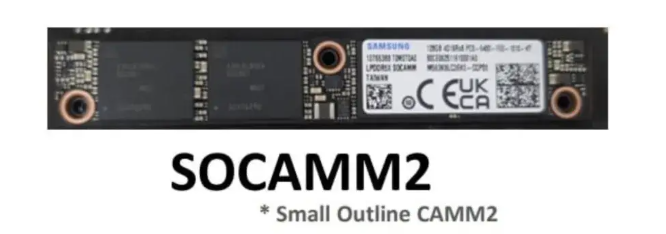
(来源:半导体前线) 继HBM后,SOCAMM2芯片或是存储芯片领域下一个新星。 据韩媒报道,由于英伟达需要从全球DRAM行业采购约200亿GB的SOCAMM2芯片,三个供应商基本确 定。三星电子获得英伟达2026年SOCAMM2芯片一半的订单,约100亿GB的订单。SK海力士可能承担 约60-70亿GB的订单,剩余部分由美光供应。 SOCAMM技术定位为面向AI服务器的新型高带宽、低功耗内存解决方案,其设计目标是在提供与HBM (高带宽内存)相近性能的同时,有效降低成本。 通过将LPDRAM与压缩连接内存模块(CAMM)搭配使用,以革命性的全新外形尺寸提供卓越的性能和 能效,相比传统的DDR5RDIMM配置更节省空间,且功耗低三分之一。 而SOCAMM2的三大供应商之一,此次拿下大部分订单的三星,或能通过HBM、和SOCAMM2,逐步 回到存储霸主的位置。 目前三星已完成HBM4的内部测试,如果包括英伟达在内的主要客户的质量认证结果最早在本月公布, 三星可能很快就会开始进行HBM4的量产。 (来源:半导体前线) 继HBM后,SOCAMM2芯片或是存储芯片领域下一个新星。 据韩媒报道,由于英伟达需要从全球DR ...

存储芯片,持续“疯涨”
财联社· 2025-12-07 14:21
以下文章来源于创业板观察 ,作者王碧微 创业板观察 . 这一巨头的战略收缩,成为当前存储产业"弃卒保帅"的缩影。 面对上游产能收缩与价格飙升,近期市场传闻下游模组厂及终端厂商开启"疯狂囤货"模式,甚至有声音称手机厂因价格过高而"暂停采购"。 对此,财联社记者多方采访产业链上下游发现,模组厂和渠道商仍在积极囤货,而作为制造业实体的手机等终端厂商,目前库存水位处于历 史低位,并非主动囤货,而是面临供应链紧张下的被动补库。 酷赛智能相关负责人向财联社记者透露, 以4GB DDR4x为例,颗粒现货市场价格已从年初的最低7美金涨至11月中旬的30美金以上,涨幅 达到4至5倍,Flash产品方面,以64GB eMMC为例,价格也从年初的3.2美金上涨至近期的8美金以上。 渠道"赌行情"与终端"低库存" 时创意董事长倪黄忠向记者感叹:"11月初的时候,闪迪再次宣布涨价50%,紧接着三星跟进部分产品,涨价超过60%,这么短的时间这么 大的涨幅,是让我很震惊的。" 在现货价格狂飙的同时,全球存储巨头美光科技还于当地时间本周三正式发布公告,宣布将终止旗下消费级品牌Crucial(英睿达)的内存 与SSD业务。 创业板观察致力于发 ...