
DRAM颗粒

Search documents
电子行业周报:AI&半导体:英特尔2026年Q1指引不及预期
Huajin Securities· 2026-01-25 00:24
Investment Rating - The industry investment rating is "Outperform the Market" (maintained) [4][40]. Core Insights - Intel's Q4 2025 revenue was $13.7 billion, a year-on-year decrease of 4.1% but a quarter-on-quarter increase of 3%. The revenue from the Client Computing Group (CCG) was $8.19 billion, down 6.6% year-on-year, while the Data Center and AI (DCAI) segment saw revenue of $4.74 billion, up 8.9% year-on-year. The Foundry business generated $4.51 billion, an increase of 3.8% year-on-year. Despite a recovery in core DCAI business, Intel's Q1 2026 guidance was significantly below market expectations, forecasting revenue between $11.7 billion and $12.7 billion [4][7][8]. - TE Connectivity reported Q1 2026 net sales of $4.7 billion, a 22% year-on-year increase, driven by growth in industrial and transportation sectors. Earnings per share rose to $2.53, up 45% year-on-year, with adjusted EPS at $2.72, a 33% increase. The company expects Q2 2026 sales of approximately $4.7 billion, a 13% year-on-year increase [4][7][8]. - Resonac, a major semiconductor materials manufacturer, announced a 30% price increase for all series of copper-clad laminates and adhesive films starting March 1, 2026, due to tight supply and rising costs of raw materials [4][8]. - The semiconductor industry is expected to benefit from AI advancements, with a projected 10,000-fold increase in total computing power by 2035. Key investment targets include companies across the semiconductor supply chain, such as SMIC, Hua Hong Semiconductor, and others [4][36]. Summary by Sections Industry Dynamics - Intel's Q4 2025 revenue was $13.7 billion, with a decline in CCG but growth in DCAI. Q1 2026 revenue guidance is significantly lower than expected [4][7]. - TE Connectivity's Q1 2026 net sales were $4.7 billion, with strong performance in industrial and transportation sectors [4][8]. - Price increases announced by Resonac and other companies in the semiconductor materials sector due to rising costs [4][8]. Market Review - The electronic industry saw a weekly increase of 1.39% from January 19 to January 23, 2026, with the construction materials sector leading the gains [9][10]. Industry High-Frequency Data Tracking - TV panel prices are expected to see mild increases in January 2026, while monitor panel prices are predicted to remain stable [16][18]. - Memory prices for various DRAM types have shown an upward trend from January 19 to January 23, 2026 [21].

1.22犀牛财经晚报:算力市场供需失衡 “假内存”乱象滋生
Xi Niu Cai Jing· 2026-01-22 10:28
Group 1: Consumer Lending and Interest Rates - Personal consumption loan rates are currently in the range of 3%-6%, with some banks offering rates around 3% after a 1% subsidy, potentially lowering effective rates to around 2% [1] - This effective rate of 2% is lower than the current rates for newly issued housing loans [1] Group 2: Copper Market - A notice has been issued prohibiting the production and sale of copper bars in the Shui Bei market, indicating a regulatory response to market practices [1] - No copper bars were found for sale during a recent market visit, suggesting compliance with the ban [1] Group 3: Sulfur Prices - The price of solid sulfur at Zhenjiang Port has surged to 4358 yuan/ton, an increase of nearly 180% from under 1600 yuan/ton at the end of 2024 [1] - China's reliance on imported sulfur remains around 50%, with increased demand driven by new industries like Indonesian nickel wet-process smelting [1] Group 4: Semiconductor and Memory Market - The domestic computing power market is experiencing severe supply-demand imbalance, with high-end GPU chips becoming scarce and mid-range GPU prices rising significantly due to raw material costs [2] - DDR5 memory prices have seen increases exceeding 300% for some large-capacity models, while there are reports of counterfeit memory products emerging in the market [2] Group 5: Industrial Display Panel Market - Global industrial display panel manufacturers are projected to achieve revenues of $3.4 billion in 2025, reflecting a 24% year-on-year growth [3] - Despite a slight decline in shipment volume due to regulatory changes in Europe, revenue growth remains a key performance indicator for this niche market [3] Group 6: Battery and Solar Market - Prices for Topcon183N solar cells are currently between 0.4-0.42 yuan/W, with market activity indicating a potential price increase to 0.45 yuan/W [4] - The reduction in upstream inventory of solar cells is attributed to increased overseas demand, which is also boosting domestic sales [4] Group 7: Energy Storage Market - The China Energy Storage Alliance (CNESA) forecasts that by 2030, cumulative installed capacity for new energy storage could reach over 370 million kilowatts under conservative scenarios [4] - The expected annual growth rates from 2026 to 2030 are projected at 20.7% in conservative scenarios and 25.5% in ideal scenarios [4] Group 8: Corporate Developments - Alibaba's chip subsidiary, Pingtouge, is reportedly planning to go public, marking a significant move for the company since its establishment in 2018 [5] - Various companies, including Huachang Electronics and Hualing Steel, are announcing significant investments in new projects, indicating ongoing growth and expansion in their respective sectors [9][10]
突发!三星工厂火灾!
国芯网· 2025-12-24 14:08
Core Viewpoint - The article highlights the recent fire incident at Samsung's Hwaseong factory in South Korea, emphasizing the factory's significance in semiconductor production and the ongoing price surge in global memory chips, which has implications for consumer electronics pricing in the coming years [2][4]. Group 1: Incident Overview - A fire occurred at Samsung's Hwaseong factory, reportedly caused by a pump's carbonization [4]. - The internal fire department responded quickly, and the fire was extinguished without any production interruption or injuries reported [4]. Group 2: Industry Impact - The global memory chip market is experiencing a significant price increase, with spot prices rising over 300% since September [4]. - Experts suggest that this price trend will lead to further increases in the prices of major consumer electronics such as smartphones and computers by 2026 [4].


刚刚,存储芯片大厂发生火灾
是说芯语· 2025-12-24 06:46
Group 1 - A fire incident occurred at Samsung Electronics' Hwaseong factory, caused by carbonization of a pump, leading to smoke emission [1] - Samsung's internal firefighting team managed to implement safety measures within 10 minutes before the arrival of external firefighters, who dispatched around 30 fire trucks and 80 firefighters to the scene [1] - Approximately 120 employees were evacuated from the building, with no reported injuries [1] Group 2 - Samsung confirmed that the equipment involved produced smoke during carbonization, but the incident was quickly extinguished without disrupting production or causing injuries [2] - The Hwaseong factory is a significant semiconductor manufacturing base for Samsung, primarily producing DRAM and NAND Flash memory chips [2] - A similar fire incident occurred at Micron's Tainan factory in Taiwan, which was quickly controlled, with no injuries reported [4][5] - Micron's Tainan factory is crucial for its DRAM production capacity, especially in the context of AI server HBM production planning [5] - Overall, the fire incidents at both Samsung and Micron have not significantly impacted their operations, but any disruptions in the current rising global memory market can affect the entire supply chain [5]

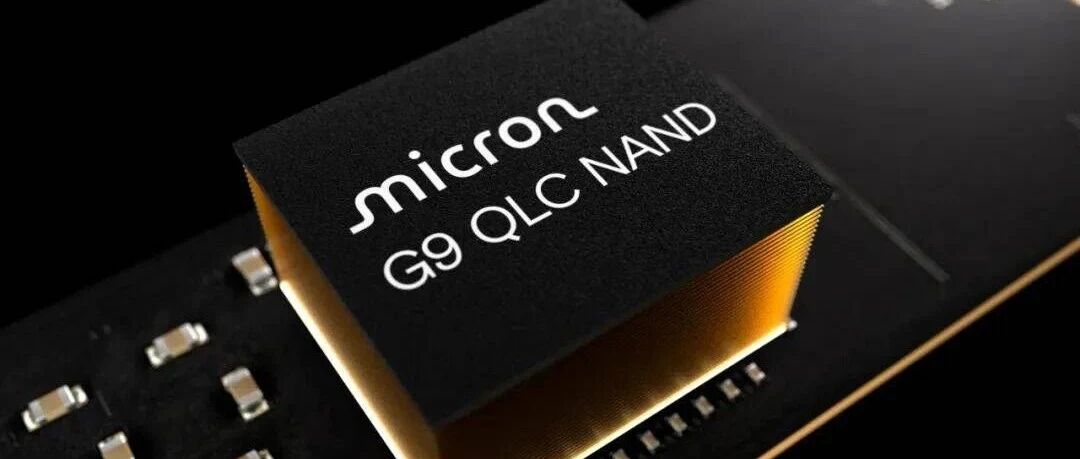
刚刚,存储芯片大厂发生火灾
芯世相· 2025-12-24 06:19
Core Viewpoint - Recent fire incidents at semiconductor manufacturing facilities of Samsung and Micron have raised concerns, but both companies reported no significant impact on operations or personnel safety [3][4][5]. Group 1: Incident Overview - A fire occurred at Samsung's Hwaseong factory on December 24, caused by carbonization of a pump, leading to smoke but no injuries or production interruptions [3]. - Micron's Tainan factory experienced a fire on December 20 during facility renovations, which was quickly controlled, with no injuries reported and operations remaining normal [4]. Group 2: Operational Impact - Both Samsung and Micron confirmed that the fire incidents did not affect their production capabilities, with Samsung emphasizing that operations continued without interruption [3][4]. - The Tainan factory is crucial for Micron's DRAM capacity, particularly for AI server applications, indicating its strategic importance despite the fire [5]. Group 3: Market Context - The global storage market is currently in a price increase cycle, making any operational disruptions at major manufacturers a point of concern for the entire supply chain [5].
采购成本急剧上升 存储芯片“涨声”不止正迅速向终端传导
Zhong Guo Chan Ye Jing Ji Xin Xi Wang· 2025-12-17 00:17
Core Viewpoint - The global electronic industry is experiencing a "super cycle" of storage chip price increases driven by a surge in AI server demand, leading to significant cost pressures across the supply chain [1][2]. Group 1: Price Increases and Market Impact - Storage chip prices have skyrocketed, with DRAM prices increasing over fourfold and Flash prices nearly tripling within the year [1]. - The price of DDR4 memory has seen a cumulative increase of over 200% in six months, with recent monthly increases ranging from 30% to 70% [2]. - Major PC manufacturers like Lenovo, Dell, and HP are planning to raise product prices by up to 20% due to rising storage chip costs [4]. Group 2: Demand and Supply Dynamics - The demand for AI servers has surged, with storage configurations reaching 1.7TB compared to 0.5TB for traditional servers, causing a shift in production focus towards high-margin products like HBM and DDR5 [2]. - The ongoing price increases are expected to last longer than previous cycles, with predictions of a decline in global notebook shipments from a growth of 1.7% to a decrease of 2.4% in 2026 [5]. Group 3: Strategic Responses from Companies - Companies are adopting varied strategies to cope with rising costs; some are increasing prices while others are adjusting product configurations or expanding supplier networks [3]. - Domestic storage companies in China, such as Changxin Storage and Yangtze Memory Technologies, are expanding capacity and making technological breakthroughs, potentially disrupting the market dominated by foreign giants [6]. Group 4: Future Market Considerations - The elasticity of terminal demand will be crucial in determining whether price increases can be sustained; excessive retail price hikes may suppress consumer demand, leading to a potential price correction [6]. - The ongoing shortage of storage chips is viewed as both an opportunity and a challenge for storage module manufacturers, necessitating long-term strategic planning [6].
内存芯片价格飙涨400%! 法巴:巨头停产旧型号 美光、Sandisk直接受益全球抢货潮
Zhi Tong Cai Jing· 2025-12-11 03:12
Core Viewpoint - The memory industry is entering a historic upcycle driven by artificial intelligence (AI), with companies like Micron Technology (MU.US) and Sandisk (SNDK.US) expected to benefit significantly from this trend [1][2]. Group 1: Market Trends - DRAM and NAND spot prices have seen significant year-on-year increases of 408% and 165% respectively in November, indicating a strong upward trend in pricing [1]. - The average selling price of DRAM is projected to rise by 35% quarter-on-quarter in Q4 and by 10% in Q1 2026, driven by ongoing supply constraints [1]. - NAND prices are also expected to increase by 15% in Q4 and by 7% in the following quarter, reflecting similar supply dynamics [1]. Group 2: Historical Context - Historically, DRAM upcycles last about 8 months with an average price increase of 53%, while NAND upcycles last around 6 months with a 40% average price increase [2]. - Currently, the DRAM upcycle is in its 5th month with prices up 55% from the trough, and the NAND upcycle is in its 4th month with prices up 51% from the trough [2]. Group 3: Competitive Landscape - Major players like Samsung and SK Hynix, which control approximately 70% of the global DRAM market, are shifting focus towards high-end chips, planning to phase out DDR4 production by late 2025 to early 2026 [3]. - Tech giants such as Google, Amazon, Meta, and Microsoft are expected to invest $400 billion in AI infrastructure this year, further driving demand for memory chips [3]. Group 4: Supply Dynamics - The memory chip industry is experiencing a "super cycle," with manufacturers aggressively stockpiling chips due to surging demand [4]. - Semiconductor distributors report a significant increase in demand over the past couple of months, with customers adopting strategies of ordering double or triple the usual quantities [4].
【太平洋科技-每日观点&资讯】(2025-12-11)
远峰电子· 2025-12-10 12:15
Market Overview - The main board saw significant gains with notable stocks such as Bona Film Group (+10.05%), Liang Micro (+10.01%), and Changfei Fiber (+10.00%) leading the charge [1] - The ChiNext board also performed well, with Hongrid (+13.32%) and Dongtian Micro (+8.24%) among the top gainers [1] - The Sci-Tech Innovation board was led by C Moore-U (+16.98%) and Xingfu Electronics (+12.79%) [1] - Active sub-industries included SW Communication Cables and Accessories (+3.86%) and SW Film and Animation Production (+2.61%) [1] Domestic News - Semiconductor Investment Alliance: Jingce Electronics announced that its subsidiary has signed multiple sales contracts with a total value of 433 million yuan over the past twelve months [1] - China Mobile's 5G expansion procurement results revealed that all selected vendors' equipment will utilize domestically produced CPUs, marking the first large-scale application of domestic CPUs in 5G base stations [1] - Yunguang Technology completed a Series A financing round to initiate the construction of a 12-inch silicon-based OLED production line, expected to yield approximately 6 million 12-inch wafers annually [1] - Lichong Group signed a procurement agreement with Weijing Intelligent for humanoid robot components, with an estimated contract value of 75 million yuan for 5,000 sets [1] Company Announcements - Medica announced plans to introduce strategic investors through its subsidiary, enhancing its financial strength and core competitiveness [2] - 37 Interactive Entertainment's subsidiary plans to invest up to $200,000 in the Lighthouse Founders' Fund, which focuses on AI and related technology sectors [2] - Taiji Industry's subsidiary intends to transfer accounts receivable worth up to $85 million to a bank [2] - Qilin Security received government subsidies totaling 540,140 yuan, related to its revenue [2] International News - Sondiale SA secured $4.75 million from the U.S. International Development Finance Corporation for the development of a polysilicon factory in Tanzania, with a total investment of approximately $870 million [2] - Imec successfully demonstrated the use of extreme ultraviolet (EUV) lithography for fabricating solid-state nanopores, a significant step towards low-cost mass production [2] - The international DRAM market showed stable prices, with DDR4 16Gb prices increasing by 1.59% while other prices remained relatively stable [2] - Samsung Display has signed orders with major OLED equipment companies, including Cannon Tokki, to begin full-scale production next year [2]
结账信号?
Datayes· 2025-12-08 11:21
Core Viewpoint - The recent Central Political Bureau meeting emphasizes a focus on economic development, with a commitment to maintaining macroeconomic policy continuity and prioritizing domestic demand expansion. The expected economic growth target for next year is around 5% [3][5]. Summary by Sections Economic Outlook - The meeting highlighted the importance of achieving "qualitative effective improvement and reasonable quantitative growth" in the economy, indicating a potential downward adjustment of growth targets for the coming year [3][4]. - The phrase "cross-cycle" was reiterated, but the previous term "extraordinary" was removed, suggesting a more cautious approach to large-scale stimulus measures [3][4]. Policy Directions - The meeting called for a more proactive fiscal policy and moderately loose monetary policy, emphasizing the need for synergy between existing and new policies [5][4]. - There is a strong focus on stabilizing employment, with the meeting stating that employment stability is a top priority [3][4]. Trade and External Relations - The meeting acknowledged the need to balance domestic economic work with "international economic and trade struggles," reflecting ongoing vigilance regarding potential trade conflicts, particularly with the U.S. [5][4]. - Despite a temporary pause in U.S.-China tariff disputes, the decision-makers remain cautious about future trade tensions, especially as China's trade surplus exceeds $1 trillion [5]. Sector Performance - Recent export data showed a 5.9% increase in November, surpassing previous values and forecasts, indicating a diversification of exports to non-U.S. markets [6]. - The electronics sector, particularly companies involved in optical communication and robotics, has seen significant activity, with stocks like Lumentum and related firms experiencing price increases due to strong demand [11][21]. Investment Trends - The A-share market has shown positive momentum, with major indices rising and significant trading volumes reported, indicating renewed investor confidence [11][13]. - Key sectors such as robotics, storage, and aerospace are gaining traction, with notable investments and project developments reported [18][19][21]. Financial Market Dynamics - The net inflow of capital into the electronic sector has been substantial, with specific stocks like Tianfu Communication and New Yisheng leading the gains [23][27]. - The overall market sentiment remains cautious, with certain sectors like pharmaceuticals and food and beverage experiencing outflows [31][23].




存储持续“疯涨” 业内:“要买终端赶紧买”
3 6 Ke· 2025-12-07 23:34
Core Insights - The storage chip industry is experiencing an unprecedented "super price increase cycle," with DRAM prices rising over four times and Flash prices nearly tripling within the year [1] - Micron Technology announced the termination of its consumer-grade Crucial memory and SSD business to focus on high-growth areas driven by AI demand [1][6] - The supply chain is facing significant challenges, with downstream manufacturers experiencing low inventory levels and being forced to accept high prices to maintain production [3][4] Price Trends - The price of 4GB DDR4x chips has surged from $7 at the beginning of the year to over $30 by mid-November, representing a 4 to 5 times increase [1] - Flash products, such as 64GB eMMC, have seen prices rise from $3.2 to over $8 [1] - Predictions indicate that storage prices may increase by an additional 20% to 30% in the first quarter of next year, following a 50% increase in the fourth quarter [11] Supply Chain Dynamics - Downstream manufacturers, including smartphone producers, are facing a "no rice to cook" situation due to low inventory levels, which are currently below the healthy range of 8 to 10 weeks [3][4] - Many manufacturers are not actively stockpiling but are instead forced to replenish inventory due to supply chain constraints [2][5] - The current supply tightness is exacerbated by AI-driven demand for memory and storage, which is prioritizing production for high-margin products like HBM and DDR5 [6][7] Market Behavior - Channel partners are adopting a "gamble on the market" approach, holding onto inventory in anticipation of further price increases [3] - Some manufacturers are adjusting product configurations to maintain core experiences while managing rising costs, potentially leading to a reduction in storage capacity in future products [10] - The shift in demand dynamics has weakened the bargaining power of consumer electronics manufacturers, forcing them to accept rising costs [11][13] Future Outlook - The exit of major players like Micron from the consumer market is creating opportunities for domestic storage manufacturers to fill the supply gap [12] - However, the overall supply-demand imbalance remains significant, with consumers likely facing higher prices and lower capacities for electronic products in the coming year [13]