
NIO(NIO)

Search documents
【深度分析】2026年2月份全国新能源乘用车市场深度分析报告
乘联分会· 2026-03-27 08:44
Overall Market - The total market for passenger vehicles in China includes ICE (Internal Combustion Engine), BEV (Battery Electric Vehicle), and PHEV (Plug-in Hybrid Electric Vehicle) with a total production of 1,372,642 units and retail sales of 1,033,735 units [4][6]. - The production of new energy vehicles (NEV) reached 644,659 units, while fuel vehicles produced were 727,983 units, indicating a growing trend in NEV adoption [4][6]. Submarket Analysis - The NEV market is segmented into BEV and PHEV, with significant growth in both categories. The total NEV production for the year was 1,904,262 units, with a retail figure of 1,427,943 units [6][34]. - The market share of NEVs in the overall market is increasing, with NEV penetration rates reaching 41.1% in 2026 [18][19]. Export Market - The export of new energy vehicles has shown a positive trend, with a total of 289,543 units exported in the first two months of 2026, marking a 106.1% increase compared to the previous year [22][24]. - The share of NEVs in the export market is also growing, with NEV penetration rates reaching 49.9% [24][26]. Manufacturer Performance - BYD remains the leading manufacturer in the NEV segment with a wholesale volume of 187,782 units, despite a year-on-year decline of 41.0% [29]. - Tesla China has shown significant growth in retail sales, with a 52.4% increase, indicating strong market demand [30]. Vehicle Type Segmentation - In the vehicle type segmentation, the SUV category continues to dominate with a total retail sales of 1,060,304 units, while MPVs and sedans follow with 683,481 and 1,033,735 units respectively [33][34]. - The overall market is experiencing a decline in sales across all vehicle types, with NEVs showing a less severe drop compared to traditional fuel vehicles [36][37].





忙活了十几年,新势力一共挣了16个亿
汽车商业评论· 2026-03-26 23:06
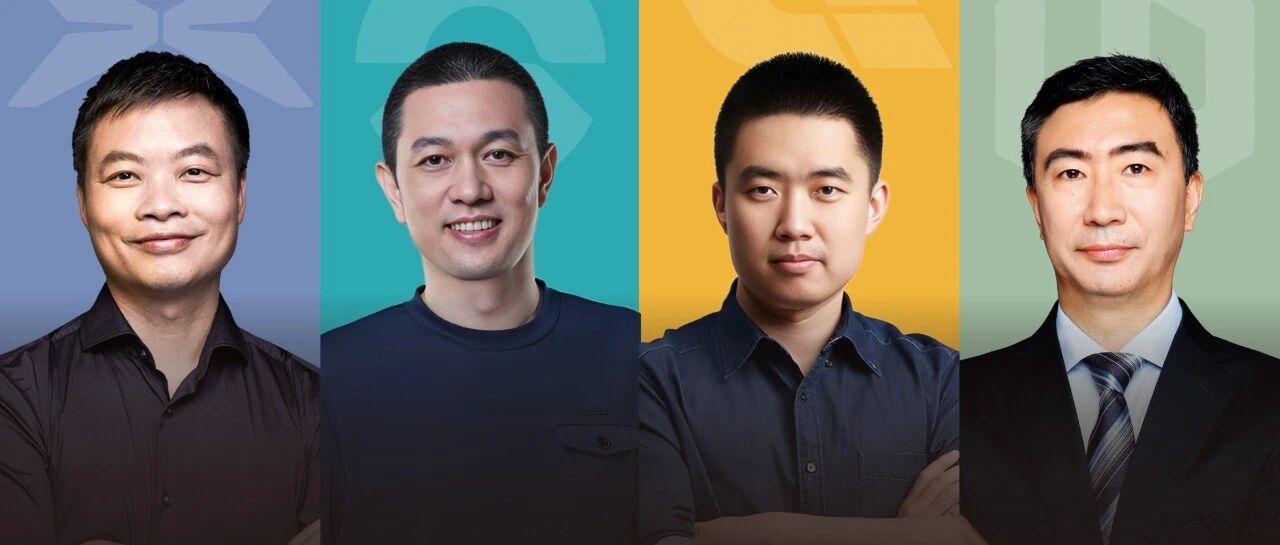
Core Insights - The article discusses the survival and profitability of four new car manufacturers in China: NIO, Li Auto, Xpeng, and Leap Motor, highlighting their financial performance and strategic adjustments over the years [3][5]. Financial Performance - In Q4 2025, NIO reported a net profit of 283 million RMB, marking its first profit in 11 years. Xpeng also achieved profitability with a net profit of 380 million RMB, while Leap Motor earned 540 million RMB for the entire year, becoming the second new force to achieve annual profitability after Li Auto [3]. - The four surviving companies collectively earned 1.6 billion RMB in 2025, a significant achievement after the failure of over a hundred new entrants and the expenditure of over a thousand billion RMB in investments [3]. Delivery and Revenue Metrics - The delivery volumes for 2025 were as follows: Xpeng delivered 326,000 vehicles, Li Auto 429,000, Leap Motor 406,300, and NIO 596,600 [4]. - Revenue figures for 2025 were reported as: Xpeng 87.49 billion RMB, Li Auto 76.72 billion RMB, Leap Motor 112.3 billion RMB, and NIO 64.73 billion RMB [4]. Strategic Adjustments - Li Auto is focusing on improving store quality rather than quantity, implementing a "store partner" mechanism to empower store managers with decision-making and profit-sharing capabilities [7][9]. - NIO is undergoing a cost-saving initiative, emphasizing efficiency and accountability in spending, with a focus on achieving profitability [11]. Technological Development - Xpeng is merging its autonomous driving and smart cockpit divisions to enhance research and development efficiency, aiming to produce the IRON robot by the end of 2026 [11]. - Leap Motor is planning to enhance its smart technology capabilities, having previously focused on survival rather than aggressive investment [12]. International Expansion - Xpeng has been the most proactive in international markets, with nearly 50% of its sales coming from Europe and plans to launch four new global products in 2026 [13][15]. - Leap Motor led in export volume among new forces in 2025, with 67,052 vehicles exported, aided by a partnership with Stellantis for localized manufacturing [16]. - NIO is taking a cautious approach to international expansion, focusing on establishing a strong foundation in China before pursuing overseas markets [18]. Embodied Intelligence - The new forces are considering entering the robotics sector, with Xpeng being the most aggressive in integrating automotive and robotics technology [21][23]. - Li Auto plans to invest significantly in AI and embodied intelligence, with a focus on self-developed chips and smart driving technologies [25][26].


蔚来:辅助驾驶升级后成促单神器,犹豫半年的客户直接下单
车fans· 2026-03-26 08:20
Core Viewpoint - NIO's recent upgrade of its world model has significantly improved its smart driving capabilities, leading to increased user engagement and sales potential [1][4][18] Group 1: Upgrade Details - The new version of the world model was rolled out starting January 28, covering over 600,000 vehicles across three platforms: Banyan, Cedar, and Cedar S [1] - The upgrade utilizes a "world model + closed-loop reinforcement learning" architecture, enhancing core capabilities such as path selection, game strategy, and vehicle control [1] Group 2: Market Performance - In February, the total mileage of smart assisted driving surpassed 200 million kilometers, with a month-on-month growth of 81.5% [4] - The number of users who drove more than 50% of their mileage using smart driving features increased significantly, with a 115.4% rise in mileage and a 210.6% rise in usage time [4] Group 3: Customer Engagement - Customer interest in test drives has notably increased, with over 50% of customers requesting to experience the assisted driving feature during test drives, up from about 10% in January [8] - Feedback from sales indicates that more than 40% of customers are now placing orders specifically due to the enhanced assisted driving capabilities [8] Group 4: Case Studies - A customer, Mr. Liu, who previously hesitated to purchase, was influenced by discussions in car owner groups about the improved assisted driving, leading him to return for a test drive [10][11] - Another customer, Ms. Hu, initially attracted by the vehicle's aesthetics, became more interested in the assisted driving feature after experiencing its effectiveness during a test drive [14][16] Group 5: Conclusion - NIO's approach to the upgrade was pragmatic, focusing on direct user experience rather than heavy marketing, resulting in tangible improvements in user engagement and sales [3][18] - The enhanced assisted driving feature has become a key selling point, making it easier for sales teams to convert interest into actual sales [18]
大车的甜头,蔚来算是吃上了
21世纪经济报道· 2026-03-26 04:26
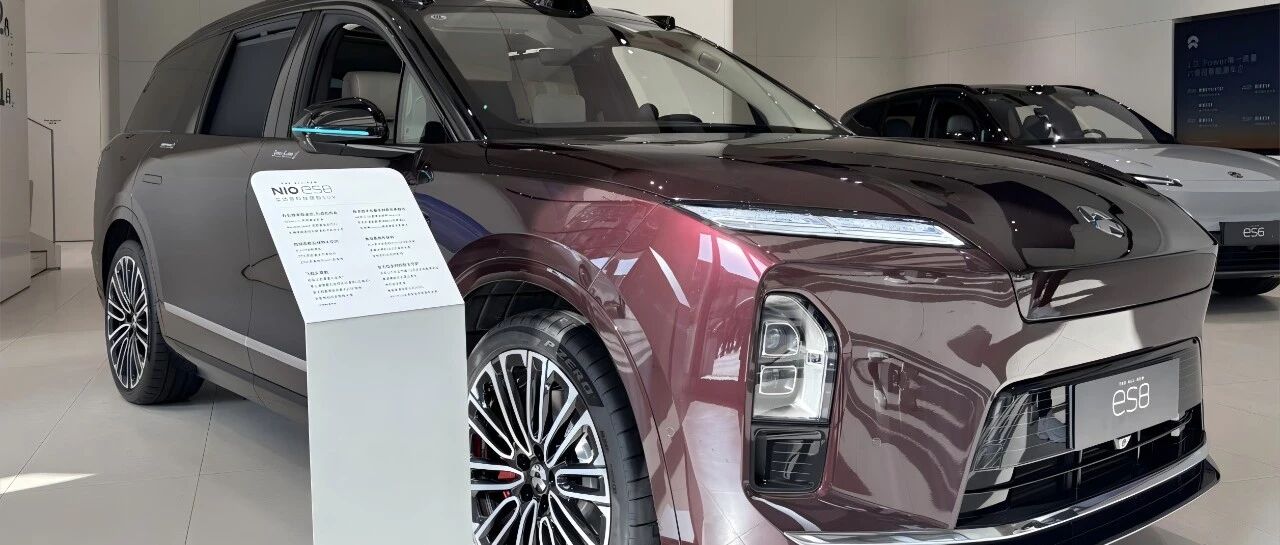
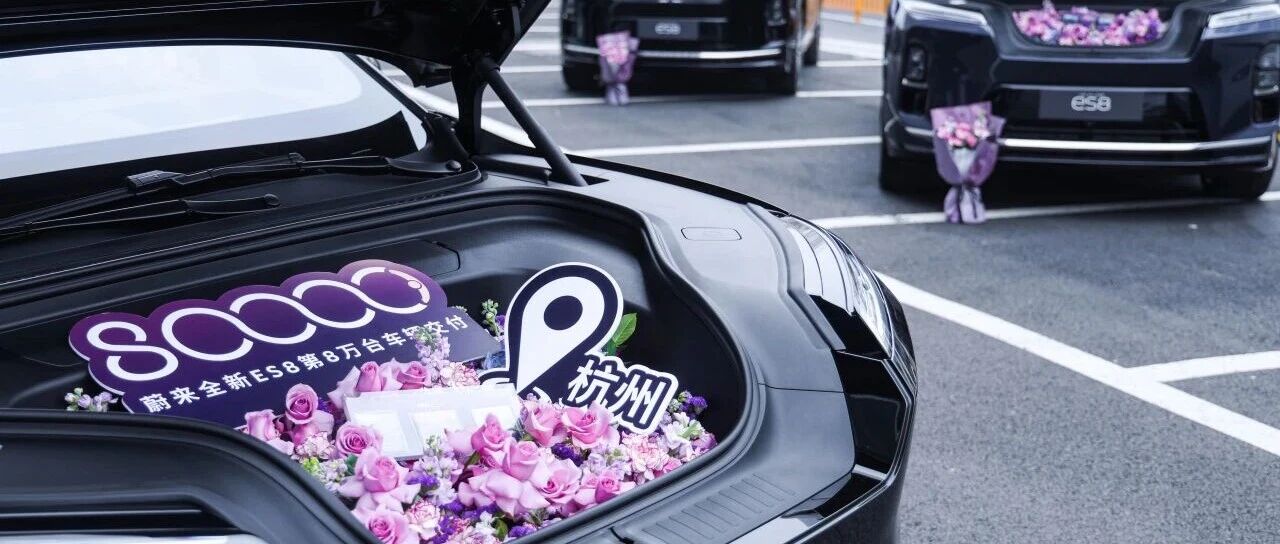
Core Viewpoint - The competition logic in the high-end pure electric vehicle market has fundamentally changed, moving from a growth-driven phase to a stock competition phase where profit margins are critical for survival [1] Group 1: Market Dynamics - The high-end vehicle market in China, priced between 400,000 to 600,000 yuan, has historically served as a barometer for industry trends, reflecting a company's profitability, technological capabilities, and brand influence [1] - The market has transitioned from a "scale dividend era" driven by vertical integration to a new growth curve represented by companies like NIO, which rely on systematic technological advancements [1][3] - As of March 2, 2026, NIO's new ES8 achieved 80,000 deliveries within 181 days, indicating a shift in competitive logic in the high-end pure electric market [1] Group 2: User Behavior and Value Assessment - In the context of stock competition, high-end users' purchasing decisions are reshaping how capital markets assess company value, moving away from traditional metrics like brand heritage and engine specifications [2] - Nearly half of the 80,000 new ES8 owners came from existing customers of traditional luxury brands (BBA), with over 15% directly abandoning traditional combustion engine vehicles [2] - More than 25% of the initial ES8 orders were from previous ES8 owners, highlighting a strong customer loyalty and repeat purchase behavior [2] Group 3: Financial Performance and Growth Drivers - NIO achieved its first-ever quarterly profit in Q4 2025, driven by the high price and margin of the new ES8, which has established a strong "blood generation" capability for the company [3] - The high repurchase and renewal rates signify a shift in consumer perception, transforming vehicles from depreciating assets to "iterable services" [3][6] Group 4: Technological Advancements - NIO's strategy of focusing on large vehicles has proven to be a significant growth engine, with the new ES8 being a key driver of profitability [3][4] - The new ES8 incorporates self-developed chips and an operating system that enhance user experience and address common pain points in electric vehicles, showcasing NIO's engineering expertise [5] - The company has established a comprehensive closed-loop system from R&D to mass delivery, mastering the production of high-end vehicles [6] Group 5: Industry Positioning and Future Outlook - The emergence of a "military alliance" consisting of NIO, ONVO, and Firefly indicates a structural evolution in the market, with NIO's integrated technology providing a competitive edge [7] - NIO's successful delivery of 80,000 ES8 units has solidified its position as a benchmark in the pure electric vehicle industry, demonstrating resilience and industrial endurance [7][8] - The transition of NIO's battery swap system and underlying technology from a brand asset to an industry-wide value anchor reflects a long-term commitment to innovation [8]
异动盘点0326 | 黄金股再度下跌,猪肉概念股集体走低;太空概念概念股全线上扬,AI应用软件股Braze大涨19.87%
贝塔投资智库· 2026-03-26 04:01
Group 1: Stock Market Movements - China Merchants Energy (01138) fell over 5%, currently down 4.09%, as the company assesses safety conditions regarding its vessels in the Strait of Hormuz [1] - Shenzhen Expressway (00548) dropped over 9%, currently down 7.86%, after reporting 2025 revenue of approximately 9.264 billion yuan, a 0.2% year-on-year increase, and a net profit of about 1.149 billion yuan, up 0.38% [1] - Television Broadcasts (00511) rose nearly 3% after announcing a 2025 revenue of 3.192 billion HKD, a 2.02% decrease, and a shareholder loss of 491 million HKD [2] - Chaoyun Group (06601) increased over 6%, currently up 4.07%, reporting a revenue of 1.988 billion yuan, a 9.24% year-on-year growth, and a net profit of 224 million yuan, up 9.98% [2] - Golden stocks fell again, with companies like Zijing Mining (02899) and Shandong Gold (01787) experiencing declines of 3.09% and 4.02% respectively, as spot gold prices dipped below 4500 USD [3] Group 2: Company Earnings and Forecasts - GSK Group (01285) surged over 40%, currently up 31.87%, after announcing an expected net profit of between 101.4 million and 111.1 million yuan for the year ending December 31, 2025, representing a year-on-year increase of approximately 210% to 230% [4] - Aoda Holdings (09929) fell over 12%, currently down 16.19%, reporting a revenue of 66.258 million HKD, a 27.75% decrease, and a net loss of 18.856 million HKD [5] - Peijia Medical (09996) rose nearly 4%, reporting a revenue of 713 million yuan, a 15.82% year-on-year increase, and a narrowed net loss [3] Group 3: Market Trends and Sector Performance - The pork concept stocks collectively declined, with COFCO Joycome (01610) down 3.57% as the average trading price of lean pigs fell below 10 yuan/kg, marking a 15-year low [3] - Semiconductor stocks saw a strong start, with Arm Holdings (ARM.US) rising 16.38% after announcing its entry into chip manufacturing, aiming for 15 billion USD in annual revenue within five years [8] - AI application software stocks collectively rose, with Braze (BRZE.US) increasing by 19.87% [8]


Jim Cramer resets Nio stock outlook after earnings
Yahoo Finance· 2026-03-26 01:03
Core Insights - Nio has reported its first-ever quarterly profit, indicating a potential transition from a cash-burning electric vehicle (EV) company to one benefiting from operating leverage [1][2] - The company's Q4 revenue increased by 83.6% year over year to $4.95 billion, with an adjusted net profit of $103.9 million and an adjusted operating profit of $178.9 million [2][3] Financial Performance - Nio's strong top-line growth and improving profitability are highlighted by a 33% increase in full-year revenue, although the company remains unprofitable on an annual basis [5] - Analysts project Nio's revenue to grow from approximately $12.7 billion in 2025 to $18.7 billion in 2026, representing a 47% increase [4] - For fiscal year 2027, revenue is expected to reach around $21.7 billion, marking a further 16% growth [6] Operational Efficiency - The increase in operating profit suggests that Nio is effectively managing scale, cost control, and vehicle economics, with higher deliveries and improved gross margins contributing to profitability [3][7] - CEO William Li has indicated that the company anticipates a year-over-year volume growth of 40% to 50% for fiscal year 2026, which is crucial for spreading fixed costs across more vehicles [6][7]
中国新四大豪华势力出炉
汽车商业评论· 2026-03-25 23:07
Core Viewpoint - The article discusses the emergence of a new luxury automotive segment in China, represented by companies like Huawei, NIO, Li Auto, and Zeekr, which are challenging traditional luxury brands such as BMW, Mercedes-Benz, Audi, and Porsche in the electric vehicle market [3][5][12]. Traditional Luxury Brands - In 2025, traditional luxury brands in China are projected to have the following sales: BMW 62.55 million units (down 12.5%), Mercedes-Benz 57.5 million units (down 19%), Audi 61.75 million units (down 5%), and Porsche 4.19 million units (down 26.3%) [4][5]. - The total sales for these brands will be approximately 185.99 million units, a decrease of about 260,000 units compared to 2024, returning to levels seen in 2017 [5]. New Luxury Brands - The new luxury brands, including Huawei's HarmonyOS, Li Auto, NIO, and Zeekr, are expected to achieve total sales of 154.55 million units in 2025, with NIO at 32.6 million units (up 46.9%), Li Auto at 40.63 million units (down 18.8%), and Zeekr at 22.41 million units (up 0.9%) [5][12]. - The new luxury segment is gaining traction, with Huawei's HarmonyOS leading the way with 58.91 million units sold [4][5]. Price Wars - In early 2026, traditional luxury brands initiated a price war, with BMW reducing prices on 31 models by over 10%, including a significant drop of 30.1 million yuan for its flagship model [7][9]. - Mercedes-Benz and Audi followed suit with substantial discounts on various models, indicating a shift in pricing strategies due to sales pressures [9][10]. Changing Consumer Preferences - The average age of luxury car consumers in China is significantly lower at 35 years, with 62% of luxury car purchases made by individuals under 35, who prioritize technology and experience over brand heritage [15][16]. - Young consumers are redefining luxury, focusing on smart features, comfort, and performance rather than traditional brand prestige [16]. Competitive Landscape - Traditional luxury brands are adapting by collaborating with Chinese tech companies to enhance their smart vehicle offerings, indicating a shift in strategy to compete with new entrants [18][20]. - Despite the challenges posed by new luxury brands, traditional players still hold advantages in mechanical reliability and global supply chain management [20][22]. Financial Performance - New luxury brands are beginning to achieve profitability, with NIO and Zeekr reporting quarterly profits in late 2025, while Li Auto faced a loss during its transition to pure electric vehicles [20][22]. - The financial sustainability of new luxury brands remains a concern, as they navigate the challenges of a rapidly evolving market [22].

NIO Inc. (NIO) Price Forecast: Higher Low Signals Long-Term Strength
FX Empire· 2026-03-25 20:54
Core Viewpoint - The content emphasizes the importance of conducting personal due diligence and consulting with competent advisors before making any financial decisions, particularly in relation to investments in cryptocurrencies and CFDs [1]. Group 1 - The website provides general news, personal analysis, and third-party materials intended for educational and research purposes [1]. - It explicitly states that the information should not be interpreted as a recommendation or advice for investment actions [1]. - The accuracy and reliability of the information are not guaranteed, and users are cautioned against relying solely on the content provided [1]. Group 2 - The website discusses the complexities and high risks associated with cryptocurrencies and CFDs, highlighting the potential for significant financial loss [1]. - It encourages users to conduct their own research and fully understand the instruments and risks involved before making investment decisions [1].
“蔚小理零”首次集体盈利背后
创业邦· 2026-03-25 10:44
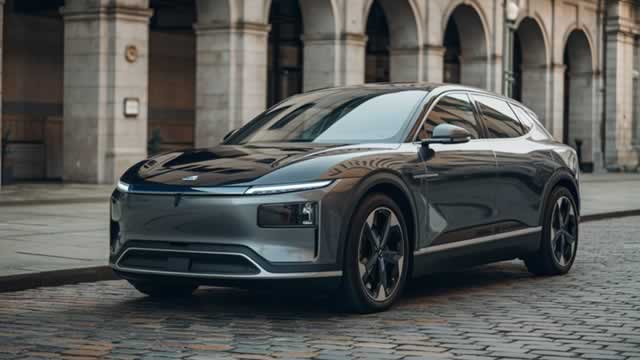
Core Viewpoint - The article discusses the evolving landscape of China's electric vehicle (EV) market, highlighting the competitive dynamics among new car manufacturers, particularly Li Auto, NIO, Xpeng, and Leap Motor, as they navigate challenges and opportunities in the industry from 2023 to 2026 [6][7]. Group 1: Market Dynamics - In 2025, the four new car manufacturers collectively achieved profitability for the first time, marking a significant turning point in their survival paths [8]. - The competition intensified as these companies not only vied for market share among themselves but also faced challenges from traditional automakers and new entrants like Huawei and Xiaomi [8][9]. - Leap Motor emerged as a surprising contender, achieving monthly sales exceeding 70,000 units, positioning itself among the top tier of manufacturers [7]. Group 2: Sales Performance - In 2025, Li Auto's total deliveries fell to 406,000 units, a decline of 18.8% year-on-year, missing its target of 700,000 units [10][12]. - NIO's sales reached 326,000 units, a year-on-year increase of 46.9%, driven by the success of the ES8 model [13]. - Xpeng's sales surged to 429,000 units, a 126% increase, largely attributed to the launch of the MONA M03 model [14]. Group 3: Financial Performance - Li Auto's net profit for the year dropped to 1.14 billion yuan, a decrease of 85.8%, primarily supported by 1.92 billion yuan in interest income [18]. - NIO achieved its first-ever positive net profit of 720 million yuan in the fourth quarter, despite a total annual loss of 14.94 billion yuan [19]. - Leap Motor reported a net profit of 540 million yuan, a significant turnaround from a loss of 2.82 billion yuan the previous year [19]. Group 4: Strategic Shifts - Li Auto and Xpeng are focusing on AI and advanced driving technologies, aiming to evolve from traditional car manufacturers to intelligent mobility companies [8][21]. - NIO and Leap Motor continue to concentrate on vehicle sales, with NIO planning to expand its SUV lineup to five models by 2026 [19][20]. - The competitive landscape is expected to become more challenging in 2026, particularly with the reduction of subsidies for low-end models, impacting sales strategies [15][20].
公司问答丨银河微电:目前公司已进入比亚迪、蔚来、博世、大陆集团等全球顶级Tier1及终端车企供应链
Ge Long Hui· 2026-03-25 09:29
Core Viewpoint - The company, Galaxy Microelectronics, is positioned as a leading player in the automotive electronics sector, with a strong focus on automotive-grade semiconductor devices and a robust supply chain integration with top-tier automotive manufacturers [1] Group 1: Company Advantages - Galaxy Microelectronics is the first domestic manufacturer of discrete devices to join the AEC International Automotive Electronics Association, ensuring all its automotive-grade products meet AEC-Q certification standards [1] - The product range includes silicon-based diodes, transistors, and MOSFETs, with applications expanding from peripheral systems like headlights and seats to critical systems such as body control, ADAS, and powertrains [1] Group 2: Market Position and Growth - The company has successfully entered the supply chains of global top-tier automotive manufacturers such as BYD, NIO, Bosch, and Continental, with automotive product sales experiencing rapid growth over the years [1] - Strong customer collaboration and loyalty provide a solid foundation for continued volume growth in the automotive sector [1] Group 3: Future Outlook - The automotive-grade semiconductor device industrialization project is progressing as planned, with future expansions in automotive capacity and a richer portfolio of high-reliability products [1] - The company aims to deepen cooperation with core customers and capitalize on the opportunities presented by the localization of new energy vehicles and industry development, driving rapid growth in the automotive business [1]
