Starbucks(SBUX)

Search documents
广交朋友的星巴克,在中国构建一张“价值生态网”
雪豹财经社· 2025-07-14 15:55
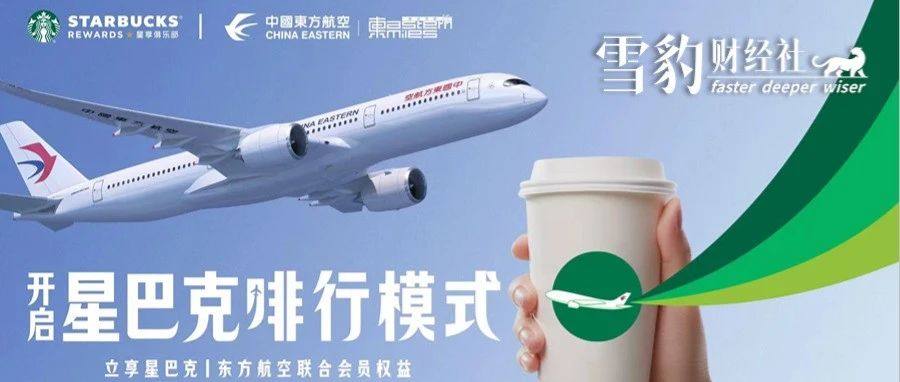
Core Viewpoint - The collaboration between Starbucks and China Eastern Airlines aims to enhance customer loyalty and experience through a joint membership program, integrating coffee culture with air travel [3][8][13]. Group 1: Joint Membership Program - Starbucks and China Eastern Airlines launched a comprehensive cooperation on July 14, introducing a joint membership plan that enhances the travel experience for millions of members [3][8]. - Members from both companies can easily join each other's membership systems, earning rewards such as 100 Eastern Airlines mileage points or one Starbucks star upon activation [9]. - High-tier members can enjoy additional benefits like free in-flight Wi-Fi and complimentary coffee on the day of their flight [9][12]. Group 2: Emotional Connection and Brand Loyalty - The partnership reflects a shift from functional consumption to value-driven experiences, enhancing emotional connections between the brand and its customers [13][34]. - Starbucks has established itself not just as a coffee seller but as a brand that integrates coffee into various lifestyle scenarios, creating a unique customer experience [23][34]. - The emotional value accumulated through personalized interactions strengthens customer loyalty and willingness to pay a premium for the brand [21][34]. Group 3: Product and Service Innovation - Starbucks is focusing on local consumer preferences, such as creating a "non-coffee" beverage system to address concerns about caffeine consumption affecting sleep [27]. - The introduction of a "True Flavor No Sugar" innovation system caters to health-conscious consumers, allowing them to choose sweetness levels while maintaining flavor [29]. - The brand emphasizes customization, enabling customers to create over 500 different drink combinations, enhancing the personalized experience [31]. Group 4: Cultural Integration and Store Experience - Each Starbucks store in China is designed to reflect local culture and community elements, enhancing the overall customer experience [31]. - The brand aims to provide small moments of joy, such as serving perfectly brewed coffee to busy travelers, reinforcing its commitment to customer satisfaction [33][34].


零售周报|瑞幸最大股东或参与竞购星巴克;良品铺子控制权或生变
Sou Hu Cai Jing· 2025-07-14 09:53
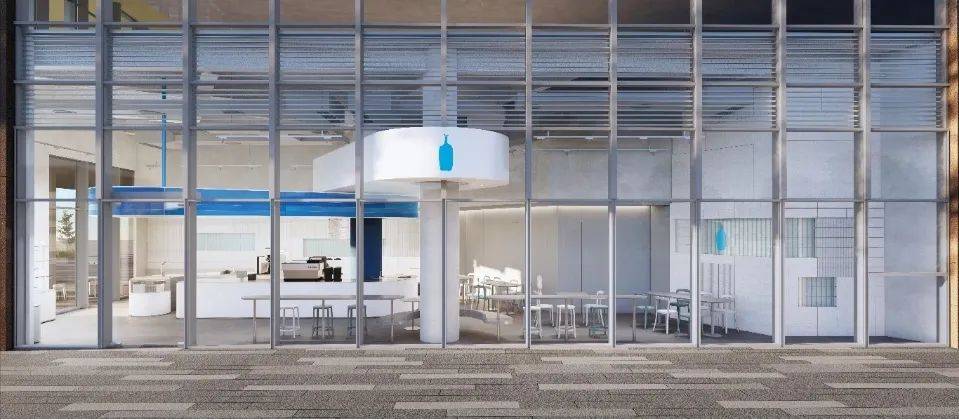
Group 1: Shanghai Consumption Environment Optimization - Shanghai's market supervision authority has launched a three-year action plan to enhance the consumption environment, aiming for improved safety, integrity, and consumer satisfaction by 2027 [1] - The plan includes maintaining high compliance rates for major consumer goods, effective governance of consumer rights violations, and the establishment of a collaborative consumption environment [1] - The initiative seeks to meet the growing demand for quality consumption and align with the standards of an international consumption center city [1] Group 2: Beijing Consumption Boosting Measures - Beijing has released a 24-item action plan to stimulate consumption, targeting an average annual growth of around 5% in total market consumption by 2030 [2] - The plan focuses on increasing residents' income, optimizing service experiences, enhancing product consumption, and creating diverse consumption spaces [2] - It emphasizes collaboration between market forces and government, as well as the integration of international and domestic resources to streamline consumption cycles [2] Group 3: Blue Bottle Coffee Expansion - Blue Bottle Coffee is set to open its 13th store in mainland China on July 14, located in Shanghai's Aegean Sea shopping area [5] - The new store will feature signature design aesthetics and introduce exclusive products, including a new ice cream and a coloring book set [5] Group 4: Bawang Tea Ji Expansion - Bawang Tea Ji has opened its flagship store in Changsha's prime commercial area, marking its rapid expansion in Hunan with over 150 stores in just over a year [6] - The store's location is strategically positioned near a competing brand, Tea Yan Yue Se, indicating a competitive market environment [6] Group 5: Happy Mahua Restaurant Launch - Happy Mahua has opened its first themed drama restaurant in Beijing, offering a unique dining experience alongside a theatrical performance [10] - The restaurant features a menu inspired by regional Chinese cuisine, showcasing the brand's diversification into the dining sector [10] Group 6: LV Beauty Store Opening - Louis Vuitton is set to launch its first beauty store in Nanjing's Deji Plaza, marking its entry into the Chinese beauty market [11] - The store will offer a range of products including fragrances, skincare, and makeup, expected to open in the fall of 2025 [11] Group 7: DiA Shares New Store Openings - DiA announced the opening of two new self-operated stores in June, located in Chengdu SKP and Jinhua World Trade Center [12][16] - The Chengdu store covers an area of 51 square meters with an investment of approximately 2.06 million yuan, while the Jinhua store spans 100 square meters with an investment of about 1.95 million yuan [14][16] Group 8: Starbucks China Stake Sale - Starbucks is reportedly considering selling a stake in its China operations, with an estimated valuation of $10 billion attracting around 30 private equity firms [17] - The company plans to retain 30% ownership, with the remaining shares distributed among various buyers, each holding no more than 30% [17] Group 9: Banou Hotpot IPO Plans - Banou Hotpot is expected to initiate a non-deal roadshow for its Hong Kong IPO on July 31, aiming to raise between $100 million to $200 million [18] - The funds will be used for expanding its restaurant network and enhancing digital operations and brand development [18] Group 10: Lao Xiang Ji IPO Update - Lao Xiang Ji has updated its IPO prospectus for the Hong Kong market, following previous attempts to list in both A-shares and Hong Kong [19] - The company is currently the largest Chinese fast-food brand, with 1,564 stores across 58 cities as of April 30, 2025 [19] Group 11: Good Products Suspension - Good Products has announced a suspension of trading due to potential changes in control involving its major shareholder [20][21] - The suspension is expected to last no more than two trading days as discussions are ongoing [21] Group 12: AW Supermarket Launch - AW, a new organic supermarket brand, has opened its first store in Beijing, focusing on innovative technology and personalized shopping experiences [22] - The store aims to promote healthy organic living as a daily lifestyle choice for families [22] Group 13: Renrenle Delisting - Renrenle has officially been delisted from the Shenzhen Stock Exchange after entering a trading suspension period [25] - The company faced challenges leading to its removal from the market, concluding its trading activities on July 3, 2025 [25] Group 14: L'Oreal Denial of Rumors - L'Oreal has denied rumors regarding the closure of its Hong Kong office and potential layoffs, stating that the reports are inaccurate [26] - The company emphasizes its commitment to adapting to market changes and optimizing its organizational structure [26] Group 15: Carrefour Store Sales - Carrefour has signed agreements to sell nine stores in France and is seeking buyers for its operations in Argentina [27] - The total estimated value of the French store sales is approximately €70 million, with Carrefour holding a significant market share in Argentina [27]


星巴克,居然悄悄关了这么多“明星店”!
3 6 Ke· 2025-07-14 02:34
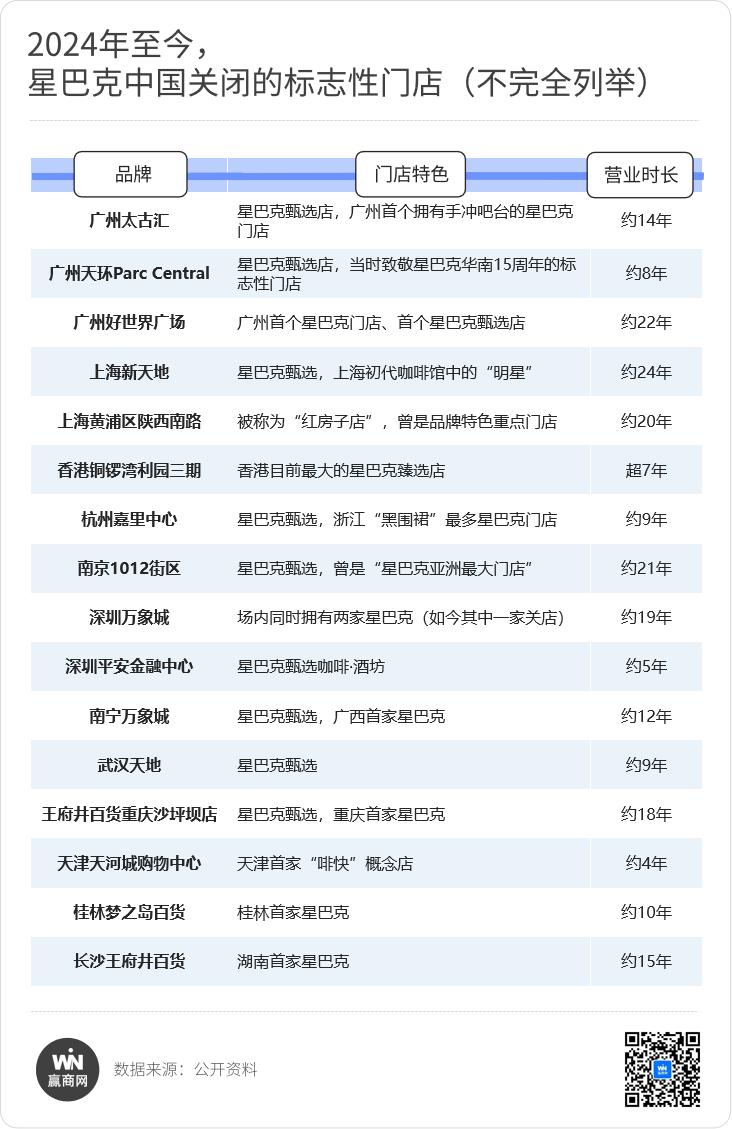
Core Insights - Starbucks in China is facing significant challenges, including the closure of iconic stores and a decline in store growth rates, raising concerns about its future in the market [1][2][5] Store Closures - In 2024, Starbucks China has closed nearly 20 iconic stores, with half of these closures concentrated in the densely populated "Jiangsu, Zhejiang, and Shanghai" regions and Guangdong province [2] - Notable closures include flagship stores in Guangzhou, Shanghai, and Hong Kong, some of which had been operational for over 20 years [3][4] Declining Growth Rates - Starbucks China has seen a decline in store growth rates, with the current growth rate being less than 1%, which is lower than during the pandemic [5][8] - The company's three-year plan to reach 9,000 stores by 2025 appears to be at risk due to these declining growth trends [5] Strategic Shift - The company is shifting its strategy from aggressive expansion to optimizing store efficiency and focusing on value creation [7][8] - This includes closing underperforming stores and relocating to areas with better potential for profitability [7] Market Competition - Increased competition from local brands such as Luckin Coffee and Manner Coffee has pressured Starbucks' market position, leading to a loss of favorable leasing conditions [7] - The brand's inability to maintain its premium pricing and popularity has resulted in the closure of stores in less favorable locations [7] Adaptation Strategies - Starbucks is adapting by expanding into lower-tier cities, with plans to cover 3,000 county-level markets by 2025, having already established over 1,000 stores in these areas [11] - The company is also innovating its product offerings, including launching sugar-free coffee options and engaging in high-profile collaborations, such as with the band Mayday [16][18] Financial Performance - Despite the challenges, Starbucks China reported a double-digit growth in operating profit margin and a 4% year-on-year increase in same-store transaction volume, indicating some recovery in performance [20]
瑞幸大股东真买下星巴克中国股权会怎样?
Xin Lang Cai Jing· 2025-07-11 11:53
Core Viewpoint - Starbucks is considering selling its Chinese business, with multiple potential buyers emerging, including Dazhong Capital, which has become a significant contender in the bidding process [1][2]. Group 1: Acquisition Proposals - Starbucks has received several acquisition proposals for its Chinese operations, with most investors aiming for a controlling stake, while Starbucks may retain 30% of the equity [1]. - Dazhong Capital, the largest shareholder of Luckin Coffee, has joined the bidding group, which includes over 30 competitors [2]. Group 2: Market Dynamics - Starbucks and Luckin Coffee are the two main players in the Chinese coffee market, with Dazhong Capital having previously acquired a 32% stake in Luckin Coffee [4]. - The competitive landscape is shifting, as Luckin Coffee has opened stores in the U.S., marking its entry into Starbucks' home market [4]. Group 3: Strategic Implications - If Dazhong Capital becomes a shareholder, it could influence Starbucks China's strategy through board representation, despite Starbucks retaining core strategic control [5][8]. - The potential acquisition raises questions about the future operational dynamics of Starbucks China, particularly in terms of local market responsiveness and operational efficiency [9][11]. Group 4: Market Positioning - Luckin Coffee has a significant advantage in the lower-tier cities, with over 8,000 stores compared to Starbucks' 1,251 in similar markets [10]. - The operational models differ, with Luckin focusing on quick-service and digital engagement, while Starbucks emphasizes the third space experience [10][11]. Group 5: Consumer Perception - The acquisition by a competitor's major shareholder could impact Starbucks' brand perception among consumers, potentially diluting its brand value [14]. - Despite operational changes, consumers may not notice significant differences in store formats or offerings if Dazhong Capital takes a stake in Starbucks China [9][14].
瑞幸最大股东或竞购星巴克中国股权
第一财经· 2025-07-11 11:43
Core Viewpoint - Starbucks is reportedly considering multiple acquisition proposals for its China business, with most investors aiming for a controlling stake while Starbucks may retain 30% ownership, indicating a desire to maintain control over its operations in China [1][2]. Group 1: Acquisition Proposals - Multiple acquisition proposals have been received for Starbucks' China business, with a reasonable valuation estimated at approximately $9 billion (around 64.6 billion RMB) [1]. - Notable bidders include Hillhouse Capital, Carlyle Group, KKR, and the largest shareholder of Luckin Coffee, Centurium Capital, among over 30 potential acquirers [1]. Group 2: Financial Performance - Luckin Coffee reported a revenue increase of 41.2% year-on-year to 8.87 billion RMB in Q1, with self-operated store revenue growing by 42.2% [2]. - Starbucks China reported revenue of $739.7 million (approximately 5.317 billion RMB) in the same period, reflecting a 5% year-on-year growth, with same-store sales remaining flat [2].
星巴克中国,又有新消息
Zhong Guo Ji Jin Bao· 2025-07-11 10:18
Group 1 - Starbucks is reportedly considering selling a stake in its China business, with potential buyers including major private equity firms such as Hillhouse Capital, Carlyle, KKR, and Dazhong Capital [2][3] - The valuation of Starbucks China is estimated at $10 billion, attracting nearly 30 private equity firms [3] - Starbucks may retain a 30% stake in the business, with the remaining shares distributed among multiple buyers, each holding less than 30% [4] Group 2 - Starbucks is currently not considering a full sale of its China operations, focusing instead on strategies to enhance growth and increase the number of stores from 8,000 to 20,000 [4] - The company reported a revenue of $2.958 billion in the Chinese market for fiscal year 2024, marking a 1.4% decline year-over-year, the first drop in recent years [6] - In Q1 2025, Starbucks China generated revenue of $739.7 million (approximately 5.317 billion RMB), reflecting a 5% year-over-year increase, with a total of 7,758 stores [6] Group 3 - Dazhong Capital, a significant shareholder in Luckin Coffee, is also on the list of potential buyers for Starbucks China, indicating a strategic interest in the coffee sector [5] - Luckin Coffee reported a 41.2% year-over-year revenue increase to 8.87 billion RMB in Q1 2025, with self-operated store revenue growing by 42.2% [6] - As of now, Luckin Coffee has a total of 24,097 stores globally, with a quarterly transaction volume exceeding 10.4 billion RMB [6]
星巴克中国,又有新消息!
中国基金报· 2025-07-11 10:14
Core Viewpoint - Starbucks is exploring the sale of its China business, with potential bidders including major investment firms and the possibility of Luckin Coffee's major shareholder participating in the bidding process [1][3][6]. Group 1: Starbucks' Business Sale - Starbucks has received multiple acquisition proposals for its China operations, with interested parties including Hillhouse Capital, Carlyle, KKR, and Da Cheng Capital [3]. - The estimated valuation of Starbucks China is around $10 billion, attracting nearly 30 private equity firms [4]. - Starbucks may retain 30% of its equity, with the remaining shares distributed among several buyers, each holding less than 30% [5]. Group 2: Market Performance and Strategy - Starbucks is facing growth challenges in China, with a reported revenue of $2.958 billion for fiscal year 2024, marking a 1.4% decline year-on-year, the first drop in recent years [8]. - In Q1 2025, Starbucks China reported revenue of $739.7 million (approximately 5.317 billion RMB), reflecting a 5% year-on-year increase, with a total of 7,758 stores [8]. - In contrast, Luckin Coffee's revenue grew by 41.2% year-on-year to 8.87 billion RMB in the same period, with self-operated store revenue increasing by 42.2% [8]. Group 3: Competitive Landscape - The rapid expansion of local coffee chains in China has led to a growth bottleneck for Starbucks [8]. - Da Cheng Capital, a significant shareholder in Luckin Coffee, is also interested in Starbucks China, indicating a potential strategic partnership [6].
星巴克中国回应出售传闻:寻找共同价值观的战略合作伙伴
Guan Cha Zhe Wang· 2025-07-11 09:49
Core Viewpoint - Starbucks is considering selling a portion of its stake in its China business, with multiple potential investors expressing interest in acquiring controlling stakes to align the business with their investment strategies [1][2]. Group 1: Acquisition Interest - Several potential investors have submitted non-binding acquisition proposals for Starbucks' China business, with most seeking controlling stakes [1]. - Over 30 bidders have reportedly made offers for Starbucks' China operations, with valuations ranging from $5 billion to $10 billion, and the final bid expected to approach the upper end of this range [1][2]. Group 2: Valuation and Stake Sale - Starbucks' current market capitalization is approximately $108 billion, with its China business contributing over 8% to global revenue, leading to a reasonable valuation of around $9 billion for this segment [1]. - The company may retain a 30% stake in the China business, with the remaining shares distributed among multiple buyers, each holding less than 30% [1]. Group 3: Company Response - In response to the market rumors, Starbucks emphasized its belief in the long-term potential of the Chinese market and its commitment to finding strategic partners that share its values [2]. - The company aims to maintain a significant portion of its stake in the China business while ensuring that any transaction aligns with the interests of Starbucks and its partners [2].
瑞幸大股东或竞购星巴克中国股权
21世纪经济报道· 2025-07-11 03:56
Core Viewpoint - Starbucks is progressing with the sale of its stake in the Chinese market, receiving multiple acquisition proposals primarily targeting controlling stakes, while aiming to retain a 30% ownership to maintain operational control [1][4]. Group 1: Starbucks' Business in China - Starbucks has received acquisition proposals for its Chinese operations, with a reasonable valuation of approximately $9 billion (around 64.6 billion RMB) [1]. - The company has emphasized that it is not considering a complete sale of its Chinese business [1]. - As of the latest report, Starbucks' revenue in China was $739.7 million (approximately 5.317 billion RMB), showing a year-on-year growth of 5% [2]. Group 2: Competitive Landscape - Luckin Coffee, backed by its major shareholder, Dazhong Capital, is also in the bidding for Starbucks' Chinese business, indicating a competitive landscape with over 30 bidders [1]. - Luckin Coffee reported a revenue increase of 41.2% year-on-year to 8.87 billion RMB in the first quarter, with self-operated store revenue growing by 42.2% [2]. - Starbucks is currently implementing price reductions on several product categories, which may help Luckin Coffee in maintaining growth and improving profit margins through differentiated competition [3].
Starbucks Ramps Up Test-and-Scale Strategy: Can It Fuel a Turnaround?
ZACKS· 2025-07-10 14:20
Core Insights - Starbucks Corporation (SBUX) is implementing a turnaround strategy through a "test-and-scale" approach, focusing on disciplined experimentation rather than sweeping changes [1] - The "Back to Starbucks" plan involves piloting operational and experiential improvements in select stores, scaling successful initiatives to enhance customer experience and efficiency [1] Operational Improvements - The green apron service model has been introduced to improve speed and partner connection during peak hours, expanding from a few stores to nearly 2,000 locations with promising results [2] - A new order sequencing algorithm has been tested, resulting in a reduction of average café wait times by approximately two minutes, with 75% of peak-hour orders fulfilled in under four minutes [3] - The iterative process includes menu simplification, beverage innovation, and store design enhancements, with a pause on the rollout of capital-intensive equipment in favor of labor-focused adjustments [4] Strategic Framework - Starbucks employs a structured framework of test, learn, refine, and scale to minimize execution risk and align upgrades with partner capability and customer demand, aiming for profitable transactions and improved long-term unit economics [5] Industry Comparison - Dutch Bros Inc. (BROS) is also using an iterative strategy, particularly in digital ordering, with its Order Ahead program achieving double the transaction penetration rate compared to the system average [6] - Chipotle Mexican Grill, Inc. (CMG) is taking a hybrid approach, combining operational pilots and equipment-driven innovations to enhance throughput and guest experience, with plans for new equipment rollouts in 2025 [7] Financial Performance - Starbucks shares have increased by 11.5% over the past three months, outperforming the industry average rise of 4.6% [8] - The Zacks Consensus Estimate for SBUX's fiscal 2025 earnings per share (EPS) indicates a decline of 25.1% year over year, while fiscal 2026 EPS is expected to rise by 20.5% year over year [12] - Starbucks currently trades at a forward price-to-sales ratio of 2.80, below the industry's average of 4.07X [17]