TSMC(TSM)

Search documents
玻璃基板,量产前夜
半导体行业观察· 2025-12-28 02:49
Core Viewpoint - The semiconductor industry is shifting from process competition to packaging innovation, with glass substrates emerging as a key material to overcome performance bottlenecks in advanced packaging [1][2]. Group 1: Industry Dynamics - Major companies like Samsung, Intel, AMD, and Nvidia are actively exploring glass substrates for next-generation chip development, indicating a strategic focus on this material [1]. - Recent developments include Japan's Rapidus exploring glass substrate technology and Samsung's plans to establish a joint venture with Sumitomo Chemical for glass substrate production [1][2]. Group 2: Advantages of Glass Substrates - Glass substrates offer significant advantages over traditional organic substrates and silicon interposers, including lower dielectric loss, excellent thermal stability, and high flatness [3][4]. - The electrical performance of glass substrates is superior, with signal transmission loss at 10GHz being only 0.3dB/mm, and dielectric loss reduced by over 50% compared to organic substrates [4]. - Glass substrates can achieve a thermal expansion coefficient (CTE) of 3-5ppm/°C, matching silicon chips and reducing warpage by 70% during thermal cycling [4]. Group 3: Types of Glass Substrates - Glass substrates are categorized into glass interposers and glass core substrates, each serving different roles in advanced packaging scenarios [3][6]. - Glass interposers are primarily used in 2.5D packaging, enabling high-density interconnections between multiple chips [6]. - Glass core substrates are aimed at 3D packaging and chiplet integration, providing a stable solution for increasing chip sizes and I/O counts [8]. Group 4: Industry Competition - The competition in the glass substrate market is intensifying, with companies like Intel, Samsung, TSMC, and new entrants like Rapidus and Absolics making significant investments and strategic moves [12][14][20]. - Intel has invested over $1 billion in developing glass substrate technology and aims for large-scale application by 2026-2030 [12][13]. - Samsung is pursuing a dual-line strategy, focusing on both rapid commercialization and long-term technological breakthroughs in glass substrates [14][15]. Group 5: Challenges and Barriers - The glass substrate industry faces challenges in scaling production, with many companies still in the early stages of development and validation [34][39]. - Key technical challenges include the efficiency and yield of TGV (Through Glass Via) processes, high-density wiring, and bonding reliability [35][41]. - Cost remains a significant barrier, with the production costs of glass substrates being substantially higher than traditional organic substrates, limiting their application in price-sensitive markets [39][40]. Group 6: Domestic Developments - Domestic companies in China are actively pursuing opportunities in the glass substrate market, leveraging their expertise in glass processing and precision manufacturing [23][30]. - Companies like BOE and Wog Glass are making strides in developing glass substrates for semiconductor packaging, with plans for mass production and technological advancements [24][25]. - The establishment of industry alliances and collaborations between academia and industry is fostering innovation and addressing common technical challenges in the glass substrate sector [30][31].





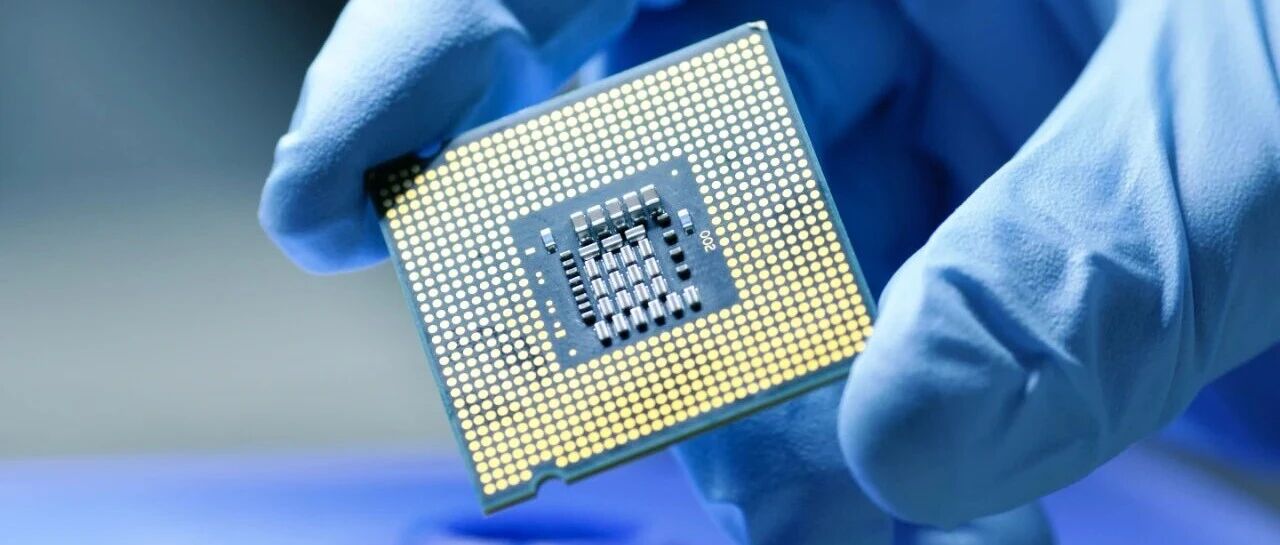
台积电才是英特尔的 “救命稻草”,不是英伟达!
是说芯语· 2025-12-28 00:33
Core Viewpoint - The collaboration between Intel and Nvidia marks a significant development in the semiconductor industry, with both companies aiming to design custom x86 chips for data centers and client markets, alongside Nvidia's $5 billion investment in Intel [5][7]. Group 1: Market Impact - Intel's stock price has seen a notable increase following the announcement of the partnership, indicating renewed investor confidence in Intel's potential within the semiconductor sector [5]. - The collaboration is expected to help Intel regain market share in data centers and personal computers, where it has been losing ground to competitors like AMD [7][8]. - Intel's share in the server processor market has dropped below 63%, with projections indicating further declines to around 55% by 2025 and potentially below 50% by 2028, while AMD's share is expected to rise to 40% [9]. Group 2: Competitive Landscape - The partnership allows Intel to customize x86 CPUs for Nvidia, integrating NVlink to enhance AI data center capabilities, which could help Intel reclaim its position in the market [8]. - In the consumer CPU market, AMD has begun to surpass Intel, particularly in desktop CPUs, while Intel's traditional stronghold in laptop CPUs faces challenges due to insufficient performance in recent product launches [11][12]. - Intel's ambition to become a major player in the foundry business faces hurdles, as Nvidia's investment has not translated into foundry orders, which are crucial for Intel's value proposition to the U.S. government [13][18]. Group 3: Technological Challenges - Intel's manufacturing technology has lagged behind TSMC, with the latest 18A process yielding only 55% efficiency compared to TSMC's 65% for its N2 process [14][13]. - The semiconductor industry is experiencing a supply shortage, particularly for advanced chips, which presents an opportunity for Intel to position itself as an alternative to TSMC [15][17]. Group 4: Strategic Positioning - Intel's future is increasingly tied to U.S. government interests, which complicates its operational independence and may hinder its ability to innovate effectively [20][21]. - The company's leadership faces challenges in navigating the political landscape while striving for technological advancement and market competitiveness [22].

Billionaire Chase Coleman Has Formed His Own "Magnificent Seven" and It's Even Better Than the Original
The Motley Fool· 2025-12-27 17:37
Core Viewpoint - The new "Magnificent Seven" portfolio, curated by hedge fund manager Chase Coleman, is better suited for the current market, focusing on companies that are heavily invested in artificial intelligence (AI) [1][3]. Group 1: New Magnificent Seven Composition - The new Magnificent Seven includes Microsoft, Alphabet, Amazon, Nvidia, Meta Platforms, Taiwan Semiconductor Manufacturing, and Broadcom, while excluding Apple and Tesla [5][6]. - Chase Coleman's portfolio has a significant concentration in AI-related stocks, with these companies making up 46.2% of his holdings [4]. Group 2: Exclusion of Apple and Tesla - Apple is excluded due to its lack of focus on AI and failure to release groundbreaking innovations in recent years, leading to stagnant growth [8][9]. - Tesla's exclusion is attributed to challenges in the electric vehicle market and uncertainties surrounding its ambitious AI projects, despite having an AI strategy for self-driving capabilities [11][12][14]. Group 3: Inclusion of Taiwan Semiconductor and Broadcom - Taiwan Semiconductor and Broadcom are highlighted as strong additions due to their thriving positions in the AI market and significant market capitalizations, with Taiwan Semiconductor valued at $1.5 trillion [15]. - Broadcom is noted for its custom AI accelerator chips, which are gaining traction as alternatives to Nvidia's GPUs, while Taiwan Semiconductor is a key supplier for many companies in the AI space [16]. Group 4: Future Outlook - There is confidence that Chase Coleman's new Magnificent Seven will outperform the original by 2026, suggesting a strategic shift for investors away from Apple and Tesla towards Broadcom and Taiwan Semiconductor [17].




台积电:部分厂区启动人员疏散
Xin Lang Cai Jing· 2025-12-27 16:17
全球最大专业晶圆代工企业台积电于周六发布消息称,该公司总部所在的新竹科学园区内,部分厂区在 地震后达到疏散启动标准。 台积电在一份简短声明中表示:"我们将人员安全置于首位,正依据应急响应程序开展户外疏散及人员 清点工作。目前,所有厂区的安全生产系统均运行正常。" 责任编辑:丁文武 全球最大专业晶圆代工企业台积电于周六发布消息称,该公司总部所在的新竹科学园区内,部分厂区在 地震后达到疏散启动标准。 台积电在一份简短声明中表示:"我们将人员安全置于首位,正依据应急响应程序开展户外疏散及人员 清点工作。目前,所有厂区的安全生产系统均运行正常。" 责任编辑:丁文武 ...
TSMC says some facilities evacuated after quake
Reuters· 2025-12-27 16:00
Core Insights - TSMC, the world's largest contract chipmaker, reported that a small number of its facilities in the Hsinchu science park reached evacuation criteria due to an unspecified event [1] Company Summary - TSMC is headquartered in the Hsinchu science park, which is significant for its operations in the semiconductor industry [1]
Billionaire Philippe Laffont Has a Third of His Portfolio in These 6 Incredible AI Stocks Poised to Dominate in 2026
The Motley Fool· 2025-12-27 14:00
Core Insights - The artificial intelligence (AI) buildout is ongoing, with significant investments from major companies expected to continue into 2026 and beyond [5][15] - Billionaire hedge fund manager Philippe Laffont has a strong focus on AI stocks, with about one-third of his portfolio allocated to six key AI companies [2][4] Company Holdings - The six AI-focused stocks in Laffont's portfolio include Meta Platforms, Microsoft, Taiwan Semiconductor Manufacturing, Amazon, Nvidia, and Alphabet, collectively representing 32.2% of his total assets [4][6] - Nvidia is highlighted as a key player in the AI infrastructure space, with a reported "sold out" status for cloud GPUs due to high demand [5][8] Market Trends - The demand for AI computing capacity is driving significant capital expenditures, with Nvidia projecting global data center spending to rise from $600 billion in 2025 to between $3 trillion and $4 trillion by 2030 [7][9] - Major companies like Meta, Microsoft, Amazon, and Alphabet are heavily investing in AI computing, viewing these expenditures as essential for future relevance [9][13] Stock Valuation - Meta Platforms is currently valued at 21.8 times next year's earnings, comparable to the S&P 500 index, and is expected to deliver market-beating growth [10][12] - Amazon, Alphabet, and Microsoft are positioned as long-term winners in cloud computing, benefiting from the increasing demand for generative AI workloads [13]


What Is One of the Best Tech Stocks to Hold for the Next 5 Years?
The Motley Fool· 2025-12-27 08:23
Core Insights - Taiwan Semiconductor Manufacturing Co. (TSMC) is experiencing unprecedented demand driven by artificial intelligence (AI) applications, with shares nearly tripling in value over the past five years, turning a $1,000 investment into $2,800 [1] - Despite the strong stock performance, TSMC's valuation still presents significant upside potential over the next five years [2] Financial Performance - TSMC's earnings per share (EPS) surged by 39% year over year in the third quarter, showcasing its competitive advantage in producing high-performance chips [5] - Analysts project TSMC's EPS to grow at an annualized rate of 22% in the coming years, with a current price-to-earnings (P/E) ratio of 30, which is expected to decrease to 23 based on 2026 earnings estimates [4] Market Position and Growth Potential - The company has a market capitalization of $1.6 trillion and a gross margin of 57.75%, indicating strong profitability [6][7] - TSMC's management anticipates revenue from AI chips to grow at a compound annual growth rate (CAGR) exceeding 40% through 2029, highlighting a significant growth opportunity [5][7] - The CEO described the demand for AI chips as "insane," suggesting that investors may still be underestimating the future growth potential [7] Investment Outlook - With robust earnings growth and ongoing investments in expanding manufacturing capacity, TSMC is positioned as an attractive investment for those looking to outperform the market [8]
TSMC: Why 2026 Will Be Even Bigger
Seeking Alpha· 2025-12-26 17:11
Core Insights - The article emphasizes the value of accessing high-quality analysis of Wall Street buying and selling ideas through a subscription service called Beyond the Wall Investing, which offers a free trial and a 10% discount [1]. Group 1 - Daniel Sereda is identified as the chief investment analyst at a family office, managing investments across various continents and asset classes, highlighting the need for effective data navigation [1]. - The investment group Beyond the Wall Investing provides insights similar to those prioritized by institutional market participants, indicating a focus on critical investment ideas [1].
投资机构:英伟达、台积电和阿斯麦将是本十年的人工智能支柱
Xin Lang Cai Jing· 2025-12-26 15:27
Group 1 - The Motley Fool identifies Nvidia (NVDA), TSMC (TSM), and ASML (ASML) as key companies driving long-term AI development due to their dominance in GPU, advanced wafer fabrication capacity, and extreme ultraviolet lithography (EUV) [1][2]

100页深度报告:半导体产业的发展复盘与方向探索
材料汇· 2025-12-26 14:58
Global Semiconductor Market Analysis - The global semiconductor market is projected to reach $659.1 billion in 2024, representing a year-on-year growth of 20.0%, and is expected to grow to $789.3 billion by 2025 [2][14] - Integrated circuits will account for the largest share at 73.9%, while artificial intelligence chips will see the fastest growth at 49.3% [2][14] - In 2023, the top ten companies in the global semiconductor market are primarily from the US, Taiwan, and South Korea, with no mainland Chinese companies in the top ranks [2][16] China Semiconductor Market Analysis - China's semiconductor market is expected to reach $176.9 billion in 2024, with a year-on-year growth of 15.9%, and is projected to reach $206.7 billion by 2025 [2][16] - Integrated circuits will dominate the Chinese market, accounting for $139.3 billion, or 78.7% of the total market, with artificial intelligence chips growing at 48.3% [2][16] Historical Development of the Semiconductor Industry - The global semiconductor industry has evolved through four major phases: the rise of personal computers and the internet (1986-1999), network communications and consumer electronics (2000-2010), the smartphone and 3G/4G/5G era (2010-2020), and the current AI technology and data center phase (2023-present) [3][21][24] Semiconductor Industry Chain Overview - The semiconductor industry chain consists of upstream (EDA/IP, semiconductor equipment, semiconductor materials), midstream (semiconductor design, wafer manufacturing, and packaging/testing), and downstream (packaging and testing) segments [6][62] - Upstream EDA/IP is dominated by companies like Synopsys and Cadence, while semiconductor equipment is led by ASML for EUV lithography, with high industry concentration [6][62] Future Development Directions in the Semiconductor Industry - Key future development areas in the semiconductor industry include third-generation semiconductor materials, computing chips, RF communication chips, and high-bandwidth memory [8][10] Investment Recommendations - The domestic semiconductor industry is expected to make breakthroughs in upstream core equipment, materials, and software, driven by national policies and international dynamics [9] - Investment opportunities are particularly promising in third-generation semiconductor materials, computing chips, RF communication chips, and high-bandwidth storage [9][10]