
申洲国际

Search documents
银华基金李晓星Q4加仓港股互联网和消费股,包括腾讯、阿里等
Zhong Guo Zheng Quan Bao· 2026-01-21 05:21
Group 1 - The core viewpoint of the report indicates that the overall opportunities in the equity market for 2026 outweigh the risks, with AI remaining the main theme of global technological innovation [1] - As of the end of Q4 2025, the stock position of the Silver Hua Xinyi fund was 88.55%, a decrease of 4.54 percentage points compared to the end of Q3 2025 [1] - The top ten holdings of the fund as of Q4 2025 include Tencent Holdings, Alibaba-W, SMIC, Meituan-W, Xiaomi Group-W, Focus Media, Shenzhou International, Yili Group, Luzhou Laojiao, and Wuliangye [1] Group 2 - The AI industry is experiencing explosive growth in capital expenditure globally, with domestic internet companies also showing rapid growth in capital spending [2] - The consumer sector is expected to lag in 2025, with consumers remaining cautious and price-sensitive, although there are opportunities in high-quality consumer stocks with attractive dividend yields [2] - The pharmaceutical sector experienced fluctuations in Q4, attributed to previously high market expectations and capital flowing to other popular sectors, but there is a long-term positive outlook for domestic innovative drugs and the CRO/CDMO segments [2]





国补高基数下12月社零同增0.9%
HTSC· 2026-01-20 02:02
Investment Rating - The report maintains a "Buy" rating for the consumer discretionary sector, highlighting structural investment opportunities [5][10]. Core Insights - The report indicates that in December, the total retail sales of consumer goods increased by 0.9% year-on-year to 4.5 trillion yuan, with a month-on-month decline of 0.4 percentage points, primarily due to high base effects from durable goods like automobiles and home appliances [7][9]. - The report emphasizes the importance of the new round of trade-in policies for 2026, which focus on core home appliance categories and expand into new categories like smart glasses and products for the elderly, supporting demand in these segments [7]. - The report suggests that consumer sentiment remains strong, particularly in sectors like emotional consumption, technology consumption, and undervalued high-dividend stocks, recommending a focus on domestic brands and global brand expansion [10]. Summary by Sections Retail Sales Performance - In December, retail sales of food and beverages grew by 2.2% and 0.7% respectively, with urban and rural retail sales increasing by 0.7% and 1.7% year-on-year [8]. - Online retail sales of physical goods in December increased by 0.8% year-on-year, with a total annual growth of 5.2%, accounting for 26.1% of total retail sales [8]. Consumer Categories - The report notes a structural differentiation in consumer categories, with home appliances, building materials, and furniture experiencing declines of 18.7%, 11.8%, and 2.2% respectively due to high base effects and trade-in policy impacts [9]. - Conversely, communication equipment saw a significant increase of 20.9% year-on-year, while emotional and self-care products like sports and entertainment goods and cosmetics grew by 9.0% and 8.8% respectively [9]. Investment Recommendations - The report identifies four main investment themes: 1. Rise of domestic brands and global brand expansion, recommending companies like Pop Mart, Shangmei, and Anta Sports [10]. 2. Technology consumption empowered by AI, recommending companies like Midea Group and Haier Smart Home [10]. 3. Emotional consumption, recommending companies like Gu Ming and Yum China [10]. 4. Undervalued high-dividend blue-chip leaders, recommending companies like Li Ning and Shenzhou International [10]. Company-Specific Insights - For Smoore International (6969 HK), the report forecasts a revenue of 10.21 billion yuan for Q1-3 2025, with a year-on-year growth of 21.8%, and maintains a "Buy" rating with a target price of 27.00 HKD [48]. - For Juzhibio (2367 HK), the report highlights the approval of a new collagen product, projecting significant sales potential and maintaining a "Buy" rating with a target price of 85.00 HKD [49]. - For Pop Mart (9992 HK), the report notes a revenue increase of 245-250% in Q3 2025, driven by strong performance in both domestic and international markets, maintaining a "Buy" rating with an updated target price of 410 HKD [51].




如何看2025年12月消费数据
2026-01-20 01:50
Summary of Key Points from Conference Call Records Industry Overview - **Consumer Sector Performance**: In December 2025, the overall retail sales growth was 0.9% year-on-year, with a full-year growth of 3.7%. Online retail grew by 5.2% for the year, while offline retail showed slower growth [2][3]. Key Insights and Arguments - **Retail Categories**: - Supermarket retail sales increased by 4.3% year-on-year, while department stores only saw a 0.1% increase [3]. - Essential goods performed well, with grain and oil food growth at 3.9%. In the discretionary category, cosmetics grew by 8.8%, and gold and jewelry increased by 5.9% due to a rise in gold prices [3][4]. - Communication equipment maintained a growth rate of over 20%, while home appliances declined by 19% due to tightening subsidies [3][4]. - **Automotive Sector**: - The total retail sales for automobiles reached 548.2 billion, down 5% year-on-year. Passenger car sales fell by 8.8%, but new energy vehicle wholesale sales grew by 3.3% [11]. - **Textile and Apparel**: - The textile and apparel sector saw a 0.6% year-on-year retail growth in December, but a decline in month-on-month performance due to weather and the delayed Spring Festival [13][14]. - **Alcohol Industry**: - The retail sales of the liquor industry decreased by 2.9% year-on-year in December, with a price index decline of 0.19%. The industry is currently in a phase of active inventory reduction [16][17]. - **Consumer Expectations**: - Due to the late Spring Festival and expectations of rising gold prices, consumer demand is anticipated to recover in January and February 2026 [5]. Additional Important Insights - **Investment Recommendations**: - In the beauty and personal care sector, companies like Shiseido and domestic brands such as Maogeping are recommended. For the gold and jewelry sector, brands with strong store expansion logic are highlighted [6][10]. - In the automotive sector, companies like JAC Motors and Geely are recommended, focusing on high-end and luxury markets [12]. - For the textile and apparel sector, brands like Li Ning and Fuanna are suggested, with a focus on companies that can support their market value through dividends [15]. - **Household Appliances**: - The household appliance sector is experiencing a downturn, with significant declines in sales across various categories. However, leading companies like Midea and Haier are expected to maintain slight growth due to low inventory levels [21][22][24]. - **Light Industry**: - The light industry saw a decline in furniture sales by 2.2% year-on-year, with exports down by 9.8%. However, some companies are expected to see revenue and profit recovery in 2026 [26][27]. Conclusion The consumer sector is facing mixed performance across various categories, with essential goods showing resilience while discretionary spending is under pressure. Investment opportunities exist in specific brands and sectors that are positioned to benefit from changing consumer behaviors and market dynamics.
如何看2025年12月消费数据?
Changjiang Securities· 2026-01-19 14:31
Investment Rating - The report does not explicitly state an investment rating for the industry, but it provides insights into various sectors and companies with potential investment opportunities. Core Insights - In December, the total retail sales of consumer goods reached 45,136 billion yuan, a year-on-year increase of 0.9%. Excluding automobiles, retail sales amounted to 39,654 billion yuan, growing by 1.7%. For 2025, total retail sales are projected to reach 501,202 billion yuan, representing a 3.7% increase from the previous year, with non-automobile retail sales expected to grow by 4.4% to 451,413 billion yuan [4][7]. Retail Sector - The retail sector shows stable growth, with offline sales demonstrating resilience. In December, the retail sales of goods increased by 0.7% year-on-year, while dining revenue grew by 2.2%. Online retail sales of physical goods for the year increased by 5.2%, accounting for 26.1% of total retail sales [17][18]. Food and Beverage Sector - The food and beverage sector faced challenges in December, with dining revenue growing by only 2.2% year-on-year. The report suggests that the sector may see a rebound as previous restrictions on alcohol consumption ease [19][20]. Automotive Sector - The automotive sector experienced a decline in December, with total retail sales of automobiles at 548.2 billion yuan, down 5.0% year-on-year. However, the export of passenger vehicles saw significant growth, with a 50.4% increase in December [24][25]. Apparel and Textile Sector - The apparel and textile sector saw a slowdown in retail growth, with sales increasing by only 0.6% year-on-year in December. The report indicates that the sector is expected to recover in 2026 as inventory levels stabilize [28][29]. Home Appliances Sector - The home appliances sector faced a decline in December, with retail sales down 18.7% year-on-year. The report highlights that the sector's performance is affected by high base effects and the withdrawal of government subsidies [38][39]. Investment Recommendations - The report recommends focusing on companies with strong growth potential in various sectors, including beauty and personal care, gold and jewelry, and consumer electronics. Specific companies highlighted include 毛戈平, 上美股份, and 美的集团 [18][45].
2026年海外消费策略:聚焦高端消费
Guohai Securities· 2026-01-19 08:35
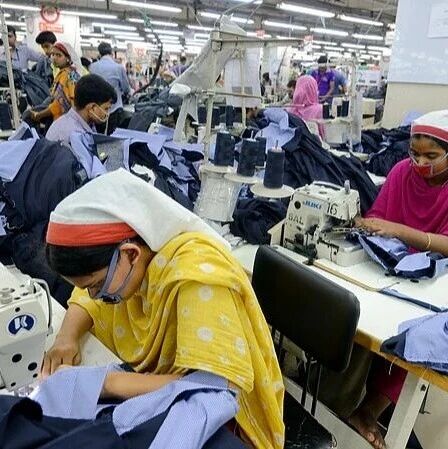
Group 1: Manufacturing Sector - The report highlights a positive outlook for the textile manufacturing sector as tariff impacts are easing, leading to improved export conditions. The demand side shows a mixed performance in global apparel retail, with domestic recovery being weak while overseas apparel demand remains stable. The export decline has narrowed following progress in US-China trade negotiations, and manufacturing orders are expected to improve in 2026 due to a healthy inventory level among downstream brand clients [3][6][13]. - Key companies to watch include Shenzhou International, which has a lower exposure to the US market and is expected to see marginal improvements from major clients, and Huayi Group, which is experiencing strong growth from new clients and is ramping up production capacity [3][21][29]. Group 2: Sportswear Sector - The domestic sportswear market is showing signs of weak recovery, with high-end brands like Li Ning and Tebu International demonstrating resilience. The report anticipates a recovery in 2026 driven by macroeconomic improvements and policy catalysts, particularly with the upcoming Olympic events [3][6][19]. - Internationally, high-end sports brands are experiencing differentiated growth dynamics. ON is maintaining a strong brand image and expanding in the Asia-Pacific market, while Amer Sports is benefiting from its multi-brand strategy. However, brands like Lululemon and Deckers are facing short-term pressures in the North American market [3][6][19]. Group 3: Luxury Goods Sector - The luxury goods market in China is showing signs of gradual recovery, driven by wealth effects from the capital market and stabilization in the real estate market. Sales from luxury groups like LVMH and Richemont have improved significantly in Q3 2025, indicating a positive trend in the luxury sector [3][7]. - The report notes a shift in consumer behavior, with a loss of "aspirational consumers" and an increase in the importance of top-tier customers. This shift is leading to a focus on value, experience, and cost-effectiveness in luxury consumption, which is benefiting local high-end brands [4][7].


纺织服饰周专题:部分服饰制造公司2025年营收公布
GOLDEN SUN SECURITIES· 2026-01-18 13:12
Investment Rating - The report recommends a "Buy" rating for several companies including Shenzhou International, Huayi Group, Anta Sports, and Li Ning, with respective 2026 PE ratios of 12x and 15x for Shenzhou International and Huayi Group [2][9][26]. Core Insights - The textile and apparel industry is experiencing a mixed performance, with some companies showing resilience while others face challenges due to fluctuating orders and profit margins [1][3]. - The report anticipates a cautious improvement in downstream orders for 2026, supported by healthy inventory levels and strong sales performance from certain brands [2][20]. - The sportswear segment is expected to outperform the broader apparel market, driven by strong inventory management and long-term growth potential [3][26]. Summary by Sections Recent Revenue Performance - Several apparel manufacturers reported their 2025 revenue, with Feng Tai Enterprises, Ru Hong, and Yu Yuan Group showing year-on-year changes of -4.5%, +3.2%, and +0.5% respectively for the full year [1][12]. - In December 2025, Feng Tai Enterprises, Ru Hong, and Yu Yuan Group reported monthly revenues down by -0.6%, -3.6%, and -3.7% respectively [1][12]. Industry Outlook - The report indicates a weakening industry sentiment since H2 2025, with Southeast Asia's export performance continuing to surpass that of China [2][17]. - For 2026, the report expects cautious improvements in orders, with a focus on core brand performance and inventory management [20]. Investment Recommendations - Recommended stocks include Shenzhou International and Huayi Group, with Shenzhou International expected to achieve a 10% revenue growth in 2025 and Huayi Group's profits anticipated to recover gradually [2][25]. - Other companies to watch include Wei Xing Co., Kai Run Co., and Jing Yuan International, which are expected to benefit from the anticipated recovery in orders [2][26]. Market Performance - The textile and apparel sector has underperformed compared to the broader market, with the Shanghai and Shenzhen 300 index down by 0.57% while the textile manufacturing sector fell by 0.77% [30].




九兴控股(01836):25Q4 产效仍处恢复,26 年定调投资年
GUOTAI HAITONG SECURITIES· 2026-01-18 07:32
Investment Rating - The investment rating for the company is "Accumulate" [6]. Core Insights - In Q4 2025, the company's revenue grew by 0.8% year-on-year, with shipment volume remaining flat. The company is positioned for investment in 2026, maintaining its commitment to return value to shareholders [2][10]. - The company has faced initial challenges in increasing production capacity in Indonesia and the Philippines, but has made progress. Efficiency in the Indonesian factory is expected to improve, reaching approximately 95% by January 2026 [10]. - The company plans to return up to $60 million in additional cash to shareholders annually through share buybacks and special dividends, alongside maintaining a typical payout ratio of 70% for 2025-2026 [10]. Financial Summary - Total revenue projections for the company are as follows: - 2024: $1,545 million - 2025E: $1,568 million - 2026E: $1,567 million - 2027E: $1,661 million - Net profit estimates are: - 2024: $171 million - 2025E: $138 million - 2026E: $151 million - 2027E: $165 million - The company’s PE ratios are projected to be: - 2024: 9.30 - 2025E: 11.53 - 2026E: 10.54 - 2027E: 9.62 [4][12].
靠扒“脏”数据,这家公司干到估值数亿
虎嗅APP· 2026-01-17 13:44
Core Viewpoint - The article discusses how a Chinese startup, Qingdao Vector Spiral, is leveraging artificial intelligence (AI) to transform the traditional garment manufacturing industry, addressing communication issues across the entire supply chain and aiming to enhance productivity through AI integration [5][10]. Group 1: Industry Challenges and Opportunities - The garment industry is characterized by fragmentation, with many small workshops and a lack of structured data, making it difficult to implement digital transformation effectively [7][19]. - Traditional 3D technology in garment design is costly and lacks the creative and generative capabilities that AI offers, which can lead to more efficient and innovative design processes [8][20]. - The startup has developed the largest database in the garment industry and holds the only vertical model registration for the sector, indicating a significant competitive advantage [7][10]. Group 2: AI Implementation and Data Strategy - The company faced challenges in data collection due to the lack of structured data in the industry, necessitating manual data gathering and cleaning processes to create a comprehensive dataset for AI training [11][23]. - By establishing a "four-in-one" data structure that links fabric, design, production, and final product images, the company aims to overcome previous digital transformation failures [11][12]. - The total data volume has exceeded 200 million raw image data points, showcasing the scale of their data engineering efforts [24]. Group 3: Market Entry and Growth Strategy - The company initially targeted the Japanese market for its AI applications due to less competition and higher data quality, successfully acquiring hundreds of clients [30][31]. - Following success in Japan, the company is expanding into the Chinese market, focusing on production enterprises and adapting to complex local demands [32][36]. - The company has established a strong market presence, claiming to have the highest market share among large garment production groups in China [32]. Group 4: Future Developments and Business Model - The company plans to evolve its business model from SaaS to a "technology middle platform" that can standardize non-standard demands into technical components for faster delivery [38]. - Future offerings include "digital labor" that aims to replace traditional roles with AI-driven solutions, thereby optimizing labor costs in the garment industry [39][40]. - The company anticipates significant revenue growth, projecting a threefold increase annually based on enhanced technology capabilities and market expansion [43][44].

大和:“春季行情”提前到来,料A股市况迈向“慢牛”
Xin Lang Cai Jing· 2026-01-16 05:44
Group 1 - The core viewpoint of the report is that the "spring market" has arrived early, leading investors to potentially take profits before the Lunar New Year holiday or the National People's Congress, while liquidity support and stimulus policy expectations may boost the A-share market, although the pace of growth is expected to slow, transitioning towards a "slow bull" market [1] - The report notes that the regulatory authority raised the minimum margin ratio on January 14 to cool market sentiment, but it is believed that the A-share market has not yet entered a bubble phase [1] - Financing transactions as a percentage of total trading volume increased from 9.9% to 11.2% over the past month, still below the historical "warning level" of 12% that has previously triggered regulatory tightening [1] Group 2 - The report emphasizes that investor crowding in the top three popular sectors is still far below the peaks observed in February or October 2025 [1] - The company maintains a positive outlook for the first half of 2026, recommending investors to diversify their exposure in both A-share and Hong Kong markets for balanced sector risk [1] - Preferred stocks in the Hong Kong market include Tencent Holdings, Shenzhou International, Weichai Power, China Resources Land, and Alibaba, while preferred stocks in the A-share market include Midea Group, Northern Huachuang, CATL, Heng Rui Medicine, and Lanke Technology, all rated as "buy" [1]

港股消费(159735)已连续5日获得资金净申购,区间净流入额6982.19万元
Xin Lang Cai Jing· 2026-01-15 02:27
Core Viewpoint - The Hong Kong Consumption ETF (159735) has seen significant net inflows, indicating growing investor interest in the fund and the underlying consumer sector in Hong Kong [1][2]. Group 1: Fund Performance - As of January 14, the Hong Kong Consumption ETF (159735) recorded a net subscription of 4.8298 million yuan, ranking 27th out of 208 in cross-border ETF net inflows for the day [1]. - The fund's latest size is 814 million yuan, up from 802 million yuan the previous day, reflecting a 0.60% increase in net inflow relative to the previous day's size [1]. - Over the past five days, the fund has accumulated a net subscription of 69.8219 million yuan, ranking 28th out of 208 in cross-border ETF net inflows [1][2]. Group 2: Fund Details - The Hong Kong Consumption ETF (159735) was established on May 25, 2021, with an annual management fee of 0.50% and a custody fee of 0.10% [2]. - The fund's latest share count is 1.007 billion shares, with a year-to-date increase of 9.46% in shares and a 12.08% increase in size compared to December 31, 2025 [2]. - The fund has a total trading volume of 922 million yuan over the last 20 trading days, averaging 46.0913 million yuan per day [2]. Group 3: Holdings and Composition - Major holdings in the Hong Kong Consumption ETF include Alibaba (19.54%), Tencent (16.59%), and Pop Mart (7.99%), among others, with the total market value of these holdings detailed [3]. - The ETF tracks the Hong Kong Consumption CNY index (931455), and its performance is compared with another fund, Hong Kong Consumption (513590), which has a smaller size and negative net subscriptions [3].

