欣旺达

Search documents
锂电池板块调整 天宏锂电跌超9%
Xin Lang Cai Jing· 2025-11-14 01:32
Group 1 - The lithium battery sector is experiencing a significant adjustment, with Tianhong Lithium falling over 9% [1] - Contemporary Amperex Technology Co., Ltd. (CATL) has seen a decline of over 2% [1] - Other companies such as Penghui Energy, Xinwanda, Defu Technology, and Nandu Power have also experienced declines [1]



明年9月量产上车,又一车企巨头已建成固态电池中试线并投入使用
Xuan Gu Bao· 2025-11-13 23:28
兴业证券指出,整车厂方面,国内外均预期2025-2026年密集路试,2027年逐渐量产。政策端,国内外 产业政策持续加码,国内国资委、工信部、发改委先后出台重大项目支持固态电池发展,明确25年底关 键节点。 据东风汽车研发总院消息,11月12日-15日,2025世界动力电池大会在四川宜宾国际会展中心举行。 东风汽车携新一代高比能固态电池和马赫超千伏纯电平台展品,以及多款自主品牌新能源车型亮相。东 风汽车表示,目前已建成0.2GWh固态电池中试线并投入使用,预计350Wh/kg固态电池将于2026年9月 正式量产上车,届时整车可实现1000公里续航。 *免责声明:文章内容仅供参考,不构成投资建议 东北证券表示,全固态电池生产设备单GWh产能对应的投资金额约是液态电池的2-3倍,价值量在4-6亿 元,部分环节设备价值量显著提升100%-200%。全固态电池的工艺可分为干法和湿法,干法较湿法在成 本、效率上均有提升。干法制膜在前段工序的干混、涂布、辊压和切片/制片设备变化较大,中段工序 中叠片和静压设备是技术核心。 *风险提示:股市有风险,入市需谨慎 相关公司中,欣旺达:子公司欣旺达动力科技股份有限公司与东风汽车集 ...


是绿色贸易壁垒 也是转型升级机会
Si Chuan Ri Bao· 2025-11-13 20:50
Core Viewpoint - The new EU Battery Regulation, effective from August 2023, introduces comprehensive lifecycle requirements for battery manufacturers, impacting China's battery exports to Europe significantly [1][2]. Group 1: Regulatory Impact - The new battery law mandates that from 2027, all batteries exported to Europe must have a "battery passport" containing detailed information on manufacturers, material composition, technical specifications, carbon footprint, and supply chain [1]. - China's share of power battery exports to Europe has increased from 14.9% in 2020 to 38.5% in 2024, highlighting the importance of compliance with the new regulations to avoid market barriers [1]. Group 2: Industry Response - Companies are shifting from "passive compliance" to "active leadership" in response to the new regulations, with firms like CATL focusing on carbon management and supply chain collaboration [2]. - The new battery law, while presenting challenges, is viewed as an opportunity for the Chinese power battery industry to align with sustainable development goals and accelerate transformation towards digitalization, intelligence, and globalization [2].
技术路线“百花齐放” 固态电池攻坚持续深入
Shang Hai Zheng Quan Bao· 2025-11-13 17:52
Core Insights - The 12th China (Suzhou) Battery New Energy Industry International Summit Forum, known as "ABEC 2025," focused on the industrialization progress and technological advancements of solid-state batteries and sodium batteries [1][2] - Solid-state batteries are seen as a key direction for industry transformation, with significant attention on their commercialization and the challenges they face, including cost, processes, and equipment [1][2] Industry Developments - Sodium batteries have achieved mass application, while semi-solid batteries are moving towards commercial production, and full solid-state batteries are entering a critical development phase [2] - Experts believe that 2025 will mark the year of industrial application for semi-solid batteries, while full solid-state batteries will require more time for large-scale application [2][3] Technological Innovations - The solid-state battery sector is characterized by diverse technological routes, including sulfide, oxide, polymer, and halide technologies, each with unique advantages [3][4] - Sulfide solid-state batteries are currently the most promising due to their high ionic conductivity and compatibility with stacking processes, although they face challenges related to interface, cost, and manufacturing processes [3][5] Market Potential - The industrialization of solid-state batteries has significant potential, particularly in low-altitude economy and robotics, where penetration rates are expected to accelerate [3][4] - The cost of raw materials for full solid-state batteries is high, with lithium sulfide prices reaching 5 million yuan per ton, necessitating innovations in processes and equipment to reduce costs [5] Challenges Ahead - The solid-state battery industry faces three main challenges: interface issues, cost control, and manufacturing process adaptation [5] - Industry predictions suggest that with scaling and technological advancements, the manufacturing cost of solid-state batteries could drop below 0.4 yuan per watt-hour by 2035 [5]

TWh时代新战事:全域增量、体系出海、AI破局 丨行业风向标
Tai Mei Ti A P P· 2025-11-13 15:05
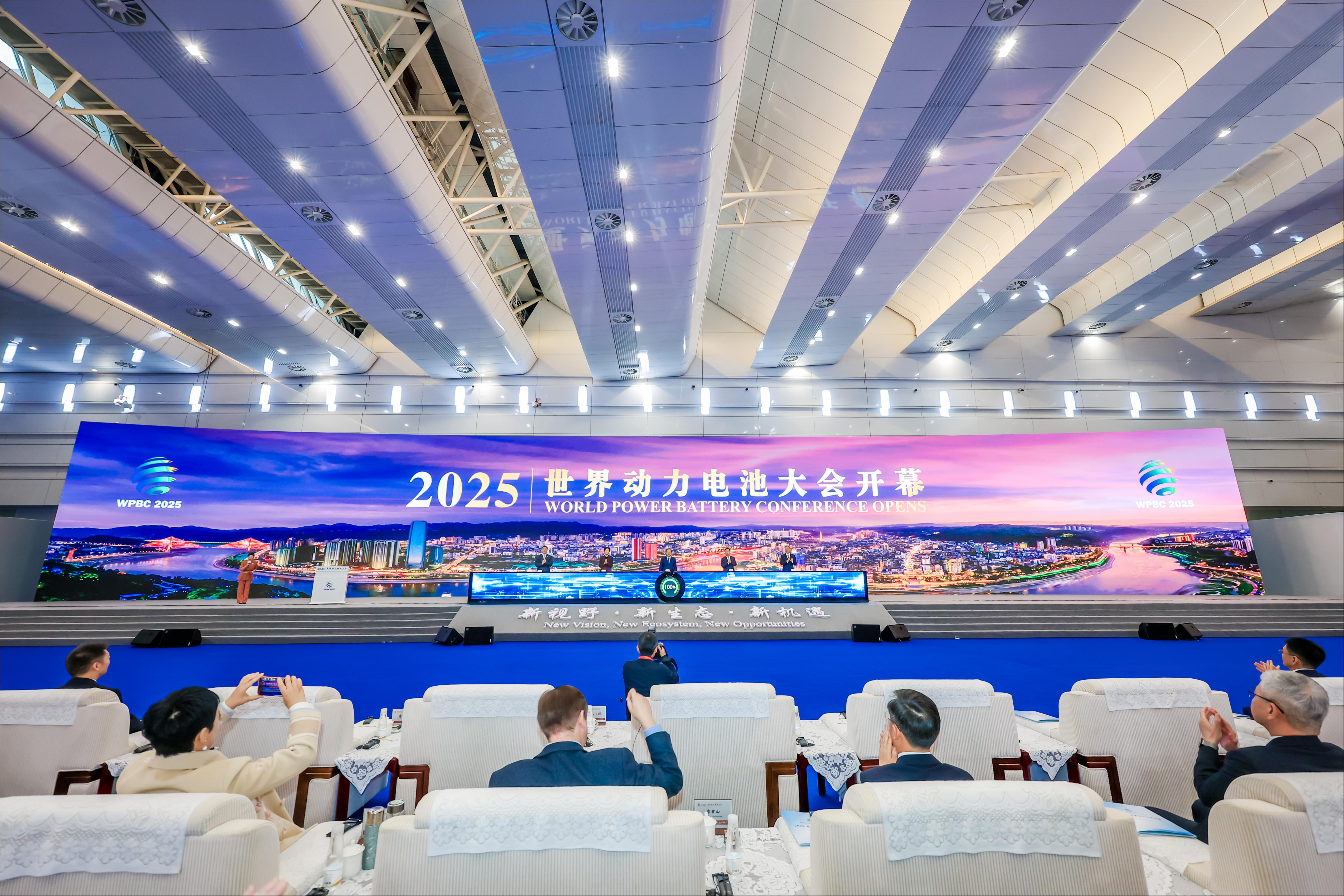
Core Insights - The A-share lithium battery sector experienced a collective surge, with indices for lithium battery electrolyte, lithium ore, power batteries, and lithium battery components all rising over 6.40% [3] - The 2025 World Power Battery Conference held in Yibin gathered over 800 industry leaders and experts to discuss new opportunities and ecosystems in the power battery sector [3][4] - China's power battery installed capacity is projected to grow significantly, with a rise from 63.6 GWh in 2020 to 548.8 GWh in 2024, accounting for 61.3% of the global total [3][5] Industry Growth and Trends - The penetration rate of new energy vehicles in China is expected to increase from 5.4% in 2020 to 45.28% in 2024, with a 48.78% average penetration rate in the first three quarters of 2025 [5] - The installed capacity of power batteries in China reached 493.9 GWh in the first three quarters of 2025, marking a year-on-year growth of 43.5% [5] - The conference highlighted that competition in the industry is shifting from mere capacity and technology to a broader ecosystem and international competition [3][5] Yibin's Role in the Industry - Yibin has attracted over 120 projects related to the power battery supply chain, with a planned capacity of 300 GWh and 210 GWh already built [4] - The power battery industry in Yibin is expected to exceed 100 billion yuan in output value for both 2023 and 2024, becoming the second billion-level industry after liquor [4] Technological Advancements - The conference emphasized the importance of expanding the application scenarios for power batteries, including electric commercial vehicles, electric ships, and electric aircraft [6] - AI technology is increasingly being integrated into the battery industry, enhancing efficiency and innovation across various stages, from materials to recycling [15][17] Global Expansion and Challenges - China's lithium battery exports exceeded 400 billion yuan in the first three quarters of the year, with CATL contributing nearly 120 GWh, representing almost 60% of the total [11] - Over 50 Chinese battery-related companies have established localized production overseas, with CATL leading the way in international expansion [11][12] - Challenges such as trade barriers and compliance requirements are noted as significant hurdles for Chinese companies looking to expand globally [12] Future Outlook - The new energy storage market is projected to grow significantly, with expectations that storage batteries will account for 50% of the overall battery market [6][10] - The integration of AI in battery research and development is anticipated to accelerate the transition to solid-state batteries and enhance overall industry efficiency [15][17]

龙头股30%领涨,板块业绩持续改善,锂电池产业链迎来布局时机?
Xin Hua Cai Jing· 2025-11-13 13:44
新华财经北京11月13日电(王媛媛) 11月13日,锂电池产业链全线大涨。其中,天宏锂电涨30%,海 科新源、华盛锂电涨20%,天华新能、万润新能、新宙邦涨逾15%。盛新锂能、融捷股份、天赐材料等 近30股涨停。 分析认为,本次锂电池板块暴涨,主要与新能源汽车销售持续增长、储能锂电池需求超预期带动产业链 价格上涨相关。机构普遍预计锂电池行业景气度总体持续向上。 需求端看,受益于中国电力上网电价市场化改革、美国 OBBBA 法案抢装及欧洲和中东大储装机推动, 2025年上半年全球储能系统出货同比增长85.7%。预计2025年全球储能电池需求达到460GWh,同比增 约40%;2026年有望进一步增至约580GWh,同比增约25–30%。电池的需求增长推动了电池厂产能满负 荷运行,电池材料出现供需结构性紧缺,预计将引发新一轮涨价行情。 机构:行业景气度总体持续向上 分析认为,储能景气高增带动需求,锂电中游或将驱动新一轮涨价行情,行业景气度总体持续向上。 东莞证券分析称,海内外市场储能需求爆发式增长,国内储能电芯供应紧张,头部电池企业处于满产状 态。与此同时,新能源汽车市场处于传统旺季,乘联会初步统计显示10月全国 ...
AI眼镜双11销售猛增346%,电池技术成破局关键
高工锂电· 2025-11-13 11:39
Core Insights - During this year's Double 11 shopping festival, the sales of smart/AI glasses surged by 346% year-on-year, becoming the highlight of growth in consumer electronics [2] - Brands like Xiaomi, ROKID, and Yingmu Technology are leading in sales, indicating that AI hardware is rapidly transitioning from a "geek toy" to a mainstream consumer market [3] Market Challenges - Despite the unprecedented market enthusiasm, battery life remains the biggest bottleneck for AI glasses [4] - Current battery technology presents a significant gap in meeting the "all-day wear" demand, with existing AI glasses typically having a battery capacity between 200-450mAh, resulting in a practical usage time of only 2-4 hours [5][6] Technological Developments - The industry is exploring three main technological pathways for breakthroughs in battery life: 1. Material advancements, such as solid-state battery technology using silicon-carbon anodes and lithium-metal anodes to enhance energy density 2. Structural innovations, including square steel shells, ultra-thin stacked cells, or flexible battery designs for distributed layouts [6] - Domestic battery companies are making strides: - Haopeng Technology plans to mass-produce AI glasses-specific batteries starting in Q3 2025, focusing on lightweight and quick-swap designs [7] - XINWANDA is exploring low-power wireless charging solutions, while DESAY Battery is developing lithium batteries for AR and AI glasses with a focus on "active safety" [7][8] Future Prospects - If breakthroughs in all-day power supply are achieved, the application scenarios for AI glasses could expand from entertainment to office, social, and real-time computing, positioning them as the next growth point in the wearable battery market after headphones [9] - The explosive growth of AI terminals is opening a new, high-value battlefield for battery companies, prompting them to seize structural opportunities arising from the demand for new energy solutions across various sectors [10]

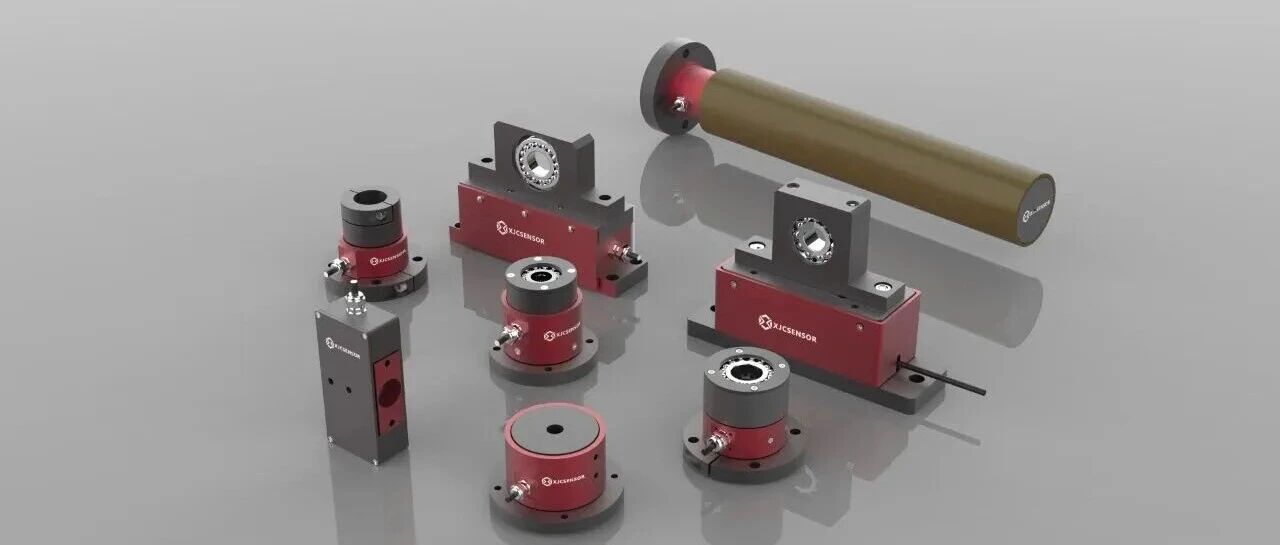
固态电池激发大量程设备需求,鑫精诚传感器“应战”
高工锂电· 2025-11-13 11:39
Core Viewpoint - The solid-state battery industry is entering a substantial phase of industrialization, with companies like Guoxuan High-Tech, Yiwei Lithium Energy, and Xinwangda making progress in product development and pilot lines, addressing engineering challenges ahead of mass production [2] Group 1: Technical Challenges and Innovations - The solid-solid interface is a critical challenge, with various companies achieving unique technological breakthroughs that involve extensive experimentation with innovative components [3] - The rigid contact between solid electrolytes and electrodes leads to significant voids, causing adverse reactions that affect performance and safety. High-pressure compaction can eliminate these voids and enhance effective contact area, optimizing the microstructure of solid electrolytes for better performance [4][6] - Xin Jingcheng Sensors has developed innovative products like planar pressure sensors and piezoelectric force sensors to address production issues in solid-state batteries, which are applied in processes like rolling and hot/cold pressing [4][8] Group 2: Market Demand and Equipment Requirements - The demand for "large-range" equipment is driven by the increased energy density of solid-state batteries compared to liquid batteries, necessitating adjustments in processes and techniques [6] - The pressing process requires higher pressure to form a high-density interface contact, improving the contact between active material particles and electrolytes, thus enhancing battery capacity and current distribution [7] - Existing equipment for liquid batteries requires a pressure range of 10-15 tons, while current solid-state battery equipment requires 30-45 tons, with future demands likely exceeding 100 tons. Xin Jingcheng Sensors' planar pressure sensors already reach a range of 200 tons [7] Group 3: Production Efficiency and Technological Advancements - Despite most solid-state battery production lines being in pilot stages, maintaining high production rates is crucial for resource allocation and ensuring production consistency, which is key to cost reduction and efficiency [8] - The development of piezoelectric force sensors by Xin Jingcheng Sensors addresses the need for higher range and force detection in rolling processes, enabling faster output and better production precision [10][12] - Additional sensor innovations include narrow-width, cantilever, and flange-type tension sensors for various battery production equipment, enhancing overall production stability and accuracy [13][14]
报名通道 | 2025高工锂电年会倒计时5天
高工锂电· 2025-11-13 11:39
Core Viewpoint - The 2025 (15th) High-tech Lithium Battery Annual Conference will be held from November 18 to 20 in Shenzhen, focusing on the lithium battery industry and attracting over 1,500 executives from more than 1,000 companies in the lithium battery supply chain [3][4]. Event Details - The conference will feature 12 specialized forums and over 90 speeches, providing a comprehensive overview of the lithium battery industry [4]. - Keynote speakers include prominent figures such as Zeng Yuqun (Chairman of CATL), Liu Jincheng (Chairman of EVE Energy), and Wang Mingwang (Founder of Xinwangda) [5][6]. Participation and Sponsorship - The event will see participation from over 100 industry leaders, including executives from major battery and material companies [4][5]. - Major sponsors include Hai Moxing Laser and Dazhu Lithium Battery, indicating strong industry support for the event [6][7]. Awards and Recognition - The conference will also feature the announcement of the High-tech Golden Ball Awards, with companies like EVE Energy, Xinwangda, and Rongbai Technology among the nominees [7][8]. - The awards aim to recognize outstanding contributions in the lithium battery sector, showcasing innovation and excellence [8][9].

固态、钠电竞速,电池新能源产业迎增长新动能
Zhong Guo Jing Ji Wang· 2025-11-13 09:22
Core Insights - China has established itself as the "world battery factory" due to its comprehensive advantages in technology research and supply chain integration, while facing both short-term challenges and long-term restructuring in the battery new energy industry [1][20] Industry Developments - The 12th China (Suzhou) International Summit Forum on Battery New Energy Industry was held from November 11 to 13, focusing on "Innovation and Adaptation to Reshape Value," gathering over 500 representatives from various sectors to explore development paths and high-quality growth in the industry [3] - The battery new energy industry has transitioned from a phase of scale expansion to a new cycle of value creation, although it is still undergoing deep adjustments with ongoing price wars and uncertainties from international trade barriers and raw material price fluctuations [5][6] Technological Innovations - Solid-state and sodium-ion battery technologies are crucial for overcoming competition and profit pressures in the battery new energy sector, with a focus on technological breakthroughs and strategic innovation [7][20] - Solid-state batteries are recognized for their high safety, energy density, and long cycle life, with demand expected to reach 156 GWh by 2030 as the technology matures and costs decrease [11] - Sodium-ion batteries are gaining traction due to their cost advantages, projected to be 30% lower than lithium batteries, and the growing market for electric two- and three-wheelers in China [20] Market Trends - The battery technology landscape is diversifying, with trends indicating that both ternary and lithium iron phosphate batteries will coexist in the long term, and high energy density batteries will be essential for advanced electric vehicles and eVTOLs [25] - The industry is witnessing a shift towards proactive safety technologies that aim to detect risks early, contrasting with traditional methods that react post-incident [31] Strategic Focus - Companies are urged to prioritize technology, market orientation, supply chain integration, and ecological sustainability to navigate industry challenges and capitalize on new opportunities [31]