福田汽车

Search documents
结构性复苏下出海突围 新能源商用车鏖战“下半场”
Zhong Guo Jing Ying Bao· 2025-11-17 02:38
Core Insights - The commercial vehicle industry is facing three major challenges: intensified competition, technological iteration, and trade barriers, while also presenting four significant opportunities: transition to new energy, overseas expansion, integration of intelligence, and extension of the value chain [1] Industry Overview - In the first ten months of 2025, commercial vehicle production and sales reached 3.456 million and 3.479 million units, respectively, representing year-on-year growth of 10.9% and 9% [1] - The sales of natural gas commercial vehicles reached 207,000 units, with a year-on-year increase of 8.6% [1] - Exports have become a strong driving force for the commercial vehicle industry, with 843,000 units exported in the first ten months, marking a year-on-year growth of 11.6% [1][7] - The industry has emerged from a prolonged adjustment period, indicating a stabilization and recovery phase [2] Company Performance - Weichai Power reported a revenue of 170.57 billion yuan in the first three quarters of 2025, a year-on-year increase of 5.3%, with a net profit of 8.88 billion yuan, up 5.7% [2][3] - The company achieved a quarterly revenue of 57.42 billion yuan in Q3 2025, reflecting a year-on-year growth of 16.1% [2] - Other companies like China National Heavy Duty Truck Group and Foton Motor also reported significant revenue growth, with increases of 20.6% and 27.09%, respectively [3] New Energy Transition - The new energy wave is reshaping the commercial vehicle industry, with new energy vehicles becoming a core engine for recovery and market growth [4] - In the first ten months of 2025, the domestic sales of new energy commercial vehicles accounted for 24.6% of total commercial vehicle sales [5] - Weichai Power's new energy power system business achieved a revenue of 1.97 billion yuan, growing by 84% year-on-year [3][5] Global Expansion - The export of commercial vehicles is increasingly viewed as a new growth engine, with a focus on international markets [7][8] - Companies are enhancing their global strategies, with Weichai Power and Chery Commercial Vehicle emphasizing localized service systems and partnerships in overseas markets [8][9] - The commercial vehicle industry is leveraging its technological advantages in the three-electric system and intelligent networking to meet global green transition demands [7]
宇树科技完成IPO辅导,滴滴自动驾驶出海 | 投研报告
Zhong Guo Neng Yuan Wang· 2025-11-17 01:44
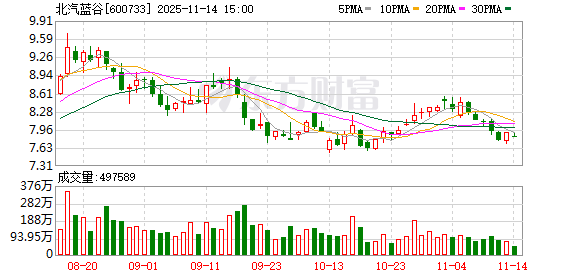
Core Viewpoint - The automotive sector in A-shares underperformed the broader market, with a decline of 2.11% compared to the 1.08% drop in the CSI 300 index [2] Group 1: Market Performance - The automotive sector's decline of 2.11% places it 26th among A-share Shenwan first-level industries [2] - The SW passenger vehicle index saw a slight increase of 0.03%, with Haima Automobile and Jianghuai Automobile leading the gains [2] - The SW commercial vehicle index increased by 0.14%, with Jinlong Automobile and CIMC Vehicles leading [2] - The SW auto parts index experienced a decline of 3.19%, with Langbo Technology and Yingli Automobile leading the losses [2] Group 2: Industry Highlights - Yushu Technology completed IPO guidance and plans to issue shares domestically [2] - Didi's autonomous driving initiative expands to Abu Dhabi [2] - Baidu's "RoboTaxi" service begins full commercialization in Abu Dhabi [2] - The Ministry of Public Security will introduce acceleration time limits for new energy vehicles [2] - Dongfeng Motor plans to mass-produce its next-generation solid-state battery by September next year, with an energy density of 350Wh/kg [2] - Yika Technology will provide intelligent cockpit solutions for multiple Volkswagen models in Latin America [2] - NIO's Firefly will connect to NIO's fifth-generation battery swap stations [2] - CATL and GAC Group signed a 10-year strategic cooperation agreement to promote the chocolate battery swap ecosystem [2] - The 2025 Guangzhou Auto Show will feature 93 new car debuts and a total of 1,085 vehicles on display [2] - Global sales of new energy vehicles increased by 26% year-on-year in the first three quarters [2] Group 3: Recommendations - For complete vehicle manufacturers, companies to watch include BYD, Geely Automobile, Great Wall Motors, Leap Motor, Seres, BAIC Blue Valley, Jianghuai Automobile, Li Auto-W, Xpeng Motors-W, GAC Group, and Changan Automobile [3] - In the commercial vehicle sector, recommended companies include China National Heavy Duty Truck, FAW Liberation, Weichai Power, Tianrun Industrial, and Foton Motor [3] - For auto parts, companies to focus on include Songyuan Safety, Fengmao Co., Ningbo Gaofa, Baolong Technology, Bertley, Junsheng Electronics, Zhejiang Xiantong, Fuyao Glass, Wuxi Zhenhua, China Automotive Research, Desay SV, Huguang Co., Shuanghuan Transmission, Songyuan Co., Top Group, Best, Sanhua Intelligent Control, Debang Lighting, Changshu Automotive Trim, New Spring Co., Jingzhu Technology, Kabeiyi, Jifeng Co., Shanghai Yanpu, and Mingxin Xuteng [3]

北汽国际积极开拓南非市场
Jing Ji Ri Bao· 2025-11-16 21:54
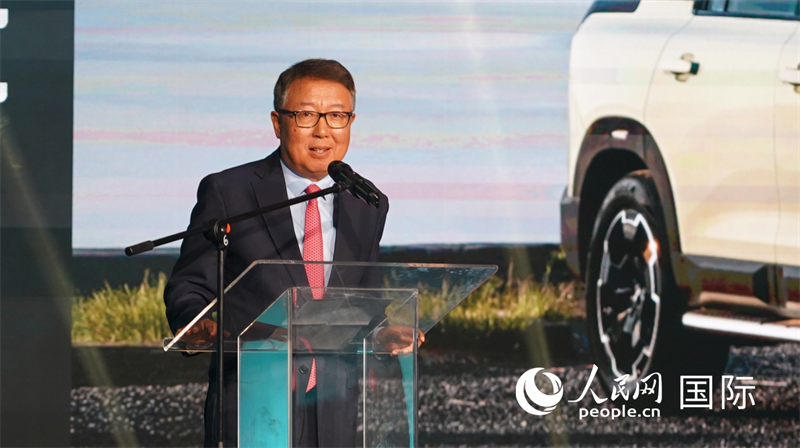
Core Points - BAIC International launched the new B30 right-hand drive model in Johannesburg, South Africa, with over 260 attendees from government, business, media, and dealerships [2][3] - The B30 model signifies BAIC's multi-energy strategy, offering a product matrix that includes fuel, pure electric, and range-extended technologies, aimed at providing more choices for global users [3] - BAIC International emphasizes South Africa as a key market for its international strategy, planning to use it as a hub to expand into the African region [3] - The B30's local production at BAIC's South African factory marks a milestone in local manufacturing and brand development, contributing to the local economy and job creation [3][4] - The launch of the B30 is seen as a testament to the fruitful investment cooperation between China and South Africa, as highlighted by the Chinese ambassador [4] - Media reviews of the B30 indicate strong performance in comfort, intelligence, and handling during test drives [4]


远程超3000辆,重汽暴涨6.3倍杀进前三,10月新能源轻卡销1.4万辆 | 头条
第一商用车网· 2025-11-16 13:14
Core Insights - The cumulative sales of new energy light trucks reached 105,300 units from January to August 2025, surpassing the total sales of the previous year, with each subsequent month setting new records [1]. Sales Performance - In October 2025, the domestic new energy light truck market sold 14,100 units, marking a year-on-year increase of 34%, achieving a "22 consecutive months of growth" milestone [5][38]. - The overall light truck sales in October reached 50,600 units, with new energy light trucks accounting for 27.93% of the total, an increase of over 6 percentage points compared to the same month last year [9]. Market Trends - From January to October 2025, the cumulative sales of new energy light trucks reached 136,100 units, reflecting an 81% year-on-year growth, with a significant increase in market penetration [9][32]. - All 31 provincial-level administrative regions in China have registered new energy light trucks, with Guangdong province alone accounting for 32.1% of the total registrations [10]. Company Performance - In October 2025, the top three companies in new energy light truck sales were: 1. Yuan Cheng New Energy Commercial Vehicle: 3,165 units (25% market share) 2. Foton Motor: 2,447 units (36% year-on-year growth) 3. China National Heavy Duty Truck Group: 1,170 units (627% year-on-year growth) [2][26][30]. Fuel Type Analysis - Pure electric vehicles remain the dominant technology in the new energy light truck market, accounting for 92.61% of sales from January to October 2025, while hybrid and fuel cell vehicles saw a decline in market share [17][22]. Regional Insights - The top cities for new energy light truck registrations include Shenzhen, Guangzhou, Zhengzhou, and Chengdu, with each city registering over 3,000 units this year [14]. Competitive Landscape - Among the top 12 companies in the new energy light truck market, 11 achieved year-on-year growth, with Foton, Jianghuai, and China National Heavy Duty Truck Group showing significant increases of 205%, 190%, and 206% respectively [34][36].





“增量不增利”局面尚未明显改善 汽车产业在销量增长与“质”的提升上寻找平衡
Zhong Guo Jing Ying Bao· 2025-11-15 13:47
Core Insights - The automotive industry in China experienced rapid growth in October, with a growth rate of 16.8%, contributing 22.8% to the overall industrial growth [1] - Despite the increase in sales, the automotive sector is facing a "growth without profit" situation, with profit margins declining compared to previous years [1][3] - The government is implementing measures to guide the industry towards healthy development and improve profitability [5][6] Group 1: Industry Performance - In October, the production of new energy vehicles increased by 19.3%, leading to a 30.4% rise in the production of lithium-ion batteries for automotive use [1] - The automotive industry's profit margin was reported at 4.5%, lower than the average profit margin of 6% for downstream industrial enterprises [3] - From January to September 2025, the automotive industry generated revenue of 78,235 billion yuan, a year-on-year increase of 7.8%, while profits grew by 3.4% [3] Group 2: Profitability Challenges - Toyota's net profit for the second quarter of the 2026 fiscal year reached 932 billion yen (approximately 430 million yuan), reflecting a 62% year-on-year increase, significantly outpacing domestic competitors [2] - The combined net profit of seven domestic car manufacturers was only 160.25 million yuan, which is 37.27% of Toyota's profit [2] - The competitive environment has led to a trend of low pricing strategies among car manufacturers, which may compromise product quality and profitability [2] Group 3: Regulatory Measures - The Ministry of Industry and Information Technology has emphasized the need for healthy competition in the automotive sector to safeguard long-term industry health [4] - New regulations are being introduced to manage the export of electric vehicles, requiring companies to obtain export licenses and ensure adequate overseas service capabilities [6][7] - The government aims to establish clear boundaries for compliance and foster a healthy development ecosystem within the automotive industry [7]
10月微卡销量再破3万辆!黑马杀进前七 奇瑞/长安和TA稳拿三甲
第一商用车网· 2025-11-15 06:16
Core Viewpoint - The micro truck market in China has shown a mixed performance in 2025, with a notable decline in cumulative sales compared to the previous year, despite a significant year-on-year growth in October sales. Group 1: Market Performance - In the first three quarters of 2025, the micro truck market experienced a pattern of "2 consecutive increases," "4 consecutive decreases," and "3 consecutive increases," with cumulative sales in September down by 10% year-on-year [1] - In October 2025, the overall truck market saw a 22% year-on-year increase, while the micro truck market sold 30,500 units, reflecting a 10% month-on-month decline but a 65% year-on-year increase, marking a "4 consecutive increases" trend [4][10] - The cumulative sales from January to October 2025 reached 347,800 units, which is the lowest in the past five years, down by approximately 25,000 units compared to the same period last year [7][15] Group 2: Company Performance - In October 2025, the top three companies in the micro truck market were SAIC-GM-Wuling, Changan Automobile, and Chery Automobile, with market shares of 52.02%, 19.16%, and 13.96% respectively [13] - SAIC-GM-Wuling achieved a remarkable year-on-year growth of 271%, while Changan and Foton also saw increases of 77% and 62% respectively [10] - Among the eight companies that sold micro trucks in October, four experienced sales growth while four saw declines, with one company reporting a 60% drop in sales [10] Group 3: Market Share and Trends - The top six companies in the micro truck market accounted for 98.97% of the total market share in October 2025 [13] - The market share for the leading companies from January to October 2025 was as follows: Wuling at 51.22%, Changan at 17.96%, and Chery at 13.00% [17] - The micro truck market has shown fluctuations with periods of growth and decline, and as of October, the cumulative decline was 7%, with a potential for recovery in the remaining months of the year [15][17]




大电量新能源轻卡车型大比拼!谁会成为2025年度“黑马”?
第一商用车网· 2025-11-15 06:16
Core Viewpoint - The article emphasizes the growing popularity and market potential of new energy light trucks, driven by low costs, strong performance, and favorable road rights, particularly in the context of China's "dual carbon" goals. Major brands are actively developing electric light trucks to capture market opportunities by 2025 [1]. Group 1: Key Models and Features - Dongfeng Liuzhou's Chenglong L2EV is highlighted as a benchmark model in the electric light truck sector, featuring a powerful configuration with CATL lithium iron phosphate batteries and a peak power of 115 kW [3]. - Foton's Oumake Zhilian ES1 is designed to address urban transport needs with a range of 64-165 kWh battery options and fast charging capabilities, significantly reducing charging time [6]. - The Remote Star Wisdom H9E boasts impressive loading capacity and advanced battery technology, offering a 10-year or 800,000 km warranty, enhancing user confidence [7][10]. - Jianghuai's JAC Shailing ES6 is recognized for its high-end features, including a 100.46 kWh battery and a range exceeding 350 km, along with smart management capabilities [12][14]. - SAIC's Danna T1 Tianxing version is noted for its innovative design and operational efficiency, with a maximum range of 500 km and rapid charging capabilities [15][17]. - Dongfeng's eStar EV350 offers various battery options and supports ultra-fast charging, enhancing operational efficiency [19][21]. - BYD's T5 light truck leverages its advanced "three electric" technology, achieving rapid charging and high energy density, making it suitable for diverse delivery scenarios [22][25]. - Zero Mi's light truck addresses industry pain points with a high-capacity battery and efficient energy utilization, promoting cost-effective logistics solutions [26][28]. Group 2: Market Trends and Demand - The penetration rate of new energy light trucks is steadily increasing, with diverse transportation scenarios leading to varied demand [4]. - The article suggests that the market for electric light trucks is becoming increasingly competitive, with multiple brands vying for market share through innovative product offerings [1][4].



北汽国际B30南非首发 开启右舵市场新征程
人民网-国际频道 原创稿· 2025-11-15 02:53
Core Viewpoint - The launch of the new B30 model by BAIC International in South Africa marks a significant step in the company's localization strategy and its commitment to the African market, showcasing a multi-energy strategy that includes fuel, pure electric, and range-extended technologies [2][4][10]. Group 1: Product Launch and Market Strategy - The B30 model was unveiled in Johannesburg, attended by over 260 guests from various sectors, highlighting the importance of this event for BAIC International [1][2]. - The launch signifies BAIC's determination to expand its presence in the South African market and reflects the successful outcomes of investment cooperation between China and South Africa [2][4]. - The B30 is produced locally in South Africa, which aligns with BAIC's strategy of "deepening local engagement and serving the local market," aiming to enhance local manufacturing and employment [4][10]. Group 2: Reception and Media Coverage - The B30 received positive feedback from over 40 mainstream media representatives who participated in a test drive, praising its comfort, intelligence, and handling [5]. - The launch event featured a dynamic presentation that captivated the audience, further enhancing the brand's visibility and influence in the market [5][10]. - The event included an online live stream that attracted a large local audience, increasing the reach and impact of the B30's launch [10]. Group 3: Future Outlook - BAIC International plans to continue using South Africa as a hub to expand its influence across the African region, focusing on comprehensive upgrades in products, branding, and services [4][11]. - The company aims to build a sustainable and collaborative automotive industry ecosystem in Africa, demonstrating the global commitment of Chinese automotive brands [11].
活力大湾区 满满科技范
Ren Min Ri Bao· 2025-11-15 02:22
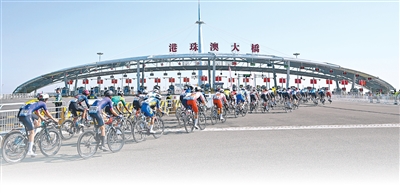
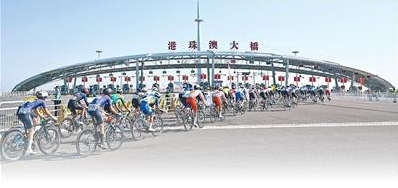
Core Insights - The 15th National Games is showcasing the integration of advanced technology in sports events, emphasizing the role of innovation in enhancing the overall experience and operational efficiency [4][11]. Group 1: Technological Integration - Over 130 high-tech products are being utilized across four main areas: event opening, smart venues, event security, and technology for assisting the disabled [4]. - The event features a "smart brain" that manages the operation of venues, ensuring smooth event execution through real-time monitoring of 9,873 devices [5][6]. - AI technologies are being employed for live broadcasting, data tracking, and crowd management, shifting the operational model from experience-based to data-driven management [7]. Group 2: Venue and Infrastructure Enhancements - More than 90% of the 75 competition venues in Guangdong have been upgraded with AI, big data, and cloud computing technologies, enhancing their functionality and efficiency [6]. - The implementation of 5G technology and a "cluster communication" system facilitates real-time communication across regions, improving coordination among event organizers and security teams [6]. Group 3: Urban and Transportation Innovations - The use of micro-nano passive cooling coatings on buildings aims to reduce energy consumption and carbon emissions during the event [8]. - Autonomous driving services provided by Didi enhance transportation efficiency for attendees, showcasing the practical application of self-driving technology [8]. - Smart traffic management systems in Macau ensure real-time monitoring and quick response to traffic conditions during the events [9]. Group 4: Industry and Social Impact - The event serves as a platform for the practical application of robotics and AI technologies, with companies like Leju Robotics and UBTECH securing orders from major automotive manufacturers [10]. - Innovations showcased during the games are expected to transition into everyday applications, benefiting urban development and industry growth [11]. - The integration of assistive technologies for the disabled highlights the commitment to inclusive urban development and social progress [11].
活力大湾区 满满科技范(全运大视野)
Ren Min Ri Bao· 2025-11-14 22:03
Core Viewpoint - The 15th National Games showcases the integration of advanced technology in sports events, highlighting the Guangdong-Hong Kong-Macao Greater Bay Area's innovation capabilities and its impact on urban development and industry [6][12]. Group 1: Technological Integration in Sports - The event features over 130 high-tech products across four main areas: opening ceremony, smart venues, event security, and technology for assisting the disabled [6]. - Smart venues utilize AI, big data, and cloud computing to enhance operational efficiency, with over 90% of the 75 competition venues being upgraded from existing facilities [8][9]. - AI-driven live cameras and a "Sky Eye Network" of AI cameras improve event management by tracking movements and predicting crowd risks [9]. Group 2: Urban and Transportation Innovations - The event has implemented advanced technologies such as self-driving vehicles and facial recognition systems to streamline urban operations and enhance visitor experiences [10][11]. - In Macau, a smart traffic command system ensures efficient traffic management during the games, demonstrating the effectiveness of technology in urban safety [11]. Group 3: Industry and Social Impact - The showcased technologies are expected to transition into various industries, with humanoid robots already being deployed in factories and logistics [12][14]. - Innovations like AI-assisted health monitoring and smart security systems are designed to be repurposed for broader applications beyond the event, contributing to urban development and public welfare [14].