
智能安防系统

Search documents
从规模扩张到价值跃迁:品质消费如何重塑万亿级市场
Huan Qiu Wang· 2025-12-23 04:23
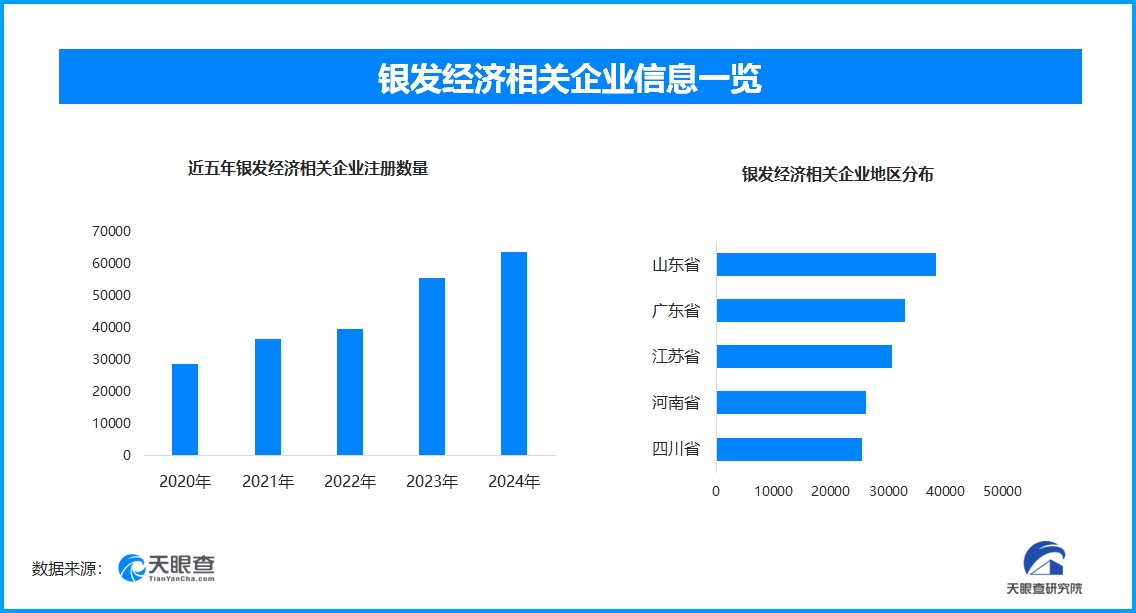
Core Viewpoint - The consumption market is undergoing a structural transformation from policy-driven expansion to quality-driven growth, with a focus on three key sectors: silver economy, maternal and infant consumption, and smart home technology [1] Silver Economy - The aging population in China is projected to reach 310 million by the end of 2024, accounting for 22% of the total population, with 220 million aged 65 and above [2] - The elderly population is increasingly seeking quality and intelligent living solutions, leading to a shift from traditional elderly care to technology-driven and health-oriented services [2] - The market for elderly products is expected to grow from 5.4 trillion yuan in 2024 to 6.1 trillion yuan by 2025, with a compound annual growth rate of 7.3% from 2014 to 2024 [2] - Over 405,000 companies related to the silver economy are currently registered in China, with approximately 75,000 new registrations in 2025 alone [2] Maternal and Infant Consumption - The retail sales of maternal and infant products (excluding food) are projected to reach 565.33 billion yuan in 2024, driven by the demand for smart, safe, and personalized products [6] - The number of registered maternal and infant product companies has exceeded 11.37 million, with about 2.99 million new registrations in 2025 [6] - Key regions for maternal and infant product companies include Guangdong, Hainan, and Hubei, which collectively account for over 35% of the total [6] Smart Home Technology - The smart home market in China is expected to reach 756 billion yuan in 2024 and surpass 800 billion yuan in 2025, with a target of reaching 1 trillion yuan by 2027 [9] - AI technology is transforming smart home products and services, enabling interconnected ecosystems that enhance user experience and energy efficiency [9] - There are over 92,000 registered smart home companies in China, with Guangdong leading in company numbers [9] Overall Market Trends - The three sectors are expected to drive significant growth in the consumption economy, transitioning from scale expansion to high-quality development, supported by policy initiatives and technological innovations [10]

一份行动方案下的未来建造
Hang Zhou Ri Bao· 2025-12-10 01:48
Group 1 - The Zhejiang Provincial Department of Housing and Urban-Rural Development has issued the "Artificial Intelligence + Housing and Urban-Rural Construction Work Plan (2025-2027)", aiming to accelerate the application of AI in the construction sector and enhance high-quality development [1] - The plan includes a "512N" work system covering five major areas: urban construction, building, housing, regulation, and services, with 12 key application scenarios and numerous innovative practice cases [1] - Specific measures include promoting intelligent construction through automation, robotics, and 3D printing, and encouraging smart community upgrades with intelligent property management systems [1] Group 2 - Hangzhou has proactively positioned itself in the smart construction sector, with the release of the "Guiding Opinions on Accelerating Smart Construction", focusing on the application of Building Information Modeling (BIM) and smart construction technologies [2] - By 2027, Hangzhou plans to implement over 60 pilot smart construction projects and cultivate more than six key enterprises and three technology innovation centers [2] - Smart construction practices have already been implemented in various projects across Hangzhou, enhancing efficiency and precision in construction processes [2]
华是科技2250万战略注资宇创机器人 开启AI具身智能新纪元
Quan Jing Wang· 2025-11-28 03:03
Core Insights - Zhejiang Huashi Technology Co., Ltd. announced a capital increase of 22.5 million yuan in Hangzhou Yuchuang Robot Technology Co., Ltd., acquiring a 15% stake, marking its entry into the robotics sector [1][2] - The investment aligns with national policies promoting scene innovation and the development of embodied intelligence industries, as outlined in recent government directives [2][4] - Huashi Technology's main business focuses on smart city solutions, including system integration for various sectors, which will benefit from the integration of Yuchuang's robotics technology [3][4] Investment Details - The capital increase of 22.5 million yuan will allow Huashi Technology to leverage its expertise in smart city applications alongside Yuchuang's core technologies in spatial and embodied intelligence [1][2] - This strategic investment is part of Huashi Technology's long-term development strategy to enhance its capabilities in AI scene applications and expand into the intelligent robotics sector [4] Market Context - The smart city ICT market in China is projected to reach 1,232.54 billion yuan by 2028, with a compound annual growth rate (CAGR) of 7.1% from 2023 to 2028, providing a solid foundation for Huashi Technology's growth [4] - The investment is seen as a timely move to capitalize on favorable government policies that encourage the integration of artificial intelligence with the real economy [4]

热闹赛场 硬核科技
Ren Min Ri Bao Hai Wai Ban· 2025-11-19 06:59
Group 1 - The integration of technology in the National Games showcases advancements in smart venues, AI assistance, and automated services, enhancing the overall experience for spectators and participants [1][2] - The smart command center at Bao'an Sports Center utilizes real-time data from thousands of devices, improving operational efficiency and safety during the event [1] - The use of renewable energy is highlighted, with all venues in the Shenzhen area powered by green electricity, resulting in a reduction of approximately 50,000 tons of carbon emissions, equivalent to planting 2.7 million trees [1] Group 2 - The event serves as a test of urban operational capabilities, with technologies like autonomous driving and smart traffic systems facilitating efficient movement of people and goods [2] - Many technologies implemented during the Games are expected to have lasting impacts beyond the event, contributing to industrial upgrades and improving daily life for various communities [2] - The National Games not only provide a platform for athletic competition but also act as a catalyst for technological innovation and urban development, enhancing the quality of life in cities [2]
热闹赛场 硬核科技(赛场点睛)
Ren Min Ri Bao Hai Wai Ban· 2025-11-18 22:37
Core Insights - The integration of technology in the National Games showcases advancements in smart venues, AI assistance, and sustainable energy solutions, enhancing the overall experience for spectators and participants [1][2] Group 1: Technological Innovations - The event features a range of technological innovations, including AI cameras that track athletes, digital avatars providing real-time commentary, and security robots patrolling venues, which contribute to a smoother and more professional event [1] - The smart command center at Bao'an Sports Center utilizes real-time data from thousands of devices, improving operational efficiency and safety [1] Group 2: Sustainability Efforts - All competition venues in the Shenzhen area utilized 100% green electricity during the event, resulting in a reduction of approximately 50,000 tons of carbon emissions, equivalent to planting 2.7 million trees [1] - The installation of 6,500 square meters of photovoltaic panels at the badminton venue and a 40% reduction in energy consumption from LED sports lighting in the swimming venue highlight the commitment to sustainability [1] Group 3: Urban Mobility and Smart City Solutions - The event demonstrated the city's smart capabilities, with autonomous vehicles transporting spectators, intelligent customs in Hong Kong facilitating quick border crossings, and real-time traffic management in Macau [2] - The technologies implemented during the event are expected to continue benefiting urban life and industries post-event, indicating a long-term impact on urban infrastructure [2] Group 4: Societal Impact - The technological advancements showcased during the National Games are not just for the event but are also aimed at improving everyday life, with applications for special needs communities and potential use in various public spaces [2] - The event serves as a catalyst for industrial upgrades, with the benefits of technology extending beyond the sports arena into broader societal applications [2]
活力大湾区 满满科技范
Ren Min Ri Bao· 2025-11-15 02:22
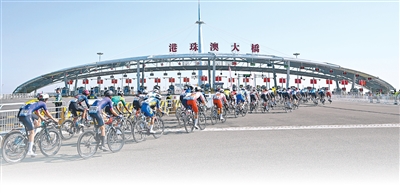
Core Insights - The 15th National Games is showcasing the integration of advanced technology in sports events, emphasizing the role of innovation in enhancing the overall experience and operational efficiency [4][11]. Group 1: Technological Integration - Over 130 high-tech products are being utilized across four main areas: event opening, smart venues, event security, and technology for assisting the disabled [4]. - The event features a "smart brain" that manages the operation of venues, ensuring smooth event execution through real-time monitoring of 9,873 devices [5][6]. - AI technologies are being employed for live broadcasting, data tracking, and crowd management, shifting the operational model from experience-based to data-driven management [7]. Group 2: Venue and Infrastructure Enhancements - More than 90% of the 75 competition venues in Guangdong have been upgraded with AI, big data, and cloud computing technologies, enhancing their functionality and efficiency [6]. - The implementation of 5G technology and a "cluster communication" system facilitates real-time communication across regions, improving coordination among event organizers and security teams [6]. Group 3: Urban and Transportation Innovations - The use of micro-nano passive cooling coatings on buildings aims to reduce energy consumption and carbon emissions during the event [8]. - Autonomous driving services provided by Didi enhance transportation efficiency for attendees, showcasing the practical application of self-driving technology [8]. - Smart traffic management systems in Macau ensure real-time monitoring and quick response to traffic conditions during the events [9]. Group 4: Industry and Social Impact - The event serves as a platform for the practical application of robotics and AI technologies, with companies like Leju Robotics and UBTECH securing orders from major automotive manufacturers [10]. - Innovations showcased during the games are expected to transition into everyday applications, benefiting urban development and industry growth [11]. - The integration of assistive technologies for the disabled highlights the commitment to inclusive urban development and social progress [11].
一百三十多款高科技产品涵盖十五运会多个领域 活力大湾区 满满科技范(全运大视野)
Ren Min Ri Bao· 2025-11-14 22:35
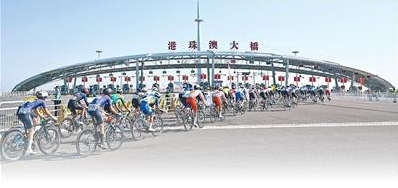
Core Insights - The 15th National Games is showcasing the integration of advanced technology and innovation in sports events, with over 130 high-tech products being utilized across various domains [1][6] Group 1: Smart Venues - The Bao'an Sports Center in Shenzhen features a "smart brain" for real-time monitoring and management of 9,873 devices, ensuring smooth event operations [2] - More than 90% of the 75 competition venues in Guangdong have been upgraded with AI, big data, and cloud computing technologies, enhancing efficiency and performance [2] - Guangdong Mobile is implementing 5G-A upgrades in key venues to support live broadcasts and audience engagement [2] Group 2: AI and Automation - AI-powered devices, such as the "AI volunteers" in Hong Kong, are providing real-time information and assistance to attendees, processing over a thousand queries since the event began [3] - AI cameras are being used for live tracking and data collection, transforming traditional venue management into a data-driven approach [3] - The introduction of AI technologies is optimizing the spectator experience and enhancing operational efficiency in sports venues [3] Group 3: Urban Safety and Transportation - The use of passive cooling coatings on city service stations is expected to significantly reduce energy consumption and carbon emissions during the games [4] - Didi's autonomous driving services are operational during the event, providing safe and efficient transportation for attendees [4] - Hong Kong's immigration authorities have implemented facial recognition technology to expedite border control processes, enhancing visitor experience [5] Group 4: Industry and Social Impact - The showcased humanoid robots are transitioning from event demonstrations to practical applications in factories and daily life, with significant orders from major automotive companies [6] - The integration of assistive technologies for people with disabilities is being prioritized in the development of smart city standards in the Greater Bay Area [7] - The event aims to create a complete cycle of demand-driven technology development, scene validation, and industrial transformation, benefiting urban development and public welfare [7]
活力大湾区 满满科技范(全运大视野)
Ren Min Ri Bao· 2025-11-14 22:03
Core Viewpoint - The 15th National Games showcases the integration of advanced technology in sports events, highlighting the Guangdong-Hong Kong-Macao Greater Bay Area's innovation capabilities and its impact on urban development and industry [6][12]. Group 1: Technological Integration in Sports - The event features over 130 high-tech products across four main areas: opening ceremony, smart venues, event security, and technology for assisting the disabled [6]. - Smart venues utilize AI, big data, and cloud computing to enhance operational efficiency, with over 90% of the 75 competition venues being upgraded from existing facilities [8][9]. - AI-driven live cameras and a "Sky Eye Network" of AI cameras improve event management by tracking movements and predicting crowd risks [9]. Group 2: Urban and Transportation Innovations - The event has implemented advanced technologies such as self-driving vehicles and facial recognition systems to streamline urban operations and enhance visitor experiences [10][11]. - In Macau, a smart traffic command system ensures efficient traffic management during the games, demonstrating the effectiveness of technology in urban safety [11]. Group 3: Industry and Social Impact - The showcased technologies are expected to transition into various industries, with humanoid robots already being deployed in factories and logistics [12][14]. - Innovations like AI-assisted health monitoring and smart security systems are designed to be repurposed for broader applications beyond the event, contributing to urban development and public welfare [14].
广电运通: 广电运通2025年跟踪评级报告
Zheng Quan Zhi Xing· 2025-07-30 16:36
Core Viewpoint - The company maintains a strong position in the financial electronic equipment industry, with continuous revenue growth and robust profitability, despite a decline in overall gross margin and potential goodwill impairment risks [2][3][4]. Company Overview - The company, founded in 1999 and listed in 2007, is a leading player in the financial electronic equipment sector, with a market share that has ranked first for 17 consecutive years [7][8]. - As of the end of 2024, the company reported total assets of 280.94 billion yuan and a total revenue of 108.66 billion yuan, with a profit of 12.87 billion yuan [8][18]. Financial Performance - The company’s revenue grew by 20.16% in 2024, primarily driven by the urban intelligence segment and the acquisition of Guangdian Wuzhou [18][22]. - The overall gross margin decreased to 31.11% in 2024, down by 4.77 percentage points year-on-year, influenced by increased customer bargaining power and the lower margin of newly acquired businesses [2][18]. - The company’s capital structure remains stable, with a low debt burden and strong debt repayment capacity, as indicated by a debt-to-asset ratio of 45.54% [4][29]. Industry Context - The financial technology sector is evolving, with a shift towards smart financial devices and urban intelligence applications, driven by advancements in AI and digital technologies [11][13]. - The market for smart city applications is projected to grow significantly, with an expected market size of 45.3 trillion yuan by 2025, reflecting a compound annual growth rate of 25.2% from 2020 to 2024 [15][16]. Competitive Position - The company has a strong competitive edge, being the largest supplier of smart financial devices in China, with a diversified product range and a solid R&D foundation [20][25]. - In comparison with peers, the company leads in asset and revenue scale, with a lower financial leverage and superior profitability metrics [3][4]. Risk Factors - The company faces a potential goodwill impairment risk, with goodwill amounting to 1.659 billion yuan, representing 5.91% of total assets, which could be affected by the performance of acquired subsidiaries [2][28].

【高端访谈】中国为非洲国家发展提供启发与机遇——访南非豪滕省省长潘亚扎·莱苏菲
Xin Hua She· 2025-06-24 07:44
Group 1 - The core viewpoint of the article emphasizes that China's rapid development and technological innovation provide inspiration and opportunities for African countries, with China being a significant partner in their development [1] - The Gauteng province, which is the most populous and economically developed province in South Africa, showcased 25 small and medium-sized enterprises at the China-Africa Economic and Trade Expo, attracting significant interest from Chinese buyers [1] - The visit to China included discussions on deepening cooperation in energy, transportation infrastructure, economic trade, agricultural modernization, and social governance [1] Group 2 - The establishment of a friendly inter-provincial relationship agreement between Gauteng and Hunan provinces aims to enhance cooperation in clean energy, smart city construction, and modern agriculture, highlighting the complementary industrial advantages of both provinces [2] - Gauteng's high-quality agricultural products, such as avocados, citrus fruits, and red wine, are seeking to expand into international markets, with Hunan's advanced agricultural processing technology expected to facilitate this [2] - The focus on renewable energy solutions, including battery storage and photovoltaic projects, is seen as crucial for Gauteng's energy structure transformation, reinforcing the importance of inter-provincial cooperation in strengthening bilateral relations [2]