腾讯

Search documents
万联晨会-20251201
Wanlian Securities· 2025-12-01 00:48
Market Overview - The A-share market saw collective gains last Friday, with the Shanghai Composite Index rising by 0.34% to close at 3,888.60 points, the Shenzhen Component Index increasing by 0.85% to 12,984.08 points, and the ChiNext Index up by 0.7% to 3,052.59 points. The total trading volume in the A-share market reached 1.59 trillion RMB, with net purchases from southbound funds amounting to 2.727 billion HKD. Over 3,900 stocks in the A-share market experienced gains [1][6]. - In terms of sector performance, the steel, agriculture, forestry, animal husbandry, and retail sectors led the gains, while the banking and coal sectors saw declines. Concept indices such as titanium dioxide and Hainan Free Trade Zone performed well, whereas indices related to avian influenza and flu saw declines [1][6]. Important News - The China Securities Regulatory Commission (CSRC) has drafted an announcement regarding the pilot launch of commercial real estate investment trusts (REITs). The announcement outlines eight key points, including the definition of commercial real estate REITs, registration and operational management requirements, and the responsibilities of fund managers and custodians. It emphasizes the need for strict adherence to regulatory standards and the roles of regulatory bodies in monitoring and managing risks associated with commercial real estate REITs [2][6]. Industry Insights - In November, a record 184 game licenses were approved, with notable titles such as Xishanju's "Star Sand Island" entering the life simulation genre. The total number of approved domestic games this year has reached 1,532, with 178 approved in November alone. The report highlights the competitive landscape for life simulation games, with major developers like miHoYo and Tencent also entering the market [7][8][9]. - The approval of game licenses is expected to continue to support the industry's recovery, with a focus on companies that possess product reserves, research capabilities, and diverse thematic layouts [9].
首批具身智能本科专业来了 剑指行业“不缺钱但缺人”困境
证券时报· 2025-12-01 00:00
Core Viewpoint - The embodiment intelligence industry is facing a talent shortage despite having sufficient funding, and the situation is expected to improve with the establishment of new undergraduate programs in this field [1][2][3]. Group 1: Industry Development - Shanghai Jiao Tong University has announced the establishment of an undergraduate program in embodiment intelligence, joining seven other universities in this initiative [1]. - The program emphasizes "industry-academia-research integration," with collaboration between universities and leading companies in the embodiment intelligence sector [1]. - The industry is experiencing a significant influx of capital, with 138 financing events recorded in the first eight months of 2025, including 52 events exceeding 100 million yuan [3]. Group 2: Talent Demand and Supply - The demand for talent in the embodiment intelligence sector is strong, with a reported talent gap of approximately 1 million in various industries [3][4]. - The average annual salary for embodiment intelligence positions is 333,400 yuan, surpassing the average salary in the broader artificial intelligence sector [2]. - Existing educational programs are not adequately meeting the talent needs, with issues such as fragmented courses and outdated practical training [3][4]. Group 3: Employment Orientation - The new embodiment intelligence programs are designed with a strong employment orientation, with institutions like Beijing Institute of Technology planning to enroll 120 students annually, expecting 50 to enter the workforce [2]. - Graduates are anticipated to find employment in major companies such as Huawei, Alibaba, and BYD, indicating a robust job market for this specialization [2].


首批具身智能本科专业来了 剑指行业“不缺钱但缺人”困境
Zheng Quan Shi Bao· 2025-11-30 17:29
Group 1 - The core viewpoint is that the shortage of talent in the embodied intelligence industry is expected to improve with the introduction of new undergraduate programs in several universities, including Shanghai Jiao Tong University and others [1][2] - The first highlight of the new programs is the integration of industry, academia, and research, with universities collaborating with leading companies in the field to create high-level practical teaching bases [1][3] - The second highlight is the employment orientation of the programs, with universities like Beijing Institute of Technology planning to enroll 120 students annually, with expected employment opportunities in major companies such as Huawei and Alibaba [2][3] Group 2 - The industry is experiencing a significant influx of capital, with 138 financing events recorded in the first eight months of 2025, and over 328 billion yuan raised globally in humanoid robotics [3] - Despite the financial backing, there is a severe shortage of skilled talent, with an estimated gap of around 1 million professionals needed in the field of embodied intelligence [3][4] - The current educational curriculum is inadequate to meet the demands of the industry, characterized by fragmented courses and a lack of practical training [3][4]
全国首批具身智能本科专业来了!缓解行业“不缺钱但缺人”困境
Zheng Quan Shi Bao Wang· 2025-11-30 13:52
Core Insights - The embodiment intelligence industry is facing a talent shortage despite ample funding, which is expected to improve with the establishment of new undergraduate programs in this field [1][2][7]. Group 1: Industry Developments - Several universities, including Shanghai Jiao Tong University and Beihang University, have applied to establish new undergraduate programs in embodiment intelligence, indicating a strategic response to the industry's talent needs [1][3]. - The establishment of these programs aligns with national educational policies aimed at addressing urgent academic and professional requirements in technology sectors [3][7]. Group 2: Talent and Employment Outlook - The average annual salary for roles in embodiment intelligence is reported to be 333,400 yuan, surpassing the average salary in the broader artificial intelligence sector [7]. - Universities are projecting specific employment outcomes for graduates, with institutions like Shanghai Jiao Tong University and Xi'an Jiaotong University estimating that graduates will secure positions in major companies such as Huawei and BYD [5][6]. Group 3: Investment Trends - The embodiment intelligence sector has seen significant investment activity, with 138 financing events recorded in the first eight months of 2025, including 52 events exceeding 100 million yuan [7]. - As of September 2025, global funding for humanoid robots has exceeded 32.8 billion yuan, with China accounting for over 80% of the financing events [7]. Group 4: Educational Challenges - Current educational programs are criticized for not meeting the demands of the embodiment intelligence industry, with issues such as fragmented curricula and outdated practical training [8]. - There is a pressing need to develop a comprehensive knowledge system that integrates various disciplines, including artificial intelligence and mechanical engineering, to better prepare students for industry demands [8].
传媒互联网产业行业研究:逐步回归平静
SINOLINK SECURITIES· 2025-11-30 11:30
Investment Rating - The report maintains a positive outlook on the AI technology sector, emphasizing strong performance from leading tech companies like Google, META, Microsoft, Alibaba, and Tencent [3] Core Insights - The report highlights a gradual return to stability in the market, with reduced concerns over the Federal Reserve's interest rate cuts in December, leading to improved liquidity and risk appetite [3] - The AI industry is expected to continue its growth trajectory, with a focus on operational cash flow from leading tech firms and the application of AI in various sectors [3] - The cryptocurrency market faces short-term pressures but remains optimistic in the medium to long term, particularly regarding blockchain and decentralized payment technologies [3] - The Macau tourism sector is seen as a valuable investment opportunity, benefiting from a favorable supply-demand dynamic and expected growth during holiday periods [3] - The report expresses a bullish stance on trading platforms, viewing any short-term pullbacks as opportunities to increase positions [3] Summary by Sections 1.1 Consumer & Internet - **Education**: The education index rose by 1.41%, outperforming several major indices. The number of college graduates is projected to increase by 480,000 to 12.7 million by 2026 [11][18] - **Luxury Goods & Gambling**: The luxury goods index increased by 3.90%, with notable gains from Sands China and MGM China. Macau's tourism is recovering well [20][28] - **Coffee & Tea**: The coffee sector remains robust, while the tea sector faces challenges due to reduced subsidies from delivery platforms [5][29] - **E-commerce**: The e-commerce sector is under pressure, affected by the consumption environment and tax impacts on advertising [5][33] 1.2 Platforms & Technology - **Streaming Platforms**: The media index rose by 4.54%, with key players like Netflix and Tencent Music showing positive performance [43] - **Virtual Assets & Internet Brokers**: The global cryptocurrency market capitalization reached $319.68 billion, with Bitcoin and Ethereum prices increasing by 6.9% and 9.7%, respectively [49][52] - **Automotive Services**: Japan plans to achieve a fleet of 10,000 autonomous vehicles by 2030, indicating a significant push in the automotive sector [61] 1.3 Media - The report notes a record high of 184 game approvals in November, with the domestic gaming market expected to generate revenues of 31.36 billion yuan by October 2025, reflecting a year-on-year growth of 7.83% [5][12]
超1亿港元!雷军增持小米股票;特斯拉在印度两个多月仅卖出100多辆丨Going Global
创业邦· 2025-11-30 10:48
Key Points - TikTok Shop has announced a new policy requiring all orders shipped via USPS to use official TikTok Shipping labels starting January 2026, enhancing logistics management and compliance [5] - Beyond Meat has closed its Tmall flagship store, indicating a retreat from the Chinese market after struggling with declining revenues and significant losses, with the latest stock price at $1.02 [7][10] - Xiaomi's CEO Lei Jun has increased his stake in the company by purchasing over 2.6 million shares for more than HKD 100 million, raising his ownership to 23.26% [11][12] - Shenzhen is set to establish the world's largest 3D printing factory, with plans to deploy 15,000 3D printers by Q1 2026, reflecting the growing demand in the 3D printing market [13][15] - ByteDance is in discussions to sell its gaming subsidiary, Moonton Technology, to Saudi Arabia's Savvy Games Group, following challenges in expanding its gaming portfolio [16][17][18] - Tencent has launched the international version of its Mix Yuan 3D creative engine, allowing global users to create high-quality 3D works easily [19][21] - Tesla's performance in India has been disappointing, with only over 100 cars sold since its entry in July 2023, attributed to high pricing compared to local competitors [23][24][25] - SoftBank has completed the acquisition of Ampere, a U.S. chip design company, for $6.5 billion, as part of its strategy to strengthen AI infrastructure [26] - AMD's CEO Lisa Su expressed confidence in the AI market's growth, predicting a $1 trillion market by 2030, and emphasized the importance of investment in AI infrastructure [27][28] - Google is reviving its AI glasses project, with plans for a potential release in Q4 2026, showcasing its ongoing commitment to innovation in wearable technology [29][30][32]

夸克眼镜搭载阿里千问,AI全链路协同深化
Soochow Securities· 2025-11-30 10:35
Core Insights - The report highlights the rapid evolution of the global AI industry, transitioning from "model competition" to "systematic construction," indicating strong momentum for long-term industrial upgrades [2][3] - Key technological breakthroughs are driving the industry forward, with Anthropic's Claude Opus 4.5 model demonstrating near top engineer-level performance in complex engineering tasks, marking a significant step towards practical applications of AI in engineering [3][5] - The report emphasizes the increasing penetration of AI into consumer electronics and daily life, with Alibaba's Quark launching AI glasses that enhance multi-modal interaction capabilities, indicating a shift from novelty products to practical functionalities in consumer-grade AI hardware [4][6] Weekly Perspective - The AI industry is experiencing a multi-faceted resonance of technological breakthroughs, application expansion, and industrial policies, showcasing a critical phase of cross-domain collaboration [2] - The focus on embodied intelligence remains high, with Xiaomi's release of the MiMo-Embodied model, which integrates indoor task planning and road environment perception, reflecting the acceleration of exploration in universal intelligent frameworks by leading domestic manufacturers [4][5] - The report notes that the current market sentiment is increasingly concerned with the real revenue contributions of AI businesses and the ability of companies to implement these technologies effectively [6] Key Events - Anthropic's Claude Opus 4.5 was released, achieving significant improvements in code generation and system debugging, outperforming all human candidates in internal tests [5] - DeepSeek launched the DeepSeekMath-V2 model, which utilizes a self-verification framework to enhance the reliability of mathematical proofs, achieving gold medal levels in top competitions [5] - Xiaomi's MiMo-Embodied model is the first to cover both embodied intelligence and autonomous driving, supporting various core tasks and setting new benchmarks in multiple tests [5] Market Dynamics - The report indicates a concentration of market activity around AI upstream hardware leaders, with a noted decrease in the success rate and odds of chasing after high valuations due to increased uncertainty [6] - There is potential for significant returns in the downstream AI applications sector, which is viewed as a "bullish option," suggesting proactive positioning ahead of expected market movements [6]
抖音正在从“广告公司”变成“电商公司”?
Sou Hu Cai Jing· 2025-11-30 06:00
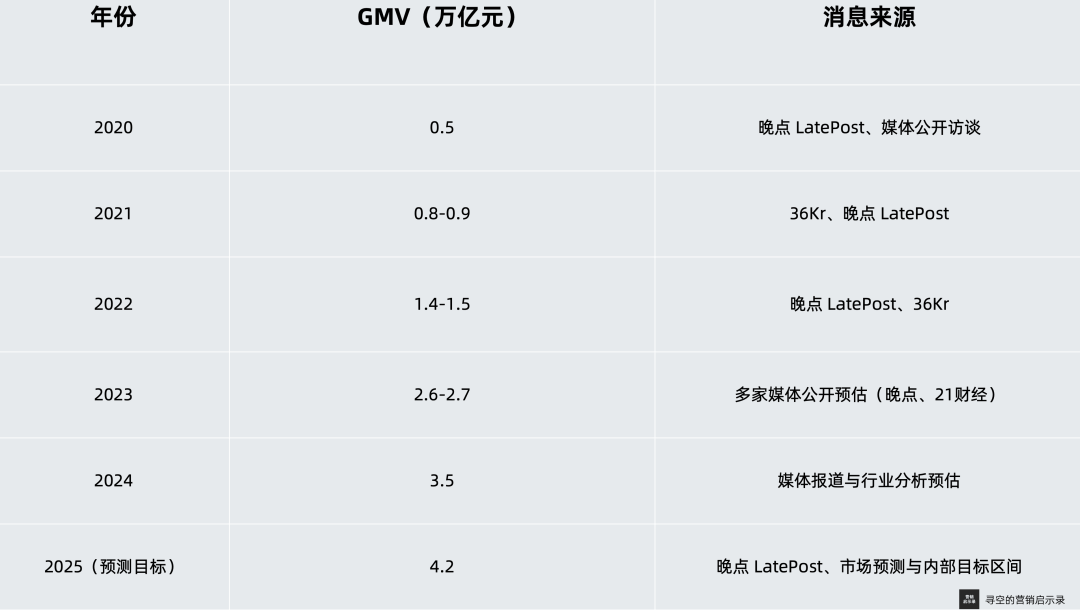
Core Insights - The article discusses the transformation of Douyin (TikTok in China) from an advertising-driven platform to a commerce-driven entity, highlighting its significant growth in e-commerce and advertising revenue [2][10][29] Revenue Shift - Douyin's revenue has shifted from being primarily driven by advertising to a significant focus on e-commerce, with its GMV reaching 1.4 trillion yuan in 2022 and projected to exceed 3.5 trillion yuan in 2024 [8][10][12] - By 2023, Douyin's advertising revenue surpassed 400 billion yuan, making it the largest advertising platform in China, overtaking Alibaba [7][11] E-commerce Growth - Douyin's e-commerce ambitions are evident as it launched its own marketplace and cut off external links to third-party platforms, creating a closed-loop system for merchants [8][9] - The platform's GMV from e-commerce is expected to grow significantly, with estimates suggesting it will reach over 4 trillion yuan by the end of 2023 [11][14] Organizational Changes - Douyin has undergone multiple organizational changes to align its structure with its e-commerce focus, including integrating its advertising platform into the e-commerce department [16][18][22] - The shift in focus from maximizing short-term advertising revenue to enhancing long-term merchant relationships and GMV reflects a fundamental change in Douyin's operational strategy [17][19] Market Positioning - Douyin is positioned as a "content-driven retail entity," merging content creation, advertising, and sales into a seamless experience for users, which contrasts sharply with traditional advertising models [25][28][29] - This integration allows Douyin to capitalize on consumer interest in real-time, effectively reducing the time between advertisement exposure and purchase [26][27]
抖音正在从“广告公司”变成“电商公司”
3 6 Ke· 2025-11-30 02:43
Core Insights - The article discusses the transformation of Douyin (TikTok in China) from an advertising-driven platform to an e-commerce powerhouse, highlighting its significant growth in both advertising and e-commerce revenues [2][10][21] Revenue Transformation - Douyin's revenue has shifted from being primarily driven by advertising to a significant focus on e-commerce, with its gross merchandise volume (GMV) rapidly increasing [3][9] - In 2022, Douyin's e-commerce GMV reached 1.4 trillion, making it the fastest e-commerce platform in China to surpass the trillion mark [9] - By 2023, Douyin's advertising revenue exceeded 400 billion, surpassing Alibaba to become the largest advertising platform in China [7][12] Organizational Changes - Douyin has made several key organizational adjustments to align its structure with its e-commerce focus, including integrating its advertising platform into the e-commerce department [15][16] - The shift in focus is evident as the sales teams are now tasked with ensuring merchants sell effectively on Douyin, transforming their role from mere advertisers to e-commerce consultants [18][19] Market Positioning - Douyin's unique model combines content creation, advertising, and direct sales, effectively eliminating the time gap between consumer interest and purchase [21][22] - This integration allows Douyin to operate as a "content-driven retail entity," fundamentally changing its identity from a media company to a retail platform [22][23] Competitive Landscape - The article suggests that Douyin's ability to dominate the source of consumer desire poses a significant threat to competitors like Alibaba, JD, and Pinduoduo, as it controls the wealth redistribution in the market [23]

高盛点评“中国AI大厂之战”:阿里 vs 腾讯 vs 字节
硬AI· 2025-11-29 15:20
Group 1: Core Strategies of Major Players - Alibaba is pursuing a "full-stack" approach with a significant capital expenditure increase of 80% year-on-year, reaching RMB 32 billion, aiming to build a comprehensive infrastructure similar to Google's [6][7] - ByteDance leverages its massive traffic advantage, with daily token usage reaching 30 trillion, nearly matching Google's 43 trillion, to dominate the application layer [10][14] - Tencent maintains a conservative strategy, reducing capital expenditure while focusing on seamlessly integrating AI capabilities into its extensive social and payment ecosystem [15][17] Group 2: Market Performance and Growth - Alibaba Cloud's external revenue grew by 29% year-on-year, with AI-related revenue achieving triple-digit growth for nine consecutive quarters, expected to accelerate to 38% in the upcoming quarter [7][8] - ByteDance's education application Gauth saw a 394% year-on-year increase in monthly revenue, highlighting its strong performance in the market [11] - Tencent's AI assistant "Yuanbao" has been integrated into WeChat Pay, enhancing operational efficiency for small and medium-sized businesses [17] Group 3: Competitive Landscape and Dynamics - The competition between China and the US in AI is characterized by a "dynamic alternation," where Chinese models rapidly iterate and catch up within 3-6 months following significant advancements in US models [4][20] - Chinese companies are utilizing open-source models extensively, with 80% of AI startups in China reportedly using these models, showcasing a unique competitive advantage [20] - The current valuation of Chinese AI companies, with expected P/E ratios of 21 for Tencent and 23 for Alibaba, suggests that the market is not in a bubble compared to their US counterparts [22][23]