
地平线

Search documents
蜜雪冰城在美国的赚钱法子,被贾跃亭学去了?
Sou Hu Cai Jing· 2026-01-05 00:15
Core Insights - The opening of the first North American store by Mixue Ice City in Hollywood, Los Angeles, symbolizes the entry of Chinese consumer brands into the global market with disruptive business models [1] - Mixue Ice City's pricing strategy, featuring ice cream at $1.19 and meal sets at $3.99, aims to create waves in the local tea beverage market, leveraging a highly integrated supply chain driven by China for profit maximization [1][3] - Faraday Future, led by Jia Yueting, has shifted its strategy from building an electric vehicle supply chain from scratch in the U.S. to a "China parts + U.S. assembly" model, mirroring Mixue's operational logic [1][8] Group 1: Mixue Ice City - Mixue Ice City has maintained a core strategy of "extreme cost performance" since its establishment in 1997, achieving profitability through centralized factories, standardized equipment, and comprehensive supply chain control [2] - Over 70% of Mixue's profits come from selling standardized consumables to franchisees, rather than beverage sales, allowing for low pricing in high-cost areas like Hollywood [3] - The core equipment and packaging materials are produced in China, significantly reducing costs compared to local alternatives, while the U.S. operations focus on light front-end functions [3][5] Group 2: Faraday Future - Jia Yueting's transition to a lighter asset model for Faraday Future reflects a realization of the high costs and inefficiencies of building a complete electric vehicle supply chain in the U.S. [8][10] - The new strategy involves using existing Chinese supply chains for core components, with final assembly and testing conducted in the U.S., significantly shortening development cycles [10][11] - This approach allows for competitive pricing in the mid-range electric vehicle market, with manufacturing costs projected around $35,000 per vehicle [10] Group 3: Comparative Analysis - Both Mixue Ice City and Faraday Future exhibit a similar operational model in the U.S., focusing on leveraging China's manufacturing efficiency as a competitive advantage [11] - This "reverse globalization" strategy minimizes initial investments and accelerates product launches while maintaining cost flexibility and mitigating geopolitical risks [11][12] - The success of Mixue Ice City and the strategic shift of Faraday Future highlight a broader evolution in the globalization path of Chinese enterprises, moving from mere manufacturing to becoming integral players in global supply chains [12][13]




上汽集团2025年销售450.7万辆 同比增长12.3% 自主品牌占比提升至65%
Zheng Quan Shi Bao Wang· 2026-01-04 11:09
Core Viewpoint - SAIC Motor Corporation aims to deepen reforms and focus on independent brand development and smart electric technology breakthroughs, achieving a total vehicle sales of 4.507 million units in 2025, a year-on-year increase of 12.3% [1] Group 1: Sales Performance - In 2025, SAIC's total vehicle sales reached 4.507 million units, with retail sales hitting 4.67 million units, maintaining industry leadership in China [1] - Sales of SAIC's independent brands (including Roewe, MG, Zhiji, Maxus, Wuling, and Baojun) reached 2.928 million units, a year-on-year increase of 21.6%, accounting for 65% of total sales, up 5 percentage points from 2024 [1] Group 2: Innovation and Technology - SAIC is accelerating the mass production of leading smart electric technologies, including solid-state batteries, digital chassis, DMH super hybrid, and "end-to-end" intelligent driving models [1] - In 2025, SAIC's new energy vehicle sales reached 1.643 million units, a record high with a year-on-year growth of 33.1% [1] Group 3: Product Development - The MG4 semi-solid battery model has started delivery, with safety performance improved by over 20% compared to industry standards [2] - The Roewe M7 DMH, equipped with the DMH 6.0 super hybrid system, achieves a pure electric range of 160 km and a comprehensive range of 2050 km with energy consumption as low as 2L [2] - The Zhiji LS9, featuring the Star Super Range Extender, offers a class-leading comprehensive range of 1508 km, addressing key user concerns [2] Group 4: Strategic Partnerships - SAIC is enhancing collaboration with partners like Huawei, Momenta, Horizon, OPPO, and Doubao to create a new ecosystem for smart mobility [2] Group 5: International Expansion - In 2025, SAIC launched its overseas strategy 3.0, focusing on a "Glocal" approach, achieving overseas sales of 1.071 million units, a year-on-year increase of 3.1% [3] - In Europe, SAIC MG sales exceeded 300,000 units, a nearly 30% increase, while in India, sales reached 70,000 units, up 17.8% [3] - SAIC's overseas market presence includes one region with sales of 300,000 units (Europe) and five regions with sales of 50,000 units each (Americas, Middle East, Oceania, ASEAN, South Asia) [3] Group 6: Future Outlook - In 2026, SAIC plans to further deepen reforms, focusing on smart and electric vehicle development, and aims to establish a new high-quality development pattern [4]

智驾的2025:辞旧迎新的一年
自动驾驶之心· 2026-01-04 01:04
Core Viewpoint - The article discusses the evolution of the autonomous driving industry in 2025, highlighting the dual focus on technology proliferation and technical challenges, with traditional automakers pushing for accessibility and new players striving for technological advancements [4][5]. Group 1: Industry Trends - In 2025, traditional automakers like BYD, Geely, and Chery are leading the charge in making autonomous driving technology more accessible by integrating mid-level highway NOA features into vehicles priced over 100,000 yuan [4]. - New entrants and leading autonomous driving suppliers are focused on pushing the limits of technology, adhering to a model of annual technological iteration [4][5]. - The industry is witnessing a bifurcation, with one camp focused on accessibility and the other on technological challenges, particularly in the realm of algorithm development [4]. Group 2: Technological Advancements - The transition from "passive perception" to "active cognition" is marked by the introduction of world models, which represent a significant paradigm shift in autonomous driving technology [5][6]. - 2025 is characterized as a year of significant technological transition, with the widespread adoption of end-to-end systems and the emergence of world models and VLA (Vision-Language-Action) technologies [6][9]. - NIO is highlighted as a pioneer in the world model space, having launched its world model in 2024, transitioning from "perception-driven" to "cognition-driven" systems [5][6]. Group 3: Data Infrastructure and Chip Development - The importance of data infrastructure is emphasized, with companies like NIO benefiting from early investments in data collection and model training capabilities [7][8]. - The year 2025 is noted as a pivotal year for integrated hardware and software solutions, with companies like NIO and XPeng achieving self-developed chip integration [7][8]. - The article warns of the risks associated with outsourced chip development, contrasting it with NIO's genuine self-development efforts, which involve significant technical team investments [8]. Group 4: Regulatory and Market Dynamics - The issuance of L3 licenses is seen as a significant step towards the next phase of autonomous driving, indicating a shift from L2+ mass production to L3 and L4 capabilities [8][9]. - While traditional automakers have secured initial L3 licenses, their capabilities are questioned, suggesting that true advancements will come from new players and those with strong model capabilities [9][10]. - The ultimate value of autonomous driving technology is framed around enhancing driver convenience and significantly reducing traffic accidents, with a focus on safety as a primary goal [9].


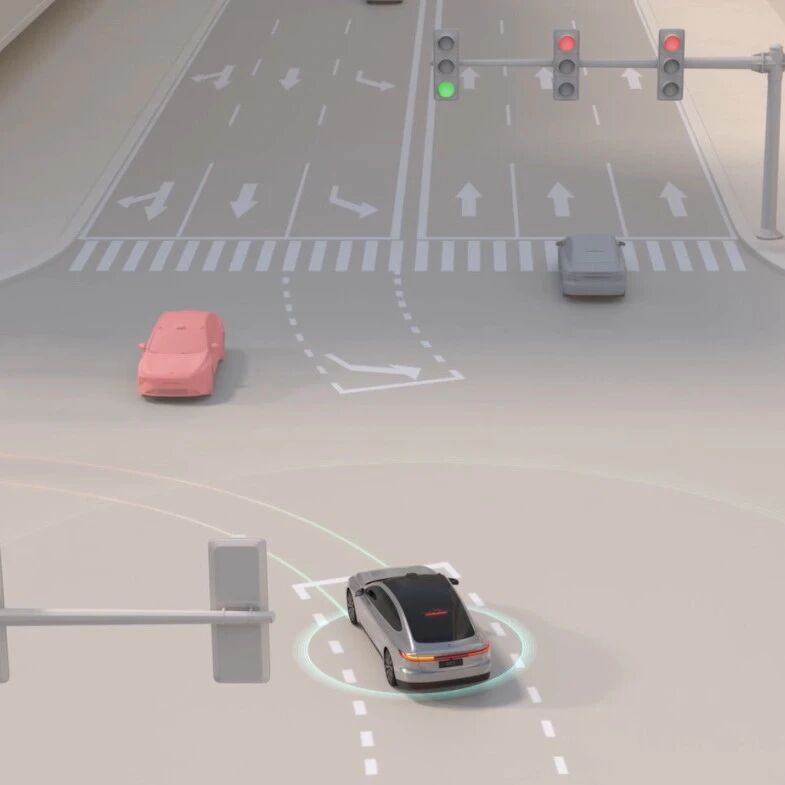
Momenta和华为智驾谁能胜出?
自动驾驶之心· 2026-01-02 08:08
作者 | 历不白@知乎 编辑 | 自动驾驶之心 原文链接: https://www.zhihu.com/question/1899822735284244767/answer/1989321465271706827 点击下方 卡片 ,关注" 自动驾驶之心 "公众号 戳我-> 领取 自动驾驶近30个 方向 学习 路线 >>自动驾驶前沿信息获取 → 自动驾驶之心知识星球 本文只做学术分享,如有侵权,联系删文 中国市场太卷了, 智驾没有芯片根本没有议价权。 我们回顾历史来说明一下。历史虽然不能说明一切,但是历史却是现实的一面镜子。 在 2004 年至 2010 年间。全球视频监控市场正经历从模拟信号向数字和网络监控。 当时的行业话语权掌握在德州仪器(Texas Instruments, TI)和安霸(Ambarella)等老牌半导体巨头手中 。 TI 作为通用 DSP(数字信号处理)领域的霸主,其方案如经典的 DM365、DM368 系列芯片,本质上是通用的计算引擎。 这意味着下游的安防器材厂商不仅要购买昂贵的芯片,还需要配备庞大的软件团队,在底层的 DSP 上进行极具挑战性的视 频编解码开发和图像算法调优。 对于 ...
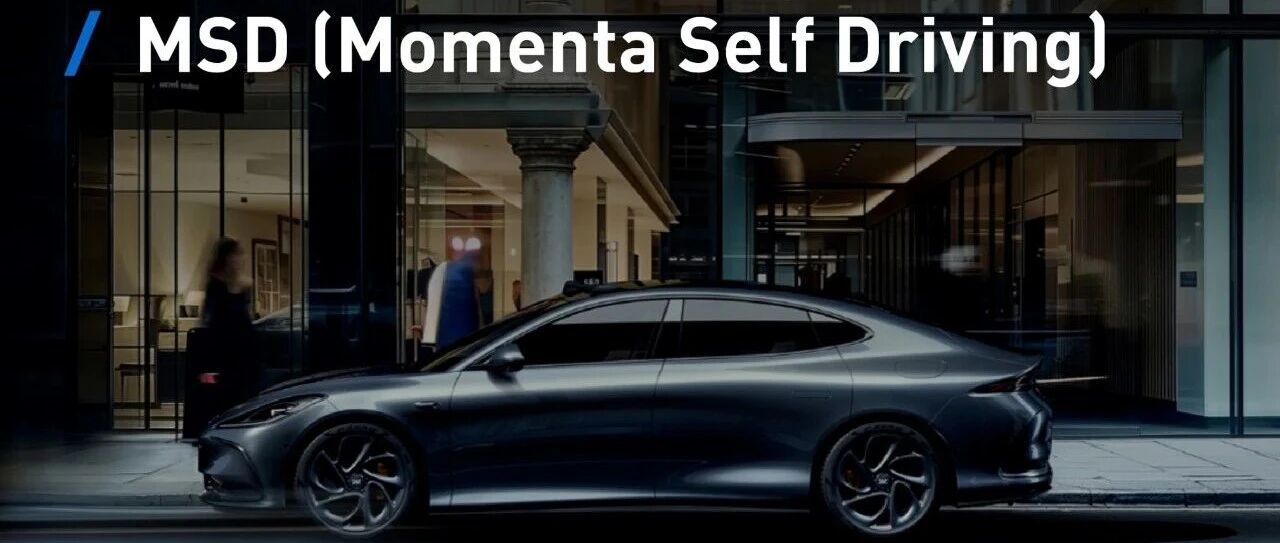
国产半导体测试接口龙头冲刺科创板!沐曦股份、摩尔线程、壁仞科技、昆仑芯、海光信息都是客户
是说芯语· 2026-01-02 07:31
Core Viewpoint - Taosheng Technology is positioned as a leading domestic enterprise in semiconductor testing interfaces, aiming to leverage its IPO to enhance R&D investment and production capacity, thereby strengthening its core competitiveness in the semiconductor testing field [1][7]. Industry Overview - The semiconductor testing market in China reached 12 billion RMB in 2022 and is expected to exceed 20 billion RMB by 2025, with a compound annual growth rate (CAGR) of over 15%, indicating significant growth potential for domestic companies with core technologies [3]. Company Development - Established in 2007, Taosheng Technology has developed over 100 types of testing probes and more than 4,000 chip testing interface solutions, covering the entire process from chip design verification to mass production testing [3]. - The company ranks first in domestic revenue for chip testing interfaces and is positioned 11th globally, successfully entering a market traditionally dominated by foreign enterprises [3]. Product Expansion - Taosheng Technology is expanding into the MEMS probe card market, which is currently dominated by companies from the US, Italy, and Japan, presenting significant opportunities for domestic alternatives [5]. - The company has achieved independent production of MEMS probe cards and developed core technologies for multi-layer composite ceramic substrates, marking a breakthrough in the wafer testing core consumables sector [5]. Client Base - The company serves over 700 clients across various sectors, including AI, GPU, CPU, and automotive electronics, with notable clients such as Xiaomi, NIO, and Huida [5]. - This diverse client base not only validates the market acceptance of the company's products but also establishes a stable revenue support system for ongoing R&D and market expansion [5]. Future Prospects - The IPO is expected to facilitate Taosheng Technology's growth and contribute to the overall upgrade of the semiconductor industry in China, particularly in high-end testing areas [7].

时隔40年的历史呼应:中国汽车开启“技术换市场”时代
经济观察报· 2026-01-01 04:26
Core Viewpoint - The article discusses the challenges and opportunities for Chinese automotive companies as they expand into international markets, particularly Europe, emphasizing the need for compliance with stringent regulations and effective brand building [1][4]. Group 1: Export Performance and Trends - In 2025, China's automotive exports are projected to reach 8 million units, driven primarily by a 62% increase in new energy vehicle exports, totaling 3.01 million units [2]. - The export landscape is shifting, with Chinese automakers aggressively targeting Europe while also expanding into emerging markets [2][6]. - The growth engine for exports is transitioning from pure electric vehicles to hybrid models, which are gaining traction in response to high tariffs on electric vehicles [6]. Group 2: Strategic Shifts and Innovations - Chinese automotive companies are increasingly focusing on local production and resource integration in overseas markets, moving from merely exporting vehicles to establishing local manufacturing capabilities [6][8]. - The trend of "collaborative globalization" is emerging, with companies like BYD and CATL establishing production facilities abroad, indicating a shift towards a more integrated global supply chain [8]. - The automotive industry is witnessing a significant transformation, with a focus on technology output and the establishment of new standards in global markets [7][8]. Group 3: Future Challenges and Compliance - By 2026, the European market will present significant compliance challenges for Chinese automotive companies, with new regulations on materials, safety, and environmental standards set to be implemented [11][12]. - The need for brand reputation management will become critical as Chinese brands enter the European market, with a focus on sustainability and service continuity [12]. - Companies are exploring innovative models to mitigate risks associated with entering the European market, including partnerships with local suppliers and research institutions [12].


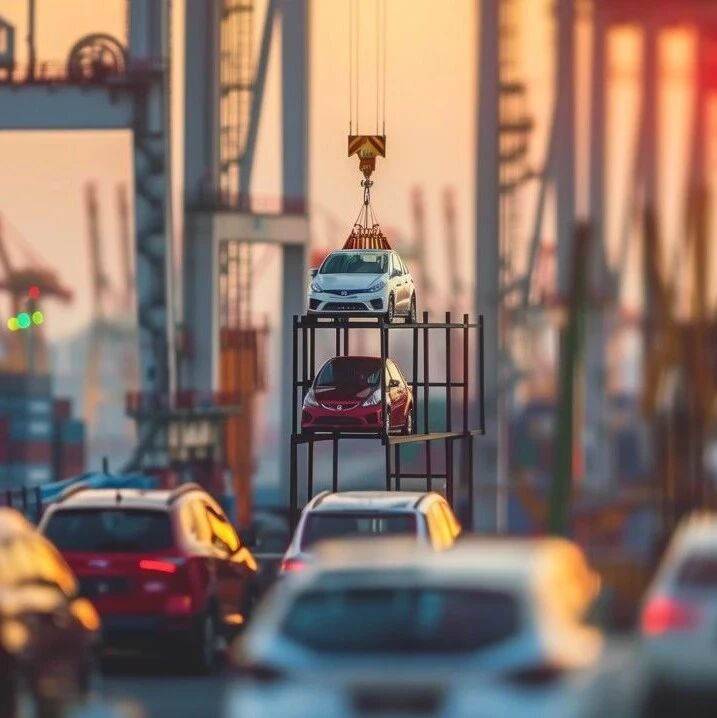
时隔40年的历史呼应:中国汽车开启“技术换市场”时代
Xin Lang Cai Jing· 2025-12-31 16:00
Core Insights - The Chinese automotive export sector has shown stronger-than-expected performance in 2025, with a cumulative export volume of 7.33 million vehicles from January to November, representing a year-on-year increase of 25.7%, primarily driven by a 62% increase in new energy vehicle exports to 3.01 million units [1][9] - The export forecast for 2025 is set at 8 million vehicles, surpassing earlier predictions of a mere 10% growth due to geopolitical pressures and tariff challenges [1][9] - A significant shift in export markets and innovative export models is emerging, with Chinese automakers aggressively targeting Europe while rapidly expanding into emerging markets [1][9] Export Trends - The growth engine for exports is shifting from pure electric vehicles to hybrid models, which are gaining momentum in response to high tariffs on electric vehicles [3][11] - Traditional markets are evolving, with emerging markets in Southeast Asia, Africa, the Middle East, and South America witnessing a rise in market share for Chinese vehicles, particularly in Mexico [3][11] - The localization of production is intensifying, with several Chinese automakers establishing overseas factories, marking a deepening of the "global manufacturing, global selling" model [4][12] Strategic Developments - The collective overseas expansion of the automotive supply chain is a key strategic trend, with major battery suppliers like CATL and Guoxuan High-Tech establishing global production and recycling systems [5][13] - The export model is transitioning from merely selling vehicles to a collaborative output of technology, standards, and supply chains, indicating a qualitative upgrade in exports [5][13] - By the end of the 14th Five-Year Plan, it is projected that China's overseas automotive production and sales will exceed 12 million units, increasing the global automotive products' "Chinese content" [5][13] Challenges Ahead - The automotive industry is entering a phase of deep global layout, driven by internal market pressures and external geopolitical dynamics, with a focus on deep localization strategies [6][14] - The year 2026 is anticipated to present high-level challenges, particularly in navigating stringent compliance requirements in the European market, which will be crucial for brand establishment [7][15] - New EU regulations on materials, recycling, safety, and carbon emissions will impose stricter standards on Chinese automakers, potentially increasing export costs [7][15] Innovation and Collaboration - Companies are adopting innovative models to mitigate risks associated with entering the European market, such as partnerships with leading global suppliers to facilitate collaboration with European automakers [8][16] - There is a growing trend of European countries negotiating "technology for market" agreements, recognizing the challenges in catching up with Chinese advancements in new energy and smart technologies [8][16] - Predictions indicate that Chinese automotive exports will continue to grow in volume and undergo structural changes, emphasizing the need for companies to convert technological advantages into sustainable business success and brand value [8][16]
何小鹏:2026年,自动驾驶将从L2跳跃至L4
Guan Cha Zhe Wang· 2025-12-31 10:33
Core Viewpoint - The CEO of XPeng Motors, He Xiaopeng, believes that fully autonomous vehicles will become as ubiquitous as the iPhone within the next three years, rendering previous smart devices obsolete [1][3]. Group 1: Autonomous Driving Levels - He Xiaopeng stated that by 2026, next-generation fully autonomous driving will emerge in China and the U.S., skipping the L3 stage and moving directly from L2 to L4 [2][5]. - The current advancements in Tesla's Full Self-Driving (FSD) version 14.2 indicate that L4 autonomous driving is "within reach" [3]. - The distinction between L2 and fully autonomous driving is based on four key differences: capability, scenarios, safety, and efficiency [3]. Group 2: XPeng's Technological Progress - XPeng's VLA (Vehicle Learning Architecture) is undergoing rapid self-evolution, with advancements perceived to be occurring at an accelerated pace [4]. - The upcoming release of XPeng's VLA 2.0 is anticipated to enhance its autonomous driving capabilities [4]. - XPeng aims to compete with Tesla's full version of the system in the European market by the end of 2026 [5]. Group 3: Industry Perspectives - Companies like Tesla, XPeng, and Horizon believe that AI large model technology can directly facilitate the transition from L2 to L4 autonomous driving [5]. - Other companies prefer a gradual approach, using L3 as a transitional stage before reaching L4 [6].

中国智驾淘汰赛:赢者突围、尾部退场,终局未定
Xin Lang Cai Jing· 2025-12-31 08:51
Core Insights - The Chinese intelligent driving industry is experiencing both expansion and contraction, with rapid adoption of assisted driving features in mass-produced vehicles, while financing for some companies is slowing down, leading to exits from mainstream competition [1][2] - The competition in the intelligent driving sector has shifted towards large-scale delivery, cost efficiency, and long-term service capabilities, with opportunities concentrating on a few companies that can prove their value [2][4] - The industry is entering a mature phase, as evidenced by significant orders from conservative automakers like Toyota, indicating a shift from vague to definite market demand [5][6] Industry Dynamics - The competition is no longer about validating technology but about scaling delivery and maintaining cost efficiency, with survival becoming a pressing issue for mid-tier companies [2][4] - The leading companies in the assisted driving sector include Horizon, ZhiYu, Huawei, and Momenta, which have successfully transitioned from technology validation to large-scale delivery [4][5] - The gap between leading companies and newcomers is estimated to be 3 to 5 years, primarily due to data accumulation advantages and algorithm iteration capabilities [4][5] Market Trends - The assisted driving market is seeing a push towards lower-cost models, with major players like Horizon and Momenta targeting vehicles priced under 100,000 yuan, which account for nearly half of China's passenger car sales [8][9] - The competition is intensifying around cost control, as companies strive to keep the cost of assisted driving features within 3% to 5% of the vehicle's price to ensure market acceptance [9][10] - The trend towards self-developed chips is debated, with some companies believing it can lead to differentiation and lower system costs, while others see it as economically challenging [10][11] Competitive Landscape - The intelligent driving sector is unlikely to see a "winner-takes-all" scenario until the L4 or L5 stages of automation, as the current market remains fragmented with multiple strong players [8][11] - Companies that can continuously iterate, validate their solutions through mass production, and respond to market demands will be the ones to secure future growth [11] - The supply chain strategies of automakers suggest that the assisted driving market will not favor a single dominant player, as diverse needs for customization and differentiation persist [7][8]

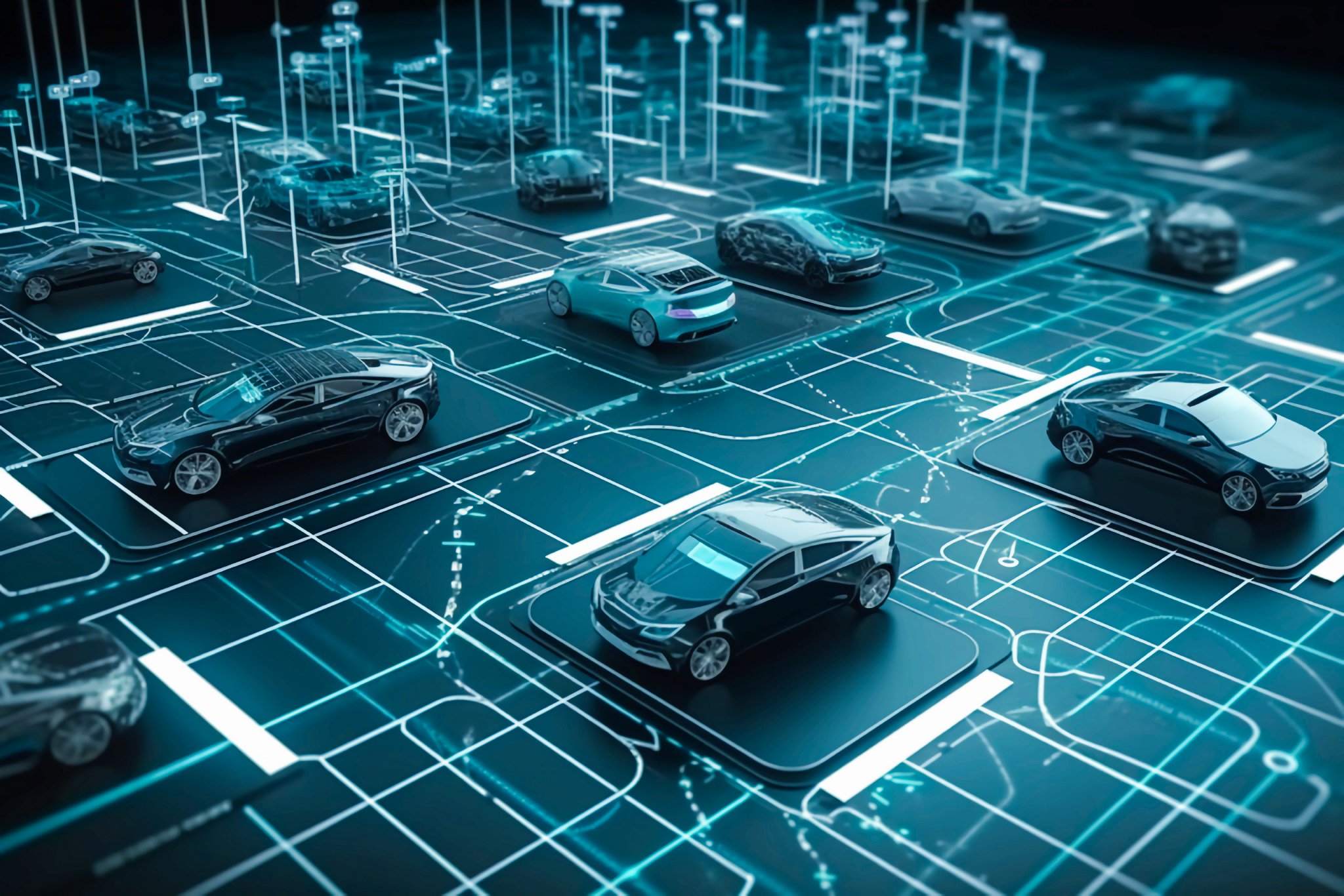
Horizon SuperDrive?|写入《2025 汽车行业影响力年鉴》
Jing Ji Guan Cha Bao· 2025-12-31 07:52
Core Viewpoint - The article discusses the emergence of Horizon SuperDrive as a significant player in the high-level urban assisted driving market, highlighting its role in transitioning from technology validation to mass production and real-world application [1][2][3]. Group 1: Industry Context - The Chinese automotive industry is entering a new development phase as the "14th Five-Year Plan" concludes, with a focus on the evolution of high-level urban assisted driving technology [1]. - High-level urban assisted driving is at a critical stage where technical validation is moving towards mass deployment, but there is still a lack of unified standards and limited companies with mature capabilities [1]. Group 2: Horizon SuperDrive's Role - Horizon SuperDrive offers a comprehensive high-level urban assisted driving solution, allowing automakers to acquire advanced capabilities without starting from scratch, thus reducing systemic risks associated with self-research [2]. - The implementation of Horizon SuperDrive has begun to reflect in mass production, with models like the Xingtu ET5 and Deep Blue L06 entering the delivery phase, marking the first real-world testing of these capabilities [2]. Group 3: Industry Evolution - Horizon SuperDrive represents an evolutionary direction in intelligent assisted driving, transitioning from a heavy asset capability of a few companies to a more accessible engineering capability for a broader range of automakers [2]. - The inclusion of Horizon SuperDrive in the "2025 Automotive Industry Influence Yearbook" underscores its substantial impact in advancing global intelligent assisted driving from capability demonstration to industrial application [3].