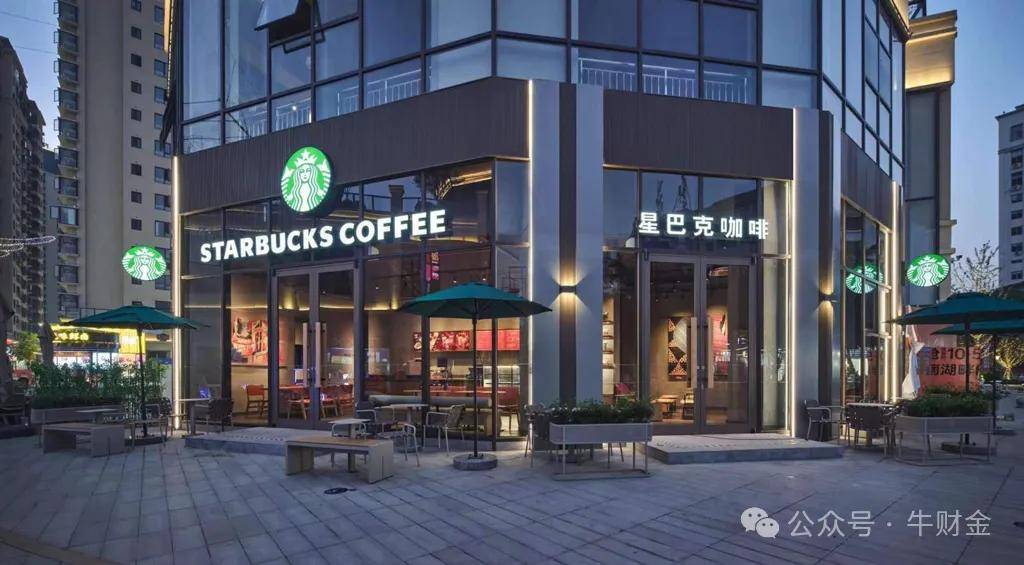
星巴克

Search documents
网友称在星巴克门前伞下躲雨被赶
Xin Lang Cai Jing· 2025-12-23 11:52
Core Viewpoint - A Starbucks store in Hefei, Anhui faced backlash after a customer reported being asked to leave while seeking shelter from the rain under a large umbrella, which the store claimed was intended for sunshade only [1] Group 1: Incident Details - On December 23, a customer named Mr. Qiu and his friends were sitting under a large umbrella in front of a Starbucks store during light rain when they were asked to leave [1] - The store staff removed the umbrella and chairs, citing safety concerns due to the umbrella absorbing water and becoming a potential hazard [1] - Mr. Qiu expressed discomfort with the removal of the chairs, feeling that Starbucks was trying to "drive people away" [1] Group 2: Customer Reactions - In the comments section of the video posted by Mr. Qiu, some viewers criticized Starbucks for being "inhumane" and lacking a broader perspective [1] - Others acknowledged the store's explanation regarding the umbrella's unsuitability for rain protection, noting that a waterlogged umbrella could become heavy and pose a risk of falling [1] Group 3: Store and Management Response - The store manager declined to provide comments to reporters, and the mall staff indicated they would report the incident to relevant departments for further clarification [1] - The mall staff later confirmed that the store's explanation centered on safety concerns related to the umbrella, but no explanation was given for the removal of the chairs [1]

呷哺呷哺、西贝 给员工们分钱救市丨消费参考
2 1 Shi Ji Jing Ji Bao Dao· 2025-12-23 04:55
Group 1: Employee Engagement Strategies - The core focus of the news is on how restaurant owners are trying to enhance employee motivation, with companies like Xiaobai Xiaobai launching the "Feng Huan Chao" partner program to share profits with employees [1] - Xiaobai Xiaobai's founder, He Guangqi, emphasized the transformation of employees from "workers" to "partners" to boost engagement and operational efficiency [1] - Since the initiation of the partner program, Xiaobai Xiaobai has seen a 30% year-on-year revenue increase in partner stores, with profit margins exceeding 30% [1] Group 2: Industry Challenges - The restaurant industry is facing significant growth pressures, with many national brands reporting revenue declines and operational difficulties [3] - Xiaobai Xiaobai's revenue fell by 18.88% to 1.942 billion yuan in the first half of the year, resulting in a net loss of 84 million yuan [3] - The need for increased employee engagement is critical not only for revenue growth but also for reducing operational costs [3] Group 3: Learning from Competitors - Companies like Xibei are also adopting similar strategies, aiming to increase employee satisfaction and customer experience by raising labor costs to provide higher wages [2] - Haidilao serves as a model for other companies, emphasizing the importance of employee growth opportunities and financial incentives [4] Group 4: Market Trends - The Chinese restaurant market is moving towards a phase of refined corporate governance, which is seen as beneficial for the long-term development of the industry [5]
呷哺呷哺、西贝,给员工们分钱救市
2 1 Shi Ji Jing Ji Bao Dao· 2025-12-23 04:53
Core Insights - The core focus of the articles is on how restaurant owners are trying to enhance employee motivation and engagement through innovative partnership models, particularly the "Feng Huan Chao" partnership plan initiated by Xia Bo Xia Bo, which aims to transform employees from "workers" to "partners" [1][3]. Group 1: Employee Engagement Strategies - Xia Bo Xia Bo has launched its second "Feng Huan Chao" partnership plan, which emphasizes profit-sharing with employees to boost their motivation [1]. - The first phase of the partnership plan led to a 2% reduction in management fees for partner stores and a shift in profit distribution from quarterly to monthly, resulting in increased employee participation [1]. - Revenue for the first batch of partner stores increased by over 30% year-on-year, with profit margins exceeding 30% after employees transitioned to partner roles [1]. Group 2: Industry Challenges - The restaurant industry is facing significant growth pressures, with many national brands reporting revenue declines and operational difficulties [3]. - Xia Bo Xia Bo's revenue fell by 18.88% year-on-year to 1.942 billion yuan, with a net loss of 84 million yuan [3]. - Similar sentiments were echoed by Xi Bei's founder, who noted that the company is also experiencing a revenue decline and is under survival pressure due to previous controversies [3]. Group 3: Learning from Industry Leaders - Companies like Xi Bei are adopting similar strategies to enhance employee satisfaction and customer experience, aiming to increase labor costs from the industry average of 25% to 30% [2]. - Hai Di Lao serves as a model for other restaurants, emphasizing the importance of employee satisfaction in improving customer experiences [5]. Group 4: Market Evolution - The Chinese restaurant market is moving towards a phase of refined corporate governance, which is seen as beneficial for the long-term development of the industry [6].


呷哺呷哺、西贝,给员工们分钱救市丨消费参考
2 1 Shi Ji Jing Ji Bao Dao· 2025-12-23 04:49
Core Insights - The core focus of the articles is on the strategies employed by restaurant companies, particularly Xibei and Xiaobai Xiaobai, to enhance employee motivation and operational efficiency through partnership programs and profit-sharing initiatives. Group 1: Employee Engagement Strategies - Xiaobai Xiaobai has launched its "Feng Huan Chao" partner program, aiming to transform employees from "workers" to "partners" by offering profit-sharing opportunities [1][2] - The first batch of partner stores has seen revenue growth exceeding 30% year-on-year, with profit margins above 30% since the program's initiation [2] - Xibei is also implementing similar strategies, increasing labor costs to enhance employee income and improve customer experience through higher employee satisfaction [3] Group 2: Industry Challenges - The restaurant industry is facing significant growth pressures, with many national brands reporting revenue declines and operational difficulties [4] - Xiaobai Xiaobai's revenue fell by 18.88% year-on-year to 1.942 billion yuan, with a net loss of 84 million yuan [4] - Xibei's revenue is projected to remain in a declining range until May 2025, exacerbated by previous public relations issues [4] Group 3: Operational Improvements - The transition of employees to partners has led to increased work motivation, resulting in extended operating hours and better resource management to reduce waste [2] - The overall trend in the Chinese restaurant market is moving towards refined corporate governance, which is seen as beneficial for long-term industry development [6]

欧美强推的「人造肉」,彻底败退中国
36氪· 2025-12-23 00:16
Core Viewpoint - The article discusses the rise and fall of Beyond Meat in the Chinese market, highlighting the challenges faced by plant-based meat companies in adapting to local consumer preferences and the failure of their marketing strategies [10][15][70]. Group 1: Beyond Meat's Market Performance - Beyond Meat, once a star in the plant-based meat industry, has seen its market value plummet from $20 billion to under $2 billion, losing over $10 billion in market capitalization [13][34]. - The company has closed its flagship store on Chinese e-commerce platforms and halted production at its factory in Jiaxing, Zhejiang [10][34]. - Revenue has declined from $4.19 billion in 2022 to $3.26 billion in 2024, with cumulative losses reaching $8.64 billion during the same period [34]. Group 2: Marketing Strategies and Consumer Response - Beyond Meat attempted to penetrate the Chinese market through partnerships with major brands like McDonald's and Starbucks, but these efforts did not yield the expected results [28][30]. - The company employed aggressive marketing tactics, including celebrity endorsements and campaigns promoting the health benefits of plant-based diets, but these strategies failed to resonate with Chinese consumers [31][32][70]. - A significant 74% of Chinese consumers indicated they would not repurchase plant-based meat products, primarily due to high prices and unsatisfactory taste [45][46]. Group 3: Challenges of Plant-Based Meat - The article identifies two major issues with plant-based meat: high prices and poor taste, which have hindered its acceptance in the Chinese market [39][48]. - Plant-based meat products are often priced significantly higher than traditional meat, with some products costing up to 82% more than their animal-based counterparts [41][39]. - The taste and texture of plant-based meat have been criticized, with many consumers finding them inferior to traditional meat options [44][39]. Group 4: Environmental and Health Claims - Claims regarding the environmental benefits of plant-based meat have been challenged, with studies indicating that the carbon emissions from producing plant-based meat can be significantly higher than those from traditional beef [49][48]. - The health benefits promoted by plant-based meat companies have also been questioned, as many products contain high levels of sodium and additives [48][49]. Group 5: Lessons for the Industry - The failure of Beyond Meat serves as a cautionary tale for food entrepreneurs, emphasizing the importance of aligning product offerings with genuine consumer needs rather than relying on capital-driven narratives [70][73]. - The article suggests that successful food innovations must prioritize taste, affordability, and real consumer demand rather than imposing moral or environmental arguments [66][70].

欧美强推的“人造肉”,彻底败退中国
3 6 Ke· 2025-12-21 07:45
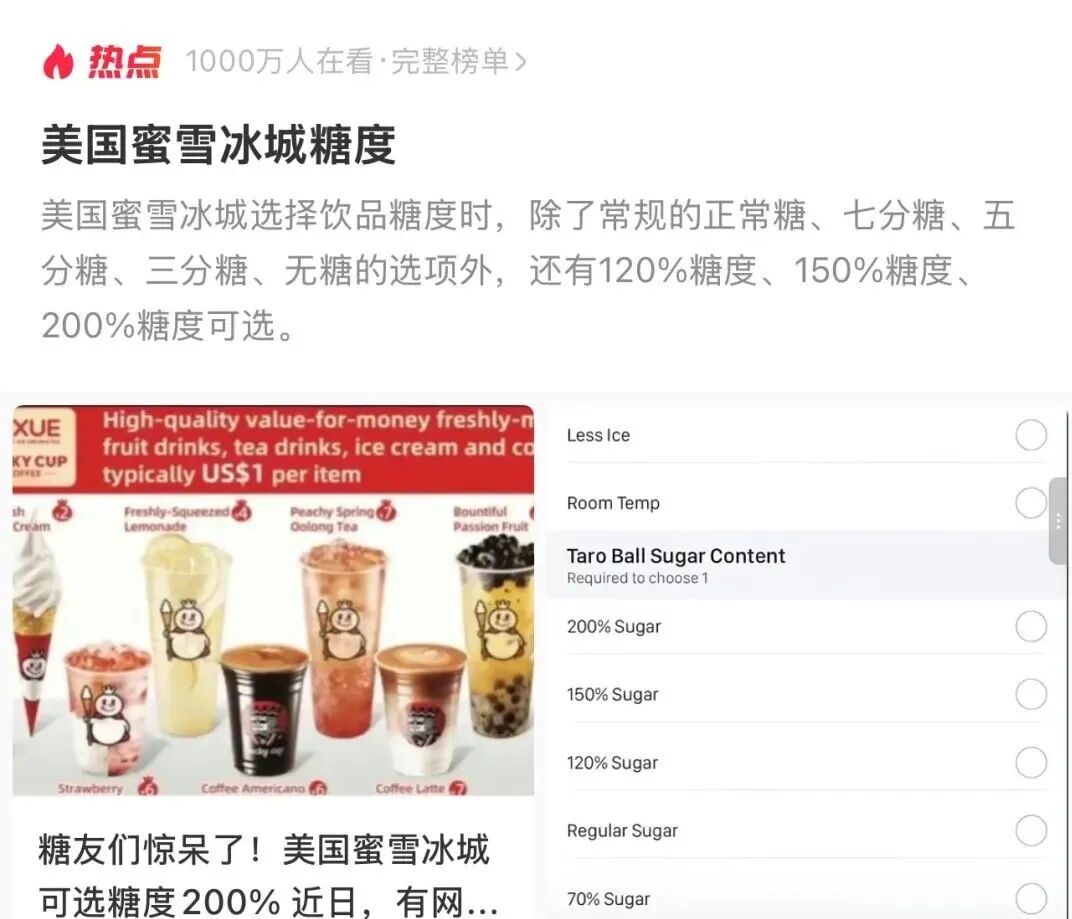
Core Viewpoint - The article discusses the contrasting fortunes of two companies in the food industry: the success of a sweet tea brand in the U.S. and the failure of the plant-based meat company Beyond Meat in China, highlighting the challenges faced by the plant-based meat sector in adapting to consumer preferences and market realities. Group 1: Success of Sweet Tea Brand - The sweet tea brand, known as "Snow King," has gained popularity in the U.S. by offering extremely sweet milk tea options, with sugar levels reaching 120%, 150%, and 200% [1][4] - This strategy has resonated with American youth, leading to viral challenges on social media platforms like TikTok [4] Group 2: Failure of Beyond Meat - Beyond Meat, once a star in the plant-based meat industry, has faced significant setbacks, including the closure of its flagship store in China and the shutdown of its factory in Jiaxing, Zhejiang [4][6] - The company's market value has plummeted from $20 billion to under $2 billion, reflecting a loss of over $10 billion in market capitalization [6] - Despite initial hype and celebrity endorsements, the company has struggled to gain traction in the Chinese market, with revenues declining from $419 million in 2022 to $326 million in 2024, resulting in cumulative losses of $864 million [27] Group 3: Challenges in the Plant-Based Meat Sector - The plant-based meat industry is experiencing a global downturn, with competitors like Impossible Foods also facing difficulties [28] - The high price and poor taste of plant-based meat products have been major barriers to consumer acceptance, with prices significantly higher than traditional meat [29][31] - A survey indicated that approximately 74% of Chinese consumers would not repurchase plant-based meat products, primarily due to concerns over price and taste [35] Group 4: Misalignment with Consumer Needs - The marketing strategies employed by plant-based meat companies, including environmental and health claims, have not resonated with Chinese consumers, leading to widespread rejection of the products [37][39] - The failure of Beyond Meat illustrates a disconnect between capital-driven innovation and actual consumer demand, emphasizing the need for food companies to align their offerings with consumer preferences for taste and affordability [45]
星巴克聘请亚马逊老将Anand Varadarajan担任新任首席技术官
Xin Lang Cai Jing· 2025-12-19 19:38
Group 1 - Starbucks has appointed Anand Varadarajan as the new Chief Technology Officer, effective January 19 next year [1] - CEO Brian Niccol is driving technological reforms in stores to enhance labor efficiency [1] - Varadarajan succeeds Deb Hall Lefevre, who stepped down in September [1] Group 2 - Varadarajan has 19 years of experience at Amazon, where he was responsible for technology and supply chain operations in the global grocery business [1] - He has also worked at Oracle [1]
从星巴克到汉堡王,“洋品牌”掀起在华“卖身潮”
Zhi Tong Cai Jing· 2025-12-19 07:03
Group 1 - The core point of the article highlights that Western food and beverage giants are increasingly turning to Chinese private equity firms for investment as traditional operating models fail amid intensifying local competition [1] - Starbucks has agreed to sell 60% of its Chinese business to Boyu Capital, valuing the business at $4 billion, while CPE Yuanfeng is investing $350 million to acquire 83% of Burger King's China operations [1] - Other multinational companies are following suit, with IDG Capital recently acquiring the Chinese business of Yuno Yogurt, and reports indicating that General Mills and Oatly are also considering selling parts of their operations [1] Group 2 - Chinese private equity firms possess not only capital but also deep operational experience, strong local networks, and a willingness to reform management and strategy [2] - Many collaboration models allow foreign companies to retain minority stakes and intellectual property, thus generating long-term royalty income while handing over daily operations to local investors [2] - The resurgence of spin-off transactions this year underscores the trend of multinational companies reassessing their operations in China due to geopolitical uncertainties, slowing consumer demand, and pressure from shareholders to refocus on core markets [2]

白女捧红的东方神水,难喝到怀疑人生
3 6 Ke· 2025-12-19 06:11
Core Insights - The rise of turmeric drinks is attributed to social media trends and health influencers promoting them as anti-inflammatory and beneficial for wellness [1][4][23] - Despite mixed reviews on taste, turmeric drinks have seen significant market demand, with sales increasing dramatically during promotional events [3][4] - There are ongoing debates regarding the actual health benefits of turmeric drinks, with some experts questioning their efficacy in delivering the claimed anti-inflammatory properties [15][4] Market Trends - Turmeric drinks are frequently sold out in major retailers like Sam's Club and Hema, indicating high consumer interest [3] - During the "Double Eleven" shopping festival in 2025, turmeric drink sales surged by 14 times compared to September [4] - The drinks are marketed with claims of being rich in Vitamin C and having various health benefits, which resonate with health-conscious consumers [4][15] Consumer Behavior - Many consumers, particularly younger individuals, are willing to overlook the unpleasant taste of turmeric drinks in pursuit of health benefits [11][23] - The perception of turmeric as a "superfood" has been shaped by both historical references and modern marketing strategies [22][29] - There is a growing concern that consumers may be paying a premium for products that do not deliver significant health benefits, leading to the concept of a "health tax" [28][27] Nutritional Content - Nutritional analysis of turmeric drinks reveals high sugar content, with some products containing up to 32g of sugar per 100ml, which raises questions about their health claims [16][15] - The actual turmeric content in some drinks is minimal, often not meeting the recommended daily intake of curcumin, the active compound in turmeric [17][15] Cultural Context - The popularity of turmeric drinks reflects a broader trend of Eastern ingredients being embraced in Western health narratives, creating a cycle of cultural exchange [29][30] - Turmeric's journey from a traditional spice to a trendy health drink illustrates the commercialization of wellness and the impact of social media on consumer choices [29][30]
从星巴克到汉堡王:外资餐饮为何纷纷把中国市场交给私募基金?
Sou Hu Cai Jing· 2025-12-18 10:18
Core Viewpoint - Foreign dining brands in China are undergoing a significant transformation, shifting control to local private equity firms to better understand and cater to Chinese consumers [1][2][10]. Group 1: Starbucks' Strategic Shift - Starbucks plans to sell 60% of its Chinese business to Boyu Capital for an estimated valuation of $4 billion, retaining 40% ownership and core brand licensing rights [2]. - This move reflects a change in role from direct management to a licensing model, indicating a response to the challenges in the Chinese coffee market [2][14]. - Starbucks anticipates that the overall value of its Chinese operations could exceed $13 billion over the next decade, including royalties [2]. Group 2: Reasons for Local Private Equity Takeover - The acquiring firms, such as Boyu, CPE, and IDG, are familiar with the local market and can act quickly, making operational changes in a matter of months rather than undergoing lengthy global approval processes [5]. - Local private equity firms excel in relationship-based management, which is crucial in the Chinese dining sector, where rapid menu changes and pricing adjustments are necessary [6][8]. - The current market conditions, characterized by a slowdown in IPOs and mergers, make stable, mature foreign subsidiaries attractive targets for investment [9]. Group 3: Broader Industry Trends - The challenges faced by brands like Burger King and Uniqlo reflect a systemic trend among foreign dining companies in China, acknowledging their inability to effectively manage operations in the local context [10]. - The shift towards licensing fees is becoming a core asset for foreign brands, allowing them to generate long-term cash flow rather than relying solely on equity sales [11][17]. - This transition is not a retreat from the Chinese market but rather a pragmatic adaptation to the realities of local competition and operational challenges [13][14]. Group 4: Market Dynamics - The Chinese market remains vast but is characterized by intense competition, with local players evolving rapidly [18]. - Foreign brands are retaining their brand identity and supply chain standards while local private equity firms take charge of expansion and management [17].