
长江存储

Search documents
数据中心产业链调研-铝电解电容
2026-01-23 15:35
Summary of Conference Call on Data Center Capacitors Industry Overview - The focus is on the data center power supply industry, specifically aluminum electrolytic capacitors, which are the most expensive passive components, accounting for approximately 60% of the passive component procurement budget [1][4]. Key Points and Arguments - **Demand and Specifications**: Data centers have higher requirements for aluminum electrolytic capacitors, with common specifications being 450 volts and 1,000-1,400 microfarads. Emerging AI applications may require even higher specifications, potentially leading to adjustments in capacity and size for future 800-volt high-voltage architectures [1][5]. - **Pricing Trends**: Currently, there is no clear trend for price increases in aluminum electrolytic capacitors. However, if aluminum prices or the prices from terminal aluminum foil suppliers rise, it could lead to price increases. A price increase was noted at the end of 2025 [12]. - **Future Demand Growth**: It is anticipated that the demand for aluminum electrolytic capacitors in data centers will grow by approximately 10% to 15% in 2026, while consumer electronics and photovoltaic products are expected to decline by 10% to 15% [16][17]. - **Component Importance**: Besides aluminum electrolytic capacitors, tantalum capacitors and multi-layer ceramic capacitors (MLCC) are also significant, but they face supply issues due to capacity constraints and conflict mineral concerns [2][4][14]. - **Supplier Dynamics**: North American customers typically specify Japanese suppliers such as Rubycon, Nippon Chemi-Con, and Nichicon. Some customers are beginning to accept Nantong Jianghai, but large-scale supply has not yet been achieved due to resistance against mainland Chinese companies [10][11]. Additional Important Insights - **Market Competition**: The power supply industry is mature, with limited changes. Mainland Chinese companies face challenges in the data center market due to customer demands and restrictions [19][20]. - **Material Considerations**: Key factors to monitor in procurement include the development of aluminum foil raw materials, which directly impact design and production processes [22]. - **Market Segmentation**: Server power supplies represent the largest share of the company's business, followed by industrial products, while consumer electronics power supplies have seen a decline but still hold a significant position [18]. This summary encapsulates the critical insights from the conference call regarding the data center capacitor market, highlighting demand trends, pricing dynamics, and supplier relationships.
存储行业深度报告:电子行业:AI驱动叠加自主可控,看好国产存储产业链
金融街证券· 2026-01-23 11:33
Investment Rating - The report maintains an "Outperform" rating for the storage industry [2] Core Insights - The current storage price increase cycle is primarily driven by AI, leading to a structural demand shift in the industry. The demand for high bandwidth and low latency storage is surging due to the rapid growth in AI training and inference, which is expected to continue driving prices upward [4][9] - The supply of storage chips remains tight, with major manufacturers like SanDisk, Samsung, and SK Hynix announcing price increases, indicating a constrained supply environment [4][13] - The domestic storage industry is expected to benefit from the ongoing high demand and the push for self-sufficiency, with companies like Changxin Technology and Yangtze Memory Technologies expanding production capacity [4][54] Summary by Sections AI Demand Explosion Driving Storage Industry "Super Cycle" - The storage demand is shifting from traditional capacity-driven models to performance-driven models, influenced by AI. The expected global data generation volume is projected to reach 393.9ZB by 2028, significantly impacting storage requirements [9] - AI servers are anticipated to see a 20.9% year-on-year increase in shipments in 2026, with their share of total server shipments rising to 17.2% [9][12] Structural Supply Tightness Driving Continued Price Increases - DRAM supply is tightening as major manufacturers prioritize advanced process capacities for high-end server DRAM and HBM, leading to price increases for DDR4 and NAND products [17][21] - NAND demand is expected to grow at a compound annual growth rate (CAGR) of 21% from 2024 to 2030, driven by data center needs, particularly from AI workloads [36][39] Acceleration of Domestic Production, Favoring the Domestic Storage Industry Chain - The domestic storage industry is poised for growth due to the ongoing high demand and the trend towards self-sufficiency. Companies like Changxin Technology are expanding their production capabilities, with plans to increase their monthly output significantly by 2025 [54][55] - The report highlights the importance of the entire storage supply chain, including design, manufacturing, and testing, which are expected to benefit from the current high demand cycle [54][60]


中银国际:供需紧张致价格持续上涨 存储产业链或存在高度确定性机会
智通财经网· 2026-01-23 07:54
Core Viewpoint - The storage industry is entering a new cycle driven by AI and data expansion, with supply-demand tension leading to continuous price increases. The demand for new technologies like HBM is strong, and opportunities for domestic storage development are emerging, leading to an "outperform" rating for the industry [1] Group 1: Market Overview - The storage market is experiencing continuous growth due to increasing demand for storage technology across various sectors of the digital economy. AI-driven storage demand is growing significantly faster than other segments, becoming a key driver of global storage market expansion. The demand for storage in AI servers is rapidly increasing, and the overall storage demand in the server sector is expected to maintain high growth rates [1][2] - Storage product prices are projected to see significant increases by 2025, with further potential rises in 2026. This price surge is driven by both AI servers and general servers, compounded by structural capacity transitions and competitive demand across multiple dimensions, indicating that shortages and price hikes may persist for an extended period [1] Group 2: Supply and Demand Dynamics - Structural supply constraints are expected to continue, with original manufacturers competing for new technological advancements. Capital expenditures in 2026 will focus on process technology upgrades and advanced techniques like hybrid bonding, with limited growth in bit supply, suggesting a persistent supply-demand imbalance throughout the year [2] - The storage industry is transitioning into a "post-HBM era" with the emergence of HBF, driven by rapid growth in the AI inference market. High-performance HBM and LPDDR5X remain in strong demand from leading international suppliers for AI infrastructure [2] Group 3: Domestic Market Developments - Domestic manufacturers are striving for global standards and self-sufficiency in the supply chain, with product strategies focusing on platformization and category upgrades. Longxin Storage has launched LPDDR5X products, while Yangtze Memory Technologies is progressing towards 100% domestic equipment for its third-phase construction [3] - The combination of CBA and 4F2 technologies, along with advancements in hybrid bonding, is seen as a crucial path for domestic storage to achieve competitive advantages. Longyang Storage and Longxin Storage are positioned as leading domestic storage chip manufacturers, with stable operations and a strong commitment to development, presenting numerous opportunities for the industry [3]
存储行业深度报告:骐骥驰骋,AI“存”变,国产“储”势,星火燎原
Bank of China Securities· 2026-01-23 05:50
Investment Rating - The report assigns a "Outperform" rating to the storage industry, driven by the expansion of AI and data, which is pushing the storage sector into a new cycle with increasing prices and demand for new technologies like HBM [2]. Core Insights - The storage market is experiencing significant growth due to the increasing demand for storage technology across various sectors of the digital economy, particularly driven by AI applications. The demand for AI edge storage is growing at a much faster rate than other segments, becoming a key driver for global storage market expansion [7][14]. - The report highlights that the prices of storage products have already seen substantial increases in 2025 and are expected to rise further in 2026, driven by both AI servers and general server demands. The supply-demand dynamics are complex, with structural capacity constraints and competition across multiple dimensions [7][30]. - The report emphasizes the importance of domestic storage manufacturers in China, such as Changxin Memory and Yangtze Memory Technologies, which are making significant strides in production and technology, potentially reshaping the competitive landscape [7][67]. Summary by Sections Market Overview - The global data generation is projected to reach 213.56ZB by 2025 and exceed 527.47ZB by 2029, with China's data generation expected to grow from 51.78ZB in 2025 to 136.12ZB by 2029, reflecting a CAGR of 26.9% [14][17]. - The capital expenditure of major cloud service providers (CSPs) is expected to increase significantly, with a projected total exceeding $600 billion in 2026, marking a year-on-year growth of approximately 40% [23][26]. Supply Side Dynamics - The supply of storage components is constrained, with a shift in capital expenditure focus towards advanced process technologies and high-value products rather than mere capacity expansion. This is expected to maintain a supply-demand imbalance throughout 2026 [67][70]. - The report notes that HBM technology is becoming increasingly competitive, with significant growth expected in the high-performance memory segment, particularly for AI applications [73][79]. Demand Side Dynamics - The demand for AI storage is rapidly increasing, with traditional HDDs facing supply shortages due to the lack of planned expansions by major manufacturers. This has led to a shift towards high-performance SSDs, particularly QLC SSDs, which are expected to see significant growth in 2026 [83][84]. - High-end DRAM remains a standard for AI applications, with a notable shift towards LPDDR5X memory, which is projected to see a demand increase of 169% in 2026 [86][91]. Investment Opportunities - The report suggests focusing on specific segments within the storage industry that are likely to benefit from the current market dynamics, including distributors and module manufacturers, niche market IC design companies, and domestic semiconductor supply chains [4].
股价3连涨停!盈方微预亏!
Zheng Quan Shi Bao Wang· 2026-01-22 21:39
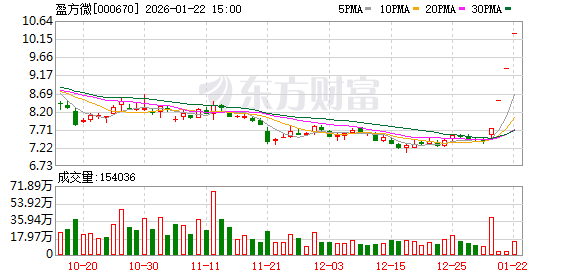
三连板的盈方微(000670)发布业绩预告,预计2025年公司亏损幅度可能同比扩大。业绩预告显示,2025年公司 实现归属于上市公司股东的净利润为-6900万元至-9700万元,扣非后净利润-6976万元至-9776万元,每股收 益-0.1187至-0.0844元。相比,2024年公司实现归属净利润-6197.04万元。 | 项目 | 本报告期 | | 上年同期 | | --- | --- | --- | --- | | 归属于上市公司股东的净利润 | -9. 700 | -6, 900 | -6, 197. 04 | | 扣除非经常性损益后的净利润 | -9.776 | -6, 976 | -6. 342. 99 | | 基本每股收益(元/股) | -0. 1187 | -0. 0844 | -0. 0759 | 对于亏损原因,公司介绍,受市场影响,分销业务部分产品销售价格下降、新产品线目前处于开拓状态,毛 利较低,从而导致整体毛利率下滑;另外,公司实施上市公司股权激励计划确认股份支付费用、大股东资助 款及对外融资确认财务利息费用、公司计提商誉减值准备等原因所致。盈方微通过控股子公司华信科及World St ...


硅基石油:AI狂飙下的存储芯片的国产突围战——从“超级周期”透视产业链价值与投资机遇(三)
Sou Hu Cai Jing· 2026-01-22 04:59
Core Viewpoint - The storage chip industry is experiencing a value reassessment driven by a super cycle and domestic substitution, shifting the investment perspective from financial performance to growth certainty and technological leadership [2] Group 1: Key Companies in the Industry - Changxin Technology has rapidly risen, achieving a global market share of 3.97% by Q2 2025, ranking fourth globally and first in China in terms of capacity, shipment volume, and sales [3] - The company has incurred cumulative losses of approximately 37 billion yuan from 2022 to Q3 2025, but expects revenue of 55 to 58 billion yuan and a net profit of 2 to 3.5 billion yuan for the full year of 2025 [5] - Yangtze Memory Technologies is a leader in domestic NAND Flash IDM, with its proprietary Xtacking® architecture enabling it to lead in technology and production efficiency [6][7] - Jiangbo Long utilizes a unique dual-mode manufacturing approach, allowing it to provide customized solutions that meet local customer needs, establishing a differentiated advantage in embedded storage and SSD markets [8] - Lanke Technology is a global leader in memory interface chips, particularly benefiting from the explosive growth in global server DRAM demand [9] Group 2: Equipment and Materials - Northern Huachuang and Zhongwei Company are domestic semiconductor equipment leaders, crucial for the production capacity and localization of storage chips [11] - Zhaoyi Innovation maintains a strong position in the Nor Flash niche market while actively expanding into the DRAM business, representing a platform-based storage supplier [11] Group 3: Strategic Implications - The super cycle of storage chips reflects a broader narrative about national strategy, focusing on data sovereignty, security, and industrial resilience [12] - The AI wave is redefining the value of storage, driving capital and technology towards high-end products like HBM and high-frequency DDR5, while reshaping the global supply chain [12][13] - The advancements of companies like Changxin Technology and Yangtze Memory Technologies are critical for establishing a stable domestic DRAM supply, essential for China's digital future [12][13]

封测涨价30%,国产算力产业链持续看好
East Money Securities· 2026-01-21 09:47
Investment Rating - The report maintains a rating of "Outperform" for the electronic industry, indicating a positive outlook compared to the broader market [2]. Core Insights - The report emphasizes that AI inference is driving innovation, with a focus on demand-driven Opex-related sectors, particularly in storage, power, ASIC, and supernodes [2][30]. - The semiconductor packaging industry is experiencing a significant price increase of 30%, driven by supply-demand imbalances and rising costs of raw materials [23][24][27]. - The report highlights the expected growth in the domestic computing power supply chain, particularly in storage and ASIC sectors, as companies like Yangtze Memory Technologies and ChangXin Memory Technologies expand production [2][30]. Summary by Sections Market Review - The Shanghai Composite Index decreased by 0.45%, while the Shenzhen Component Index increased by 1.14%. The Shenwan Electronics Index rose by 3.77%, ranking second among 31 Shenwan industries [1][13]. Weekly Focus - TSMC reported a 35% increase in profits, driven by strong demand for AI chips, with expected capital expenditures of $52 billion to $56 billion in 2026 [23]. - The packaging industry is benefiting from a recovery in demand, with companies like Li Cheng and Hua Dong Technology seeing increased capacity utilization and order visibility [23][24]. Storage Sector - The report anticipates a significant expansion year for NAND and DRAM production, driven by rising demand for SSDs and HBM products [30]. - Key players in the NAND and DRAM semiconductor supply chain include companies like Zhongwei Technology and Tuo Jing Technology [30]. Power Sector - The report identifies growth opportunities in the power sector, focusing on new technologies in both generation and consumption [31]. ASIC and Supernodes - The report expresses optimism regarding the full-stack model of ASIC inference, predicting an increase in market share for ASICs [31]. - It also notes the anticipated evolution of cabinet models, with growth expected in high-speed interconnects, cabinet manufacturing, and liquid cooling technologies [31]. Domestic Supply Chain - The report highlights improvements in domestic advanced process yields and capacity, which are expected to enhance the supply of domestic computing power chips [30][32].


最新!存储巨头联手减产NAND!
是说芯语· 2026-01-21 03:49
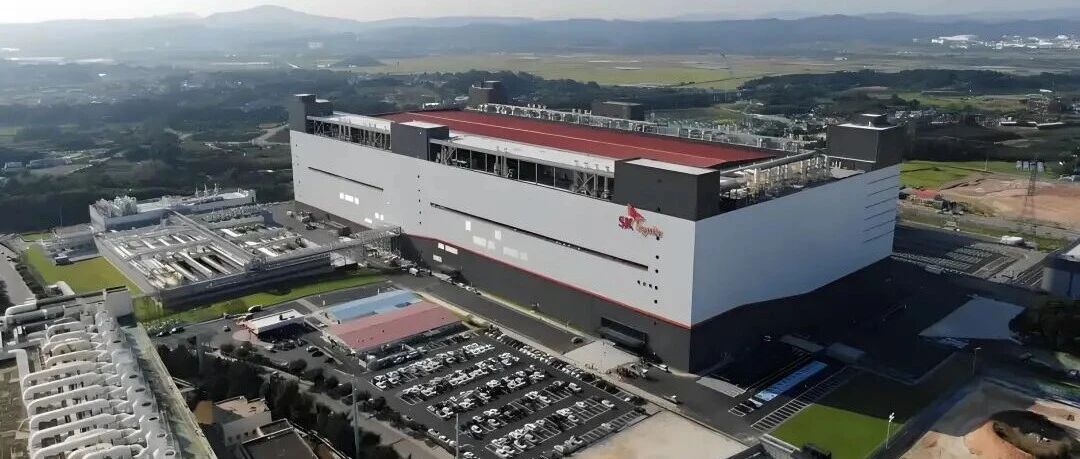
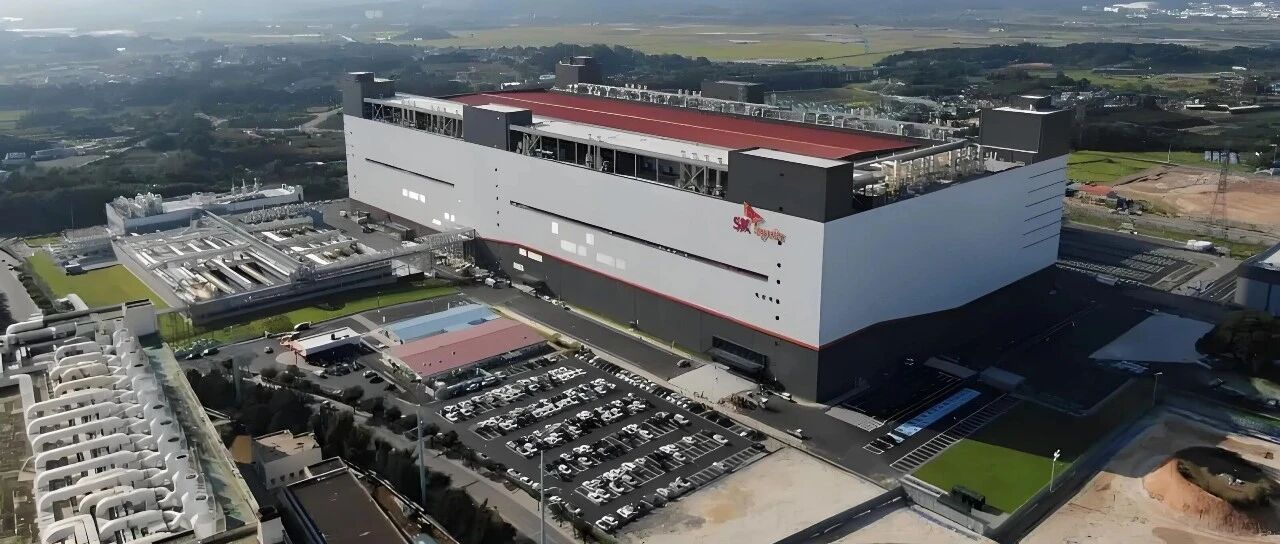
1月20日消息,据韩媒报道,根据最新数据,合计占全球NAND产能 60%以上的两大原厂三星电子和SK 海力士,今年将缩减在闪存上的晶圆投片量,这可能会进一步加剧NAND供应的短缺! 这种策略已立竿见影地反映在价格上,TrendForce预测,2026年第一季度NAND闪存合约价将环比大涨 33%至38%,并特别指出三星与SK海力士保守的生产基调是主要推手。 转自:国芯网 声明:本文仅为信息交流之用,不构成任何投资建议,股市有风险,投资需谨慎。 加入"中国IC独角兽联盟",请点击进入 是说芯语转载,欢迎关注分享 合作洽谈,进入公众号:服务—>商务合作 据悉,三星电子计划今年累计投入468万片NAND晶圆,而2025年是 490 万片;SK海力士今年产能规模 为170万片,而2025年是 190 万片。两家企业今年合计产能同比下降约 6.2%。 业界分析认为,三星与SK海力士之所以在需求看好时选择减产,主要基于三大核心考量,首先DRAM 目前的盈利远高于NAND闪存,因此大厂在设备投资的顺序上,自然更倾向于盈利能力更强的DRAM, 导致NAND闪存的产能扩充受到排挤。 其次随着AI数据中心对大容量SSD的需求激增 ...
刚刚!存储巨头联手减产NAND!
国芯网· 2026-01-20 12:00
Core Viewpoint - The article discusses the reduction in NAND flash production by major South Korean manufacturers Samsung Electronics and SK Hynix, which together account for over 60% of global NAND capacity, potentially exacerbating supply shortages in the market [2][4]. Group 1: Production Capacity and Trends - Samsung Electronics plans to invest a total of 4.68 million NAND wafers this year, while SK Hynix aims for 1.7 million wafers, resulting in a combined year-on-year capacity decrease of approximately 6.2% [4]. - The shift in production focus from NAND to DRAM is driven by higher profitability in DRAM, leading to reduced investment in NAND capacity [4]. - The demand for large-capacity SSDs in AI data centers is prompting manufacturers to transition production lines from TLC to QLC architectures, which naturally reduces output during the conversion process [4]. Group 2: Competitive Landscape - The rise of domestic manufacturers, particularly Yangtze Memory Technologies, which is expected to increase NAND flash production significantly starting in 2025, is influencing the production strategies of South Korean firms [4]. - The reduction in supply of general-purpose NAND flash for mobile devices and PCs is a strategic move to counteract low-price competition from Chinese manufacturers [4]. - TrendForce predicts a significant increase in NAND flash contract prices, with a forecasted rise of 33% to 38% in Q1 2026, attributing this to the conservative production stance of Samsung and SK Hynix [4].
闪德资讯存储市场洞察报告 2025年7月
闪德资讯· 2026-01-20 08:45
Investment Rating - The report does not explicitly state an investment rating for the industry Core Insights - The overall manufacturing sector is under pressure, with a global manufacturing PMI mostly in contraction territory, particularly affected by US-China tariff policies [6] - Major manufacturers are competing for high-end processes and AI memory market share, with companies like Samsung, Micron, and SK Hynix leading the charge in high-performance memory technologies [6] - Supply chain dynamics are tightening due to capacity concentration and rising material costs, particularly in the DDR4 and Flash memory markets [6] - The market is experiencing a shift towards high-end demand driven by AI applications, while low-end markets face pressure [6] Summary by Sections Macroeconomic Overview - The global manufacturing PMI indicates a contraction, with China's PMI at 49.3% in July, reflecting a slight decline [7][17] - Export structures are improving, with a notable increase in the export of high-value electronic products [6][22] Original Manufacturer Dynamics - Leading manufacturers are focusing on high-performance memory technologies, with South Asia becoming a key supplier for DDR4 [6][29] - Domestic manufacturers are accelerating the construction of independent production lines in response to sanctions [6][29] Supply Chain Movements - The concentration of DDR4 production is shifting to a few manufacturers, while Flash memory faces shortages in mid-to-low capacity chips [6][29] - The market is currently in a phase of inventory reduction, with DRAM prices experiencing fluctuations [6][29] Market Trends - The DRAM market has shifted from a surge in June to a period of adjustment, with DDR4 prices declining and DDR5 demand increasing [6][29] - The NAND market is seeing price increases for low-capacity chips, driven by supply constraints and rising demand [6][29] Application Changes - AI is driving demand for high-performance memory and SSDs, while low-end smartphone markets are under pressure due to supply chain issues [6][34] Upstream Market - The memory market is experiencing supply tightness due to the end-of-life plans for DDR4, with South Asia emerging as a dominant supplier [6][29] - The transition to DDR5 is accelerating, with expectations of increased market penetration in the coming quarters [6][32] Foundry Market - The demand for mature process nodes is declining, impacting the utilization rates of foundries [6][51] - Companies are focusing on niche markets to mitigate the impact of reduced demand in traditional sectors [6][52] Storage Controller Market - New products like the MonTitan SM8466 PCIe Gen6 SSD controller are being introduced, enhancing performance and capacity for enterprise storage [6][54] - The demand for high-end storage solutions is increasing, driven by the rise of AI applications [6][55]