华熙生物

Search documents
掘金新消费 - 医美产业链动态更新
2025-07-11 01:13
Summary of the Medical Aesthetics Industry Conference Call Industry Overview - The Chinese medical aesthetics market has a penetration rate of only about 4%, significantly lower than South Korea's 20%, indicating substantial growth potential [2][4] - The market is still in its early stages, with a lack of standardization and a mix of formal and informal institutions [2][4] Key Insights and Arguments - The rise of "light medical aesthetics" is seen as a future direction due to its lower entry barriers and ease of replication, with service frequency increasing from 30% to 70% post-pandemic, and an expected market size of 140 billion RMB [1][4] - New Oxygen's pre-discount model may disrupt traditional institutions, which face high customer acquisition costs and intense price competition [1][4] - New Oxygen has optimized its single-store model, increasing traditional store profit margins from less than 5% to 15% by reducing customer acquisition costs and adopting a light medical aesthetics small store model [1][6][9] Company Strategies - New Oxygen is implementing a simulated chain model that minimizes reliance on doctor IP, establishing a centralized platform for marketing, product development, and supply chain management [9] - The company plans to increase its store count to over 50 by the end of the year and is opening up franchising opportunities to rapidly replicate its light asset model [9] - New Oxygen has invested over 1 billion RMB in upstream supply chain integration, with plans to launch more proprietary products [10] Market Dynamics - The medical aesthetics industry is shifting towards a volume-based model, focusing on bulk sales and affordability through standardized operations and quality service to enhance customer retention [3][11] - The average customer acquisition cost in the industry is around 2000 RMB, with traditional institutions facing high operational costs due to a lack of standardization and high marketing expenses [5][6] Competitive Landscape - Four Ring Pharmaceutical is expected to contribute new revenue streams with products like the "Youthful Needle" and "Girl Needle," targeting a sales goal of 1 billion RMB for its botulinum toxin product [3][13] - Kedi has launched a finasteride spray, anticipating peak sales of at least 1 billion RMB, enhancing its competitive position in the hair loss market [14] - Huadong Pharmaceutical has introduced high-end hyaluronic acid products, with expectations of significant sales growth [15] Future Outlook - The light medical aesthetics market in China is projected to accommodate over a thousand stores, with potential revenues of 40 billion RMB and profits of 6 billion RMB if the market penetrates effectively [12] - The overall sentiment in the medical aesthetics sector is improving, with increased attention and potential for further developments in the third quarter of 2025 [19]

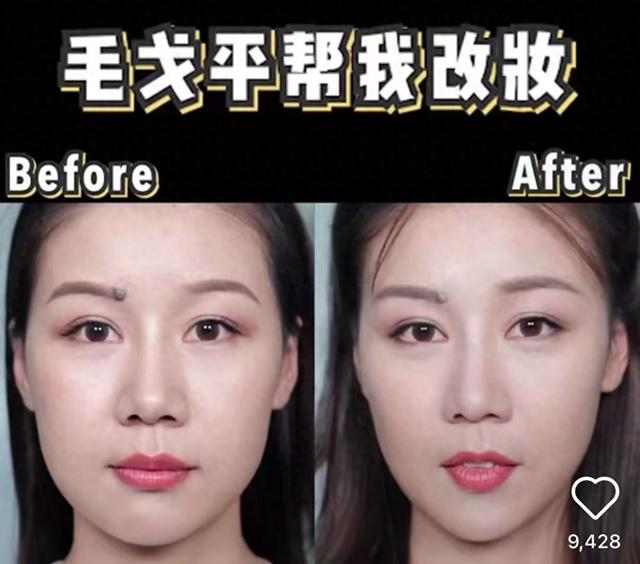
“神化”毛戈平
Guan Cha Zhe Wang· 2025-07-10 11:15
Core Insights - The article highlights the rise of Maogeping as a high-end beauty brand in China, leveraging its unique makeup techniques and strong brand identity to capture market share and consumer loyalty [3][4][11]. Brand Positioning - Maogeping has established itself as a high-end brand from its inception, aiming to create a national pride in Chinese cosmetics [4][5]. - The brand's strategy focuses on high-end shopping malls, differentiating itself from other domestic brands that often adopt a "rural encirclement" approach [5][6]. Sales Channels - Despite the shift towards online sales, Maogeping maintains a strong emphasis on offline retail, with 2024 offline sales reaching 19.49 billion yuan, a 21.6% increase year-on-year [12]. - The brand's offline channels still account for a significant portion of revenue, with a member repurchase rate of 34.9%, higher than online channels [12][15]. Product Offerings - Maogeping's product line includes both makeup and skincare, with a notable focus on high-margin products. The retail sales of its "Light Sensation No Trace Powder" exceeded 2 billion yuan by mid-2024 [11][19]. - The skincare segment has shown strong performance, with the "Luxury Caviar Mask" generating over 4 billion yuan in retail sales [19]. Customer Experience - The brand employs over 2,800 trained beauty consultants across more than 120 cities, enhancing the customer experience through personalized service [9][12]. - The unique "Bone Structure Makeup Method" developed by Maogeping is a key selling point, providing immediate visual results for consumers [9][11]. Market Trends - The article notes a trend among domestic beauty brands to adopt fast fashion-like operational models, which contrasts with Maogeping's high-end positioning [7]. - Maogeping's focus on high-quality service and product experience positions it well to capture demand from consumers seeking premium beauty solutions [11][19]. Financial Performance - In 2024, Maogeping's net profit margin reached 22.7%, indicating strong profitability compared to competitors [7][12]. - The brand's overall repurchase rate exceeds 30%, reflecting strong customer loyalty and satisfaction [13][15]. Future Outlook - Maogeping aims to expand its product range further into skincare and body care, with recent launches indicating a strategic shift towards becoming a comprehensive beauty group [20][23]. - The brand's low R&D investment of 0.8% raises concerns, but its training schools continue to supply skilled consultants, reinforcing its market position [23].


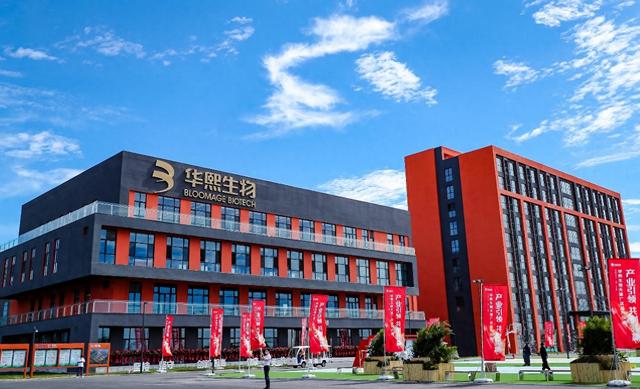
“零缺陷”通过美国FDA审计,华熙生物全球信赖持续升级
Huan Qiu Wang· 2025-07-10 04:39
Core Viewpoint - Huaxi Biological Technology Co., Ltd. has received a "zero defect" result from the FDA, indicating the highest level of compliance in its quality management system, which will enhance its global market competitiveness and facilitate overseas business expansion [1][2]. Group 1: FDA Audit and Certification - The FDA audit lasted five days and was conducted according to ICH Q7 guidelines, covering six major systems including quality systems and laboratory systems, confirming the company's meticulous management and commitment to quality [2]. - This is not the first time Huaxi Biological has received a "zero defect" recognition; it previously passed a similar audit by the Korean MFDS in February 2025 [2]. - The company has successfully passed five FDA audits, one PMDA audit in Japan, and two MFDS audits in Korea for its sodium hyaluronate raw materials [2]. Group 2: Global Market Position - Huaxi Biological has established a significant presence in the global market, holding 34 registration qualifications across various countries, including the EU, the US, Japan, and Korea, making it one of the suppliers with the most comprehensive registrations for pharmaceutical-grade sodium hyaluronate [2][4]. - The company has a marketing and supply chain network spanning over 70 countries and regions, with overseas subsidiaries in key markets such as the US, France, Japan, and South Korea [4]. Group 3: Product Development and Recognition - In addition to raw materials, Huaxi Biological has received global recognition in skin science innovation and medical devices, recently obtaining a medical device registration certificate from Brazil's ANVISA, known for its stringent regulatory standards [4]. - The company has accumulated over 70 medical device and skincare product registrations across more than 15 countries or regions [4]. Group 4: Long-term Strategy and Investment - Huaxi Biological emphasizes long-term research and development investment, maintaining high standards and a stable supply chain to build a strong foundation for quality products and brand development [5]. - The company follows a "technology breakthrough—quality control—global compliance—standard leadership" model, focusing on international standards and resource allocation to enhance its industrial capabilities and product standards [5].

34亿重注!前首富钟睒睒押宝北交所“胶原蛋白之王”,医美新风口决战打响
Xin Lang Zheng Quan· 2025-07-10 02:41
Core Insights - Zhong Shanshan's investment of 3.4 billion yuan in Jinbo Biological, acquiring 10.58% equity, marks the largest cash capital increase in the history of the Beijing Stock Exchange, highlighting a significant shift in the medical beauty industry landscape [1][5] - Jinbo Biological, a leader in the recombinant collagen sector, holds three Class III medical device certifications, establishing a formidable technical barrier in the market [2] - The recombinant collagen market is projected to grow at a compound annual growth rate (CAGR) of 45%, reaching 219.38 billion yuan by 2030, making it a critical growth area for Zhong's health empire [3] Company Overview - Jinbo Biological's revenue for 2024 is expected to reach 1.443 billion yuan, a year-on-year increase of 84.92%, with a net profit of 732 million yuan, up 144.27% [2] - The company's gross margin for medical devices is an impressive 95.03%, surpassing that of major brands like Moutai [2] - Despite its strong financials, Jinbo Biological relies heavily on its flagship product, "Wei Yimei" injection, which accounts for over 88% of its medical device revenue, indicating a potential growth bottleneck due to limited consumer brand performance [2] Strategic Implications - Zhong Shanshan's investment is not merely financial but a strategic move to find new growth avenues as his other businesses face slowdowns [3] - The collaboration between Zhong's Yangshengtang and Jinbo Biological aims to leverage Yangshengtang's extensive retail network and marketing capabilities to enhance Jinbo's consumer outreach [3] - The 2 billion yuan capital increase will fund the development of a recombinant collagen FAST database and product development platform, utilizing AI and high-throughput technologies to accelerate innovation [3] Industry Dynamics - The recombinant collagen market is poised for intense competition, with major players like Juzhi Biological and Huaxi Biological entering the space, potentially disrupting Jinbo's market position [4] - Advances in synthetic biology are expected to significantly reduce production costs, transforming recombinant collagen from a luxury product to a standard skincare item, which may trigger price wars [4] - The success of consumer brands in the market, such as Juzhi Biological's "Ke Fumei" mask generating 5.5 billion yuan in annual revenue, underscores the importance of consumer engagement for growth [4] Conclusion - Zhong Shanshan's substantial investment in Jinbo Biological is a catalyst for accelerating growth in the recombinant collagen sector, setting the stage for a competitive landscape in the medical beauty industry [5] - The ability of Jinbo Biological to transition from a B2B focus to a more consumer-oriented approach will be critical in navigating the evolving market dynamics [5]
护肤行业的“功效叙事”,隐忧渐显
Hu Xiu· 2025-07-10 02:09
Core Insights - The skincare industry is experiencing intense competition in technology, with numerous suppliers showcasing unique ingredients and certifications at a recent cosmetics trade show [1][2][3] - The trend of emphasizing active ingredients and technical claims on product packaging is prevalent, as brands seek to carve out market positions by replicating successful commercial models [4][5] - The lack of authoritative industry standards and clarity on ingredient efficacy is causing confusion and skepticism among consumers [6][7][8] Group 1: Active Ingredients and Technology Trends - Active proteins and plant extracts remain core competitive areas in the skincare industry, with leading brands continuing to invest heavily in research and development [10][11] - The popularity of active proteins is driven by their previous applications in medical and aesthetic fields, which lend credibility to their use in consumer products [15][20] - New technologies in plant extraction are emerging, aiming to address traditional challenges such as stability and absorption rates [18][19] Group 2: Marketing and Industry Challenges - The rapid iteration of core ingredients in domestic beauty brands has outpaced normal industry evolution, leading to communication gaps between technology, products, and consumers [22][23] - The absence of unified national standards for new ingredients has resulted in market confusion and potential harm to consumers [24][26] - Overemphasis on marketing claims has led to exaggerated efficacy narratives, causing consumer dissatisfaction and adverse reactions [30][31][33] Group 3: Future Directions and Brand Strategies - The skincare industry is entering a period of deep adjustment, with competition shifting from ingredient-based to ecosystem-building capabilities [37][39] - Brands must find new competitive advantages beyond ingredient efficacy, such as emotional value and consumer experience [41][42] - The rise of niche markets, including male skincare and elderly care, presents new opportunities for growth and diversification [48][49]
女教师创业成“山西女首富”,被钟睒睒投资了
Sou Hu Cai Jing· 2025-07-10 02:02
Core Insights - The annual "500 Wealth Creation List" by New Fortune has been released, with Zhang Yiming of ByteDance topping the list for the first time at 481.5 billion yuan, while Zhong Shanshan's wealth has decreased to 360 billion yuan, dropping him to second place after four consecutive years as the richest [1][22]. Company Overview - Zhong Shanshan's business empire has faced significant challenges, with Nongfu Spring's bottled water revenue declining by 21.3%, marking its worst performance since going public, and Wantai Biological's net profit plummeting by 91.5% due to increased competition in the HPV vaccine market [2][22]. - Despite these setbacks, Zhong has actively invested in new ventures, including a 3.4 billion yuan stake in Jinbo Biological, a rising player in the medical beauty sector [2][23]. Industry Dynamics - The medical beauty industry is characterized by the emergence of "female billionaires," with notable figures like Yang Xia, founder of Jinbo Biological, who has a net worth of 11.5 billion yuan [4][6]. - Jinbo Biological, established later than its competitors, has seen its stock price surge by 802% since its listing on the Beijing Stock Exchange in 2023, reaching a market value of over 50 billion yuan [7][11]. - The company has achieved a gross margin of 92.02%, surpassing that of Moutai, despite its revenue being significantly lower than that of its competitors [11][15]. Financial Performance - Jinbo Biological's revenue has grown from 233 million yuan in 2021 to 1.443 billion yuan in 2024, with net profit increasing from 57 million yuan to 732 million yuan during the same period [11][12]. - The company has successfully commercialized its recombinant collagen products, receiving multiple medical device registrations, which has contributed to its competitive edge [11][12]. Market Challenges - The medical beauty sector is currently experiencing intense competition, particularly in the recombinant collagen market, which has seen a decline in the popularity of hyaluronic acid products [12][15]. - Jinbo Biological's marketing expenses have surged by 56.73% in 2025, indicating a strategic shift towards expanding its consumer market presence [15][17]. - The company faces challenges in building brand recognition among consumers, as a significant portion of its revenue is still reliant on medical institutions [15][17]. Strategic Moves - Zhong Shanshan's investment in Jinbo Biological is seen as a strategic move to enhance his business portfolio, particularly in the high-margin collagen market, which is projected to reach a market size of 219.3 billion yuan by 2030 [21][23]. - The partnership with Yang Xia and Jinbo Biological is expected to leverage Zhong's existing distribution networks to strengthen brand presence in the consumer market [21][23].

八成受访消费企业今年拟引入或加大AI技术应用
Nan Fang Du Shi Bao· 2025-07-09 23:10
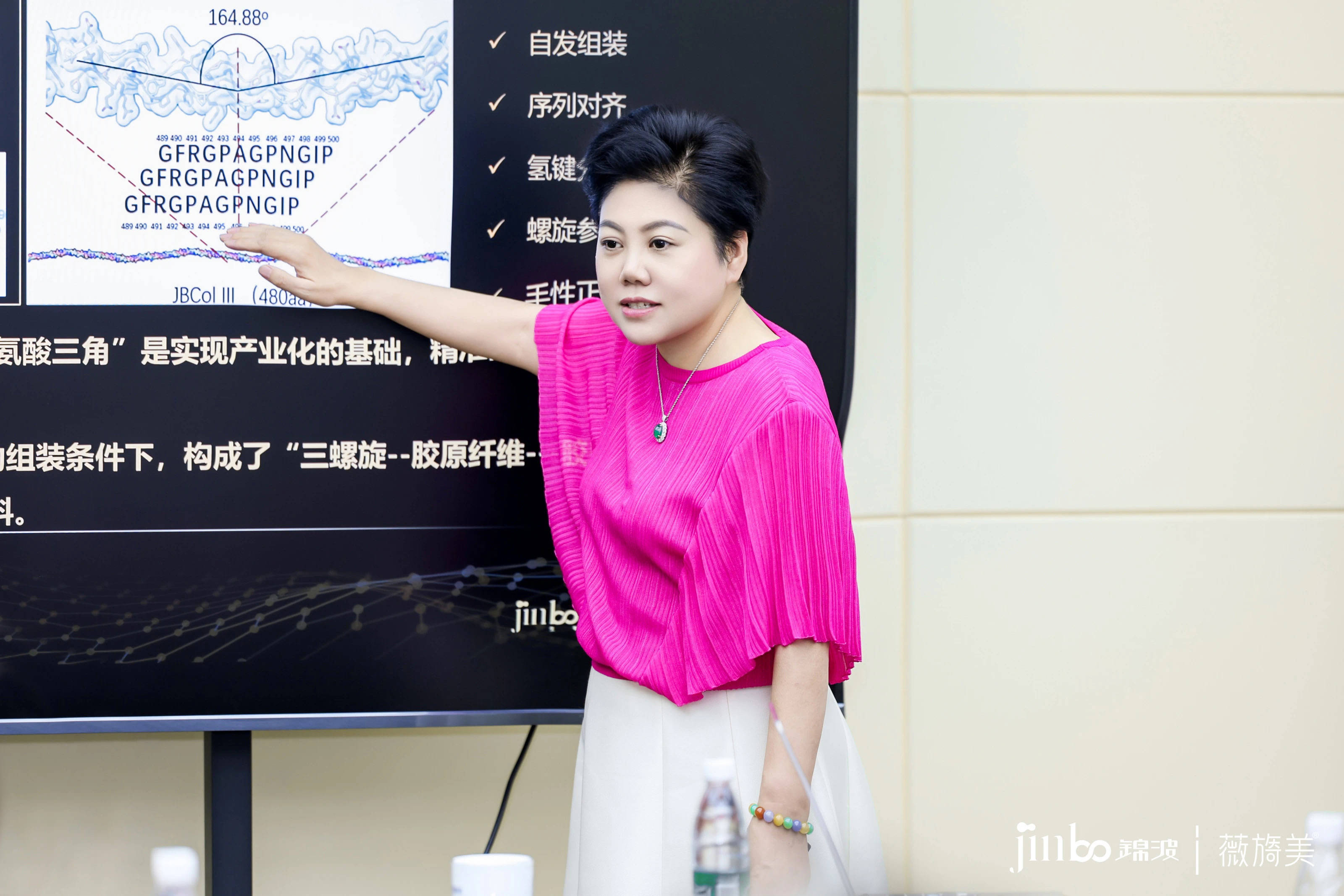
Core Insights - The "2025 High-Quality Consumption Brand TOP 100" list is being unveiled, highlighting trends in consumer behavior and brand innovation across various sectors [9] - The report identifies four major trends: health consciousness driving wellness and sports consumption, AI enhancing product and service upgrades, novel experiences igniting consumer enthusiasm, and emotional value unlocking new consumption scenarios [9] Group 1: Candidate Brands and Market Trends - Candidate brands are concentrated in nine primary sectors, including beauty economy, health food, outdoor sports, smart electronics, experience economy, consumer technology, interest consumption, and pet economy [10] - The health and wellness sector is seeing significant growth, with brands focusing on outdoor sports and health products, driven by a national initiative promoting weight management [11] - AI technology is becoming a core competitive advantage in high-end home appliances, with brands integrating AI features into their products [11] Group 2: Brand Age and Distribution - Over 70% of candidate brands were established within the last 30 years, with nearly 40% founded within the last 10 years, indicating a trend towards newer brands [13] - Shanghai has the highest concentration of candidate brands, with a significant presence of foreign brands, while Beijing is recognized for its consumer technology brands [14][15] Group 3: Emerging Consumption Trends - The demand for functional skincare products is rising, with brands focusing on specific skin issues and leveraging e-commerce for sales growth [16][17] - Outdoor sports consumption is becoming more segmented, with traditional apparel brands entering the market to capture this growing trend [18] - The concept of "new Chinese wellness" is gaining traction, with brands emphasizing health and wellness in their product offerings [20] Group 4: Cultural and Global Expansion - Companies are increasingly looking to expand internationally, with a focus on brand, culture, and service exports, adapting to global market demands [25][26] - The "AI + consumption" trend is reshaping the consumer landscape, with businesses planning to integrate AI technologies into various aspects of their operations [27][28]
全球首个!非动物源肝素平台落户光明
Shen Zhen Shang Bao· 2025-07-09 16:35
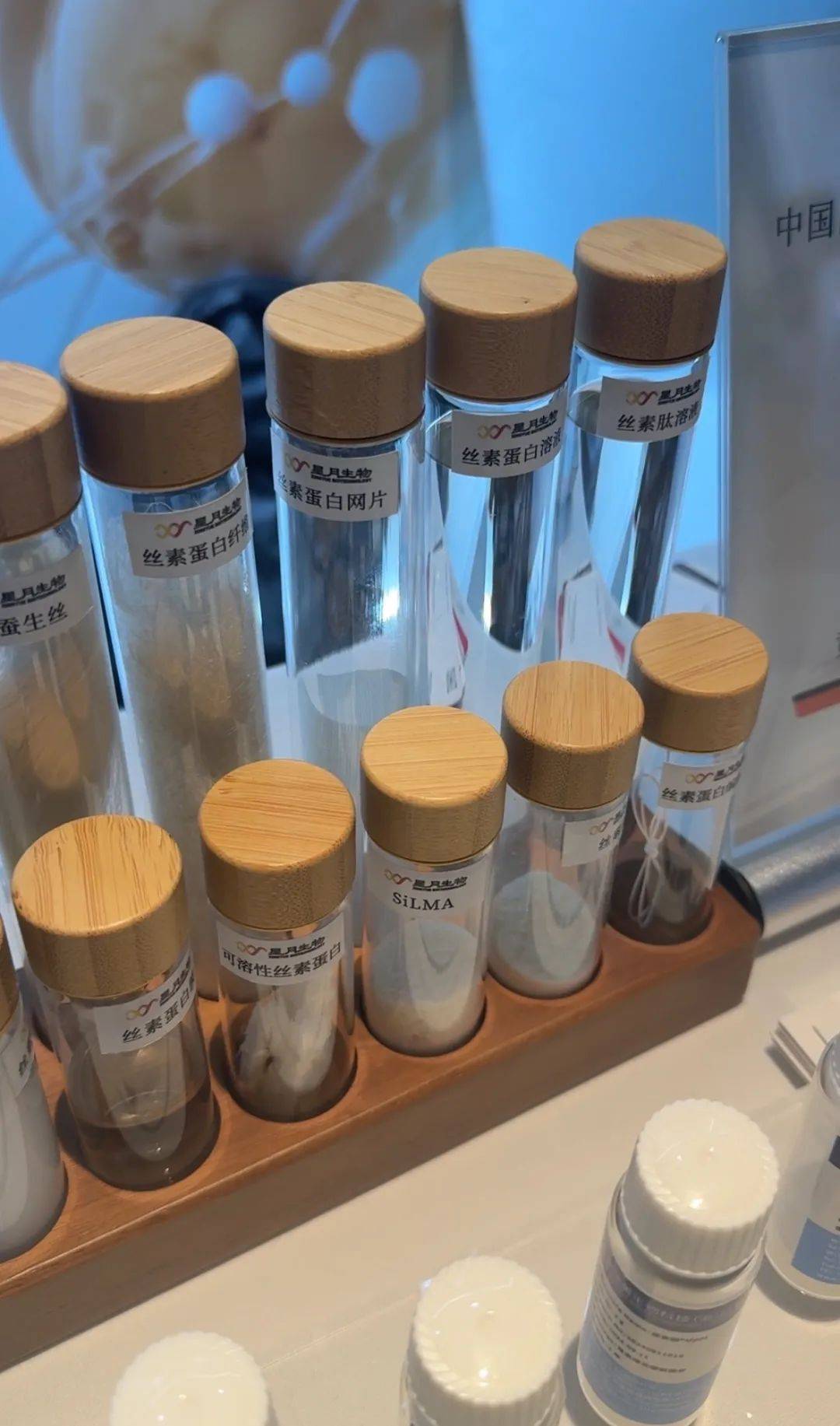
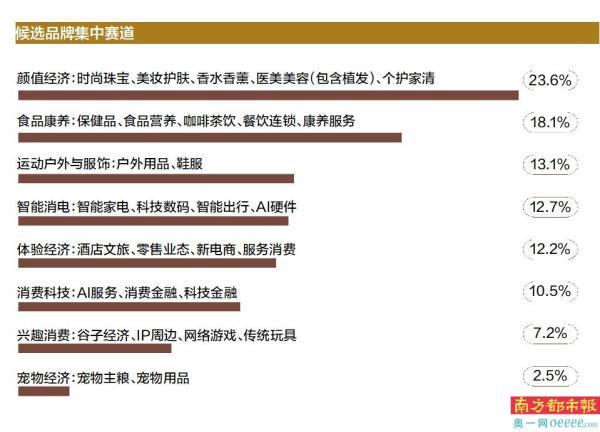
Group 1 - The establishment of Huaxi Tang'an Bio-Tech in Guangming marks a significant strategic deployment for Huaxi Bio, expanding its diversification beyond hyaluronic acid and establishing a global non-animal heparin full industry chain platform in the Guangdong-Hong Kong-Macao Greater Bay Area [2] - Huaxi Bio focuses on synthetic biology, with four main business segments: bioactive raw materials, pharmaceuticals and medical devices, skin science innovation, and nutritional science innovation, featuring brands such as Runzhi, Runbaiyan, Kuadi, Mibeier, and BM Jihuo [2] - Huaxi Tang'an has achieved multi-dimensional technological breakthroughs in the field of fully enzymatic synthesis of heparin, with applications in cosmetics, pharmaceuticals, and medical devices, serving as key drugs for the prevention and treatment of thromboembolic diseases, myocardial infarction, and anticoagulation in cardiovascular surgeries [2] Group 2 - The signing ceremony included agreements with Guangming District, the National Bio-Manufacturing Industry Innovation Center, and Xingbo Shenghui Private Venture Capital Fund for landing and angel round financing [3] - A roundtable forum titled "Synthetic Biology Empowering Heparin Industry Transformation" was held with key figures from academia and industry, including Zhang Xian'en, Guo Xueping, Ma Yingfei, Gu Zheyi, and Fang Xing [3] Group 3 - Guangming District has gathered over 130 enterprises in the synthetic biology field, with an estimated industry valuation of nearly 40 billion [4]
高考结束,扎堆整容
36氪· 2025-07-09 13:05
Core Viewpoint - The article discusses the rising trend of cosmetic surgery among younger generations in China, highlighting the psychological release it provides rather than a complete transformation of self [3][43]. Industry Overview - The Chinese medical beauty market is projected to reach a scale of 350 to 400 billion yuan by 2025, with Generation Z (born after 1995) contributing 62% of the consumption share, averaging an annual expenditure of 28,000 yuan, significantly higher than the "post-80s" generation [9][10]. - The demand for medical beauty services is rapidly increasing, leading to the growth of companies like Huaxi Biological, Aimeike, and Haohai Biological, which are referred to as the "three swordsmen of medical beauty" due to their high profit margins comparable to that of Moutai [10]. Consumer Behavior - Young consumers are increasingly seeking cosmetic procedures as a means of personal expression and self-improvement, often driven by social media influences and peer comparisons [17][39]. - The trend has shifted from invasive surgeries to "light medical beauty," where non-surgical procedures are preferred, reflecting a desire for natural and comfortable appearances [26][30]. Psychological Aspects - The article emphasizes that many young individuals view cosmetic surgery as a solution to their insecurities, often influenced by societal standards of beauty propagated through social media [39][41]. - The experiences of individuals like Chuyu and Yezi illustrate that cosmetic surgery can lead to a psychological release, allowing them to accept themselves better and reduce self-criticism [43]. Market Trends - There is a notable trend of younger individuals, particularly high school and university graduates, seeking cosmetic enhancements as part of their transition into adulthood, often viewing it as a necessary step for confidence in job hunting and social interactions [24][25]. - The article also highlights the increasing prevalence of non-surgical procedures, which are perceived as less risky and more accessible, contributing to the growing popularity of the medical beauty industry among the youth [26][29].

字节飞书发布并升级多款AI产品,助力多个行业头部公司落地AI
Zheng Quan Shi Bao Wang· 2025-07-09 12:17
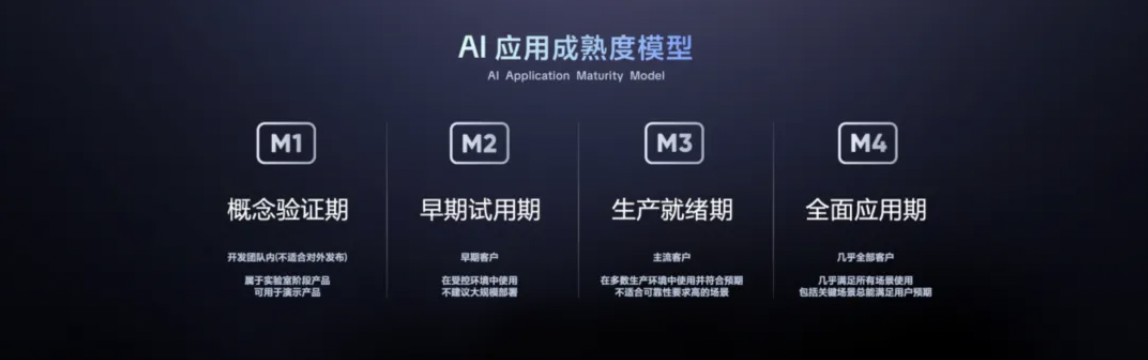
Core Viewpoint - AI models are becoming essential tools for enhancing workplace efficiency, but their implementation in enterprises faces significant challenges [1] Group 1: AI Product Launch and Features - Feishu launched several AI products including Knowledge Q&A, AI Meetings, Feishu Aily, and Feishu Miaotai, aimed at improving enterprise efficiency [1][5] - The Knowledge Q&A tool is designed to provide precise answers based on accessible company information, achieving M3 maturity level for stable usage in common scenarios [5] - AI Meetings, the most mature product, has reached M4 maturity, offering features like meeting summaries, playback videos, and personalized reports based on user activity [5] Group 2: AI Product Maturity Model - The Feishu team introduced an "AI Product Maturity Model" categorizing AI applications into four levels: M1 (concept validation), M2 (early trial), M3 (production-ready), and M4 (fully mature) [2] - This model helps enterprises assess the usability of AI tools, emphasizing the need for deep integration with existing business processes and data [2] Group 3: Industry Adoption and Client Base - Feishu's client base includes over 60% of the top 30 car manufacturers in the new energy vehicle sector, with notable brands like Xiaopeng, NIO, and Li Auto using the platform [7] - In the consumer sector, more than 80% of listed tea brands and domestic beauty brands are clients of Feishu, indicating strong market penetration across various industries [7][6]