
重组人源化胶原蛋白

Search documents
DT新叶奖投票火热进行中!每天3票,快来为你看好的产品打Call
合成生物学与绿色生物制造· 2026-03-19 00:41
Core Viewpoint - The 2026 DT New Leaf Award aims to recognize and promote innovation in the bio-based industry, showcasing over 50 participating companies and 70 products, with voting and evaluation processes set to take place from March 16 to March 27, 2026, culminating in an award ceremony on May 21, 2026, during the 11th Bio-based Conference in Shanghai [5][30]. Group 1: Award Structure and Process - The DT New Leaf Award is a global, professional, and comprehensive award focused on innovation in the bio-based sector, often referred to as the "Oscar of the bio-based industry" [5]. - The award features four main categories: Most Innovative Application Award, Innovative Materials Award, Most Commercially Valuable Award, and Innovative Industry Solutions Award [3][11]. - Voting will consist of online votes (20%) and expert evaluations (80%), with a total score of 100 points [30][31]. Group 2: Participating Companies and Products - Over 50 companies have registered, with notable entries including: - China Resources Double Crane with 1,4-Butanediamine - Qi Ye Technology with non-grain cellulose crystalline glucose and high-quality enzymatic lignin [7][9]. - The Innovative Materials Award aims to discover key platform compounds and encourage source innovation from "0" to "1" [6]. Group 3: Evaluation Criteria - The evaluation criteria for the awards include: - Innovation in technology and application - Functionality - Commercial value - Sustainability [31]. - Each award category has specific weightings for these criteria, emphasizing the importance of both innovation and commercial viability [31]. Group 4: Jury and Expert Involvement - A jury of over 20 experts from various sectors, including footwear, automotive, packaging, and home appliances, will participate in the evaluation process [14]. - The jury will conduct online assessments during the evaluation phase from March 23 to March 27, 2026 [14]. Group 5: Event Timeline - Key dates for the award process include: - Registration deadline: March 13, 2026 - Online voting: March 16-22, 2026 - Expert evaluation: March 23-27, 2026 - Award ceremony: May 21, 2026 [30]. Group 6: Industry Impact - The DT New Leaf Award aims to bridge the gap between laboratory innovations and market applications, providing a platform for bio-based materials to find practical uses [10]. - The initiative is expected to drive the bio-based industry towards sustainable development and low-carbon solutions [5].

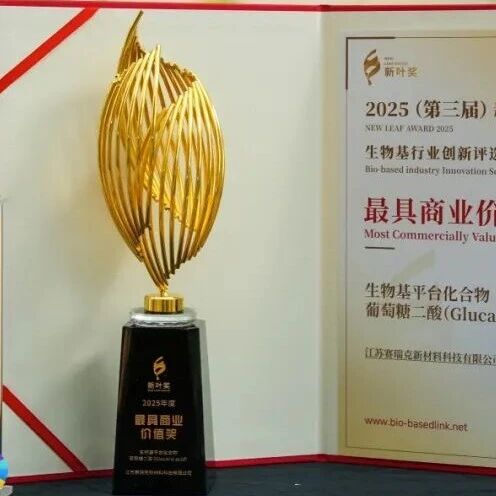
线上投票倒计时5天!DT新叶奖3.16启动线上投票!50+家单位,70+新品已参选,30+评委已加盟
合成生物学与绿色生物制造· 2026-03-12 07:53
Core Viewpoint - The 2026 DT New Leaf Award aims to recognize and promote innovation in the bio-based industry, showcasing sustainable solutions and products that contribute to low-carbon development [4][10]. Group 1: Award Overview - The 2026 DT New Leaf Award is a global, professional, and comprehensive award focused on innovation in the bio-based sector, often referred to as the "Oscar of the bio-based industry" [4]. - The award is organized by DT New Materials and the Bio-based Energy and Materials Committee, emphasizing the importance of renewable biomass and green technology [4]. - The online voting period is set from March 16 to March 22, 2026, followed by an online review from March 23 to March 27, 2026 [4][25]. Group 2: Participating Companies and Products - Over 50 listed and representative companies have submitted more than 70 new products for the 2026 DT New Leaf Award [4]. - Notable entries include: - China Resources Double Crane: 1,4-Butanediamine [6] - Qi Ye Technology: Non-grain cellulose crystalline glucose and high-quality enzymatic lignin [6] - Haosen Bio: Bio-based 1,5-Pentanediol [6] - Various other companies with innovative bio-based materials and applications [6][7][8]. Group 3: Award Categories - The awards include several categories: - Innovation Material Award: Focuses on discovering key platform compounds and innovative materials [5]. - Innovation Application Award: Bridges laboratory innovations to market applications [7]. - Most Commercially Valuable Award: Identifies future stars in the bio-based industry with both environmental and economic value [8]. - Innovative Industry Solution Award: Addresses common challenges in large-scale production and quality control [9]. Group 4: Evaluation Process - The evaluation will involve a panel of over 20 experts from various industries, including sportswear, automotive, packaging, and home appliances [10]. - The scoring system allocates 20 points for online voting and 80 points for expert reviews, totaling 100 points for each entry [25][26].
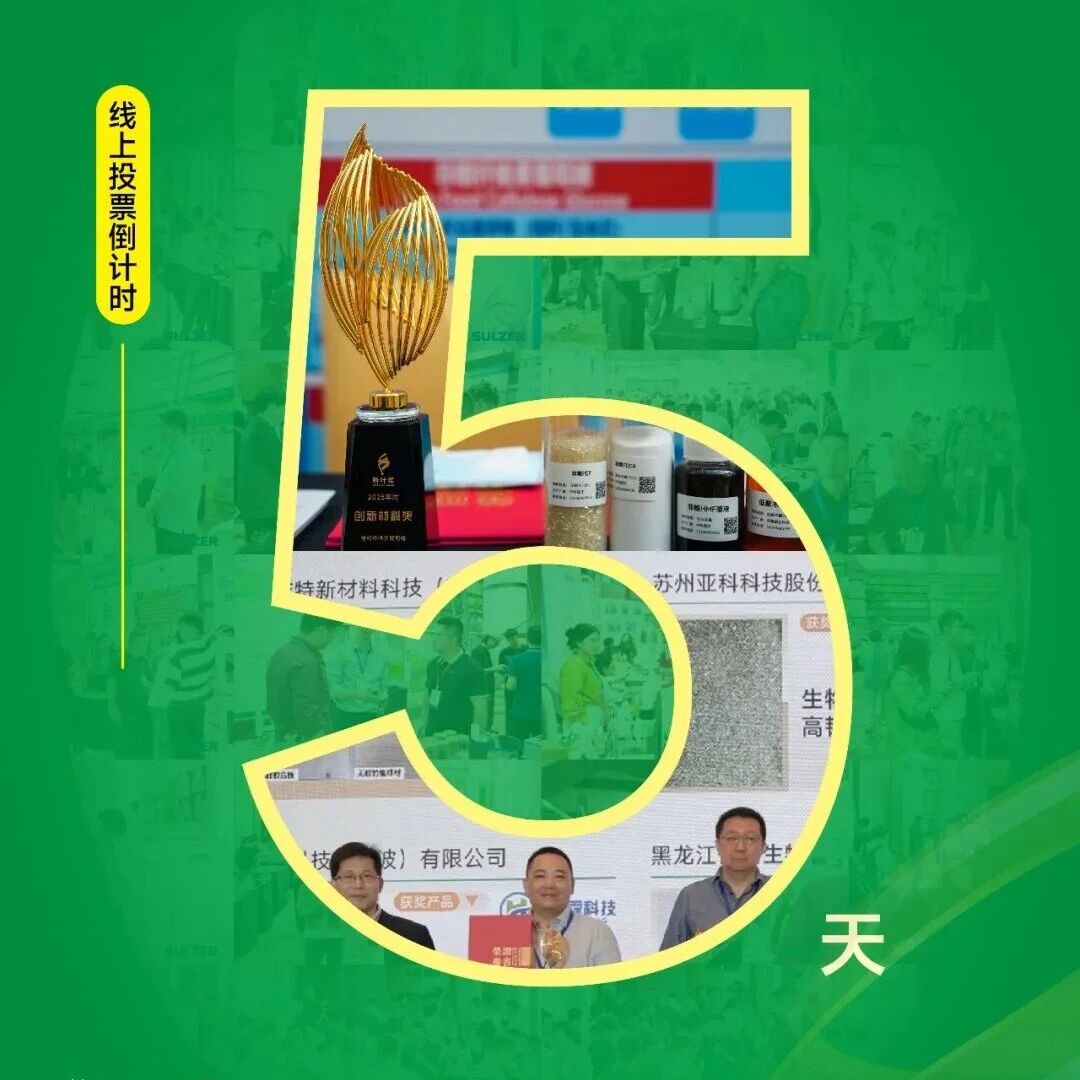
DT新叶奖参选名单揭晓!近50家单位,60+新品,20+评委(报名截止3.13)
合成生物学与绿色生物制造· 2026-02-28 03:44
Core Viewpoint - The 2026 DT New Leaf Award aims to recognize and promote innovation in the bio-based industry, showcasing the potential of sustainable materials and technologies [2]. Group 1: Award Overview - The DT New Leaf Award is a global, professional, and comprehensive award focused on innovation in the bio-based sector, often referred to as the "Oscar of the bio-based industry" [2]. - The award seeks to discover pioneering companies that utilize renewable biomass and green technologies to drive low-carbon innovation and sustainable development [2]. Group 2: Participating Companies and Products - A total of nearly 50 listed and representative companies have submitted over 60 products for the 2026 DT New Leaf Award [2]. - Categories for the award include: - **Innovation Material Award**: Focuses on discovering key platform compounds and innovative materials in the bio-based sector [2]. - **Innovation Application Award**: Bridges the gap between laboratory innovations and market applications for bio-based materials [6]. - **Most Commercially Valuable Award**: Identifies bio-based industry stars that combine environmental value with economic benefits [7]. - **Innovative Industry Solution Award**: Addresses common challenges in large-scale production and quality control within the industry [9]. Group 3: Award Process and Timeline - The application process includes several stages: registration and nomination, online voting for preliminary selection, online competition, and expert review for final selection [14]. - Key dates include: - Registration deadline: March 13, 2026 - Online voting: March 16-22, 2026 - Expert review: March 23-27, 2026 - Award ceremony: May 21, 2026 [15]. Group 4: Judging Panel - The judging panel consists of over 20 experts and executives from various sectors, including sportswear, automotive, packaging, and home appliances [10]. - Notable companies represented in the judging panel include Anta, Bosideng, and Goodyear [11][12].




北交所投资框架工具书:北交所市场大消费投资框架及核心标的的梳理-20260213
Hua Yuan Zheng Quan· 2026-02-13 03:34
Consumption Trends - The emotional economy market in China is expected to exceed 20 trillion yuan in 2024, with a projected CAGR of 14% from 2025 to 2029[3][60]. - The beauty consumption market is projected to reach nearly 370 billion yuan by 2025, with the retail sales of cosmetics in China estimated at 465.3 billion yuan in 2025, reflecting a year-on-year growth of 5.1%[5][51]. - The health food market is anticipated to reach 720.3 billion yuan by 2029, driven by increasing health awareness and aging population[5]. Policy and Market Dynamics - The Chinese government has prioritized boosting consumption as a key task for 2025, with policies supporting consumption upgrades and equipment renewal[5][9]. - Changing consumer behavior emphasizes emotional value, health, and personalized consumption, indicating a shift towards emotional and social fulfillment in purchasing decisions[5][9]. Key Industry Insights - The maternal and infant food market is projected to reach approximately 55.91 billion yuan in 2024, with the number of maternal and infant chain stores increasing from 21,000 in 2019 to 32,000 in 2024[5]. - The pet economy is expected to grow significantly, with the market size reaching 701.3 billion yuan in 2024, reflecting an 18% year-on-year increase[58]. Investment Opportunities - Companies in the North Exchange related to beauty consumption include Jinbo Biological, Bawei Co., and Vicky Technology, which are positioned to benefit from the ongoing growth in the beauty sector[5][52]. - The health food sector includes leading brands like Kangbiter and Yizhi Konjac, which are well-placed to capitalize on the rising demand for health-oriented products[5].
北交所消费服务产业跟踪第四十六期(20260104):政策支持与消费热点频现,2026年北交所消费企业投资方向梳理-20260106
Hua Yuan Zheng Quan· 2026-01-06 07:58
Investment Rating - The report indicates a positive outlook for the consumer service industry on the Beijing Stock Exchange, highlighting investment opportunities driven by policy support and emerging consumption trends [1][22]. Core Insights - The consumer market in China has shown signs of recovery, with the Consumer Price Index (CPI) reaching a year-high growth of 0.7% in November 2025, while the Producer Price Index (PPI) has shown marginal improvement [2][5]. - The report identifies several consumption hotspots, including policy-driven consumption, emotional economy, health consumption, silver economy, national trend economy, and experience economy [2][12]. - The median market capitalization growth for 41 consumer service companies on the Beijing Stock Exchange was +30.92% in 2025, with 36 companies (88%) experiencing an increase [13][15]. - The median Price-to-Earnings (PE) ratio for consumer service companies was reported at 46.3x, indicating relatively low valuations and potential investment opportunities in 2026 [19][22]. Summary by Sections Domestic Consumption Market Trends - In 2025, the CPI showed a gradual recovery, with November's growth at 0.7%, marking the highest point of the year [5]. - The retail sales growth varied across categories, with strong performance in communication equipment, home appliances, and furniture, while traditional consumer goods like tobacco, clothing, and beverages lagged [6][8]. Market Performance - The median market capitalization change for consumer service stocks was -2.39% in the last week of December 2025, with notable performers including Thunder God Technology (+10.10%) and Vision Intelligence (+3.14%) [12][15]. - The overall market capitalization for consumer service companies decreased from 115.18 billion to 109.71 billion yuan, with a median market cap drop from 1.906 billion to 1.873 billion yuan [12][15]. Valuation Metrics - The median PE ratio for the broader consumer industry was reported at 49.3x, reflecting a slight decrease from previous periods [19][22]. - Specific sectors such as food and beverage, and agriculture showed median PE ratios of 49.5x, indicating stable valuations despite market fluctuations [19][22]. Company Highlights - Key companies in the consumer service sector include Gai Shi Food, Oufu Egg Industry, and Biowave, with significant market capitalization growth and diverse product offerings [22][26]. - The report emphasizes the potential of companies in the pet food, cosmetics, and agricultural sectors, with a robust pipeline of companies poised for listing on the Beijing Stock Exchange [22][27].
元一生物,竞选“新叶奖”!重组人源化胶原蛋白
合成生物学与绿色生物制造· 2025-12-19 03:40
Core Viewpoint - The article highlights the New Leaf Award, a global and comprehensive award focused on innovation in the bio-based sector, aimed at discovering, showcasing, and recognizing outstanding products and companies in the bio-based industry, often referred to as the "Oscar" of the bio-based sector [2]. Group 1: Award Information - The New Leaf Award includes categories such as Innovation Materials Award, Innovation Applications Award, Most Commercially Valuable Award, and Innovative Industry Solutions Award [3]. - The deadline for the fourth selection activity is March 13, 2026 [8]. Group 2: Company Profile - Yuan Yi (Tianjin) Biotechnology Co., Ltd. is a leading company in synthetic biology solutions, competing for the 2026 New Leaf Awards in the "Innovation Materials Award" and "Most Commercially Valuable Award" categories [3]. Group 3: Product Details - The company offers recombinant humanized collagen, which is 100% homologous to human collagen sequences, featuring high activity, low allergenicity, and the ability to support large-scale production and precise applications in various scenarios [9]. - The product is advantageous for promoting cell adhesion and enhancing cell repair functions, with high purity and low allergen rates, and it does not pose risks of endotoxin contamination [10]. Group 4: Applications and Benefits - In the medical aesthetics field, the heat-resistant properties of the gel prevent dissolution due to body temperature, ensuring longer retention at target sites, thus improving tissue repair and anti-aging effects [10]. - In skincare products, the heat-resistant gel can withstand emulsification temperatures above 80°C, preventing loss of activity during production and expanding the range of collagen skincare products [10]. - In the biomedical field, the heat-resistant collagen gel can endure high temperatures during sterilization and provide sustained moisture and repair barriers for high-temperature wounds, enhancing clinical treatment efficiency [10]. Group 5: Product Range - Yuan Yi Biotechnology has developed various types of collagen, including 18 different molecular weights, allowing for tailored solutions to multiple issues, achieving a self-research, self-production, and self-sales closed loop [10].

过去10年,顶级富豪们都怎么赚钱?
首席商业评论· 2025-12-05 04:14
Core Viewpoint - The article discusses the shifting landscape of wealth in China over the past decade, highlighting the rise of new wealthy individuals in the "emotional" economy, contrasting with the decline of traditional real estate tycoons [4][6]. Group 1: New Wealth Creation - The top new wealthy individuals in 2025 include Xu Gaoming and Xu Dongbo from Laopu Gold, with a wealth of 69.5 billion yuan, and Li Qibin and Qi Yan from Card Game, with 60 billion yuan [6]. - Companies like Pop Mart and Laopu Gold reported revenue and net profit growth exceeding 200% year-on-year in their latest financial reports [6][9]. - Card Game's revenue is projected to surpass 10 billion yuan in 2024, with a net profit margin exceeding 40%, outperforming Pop Mart [6]. Group 2: Emotional Economy - The rise of brands like milk tea chains has created a new class of wealthy individuals, emphasizing emotional connection and cultural identity over mere product functionality [9]. - The article notes a significant shift from high-tech internet and manufacturing wealth creation in 2015 to emotional-driven businesses in 2025 [9][10]. Group 3: Investment Challenges - Many of the new wealthy individuals faced initial skepticism from major investment firms, which underestimated their potential before they achieved significant financial success [10][11]. - For instance, Pop Mart's founder struggled to secure funding until a key investor provided crucial support, leading to the brand's eventual success [10]. Group 4: Female Entrepreneurs - The article highlights the increasing presence of female entrepreneurs on the wealth list, with 22.4% of the total being women, many of whom are first-generation wealth creators [12][15]. - Notable female figures include Zong Fuli, who became the first female billionaire in the beverage industry, and Zhong Huijuan, who emerged as a new female billionaire in the pharmaceutical sector [15][16]. Group 5: Decline of Real Estate Tycoons - The article notes a significant decline in the representation of real estate tycoons on the wealth list, dropping from 30% to just 10% over the past decade [25][28]. - High-profile figures like Wang Jianlin and Xu Jiayin have fallen from grace due to financial struggles and legal issues, reflecting the broader challenges facing the real estate sector [28][29]. Group 6: Market Dynamics - The article discusses the changing dynamics in the market, with traditional brands in the apparel sector facing difficulties adapting to new consumer preferences and competition from emerging brands [30][32]. - Companies like Meisibangwei and others have struggled with financial losses and are attempting to pivot their business models to survive in a competitive landscape [30].



福瑞达:公司透明质酸年产能420吨,已建成重组人源化胶原蛋白全产业链生产基地
Mei Ri Jing Ji Xin Wen· 2025-11-28 11:38
Core Viewpoint - The company has established a fully integrated production system for three cosmetic raw materials: hyaluronic acid, collagen, and royal jelly acid, with significant production capacities for each [1]. Group 1: Production Capacity - The annual production capacity for hyaluronic acid is 420 tons [1]. - The company has built a complete production base for recombinant human collagen, enabling a full industry chain from core raw material research and production to end cosmetic manufacturing [1].

多家北交所公司,回应市场热点问题!
Zheng Quan Shi Bao Wang· 2025-11-20 14:20
Group 1: Battery Industry - Better Ray has been actively involved in the solid-state battery sector for over a decade, focusing on core materials for both semi-solid and all-solid batteries [4] - The company has developed a complete material system for solid-state batteries, including high-nickel cathodes, silicon anodes, lithium metal anodes, and solid electrolytes [4] - Better Ray's solid electrolyte research encompasses three directions: oxides, polymers, and sulfides, with successful small-scale applications in semi-solid batteries [4] Group 2: Biotechnology Industry - Jinbo Bio, recognized as the "first stock in medical beauty" on the Beijing Stock Exchange, holds a leading position in the field of recombinant humanized collagen, being the only company with a Class III medical device registration certificate for this product [5] - The company has maintained its technological advantage for over four years since obtaining its first registration certificate in 2021 and plans to increase R&D investment in original innovation [5] - Jinbo Bio is conducting clinical pre-experimental research on the application potential of recombinant humanized collagen in tumor treatment, specifically for breast cancer and endometrial cancer [7] Group 3: Computing Power Industry - Parallel Technology has not established a business cooperation with DeepSeek regarding computing power services, despite the growing interest in AI large models and related technologies [8][10] - The company positions itself as a provider of computing power and operational services, serving clients in AI, high-end manufacturing, and various research-driven technology enterprises [8] - Parallel Technology is actively promoting computing power services based on domestic computing chips and has integrated various types of domestic chip resources into its platform [10]
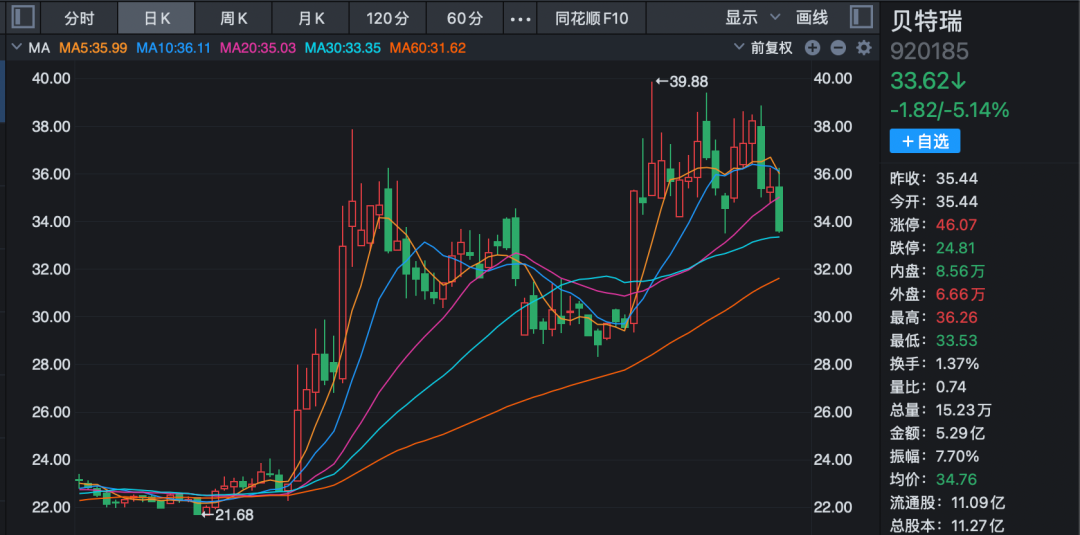
东星医疗前三季度营收2.84亿元 收购骨科公司延伸产业链布局
Zheng Quan Shi Bao Wang· 2025-10-28 12:56
Core Insights - Dongxing Medical (301290) reported a revenue of 284 million yuan for the first three quarters of 2025, a year-on-year decline of 10.21%, with a net profit attributable to shareholders of -70 million yuan, down 263% year-on-year, primarily due to a goodwill impairment loss of approximately 100 million yuan recognized in the third quarter [1] Group 1: Business Performance - The company focuses on surgical medical devices, particularly in the field of anastomosis devices, and has two main business segments: surgical instruments represented by anastomosis devices and surgical equipment represented by operating tables and shadowless lamps [1] - In the anastomosis device sector, Dongxing Medical has emphasized the electric anastomosis device, achieving over 130% year-on-year revenue growth in 2024 [1] - The company has obtained a Class III medical device registration certificate for its self-developed fully electric laparoscopic anastomosis device, further solidifying its market position [1] Group 2: Market Trends - Industry data indicates that the anastomosis device market in China is expected to grow from 9.82 billion yuan in 2024 to 16.67 billion yuan by 2030, with electric laparoscopic anastomosis devices being a major growth driver, projected to have a compound annual growth rate of 16% during this period [1] Group 3: Strategic Initiatives - Dongxing Medical is actively expanding into synthetic biology by collaborating with research institutions such as Changzhou University and Shanghai Jiao Tong University to develop high-tech barrier materials like recombinant humanized collagen and mussel adhesive protein, aiming to launch innovative medical consumables for hemostasis and scar repair [2] - The company announced a significant advancement in its platform strategy by planning to acquire 90% of Wuhan Yijiaobao, which will allow it to enter the high-end orthopedic market and extend its industrial chain in surgical medical devices [3] - The acquisition is expected to accelerate the commercialization of synthetic biological materials and enhance the company's platform development [3]