DeepSeek

Search documents
中国 AI 以开放生态 角逐全球科技长跑
Xin Hua Cai Jing· 2025-09-26 05:07
Group 1 - Zhongke Shuguang's subsidiary, Zhongke Tianji, has launched a high-resolution meteorological data sharing initiative, marking a significant milestone in China's AI industry for open sharing and industrial integration [1][2] - The shared meteorological data includes global 12 km and regional 3 km resolution data, covering over 160 meteorological elements such as temperature, wind field, and precipitation, with a time scale of up to 15 days and hourly updates [2][3] - The initiative addresses the data bottleneck, a key factor in AI development, as China has abundant data resources but lacks effective and high-quality domain-specific data [3][5] Group 2 - The AI computing open architecture, announced by Zhongke Shuguang in collaboration with over 20 industry partners, aims to foster collaborative innovation across the AI ecosystem, moving away from isolated technological advancements [4][5] - China's AI industry is projected to exceed 900 billion yuan in 2024, with a year-on-year growth of 24%, and over 5,300 companies operating in the sector [5] - The establishment of standards and frameworks for collaborative innovation, along with the development of legal regulations and ethical guidelines, positions China's AI industry for high-quality growth and a more significant role on the global stage [5][6]

中国00后AI创业,“第一天就瞄准出海”
2 1 Shi Ji Jing Ji Bao Dao· 2025-09-25 04:53
Core Insights - A new opportunity era for "unknowns" is emerging, with China's post-2000 AI entrepreneurs striving for global recognition [10] - The AI industry is witnessing a shift where language barriers are diminished, allowing for a more global approach to AI entrepreneurship [6][7] Group 1: AI Entrepreneurship Landscape - Young AI entrepreneurs, including university students, are actively participating in financing roadshows to secure seed funding for their AI products [1][2] - Antler, a prominent early-stage investment firm, has invested in over 1,300 companies, ranking first among global AI early investors [2] - EPIC Connector, a non-profit AI startup incubator, aims to assist Chinese AI entrepreneurs in expanding internationally [3][4] Group 2: Globalization and AI - The majority of participants at the AI DEMO Day were fluent in English, indicating a readiness to engage with global markets [4][3] - A report from Macro Polo highlights that 47% of top global AI researchers are from China, showcasing the significant role of Chinese talent in the AI sector [4] - The concept of "Day One Global" is emphasized, suggesting that Chinese AI startups should consider international markets from the outset [7] Group 3: Challenges and Trends - The AI industry faces challenges related to reverse globalization, with some companies relocating to avoid restrictions [8][9] - The recent actions of Manus.AI, including layoffs and relocation, reflect the complexities of operating in a global AI landscape [8] - The distinction between models and agents in AI entrepreneurship is becoming blurred, leading to more specialized and user-focused AI products [11][12] Group 4: Future Outlook - The Chinese government's recent initiatives to promote AI integration across various sectors signal a supportive environment for AI development [10] - The rise of AI is compared to the internet boom two decades ago, suggesting a transformative potential for the digital economy [10] - EPIC Connector aims to elevate promising but lesser-known entrepreneurs to the forefront of the AI industry [12]

第四届全球数字贸易博览会在杭州开幕 预计采购总金额将达300亿元
Zheng Quan Shi Bao Wang· 2025-09-25 03:43
Core Insights - The fourth Global Digital Trade Expo, themed "Seeing the Innovative Future in Digital Trade," opened on September 25 in Hangzhou, Zhejiang, showcasing China's commitment to digital trade [1][2] - The expo features a total exhibition area of 155,000 square meters with 1,812 exhibitors, including 381 international exhibitors, representing 21% of the total [1] - The number of international attendees has reached 11,000, marking a 64% increase from the previous year, with a total procurement amount expected to reach 30 billion yuan [1][2] Group 1 - The expo is organized around the needs of participating companies and professional audiences, featuring over 30 key industry, investment, and competition events focusing on sectors like healthcare, digital infrastructure, and cultural entertainment [2] - New specialized committees have been established, including data intelligence, digital trade venture capital, spatiotemporal intelligence, and digital cities, with the introduction of "Digital Trade Venture Capital Day" to match 100 innovative projects with 100 funds [2] - A total of 154 countries and regions are represented, with the United Arab Emirates and Indonesia serving as guest countries, and 33 international organizations confirming participation, reflecting a 50% increase from the last event [2] Group 2 - The expo has received certification from the International Exhibition Association (UFI), emphasizing its international recognition and credibility [2] - The event aims to facilitate face-to-face interactions, with the motto "One meeting is worth a thousand emails," highlighting the importance of direct engagement in business [2]
陈茂波:将发布固定收益及货币市场路线图 围绕4大重点领域
智通财经网· 2025-09-25 03:19
Core Viewpoint - The Hong Kong Securities and Futures Commission (SFC) and the Hong Kong Monetary Authority (HKMA) are set to announce a "Fixed Income and Currency Market Development Roadmap" focusing on four key areas and ten initiatives to enhance Hong Kong's position as a major fixed income and currency hub [1] Group 1: Key Initiatives - The roadmap will include measures to promote primary market issuance, enhance secondary market liquidity, expand offshore RMB business, and build a new generation of market infrastructure [1] - The initiatives reflect a commitment from both the government and the market to maintain competitiveness, inclusiveness, and global connectivity in Hong Kong's financial markets [1] Group 2: Market Context - Amid geopolitical tensions and rising unilateralism, Hong Kong is attracting global investors seeking diversified asset allocation [1] - The positive sentiment towards Chinese technology companies, such as DeepSeek, is reigniting optimism regarding China's technological capabilities and investment prospects [1] Group 3: Market Dynamics - Hong Kong is viewed as a safe haven, providing ideal resources for the market, which is leading to an influx of capital [1] - The performance of the Hong Kong stock market reflects this positive trend and capital inflow [1]
长江商学院:本轮A股上涨主要源于估值修复
Zhong Guo Jing Ying Bao· 2025-09-24 14:53
Group 1 - Investor sentiment towards the stock market has improved, with 63.1% believing that A-shares will rise, an increase of 1.6 percentage points compared to April 2025 [1] - Since Q4 2024, A-shares have experienced an upward trend after a prolonged decline, with the Shanghai Composite Index rising by 17.9% and the Shenzhen Composite Index by 26.8% from August to December 2024 [1] - In 2025, after a brief market correction, A-shares stabilized and began a new round of rebound, with the Shanghai Composite Index up 15.1% and the Shenzhen Composite Index up 24.8% from January to August [1] Group 2 - The rising A-share market has increased investor willingness to invest, with a net increase of 18.9% in those willing to invest in stocks, up 6.2 percentage points from the previous period [2] - The willingness to invest in stock funds also increased, with a net increase of 14.5%, up 5.5 percentage points from the last survey [2] - The current A-share market rally is primarily driven by valuation recovery rather than improvements in the fundamentals of listed companies [2] Group 3 - High-tech companies in China, such as Yush Robot, DJI, and others, have gained significant domestic and international attention, with stock prices in sectors like semiconductors and automation equipment rising over 60% year-on-year as of August 2025 [3] - Approximately 38% of survey respondents expect China's GDP growth to exceed 5%, an increase of 4.8 percentage points from the previous survey [3] - The survey collected around 2100 valid samples, including 1300 from retail investors and 800 from financial industry professionals [3]
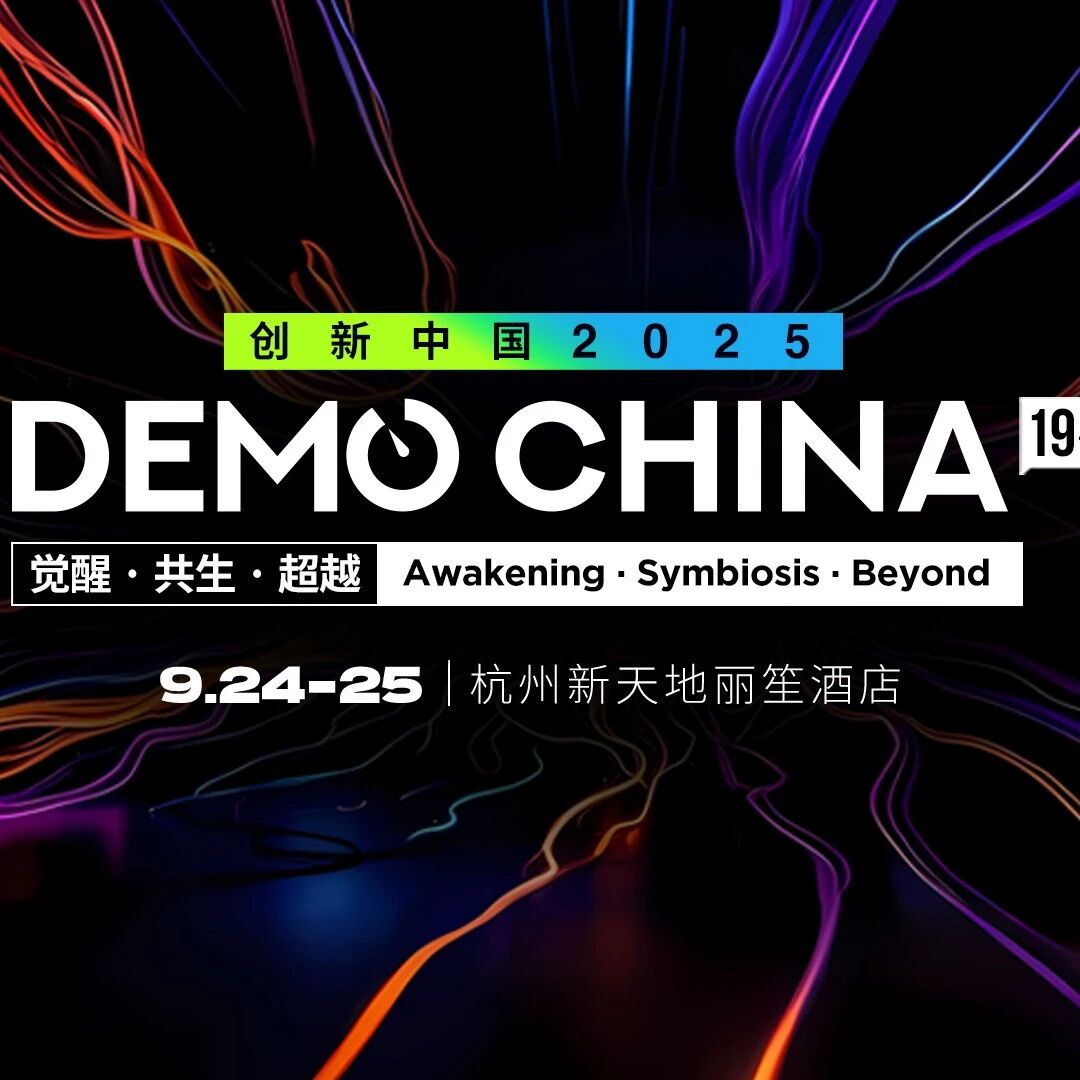
126家早期科技企业,213家投资机构齐聚杭州拱墅,2025 DEMO CHINA大会开幕
创业邦· 2025-09-24 13:37
Core Insights - The DEMO CHINA 2025 event, themed "Awakening, Symbiosis, and Transcendence," focuses on AI and hard technology, showcasing 126 early-stage companies in various tech sectors [2][19] - The event aims to create a significant platform for early-stage tech companies, having attracted over 47,000 startups and 1,506 companies over 18 years, with 35 companies successfully listed [2][4] Group 1: Event Overview - DEMO CHINA 2025 is hosted in Hangzhou, with support from local government and aims to highlight early-stage AI and hard tech companies [2][4] - The event features awards for "2025 Notable AI Innovators" and "2025 Notable Hard Tech Innovators," emphasizing the importance of innovation in these fields [2][19] Group 2: Regional Development - Hangzhou's Gongshu District is positioned as a hub for innovation, with a projected GDP exceeding 220 billion in 2024 and a commitment to maintaining over 10% annual growth in R&D spending [6][9] - The district has launched a three-year action plan for AI industry development, aiming to create a supportive environment for tech innovation and entrepreneurship [6][7] Group 3: Investment Landscape - The event attracted 213 investment institutions, indicating strong interest in early-stage tech ventures [2][19] - Investment opportunities are highlighted in AI and hard tech sectors, with a focus on long-term support for these industries through new financial ecosystems [15][17] Group 4: Company Insights - The participating companies are predominantly young, with an average establishment time of 2.76 years, and many have founders with advanced degrees [20] - The event serves as a platform for underrepresented companies, with 16% of participants being previously undiscovered by venture capitalists [20]

上海证券:机器人本体催化频出 持续关注人形机器人板块
智通财经网· 2025-09-24 11:50
Core Insights - The report from Shanghai Securities highlights a surge in the humanoid robot industry, with significant participation from both domestic and international players, indicating a trend towards commercialization and mass production of humanoid robots [1] Industry Developments - Major companies such as Huawei, ByteDance, BYD, Xiaomi, and Ant Group are increasing their investments in embodied intelligence, while international firms like Tesla and Figure AI are accelerating their commercialization efforts [1] - The humanoid robot industry is entering a phase of diverse innovation, with a clear trend towards industrial applications, suggesting a high degree of certainty in future commercialization [1] Company Highlights - **Tuosda**: Recently launched its first wheeled humanoid robot "Xiao Tuo," which features a four-stewart wheel design and can perform complex tasks autonomously [1] - **Zhiyuan Robotics**: Successfully demonstrated the "Webster Flip," becoming the first humanoid robot to perform this complex gymnastic move, showcasing advanced motion control capabilities [2] - **Moliang Technology**: Completed a Pre-A round financing of tens of millions, aimed at expanding production lines and enhancing delivery capabilities across various sectors [3] - **Figure**: Secured over $1 billion in Series C funding, reaching a valuation of $39 billion, which will support the growth of its humanoid robots and AI platform [4] - **Tesla**: CEO Elon Musk's recent stock purchase and a new compensation plan linked to the delivery of 1 million humanoid robots is expected to catalyze production efforts [5] - **Luxiao Technology**: Announced a partnership with Kepler Robotics to develop AI-integrated home service robots, targeting sales of at least 1 million units in the next three years [6][7]


地缘经济论 | 第七章 制造业:创新驱动增长中的角色与关税效果分析
中金点睛· 2025-09-23 23:58
Core Viewpoint - The article discusses the importance of solidifying the manufacturing base in the context of the U.S. competitive geopolitical economic strategy, highlighting the mixed views on its effectiveness in improving employment, national defense, and innovation [2][5]. Group 1: Manufacturing Employment and Economic Impact - Manufacturing has a high employment multiplier effect, creating approximately 2.2 indirect jobs for every direct manufacturing job, which is significantly higher than other sectors [11][12]. - Despite the employment multiplier, the average wage in manufacturing is lower than in the service sector, with 2024 manufacturing average hourly wage at $34.5 compared to $35.6 in services [9][11]. - The decline in manufacturing's share of the economy raises concerns about increasing income inequality, as the service sector shows greater wage variability [9][11]. Group 2: National Defense and Manufacturing - Manufacturing is critical for national defense, with the U.S. Defense Industrial Base (DIB) relying heavily on the manufacturing ecosystem [18]. - The reduction in the number of defense contractors and manufacturing personnel does not necessarily indicate a decline in the defense industry, as actual production output has been increasing [18]. - The COVID-19 pandemic highlighted vulnerabilities in the supply chain, reinforcing the need for domestic manufacturing capabilities to ensure national security [18]. Group 3: Innovation and Manufacturing Outsourcing - Manufacturing is seen as a growth engine, particularly for developing countries, while its role in developed countries is more about high R&D investment and driving IT innovation [19][20]. - There is ongoing debate about whether outsourcing manufacturing jobs weakens innovation capabilities in developed countries, with some studies indicating negative impacts on R&D due to increased transaction costs and reduced feedback loops [36][37]. - The modularity and maturity of manufacturing processes influence the extent to which outsourcing affects innovation, with certain industries being more susceptible to negative impacts [38][39]. Group 4: Tariffs and Manufacturing Return - The article explores the potential for tariffs to encourage the return of manufacturing jobs to the U.S., although the effectiveness and economic implications of such tariffs are debated [41]. - The optimal tariff rate is influenced by the price elasticity of supply and demand, which determines the impact of tariffs on domestic manufacturing [41].
DeepSeek成了硅谷最大的“不能说的秘密”
虎嗅APP· 2025-09-23 13:59
Core Insights - The article discusses the rapid advancements in AI technology in China, suggesting that China may surpass the US in the AI tech race due to a combination of high-quality research output and a significant number of Chinese employees in Silicon Valley companies [6][12][13]. Group 1: AI Technology and Market Dynamics - DeepSeek, a Chinese AI model, is gaining traction in Silicon Valley, with many companies opting for its localized version over established models like OpenAI or Anthropic due to its cost-effectiveness and performance [10][9]. - The AI sector is witnessing unprecedented investment, leading to the emergence of numerous unicorns with annual recurring revenues (ARR) reaching hundreds of millions in a short time [6][7]. - The cultural mindset in companies like Lovable reflects a competitive spirit, with a "997" work culture aimed at outperforming Chinese counterparts [15][14]. Group 2: Future Trends and Predictions - The next wave of innovation in China is expected to focus on soft power, including cultural exports such as films, toys, and design, which could significantly influence global perceptions of Chinese brands [23][20]. - The article highlights the potential for Chinese startups to thrive once they gain access to top-tier semiconductor technology, which is anticipated to be manufactured domestically in the near future [13][12]. - The article also notes that while AI technology is advancing rapidly, the journey towards achieving Artificial General Intelligence (AGI) remains complex and uncertain [16][11]. Group 3: Global Market Perspectives - The article emphasizes the importance of understanding cultural and regulatory differences when Chinese companies expand internationally, suggesting that they should first explore markets outside of China [19][20]. - The perception of China among younger demographics in the West is shifting positively, with increasing interest in Chinese technology and culture [20][18]. - The article concludes that while the current AI wave is significant, the long-term sustainability of many companies in this space may be challenged by market dynamics and competition [17][13].

等不来DeepSeek-R2的246天:梁文锋的“三重困境”与“三重挑战”
3 6 Ke· 2025-09-23 10:13
Core Viewpoint - DeepSeek has released an update to its model, DeepSeek-V3.1-Terminus, which aims to improve stability and consistency based on user feedback, but the anticipated release of the next-generation model, DeepSeek-R2, has been delayed, causing disappointment in the industry [1][2][3] Group 1: Market Expectations and Delays - The initial release of DeepSeek-R1 was a significant success, outperforming top models from OpenAI and establishing high expectations for the subsequent model, R2 [3][5] - Since the launch of R1, there have been over ten rumors regarding the release of R2, with initial expectations set for May 2025, but these have not materialized, leading to a sense of frustration in the market [5][6] - The delay in R2's release is attributed to internal performance issues and external pressures, including supply chain challenges related to NVIDIA chips [6][12] Group 2: Strategic Developments - Despite the delay of R2, DeepSeek has made significant strides in building an open-source ecosystem, launching several models and tools that lower the cost of AI technology [8][9] - The company has introduced various components aimed at enhancing training and inference efficiency, such as FlashMLA and DeepGEMM, which reportedly improve inference speed by approximately 30% [9][11] - DeepSeek's open-source strategy has positioned it as a key player in promoting accessible AI technology in China, although the absence of R2 raises concerns about its competitive edge [8][17] Group 3: Challenges Faced by DeepSeek - DeepSeek faces a "triple dilemma" regarding the delay of R2, including the need for technological breakthroughs, managing high market expectations, and navigating intense competition from domestic rivals like Alibaba and Baidu [11][12][13] - The company must overcome technical challenges related to transitioning from NVIDIA to Huawei's Ascend chips, which has hindered R2's development [11][12] - DeepSeek's lack of a robust content ecosystem compared to larger tech companies limits its ability to continuously improve its models, leading to issues such as "hallucinations" in its outputs [15][16]