华熙生物

Search documents
风波中的可复美:囤货积压、达人离场
经济观察报· 2025-07-03 10:52
Core Viewpoint - The article discusses the significant decline in sales of the collagen product "可复美胶原棒2.0" from 巨子生物 (Juzi Biological) due to quality concerns raised by external parties, leading to a 60% to 70% drop in orders for individual distributors like 李吉 [1][5][11]. Group 1: Sales Performance and Market Impact - Sales of 可复美胶原棒2.0 have plummeted, with 李吉 reporting that he could sell 200 boxes a day before the controversy, but now only a few boxes per week [1][5][11]. - The product's sales during the critical "6·18" shopping festival saw a decline, marking the first drop in rankings for 可复美 in three years [7][19]. - The overall GMV for 可复美 during "6·18" was significantly lower than in previous years, with sales post-May 24 contributing only 29.2% of the total [18][19]. Group 2: Company Background and Financials - 巨子生物's revenue from 可复美 in 2024 is projected to be 45.4 billion yuan, accounting for 82% of the company's total revenue [3]. - The company has maintained a strong growth trajectory, with a compound annual growth rate of 52.8% in revenue from 2022 to 2024 [23]. - Despite the recent challenges, the management has stated that they will maintain their performance targets for 2025 [8][22]. Group 3: Market Reactions and Future Outlook - The controversy has led to a reduction in the number of influencers promoting 可复美, with a 32% decrease in the number of key opinion leaders during "6·18" compared to previous years [16]. - 李吉 and other distributors are currently in a wait-and-see mode, monitoring the situation and considering diversifying their product offerings [29]. - 巨子生物's stock has experienced volatility, with significant share buybacks by its major shareholder following the price drop [29][30].


2025年中国医疗美容用户画像分析:男性医美需求激增,出境医美趋热
Qian Zhan Wang· 2025-07-03 08:54
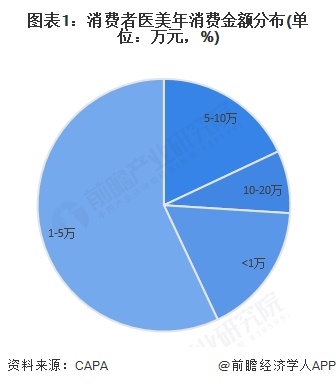
Group 1 - The majority of consumers in the medical beauty market spend between 10,000 to 50,000 yuan annually, indicating a diverse range of services from basic skincare to moderately complex cosmetic procedures [1] - First-tier cities dominate the medical beauty consumption market, accounting for approximately 69% of total spending, driven by concentrated medical resources and advanced consumer capabilities [3] - The average age of consumers in the medical beauty sector is around 35 years, with over 72% of high-end consumers aged 30 and above, reflecting a mature and stable consumption mindset [5][7] Group 2 - There is a notable increase in male consumers seeking medical beauty services, with 43% planning to increase their spending in this area, highlighting a shift in self-image management among men [7][8] - The demand for outbound medical beauty services is rising, particularly in Japan and South Korea, with about 31% of middle to high-income consumers planning to seek these services abroad in 2024 [10]





风波中的可复美:渠道商的囤货卖不出去了
Jing Ji Guan Cha Wang· 2025-07-03 08:43
Core Viewpoint - The article discusses the significant decline in sales of the skincare product "可复美胶原棒2.0" (Kefumei Collagen Stick 2.0) due to quality concerns raised by external parties, leading to a broader impact on the parent company, 巨子生物控股有限公司 (Juzi Biotech) [2][3][4]. Sales Performance - Sales of the Kefumei Collagen Stick 2.0 have dropped by 60% to 70% compared to April 2023, severely affecting individual distributors like 李吉 (Li Ji) [3][5]. - The product's price has fallen from 178 yuan to 150 yuan per box, resulting in losses for distributors who had previously stocked up at higher prices [5][11]. - The company's performance during the "6·18" sales event saw a decline in rankings and sales, marking the first time in three years that it did not disclose sales data for this period [4][9][10]. Market Impact - The controversy began with a report from a beauty influencer questioning the collagen content in the product, which led to a significant drop in consumer trust and sales [5][6]. - The number of influencers promoting the product decreased by 32% during the "6·18" period compared to the previous year, indicating a shift in marketing dynamics [7][9]. Company Response - 巨子生物 acknowledged the limitations of its quality standards and testing methods in a public statement, indicating a need for improvement [6][10]. - Despite the challenges, the company maintains its revenue targets for 2025 and expresses confidence in recovering from the losses incurred during the sales event [4][10]. Financial Overview - 巨子生物 reported a compound annual growth rate of 52.8% in revenue from 2022 to 2024, with a net profit growth rate of 43.5% [10][12]. - The company’s stock price has seen fluctuations, dropping nearly 40% since May 24, but showed a slight recovery following announcements of share buybacks by its major shareholder [13][14].

蹲点调查|探寻透明质酸产业发展的“第二增长曲线”
Da Zhong Ri Bao· 2025-07-03 05:47
Group 1 - The Shandong provincial government has implemented a plan to boost consumption, focusing on six key tasks and 20 specific measures, including the enhancement of health consumption and the development of health-related industries such as health tourism and biomedicine [2] - The hyaluronic acid industry in Shandong, led by companies like Huaxi Bio and Furuida, has formed a trillion-level industrial cluster, responding to rapidly changing consumer aesthetics and demands [2][14] - Huaxi Bio has emphasized the importance of establishing scientific and unified testing standards for the industry, following a public dispute with competitor Juzhi Bio regarding product quality and testing methods [3][6] Group 2 - The competition between Huaxi Bio and Juzhi Bio has highlighted the challenges in the hyaluronic acid market, with Huaxi Bio accusing Juzhi Bio of misleading research that undermines the hyaluronic acid industry [6][8] - Despite the ongoing competition, the hyaluronic acid market is experiencing a decline in product prices, with some high-end products dropping to as low as 10% of their previous prices [9][10] - The three major players in the hyaluronic acid sector, including Huaxi Bio, have reported negative growth in revenue and net profit in recent quarters, contrasting with the strong performance of companies in the recombinant collagen sector [10][11] Group 3 - Huaxi Bio has maintained a leading position in the global hyaluronic acid market, holding a 44% share of global sales in 2021 and actively participating in the development of industry standards [16] - The company is undergoing a strategic upgrade, investing over 100 million yuan in innovative business areas such as regenerative medicine and nutritional science [16] - Furuida is also expanding into the recombinant collagen market, recognizing the need for transformation and innovation in response to industry pressures [19][20] Group 4 - Experts suggest that the hyaluronic acid industry has reached maturity and needs to explore a "second growth curve" to maintain competitiveness and sustainable development [21] - The relationship between hyaluronic acid and collagen is viewed as complementary rather than competitive, with both having unique advantages in various applications [20] - The industry is focusing on developing new business models and products that align with consumer health trends, including functional foods and personalized raw materials [19][20]

万亿规模再起跑,中国化妆品迎来“价值觉醒”时代
FBeauty未来迹· 2025-07-02 15:29
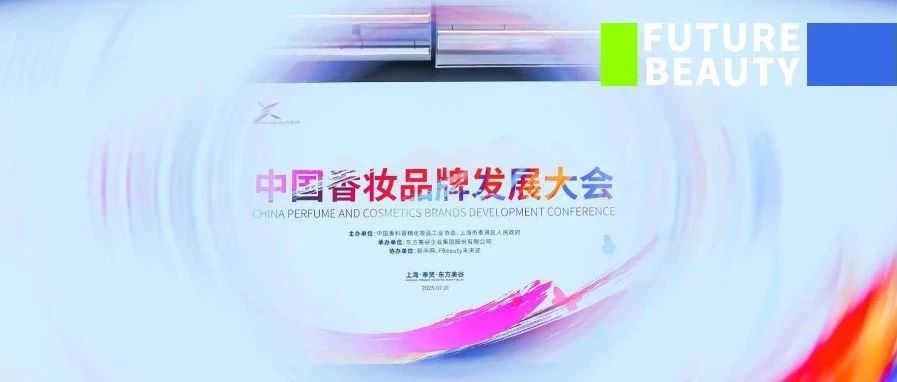
Core Viewpoint - The Chinese cosmetics market has reached unprecedented heights, prompting a fundamental question: how to transform from "big" to "strong" and build core competitiveness that transcends cycles [2][6]. Group 1: Industry Overview - The Chinese cosmetics industry has evolved from a "channel king" model to a "traffic supremacy" model over the past decade, but is now facing the end of traffic dividends and increasing competition [6]. - According to the China Cosmetics Association, 22 Chinese brands made it to the Top 50 list, with a total retail value of 93.54 billion yuan, accounting for 39.98% of the total retail scale of the Top 50 brands [6]. - The overall market share of Chinese brands reached 55.2%, indicating that their success is not solely driven by leading enterprises but also by home-field and quantity advantages [6]. Group 2: Key Challenges and Opportunities - The industry is undergoing profound transformation and challenges, necessitating a return to the core values of brand building to ensure long-term stability and growth [6]. - The arrival of the "brand era" in the Chinese cosmetics industry hinges on four dimensions: R&D innovation, cultural heritage, sustainable development, and brand building [6]. Group 3: Conference Highlights - The conference featured discussions on enhancing brand value, with notable speakers from L'Oréal, Procter & Gamble, and other leading companies sharing insights [7][9]. - L'Oréal's North Asia President emphasized three strategic pillars for brand value enhancement: consumer-centric brand building, innovation driven by science and technology, and collaborative future creation [9]. - The conference also addressed the issue of "involution" in the market, highlighting its characteristics and the need for a shift towards quality and innovation [18][19]. Group 4: Brand Value Enhancement Strategies - The brand value roundtable discussed whether premium capability or user scale is more critical to brand value, with varying opinions from industry leaders [12]. - Strategies for enhancing brand value include trust elevation, experiential enhancement, asset elevation, and operational elevation [10]. Group 5: Sustainable Growth Paths - A report analyzed high-growth brands and identified key growth paths for top, mid-tier, and emerging brands, emphasizing the importance of system capabilities for larger brands and niche focus for mid-tier brands [22]. - The conference proposed a new ecosystem for the industry, advocating for collaboration and shared growth to combat fierce competition [31]. Group 6: Regulatory Environment - Recent government measures aim to combat "involution" in the market, including the revision of the Anti-Unfair Competition Law to prohibit forced low-price sales and data abuse [17]. - The introduction of the "2025 Cosmetics Industry Data Statistical Standards" aims to address data fragmentation and enhance decision-making capabilities within the industry [36][39]. Group 7: Future Outlook - The industry is expected to transition from a phase of chaotic growth to a more structured and value-driven approach, focusing on R&D depth, cultural richness, and ecological health [44]. - The next few years will be crucial for the Chinese cosmetics industry to evolve into a period that nurtures great brands through solid groundwork and innovation [45].
被华熙生物暗指“伪科学”!巨子生物回应:不作评价
Nan Fang Du Shi Bao· 2025-07-02 15:23
Core Viewpoint - Huaxi Biological asserts that claims exempt from scientific verification are inherently pseudoscientific, emphasizing the necessity of measurable and verifiable scientific methods in the industry [1][2]. Group 1: Huaxi Biological's Position - Huaxi Biological argues that the absence of standardized testing methods does not negate the existence of scientific methods for validation, using their product "Runbaiyan" as an example of verifiable testing results for recombinant collagen [2][5]. - The company highlights the use of High-Performance Liquid Chromatography-High-Resolution Mass Spectrometry (HPLC-HRMS) as a reliable method to accurately measure recombinant collagen content, claiming it effectively avoids complex matrix interference [5][12]. Group 2: Response from Juzhi Biological - Juzhi Biological acknowledged the limitations of their existing quality standards and testing methods in a statement, indicating a need for continuous optimization to meet industry advancements [6][9]. - The company plans to collaborate with research institutions to enhance the qualitative and quantitative detection methods for recombinant collagen in cosmetics, aiming for greater transparency and industry standardization [9][10]. Group 3: Testing Method Controversy - The debate over testing methods arose when beauty blogger Dazui Doctor (Hao Yu) questioned the recombinant collagen content in a product, using a high-precision HPLC amino acid quantification method, which Juzhi Biological claimed was not included in industry standards [10][11]. - Experts noted that both HPLC amino acid quantification and HPLC-HRMS methods have their unique applications and challenges, particularly in detecting low concentrations of collagen in complex cosmetic formulations [12][13].
龙软科技控股股东捐250万股给北大!A股现罕见“带锁捐赠”,受赠方承诺“不瞎卖”
Mei Ri Jing Ji Xin Wen· 2025-07-02 14:02
Core Viewpoint - The article highlights a significant donation of shares by the controlling shareholder of Longsoft Technology to the Peking University Education Foundation, marking a trend of charitable contributions from company shareholders in the A-share market [1][2]. Group 1: Donation Details - Longsoft Technology's controlling shareholder, Mao Shanjun, donated 2.5 million shares, representing 3.43% of the company's total share capital, to the Peking University Education Foundation [1][2]. - The market value of the donated shares, based on the closing price of 30.90 yuan per share on July 2, is approximately 77.25 million yuan [1][2]. - Following the donation, Mao Shanjun's shareholding in Longsoft Technology decreased to 42.34%, but he retains his status as the controlling shareholder [1][2]. Group 2: Purpose and Conditions of Donation - The donation aims to support the educational development of the School of Earth and Space Sciences at Peking University, enhancing teaching, research, and talent cultivation [2]. - The Peking University Education Foundation has made special commitments regarding the donated shares, including restrictions on selling the shares for 12 months and requiring prior communication with the controlling shareholder for any future sales [3]. Group 3: Trends in Charitable Donations - There has been an increasing trend of controlling shareholders of listed companies donating shares to educational institutions, with several notable cases in 2023, including donations from companies like Huaxi Biological and Weir Shares [4][5]. - A report indicates that over the past nine years, there have been 976 donors making significant contributions to universities, with a stable growth in large donations [5]. Group 4: Policy Support for Share Donations - The article mentions that policies have been established to support non-monetary donations, such as share donations, with tax benefits outlined by the Ministry of Finance and the State Administration of Taxation [6].

2025中国轻医美行业现状报告
Jia Shi Zi Xun· 2025-07-02 13:58
Investment Rating - The report indicates a strong growth potential for the non-surgical medical aesthetic industry in China, with an expected compound annual growth rate (CAGR) of over 20% in the coming years, positioning it as one of the fastest-growing markets globally [9][10]. Core Insights - The Chinese non-surgical medical aesthetic market has surpassed 150 billion RMB in 2023 and is projected to exceed 250 billion RMB by 2025, driven by rising disposable income, changing beauty standards, and technological advancements [9][10]. - The market is characterized by a significant shift towards non-surgical procedures, with injectables like hyaluronic acid and botulinum toxin leading the growth, supported by technological innovations in materials and devices [9][10]. - The industry is undergoing a transformation towards compliance and regulation, with increased scrutiny from government bodies aimed at eliminating illegal practices and ensuring consumer safety [9][10]. Summary by Sections Chapter 1: Overview of the Non-Surgical Medical Aesthetic Industry - The non-surgical medical aesthetic industry is defined as a blend of medical and cosmetic services that utilize non-invasive or minimally invasive techniques for skin care and rejuvenation [12]. - The industry has evolved through three phases: exploration (pre-2015), rapid growth (2015-2021), and regulation and integration (2022-present) [19][21]. - The macro environment analysis indicates a tightening regulatory framework, rising disposable income, and shifting societal beauty standards as key drivers of industry growth [25][27]. Chapter 2: Market Size and Consumer Insights - The market size has grown from approximately 65 billion RMB in 2018 to over 150 billion RMB in 2023, with a CAGR exceeding 20% [30][31]. - Non-surgical procedures are increasingly favored due to their lower risk and quicker recovery times, leading to a growing market share for these services [34][35]. - Consumer demographics show a significant trend towards younger consumers, with those born in the 1990s and 2000s becoming the primary market [39]. Chapter 3: Industry Chain Analysis - The industry chain consists of three segments: upstream (product and equipment manufacturers), midstream (medical aesthetic service providers), and downstream (marketing and referral platforms) [45]. - Upstream manufacturers face high technical barriers and are experiencing a shift towards domestic brands replacing international ones, driven by innovation and cost advantages [46][47]. - Midstream service providers are characterized by intense competition and high customer acquisition costs, prompting a trend towards brand consolidation and chain operations [49]. Chapter 4: Competitive Landscape and Key Players - The competitive landscape shows a high concentration of international brands in the high-end market, while domestic brands are rapidly gaining market share through innovation and localized strategies [46][47]. - The report highlights key players such as Ai Meike and Huaxi Biological, which are leveraging technological advancements to challenge established foreign brands [47]. Chapter 5: Regulatory Policies and Compliance - The regulatory environment is becoming increasingly stringent, with multiple government agencies implementing measures to ensure compliance and consumer safety [24][25]. - The report outlines the impact of these regulations on market dynamics, emphasizing the need for companies to adapt to a more compliant operational framework [24][25]. Chapter 6: Industry Challenges, Opportunities, and Future Trends - The industry faces challenges such as price wars and a shortage of qualified professionals, but also opportunities in market penetration and technological innovation [8][10]. - Future trends indicate a shift towards personalized and diversified consumer demands, with an emphasis on natural results and preventive care [44].
市值蒸发300亿后,陕西女首富“认输”了,但市场仍在追问真相
凤凰网财经· 2025-07-02 13:50
Core Viewpoint - The article discusses the recent controversy surrounding Juzhi Biotechnology (巨子生物) and its admission of limitations in quality standards and testing methods, which has raised further questions about the integrity of its products and the broader implications for the industry [2][4][10]. Group 1: Company Response and Market Impact - Juzhi Biotechnology acknowledged its limitations in quality standards and testing methods, marking a significant shift from its previous defensive stance against accusations regarding its collagen products [4][10]. - Following the controversy, Juzhi's stock price fell from 87.1 HKD to 53.9 HKD, resulting in a market capitalization loss of over 330 billion HKD [10]. - The company's internal investor meeting indicated confidence in recovering from short-term impacts, despite the ongoing public skepticism [4][11]. Group 2: Industry Context and Competition - The controversy highlights a broader "ingredient war" between Juzhi Biotechnology and Huaxi Biotechnology (华熙生物), with both companies competing in the collagen and hyaluronic acid markets [14][15]. - Huaxi Biotechnology, a leader in the hyaluronic acid market, has criticized Juzhi's claims about collagen superiority, emphasizing the lack of scientific basis for such assertions [15][16]. - The article suggests that the current lack of unified testing standards in the collagen industry poses challenges for quality control and consumer trust [17][19]. Group 3: Consumer Trust and Market Dynamics - The incident has led to a decline in consumer trust, particularly among core users who prioritize ingredient efficacy, which could have long-term repercussions for Juzhi's brand reputation [12][13]. - The article notes a shift in consumer behavior towards more informed purchasing decisions, moving from concept-driven marketing to a focus on ingredient transparency and scientific validation [23][24]. - The controversy may catalyze regulatory changes and industry standards, potentially leading to a market reshuffle where companies lacking core R&D capabilities may struggle to survive [22][24].

护发赛道成美妆品牌新战场
Bei Jing Shang Bao· 2025-07-02 13:13
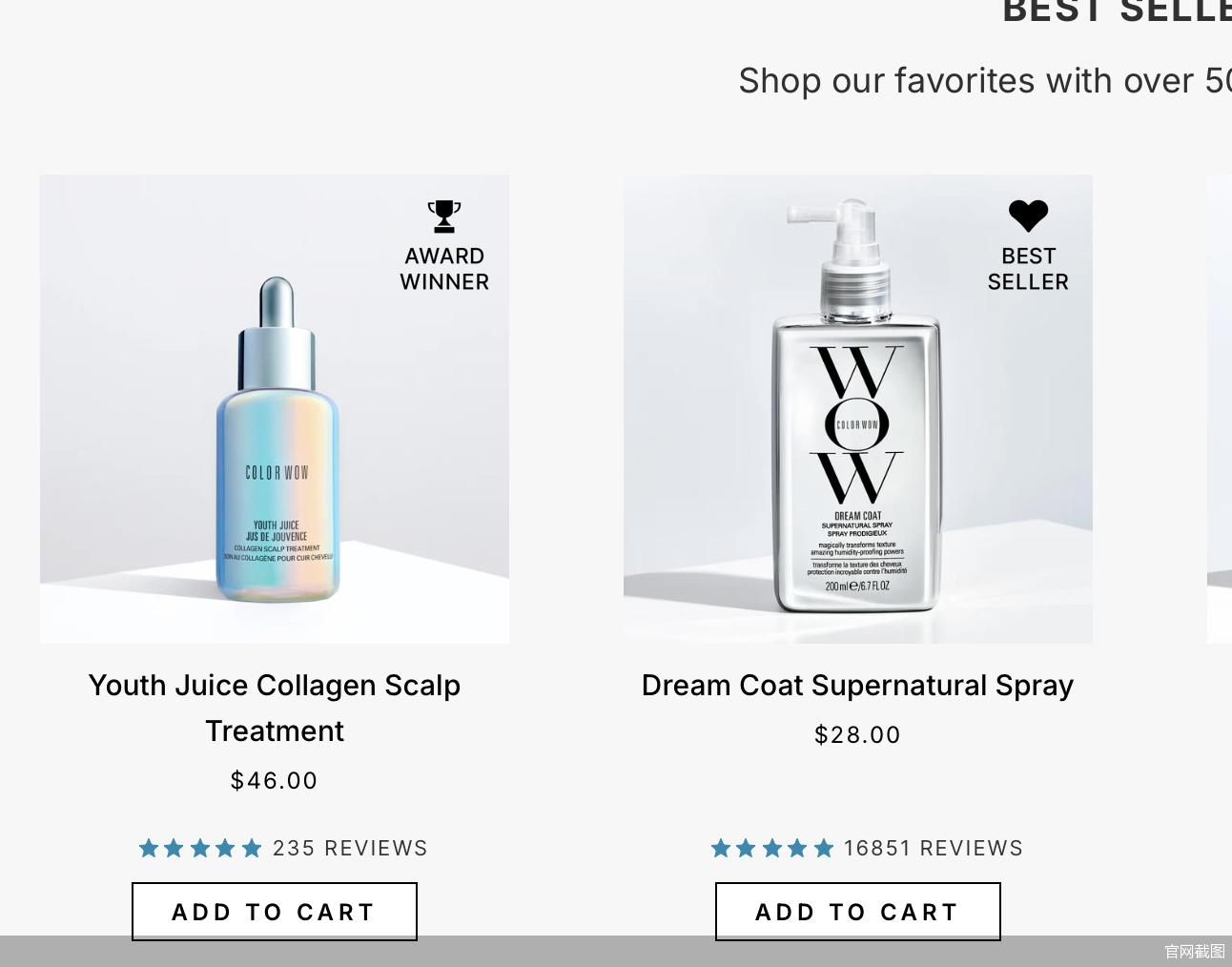
Core Insights - The acquisition of Color Wow by L'Oréal marks a strategic move to expand its high-end hair care portfolio and enter the growing Chinese market [1][4] - The hair care market in China is rapidly expanding, with significant competition among beauty brands to capture market share [7][8] Group 1: Acquisition Details - L'Oréal has signed an agreement to acquire Color Wow, a professional hair care brand founded in 2013, known for addressing stubborn hair issues [4] - Color Wow's sales have reportedly doubled over the past three years, with total sales exceeding $300 million and a target valuation of $1 billion [4] - The acquisition is seen as a way for L'Oréal to strengthen its position in the hair care and styling categories [4][5] Group 2: Market Dynamics - The Chinese hair care market is projected to grow from 581.4 billion yuan in 2021 to an estimated 668-691 billion yuan by 2025, driven by scalp care, premiumization, and export growth [7] - L'Oréal's professional hair care division has shown consistent growth, with a 5.3% increase in sales in 2024 and a 2.7% increase in Q1 2025 [5] - Competitors like Proya and Juhua Group are also expanding their presence in the hair care sector, indicating a highly competitive landscape [7][10] Group 3: Competitive Landscape - The hair care market in China is characterized by established brands like Procter & Gamble and Unilever, with L'Oréal ranking behind them in market share [10] - New entrants face challenges in a mature market, requiring strong technological differentiation and effective branding to succeed [11] - The competitive pressure is evident as brands like Proya and others are rapidly launching new products and expanding their market reach [7][10]