华熙生物

Search documents
巨子生物深夜再回应可复美配方事件:现有检测方法存局限性
Xin Lang Cai Jing· 2025-06-24 01:14
Core Viewpoint - The company, Xi'an Juzhi Biological Gene Technology Co., Ltd. (referred to as "Juzhi Biological"), has issued a statement addressing controversies surrounding its recombinant collagen product, Kefu Mei, emphasizing its commitment to quality standards and ongoing improvements in response to industry developments [1][2]. Group 1: Company Background and Standards - Juzhi Biological applied for the first domestic invention patent related to recombinant collagen in 2001, naming the innovative substance "human-like collagen" and applying for the "human-like" trademark [1]. - The company has accumulated over 20 years of technical expertise, transitioning the substance from laboratory research to industrial application [1]. - Multiple industry standards related to recombinant collagen have been established, including the 2021 "Guidelines for Naming Recombinant Collagen Biological Materials" and the 2022 medical industry standard YY/T 1849-2022 [1]. Group 2: Quality Control and Self-Inspection - The company claims that its product development and production adhere to established standards, implementing quality control measures for raw materials and products [2]. - In response to the controversies, Juzhi Biological conducted a comprehensive self-inspection of all production, testing, and labeling processes, validating different testing methods [2]. - The company acknowledged limitations in its existing quality standards and testing methods, indicating a need for continuous optimization to meet evolving industry standards [2]. Group 3: Controversy and Response - The controversy began when a beauty blogger accused Juzhi Biological's Kefu Mei product of ingredient fraud, claiming the actual collagen content was only 0.0177% [3]. - Juzhi Biological refuted these claims, stating that their testing results showed collagen content exceeding 0.1%, contradicting the blogger's assertions [3]. - The dispute centers on differing testing methods, with both parties accusing each other of using "unscientific" approaches, as there are currently no national standards for testing recombinant collagen in cosmetics [3]. Group 4: Market Impact - As of June 23, Juzhi Biological's total market value was HKD 54.83 billion, reflecting a nearly 40% decline from its peak on May 20 [4].
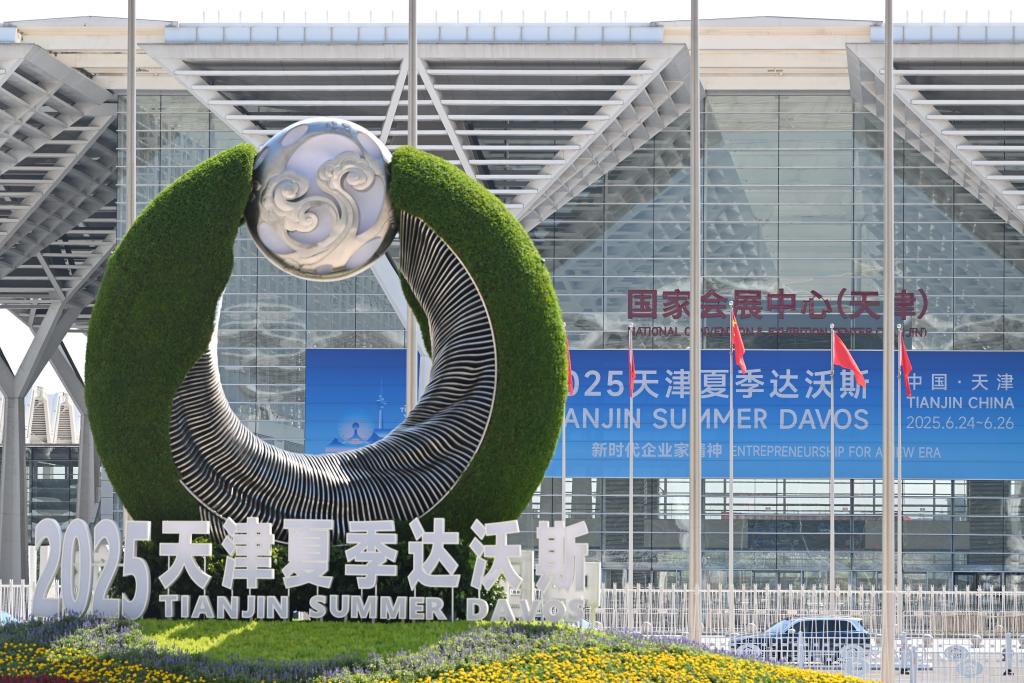
绿色、AI、合作:2025夏季达沃斯论坛看点前瞻
Xin Hua Wang· 2025-06-23 20:27
Group 1 - The 2025 Summer Davos Forum will be held at the National Exhibition and Convention Center in Tianjin from June 24 to 26, focusing on sustainability, AI, and cooperation [1][2] - The forum will highlight the integration of artificial intelligence with traditional industries, showcasing significant efficiency improvements, such as a 100 to 1000 times increase in new material development efficiency [4] - The theme of the forum is "Entrepreneurial Spirit in the New Era," addressing key topics like global economic interpretation, China's outlook, and new energy and materials [6] Group 2 - The forum will feature discussions on innovative urban development, emphasizing the role of AI and cloud services in creating new growth points in cities [2] - Companies like Huaxi Biotechnology have established extensive supply chains across over 70 countries, demonstrating the importance of international cooperation in navigating uncertainties [5][6] - The forum aims to strengthen global collaboration in AI development, as highlighted by China's 2023 Global AI Governance Initiative [4]

申万宏源证券晨会报告-20250623
Shenwan Hongyuan Securities· 2025-06-23 00:42
Group 1: Meitu Company (美图公司) - Meitu is a leading domestic imaging software company that started with Meitu Xiuxiu in 2008, accumulating deep technical capabilities and aesthetic data over the years [3][13] - The company has undergone significant changes in its fundamentals since 2023, including a management change and a focus on core business areas, with the founder taking over as chairman [13] - The introduction of GenAI has enhanced product capabilities, expanding both consumer and business applications, with a strategic partnership with Alibaba to promote Meitu's AI tools on e-commerce platforms [13] - The company is expected to achieve adjusted net profits of 8.51, 11.63, and 15.09 billion CNY from 2025 to 2027, with a target market value of 46.6 billion HKD, indicating a potential upside of 33% [3][13] Group 2: Lin Tai New Materials (林泰新材) - Lin Tai New Materials is the only domestic supplier of wet paper-based friction plates for passenger vehicles, breaking the monopoly in the market [3][12] - The company has seen significant growth, with revenue and net profit increasing by 107% and 288% year-on-year in Q1 2025, driven by projects with major clients like BYD and Geely [12][15] - The market for automatic transmission friction plates is expected to grow significantly, with a projected market size of 5.112 billion CNY by 2035 [12][15] - The company is expected to achieve net profits of 1.53, 2.19, and 2.83 billion CNY from 2025 to 2027, with a target market value of 6.832 billion CNY, indicating a potential upside of 30.4% [12][15] Group 3: Guangbo Co., Ltd. (广博股份) - Guangbo is accelerating its transformation into IP cultural and creative products, leveraging its traditional stationery manufacturing advantages [17][18] - The company is expected to generate 1.87 billion CNY in revenue from IP cultural and creative products in 2024, accounting for 7% of total revenue [17][18] - The IP derivative market is projected to reach 174.2 billion CNY in GMV in 2024, with a growth rate of 30.2% [17][18] - The company has developed several sub-brands and has successfully obtained IP licenses for popular franchises, enhancing its product offerings [17][18] Group 4: Debt Market Analysis - The report defines a "debt bull market" as a period where the 10Y government bond yield is in a downward trend, lasting at least one month with a decline of at least 20 basis points [5][14] - Since 2022, there have been four instances of "debt bull markets," typically occurring during periods of economic downturn and credit contraction [5][14] - The report emphasizes that the fundamental economic outlook and a loose monetary environment are crucial for the initiation of a debt bull market [5][14]
商贸零售行业周报:618电商高质增长,强品牌龙头及新锐功效品牌突围-20250622
KAIYUAN SECURITIES· 2025-06-22 13:51
Investment Rating - The industry investment rating is "Positive" (maintained) [1] Core Views - The 618 shopping festival saw a total e-commerce sales of 855.6 billion yuan, representing a year-on-year growth of 15.2% [23][24] - The beauty sector performed well during the 618 festival, with total GMV across four major platforms reaching 65.9 billion yuan, growing over 10% year-on-year [23][24] - International high-end beauty brands showed signs of recovery, with brands like Lancôme and Estée Lauder maintaining strong positions on platforms like Tmall and Douyin [32] Summary by Sections Retail Market Overview - The retail industry index closed at 2062.20 points, down 2.75% for the week, underperforming the Shanghai Composite Index by 2.24 percentage points [5][14] - The retail sector has seen a year-to-date decline of 7.89%, lagging behind the overall market performance [14][17] 618 Shopping Festival Insights - The 618 shopping festival was extended to the longest duration in history, from May 13 to June 20, 2025 [23] - Tmall's GMV during the festival grew by 10%, marking the largest increase in three years, with 453 brands achieving over 100 million yuan in sales [24][29] - Douyin's e-commerce saw over 60,000 brands doubling their sales, with more than 2,000 products exceeding 10 million yuan in sales [24][29] Investment Recommendations - Focus on high-quality companies in high-growth sectors driven by emotional consumption themes, particularly in gold and jewelry, offline retail, cosmetics, and medical aesthetics [6][35] - Recommended companies include Lao Pu Gold, Chao Hong Ji, Mao Ge Ping, and Pei Lai Ya, among others [38] Company Performance Highlights - Lao Pu Gold reported a revenue of 8.506 billion yuan for FY2024, up 167.5%, with a net profit increase of 253.9% [37] - Mao Ge Ping achieved a revenue of 3.885 billion yuan for FY2024, growing by 34.6%, with a net profit increase of 33% [37] - Pei Lai Ya's revenue for 2024 was 10.778 billion yuan, up 21%, with a net profit increase of 30% [37]
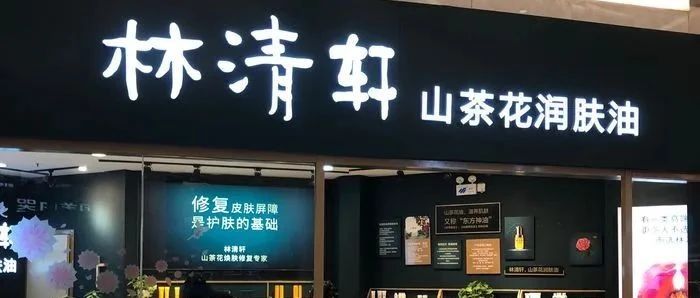
林清轩,到底多“高端”?
中国基金报· 2025-06-22 04:35
Core Viewpoint - Lin Qingxuan is attempting to position itself as a high-end skincare brand in the Chinese market, but its actual support for this positioning appears weak, particularly in terms of R&D investment compared to competitors [1][2][3]. Group 1: Brand Positioning and Market Strategy - Lin Qingxuan emphasizes "high-end" in its narrative, mentioning it over 150 times in its prospectus, aiming to tell a story of luxury Chinese skincare [1]. - The company defines "high-end skincare brand" based on three criteria: products priced at least 50% above the industry average, a strong brand image, and the ability to develop skincare technology and core ingredients [4]. - The core product line includes six categories, with Camellia Oil being the main revenue driver, contributing nearly 40% of total income [5]. Group 2: Financial Performance and Investment - Lin Qingxuan's R&D investment over the past three years totaled less than 100 million RMB, while marketing expenses reached 760 million RMB [1][10]. - The company's gross margins are projected to be 78.0%, 81.2%, and 82.5% from 2022 to 2024, which are higher than competitors like Proya and Betaini [5]. - R&D costs for 2022 to 2024 were 21.12 million, 19.74 million, and 30.40 million RMB, with R&D expense ratios of 3.06%, 2.45%, and 2.51%, significantly lower than peers [6]. Group 3: Sales Channels and Revenue Structure - Lin Qingxuan's offline store count increased from 366 in 2022 to 506 in 2024, but the revenue contribution from offline sales decreased from 54.7% in 2022 to 40.8% in 2024 [8][9]. - Online sales surged from 312.33 million RMB in 2022 to 714.35 million RMB in 2024, with online revenue accounting for over 59.1% of total revenue by 2024 [9]. - The company plans to enhance its high-end brand image by opening flagship stores in first- and second-tier cities while expanding into lower-tier markets [10]. Group 4: Marketing and Compliance Issues - Lin Qingxuan has faced scrutiny for its marketing practices, including a fine for misleading advertising related to its products [13]. - The company has spent 760 million RMB on marketing over three years, indicating a strong focus on brand promotion despite compliance challenges [10][13].
2025年中国化妆品原料行业独立市场研究报告-沙利文
Sou Hu Cai Jing· 2025-06-21 13:57
Core Insights - The report focuses on the independent market research of the Chinese cosmetics raw materials industry for 2025, analyzing the current status and trends from multiple dimensions [1] - The demand for high-quality and innovative raw materials is increasing due to consumers' rising expectations for safety and efficacy, driven by advancements in biotechnology and green chemistry [1][6] Market Overview - The global cosmetics raw materials market was valued at $88.56 billion in 2019 and is projected to reach $114.24 billion by 2024, with a CAGR of 5.2%. By 2029, it is expected to grow to $169.43 billion at a CAGR of 8.2% [21][23] - The Chinese cosmetics raw materials market was valued at ¥114.78 billion in 2019, expected to grow to ¥160.39 billion by 2024, with a CAGR of 5.7%. By 2029, it is projected to reach ¥256.18 billion at a CAGR of 8.6% [25][27] Industry Trends - Future trends include a revolution in raw materials driven by biotechnology, an upgrade in precise skincare demands, a deepening commitment to sustainable development, and accelerated policy support for technology transformation [2][31] - The industry has undergone several iterations, evolving from natural raw materials to synthetic, efficacy-driven, and now to biotechnology-driven solutions [10][9] Competitive Landscape - The global market is concentrated in Europe, America, and the Asia-Pacific region, with Chinese companies like Weiqi Technology excelling in peptide fields [2][33] - Major players include BASF, Lubrizol, Croda, and DSM, each with unique competitive advantages in various segments of the cosmetics raw materials market [34] Business Models - The business models in the cosmetics raw materials industry include raw material sales, customized services, and joint research and development, with a growing emphasis on service-oriented models [14][16] - Companies are increasingly offering customized raw materials and collaborative R&D to reduce inventory costs for smaller brands [14] Regulatory Environment - Continuous policy support and regulation are fostering a conducive environment for innovation in the cosmetics raw materials market, with an increasing number of new raw material registrations [17][29] - The Chinese regulatory framework has been evolving to enhance the safety and efficacy of cosmetics, promoting a more transparent and standardized industry [29] Technological Innovations - Advances in biotechnology, nanotechnology, and green manufacturing are driving the development of new raw materials, enhancing their efficacy and safety [19][18] - The integration of AI in formulation design and the use of sustainable production processes are reshaping the industry landscape [31][19]

毛戈平是伪装成化妆品公司的美容院
创业邦· 2025-06-21 03:02
Core Viewpoint - The article discusses the unique business model and success of the Chinese cosmetics brand Mao Geping, highlighting its high market valuation and innovative marketing strategies that differentiate it from competitors in the beauty industry. Group 1: Company Overview - Mao Geping's market capitalization is approximately 500 billion, surpassing the combined market value of Perfect Diary, Huaxi Biology, and Betaini, making it a significant player in the cosmetics sector [4]. - The brand's flagship product, the caviar mask, is priced at 1800 yuan, which is 12% higher than La Mer, showcasing its premium positioning [4]. Group 2: Business Model - Mao Geping's business model is distinct, focusing on a combination of education and product sales, where students trained by the brand become sales personnel, enhancing customer engagement [11]. - The training program generates significant revenue, with 1.5 billion from training services last year, indicating a strong integration of education and product sales [10]. Group 3: Marketing Strategy - The brand leverages social media and live streaming, with notable success from collaborations with influencers, leading to a sixfold increase in revenue over six years [14]. - Mao Geping's marketing strategy emphasizes hands-on makeup demonstrations, which significantly enhance customer experience and loyalty, resulting in a 99.7% repurchase rate among premium members [28]. Group 4: Financial Performance - Mao Geping's sales expense ratio is comparable to industry peers, but its high gross margin of 84.4% is attributed to its unique service model and lower reliance on KOLs for marketing [26][32]. - The company reported a revenue of 38.85 billion and a net profit of 8.81 billion, with a net profit margin of 22.7%, indicating strong financial health [23]. Group 5: Industry Context - The cosmetics industry faces challenges such as high marketing costs and low net profit margins, with competitors like Perfect Diary experiencing significant losses due to high sales expense ratios [20][22]. - The article notes that while the beauty market is competitive, Mao Geping's approach allows it to escape the typical pitfalls of high marketing costs and low profitability seen in the industry [22][29].

橘宜集团收购百植萃:彩妆巨头的“科学护肤”野望
Xin Lang Zheng Quan· 2025-06-20 09:38
Core Viewpoint - The acquisition of the functional skincare brand Baizhicui by Juyigroup marks a significant shift in the Chinese beauty industry from a focus on traffic-driven sales to a deeper emphasis on technology and efficacy, reflecting changing consumer preferences among Gen Z towards ingredient-driven purchases [1][2]. Group 1: Company Strategy - Juyigroup's acquisition of Baizhicui fills a gap in its professional skincare offerings and represents a strategic move to enhance its competitive edge in the beauty market [1][2]. - The acquisition is seen as a "technical blood transfusion," leveraging Baizhicui's 13 years of medical research background and partnerships with 28 dermatology experts and 12 top-tier hospitals to create a competitive moat [2][3]. - Baizhicui's main product, priced at 380 yuan, is expected to triple Juyigroup's customer lifetime value and attract high-net-worth women in first-tier cities who prioritize clinical evidence [2]. Group 2: Market Dynamics - The anxiety within Juyigroup reflects broader trends in the Chinese makeup market, where brands like Judo and Yeoshu are facing declining repurchase rates and a lack of R&D investment, with less than 2% allocated to research [2]. - The loss of consumers aged 30 and above, who are migrating towards anti-aging products, poses a significant challenge for the beauty market, as this demographic represents the highest value segment [2]. - The acquisition is not merely an expansion of product lines but a reconstruction of R&D logic, allowing Juyigroup to engage with major tech players in the industry [3]. Group 3: Operational Synergies - The collaboration between Juyigroup's 6,000 offline outlets and Baizhicui's 5,000 medical beauty institutions creates a closed-loop ecosystem for consumers, enhancing the customer experience by integrating skincare and makeup [3]. - The challenge lies in convincing younger consumers accustomed to low-priced makeup to accept higher-priced skincare products, as well as balancing the fast-fashion nature of makeup with the longer R&D cycles of skincare [3]. - Baizhicui's medical assets have reportedly increased its valuation coefficient by nearly 100%, indicating that the acquisition is not just about product line extension but also about enhancing the company's capital story [3].
海量财经 丨618的“减法革命”:一次从价格战场到价值高地的“迁徙”
Sou Hu Cai Jing· 2025-06-20 05:47
Core Insights - The 618 shopping festival has shifted towards a "reduction revolution," focusing on simplifying rules and emphasizing quality over complex discount structures [1][4][10] - Tmall's new strategy includes a straightforward "official discount" system, with discounts starting at 15% and going up to 50%, which has led to increased consumer satisfaction and sales [4][11] Group 1: Consumer Behavior - Consumers are increasingly avoiding complex discount calculations, with over 70% preferring to use a single platform for shopping, up 5 percentage points from last year [4] - Tmall's 618 event saw 453 brands achieving over 100 million yuan in sales, a 24% increase year-on-year [3] Group 2: Sales Performance - The first phase of Tmall 618 saw significant growth in various categories, with beauty, apparel, and home appliances performing particularly well [3][6] - Notable sales increases were observed in the liquor category, with brands like Jian Nan Chun and Lu Zhou Lao Jiao seeing growth rates of 284% and 433% respectively [9] Group 3: Brand Strategy - Tmall is focusing on supporting high-quality brands rather than spreading resources thinly across all brands, indicating a shift towards a more selective approach [9][10] - The online consumption brand index in China is projected to rise from 59.42 to 63.38 by Q1 2025, reflecting a significant improvement in consumption quality [7] Group 4: Strategic Partnerships - Tmall has entered a strategic partnership with Xiaohongshu to enhance data sharing and improve the consumer journey from product discovery to purchase [13] - This collaboration aims to create a more effective conversion path for merchants by utilizing comprehensive data from both platforms [13]
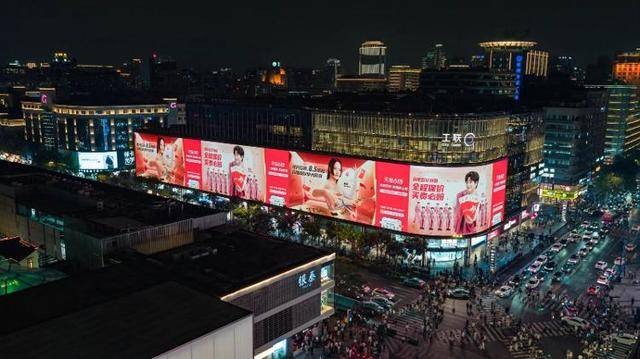
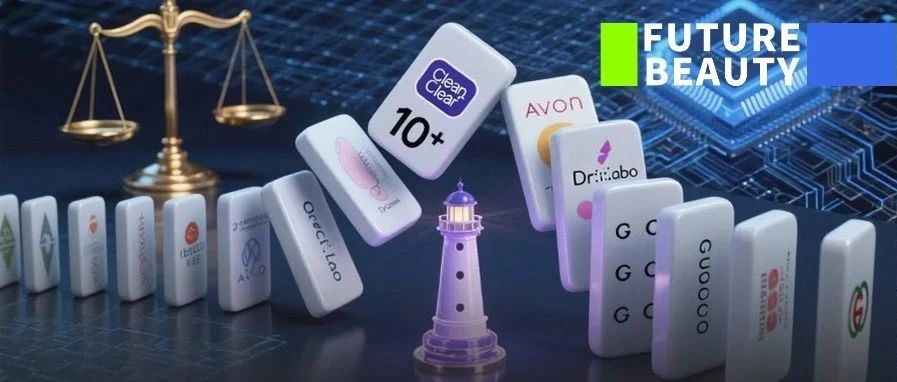
深度 | 美妆巨头为何“打包急售”传闻频出?
FBeauty未来迹· 2025-06-19 09:23
Core Viewpoint - A wave of brand sell-offs is sweeping through the beauty industry, driven by major companies facing performance pressures and a need to restructure their brand portfolios [2][3][6]. Group 1: Brand Sell-Offs - Coty is reportedly exploring the sale of several brands, including Gucci and Burberry, amidst market speculation [2]. - Kenvue, a spinoff from Johnson & Johnson, is also rumored to be considering the sale of its skin health and beauty division, with an estimated transaction value exceeding $500 million (approximately 3.59 billion RMB) [2]. - Natura & Co has been linked to ongoing rumors about selling Avon since last year, highlighting a broader trend of divestitures among beauty giants [2][3]. Group 2: Market Reactions - Despite the sell-off rumors, Coty's stock surged by 13% in a single day, reaching a three-month high, indicating a positive market reaction to the restructuring news [3]. - The performance pressures faced by these companies are evident, with Coty's mass beauty segment reporting a 9% decline in net revenue to $470 million (approximately 3.4 billion RMB) in Q3 of fiscal 2025 [8]. Group 3: Industry Trends - The beauty industry is experiencing a significant contraction, with Kenvue's skin health and beauty division reporting a 7.3% year-over-year sales decline in Q1 2025, the largest drop among its business segments [6]. - The Chinese market is reshaping the competitive landscape, with domestic brands capturing a growing market share, accounting for 55.2% of total sales in 2024, up 2.9 percentage points year-over-year [11][24]. Group 4: Strategic Shifts - Major beauty companies are shifting from aggressive acquisition strategies to a focus on efficiency and value, as evidenced by their divestiture of underperforming brands [19][21]. - The trend reflects a broader industry consensus that emphasizes streamlining brand portfolios and concentrating on core assets to enhance competitiveness [19][26]. Group 5: Future Outlook - The ongoing sell-off trend is expected to continue as companies adapt to the compressed industry cycle and intensifying competition [26]. - The future of the beauty industry will likely revolve around establishing competitive advantages in areas such as cutting-edge biotechnology, unique ingredients, and robust consumer data operations [26].