台积电

Search documents
陆家嘴财经早餐2025年3月30日星期日
Wind万得· 2025-03-29 22:21
Group 1: Electric Vehicle Industry - The China Electric Vehicle Hundred People Forum highlighted the need for fair competition in the automotive industry, with measures to strengthen market monitoring and regulate investment practices [3] - The State-owned Assets Supervision and Administration Commission announced plans for strategic restructuring of central automotive enterprises to enhance industry concentration and competitiveness [3] - NIO's chairman emphasized the company's commitment to R&D and charging network investments despite operational pressures [9] Group 2: Macroeconomic Insights - The National Foreign Exchange Administration reported that China's current account surplus is projected to be 2.2% of GDP in 2024, indicating a balanced economic structure compared to other economies [6] - China's goods trade surplus is expected to reach $768 billion in 2024, reflecting robust external demand and competitive manufacturing [6] - The impact of the "reciprocal tariffs" proposed by Trump is expected to be minimal for China, as the U.S. has already imposed significant tariffs on Chinese goods [6] Group 3: Capital Markets - The "A+H" listing model is expanding significantly, with many companies planning to list in Hong Kong, particularly in the fields of new energy, semiconductors, and high-end manufacturing [8] - Ant Group's performance showed a revenue increase of 29% year-on-year, driven by a balanced product structure and growth in bond and index funds [8] - The 2024 annual reports from major brokerages indicate a positive trend, with 11 brokerages reporting revenues exceeding 10 billion yuan [11] Group 4: Technology and Innovation - Xiaomi's SU7 Ultra achieved sales of 10,000 units quickly, indicating strong market demand for luxury electric vehicles [11] - The AI cloud technology is accelerating the automotive industry's upgrade, with significant growth in computational power demand [10] - The establishment of a large-scale flying car production facility by XPeng is expected to meet future market demands, projecting a market size of $2 trillion for flying cars [9] Group 5: Real Estate and Infrastructure - Multiple regions in China have introduced new housing support policies to stimulate the real estate market [15] - Wuhan successfully completed a land auction, selling 16 plots of land for a total of 3.615 billion yuan, indicating ongoing interest in real estate development [15] Group 6: Energy and Sustainability - The largest solar and storage power project in Tibet has been commissioned, expected to generate approximately 370 million kWh annually [18] - The development of intelligent computing resources in Shanghai aims to enhance the city's capabilities in high-performance computing [18]


特朗普的芯片税,真的要来了?
半导体行业观察· 2025-03-29 01:44
Core Viewpoint - The article discusses the complexities and implications of potential tariffs on semiconductor chips proposed by former President Trump, highlighting the intricate global supply chain of the semiconductor industry and the potential impact on prices and manufacturing costs [1][5][6]. Group 1: Tariff Proposal and Market Impact - Trump intends to impose tariffs on semiconductors produced outside the U.S., with a previous suggestion of a 25% tariff on processors, although details remain vague [1][5]. - The stock performance of major semiconductor companies has been mixed, with TSMC down 15%, Nvidia down 16%, AMD down 11%, and Broadcom down 25%, while Intel's stock rose 17% due to leadership changes and potential manufacturing shifts [1][5]. Group 2: Global Semiconductor Supply Chain - The semiconductor manufacturing process is highly globalized, involving multiple countries for different stages, from silicon wafer production to packaging and assembly [2][3]. - Chips often cross numerous borders before reaching their final form, complicating the determination of their origin for tariff purposes [2][6]. Group 3: Implications of Tariffs on Manufacturing - The proposed tariffs raise questions about how they would apply to chips that have crossed multiple borders and how manufacturers will handle the increased costs [5][6]. - The impact on consumer prices and profit margins for manufacturers is uncertain, as companies may need to absorb costs, reduce profits, or pass expenses onto consumers [6].
成熟芯片,顶不住了?
半导体芯闻· 2025-03-28 10:01
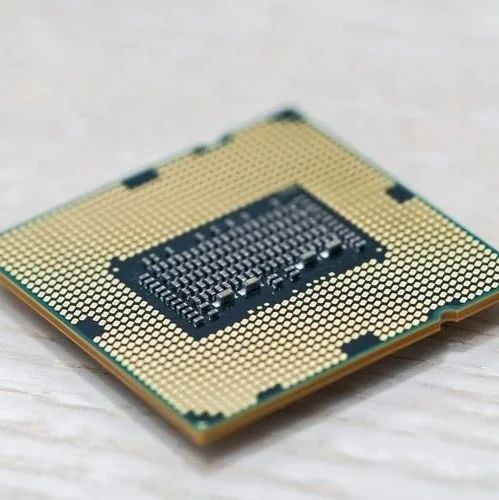
消息人士称,芯片封装商日月光半导体制造公司和矽品精密工业公司(SPIL)也是暂停马来西亚 扩张计划的厂商之一,因为许多芯片供应商将投资策略转向"观望"模式。 由于市场对老款或成熟芯片的需求不温不火,台积电正在放缓其在日本的扩张步伐。三位知情人士 向《日经亚洲》透露,这家全球最大的芯片制造商目前已决定,在 2026 年之前,其位于熊本的首 家日本芯片工厂将不需要生产 16 纳米和 12 纳米芯片的设备。 一位芯片业高管表示:"消费电子、汽车和工业应用的需求不太好,复苏前景也不容乐观。因此, 目前还不急于大规模扩张。……台积电熊本工厂目前的利用率远低于预期。" 如果您希望可以时常见面,欢迎标星收藏哦~ 来源:内容 编译自日经 ,谢谢。 该工厂被视为台积电最成功的海外扩张,因为它的建设时间晚于其在美国亚利桑那州的工厂,但投 产时间更早。目前,该工厂能够生产 28 纳米和 22 纳米级别的芯片,主要供应日本客户索尼、电 装和瑞萨。 《日经亚洲》获悉,由于旧芯片需求低迷以及关税不确定性,包括台湾半导体制造公司和英特尔在 内的领先芯片制造商和封装商已经放缓了在日本和马来西亚的扩张步伐。 在芯片制造中,一般来说,纳米数越大 ...

英特尔前 CEO:台积电投资无法保证美国重夺半导体领先地位
Sou Hu Cai Jing· 2025-03-28 06:16
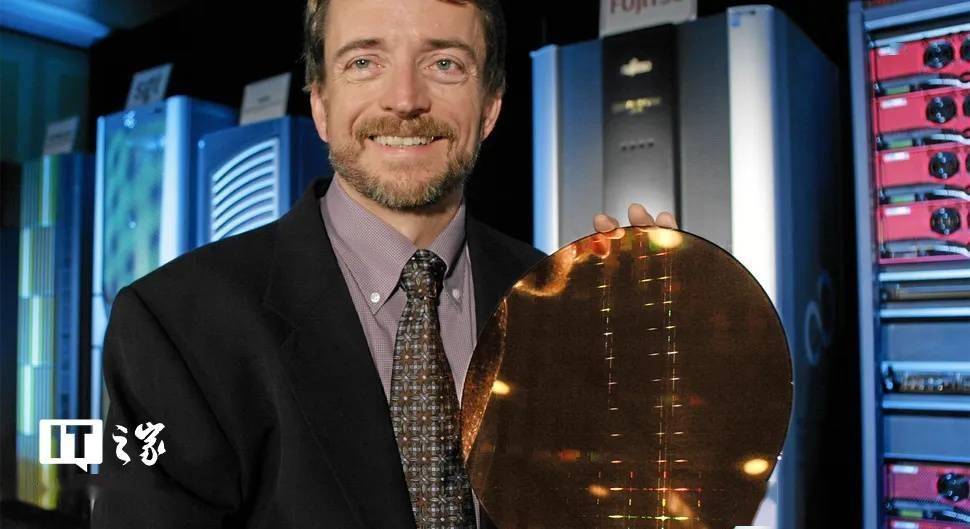
Group 1 - TSMC plans to increase its investment in advanced semiconductor manufacturing in the U.S. by $100 billion, bringing its total investment in the U.S. to $165 billion, which includes a previous $65 billion investment in Phoenix, Arizona [1] - The expanded investment will involve the construction of three new wafer fabs, two advanced packaging facilities, and a major R&D center [1] - TSMC's Arizona facility spans 1,100 acres and currently employs over 3,000 people, with production expected to start by the end of 2024 [4] Group 2 - Former Intel CEO Pat Gelsinger stated that the U.S. cannot regain its leadership in semiconductor process technology without conducting R&D domestically [3] - Gelsinger emphasized that TSMC's R&D work is primarily based in Taiwan and has not been announced to move to the U.S., indicating that merely enhancing manufacturing capabilities is insufficient for the U.S. to regain technological leadership [3] - TSMC's R&D focus in the U.S. is still unclear, with indications that it may only concentrate on optimizing existing processes [3]
特朗普的关税大棒打在马斯克身上?
Sou Hu Cai Jing· 2025-03-28 04:21
Group 1 - The core issue is that Trump's tariffs are impacting the entire global supply chain, with significant effects on companies like Tesla, which relies heavily on imported components [1][3]. - Tesla's supply chain is largely dependent on Chinese companies for battery production, and the rising costs of imported parts due to tariffs will hurt consumers and potentially reduce Tesla's sales [3][5]. - The tariffs may lead American consumers to opt for cheaper gasoline vehicles, which poses a threat to Tesla's sales growth and stock price, as the company relies on increasing sales volume [5][6]. Group 2 - The tariffs are expected to benefit companies like BYD and Geely, while major global automakers such as Toyota, Volkswagen, and Hyundai will also face challenges due to the increased costs [5][6]. - Musk's relationship with Trump raises questions about the motivations behind the tariffs, as they seem to target the entire import automotive industry rather than providing specific support to Tesla [5][8]. - Tesla's global strategy is both a vulnerability and a strength, as the company is caught in a political maneuver that prioritizes broader economic and political goals over the interests of individual companies [8].

英伟达CPO交换机发布,满足百万卡组网的低功耗需求
2025-03-28 03:14
Summary of Key Points from the Conference Call Company and Industry - **Company**: NVIDIA - **Industry**: Data Center Networking and GPU Acceleration Core Insights and Arguments - **Product Launches**: NVIDIA introduced the Cotton series IB switches and Spectrum UM series Ethernet CPO switches at the GDC 2025, aimed at addressing low power requirements for million-card clusters [2][3] - **CPO Technology Advantages**: CPO technology significantly reduces power consumption (1.6T optical engine consumes 9W, saving 3.5 times compared to pluggable modules), optimizes link loss (18 dB signal integrity improvement), and enhances data center installation efficiency [2][4] - **Cotton Series Structure**: The Cotton series switch features a complex internal structure with four 28.8T ASIC chips, total bandwidth of 115.2T, and utilizes a liquid cooling system [2][5] - **Micro-Ring Modulator Challenges**: Manufacturing micro-ring modulators is complex due to high sensitivity to process and temperature, involving hundreds of patents [7] - **CPO Switch Connectivity**: Each CPO switch has 144 MPU interfaces with a total capacity of 115.2T, connecting to external single-mode fiber links using 1,152 fibers [10][11] Additional Important Content - **Potential Suppliers**: Domestic companies like Xuchuang, Xinyi Sheng, and Huagong have capabilities in silicon photonics design and production, potentially taking on component packaging tasks [12] - **Future Trends**: NVIDIA's CPU penetration structure is expected to evolve, with initial focus on self-owned network clusters, and gradual market penetration anticipated by 2026 [13] - **Installation Efficiency**: The CPO solution reduces the risk of data center downtime caused by human error during installation, which accounts for approximately 3% to 5% of outages [4]

台积电美国,落后五年
半导体行业观察· 2025-03-28 01:00
Core Viewpoint - TSMC's investment in U.S. factories aims to enhance semiconductor production capabilities, but there are significant delays in technology advancement compared to Taiwan, potentially impacting Apple's future chip production [1][2][3] Group 1: TSMC's U.S. Expansion - TSMC has invested billions in its U.S. factories, including a second facility in Arizona set to produce 3nm chips by 2028 and a third facility for 2nm chips expected to be completed by the end of 2030 [1][2] - The production processes in the U.S. will lag behind Taiwan by approximately five years, affecting the availability of advanced chips for Apple [1][2] - Currently, the Arizona factory is producing A16 chips using the N4 process, while Apple will rely on TSMC's Taiwan operations for 2nm chips until the U.S. facilities are operational [2][3] Group 2: Supply Chain and Strategic Implications - Establishing factories in the U.S. helps diversify production and mitigate supply chain disruptions, aligning with Apple's strategy to reduce reliance on Chinese manufacturing [3] - However, this shift may diminish the importance of TSMC's Taiwan operations in the global semiconductor landscape [3] Group 3: Industry Perspectives - Former Intel CEO Pat Gelsinger expressed skepticism about TSMC's ability to restore U.S. leadership in semiconductor manufacturing, emphasizing the need for R&D to be conducted in the U.S. [5][6] - Gelsinger highlighted that TSMC's core R&D will remain in Taiwan, limiting the potential impact of U.S. manufacturing investments [5][6] - He also pointed out that merely investing in manufacturing is insufficient; technological innovation and cost efficiency are crucial for future competitiveness in the semiconductor industry [7]
中芯国际的破局时刻:营收新高背后的利润困局
Sou Hu Cai Jing· 2025-03-27 22:45
Core Insights - Semiconductor company SMIC reported a record revenue of 57.7 billion yuan, but net profit decreased by 23.3%, highlighting the challenges of growth in the industry [1][3] - Revenue increased by 27.7% year-on-year, while net profit dropped, indicating a significant decline in operational efficiency [3] - The company experienced a 36.7% increase in wafer shipments, but the average price per wafer fell by 4.7%, reflecting intense price competition in the market [3] Business Structure - Traditional businesses such as smartphones and consumer electronics still account for 65% of revenue, but competitive pressures are increasing [3] - Emerging demand for AI computing chips is growing, but profitability is being squeezed as the company balances maintaining mature processes and investing in advanced technologies [3] - R&D expenditure as a percentage of revenue has decreased to 9.4%, which is low compared to competitors like TSMC and Samsung, who invest around 15% [3] Capital Expenditure and Dividends - SMIC's capital expenditure reached 7.3 billion USD, with no dividends paid, indicating a focus on long-term investments over immediate returns [3] - The company is investing heavily in building 12-inch wafer production lines, which require substantial capital, amidst a competitive landscape for advanced process technologies [3] Future Outlook - Management expresses confidence in outpacing industry growth rates by 2025, driven by the demand for AI computing [4] - Geopolitical risks remain a concern, as recent supply chain disruptions have highlighted vulnerabilities in the industry [4] - The ability to maintain cash flow in mature processes while advancing in 14nm and below technologies will be crucial for the company's future positioning in the semiconductor industry [4]

2.5D封装,为何成为AI芯片的“宠儿”?
半导体芯闻· 2025-03-27 10:11
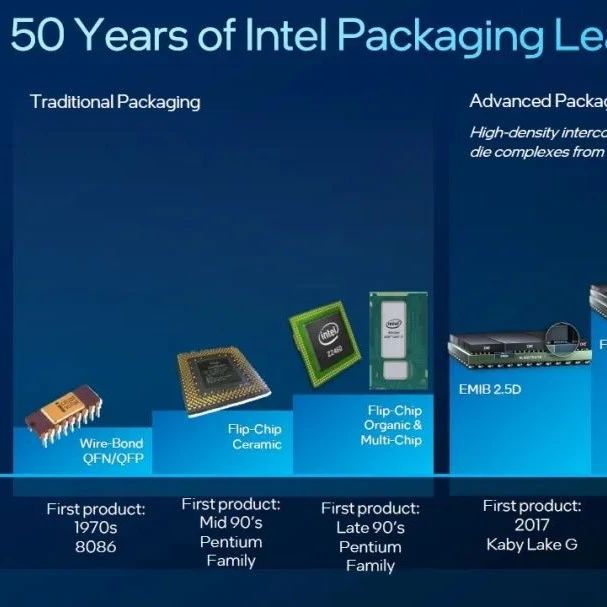
Core Viewpoint - The article emphasizes the critical role of packaging technology, particularly 2.5D packaging, in the development of AI chips, highlighting Intel's EMIB technology as a key solution to meet the growing demands in this sector [1][3][30]. Group 1: Importance of 2.5D Packaging - 2.5D packaging is not a new concept but has gained renewed significance in the AI chip domain, allowing for the integration of multiple functional units within a single package, thus providing a balance between complexity and performance [3][4]. - AI chips require high bandwidth and low latency for efficient inter-chip communication, which traditional packaging methods struggle to provide. 2.5D packaging enhances data transfer efficiency while maintaining a simpler manufacturing process [3][4]. Group 2: Advantages of EMIB Technology - EMIB technology offers several advantages: lower costs due to high wafer utilization, higher yield by reducing complex processing steps, and faster production cycles compared to traditional methods [4][5][8]. - EMIB's design allows for greater scalability and flexibility, making it suitable for integrating more HBM or complex workloads, thus enhancing performance potential for AI applications [8][9]. Group 3: Intel's Leadership in Packaging Technology - Intel has been a pioneer in packaging technology for over fifty years, continuously advancing from early wire-bond architectures to modern 2.5D and 3D technologies, establishing itself as a leader in the field [13][20]. - The company has completed over 250 2.5D design projects across various applications, demonstrating its extensive experience and capability in advanced packaging solutions [27]. Group 4: Future Developments - Intel is actively working on larger packaging sizes and exploring glass substrate technology, which is expected to become mainstream in the coming years, further enhancing packaging capabilities for AI accelerators [29][30].

中芯国际与三星差距缩小!
国芯网· 2025-03-27 04:39
Core Viewpoint - The article highlights the competitive landscape of the global semiconductor foundry market, emphasizing the growing gap between TSMC and Samsung, as well as the rapid rise of SMIC in the rankings [1][2]. Group 1: Market Share Dynamics - TSMC holds a dominant position with a market share of 67.1%, increasing by 2.4 percentage points from the previous quarter [1]. - Samsung's market share has declined to 8.1%, down from 11.5% in Q2 and 9.1% in Q3 of the previous year, marking a significant drop into single digits [1]. - The gap between TSMC and Samsung has widened from 55.6 percentage points to 59 percentage points, while the gap between Samsung and SMIC has narrowed from 3.1 percentage points to 2.6 percentage points [1]. Group 2: Revenue Trends - The top 10 foundries experienced a 9.9% quarter-over-quarter revenue growth, primarily driven by TSMC's performance, which saw a 14.1% increase [2]. - In contrast, Samsung's revenue decreased by 1.4%, and UMC's revenue fell by 0.3%, indicating a decline in their performance [2]. - SMIC's revenue grew by 34% year-over-year in Q3, despite facing challenges from U.S. export restrictions, benefiting from increased production of older semiconductor technologies [2]. Group 3: Industry Trends - The foundry industry is showing signs of polarization, with demand for mature processes slowing down, while advanced processes driven by AI servers and smartphone applications are boosting high-value wafer shipments [2]. - SMIC has expanded its capacity for advanced 12-inch wafers and increased its average selling prices, marking a significant shift in its operational focus [2].