
戴德梁行

Search documents
上海、深圳出现了4大奇怪现象,开始逐步蔓延,值得大家深思
Sou Hu Cai Jing· 2025-05-02 17:15
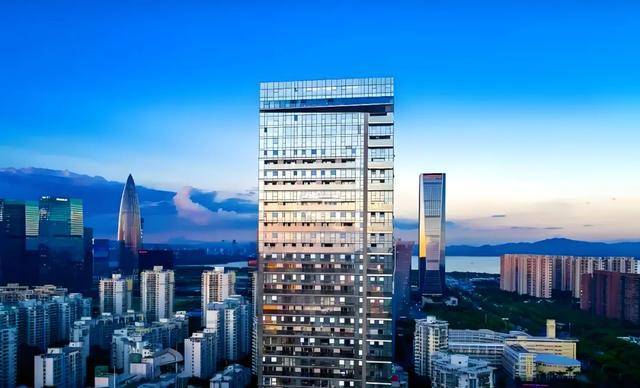
Core Insights - The article highlights the stark contrasts in living conditions and consumer behavior in major Chinese cities like Shanghai and Shenzhen, reflecting a broader societal shift and economic pressures [3][10][11] Group 1: Housing Market Dynamics - In Shanghai, high-income professionals are living in capsule apartments with rents as low as 800 yuan, while luxury properties are still being sold at high prices, indicating a growing divide in housing affordability [4][8] - Rental prices are projected to rise significantly, with Shanghai's average rent expected to increase by 12% by 2025, while the demand for smaller rental units has surged by 40% [4][6] - The disparity in housing transactions is evident, with luxury home sales increasing by 15% while affordable housing transactions have dropped by 22% [4][8] Group 2: Consumer Behavior Shifts - There is a notable decline in luxury goods sales, with a reported 8% drop in luxury sales in Shanghai, while fast-moving consumer goods under 100 yuan have seen a 25% increase in sales [5][6] - Young professionals are increasingly opting for budget-friendly options, with 62% of urban white-collar workers engaging in "consumption grading," prioritizing essential spending over luxury items [6][9] Group 3: Employment and Office Space Trends - The vacancy rate for office spaces in Shanghai and Shenzhen has reached record highs of 28.7% and 30.5% respectively, while demand for flexible workspaces is rising, with WeWork's occupancy rate at 92% [7][8] - The shift towards flexible employment is evident, with over 500,000 flexible workers in these cities, indicating a transformation in the job market and workspace preferences [7][10] Group 4: Population Movement and Urban Policy - Despite relaxed residency requirements, population growth in Shanghai and Shenzhen has slowed significantly, with net inflows at their lowest since 2019 [8][10] - Many young professionals are reconsidering their living situations, with a 45% increase in job seekers moving from Shenzhen to second-tier cities, driven by high living costs and better opportunities elsewhere [8][9]

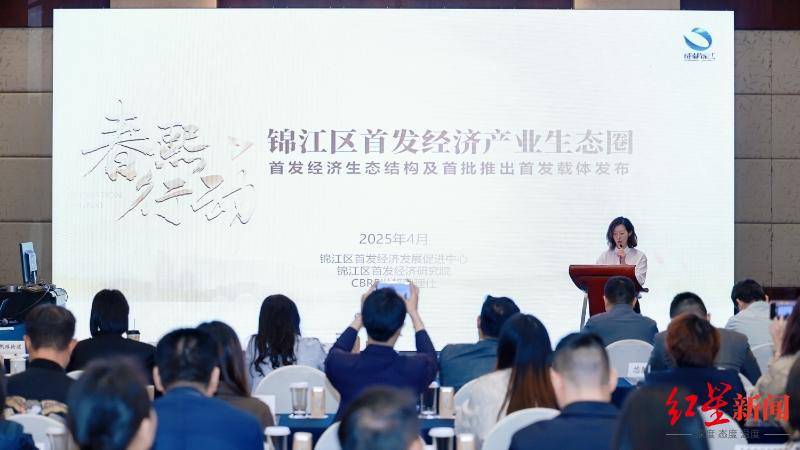
成都锦江区首发经济产业生态圈发布,将打造COSMO潮流聚变场、天府红国漫主场、白鹭湾科技展场等标杆
Sou Hu Cai Jing· 2025-04-29 14:30
Core Insights - The "first release economy" is emerging as a new engine for consumption in major cities, with the "first store economy" being a direct way to observe its development [1][3] - Chengdu aims to establish 6,500 first stores, host 1,000 high-profile premieres and exhibitions, and cultivate 100 landmark first release venues by 2027 [3] - The launch of the "Chengdu First Release Economic Development Three-Year Action Plan" outlines specific targets and collaborative efforts with educational institutions to promote this economy [3][4] Group 1 - The Chengdu Jinjiang District has established the first national promotion center for the first release economy and is collaborating with universities to create a research institute [3] - The Jinjiang District aims for "over 100 first stores and revenue exceeding 100 billion" by 2025, with a goal for the first release economy to contribute 5% to the total retail sales of social consumer goods [3][4] - The "Jinjiang District First Release Economic Industry Ecosystem" was released, focusing on a three-layer structure of "front-end research, release display, and transformation landing" [3][6] Group 2 - The first batch of benchmark first release venues includes COSMO, which will integrate national trends with brand acceleration, and Tianfu Red, focusing on original incubation in the national comic theme [4] - A seminar on the integration of the first release economy and cultural industries was held, with industry representatives sharing insights [6] - The Jinjiang District has released a list of nine integrated scenarios, creating a comprehensive first release matrix that combines online and offline experiences [6]
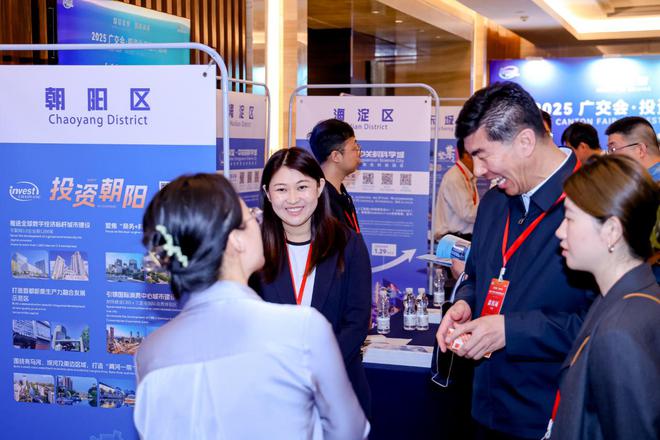
“投资北京”推介活动走进广交会,展示多元投资机遇
Xin Jing Bao· 2025-04-16 13:11
出口展参展企业首次突破3万家,吸引超20万名境外采购商预注册,第137届广交会于4月15日在广州开 展。 4月16日,北京市投资促进服务中心组织北京市11个区投资促进团组,在广州举办"2025广交会-投资北 京推介活动"。 北京市投资促进服务中心副主任孟凡勇围绕"投资北京赢得未来"的活动主题,向参展商们推介了北京的 优势。北京不仅是历史文化名城,更是全球科研高地与创新枢纽。作为国家科技创新中心,北京具有强 大的创新能力和丰富的创新资源,是享誉世界的创新之城。"创新",已成为除了故宫、长城等文化古都 标签之外,北京最具特点的标志性符号。 北京汇集了众多高校和科研院所,拥有55万余名科研人员、全国近一半的两院院士、超过四分之一 的"万人计划"专家,入选"高被引科学家名单"的科学家数量居全球首位。从科技企业看,北京每天有 300多家科技企业诞生,相当于每5分钟就有一家科技企业诞生,密度已超越硅谷。判断一个城市是不是 创新高地,要看它能否孕育出世界级的创新型企业。北京国家高新技术企业、国家级专精特新"小巨 人"企业均居全国各城市首位,独角兽企业数量位居全国首位、世界第二。 从产业规模看,北京已形成新一代信息技术、科技 ...
2025年第一季度北京零售物业市场报告
Cushman & Wakefield· 2025-04-01 00:35
Investment Rating - The report does not explicitly state an investment rating for the industry Core Insights - The Beijing retail market is experiencing a transformation with the introduction of new projects and the renovation of existing ones, driven by changing consumer habits and demands [3][5] - The market is expected to see over 700,000 square meters of quality retail space launched in 2025, primarily from large-scale new projects and urban renewal initiatives [5] - The introduction of new brands, particularly first stores, is revitalizing consumer engagement in Beijing, with 960 first stores expected in 2024 and 800 in 2025 [4] Market Overview - In Q1 2025, three new projects opened in Beijing, adding 356,000 square meters of quality retail space, bringing the total shopping center stock to 1.666 million square meters [3] - Urban renewal projects are becoming the main source of quality shopping center supply, with significant upgrades in both space structure and brand offerings [3] - The trend of upgrading older retail projects is ongoing, with operators taking over and revitalizing these spaces [3] Brand Developments - High-end dining and cultural entertainment brands are particularly active, with notable first stores opening in Beijing, such as Armani Coffee and POOPOSUPER [4] - Independent shops in traditional hutongs are gaining popularity among brands, indicating a shift in consumer preferences [4] Market Outlook - The report anticipates continued support for traditional brands and cultural enterprises, with policies being introduced to promote physical bookstores [5] - Future projects are expected to increasingly incorporate cultural elements, creating distinctive commercial spaces [5] Key Market Indicators - The average rent for prime retail space in Beijing is projected at ¥2,130 per square meter per month, with a vacancy rate of 10.6% [11] - The report provides detailed statistics on various commercial districts, highlighting their stock, vacancy rates, and rental price ranges [11] Major Upcoming Projects - Several significant projects are set to open in 2025, including Beijing Shangde Yintai City and Wangfujing WellTown, contributing to the retail landscape [13]
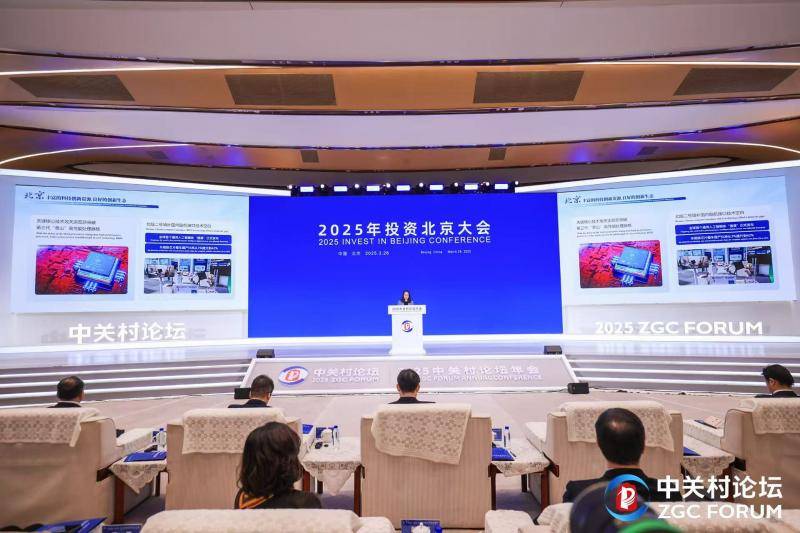
2025年投资北京大会举办 签约30个重点产业项目、总额达615.4亿|关注2025中关村论坛
Sou Hu Cai Jing· 2025-03-28 03:09
Core Insights - The "Investment Beijing" conference held on March 28, 2025, resulted in the signing of 30 key industrial projects with a total investment of 61.54 billion RMB, covering various sectors including biomedicine, finance, technology services, intelligent manufacturing, and green energy [1][6] Group 1: Event Overview - The conference was themed "Invest in Beijing, Win the Future" and included various segments such as keynote speeches, project signings, and investment consultations, attended by over 600 representatives from global companies and investment institutions [2][3] - The event showcased Beijing's international technological innovation advantages and high-quality business environment, aiming to enhance investment confidence and attract high-end projects [5] Group 2: Economic Context - Beijing's economic output is projected to reach 49.8 trillion RMB in 2024, with a growth rate of 5.2%, and a per capita GDP of 32,000 USD, ranking first in the country [3] - The city aims to strengthen its role as a global investment hub by promoting high-level openness and optimizing the business environment [10] Group 3: Project Highlights - The signed projects include significant investments in biomedicine, such as the Harvard Medical Innovation Center in Fangshan and a 1 billion RMB medical headquarters in Daxing [6][7] - In the technology services and new information technology sectors, projects worth 15.457 billion RMB were signed, including a 1 billion RMB supercomputing project in Shijingshan [7] - Green energy projects totaled 1.035 billion RMB, focusing on hydrogen fuel cells and carbon capture technologies [8] Group 4: Investment Opportunities - A total of 215 investment projects were announced, with a total investment amount of 95.45 billion RMB, targeting trillion-level industrial clusters in information technology, healthcare, and technology services [5] - The conference emphasized the importance of creating innovative application scenarios to facilitate the transformation of technological achievements into practical applications [5]

杭州商业格局变了:万象城“突进”,老牌杭州大厦“退军”
Jie Mian Xin Wen· 2025-03-26 06:17
Core Insights - The commercial landscape in Hangzhou is undergoing a significant shift, with Hangzhou MixC expected to surpass Hangzhou Tower in sales for the first time in 2024, marking a change in the leading commercial entity in the city [1][4][6] - Hangzhou Tower, previously the top sales performer, is projected to see a decline in sales by several billion compared to the previous year, while Hangzhou MixC's sales are estimated to be around 13 billion [1][4] - The emergence of younger consumer demographics and the rise of the Z generation are key factors driving the transformation of Hangzhou's high-end commercial landscape [4][6] Sales Performance - In 2023, Hangzhou Tower's sales were approximately 13 billion, while Hangzhou MixC's sales first exceeded 10 billion in 2022 [1][4] - Both Hangzhou Tower and Hangzhou MixC are expected to maintain sales above 10 billion in 2024, with overall sales remaining stable or slightly declining [1][4] - The Qianjiang New City commercial area, which includes Hangzhou MixC, achieved a consumption amount of 32.11 billion in 2024, a 40.86% increase from the previous year [5] Consumer Demographics - Hangzhou MixC primarily attracts younger consumers, including internet-savvy individuals and affluent second-generation elites, while Hangzhou Tower's customer base skews older [3][4] - The shift in consumer age demographics is a significant factor in the reconfiguration of Hangzhou's high-end retail landscape [4] Market Dynamics - The Qianjiang New City area is rapidly developing and is becoming a major competitor to the Wulin Square area, where Hangzhou Tower is located [4][5] - The introduction of new high-end commercial projects, including the upcoming Hangzhou Henglong Plaza and other developments, is expected to intensify competition in the high-end market [16][17] Policy and Economic Factors - Hangzhou's government has implemented various policies to stimulate consumption, including incentives for introducing international flagship stores [9][10] - The city aims to enhance its status as a shopping paradise and is actively promoting events and activities to boost consumer engagement [10][12] Future Outlook - The competition among high-end commercial entities in Hangzhou is expected to increase, with existing players like Hangzhou Tower and Hangzhou MixC needing to adapt to maintain their market positions [13][16] - The anticipated openings of new high-end commercial projects will likely lead to further segmentation and rapid changes in the high-end retail market in Hangzhou [16][17]
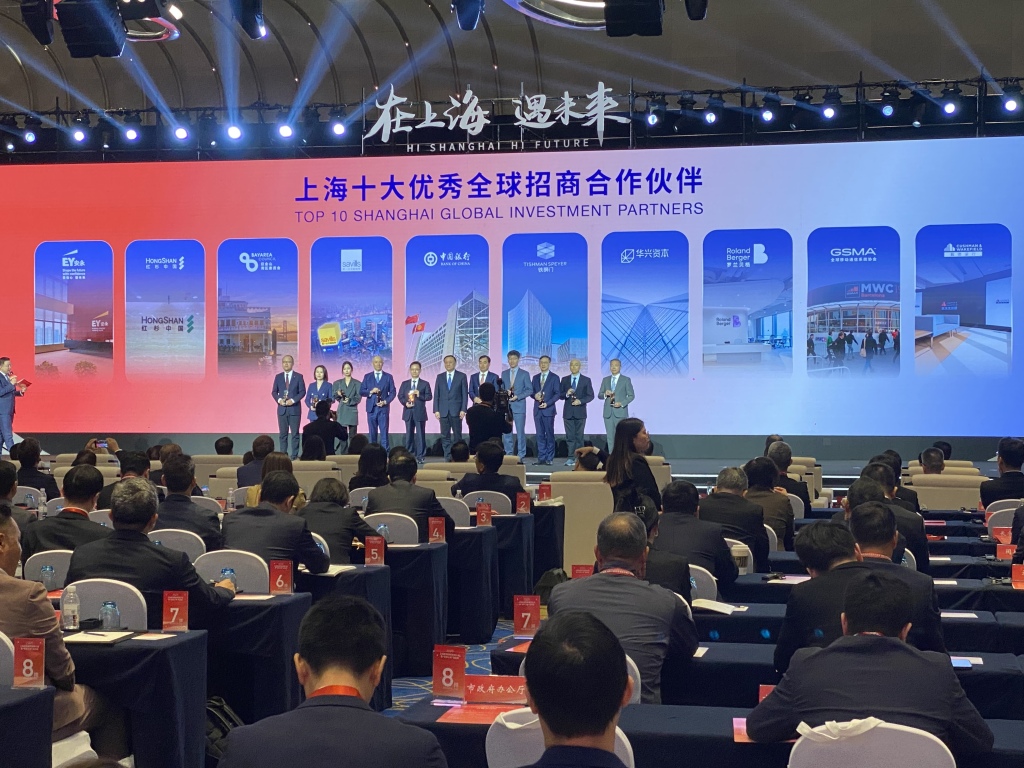
上海十大全球招商伙伴出炉,揭秘上海“引力场”密码
Guo Ji Jin Rong Bao· 2025-03-25 09:53
Core Viewpoint - The article highlights the announcement of the "Top Ten Global Investment Partners" in Shanghai, emphasizing the city's efforts to enhance its investment environment and attract foreign investment through strategic partnerships and innovative approaches [1][3]. Group 1: Global Investment Partner Program - The "Global Investment Partner Program" was initiated in 2021 to strengthen global resource allocation and broaden investment channels, with 40 international institutions recognized as quality representatives for "Invest Shanghai" [3]. - The 2025 Shanghai Global Investment Promotion Conference revealed ten organizations awarded as "Top Ten Global Investment Partners," including Ernst & Young, Sequoia China, and others [3]. Group 2: Confidence in Shanghai's Investment Environment - Ernst & Young's partner highlighted the firm's deep involvement in Shanghai's urban development, showcasing a commitment to enhancing the investment environment [4]. - Shanghai has implemented optimization plans for its business environment for eight consecutive years, aligning with international trade rules and creating a replicable reform model [4][5]. - The World Bank's report indicates that 55% of China's business environment best practices originate from Shanghai, underscoring its leadership in this area [4]. Group 3: Foreign Investment Trends - Foreign enterprises are increasingly confident in Shanghai's investment environment, with many opting to establish regional headquarters and R&D centers in the city [5]. - Shanghai's competitive edge in attracting global investment stems from a combination of factors, including a favorable business environment, forward-looking policies, and a robust industrial ecosystem [5]. - The city is proactively engaging in sectors like artificial intelligence, digital economy, and green development, enhancing its appeal to foreign investors [5]. Group 4: Collaboration and Efficiency - FirstService's CEO noted the impressive cross-departmental collaboration in Shanghai, which has expedited the project approval process for foreign investments [7][8]. - Shanghai's innovative policies, such as the "20 measures to stabilize foreign investment," have facilitated investment convenience and financial openness [8]. - The city aims to integrate global resources and enhance its resilience and innovation through strategic directions like global connectivity and green transformation [8].
2025年两会政府工作报告解读
Cushman & Wakefield· 2025-03-17 11:22
Investment Rating - The report does not explicitly provide an investment rating for the industry Core Insights - The 2025 government work report emphasizes the importance of boosting consumption and expanding domestic demand as a key strategy for economic growth in the face of external uncertainties [4][7] - The report outlines economic development targets for 2025, including a GDP growth rate of around 5%, an urban unemployment rate of approximately 5.5%, and a consumer price index (CPI) increase of about 2% [5][6] - The government plans to issue 300 billion yuan in special bonds to support the replacement of consumer goods, indicating a strong push towards stimulating consumer spending [11] - The report highlights the need for continued support for the real estate market to stabilize expectations and release wealth effects, with a focus on local government initiatives to acquire and repurpose existing properties [23][24] Summary by Sections Economic Development Goals - The 2025 targets include a GDP growth rate of around 5%, urban unemployment at 5.5%, and a CPI increase of about 2% [5][6] - The fiscal deficit is projected at 4% of GDP, with a total deficit scale of 5.66 trillion yuan [5] Consumption and Investment - The government prioritizes consumption as a means to drive economic growth, with measures introduced to stimulate domestic demand [7][12] - The retail market is expected to benefit from government policies aimed at enhancing consumer spending, with significant growth in categories like home appliances and electronics [11][12] Real Estate Market - The report emphasizes the need for policies to stabilize the real estate market, including the acquisition of existing properties and the promotion of urban renewal projects [23][24] - Local governments are expected to play a crucial role in revitalizing the real estate sector through special bonds and land acquisition initiatives [24][25] Technological Innovation and New Industries - The report outlines a commitment to fostering technological innovation and the development of modern service industries, with a focus on emerging sectors such as low-altitude economy and biomanufacturing [17][18] - The growth of the low-altitude economy is projected to reach 850 billion yuan by 2025, with an annual growth rate exceeding 30% [17] Foreign Investment - The government aims to encourage foreign investment in sectors such as telecommunications, healthcare, and education, reflecting a broader strategy to enhance openness and collaboration with international markets [31] Environmental Sustainability - The report highlights the importance of transitioning to a green economy, with a focus on reducing carbon emissions and promoting sustainable development practices [32]
中国城市高质量发展白皮书
Cushman & Wakefield· 2025-02-27 08:25
Strategic Background - Urban development is a key engine for China's economic and social progress, transitioning from large-scale construction to quality improvement and structural adjustment[10] - The "14th Five-Year Plan" and 2035 vision emphasize promoting high-quality urban development, shifting focus from quantity to quality[10] Necessity of High-Quality Development - Urbanization has led to increased economic growth but also issues like resource waste and environmental pollution, necessitating a shift to high-quality urban development[11] - High-quality urban development aims to optimize resource allocation and meet rising public demands for livable environments and quality public services[11] Main Directions for High-Quality Development - **Livable Cities**: Focus on enhancing living quality through balanced public service distribution and improved infrastructure[13] - **Innovative Cities**: Emphasize creating sustainable ecosystems by attracting high-quality talent and optimizing innovation environments[15] - **Resilient Cities**: Enhance emergency management and risk resilience, especially in response to crises like pandemics[16] - **Smart Cities**: Leverage digital management and smart facilities to improve governance efficiency[17] - **Green Cities**: Promote low-carbon development to achieve carbon neutrality goals[18] - **Cultural Cities**: Protect cultural heritage while innovatively utilizing cultural resources[19] Challenges and Opportunities - Challenges include resource integration difficulties, lack of multi-stakeholder collaboration, and insufficient innovation capabilities in many cities[21] - Opportunities arise from improved policy environments and technological advancements, particularly in AI and IoT, which can enhance urban management and service delivery[22] Policy Background - The transition from incremental development to stock renovation is highlighted, with a focus on updating aging infrastructure to meet public needs[27] - A series of national policies since 2014 have emphasized the importance of urban renewal, culminating in its inclusion as a major project in the "14th Five-Year Plan"[27] Urban Renewal Models - Urban renewal strategies are evolving from large-scale demolitions to more sustainable, incremental updates, focusing on balancing investment and operational efficiency[33] - Three main models have emerged: government-led, market-led, and multi-stakeholder cooperation, with a trend towards more collaborative approaches[33] Chengzhongcun (Urban Village) Renovation - Urban village renovation is crucial for improving living conditions and requires balancing public and economic interests[53] - Future projects will likely involve state-owned enterprises leading the way, with a focus on attracting social capital to address funding challenges[57]