米哈游

Search documents
从“杭州六小龙”到“上海五朵金花”——AI企业批量上市潮背后的培育逻辑之变
Xin Hua Cai Jing· 2026-01-21 08:09
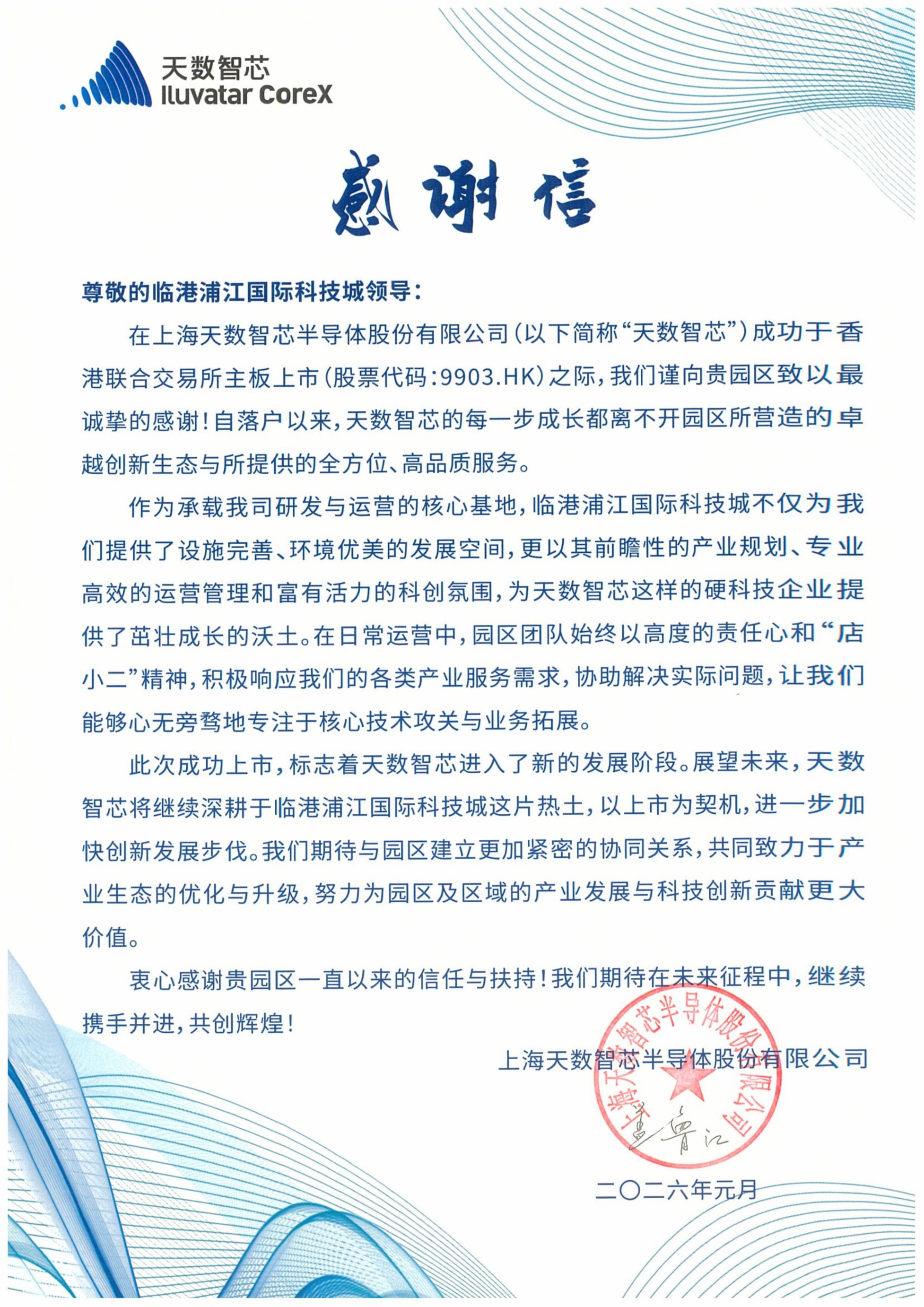
Core Insights - The beginning of 2026 marks a significant surge in the AI industry in Shanghai, with five major AI companies going public within a month, showcasing a comprehensive industrial chain from GPU chips to biomedicine [1] - Unlike the "spot explosion" seen in Hangzhou's AI cluster, Shanghai's IPO wave demonstrates a rare depth and systemic collaboration across various sectors [1] - Three of the five IPO companies are from the Lingang Group's industrial park, which has gathered over 1,600 AI enterprises, achieving an industry scale exceeding 100 billion yuan [1] Group 1 - The AI industry in Shanghai is experiencing a concentrated explosion, with five companies including Wallen Technology and TianShu ZhiXin successfully listing [1] - The previous notable AI cluster was the "Six Little Dragons" in Hangzhou, but Shanghai's listing wave covers a complete industrial chain, indicating systemic collaboration [1] - The Lingang Group's industrial park has been pivotal in nurturing these companies, focusing on long-term development rather than chasing fleeting trends [2][4] Group 2 - The success of AI companies like TianShu ZhiXin and Wallen Technology is attributed to a decade-long systematic layout in the integrated circuit industry, initiated around 2013 [5] - The park has strategically attracted leading companies in various fields, forming a robust semiconductor industry cluster that avoids low-level homogenization [5] - The focus on high-value upstream design and downstream application scenarios has led to a clear industrial structure, with successful IPOs reflecting years of concentrated effort [5] Group 3 - The growth of companies is not linear; their needs evolve through different stages, from initial support to market validation and global talent acquisition [6] - The Lingang Group has established a full lifecycle nurturing system to support companies at various growth stages, providing tailored resources and assistance [6] - Wallen Technology's journey illustrates the importance of timely support from the park, which helped the company navigate financial challenges and achieve significant milestones [6] Group 4 - MiniMax, a young AI company, has rapidly established itself, breaking industry norms with its strategic positioning and market approach [7][8] - The company has achieved notable success with its open-source text model, becoming a leading product in the global market [7] - The entrepreneurial culture in the Caohejing area fosters collaboration and resource sharing among companies, enhancing growth opportunities [8] Group 5 - The Caohejing area is becoming a hub for AI innovation, with significant investments from leading companies like Chery and Mihayou, focusing on AI applications in various sectors [9][10] - The collaboration between traditional leaders and new AI companies is facilitated by the park's ecosystem, promoting mutual growth and innovation [10] - The shift in focus from mere policy incentives to providing real-world testing environments is reshaping the competitive landscape for industrial parks [11] Group 6 - The Lingjing Lab in Caohejing exemplifies the transformation of industrial parks into practical testing grounds for AI technologies, fostering innovation through collaboration [11][12] - The park is also developing a unique spatial computing platform that integrates advanced models, supporting the digital economy and regional development [13] - The park's commitment to using its own facilities for testing and validating technologies helps reduce market trial costs for companies [13]

城记丨从“杭州六小龙”到“上海五朵金花”——AI企业批量上市潮背后的培育逻辑之变
Zhong Guo Jin Rong Xin Xi Wang· 2026-01-21 08:08
新华财经上海1月21日电(谷青竹)2026年的开局,对上海科创界而言是一场AI产业的集中爆发——在横跨2025年末至2026年初的短短一个月内,壁仞科 技、天数智芯、稀宇科技(MiniMax)、沐曦股份、英矽智能五家硬核AI企业接连登陆资本市场;此外,还有同属算力阵营的燧原科技也已完成IPO辅导, 冲刺在即。 在上海"五朵金花"热闹绽放之前,上一次凭借AI技术深度融合火爆出圈、引发全国广泛关注的前沿科技企业集群,则是杭州"六小龙"。但与"六小龙"的"点 状爆发"不同,上海此番企业上市潮覆盖了从GPU芯片、大模型底座到生物医药等垂直应用的完整链条,展现出罕见的产业纵深与系统性协同。 更值得注意的是,五家IPO企业中的三家——壁仞科技、天数智芯、稀宇科技,均出自临港集团旗下产业园区。据悉,临港集团围绕上海AI产业战略,已集 聚超过1600家人工智能企业(含软件与信息技术服务类),产业规模突破1000亿元。于是,当外界惊叹于"上海规模"与"上海质量"时,一个更值得思考的问 题产生:这座超大城市,究竟是如何批量"种"出AI上市企业产业链的? 不是"突然冒尖",而是"十年磨剑":长期主义是底层密码 临港浦江国际科技城副 ...

一天两起车辆起火事件!小米回应:动力电池均处于正常状态;俞敏洪宣布聘请陈行甲,年薪150万;日本电视荣光不再!TCL拟控股索尼电视业务
雷峰网· 2026-01-21 00:26
Key Points - Sony officially announced the spin-off of its television business, forming a joint venture with TCL, where TCL will hold 51% and Sony 49% [4][5] - The new company will manage the entire global operations of television and home audio equipment, with plans to start operations by April 2027, pending regulatory approvals [4][5] - Sony's market share in China has significantly declined, with foreign brands collectively holding less than 5% of the market share in 2024, averaging around 1.25% each [4][5] - The overall shipment of televisions in China is projected to drop by 8.5% in 2025, reaching a new low since 2010, with the top eight brands dominating 94.1% of the market [5] - Xiaomi responded to two vehicle fire incidents, stating that the power batteries were functioning normally at the time of the incidents [10][11] - MiHoYo announced the closure of the Genshin Impact server operated in partnership with Xiaomi, effective January 20, 2025, due to strategic adjustments [12] - New Oriental's founder, Yu Minhong, announced the hiring of Chen Xingjia as a consultant with an annual salary of 1.5 million RMB, amidst controversy over high salaries in the nonprofit sector [7][8] - The mobile phone market in China for 2025 shows Vivo, Xiaomi, and Apple as the top three brands by activation volume, with Xiaomi's growth attributed to the success of its 17 series [21][22] - Hikvision reported a slight increase in revenue for 2025, achieving 92.517 billion RMB, with a net profit of 14.188 billion RMB, reflecting a growth of 18.46% year-on-year [30]





从算力到应用 2026资本正重仓AI营销新范式
智通财经网· 2026-01-20 12:43
Core Insights - The commercialization of AI applications is becoming a focal point in the capital market, with significant events indicating strong potential for business models and sustainable profit paths [1][2]. Group 1: Market Dynamics - Several domestic large model and AI application companies have successfully gone public in Hong Kong, validating their business models [2]. - The acquisition of Manus by Meta and the integration of generative AI into Walmart's shopping process highlight the growing potential of AI applications in the market [2]. - OpenAI's decision to test advertising in ChatGPT's free and paid versions marks a significant shift in how users access information, indicating the emergence of a new market driven by generative AI [3][7]. Group 2: Advertising Transformation - The shift from traditional keyword-based search to natural language interaction in AI is fundamentally changing the flow of information and advertising [4][6]. - Data shows that by December 2025, ChatGPT's monthly active users will reach 880 million, with over 80% of users forming habits of obtaining consumer information through AI [5]. - The introduction of GEO (Generative Engine Optimization) and GEM (Generative Engine Marketing) represents a new paradigm in advertising, focusing on capturing user intent rather than keyword bidding [6][9]. Group 3: Industry Growth Projections - The global application market is expected to exceed $300 billion by 2025, with China leading at a 45% growth rate [8]. - The GEO market is projected to reach $24 billion by 2026 and could grow to $100 billion by 2030, with a compound annual growth rate of approximately 53% [9]. Group 4: Investment Opportunities - The capital market is increasingly favoring AI applications, with significant investments flowing into related ETFs and companies like Zhizhu and MiniMax achieving market valuations exceeding 100 billion HKD [11]. - The transition from traditional search engine traffic to AI tools is expected to accelerate, with Gartner predicting that about 25% of traditional search engine traffic will shift to AI tools by 2026 [11]. - Companies that can effectively leverage AI applications and establish a strong technological foundation are positioned to lead in the new AI advertising era [12][18].
MiniMax和智谱,千亿IPO的两条路
创业家· 2026-01-20 10:08
Core Viewpoint - The article discusses the competitive landscape of AI companies, focusing on two emerging players, MiniMax and Zhipu AI, highlighting their different strategies and market positions in the rapidly evolving AI sector [6][21]. Group 1: MiniMax - MiniMax is characterized as an aggressive player focusing on C-end driven, multi-model approaches, starting with a product aimed at AI virtual social interactions [7][8]. - The company’s first product, Glow, launched in October 2022, laid the foundation for its focus on emotional interaction, leading to significant revenue contributions from its later products, Talkie and Xingye, which accounted for 63.7% of MiniMax's revenue in 2024 [8][10]. - By 2025, MiniMax expanded its product offerings to include independent models for text, video, and voice, creating a diversified product matrix supported by multi-modal technology [9][10]. - MiniMax's revenue structure is promising, with over 70% of its income coming from overseas, primarily from C-end user subscriptions, indicating strong growth potential [11]. - Despite its growth, MiniMax faces challenges, including a low market share of 0.3% in the global AI market as of Q3 2025, and the intense competition from larger players requiring significant investment in computing power and data [11][12]. Group 2: Zhipu AI - Zhipu AI, founded in 2019 and rooted in academic research, has a more traditional approach, focusing on B-end services and a unified large model strategy [13][14]. - The company has undergone 18 rounds of financing before its IPO, attracting significant investment from various industry giants, which has positioned it favorably in the market [15]. - Over 80% of Zhipu AI's revenue comes from local enterprises, with a high client concentration, where the top five clients contributed approximately 40% of its revenue in the first half of 2025 [16]. - Zhipu AI maintains a high gross margin of over 50%, but its growth potential may be limited compared to MiniMax, which explains the disparity in stock performance post-IPO [16][19]. Group 3: Market Outlook - The article emphasizes the divergent paths of MiniMax and Zhipu AI, showcasing the varied strategies within the AI industry, from project-based to product-based models, and the focus on domestic versus international markets [21][22]. - The global AI landscape is evolving, with significant investments and developments anticipated, including OpenAI's potential IPO and the ongoing competition among major players [23]. - A report from McKinsey indicates that 88% of organizations are using at least one AI tool, suggesting a growing trend towards AI integration across industries, which will ultimately reward those who effectively embed AI into their operations [23].

MiniMax上市首日暴涨109%!“小超人”李泽楷一天赚了6.5个小目标
Sou Hu Cai Jing· 2026-01-20 09:25
Core Viewpoint - The recent IPO of MiniMax on the Hong Kong Stock Exchange marks a significant milestone for the AI industry, with the company achieving a market capitalization exceeding HKD 100 billion, indicating the entry of China's large model industry into the billion-dollar valuation era [5][14]. Group 1: MiniMax IPO Details - MiniMax officially listed on the Hong Kong Stock Exchange on January 9, 2026, with an initial offering price of HKD 165 per share, which surged to HKD 345 per share by the end of the first trading day, representing a 109.09% increase [5][6]. - The total market capitalization of MiniMax reached HKD 1,066 billion, making it the highest-valued AI-native enterprise on the Hong Kong market [5][6]. - The IPO was met with overwhelming demand, with the public offering portion receiving 1,837 times oversubscription and the international offering portion receiving 37 times oversubscription [16][17]. Group 2: Company Background and Growth - MiniMax was founded in 2021 by former SenseTime Vice President Yan Junjie and has developed a series of multimodal general models, including MiniMax M2.1 and Hailuo 2.3, targeting global markets [11][14]. - The company has achieved rapid growth, with revenues increasing from USD 346,000 in 2024 to USD 3,052,300 in 2025, and projected revenues for the first three quarters of 2025 exceeding USD 5,433,700 [14]. - MiniMax has attracted significant investment, raising over USD 1.5 billion in less than four years, with notable investors including Alibaba, Tencent, and MiHoYo [9][13]. Group 3: Market Impact - The successful listing of MiniMax has sparked a rally in both the Hong Kong and A-share markets, with the AI sector experiencing a surge in stock prices and heightened investor interest [7]. - The company has a user base of over 212 million individuals across more than 200 countries, with a monthly active user count of approximately 27.62 million and around 1.77 million paying users [11][14]. - The IPO has also benefited key investors, with Alibaba and the Abu Dhabi Investment Authority being among the largest beneficiaries, with Alibaba holding approximately 13.66% of MiniMax's shares [19][21].


阿里云PolarDB 最新发布
Shang Hai Zheng Quan Bao· 2026-01-20 04:59
Core Insights - Alibaba Cloud's PolarDB has officially launched a series of new AI capabilities, including the AI Data Lake (Lakebase), which integrates large model capabilities into the database, enabling intelligent decision-making through multi-modal data storage and querying [2][4]. Group 1: AI Capabilities - The new AI capabilities of PolarDB include the AI Data Lake (Lakebase), model operator services, and managed capabilities for Agent application development, significantly reducing the complexity of building AI applications [4][5]. - The AI Data Lake (Lakebase) solution is designed for a "lake-warehouse integration" architecture, providing unified storage and efficient analysis, thus supporting the construction of intelligent data management platforms for enterprises [4]. Group 2: Core Pillars of AI-Ready Database - PolarDB has outlined four core pillars of the "AI-ready database": multi-modal AI data lake, efficient fusion search capabilities, model operator services, and backend services for Agent application development, which together form the foundation for a more intelligent, efficient, and secure AI data infrastructure [5]. - PolarDB has gained the trust of over 20,000 users globally, with a deployment scale exceeding 3 million cores across 86 available zones, serving key business systems in various sectors including finance, automotive, government, internet, and telecommunications [5].
90后投资人创业卖“卡牌”,要IPO了
投中网· 2026-01-20 02:52
Core Viewpoint - Suplay, a collectible card company, has submitted its IPO application to the Hong Kong Stock Exchange, aiming to become the first publicly listed card company in Hong Kong, capitalizing on the growing interest in collectible toys and cards driven by the success of brands like Pop Mart [5][6]. Group 1: Company Overview - Suplay was founded in 2019 and specializes in collectible cards, with its flagship brand "Kakawo" ranking first in China's collectible non-combat card market by 2024 GMV, surpassing the combined market share of its second and third competitors [5][13]. - The company has two main business segments: collectible items centered around IP with limited editions and consumer products including trendy toys and derivatives [13]. Group 2: Leadership and Strategy - The founder and CEO, Huang Wanjun, has a background as both an investor and entrepreneur, having previously co-founded a crowdfunding platform and worked in investment banking, which has contributed to his strategic vision for Suplay [10][11]. - Suplay's initial success stemmed from addressing a market gap for a vertical trading platform for collectible toys, evolving into a brand-focused strategy that targets adult consumers, particularly women, seeking high-quality collectibles [12]. Group 3: Financial Performance - Suplay's revenue is projected to grow significantly, with a forecasted increase from 146 million yuan in 2023 to 281 million yuan in 2024, representing a 92.5% year-on-year growth [13]. - The company's gross margin has reached 54.5%, with an adjusted net profit margin of 30.5%, indicating strong financial health and profitability in a market that is increasingly favoring companies with solid financial metrics [20][21]. Group 4: Investment Landscape - The collectible toy market, particularly Suplay's niche, is gaining attention from investors as a promising sector amidst a broader cooling in consumer investment, with many viewing it as a rare opportunity for growth [20]. - Suplay has successfully raised over 100 million USD in funding since its inception, with significant contributions from notable investors like Mihayou, which has also provided strategic support through exclusive IP licensing [16][18].

成立两年,2025年全球收入比肩米哈游,何方神圣?
3 6 Ke· 2026-01-20 02:46
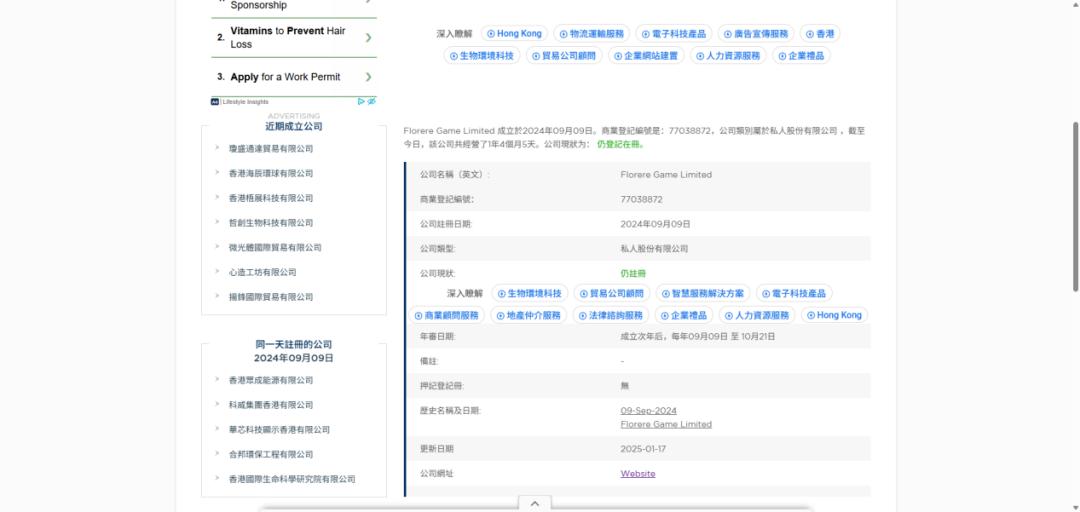
Core Insights - The 2025 global revenue ranking for Chinese mobile game publishers has been released, with Tencent at the top, followed by DianDian Interactive and NetEase. A surprising entry is Florere Game, which ranks sixth, being the only new company in the top 30 [1][3]. Group 1: Company Overview - Florere Game is a private limited company established in Hong Kong on September 9, 2024, with limited public information available regarding its founding team or shareholders [3]. - The company has two successful titles, "Last Z: Survival Shooter" and "Dark War Survival," both of which made it to the top 30 overseas mobile game revenue rankings in 2025, ranking sixth and eighth respectively [3][4]. Group 2: Game Performance - "Last Z: Survival Shooter" entered the top 30 revenue rankings in March 2025 at position 23 and has since stabilized in the top five, while "Dark War Survival" has consistently remained in the top ten since its entry [4]. - Both games are based on a post-apocalyptic zombie theme, with gameplay mechanics that are similar to other successful titles in the genre [5][8]. Group 3: Market Connections - There are indications that Florere Game has connections to a Beijing-based company that was previously involved in the development and publishing of its games, although the exact relationship remains unclear [2][23]. - The previous publisher of "Dark War Survival," Silkworld Game Limited, was linked to the Beijing company, which has since been dissolved [23][25]. Group 4: Revenue Insights - "Last War: Survival," another game with a similar theme, achieved significant success, generating over $1.5 billion in revenue in 2025, marking a 40% increase from 2024 [5][8]. - The combined revenue potential of Florere Game's titles could position it as a leading player in the overseas mobile game market, although direct evidence linking these games to the Beijing company is lacking [25].
2026最炸赛道,中国人最快?
3 6 Ke· 2026-01-20 02:42
Core Insights - The application of AI in the gaming industry is rapidly evolving, with independent developers leveraging AI tools to bring their ideas to life, indicating a shift in how games are developed and created [1][3] - The current AI wave is seen as a transformative opportunity, moving from a phase of hype to one of practical application and commercialization [3][4] Industry Trends - The AI industry in China is experiencing significant activity, with companies like Zhiyu and MiniMax successfully listing in Hong Kong, outperforming market expectations [3] - The AGI-Next conference highlighted the advancements in AI, with discussions indicating that China's AI capabilities in commercial applications and engineering design may surpass those of the U.S. [3][4] AI Applications in Gaming - The integration of AI in gaming can be categorized into two types: AI for Game, which enhances the workflow of game development teams, and AI in Game, which directly influences gameplay [4][5] - Tencent's VISVISE, an AI-driven 3D character animation pipeline, exemplifies the efficiency gains possible with AI, reducing the time for skinning from 1-3.5 days to under 5 minutes [4][5] Developer Insights - Many game developers are moving beyond using AI as a mere asset generation tool, instead allowing it to influence game design and development processes [6][7] - A report indicates that 86.36% of game companies in China are utilizing AI in their development processes, showcasing widespread adoption [7] Competitive Landscape - Chinese game developers are reportedly advancing faster in AI applications compared to their Western counterparts, who are often more cautious due to concerns about originality and the impact of AI on creativity [16][18] - The preference for rapid iteration and long-term operational models in China allows for more agile integration of AI technologies into games [18][20] Future Directions - AI NPCs are emerging as a key area of focus, with potential to enhance player experiences by making NPC interactions more dynamic and engaging [21][24] - The development of AI NPCs can address common player complaints about static and repetitive NPC behaviors, thereby improving overall gameplay [24][25] Conclusion - The gaming industry is positioned as a critical testing ground for AI technologies, with the potential for significant advancements in both game development and player experience [42][44] - As AI continues to evolve, its integration into gaming is expected to drive innovation and create new gameplay experiences, making it a competitive frontier for companies [41][44]