长安

Search documents
大厂都在做换电
汽车商业评论· 2025-05-30 09:10
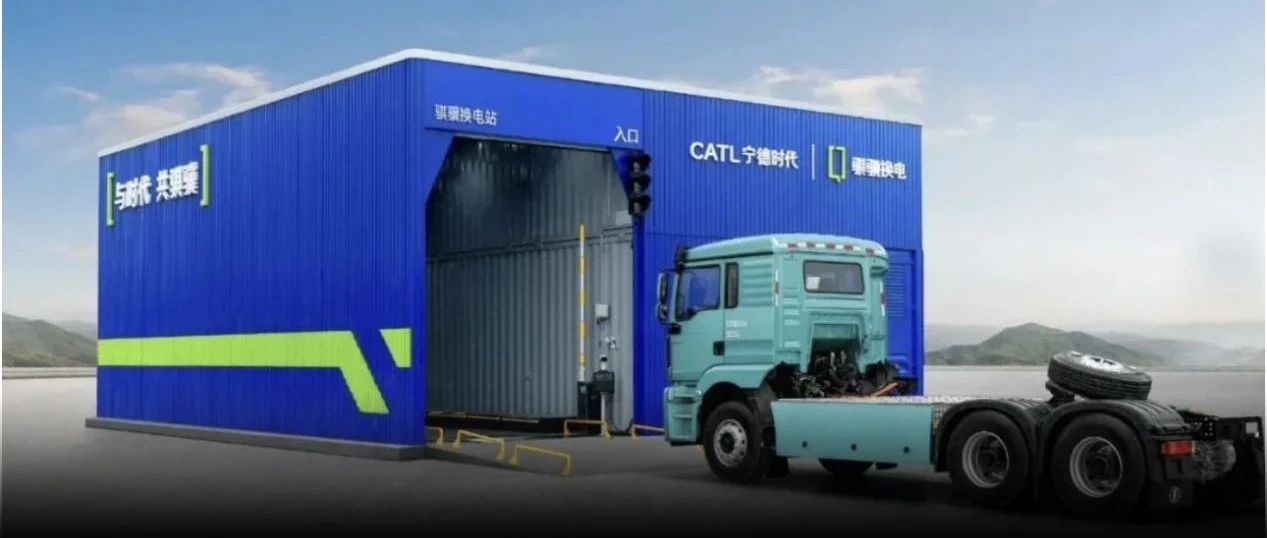
Core Viewpoint - CATL aims to redefine its identity from a mere battery manufacturer to a pioneer in the new energy sector, emphasizing its role in the development of battery swapping technology [4][5]. Group 1: Development of Battery Swapping - CATL has transitioned from a parameter-driven phase to a demand-driven phase in the battery market, highlighting its ambition to become a zero-carbon technology company [5]. - The company is constructing the world's largest and most advanced battery swapping network, targeting both passenger and commercial vehicles [7]. - The launch of the first battery-swapping model, the Changan Auchan 520, marks a significant step in the large-scale implementation of standardized battery swapping in the transportation market [8]. Group 2: Industry Challenges and Solutions - The lack of standardized battery swapping systems has been a major barrier to the widespread adoption of battery swapping technology [16]. - CATL has developed standardized battery blocks to address this issue, enabling compatibility across various vehicle models [17][19]. - The company plans to build 1,000 battery swapping stations by 2025, with a long-term goal of establishing 30,000 stations in collaboration with partners [25]. Group 3: Market Dynamics and Growth Potential - The battery swapping market is expected to experience significant growth, driven by policy support, technological standardization, and market cultivation [12][14]. - The market for battery swapping in heavy-duty trucks is projected to reach approximately 468 billion yuan by 2025 and 922 billion yuan by 2030 [43]. - CATL's initiatives in battery swapping are anticipated to enhance operational efficiency and reduce costs for heavy-duty truck operators, making it an attractive option for the logistics industry [38][41]. Group 4: Broader Ecosystem Impact - Battery swapping is not just a refueling method but a comprehensive ecosystem that includes technology, infrastructure, and commercial aspects [46]. - The integration of battery swapping stations with renewable energy sources can transform them into distributed energy nodes, contributing to grid stability [48]. - The establishment of a robust battery swapping network is expected to reshape urban energy infrastructure and planning, creating a multi-trillion yuan industry ecosystem [48].

共创、共荣、共进,2025香港车博会奏响汽车革新“协奏曲”
Jing Ji Guan Cha Bao· 2025-05-29 23:53
(原标题:共创、共荣、共进,2025香港车博会奏响汽车革新"协奏曲") 香港变了。 当港交所IPO(首次公开募股)募资规模重新成为世界第一,背后是宁德时代登陆港股这笔今年以来全球最大IPO的助力;在西九龙公路上行驶的 的士车队里,除了传统的红、绿、蓝三种颜色的车辆,还能看到吉利远程、广汽传祺E9等国产电动汽车的身影;在港岛车水马龙的核心商区,就 在保时捷和迈凯伦等豪华品牌的旁边,小鹏汽车香港第二门店暨全球科技品牌体验店亚洲首店高调开业…… 这样的变化,有相当一部分来源于中国汽车产业。在"一国两制"实践进入新阶段的当下,中国汽车品牌正在积极依托身为国际金融、航运、贸易 和科创中心的中国香港,链接世界,走向更广阔的海外天地;与此同时,凭借着融入国家发展战略、与内地汽车产业开展更紧密的联系与合作, 香港也有望持续推动经济转型升级、培育新的增长动能,这颗"东方明珠"正绽放出比以往更加灿烂的光芒。 基于此,2025国际汽车及供应链博览会(香港)(以下简称"2025香港车博会")的召开,是顺时而来,更是应势而为。6月12日~15日,由中国汽 车工业协会、香港中国企业协会、香港中华厂商联合会、中国港澳台侨和平发展总会、凤凰 ...



“车圈恒大”论:是危言耸听?还是盛世警言?
Ge Long Hui· 2025-05-28 13:05
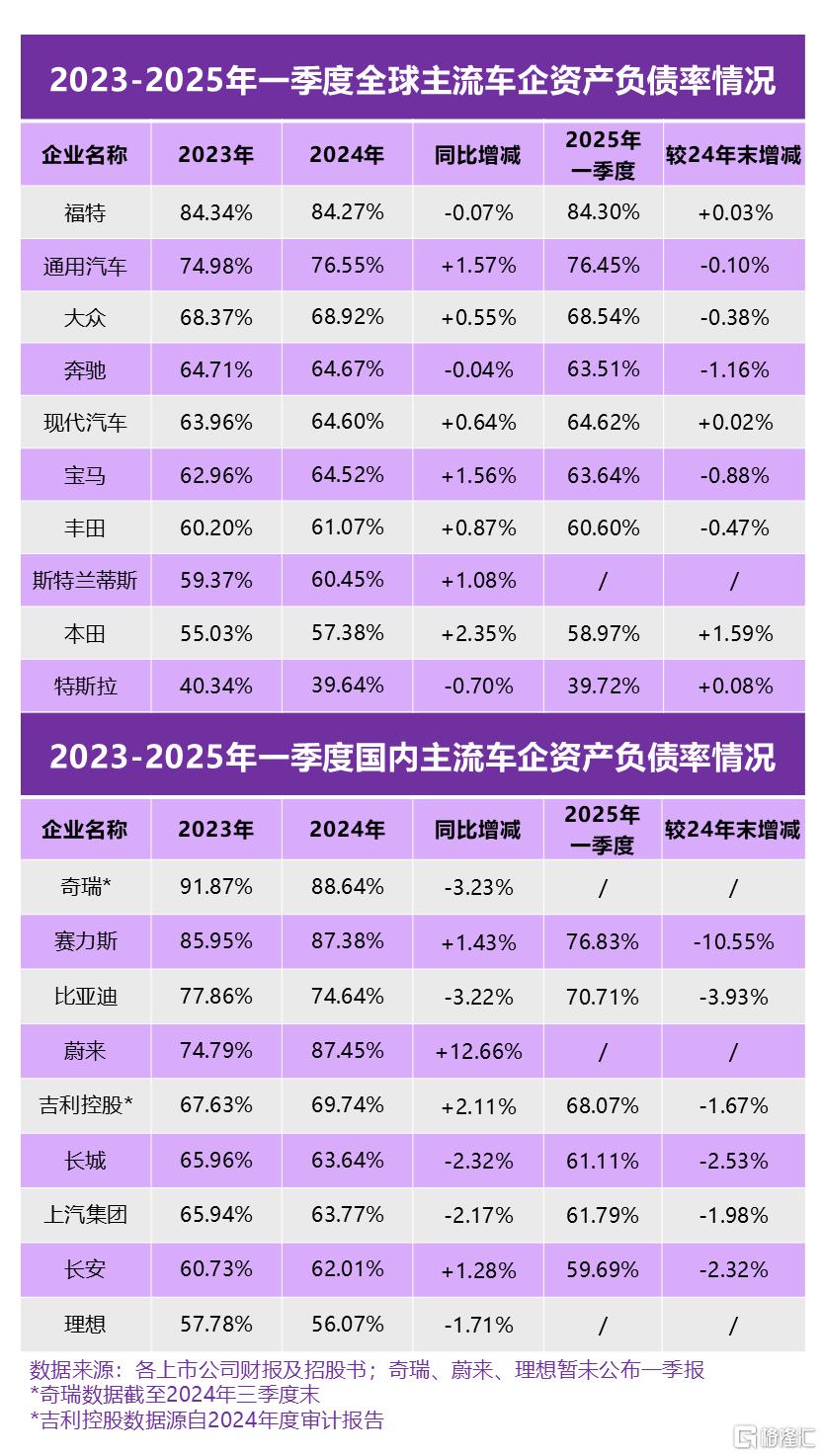
Core Viewpoint - The automotive industry is experiencing heightened concerns regarding high debt levels, with comparisons being made to the Evergrande crisis, particularly following comments from Great Wall Motors' chairman, Wei Jianjun [1][11]. Group 1: Debt Levels in the Automotive Industry - High debt levels are common in the automotive sector, with over 60% asset-liability ratios being standard among global giants; Ford's debt ratio exceeds 84%, while General Motors is over 76% [1][2]. - Domestic automakers generally exhibit lower debt levels compared to their international counterparts, with significant reductions noted; for instance, Seres' debt ratio dropped over 10% in the first quarter, and BYD's decreased by 7% in the past six months [3][6]. Group 2: Comparison of Domestic and International Debt Structures - International automakers like Toyota and Volkswagen have substantial interest-bearing debts exceeding 100 billion yuan, with Toyota's interest-bearing debt constituting 68% of its total liabilities [6]. - In contrast, domestic companies maintain much lower levels of interest-bearing debt, with BYD at only 5%, Geely at 17%, and Chery at 12% [6]. Group 3: Accounts Payable and Industry Dynamics - The disparity between domestic and international automakers is attributed to domestic firms relying more on non-interest-bearing liabilities, primarily consisting of unpaid supplier invoices [7]. - Despite the industry facing challenges of overcapacity and insufficient demand, domestic automakers have extended their accounts payable cycles; for example, BYD averages 127 days to settle accounts, while Great Wall takes 163 days [8][9]. Group 4: Industry Outlook and Strategic Concerns - The narrative surrounding the "Evergrande theory" may be more of a pressure tactic from struggling companies rather than a reflection of the actual financial health of the industry [11]. - Great Wall Motors faces strategic challenges, including failure to meet sales targets and a lack of agility in adapting to key market shifts, which raises concerns about its future competitiveness [11][14].


裁员计划逼近 10 万,海外车企集中 “瘦身”
晚点Auto· 2025-05-27 15:44
Core Viewpoint - The global automotive industry is facing significant challenges, including a slowdown in electrification trends, shrinking demand, intensified market competition, and an unstable international trade environment, leading to widespread layoffs among major overseas automotive brands [2][7]. Group 1: Layoff Trends - Major overseas automotive companies have announced layoffs affecting nearly 100,000 employees across key markets such as China, North America, Europe, and Japan [2]. - Volkswagen Group plans to cut approximately 35,000 jobs by 2030, with 7,000 already laid off, aiming to save €1.5 billion annually in labor costs [3][4]. - Other companies like Ford, General Motors, and Nissan are also implementing significant layoffs, with Ford cutting 4,000 jobs in Europe and Nissan planning to lay off 20,000 employees due to weak sales and trade uncertainties [3][5][6]. Group 2: Reasons for Layoffs - The layoffs are primarily driven by the need for cost reduction, increased competition, and the impact of tariffs and trade policies [3][5][6]. - Companies are restructuring to improve efficiency and adapt to changing market conditions, with many citing the need to streamline operations and reduce overhead costs [4][5][6]. Group 3: Comparison with Chinese Brands - In contrast to the layoffs among overseas brands, Chinese automotive companies are experiencing growth, with brands like BYD, Geely, and NIO increasing their workforce [7]. - The expansion of Chinese brands highlights a divergence in market performance, as they continue to capitalize on opportunities while traditional automakers face contraction [7].

飞行汽车量产倒计时 香山股份战略卡位低空经济蓝海迎先发优势
Quan Jing Wang· 2025-05-21 05:44
Group 1 - The production license application for Xiaopeng Huitian's flying car "land aircraft carrier" (code: X3-F) has been accepted, marking a significant step in the mass production system of flying cars in China [1] - The low-altitude economy is accelerating in China, with companies like Xiangshan Co., Ltd. strategically positioned to benefit from this emerging industry [1] - Xiangshan Co., Ltd.'s subsidiary, Junsheng Group, is a key partner for leading flying car companies, providing integrated charging and power management systems, expected to enter mass production by 2026 [1] Group 2 - Morgan Stanley predicts the global flying car market will reach $9 trillion, with China's potential market size at $2.1 trillion, and flying cars expected to grow at a compound annual growth rate of 46.2% over the next five years [2] - China Galaxy Securities believes new products in the low-altitude economy will provide new performance growth points for Xiangshan Co., Ltd. [3] - Xiangshan Co., Ltd. is a global tier-one supplier for major automotive brands, with projected revenue from new energy vehicle parts and charging systems reaching 987 million yuan in 2024, reflecting a compound annual growth rate of 21.08% [3] Group 3 - Xiangshan Co., Ltd. is transitioning from a traditional auto parts manufacturer to a leading provider of smart mobility solutions, with low-altitude economy being a key strategic focus [1] - The company has established a strong global operational capability with R&D centers in China, Germany, and North America, and 15 production bases worldwide [3] - The integration of Junsheng Electronics as a controlling shareholder has enhanced Xiangshan Co., Ltd.'s global supply chain resources and operational synergy [3]
价格过千,维修隐藏式门把手为何这么贵?
36氪· 2025-05-20 13:25
Core Viewpoint - The article discusses the rising costs associated with the repair of hidden door handles in electric vehicles compared to traditional mechanical handles, highlighting the complexity and electronic components involved in the former [4][11][22]. Group 1: Repair Costs Comparison - Repair costs for hidden door handles are significantly higher than for mechanical handles, with examples showing costs of 1087.5 yuan for a hidden handle versus 120 yuan for a mechanical one [5][9]. - The average repair costs for hidden handles range from 400 to 1000 yuan for materials, with additional labor costs, while mechanical handles typically cost under 300 yuan for replacement [8][9]. Group 2: Reasons for High Repair Costs - Hidden door handles incorporate multiple electronic components such as motors and sensors, leading to higher replacement costs compared to traditional handles [11][14]. - The common practice in repairs is to replace the entire handle assembly rather than individual components, further driving up costs [12][16]. Group 3: Industry Challenges - There is a significant shortage of skilled technicians capable of repairing electronic components, which forces many repair shops to adopt a replacement-only approach, increasing costs for consumers [18][21]. - The automotive repair industry faces a talent gap, particularly in the field of electric vehicle maintenance, with estimates indicating that 80% of the talent shortage is in this area [21][23]. Group 4: Potential Solutions - Suggestions to address high repair costs include improving vocational training for technicians, establishing a certification system for repair professionals, and encouraging competition among parts suppliers to lower costs [20][23]. - The article emphasizes the need for policy support and industry self-regulation to enhance the repair ecosystem for electric vehicles [20][23].

中微半导:长城证券、赢舟资本等多家机构于5月15日调研我司
Zheng Quan Zhi Xing· 2025-05-16 09:40
Core Viewpoint - Company reported significant growth in gross margin and aims to exceed historical revenue levels in 2025 [2][10] Financial Performance - In Q1 2025, the company achieved a revenue of 206 million yuan, a year-on-year increase of 0.52% [11] - The net profit attributable to shareholders was 34.42 million yuan, up 19.4% year-on-year [11] - The net profit after deducting non-recurring items was 32.58 million yuan, reflecting a 31.75% increase year-on-year [11] - The gross margin stood at 34.46% [11] - The company has a debt ratio of 7.93% and reported investment income of 9.51 million yuan [11] Product Development - The company has improved its gross margin due to lower wafer prices and the introduction of cost-effective new products [2] - The second-generation automotive-grade MCU has enhancements in frequency, interfaces, and resources compared to the first generation, making it more competitive [3] - The company is expanding its automotive-grade control chips into general and specialized products, focusing on high-performance SoC designs for applications like motor control and battery management [4] Market Presence - The automotive-grade chips have been adopted by several well-known car manufacturers, including Changan, Seres, Hongqi, and Geely [6] - The company is experiencing a continuous increase in orders for automotive MCUs [5] Industrial Growth - Growth in the industrial control sector is primarily driven by the demand for brushless motor drive control products [7] Supply Chain and Pricing - The company has not received any price adjustment notifications from foundries and maintains stable relationships with suppliers, ensuring reasonable pricing and capacity [9]

中微半导:宇树是公司终端客户
news flash· 2025-05-16 08:09
Core Viewpoint - The company, Zhongwei Semiconductor, has confirmed that Yushu is one of its end customers, indicating a strategic partnership in the automotive sector [1] Group 1: Company Developments - Zhongwei Semiconductor has successfully introduced automotive-grade chips to several car manufacturers, including Chang'an, Seres, Hongqi, and Geely, indicating a growing market presence [1] - The company reports a continuous increase in orders for automotive microcontrollers (MCUs), suggesting a strong demand in the automotive industry [1] Group 2: Customer Relationships - Yushu is identified as an end customer of Zhongwei Semiconductor, highlighting the company's involvement in the robotics sector [1]
中小零部件企业困于“账期游戏” 万亿汽车产业链的生死博弈
Jing Ji Guan Cha Bao· 2025-05-10 05:00
Core Insights - The Chinese automotive industry has maintained its position as the world's largest producer and seller for 14 consecutive years, leveraging new energy vehicles to lead the global transformation of the automotive sector [2][3] - A significant number of small and medium-sized parts suppliers are facing severe cash flow issues due to extended payment terms imposed by major manufacturers, leading to a silent "accounting war" [2][3] Group 1: Payment Terms and Regulations - Major automotive manufacturers are extending payment terms, pushing many suppliers to the brink of financial collapse. The State Council introduced the "Regulations on Ensuring Payment to Small and Medium Enterprises" in 2020, which was revised in March 2023 to strengthen payment responsibilities and improve regulatory mechanisms [3][4] - The revised regulations will take effect on June 1, 2025, providing hope for small and medium enterprises, although many remain skeptical about their enforcement [3][4] Group 2: Impact of Long Payment Terms - Long payment terms are exacerbated by practices such as "consignment," where suppliers must build warehouses near manufacturers, leading to increased inventory costs and cash flow issues [4][5] - The average payment cycle for suppliers can extend to 10 months, significantly increasing the financial burden on small and medium enterprises [5][8] Group 3: Comparison Between Domestic and Foreign Enterprises - Domestic automotive manufacturers typically have payment terms ranging from 90 to 120 days, while foreign joint ventures generally maintain shorter terms of 45 to 60 days. However, even foreign companies are beginning to adopt longer payment terms [6][10] - Suppliers working with foreign companies often experience better payment conditions, including upfront payments and quicker settlements, contrasting sharply with domestic practices [11][12] Group 4: Industry Challenges and Future Outlook - The prolonged payment terms are leading to systemic risks within the supply chain, as evidenced by the bankruptcy of several companies due to cash flow issues [5][13] - The current payment environment is detrimental to the competitiveness of small and medium enterprises, hindering their ability to invest in research and development [13][14] - There is a call for stricter enforcement of regulations and innovative supply chain financing solutions to alleviate the financial pressures faced by suppliers [13][14]
天有为上市半月股价回落市值缩水:超五成收入绑现代汽车,家族控股下的绥化第一股能走多远
Jin Rong Jie· 2025-05-08 15:30
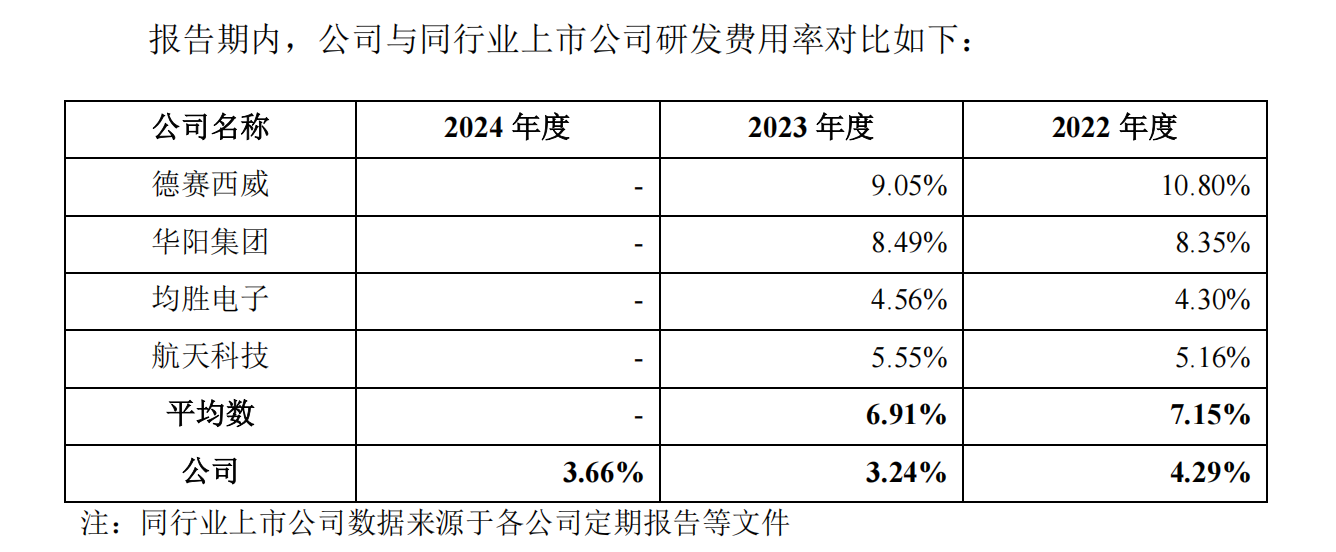
Core Viewpoint - Heilongjiang Tianyouwei Electronics Co., Ltd. has become the first A-share listed company in Suifenhe City, Heilongjiang, with its stock price experiencing significant volatility post-IPO, raising concerns about its future growth potential due to high customer dependency and governance issues [1][5]. Customer Dependency - The company's revenue is heavily reliant on major clients, with Hyundai Motor Group contributing 55.56% of its income, leading to increased single-client risk [1][2]. - In the first half of 2024, nearly 60% of Tianyouwei's revenue came from Hyundai, while domestic competitors like BYD and Changan contributed less than 10% [2]. - Despite attempts to diversify into smart cockpit products, the company's R&D expenditure remains low at 3.66% for 2024, below industry averages, which may hinder its ability to reduce reliance on a single customer [2][3]. Governance Issues - The company's ownership structure is characterized by family control, with the actual controllers, Wang Wenbo and Lü Dongfang, holding the majority of shares and decision-making power, raising concerns about governance and internal controls [3][4]. - Family members occupy key management positions, which may lead to inefficiencies and challenges in attracting talent, particularly in high-tech areas like smart cockpit development [4][5]. Regional Industry Constraints - Tianyouwei faces challenges due to a weak industrial chain in Suifenhe, with few large-scale enterprises in the area and significant reliance on suppliers from other regions, increasing operational costs [5]. - The local government's plans to develop an automotive instrument industry cluster have not yet materialized, leading to uncertainty about the company's future growth and its ability to leverage regional advantages [5].