
韩束

Search documents
2025年8月抖音美妆数据点评:8月抖音美妆类目同增20%,国货表现亮眼
Hua Yuan Zheng Quan· 2025-09-10 06:02
Investment Rating - The investment rating for the beauty care industry is "Positive" (maintained) [4][12] Core Viewpoints - In August 2025, the GMV of the beauty category on Douyin exceeded 20 billion yuan, showing a year-on-year growth of 19.56% and a month-on-month increase of 21.46%, indicating a strong growth trend [5] - Domestic brands are performing exceptionally well, with Han Shu leading the market with a GMV exceeding 700 million yuan, and its product, the Han Shu Red Waist Ring Hexapeptide Set, being the only product to surpass 100 million yuan in sales during August [5] - The consumption trend on Douyin is shifting from "trial consumption" to "stable repurchase," with a decrease in the proportion of new products launched in the top 1000 SPUs [5] Summary by Sections Market Performance - Domestic brands like Baique Ling, Marubi, and Mao Geping have significantly improved their rankings compared to the previous year, with increases of 78, 19, and 14 places respectively [5] - Foreign brands such as Helena and L'Oreal are facing sales pressure, with L'Oreal dropping out of the top three rankings, showing a decline of 7 places year-on-year [5] Investment Recommendations - The report suggests focusing on domestic brands that are expanding their market scale and brand influence through mainstream channels. Recommended stocks include: 1. Mao Geping, a leading high-end domestic beauty brand with strong product and channel capabilities 2. Proya, known for its mature organizational structure and industry-leading marketing and management capabilities 3. Marubi, which continues to release strong single products and accelerate brand growth 4. Shumei Co., benefiting from the trend of affordable consumption with strong operational performance and product growth certainty [5]
化妆品医美行业周报:换季护肤拉开板块消费旺季,上市公司交流会指引发展方向-20250907
Shenwan Hongyuan Securities· 2025-09-07 12:44
Investment Rating - The report maintains a "Buy" rating for the cosmetics and medical beauty sector, highlighting strong growth potential and investment opportunities in the industry [14][19]. Core Insights - The cosmetics and medical beauty sector has shown resilience, outperforming the market during the week of August 29 to September 5, 2025, with the Shenwan Beauty Care Index declining only 0.8% [3][4]. - The transition to autumn skincare marks the beginning of a consumption peak for the sector, with significant sales events such as the Autumn Beauty Consumption Festival and Double 11 approaching, creating new investment opportunities [9][10]. - Major companies in the sector are optimistic about their performance in the second half of 2025, as indicated by a recent conference involving over ten beauty care companies [9]. Summary by Sections Industry Performance - The Shenwan Cosmetics Index remained stable, outperforming the Shenwan A Index by 1.4 percentage points, while the Shenwan Personal Care Index fell by 1.8%, underperforming the Shenwan A Index by 0.3 percentage points [3][4]. Key Company Reviews - **Mao Geping (1318HK)**: Reported a revenue of 2.59 billion yuan for H1 2025, a year-on-year increase of 31%, with a net profit of 670 million yuan, up 36%. The color cosmetics segment saw a revenue of 1.42 billion yuan, while skincare generated 1.09 billion yuan, reflecting strong brand momentum [10][11]. - **Shangmei Co. (02145HK)**: Achieved a revenue of 4.108 billion yuan in H1 2025, a 17.3% increase, with a net profit of 556 million yuan, up 34.7%. The main brand, Han Shu, contributed significantly to growth, with a revenue of 3.344 billion yuan [16][17]. Investment Recommendations - Recommended companies include Shangmei Co., Porlaia, and Shanghai Jahwa, which have strong brand matrices and relatively low PE multiples. Other notable mentions are Marubi Biological and Mao Geping, which are positioned well to benefit from the rise of domestic beauty brands [10][19]. - The report suggests focusing on companies with strong R&D capabilities and product pipelines, particularly in the upstream medical beauty segment, with a recommendation for Aimeike [10][19]. Market Trends - The report notes a significant increase in online sales, with H1 2025 online revenue for Mao Geping reaching 1.297 billion yuan, a 39% year-on-year increase, marking a shift in consumer purchasing behavior towards online platforms [12][18]. - The overall cosmetics retail market showed a 4.5% growth in July 2025, indicating a robust recovery in consumer spending [23][26]. Strategic Developments - Porlaia's investment in Huazhi Xiao reflects a strategic move to enhance its multi-brand strategy and capitalize on the influence of Gen Z consumers [28]. - The report highlights the competitive landscape, noting that domestic brands are increasingly capturing market share, with a notable shift in consumer perception from "value for money" to "quality choice" [32].


从百雀羚到可复美:这份榜单体现品牌“真实存在感”
FBeauty未来迹· 2025-09-06 06:03
Core Insights - The Chinese beauty market is experiencing a significant transformation, with beauty products becoming an integral part of daily life for consumers, as evidenced by 88% of urban residents purchasing beauty products in the past year, averaging 13.6 purchases each [3][7][10] - The Worldpanel Consumer Index's 2025 Beauty Brand Footprint Report highlights the brands most chosen by consumers and those with substantial growth potential, using the Consumer Reach Point (CRP) metric to gauge brand popularity [5][11] Market Overview - The beauty market recorded a consumer reach of 5.47 billion instances in the past year, reflecting a robust growth of 7.6% compared to the previous year [7] - The shift from a "traffic era" to a "retention era" indicates that consumers are now more focused on making the right choices rather than just making purchases [10] Brand Rankings Skincare Segment - The top skincare brands in 2025 include JALA, L'Oréal Paris, and Han Shu, with local brands like Natural Hall and Pechoin showing strong performance [12] - Local brands are breaking free from the "cost-performance" label, leveraging precise market positioning and expertise to compete with international brands [11] Professional Skincare Segment - The professional skincare market is dominated by local brands like Winona and Yilian, which focus on sensitive skin care, while international brands like La Roche-Posay and Avene maintain a presence [14] - Local brands are innovating by addressing specific medical and skincare needs, leading to significant growth [15] Makeup Segment - The makeup category is seeing increased purchase frequency, with local brands like Carlan and Poryme leading the consumer preference rankings [16] - Emerging local brands are finding success by focusing on specialized products, such as waterproof eyeliners and long-lasting setting sprays [17] Hair Care Segment - The hair care market remains stable, with traditional brands like Head & Shoulders and Clear leading the consumer choice rankings [18] - Growth in this segment is driven by innovations focusing on scalp health, targeted repair, and enhanced sensory experiences [19] Future Trends - The 2025 rankings indicate a clear direction for future growth, emphasizing the importance of targeting niche markets, integrating technology with product offerings, and enhancing consumer experiences [20][21] - The potential for growth in the "mother and baby skincare" segment is highlighted, with brands like Kangaroo Mom successfully addressing specific consumer needs [20] - Innovations in product technology, such as AI customization and biotechnological advancements, are expected to reshape the competitive landscape [21] - The dual upgrade of functionality and experience in hair care products is evident, with trends moving towards creating a spa-like experience at home [22]


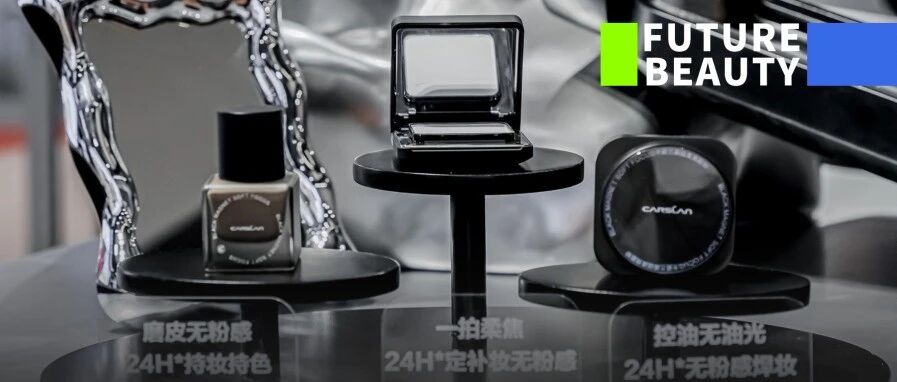
2025美妆品牌足迹排行榜重磅发布:这些品牌正在被疯狂加购
凯度消费者指数· 2025-09-05 02:03
Core Insights - The article highlights the dynamic nature of the Chinese beauty market, emphasizing the rapid evolution of consumer preferences and the importance of understanding these trends for brand success [1][3]. Market Overview - The consumer reach in the beauty market reached 5.47 billion times in the past year, showing a robust growth of 7.6% compared to the previous year [3]. - Among the 457 million urban population covered, 88% (approximately 400 million people) purchased beauty products in the past year, with an average purchase frequency of 13.6 times, indicating deepening consumer habits in beauty usage [3]. Skincare Category - **Top 10 Consumer Preferred Brands**: The leading brands include Pechoin, L'Oréal Paris, and Han Shu, with Pechoin and L'Oréal Paris holding the top two positions [6]. - **Top 10 Growth Brands**: Brands like Xuan Dong and An Cai Ya are noted for their significant growth, alongside established brands like Natural Hall and Pechoin [6][7]. - The growth of brands can be attributed to their strong foundations or explosive growth in specific categories or star products [7][8]. Professional Skincare Category - **Top 10 Consumer Preferred Brands**: Leading brands include Weixin Lang and MARE, with a stable growth trajectory [9][10]. - **Growth Drivers**: The category is driven by star products from both international and domestic brands, focusing on specific consumer needs such as post-surgery recovery and scientific advantages [10]. Makeup Category - The growth in the makeup category is driven by increased purchase frequency, stemming from consumers' exploration of refined subcategories [11]. - **Top 10 Consumer Preferred Brands**: International brands like YSL, L'Oréal Paris, and Lancôme dominate the preferred list [12]. - **Single Product Success**: Many brands achieve market recognition through standout products, such as eyebrow pencils and setting sprays [13]. Hair Care Category - **Top 10 Consumer Preferred Brands**: Leading brands include Head & Shoulders and Clear, with a stable competitive landscape [14][15]. - The category shows strong growth, focusing on scalp health, targeted repair, and enhanced sensory experiences through fragrance [15]. Conclusion - The 2025 Chinese beauty market is characterized by a competition focused on penetration rates, repurchase rates, and brand loyalty [15]. - Brands that effectively understand consumer pain points and continuously deliver high-value products will succeed in this competitive landscape [15].
40岁以后,富养自己的8样好东西,后悔没有早买!
洞见· 2025-09-02 03:55
Core Viewpoint - The article celebrates the 11th anniversary of the platform, emphasizing the importance of self-care and wellness, and introduces various promotional gifts and products aimed at enhancing personal well-being [4][30]. Group 1: Anniversary Celebration and Promotions - The platform is offering a total of 200,000 yuan in gifts to celebrate its 11th anniversary, including various high-value items such as smartphones, rice cookers, and luxury perfumes [7][9]. - Viewers can participate in a live stream to win these gifts for free, with additional low-cost offers available for those who reserve their spot [10][12]. Group 2: Self-Care Products - The article highlights the importance of self-care, particularly focusing on sleep, health, and skin care as essential aspects of personal well-being [4][30]. - Specific products are introduced, such as a silk quilt and a cotton bedding set, which are designed to enhance sleep quality [19][25]. - Health products include traditional remedies like Ejiao and Huangjing, which are promoted for their benefits in boosting energy and overall health [32][40]. Group 3: Skin Care Products - The article discusses skin care products suitable for women over 30, emphasizing the need for anti-aging solutions and hydration [49][51]. - Featured products include a dual-use essence and a face cream that are designed to improve skin elasticity and reduce signs of aging [55][58]. - Additional skin care items are presented, such as a hydrating lotion set that is packaged as a gift option [66].

魔镜洞察:2025年,美妆人必须关注三大趋势
FBeauty未来迹· 2025-08-31 11:14
Core Viewpoint - The beauty and skincare industry experienced a subtle performance in the first half of 2025, with sales increasing by 10.1% year-on-year, indicating a shift in market dynamics towards lower-priced skincare and a rapid rise of mid-tier brands, while high-end brands maintained steady growth [3][5]. Group 1: Market Performance - The beauty and skincare market achieved a sales figure of 235.23 billion yuan in the first half of 2025, with a year-on-year increase of 10.1%, and a volume of 2.564 billion units sold, up by 5.5% [5]. - The low-price segment of the beauty market saw a market share increase of 0.5%, while the skincare market's segment of products priced at 100 yuan and below grew by 3.9% [7]. - The top 10 brands' sales increased by 3.3%, but their market share decreased by 1.0%, while mid-tier brands expanded their market share by 2.1% and saw a sales increase of 7.5% [7]. Group 2: Trends in Anti-Aging Products - The total sales of anti-aging products reached 65.49 billion yuan, reflecting a year-on-year increase of 30.3%, with significant attention on these products across social media platforms [12]. - The demand for anti-aging products has transcended age barriers, with younger consumers (25+) increasingly aware of anti-aging needs, and male consumers showing an 83.7% year-on-year increase in interest [15]. - The anti-aging market is expanding into new consumer demographics, including lower-tier cities, indicating a broadening appeal [15]. Group 3: Shifts in Makeup Trends - The concept of "naked makeup" has evolved into "authentic aesthetics," shifting consumer logic from concealing flaws to expressing individuality [4][27]. - The sales of products that combine makeup and skincare saw a year-on-year growth of 94.3%, indicating a rising consumer demand for products that serve dual purposes [37]. - The beauty market is characterized by a strong consumer preference for natural looks and personalized expressions, with keywords like "high-end" and "natural" dominating discussions [25]. Group 4: Brand Performance - L'Oréal remains the market leader with a sales figure of 5.34 billion yuan, showing a slight increase of 0.3%, while the brand La Mer experienced the highest growth among the top 10, achieving a 27.3% year-on-year increase [8]. - The brand Kiehl's saw a remarkable growth of 204.5% in the first half of 2025, driven by innovative marketing strategies and product offerings [10]. - Lancôme and La Mer maintained steady growth, while Helena Rubinstein's flagship products saw a decline in sales by 17.2% [21].
短剧出圈|盘一盘短剧营销的机会与泡沫
Hu Xiu· 2025-08-25 23:47
Core Viewpoint - The recent surge in short dramas is significantly influenced by brand marketing efforts, with major companies like Luckin Coffee, Mixue, Xiaomi, Starbucks, and Meituan actively participating in this trend. However, there are warnings about the profitability of such ventures, particularly for brands that entered the market after August last year, as indicated by the founder of Han Shu [1]. Group 1: Industry Trends - Short dramas have gained popularity, moving away from traditional low-quality narratives to more engaging content [1]. - Major brands are leveraging short dramas as a marketing tool to enhance their visibility and connect with consumers [1]. Group 2: Brand Participation - Companies such as Luckin Coffee, Mixue, Xiaomi, Starbucks, and Meituan have launched their own short dramas to capitalize on this trend [1]. - The involvement of high-profile figures, such as Lei Jun, in short dramas indicates a growing acceptance and interest in this marketing strategy [1]. Group 3: Profitability Concerns - The founder of Han Shu has raised concerns that brands entering the short drama space after August last year are facing financial losses [1]. - The current landscape suggests that while there are opportunities in short drama marketing, there may also be significant risks associated with profitability [1].
美妆行业周度市场观察-20250820
Ai Rui Zi Xun· 2025-08-20 07:56
Investment Rating - The report does not explicitly provide an investment rating for the beauty industry Core Insights - The children's cosmetics market is experiencing rapid growth, with over 28,000 products expected to be registered in China by 2025, driven by strong consumer demand and an increase in parental acceptance [3] - The luxury beauty segment is facing challenges, with the global luxury market experiencing zero growth for two consecutive years, leading to a significant decline in sales in China [5] - The rise of niche and domestic brands is evident, with Chinese brands occupying 16 out of the top 20 spots on the Douyin beauty list in July [3] - The "blind box" sales model is gaining popularity on Douyin, stimulating consumer spending but raising concerns about product quality and after-sales service [5] - The beauty market is undergoing a brutal reshuffle, with many high-growth startups facing closure due to capital pressures and operational challenges [6] - The trend of "economic upward beauty" is emerging, characterized by bold colors and nostalgic aesthetics, reflecting consumer desires for emotional expression [6] - Brands are increasingly focusing on women's narratives and social responsibility, aligning marketing strategies with evolving gender perceptions [8] Industry Trends - The children's cosmetics market is projected to reach $2.36 billion by 2032, driven by the Alpha generation [3] - The luxury beauty segment is struggling, with a reported $5.7 billion loss attributed to reduced spending by Generation Z [5] - The "blind box" sales model has expanded into various sectors, including beauty, and is driven by Douyin's algorithms and consumer demand for surprise [5] - The average lifespan of brands in the clean beauty segment is only 3.2 years, highlighting the challenges faced by new entrants [6] - The nostalgic "economic upward beauty" trend is gaining traction, with brands leveraging this to market multifunctional and cost-effective products [6] - Women's marketing is shifting towards authentic needs and systematic strategies, with brands integrating gender equality into their social responsibility practices [8] - Light luxury brands are entering the fragrance market as a growth strategy, reflecting a shift from single product sales to lifestyle branding [8] Top Brand News - L'Oréal's performance in China has stabilized after five quarters of decline, but the overall North Asia market saw a 1.1% drop due to weak tourism retail [11] - Jinbo Bio has achieved significant growth in the medical beauty sector, with revenue increasing from 233 million to 1.443 billion yuan from 2021 to 2025 [12] - Pizhuan's new product line focuses on health-oriented whitening, combining traditional herbal culture with modern technology [12]
2025年第33周:美妆行业周度市场观察
艾瑞咨询· 2025-08-20 00:05
Group 1: Industry Environment - The children's cosmetics market is rapidly growing, with over 20,000 products expected to be registered by 2025 in China, driven by strong consumer demand and increasing parental acceptance [2] - The luxury goods sector is facing significant challenges, with a global market experiencing zero growth for two consecutive years, leading to a loss of $5.7 billion, particularly in the Chinese market which saw an 18% decline [6] - The beauty market is undergoing a brutal reshuffle, with many high-growth startups closing within four years due to capital pressures and high customer acquisition costs [7][8] Group 2: Market Trends - The beauty and skincare market in July saw a rise of domestic brands, with 16 out of the top 20 on Douyin being local brands, highlighting the success of niche makeup brands [4] - A new addictive sales model combining "blind boxes" and "matching games" is gaining popularity on Douyin, stimulating consumer spending but raising concerns about product quality and after-sales service [5] - The "economic upturn beauty" trend is emerging, characterized by bold makeup styles reminiscent of past economic booms, reflecting a nostalgic consumer sentiment [9] Group 3: Brand Dynamics - L'Oréal is adjusting its strategy in China, focusing on reducing reliance on duty-free sales as the market undergoes structural changes [15][16] - Jinbo Bio is experiencing rapid growth in the medical beauty sector, with revenue projected to rise from 233 million yuan to 1.443 billion yuan from 2021 to 2025, driven by its unique product offerings [17] - Pizhou Pharmaceutical is innovating in the beauty space with its "snow skin factor," promoting a new paradigm of health-oriented whitening products [18] Group 4: Marketing Insights - Brands are increasingly focusing on women's narratives and social issues, with campaigns that resonate with women's self-identity and gender equality [10] - The top Douyin influencers in the beauty sector are showing stable performance, with brands adapting their collaboration strategies based on market positioning [14]

中国银河证券:中国医美与护肤市场已进入靶向通路时代 建议关注四大方向
智通财经网· 2025-08-18 02:35
Core Insights - The skincare industry in China is experiencing high growth driven by ingredient transparency and scientifically validated efficacy, with domestic brands leveraging synthetic biology and targeted ingredient development to gain competitive advantages [1][2][3] Group 1: Market Trends - The Chinese skincare market is transitioning to an era of ingredient transparency and scientifically verifiable efficacy, with consumers shifting from brand reliance to rational analysis of ingredient lists [1] - The overall market size for cosmetics in China is projected to reach 774.6 billion yuan in 2024, reflecting a year-on-year decline of 2.83%, while the efficacy skincare segment is expected to grow significantly, surpassing 100 billion yuan [1] - The compound annual growth rate (CAGR) for efficacy skincare products from 2019 to 2024 is estimated at 24.9%, with this segment expected to account for 22.9% of the total skincare market by 2024 [1] Group 2: Product Development and Innovation - The targeted ingredient development has led to a multi-channel synergy for three core functions: anti-wrinkle and firming through peptides and other compounds, soothing and repairing through ingredients like centella asiatica and ceramides, and hydration through amino acids and hyaluronic acid [2] - Domestic brands such as Proya and Winona have entered the top 10 in the high-end anti-aging and soothing markets, traditionally dominated by international brands [2] - The evolution of ingredient formulations has progressed from basic hydration to synthetic biology, with Chinese companies achieving technological advancements, such as Huaxi Biological's breakthrough in hyaluronic acid and the establishment of international standards for recombinant collagen [3] Group 3: Emerging Opportunities - The rise of domestic brands is characterized by cost-effective ingredient innovations and technological differentiation, particularly in the peptide segment, where brands like Proya and Han Shu are reshaping the anti-aging landscape [3] - Traditional Chinese medicine ingredients are becoming core competitive advantages, with significant online sales growth projected for ginseng, astragalus, and artemisia, indicating a strong market for local herbal formulations [3]
