Rapidus

Search documents
日本半导体制造商Rapidus启动2nm GAA晶体管试制 首块晶圆亮相
news flash· 2025-07-18 06:31
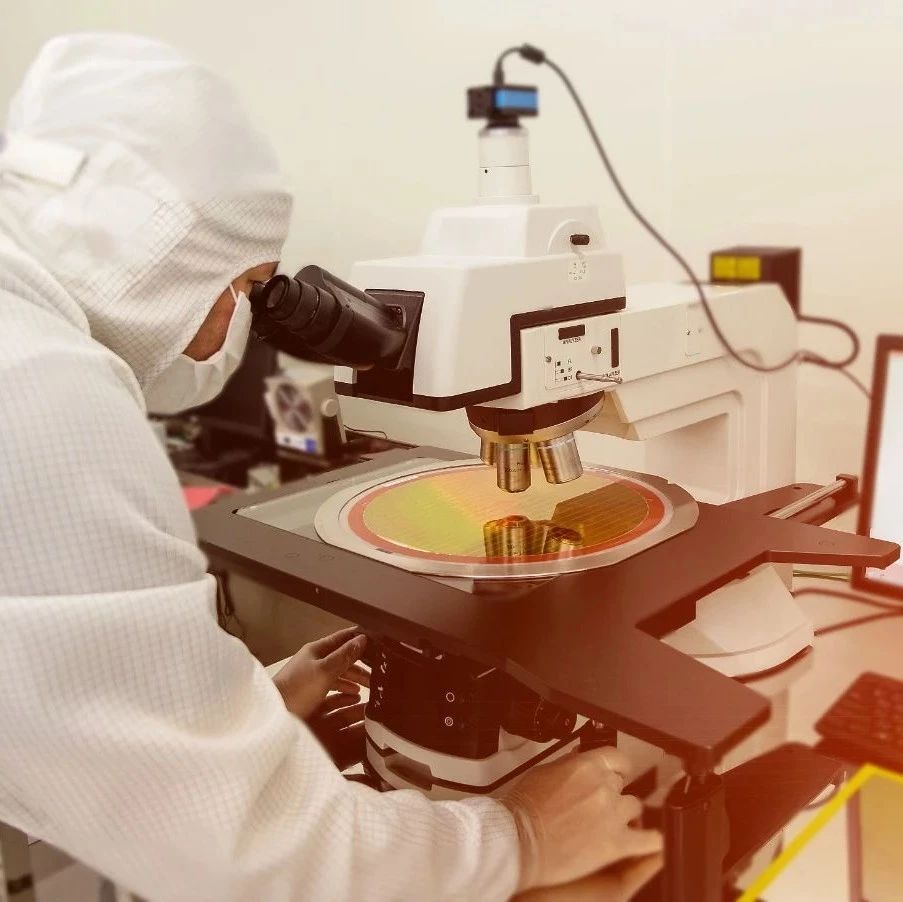
《科创板日报》18日讯,日本半导体制造商Rapidus宣布启动2nm GAA晶体管的试制,并展示了其首块 2nm GAA晶圆。 日本半导体制造商Rapidus启动2nm GAA晶体管试制 首块晶圆亮相 ...
日本30家半导体后工序企业联手抗衡海外
日经中文网· 2025-07-18 06:29
提高半导体性能的电路精细化已接近技术极限,进化空间被认为在后工序。后工序企业的全 球销售额排名中,前10家几乎都是台湾或大陆企业,没有一家日企。日本的后工序企业组成 了首个业界团体…… 在把半导体芯片组装为成品的"后工序"领域,日本企业开始走向合作。4月组成了首个业界团 体,共有约30家企业加盟。后工序在半导体生产中的重要性日益提高,但日本国内的大半企 业是地方的中小企业,竞争力薄弱。该业界团体认为,如果在设备更新等方面展开合作,生 产成本将降低2成。为了重振日本半导体产业,行业内正在凝聚力量,一起抗衡海外大型企 业。 "后工序是日本可以显示存在感的领域。希望会员企业能够做出新的尝试"。总部设在佐贺县 吉野里町的日本OSAT联合会的会长澄田诚(TDK前会长)如此呼吁。OSAT是负责半导体组 装及最终检测的"后工序外包公司"的简称。 日本国内的主要后工序企业有一大半都加入了这个联合会。目前共有约30家企业加盟,员工 规模达到约1.5万人。最大的独立企业AOI ELECTRONICS(高松市),以及在大分县和福冈 县设有据点的美资企业Amkor Technology Japan(大分县臼杵市)等也已加入进来。 8 ...

日本Rapidus公开2纳米半导体试制品
日经中文网· 2025-07-18 06:28
Core Viewpoint - Rapidus has successfully demonstrated a 2-nanometer semiconductor wafer, confirming operational performance that meets customer expectations, with plans to further enhance transistor performance and achieve mass production by 2027 [1][4][8]. Group 1: Company Overview - Rapidus was established in August 2022, funded by eight private companies, including Toyota, with a total investment of 73 billion yen, alongside 1.7 trillion yen in government support [4]. - The company aims to develop logic semiconductor foundry services essential for electronic devices, utilizing design technology from IBM [4]. Group 2: Recent Developments - On July 18, Rapidus held its first official event in Chitose since the factory's launch, showcasing a 30 cm diameter golden wafer and confirming its operational capabilities [3][5]. - The wafer is still in the intermediate stage, containing only essential functions, with plans to improve its performance and complete development within the year [4][6]. Group 3: Market Position and Competition - Rapidus faces intense global competition, with TSMC and Samsung planning to mass-produce 2-nanometer products by 2025, and Intel targeting 1.8-nanometer production [8]. - Current production capacity is approximately 7,000 12-inch wafers per month, with plans to scale up to 25,000 to 30,000 wafers upon mass production, but still significantly lower than TSMC's expected output of over 100,000 wafers [8]. Group 4: Future Challenges - Rapidus must address three critical challenges: customer acquisition, mass production, and financing, to reduce reliance on government support and attract private investment [9]. - The company aims to provide the latest Process Design Kits (PDK) to potential customers within the fiscal year, which will help assess its technological capabilities [4][9].

暂停研发电动汽车后,本田为何急于投资汽车芯片开发商?
Zhong Guo Qi Che Bao Wang· 2025-07-17 07:57
Group 1 - Honda has decided to halt the development of new electric vehicles, which is surprising given the competitive landscape where rivals like Volkswagen, Toyota, and Nissan are advancing their electric solutions [3][4] - The decision to stop electric vehicle development may be influenced by the recent termination of the $7,500 electric vehicle tax credit in the U.S., prompting Honda to adopt a strategy of timely loss mitigation [3][4] - Honda's previous collaboration with Sony to form a new mobility company has not yielded significant results, with reported operational losses of 52 billion yen (approximately 2.6 billion RMB) [4] Group 2 - Honda is preparing to invest in the Japanese chip manufacturer Rapidus to secure a domestic supply of chips for its next-generation vehicles, with the investment expected to reach several billion yen [5][6] - The partnership with Rapidus aims to ensure a stable supply of automotive chips and is part of a broader strategy to reduce chip procurement costs by 20% and overall electric drive system costs by 30% [7][8] - The investment in chip development reflects a shift in the automotive industry towards high-value chip production, as traditional automakers evolve from hardware integrators to collaborative developers of software and hardware [7][8] Group 3 - Honda's decision to pause electric vehicle development while investing in automotive chips is seen as a cost-reduction and efficiency-enhancing move, aiming to maintain cash flow and build future competitiveness [7][8] - The investment in Rapidus signifies a strategic shift towards "technological sovereignty," moving from reliance on external supply chains to controlling the production of critical automotive chips [8] - Honda's actions may provide insights for traditional automakers navigating the crossroads of electrification and intelligent technology in the global automotive industry [8]


Rapidus,又要到钱了
半导体行业观察· 2025-07-14 01:16
Core Viewpoint - The Japanese government is considering investing in the semiconductor foundry Rapidus, with the condition of holding a "golden share" to exercise veto rights on important operational matters [3][4]. Group 1: Government Support and Funding - The Japanese government plans to invest 100 billion yen (approximately 1 billion USD) in Rapidus this fiscal year, alongside a total support package of about 1.72 trillion yen (approximately 12 billion USD) [4][8]. - Rapidus aims to achieve mass production of 2-nanometer (nm) chips by 2027, requiring an estimated total funding of around 5 trillion yen (approximately 35 billion USD) [4][8]. - Existing shareholders, including major companies like Fujitsu and Honda, have expressed interest in additional funding for Rapidus [4][5]. Group 2: Company Background and Market Position - Rapidus was established in August 2022, backed by eight major Japanese companies, including Toyota, Sony, and NTT [5][8]. - The company is in discussions with 40-50 potential clients, including major U.S. tech firms and AI chip startups, indicating a growing demand for alternative suppliers in the advanced semiconductor market [5][6]. Group 3: Technological Development and Production Strategy - Rapidus has initiated its 2-nm chip trial production line, utilizing advanced equipment, including a cutting-edge extreme ultraviolet (EUV) lithography system valued at over 300 million USD [6][10]. - The company plans to adopt a single-wafer processing method, which allows for customized chip production aimed at niche markets, contrasting with the mass production strategies of competitors like TSMC [9][10]. - Rapidus is implementing a new design-manufacturing collaborative optimization (DMCO) approach to enhance design speed and yield through AI-driven data analysis [10][11]. Group 4: Market Outlook and Competitive Landscape - The demand for 2-nm chips is expected to surge due to the anticipated growth in AI applications, with projections indicating a potential 30% reduction in power consumption compared to current leading-edge chips [11][12]. - Rapidus's timeline for achieving mass production by 2027 may lag behind industry leaders like TSMC, Intel, and Samsung, which are expected to begin large-scale production of 2-nm chips in the latter half of this year [9][11].
单晶圆加工,越来越受欢迎
半导体芯闻· 2025-07-08 10:23
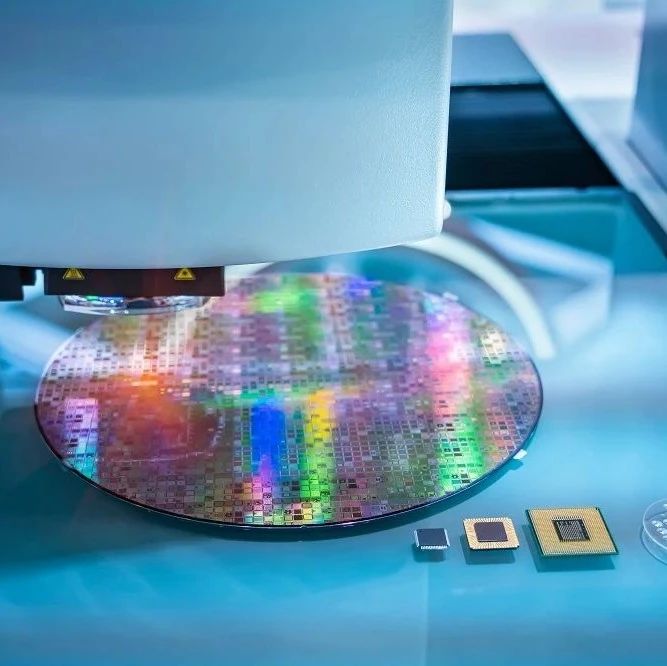
如果您希望可以时常见面,欢迎标星收藏哦~ 来 源: 内 容 编译自 embedded 。 想象一下,一家能够实时思考、学习、调整和优化工艺流程的半导体代工厂。这家工厂不仅能检测 每一片晶圆,还能预测每一个缺陷,同时采取纠正措施,并为客户提供改进设计的见解。 这听起来像是科幻小说,但这正是下一代半导体制造的样子,进而创造出一种为人工智能时代而精 心调整的新型代工厂。 单晶圆加工是下一代代工厂愿景的关键。然而,在传统的直线型代工厂中运行单晶圆效率不高。必 须设计一种新型代工厂。这种代工厂能够更流畅地移动晶圆,并从每颗晶圆中学习,然后利用人工 智能模型预测错误并进行修正。为了从每颗晶圆中获取数据,未来的先进代工厂需要重新思考晶圆 在工厂内的移动方式,并调整布局,以便在同一工厂内同时管理多个客户项目和封装项目。 未来的铸造厂需要创新集成来实现制造优化。 半导体制造:前端处理 芯片制造的晶圆或前端工艺始于氧化层,然后使用光刻技术(包括抗蚀剂涂覆、曝光和显影)绘制 图案;蚀刻零件;添加离子;创建金属层和绝缘层;以及平滑表面。这些步骤重复多次,以构建复 杂的电路层。在前端处理(图 1)中,在同一晶圆上重复这些步骤,以构建构 ...
2nm大厂,伸手要钱
半导体芯闻· 2025-07-02 10:21
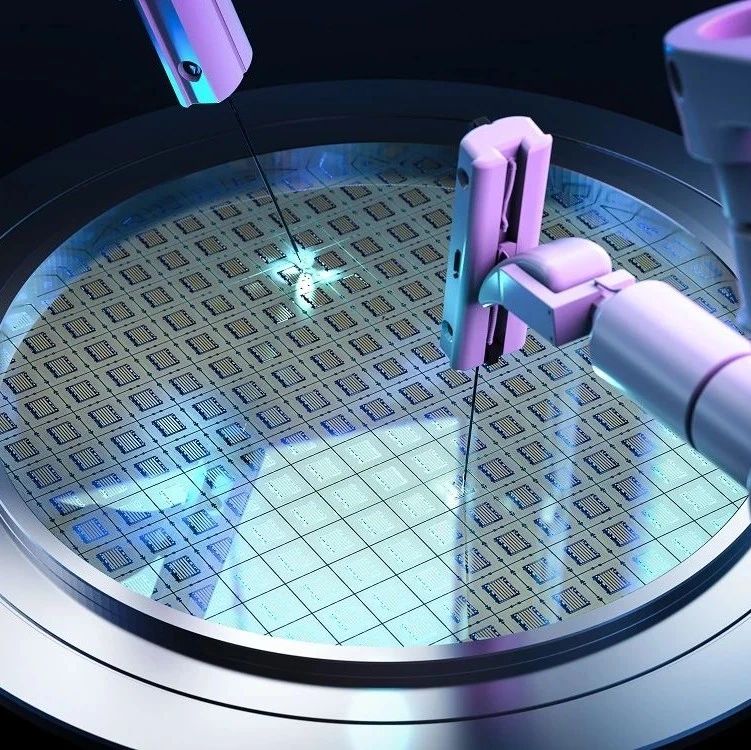
Core Insights - Rapidus aims to mass-produce 2nm chips by 2027 and is seeking funding from semiconductor-related companies, including Fujifilm, to support this initiative [1][2] - The company has initiated trial production lines for 2nm chips and plans to report on the trial results to partners on July 18 [1][2] - Rapidus was established in August 2022 with investments from eight Japanese companies, and additional funding efforts are underway to secure a total of 1 trillion yen [2] Funding and Investment - Rapidus is targeting to raise 1 trillion yen, with existing shareholders and potential investors like Honda expressing interest in contributing [2] - The estimated funding requirement for achieving the 2nm chip production goal is approximately 5 trillion yen, with the Japanese government committing around 1.72 trillion yen, leaving a funding gap of over 3 trillion yen [2] Market Context - In the advanced wafer foundry sector, TSMC dominates the market, particularly in securing AI chip orders from Nvidia [3] - There is an increasing demand from U.S. clients for alternative suppliers due to the U.S.-China decoupling, highlighting the strategic importance of Rapidus in the semiconductor supply chain [3]
日本进军先进封装,可行吗?
芯世相· 2025-07-02 07:54
Core Viewpoint - The article discusses the challenges faced by Rapidus in achieving its ambitious goals in the semiconductor industry, particularly in the context of AI chip production and the transition to 3D IC technology. Group 1: Rapidus and AI Chip Production - Rapidus is focusing on advanced packaging technologies to secure orders from major clients like GAFAM in the growing AI market [4][8] - The company aims to mass-produce 2nm chips by 2027, but there are doubts about its capability to achieve this in the front-end process [7][8] - The article argues that Rapidus's goal of ultra-short turnaround time (TAT) for AI chip packaging is unrealistic due to various technological and supply chain challenges [71] Group 2: Transition to 3D IC Technology - The semiconductor industry is experiencing a paradigm shift from front-end processing to back-end 3D IC technology, which integrates multiple chips into a single package [29][31] - This shift is driven by the limitations of traditional scaling methods and the need for higher performance in AI applications [26][29] - Rapidus's entry into the 3D IC field aligns with industry trends, but achieving its goals will require overcoming significant hurdles [31][71] Group 3: Challenges in HBM Production - The production of High Bandwidth Memory (HBM) is a bottleneck for AI chip manufacturing, with a lead time of approximately six months [67] - HBM production is complex and costly, with a significantly lower yield compared to standard DRAM, making it a critical factor for companies like Rapidus [66][67] - The current market for advanced HBM is dominated by suppliers like SK Hynix, which has sold out its 2025 production capacity, further complicating Rapidus's plans [68][71]


2纳米不再是台积电独占优势,日本异军突起,美国技术是关键
Xin Lang Cai Jing· 2025-06-29 07:32
Group 1 - TSMC is expected to produce Apple's A19 processor using 2nm technology in the second half of this year, while competitors Samsung and Intel are facing challenges in yield and progress, respectively [1] - Japan's 2nm technology has reportedly entered trial production and is expected to achieve mass production by next year, positioning Japan to compete directly with TSMC in chip manufacturing [3] - Japan established a chip company, Rapidus, in 2022 with support from major Japanese firms and the government, aiming to revitalize its semiconductor industry, which once held a significant global market share [3] Group 2 - The decline of Japan's semiconductor industry was accelerated by U.S. policies, leading to a loss of market dominance, with companies like Elpida falling behind [5] - The U.S. is seeking to diversify its chip supply sources, as TSMC currently produces 70% of advanced chips for American companies, and TSMC is raising prices for its upcoming 2nm technology by 50% [5] - Japan's Rapidus aims to revitalize its semiconductor sector, aligning with U.S. interests to create competition against TSMC [7] Group 3 - Japan's rapid advancement in 2nm technology is supported by IBM's technological expertise, which has historically played a significant role in chip manufacturing [7] - Japan has acquired advanced 2nm EUV lithography machines from ASML, becoming the third company after Intel and Samsung to do so, enhancing its production capabilities [7] - TSMC aims to maximize the value of its first-generation EUV lithography machines while Japan focuses on quickly achieving mass production of 2nm technology, leveraging its advantages in chip materials [9]
日本芯片大厂:Rapidus很好,我选台积电
半导体行业观察· 2025-06-24 01:24
公众号记得加星标⭐️,第一时间看推送不会错过。 Rapidus CEO在一篇文章中回顾道,公司试图生产的芯片采用了一种前所未有的结构,称为GAA (Gate All Around,环绕栅极)结构,这有助于实现2纳米半导体所需的超精细精度。IBM于2021 年5月发布了其基于GAA的2纳米工艺节点的基础研究成果,该成果是IBM多年潜心研究的成果。然 而,该技术尚未实现量产。 Rapidus 以此为契机,派遣了约150名工程师,主要集中在拥有多年半导体经验的人员,前往IBM位 于纽约的研发基地,开发实用技术。许多负责尖端技术的人员回到日本,开始进行试生产。 据介绍,在这个过程中,Rapidus面临很多技术挑战和问题,比如如何开发能够实现复杂3D晶体管结 构的技术以及如何结合不同的材料和成分。 来源:内容 编译自 nikkei 。 富士通社长时田贵人23日在横滨举行的定期股东大会上,就致力于尖端半导体国产化的Rapidus发表 了看法,他表示:"增加尖端半导体的供应源,对于确保我们供应链的稳定性极为有益。"富士通将继 续采购用于人工智能(AI)相关技术的尖端半导体。 富士通计划投资Rapidus。一位股东询问富士通 ...