中航沈飞

Search documents
超4000只个股上涨,A50直线拉升!
21世纪经济报道· 2025-05-12 02:13
Market Overview - On May 12, the Shanghai Composite Index opened up by 0.33%, the Shenzhen Component Index by 0.92%, and the ChiNext Index by 1.55% [1] - The market saw significant gains in sectors such as components, textiles, electrical equipment, and communication equipment, while pharmaceuticals and banking sectors lagged behind [1] - Over 4,000 stocks experienced an increase in value [1] Stock Performance - The Shanghai Composite Index closed at 3345.97, up by 3.97 points (+0.12%), while the Shenzhen Component Index closed at 10220.03, up by 93.20 points (+0.92%) [2] - The total trading volume reached 685.20 billion, with a predicted trading volume of 893.17 billion, indicating a decrease of 329.2 billion [2] - The offshore RMB saw a sudden rise of over 200 points, trading at 7.2245 against the USD, reflecting an increase of over 150 basis points [3][4] Sector Highlights - The textile and Apple supply chain sectors led the gains, with stocks like Huafang Co. experiencing five consecutive trading limit-ups [5] - Military stocks showed strong performance, with companies like Tianjian Technology and Chengfei Integration achieving four consecutive trading limit-ups, and several stocks rising over 5% [6] - Gold stocks faced declines, with spot gold prices dropping below $3260 per ounce, leading to significant drops in companies like Chaohongji and Shandong Gold [7] Economic Developments - Recent high-level trade talks between China and the U.S. from May 10 to 11 in Switzerland resulted in important consensus and substantial progress [5][8]


国防ETF(512670)开盘大涨3.37%,成飞再涨6%
Xin Lang Cai Jing· 2025-05-12 02:00
Group 1 - The defense ETF (512670.SH) increased by 3.37%, with its associated index, the Zhongzheng Defense (399973.SZ), also rising by 3.37% [1] - Major constituent stocks such as AVIC Shenyang Aircraft (中航沈飞) rose by 5.48%, AVIC Chengfei (中航成飞) by 6.41%, and AVIC Optoelectronics (中航光电) by 2.55% [1] - The defense and military sector experienced a rebound, with stocks like Tianjian Technology and Chengfei Integration achieving four consecutive trading gains, driving significant market interest [1] Group 2 - The favorable logic for the defense industry includes short-term tensions between India and Pakistan, medium-term acceleration of project 145, and long-term shifts in military trade orders from Europe and the U.S. to China [2] - The ceasefire between India and Pakistan is not fully stable, with recent skirmishes indicating potential ongoing military engagements and equipment testing [2] Group 3 - Related products include the Defense ETF (512670) [3] - Associated stocks include AVIC Optoelectronics (002179), AVIC Shenyang Aircraft (600760), AVIC Power (600893), AVIC Xifei (000768), AVIC onboard (600372), and others [3]
印巴冲突下,如何看待军贸投资机会?
2025-05-12 01:48
Summary of Conference Call on Military Trade Investment Opportunities Amidst India-Pakistan Conflict Industry Overview - The conference discusses the military trade (military trade) industry, particularly focusing on China's military exports and the implications of the India-Pakistan conflict on military trade dynamics [1][2]. Key Points and Arguments - The India-Pakistan conflict highlights the practical capabilities of Chinese military products, potentially expanding the market for Chinese weapon systems and attracting more international customers [1]. - China's military exports are transitioning from single weapon systems to integrated combat equipment, such as armored brigade systems, which significantly enhances international competitiveness [1]. - In 2023, China's military export share reached 8.4%, indicating growth potential compared to companies like Lockheed Martin [1][13]. - The conflict may lead to increased demand for drones, with manufacturers like Aerospace Rainbow and Zhongyun Drone benefiting from potential high consumption rates [1][22]. - The military trade investment focus for 2025 includes restructuring, military trade, and new domains, with an emphasis on unmanned systems and long-range artillery [1][9]. Important but Overlooked Content - The military trade landscape is influenced by geopolitical tensions, with small nations relying on imports due to insufficient domestic capabilities, which may drive demand for Chinese military products [6][9]. - The importance of military technology dual-use (civilian and military applications) is emphasized as a long-term investment opportunity [3][17]. - The valuation of China's defense industry may improve due to increased military cooperation and exports, similar to the revenue models of major U.S. defense contractors [5][17]. - Challenges such as payment capabilities in regions like the Middle East and Africa may affect the sustainability of military trade orders [6]. - The comprehensive capabilities of Chinese military systems, including missiles, radars, and integrated systems, provide a competitive edge in the international market [3][8][18]. Notable Companies and Products - Key Chinese military companies mentioned include: - **Land Equipment**: Inner Mongolia First Machinery Group (tanks), Aerospace Rainbow (drones), and various aircraft manufacturers like Chengdu Aircraft Industry Group and Shenyang Aircraft Corporation [7][20]. - **Missile Systems**: China Aerospace Science and Industry Corporation (long-range artillery) and China North Industries Group Corporation [7][20]. - **Data Link Technology**: Companies like 712 Institute and Raytheon Power are highlighted for their contributions to integrated military systems [7][20]. Future Trends - The future of military trade will focus on integrated combat systems, with a significant emphasis on the export of comprehensive military capabilities rather than individual products [19]. - Drones are expected to become critical consumables in future conflicts, with manufacturers poised to benefit from increased demand [22]. - The military trade landscape is likely to evolve with changing geopolitical dynamics, impacting procurement decisions globally [10][11].


激浊扬清,周观军工第118期:军贸体系装备阔步“走出去”
Changjiang Securities· 2025-05-12 01:07
Investment Rating - The report maintains a "Positive" investment rating for the defense and military industry [2] Core Insights - The ongoing India-Pakistan conflict has reinforced the recognition of domestic equipment performance advantages, driving long-term high prosperity for domestic manufacturers in the military trade market [6][8] - The demand for advanced fighter jets is being driven by air combat needs, with the J-35 model leading the way in production expansion [50][59] - The development of a systematic combat approach is crucial for enhancing operational efficiency and decision-making speed in military engagements [103][111] Summary by Sections Section 1: India-Pakistan Conflict - The recent India-Pakistan conflict has escalated due to terrorist attacks and military friction, leading to significant military actions and heightened tensions [11][14] - Pakistan has demonstrated strong air superiority, utilizing Chinese-made J-10C fighter jets to achieve notable victories against Indian aircraft [19][22] Section 2: Military Trade Dynamics - Pakistan has been a core customer for Chinese military exports, with 62.17% of China's military trade weapons exported to Pakistan from 2015 to 2024 [23] - The global military trade market is significantly larger than the domestic market, with a financial value of at least $138 billion in 2022 [40][41] Section 3: Systematic Combat and Data Links - The systematic approach to combat has proven advantageous for Pakistan, allowing for better coordination and effectiveness compared to India's diverse procurement strategy [27][31] - Data links are essential for real-time information sharing and operational efficiency, significantly enhancing combat effectiveness [106][111] Section 4: Company Insights - AVIC Shenyang Aircraft Corporation - AVIC Shenyang is investing 11 billion yuan in production expansion and modernization to meet the demand for new aircraft models [76] - The company is focusing on supply chain management and lean production to ensure timely delivery and high-quality output [81][85] - Despite a decline in revenue due to external factors, the company maintains a high gross margin and is preparing for future demand increases [97][99]

品牌工程指数 上周涨1.99%
Zhong Guo Zheng Quan Bao· 2025-05-11 20:26
Market Performance - The market rebounded last week, with the China Securities Index rising by 1.99% to 1650.47 points [1][2] - The Shanghai Composite Index increased by 1.92%, the Shenzhen Component Index by 2.29%, and the ChiNext Index by 3.27% [2] Strong Stock Performances - Notable strong performers included: - Zhongji Xuchuang (300308) up by 13.55% - Shanghai Jahwa (600315) up by 9.31% - AVIC Shenyang Aircraft (600760) up by 8.25% - CATL (300750) up by 7.24% - Beitaini (300957) up by 6.01% [2] - Other stocks such as Hisense Home Appliances (000921), EVE Energy (300014), and Stone Technology saw gains exceeding 5% [2] Year-to-Date Stock Performance - Since the beginning of 2025, Shanghai Jahwa has surged by 51.39%, leading the gains [3] - Marumi Bio (603983) follows with a 50.59% increase, while Xintai (002294) and Anji Technology have both risen over 30% [3] Market Outlook - Positive factors are emerging as the market stabilizes, with expectations for gradual recovery in investor sentiment and stock performance [4] - The domestic economy is on a steady recovery path, supported by ongoing policy efforts [4] - The current A-share market is viewed as being in a high cost-performance zone, indicating medium to long-term investment value [4] - However, short-term market movements may remain volatile unless strong driving factors emerge [4]





军工行情被“点燃”,转折要来了?
券商中国· 2025-05-11 14:34
近日,在大盘震荡回暖的背景下军工股表现却颇为亮眼,在过去的一周内,中证军工指数涨幅高达5.82%, 更有多只个股走出连板行情,相关ETF也迎来资金的积极涌入。 在主动权益基金对军工股配置达到历史底部之际,军工股的基本面也在今年一季度初现曙光,有机构指出,此 前积压的需求有望快速释放,当前部分上游企业订单规模同环比有明显好转,且公布的订单数据也显示了下游 已逐步进入高景气阶段。 军工板块逆势上涨 在过去的一周内,个股方面,ST立航4连板、成飞集成、天箭科技、奥普光电等走出3连板,千亿市值的中航 成飞上涨约36%,国博电子涨超20%,航天彩虹、中无人机以及超卓航科均有两位数的涨幅,其间中证军工板 块内40只个股中超过37只个股上涨。 资金的涌入不仅提振了个股的走势,也拉动了主题基金的净值。上周军工主题基金平均涨幅约为5.3%,重仓 低空经济、商业航天等概念的华夏军工安全上涨9.22%,长信国防军工与中邮军民融合均涨超7%;ETF份额方 面,国泰中证军工ETF增超8400万份,易方达中证军工ETF上涨3700万份。 此外,华泰证券研报认为,海外军贸方面,全球军费开支增长明显,我国武器装备出口迎来发展机遇。"我们 认 ...






歼10C与半导体,看中国航空工业的“硅基心脏”
是说芯语· 2025-05-11 04:46
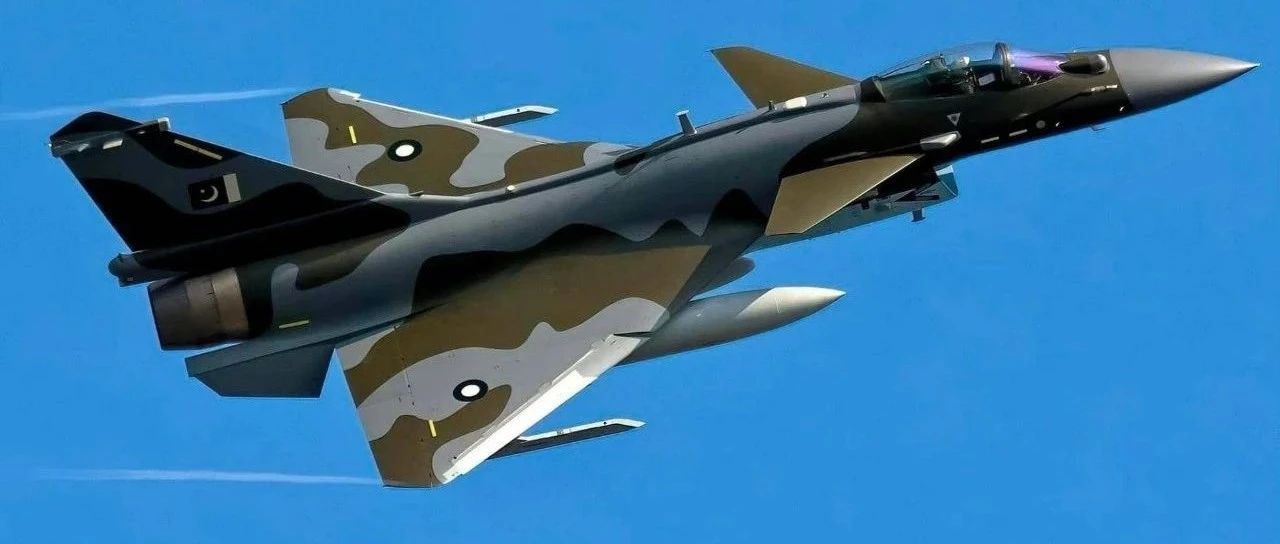
Core Viewpoint - The article discusses the advancements in China's semiconductor industry, particularly in military applications, highlighting the successful development and integration of indigenous semiconductor technologies in the J-10 fighter jet, which reflects China's progress in achieving self-sufficiency and competitiveness in the global defense sector [5][9]. Group 1: Development of Semiconductor Technology - The J-10 fighter jet represents a significant breakthrough in China's aviation industry, moving from reliance on foreign technology to developing indigenous semiconductor solutions [5]. - The avionics system of the J-10 utilizes a fiber channel (FC) bus technology with a data transmission rate of 10 Gbps, showcasing advancements in electromagnetic interference resistance compared to traditional copper cables [5]. - The J-10C model incorporates domestically produced active phased array radar, which relies on gallium nitride (GaN) T/R modules, indicating a shift towards high-purity semiconductor materials [6]. Group 2: Overcoming Technological Barriers - The J-10's flight control system transitioned from dependence on imported DSP chips to a dual-chip redundancy architecture developed by Chinese engineers, enhancing reliability and performance [6]. - The power system of the J-10 has been upgraded to utilize domestically produced IGBT chips, achieving a power increase and a 40% reduction in size, demonstrating significant advancements in energy management [7]. - The article emphasizes the importance of adapting commercial chips for military applications, illustrating how Chinese companies have innovatively modified existing technologies to meet defense requirements [8]. Group 3: Strategic Implications and Future Outlook - The military conflict between India and Pakistan serves as a practical validation of China's military capabilities, reinforcing confidence in negotiations on various fronts, including tariffs and technology [11]. - The article notes that China's military semiconductor capabilities have significantly advanced, achieving 90% localization in the J-10C, which reflects a rapid development trajectory compared to Western nations [11]. - The future of aerial combat is framed as a competition between silicon-based and carbon-based technologies, with China positioning itself to define the rules of engagement in this evolving landscape [11].
国防军工行业2024年报和2025一季报业绩综述:短期业绩筑底,看好下游需求释放
ZHESHANG SECURITIES· 2025-05-11 03:23
Investment Rating - The industry investment rating is "Positive (Maintained)" [5] Core Viewpoints - The military industry is experiencing a short-term performance bottoming out, with revenue and profit under pressure in 2024 and Q1 2025. The overall revenue for the military sector is projected to be 578.2 billion yuan in 2024, a year-on-year decrease of 1%, while the net profit attributable to shareholders is expected to be 19.5 billion yuan, down 39% year-on-year [1][2] - The report highlights three main investment themes for 2025: new domains and new qualities, military trade, and restructuring [3][4][6] Summary by Sections Financial Performance - The military sector's revenue and profit are both declining, with Q1 2025 revenue at 110.4 billion yuan, flat year-on-year, and net profit at 5.8 billion yuan, down 12% year-on-year. Excluding 11 shipbuilding companies, the remaining 124 companies are expected to see a revenue decrease of 4% and a net profit decrease of 54% in 2024 [1][2] - The gross margin for the military sector in 2024 is projected to be 20.8%, down 2.4 percentage points year-on-year, while the net margin is expected to be 3.5%, down 3.5 percentage points year-on-year [2] Sector Breakdown - In Q1 2025, the aerospace equipment sector is expected to see a revenue decline of 4% and a net profit decrease of 20%. The military electronics sector is projected to experience a revenue drop of 12% and a net profit decrease of 111% in 2024 [3][4] - The report indicates that the growth in contract liabilities and inventory in certain areas suggests strong downstream demand, which is expected to lead to performance recovery in Q2 2025 [3][4] Investment Recommendations - The report recommends focusing on downstream main engine manufacturers and high-barrier, well-structured midstream targets, including companies like China Shipbuilding, AVIC, and others in the aerospace and military electronics sectors [7][9] - The new domains and new qualities are highlighted as significant future equipment directions, including drones and commercial aerospace, which are expected to accelerate in 2025 [3][4][9]
中美,会怎么谈?!
格兰投研· 2025-05-10 14:36
Group 1: US Stock Market Overview - The US stock market opened high but closed lower, with the Dow Jones down 0.29% and the S&P and Nasdaq remaining relatively unchanged. All three major indices showed a slight decline of less than one point this week [1] - There has been a significant redemption of funds from US ETFs, totaling $24.8 billion over the past four weeks, marking the largest scale in nearly two years. Hedge funds sold $1.5 billion in a week, while insurance companies and other institutions sold $2.7 billion, the second-highest weekly sell-off in history [1] - Institutional confidence is low, with many believing that the US economy is likely heading towards a recession. The Google search volume for "Is the US in a recession?" has reached its second-highest level ever, only behind the actual recession period [1] Group 2: Retail Investors and Corporate Buybacks - Retail investors have been net buyers for 21 consecutive weeks, setting a record for the longest buying streak in history, with purchases totaling a record $2 billion in the past four weeks [2] - Corporate buybacks were substantial, with $233.8 billion in buybacks in April, the second-highest amount recorded since 1984 [5] - The motivation behind corporate buybacks is to prevent their stock prices from falling too much and to signal confidence in future stock price increases [8] Group 3: Market Sentiment and Predictions - The current market sentiment is influenced by a long-standing bullish trend in the US stock market, which has created a loyal base of retail investors who tend to buy on dips [8] - Former President Trump has encouraged retail investors to buy stocks, stating "buy stocks now," which has raised concerns about potential market manipulation [10] - The S&P 500 is expected to face strong resistance around the 4800-4835 range, with a potential bear market if it falls below 5100. The optimal strategy is to trade within the 5100-5500 range, selling high and buying low [10] Group 4: US-China Trade Negotiations - Recent comments from Trump regarding US-China trade negotiations suggest a pressure tactic, with a target of 80% being mentioned, although a more realistic expectation is around 54% for the second phase of negotiations [12][13] - Economic data from both sides has not yet shown significant impacts, indicating that the urgency for negotiations may not be as strong as perceived. For instance, while US non-farm data remains resilient, China's exports to ASEAN countries increased by 21% despite tariffs [14]

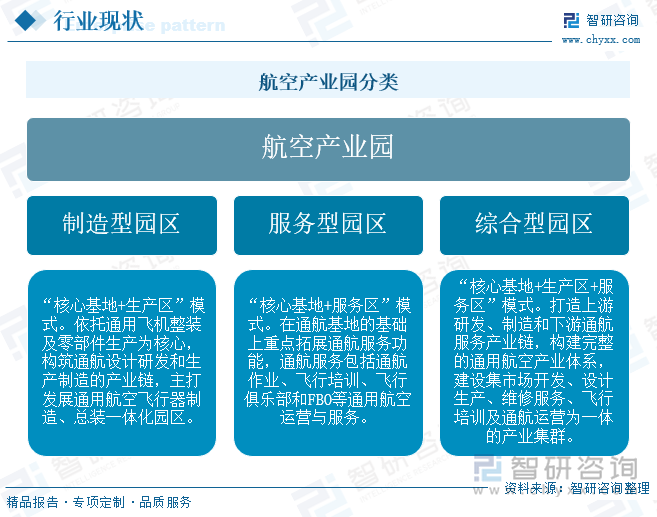
研判2025!中国航空产业园行业产业链、相关政策及行业现状分析:产业园数量激增彰显政策红利效应,市场需求复苏与低空经济崛起共推产业景气攀升[图]
Chan Ye Xin Xi Wang· 2025-05-10 02:37
Core Viewpoint - The number of aviation industrial parks in China is projected to reach 128 in 2024, an increase of 14 parks year-on-year, driven by strong national strategic support and favorable policies [1][12]. Industry Overview - Aviation industrial parks are designated areas focused on aviation-related manufacturing, research, maintenance, and operations, created to foster industry clustering and collaboration through government incentives [1]. Industry Development History - The development of China's aviation industrial parks has progressed through three stages: 1. Initial stage (2003-2008) with only 8 parks established 2. Steady growth phase (2009-2014) with the number increasing to 44 3. Rapid growth phase (2015-present) where the number of parks has surged, averaging 10 new parks annually [3]. Industry Chain - The upstream of the aviation industrial park industry chain includes raw materials, components, and basic equipment, while the midstream focuses on operations and services, and the downstream involves airlines and maintenance companies [5]. Current Industry Status - The aviation industry is experiencing a recovery with passenger transport expected to reach 730 million in 2024, a year-on-year increase of 18.1%, and air cargo volume increasing by 22.1% [12]. Policy Support - Recent policies, such as the "General Aviation Equipment Innovation Application Implementation Plan (2024-2030)", aim to enhance the supply capacity and innovation ability of general aviation equipment by 2027, providing a three-dimensional drive for aviation industrial parks [9][11]. Industry Development Trends 1. **Technological Upgrades**: The industry is focusing on innovation-driven high-quality development, with key areas including unmanned, electric, and intelligent technologies [21]. 2. **Industry Clustering**: Aviation industrial parks are becoming core carriers for industry chain integration, with significant regional differentiation and specialization [22]. 3. **International Cooperation**: There is an increasing trend of international collaboration, with domestic companies engaging in joint ventures and technology transfers to enhance global competitiveness [23].