优必选科技

Search documents
人形机器人进入家庭至少还要8—10年!业内重要预测
证券时报· 2025-11-05 15:20
Core Viewpoint - The development and integration of humanoid robots into various sectors, particularly industrial and eventually household applications, is projected to take significant time, with experts estimating 8-10 years for household integration and a critical year for industrial applications in 2024 [2][3][9]. Group 1: Industry Predictions - Experts predict that humanoid robots will first be implemented in industrial settings, with expectations of over 10,000 units being delivered by companies in the coming year, marking a pivotal moment similar to the early days of the electric vehicle market [2][9]. - The transition from technology development to practical application in commercial settings is anticipated to occur within the next 3-5 years, particularly in standardized environments like logistics and service industries [7][9]. - The ultimate goal of humanoid robots is to address practical problems in daily life and production, with the focus on creating models that effectively solve these issues [9]. Group 2: Challenges and Considerations - The integration of humanoid robots into household environments will require addressing safety, legal, and regulatory standards, which are seen as more complex than the technological challenges [4][9]. - The industry is currently focused on finding replicable and scalable scenarios for humanoid robots to ensure successful deployment and acceptance in various sectors [4][6]. - The rapid advancement of technology, such as the development of AI models like GPT-5, is prompting a reevaluation of data research to explore new possibilities in the robotics field [9].


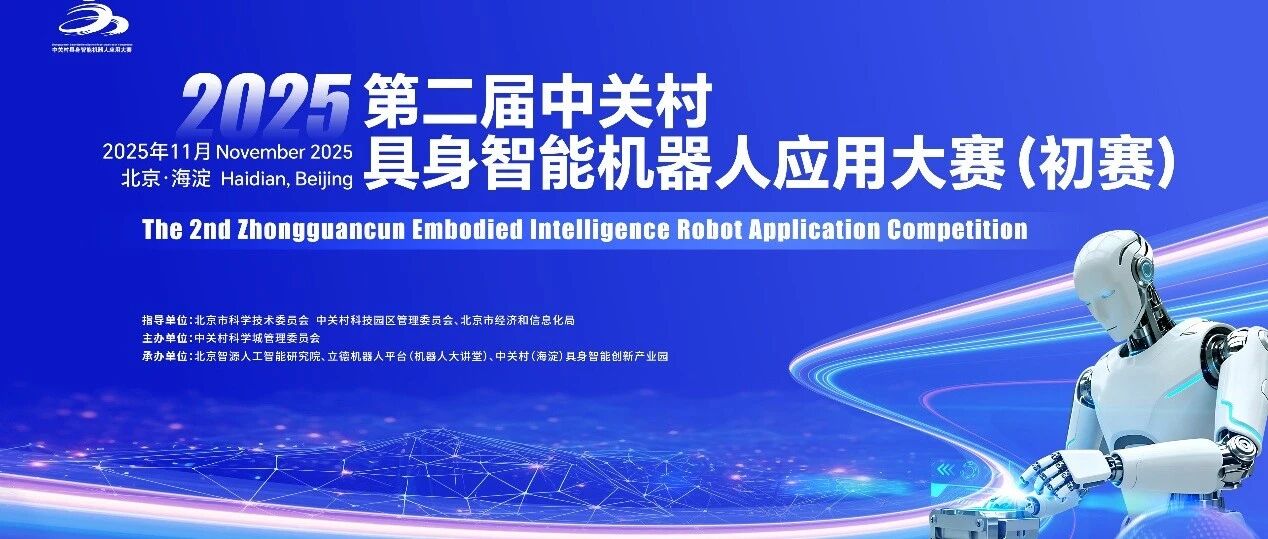
东升赛区初赛收官!第二届中关村具身智能机器人应用大赛展现机器人“真干活”风采
机器人大讲堂· 2025-11-05 12:41
第二届中关村具身智能机器人应用大赛初赛 已于 5日 在 中关村(海淀)具身智能创新产业园 顺利开赛 。 11 月5日的初赛由北京市科学技术委员会、中关村科技园区管理委员会、北京市经济和信息化局指导,中关村科 学城管委会主办,北京智源人工智能研究院、立德机器人平台(机器人大讲堂)、中关村(海淀)具身智能创新产 业园承办。作为全国首个具身智能创新产业园所在地,中关村(海淀)具身智能创新产业园依托园区产业 集 聚优势 为赛事提供了坚实支撑,也让这场以 " 劳动最光荣 " 为核心主题的赛事更具场景落地价值。 作为赛事的重要载体之一,具身智能场景赛中的 工业制造场景(自主)、居家服务场景(自主)、家庭服务 场景(遥操作)三个赛项 和 具身智能学术前沿赛 共四个赛项在中关村(海淀)具身智能创新 产业园 举办, 覆盖家庭服务、商用服务、工业制造、安全处置等多元场景。 经过 大赛 前期 的 精心筹备与项目征集, 5日的 初赛集结 实力 队伍 参赛 ,覆盖工业制造、家庭服务、安全 处置等具身智能核心应用领域,既有高校联合团队的前沿技术,也有聚焦场景落地企业 的 实战方案,充分展 现出 本次大赛贴近产业需求的务实属性和积极 创新 ...
Nature正刊!ETH开发随声音运动的新型人造肌肉,为多个领域的发展提供新机会
机器人大讲堂· 2025-11-02 13:16
今年 全球机器人 领域专家学者 研汇聚中国杭州 ,举办 国际智能机器人与系统会议 即 IROS 2025 。 作为机器人领域规模最大、影响最广的国际会议之一, IROS一如既往地成为前沿技术展示与国际学术产业交流的重要平台。在本次会议上,"软体机器人""可变形机器人""智能致动器"等关键词频频出现,彰显机器人发 展正逐步由传统刚体结构向柔性、仿生、智能化方向转型。 软体机器人通过弹性体、可变构型、柔性驱动器等实现优越的柔顺性、结构适应 性 和 安全的 人机协作 。 "人工肌肉"作为软体机器人中关键的运动与控制模块, 其发展情况尤为值得关注。近年来 , 研究者不仅在气动/液压式软 人工 肌肉上取得进展,也在电致驱动、介电弹体、 光驱动、磁驱动和 离子聚合物 -金属复合 物等高性能人工肌肉材料上不断突破。然而,从实验室走向实际系统部署, 人工肌肉 仍面临材料耐久、集成化、响应速度、可编程控制、可扩展性 和 系统化设计 等挑战。 与此同时,中国正在迈入新一轮科技创新和产业升级的重要时期。在即将实施的 "十五五"规划中, 预期 中国将加快发展人工智能、机器人、信息通信等新兴产 业,并强调基础研究、自主技术、产业化应用 ...
“十五五” 时期,中国机器人产业发展有哪些值得期待?
机器人大讲堂· 2025-11-02 13:16
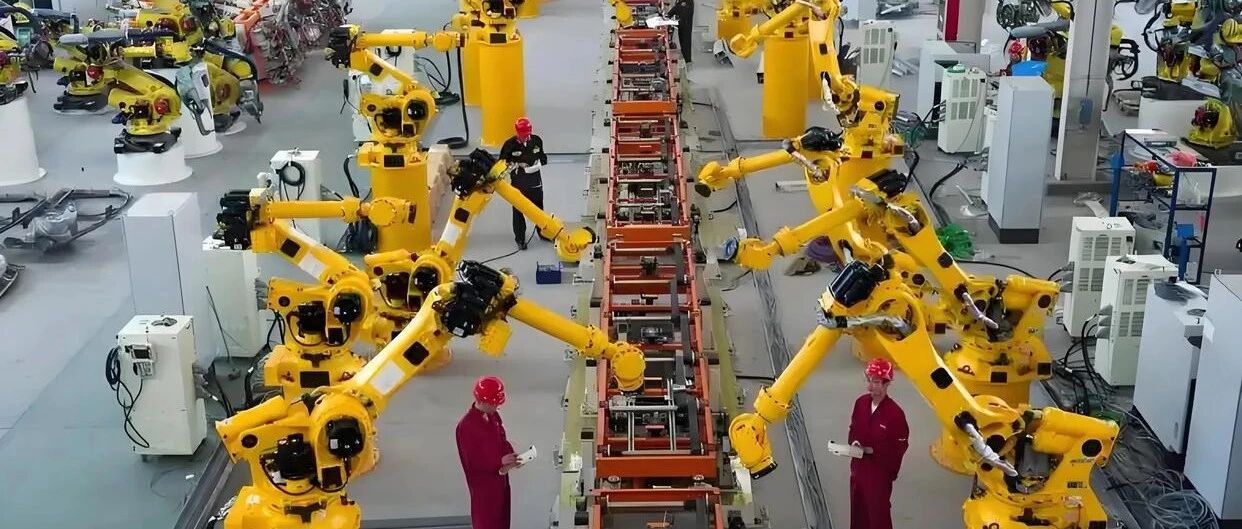
Core Viewpoint - The article emphasizes the strategic importance of the robotics industry in China's 14th Five-Year Plan, highlighting its role in technological self-reliance and the development of new productive forces. The focus is on transitioning from quantity to quality and establishing a self-sufficient supply chain, aiming for a revenue target of over 320 billion yuan by the end of the 15th Five-Year Plan [1][2]. Group 1: Industry Development Goals - The robotics industry aims to shift from mere scale expansion to quality improvement and self-sufficiency, with a goal of entering the global first tier [2][12]. - By the end of the 15th Five-Year Plan, the revenue of China's intelligent robotics industry is expected to exceed 320 billion yuan, marking a transition from assembly to innovation-driven manufacturing [2][5]. Group 2: Industrial Robotics Focus - Industrial robots remain a priority, with a focus on high-end manufacturing sectors such as new energy vehicles and semiconductors, aiming to improve precision and efficiency [4][5]. - The market for industrial robots is projected to reach 215 billion yuan, with domestic brands expected to capture over 60% market share [5][18]. Group 3: Service Robotics Development - Service robots are positioned as key to addressing aging population challenges and enhancing public services, with significant growth expected in healthcare and eldercare applications [5][20]. - By 2024, over 20% of the population will be over 60 years old, driving demand for eldercare robots to alleviate healthcare pressures [5][20]. Group 4: Special Robotics Applications - Special robots are set to achieve significant advancements in high-risk and complex environments, such as agriculture and emergency response, with a focus on enhancing reliability and adaptability [7][8][20]. - The application of special robots in national strategic projects is expected to drive rapid technological iterations [20]. Group 5: Technological Innovation and Market Demand - The development of robotics will be driven by a combination of policy support, technological breakthroughs, and market demand, addressing key challenges such as core technology dependencies and fragmented application scenarios [12][14]. - Market demand is shifting from simple automation to high-end applications, with industrial robots expected to penetrate various sectors, enhancing productivity and quality [18][21]. Group 6: Ecosystem and Collaboration - The competition in the robotics industry is evolving from single-enterprise competition to systemic competition among industrial ecosystems, emphasizing collaboration across supply chains, innovation chains, and talent development [21][24]. - The establishment of a standard, testing, and certification system is crucial for improving product quality and international competitiveness [25][26]. Group 7: Future Outlook - By 2030, China's robotics industry is anticipated to achieve comprehensive strength, becoming a global leader in advanced robotics technology and solutions [27].
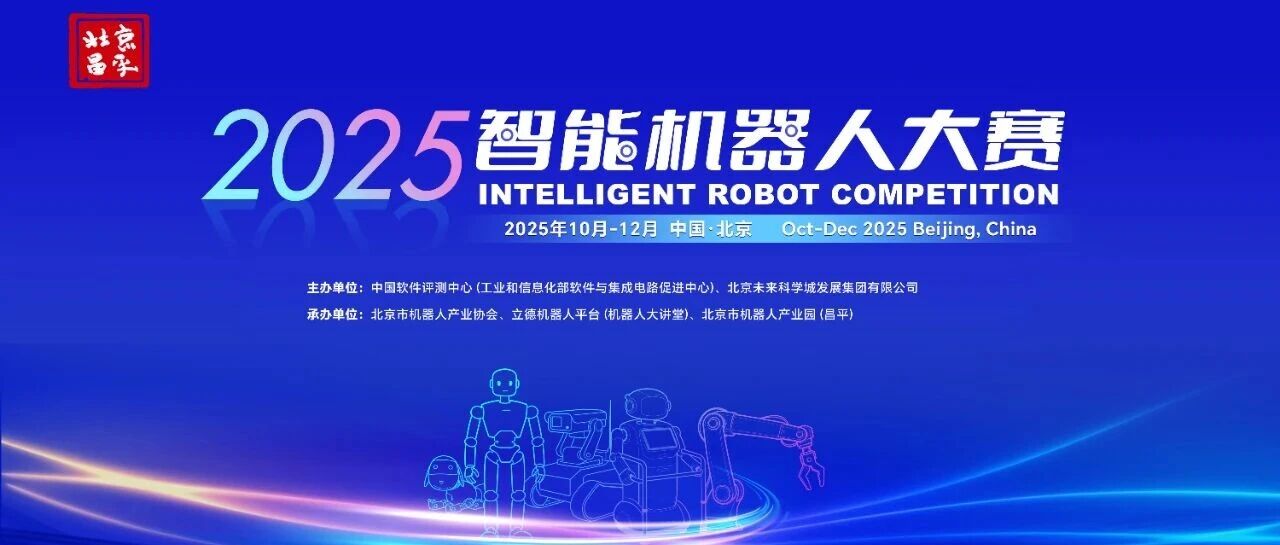
聚智北京,创享未来!2025年智能机器人大赛——让技术梦想照进产业现实
机器人大讲堂· 2025-10-31 06:51
Core Insights - The global technological revolution is accelerating the iteration of robotics technology, with China's robotics industry transitioning from a technology follower to a global leader, driven by demand upgrades and technological breakthroughs [1] - Beijing is emerging as a core hub for China's intelligent robotics industry, with over 940 robotics-related companies, leveraging its strong capabilities in core technology autonomy [1][3] Industry Development - Beijing has established a strategic framework for the intelligent robotics sector, characterized by "North-South linkage," positioning itself as an innovation high point in China [3] - The city is focusing on developing humanoid robots while promoting four categories of high-end robots: medical, collaborative, emergency, and service robots, through a "1+4" industrial system [3] Competition Overview - The 2025 Intelligent Robotics Competition is designed to meet industry needs, featuring four main tracks: manufacturing, rehabilitation and elderly care, safety and emergency, and innovation, with seven competition events [4] - The competition will include preliminary rounds, finals, and a comprehensive evaluation of participating robots based on innovation, practicality, and market potential [5] Competition Structure - The preliminary rounds will take place in four sub-regions, with expert evaluations determining which teams advance to the finals [5] - The finals will feature a "real-world challenge + free display" format, allowing diverse robot types to demonstrate their capabilities in realistic industrial scenarios [5][9] Prize and Support - The total prize pool for the competition is 1.3 million yuan, with specific awards for different tracks to encourage high-quality technological solutions [9] - A panel of authoritative experts will provide technical guidance to participants, facilitating the transition from technology development to market application [9][12] Event Promotion - The competition will coincide with an intelligent robotics industry forum and project roadshow to promote collaboration between quality enterprises and local governments [12] - The event aims to create a complete cycle from innovation to verification and landing in the industry, providing real feedback and support for participating teams [13]
国际团队将在太空测试光子AI芯片;智源研究院发布悟界Emu3.5丨AIGC日报
创业邦· 2025-10-31 00:08
Group 1 - Nvidia plans to invest up to $1 billion in AI startup Poolside, potentially increasing its valuation to four times the previous amount [2] - Poolside is negotiating to raise $2 billion at a valuation of $12 billion, excluding the current fundraising [2] - The latest funding round has already secured over $1 billion in commitments, with approximately $700 million coming from existing investors [2] Group 2 - The "Top 100 Innovative Enterprises in China's AI Industry by 2025" was released, featuring 10 companies from Shenzhen, highlighting the city's strengths in AI [2] - Notable Shenzhen companies on the list include Huawei, Tencent, and ZTE, showcasing their representation in the AI sector [2] Group 3 - The Zhiyuan Research Institute launched the Emu3.5 multimodal model, trained on over 10 trillion tokens, with a significant increase in video training duration and parameter count [2] - Emu3.5 can generate immersive storytelling experiences and perform complex interactions across various scenarios [2] Group 4 - An international team, including the University of Florida and NASA, successfully sent a photonic AI chip to the International Space Station, marking a new phase in space semiconductor research [2]


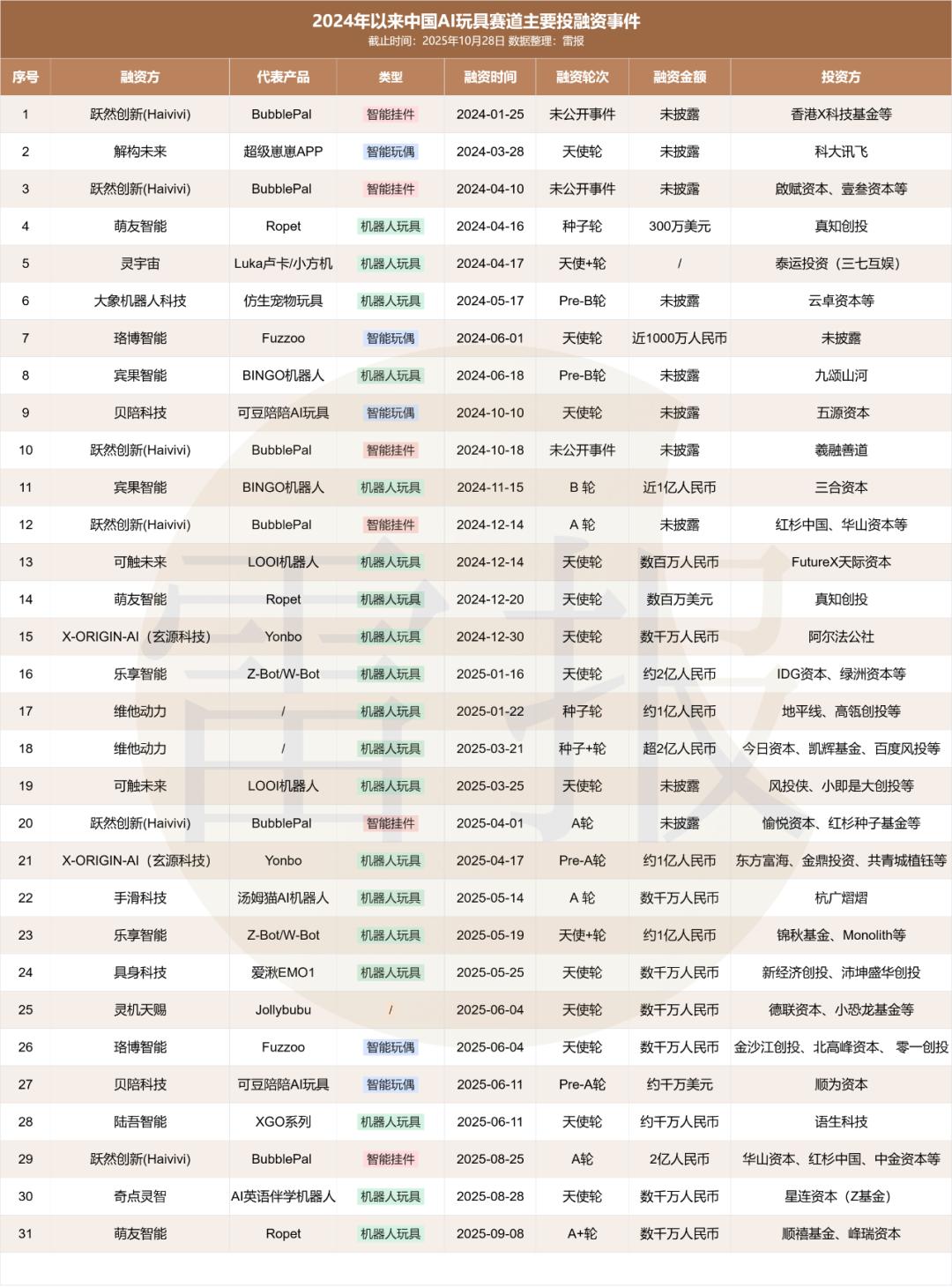
31起融资但40%退货率,“卷IP”会是AI玩具赛道的破局新思路吗?
3 6 Ke· 2025-10-29 04:39
Core Insights - The AI toy sector has seen a surge in investment activity, with at least 31 financing events recorded in 2024, including 7 billion-level and 12 million-level investments, attracting nearly 100 investment institutions [1] - Despite challenges such as high return rates and reliance on platform traffic for sales, certain segments of the AI toy market are performing well, particularly those integrating intellectual property (IP) [2][4] - The market has entered a new phase of deep integration with IP, with over 30 IP-linked AI toys launched or announced, predominantly in 2025, covering various categories such as anime and cultural products [2][3] Investment Activity - The AI toy sector has attracted significant capital, with major players like IDG Capital and Sequoia China participating in funding rounds [1] - Notable financing events include Haivivi's BubblePal and Alilo's early education robots, which have achieved substantial sales figures [6][9] Market Performance - The best-performing AI toys are primarily educational products aimed at children, characterized by their interactive features and affordability, which cater to the early education market [4][6] - Brands like Haivivi and Alilo have reported impressive sales, with Haivivi's BubblePal selling over 250,000 units and Alilo's products exceeding 1 million units in total sales [6][9] IP Integration - The integration of IP has become a key strategy for differentiation in the AI toy market, with brands leveraging popular IPs to enhance brand recognition and consumer engagement [2][13] - Companies like Haivivi and Folotoy are actively pursuing collaborations with well-known IPs to strengthen their market position and appeal to specific consumer segments [15][16] Consumer Trends - The emotional companionship segment targeting adult women is emerging, focusing on personalized emotional support and interaction, although it faces challenges in meeting consumer expectations [17][26] - Products in this category are often criticized for their limited functionality and high pricing, which may hinder broader market acceptance [26][28] Future Outlook - The AI toy industry is still in its early stages, with a clear divide between low-end and high-end products, and the potential for growth remains significant, particularly in the children's educational and emotional support segments [44] - The market is expected to evolve as companies refine their product offerings and address existing consumer needs, paving the way for sustainable growth [29][44]
新兴支柱产业蓄势发力 催生数个万亿级市场
Xin Hua Wang· 2025-10-28 02:23
Group 1 - The core focus of the article is on the strategic importance of building a modern industrial system and strengthening the foundation of the real economy, as outlined in the "Suggestions" for the 15th Five-Year Plan [1][2] - The manufacturing sector is emphasized as a critical component of the economy, with a call to maintain a reasonable proportion of manufacturing to enhance economic resilience [2][3] - Traditional industries, which account for approximately 80% of the manufacturing value added, are identified as the backbone of the industrial system, with initiatives aimed at upgrading key sectors such as chemicals, machinery, and shipbuilding [2][3] Group 2 - The article highlights the potential for market expansion in traditional manufacturing through transformation towards intelligent, green, and integrated development, estimating an additional market space of around 10 trillion yuan over the next five years [3][4] - New strategic emerging industries, including new energy, new materials, aerospace, and low-altitude economy, are projected to create several trillion-level markets, contributing significantly to economic growth [4][5] - The article discusses the importance of fostering innovation in emerging and future industries, with a focus on technologies such as quantum science, biomanufacturing, and hydrogen energy, which are expected to become new economic growth points [4][5]
像飞蛾扑火一样定位悬停!仿生飞行器最新突破!
机器人大讲堂· 2025-10-27 03:56
近日,辛辛那提大学的研究团队搞出了一个有意思的东西—— 仿蛾 扑翼无人 机 。 它最大 的 亮 点是用了 极值搜索 (Extremum-Seeking)反馈控制,简单说就是 不需要AI、不需要复杂模型,靠着简单的反馈机制就能实现稳定飞行。 硬件配置上,它有四个金属丝和织物做的翅膀,通过高速独立扑动来控制飞行姿态——快到肉眼只能看到一片模糊,跟蜂鸟似的。 功能方面很有意 思: 能悬停、能倒着飞,遇到风或障碍物会自动调整,还能跟着移动的光源走。 飞行时会有点小晃 悠,但这不是缺陷而是特意设计的——系统需 要这 种扰 动来不断优化飞行状态。 此外,它还能模拟飞蛾、蜻蜓、蜂鸟等各种飞行生物的姿态。而且整个系统可以做得非常小,特别适合一些特殊应用场景。 ▍ 悬停飞行:曾被认为 "不可能"的奇迹 昆虫和蜂鸟的悬停飞行一直是个谜。 它们如何在空中保持稳定?如何实时调整翅膀来对抗扰动?这些问题困扰了科学家几十年。 不久前,辛辛那提大学的研究团队还提出了一个 全新的解释框架 ——将昆虫悬停飞行描述为一种天然的极值搜索(Extremum Seeking,ES)反馈系统。 | XIV > math > arXiv:2402.049 ...
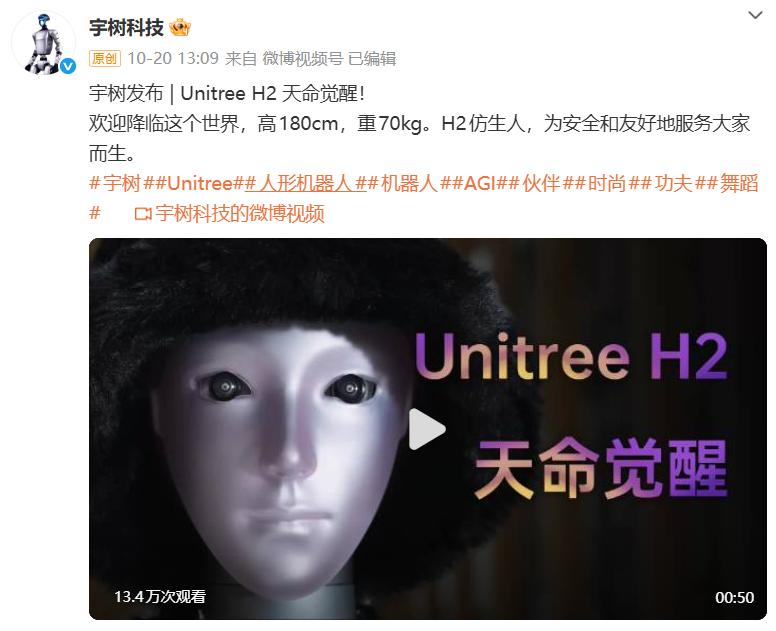
宇树发布H2,优必选斩单,人形机器人走向实用主义
3 6 Ke· 2025-10-24 11:24
Core Insights - The humanoid robot industry in China is rapidly transitioning from laboratory prototypes to commercial applications, driven by technological advancements, policy support, and market acceptance [1][10][16] - Major companies like UBTECH and Yushun Technology are leading this transformation with significant industrial orders and innovative product releases [1][16] Group 1: Technological Advancements - Humanoid robots are evolving from being merely functional to practical, with deep integration of motion control and AI intelligence as the core driving force [2] - UBTECH's Walker S2 features 52 degrees of freedom, capable of handling loads up to 15 kilograms and has a hot-swappable battery system that allows for continuous operation [2][8] - Yushun Technology's new H2 humanoid robot showcases strong balance and agility, continuing the company's tradition of excellence in motion control [4][8] Group 2: Market Dynamics - Yushun Technology has won 25 public procurement projects this year, nearing its total for the entire previous year [11] - The market is shifting from academic and research institutions to industrial applications, with a significant portion of humanoid robots being procured for practical use [13][18] - UBTECH aims to deliver hundreds of humanoid robots this year, including 500 for industrial applications, while Zhiyuan Robotics plans to ship around 1,000 units [14][16] Group 3: Commercialization and Ecosystem Development - The industry is moving from technology validation to commercial validation, with a focus on real-world applications [9][10] - Companies are building ecosystems and promoting standardization to support long-term industry growth, with UBTECH and Yushun Technology leading in developer ecosystem initiatives [15] - The successful acquisition of large orders and increasing delivery capabilities are strong indicators of the humanoid robot industry's progress towards commercialization [15][16] Group 4: Future Challenges and Opportunities - The industry faces challenges in balancing costs and profitability, with a need to transition from high-cost, low-volume production to scalable solutions [16][18] - The concentration of humanoid robots in academic and performance settings has limited broader industrial applications, but advancements are being made to address this mismatch [18][19] - The future success of humanoid robots will depend on their ability to solve practical problems rather than merely mimicking human behavior [19]